John Howkins Antiques has dated this piece to the 19th Century.
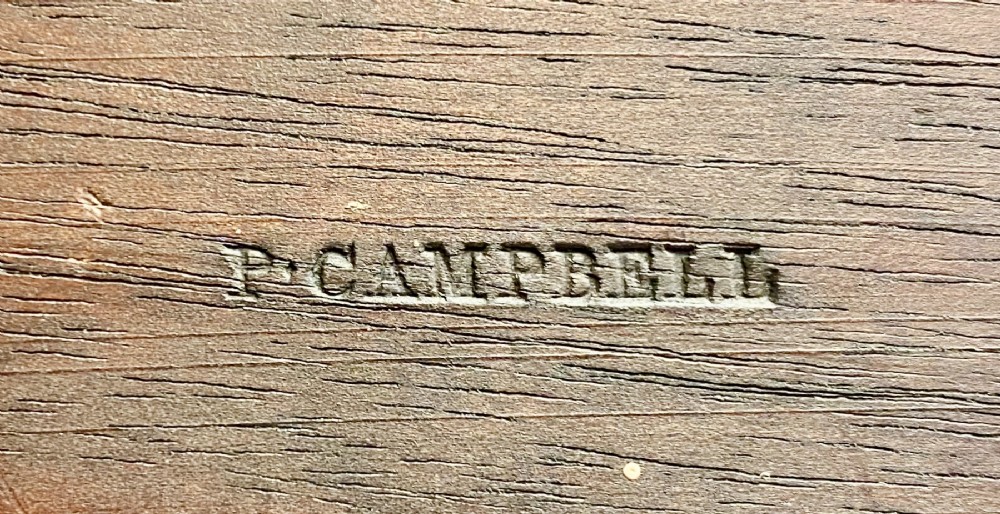
Campbell.
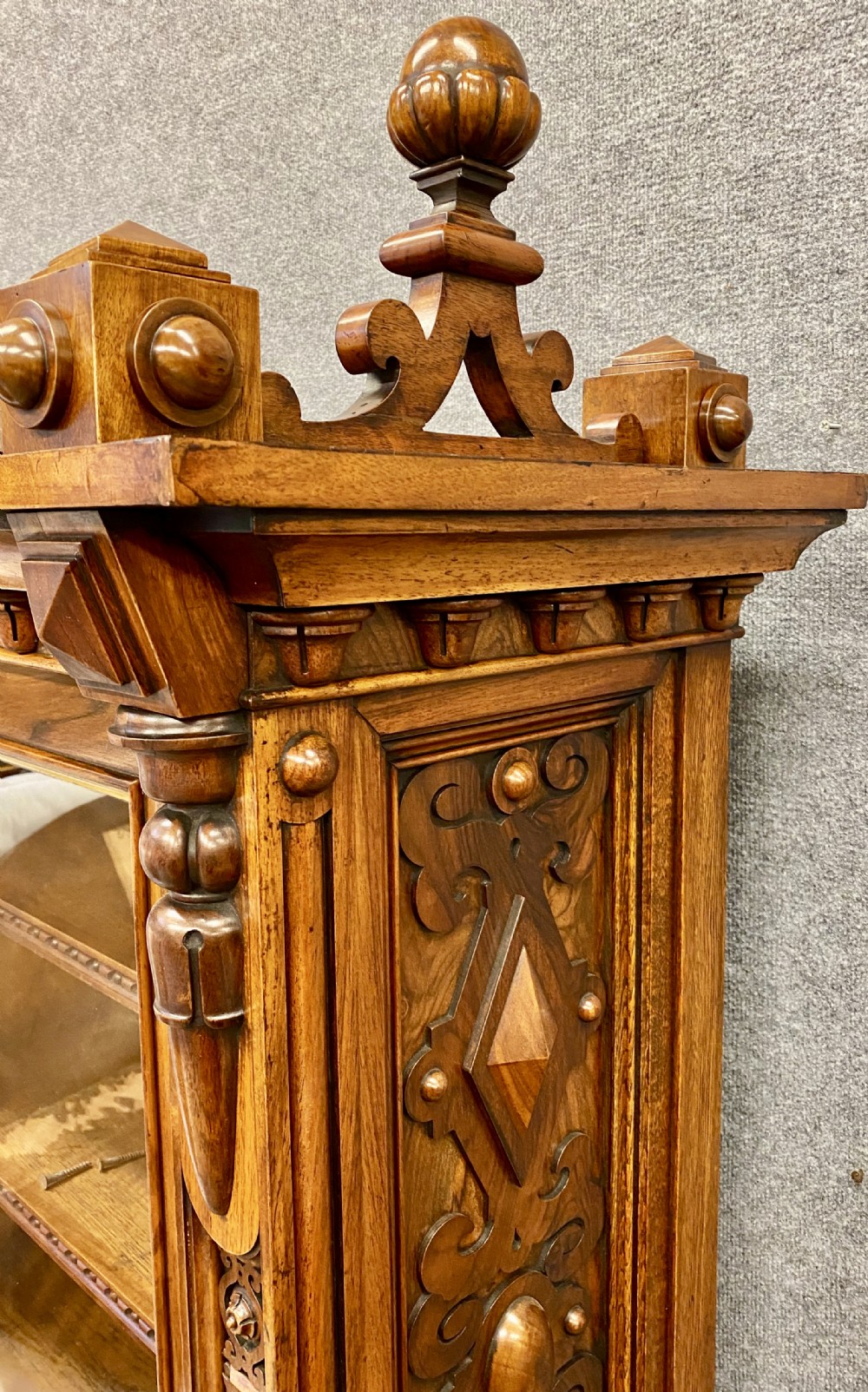
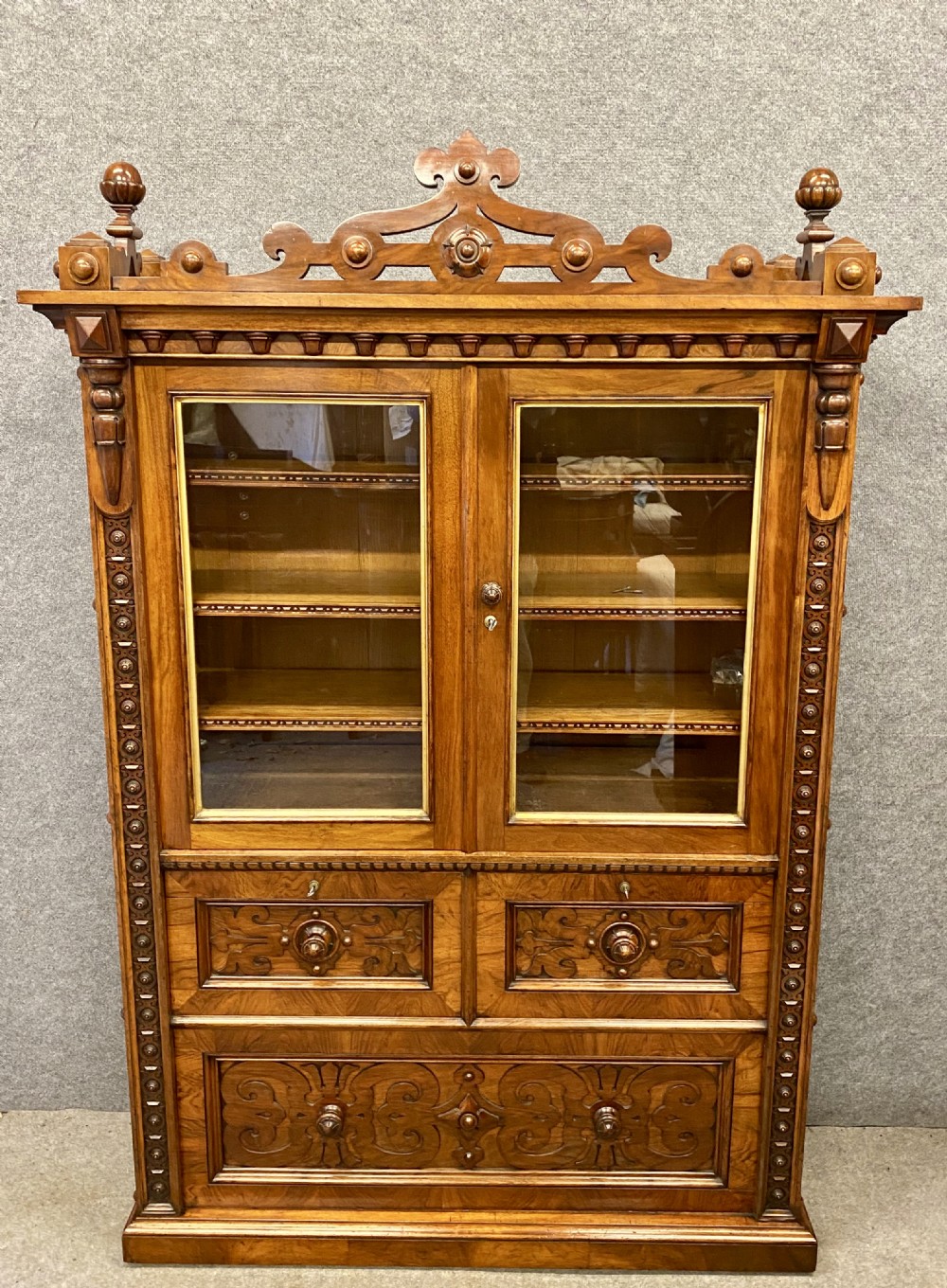
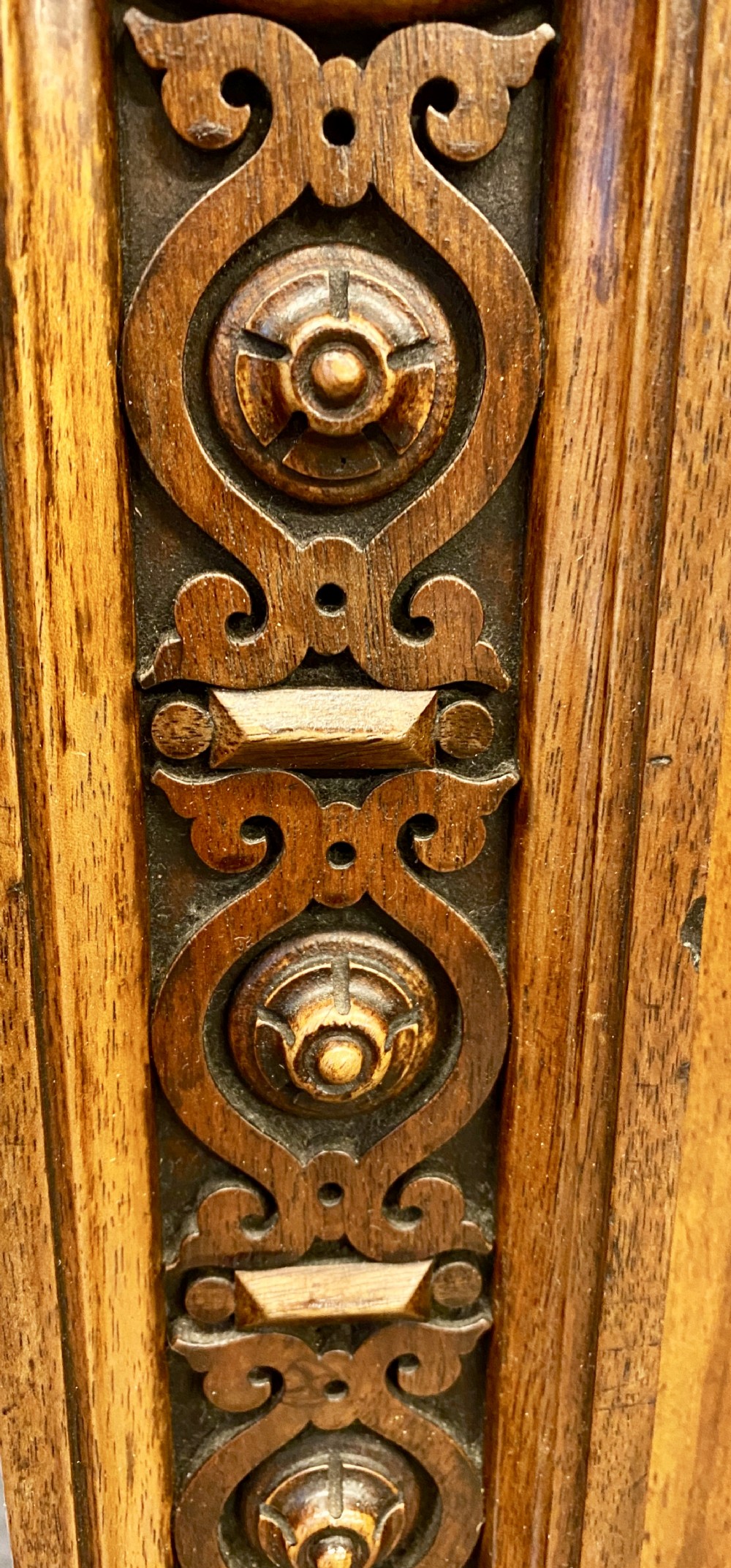
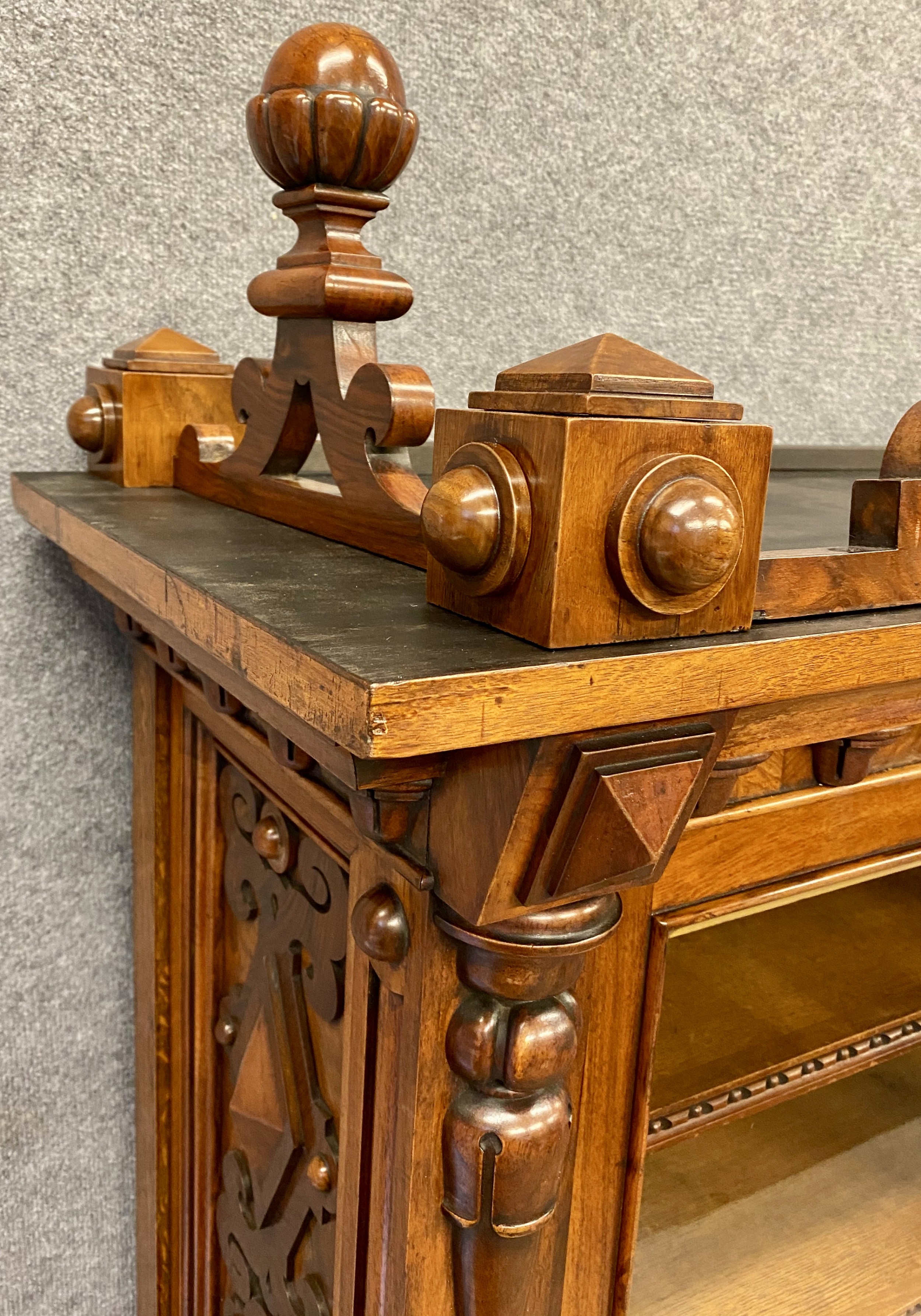
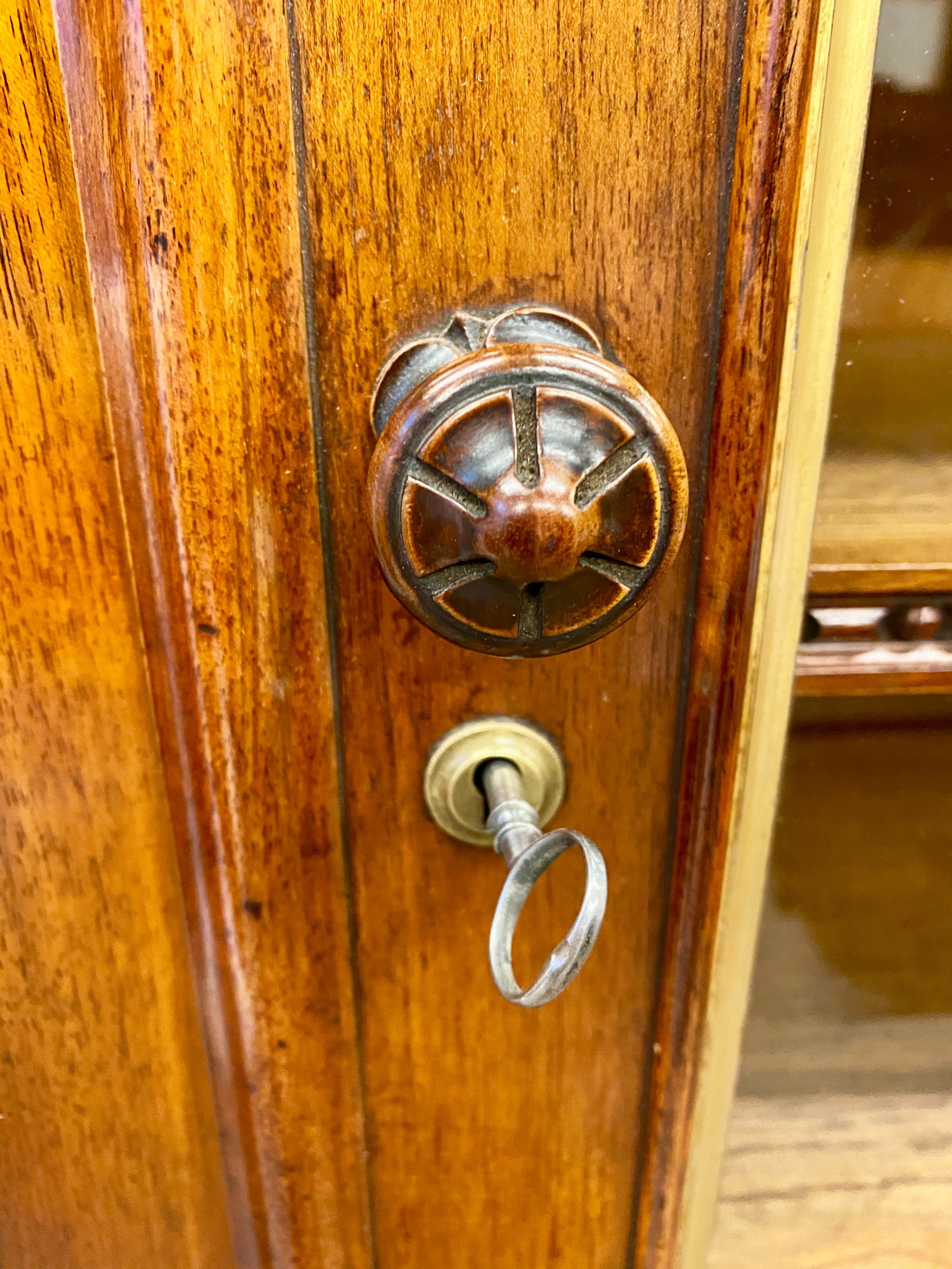
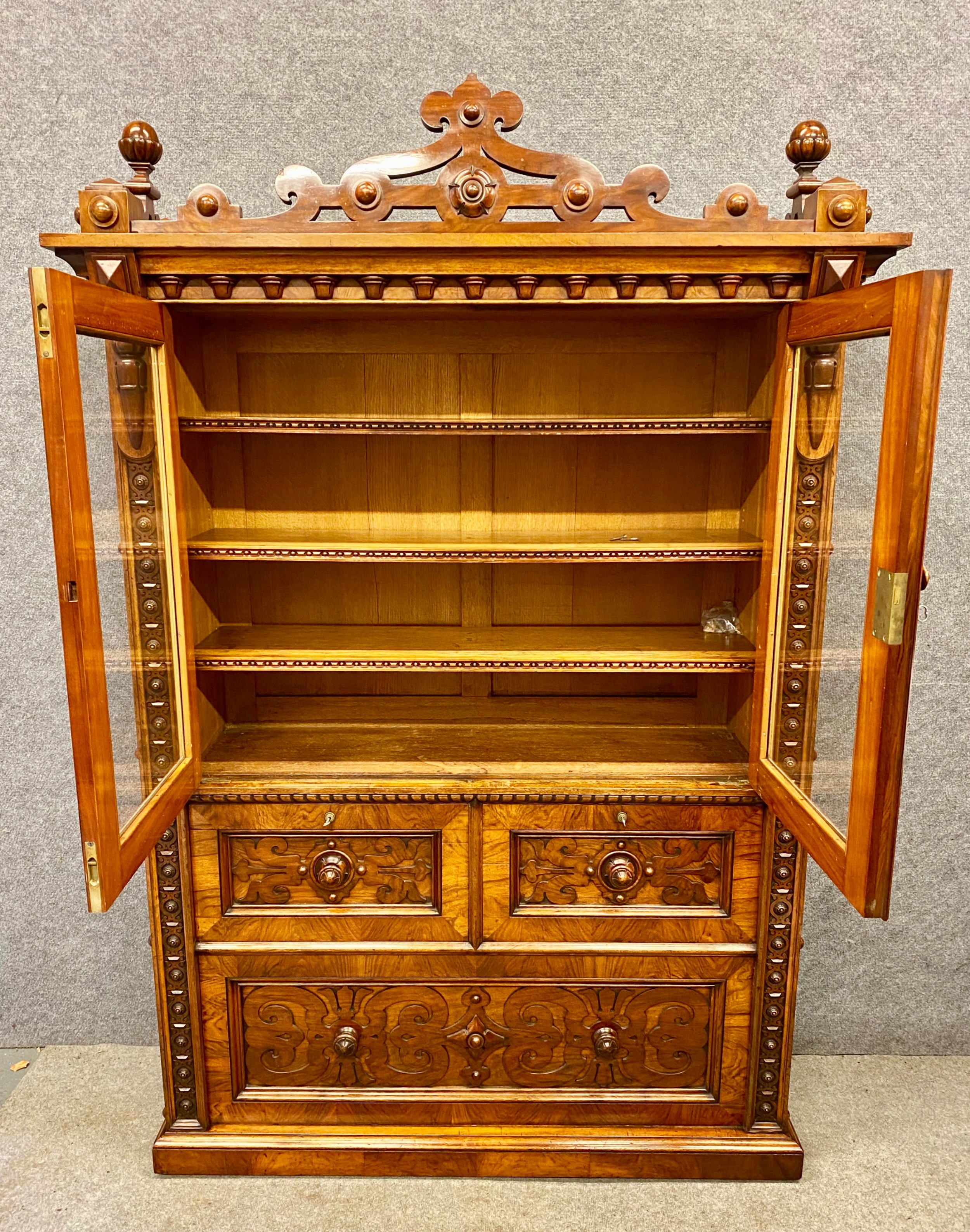
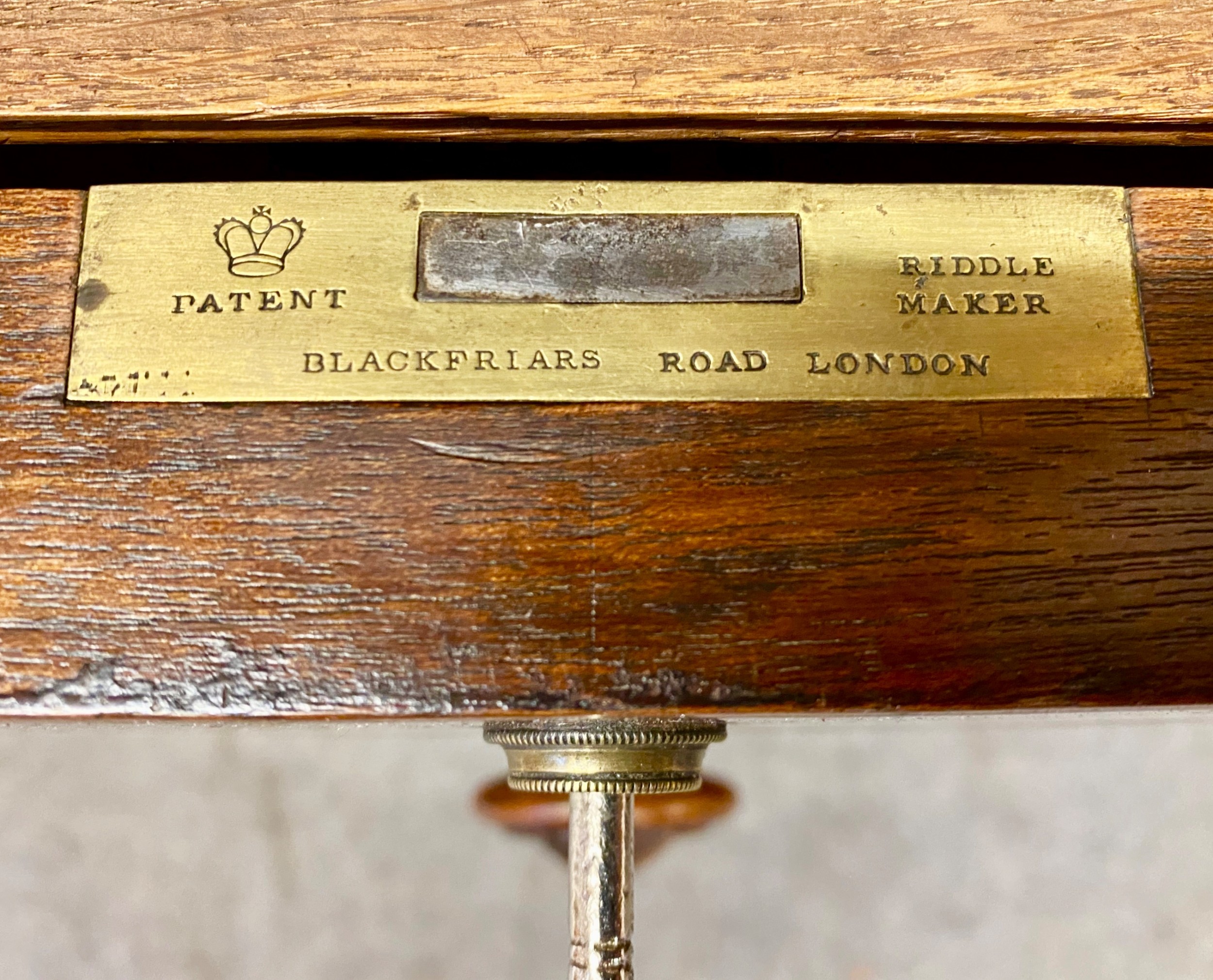
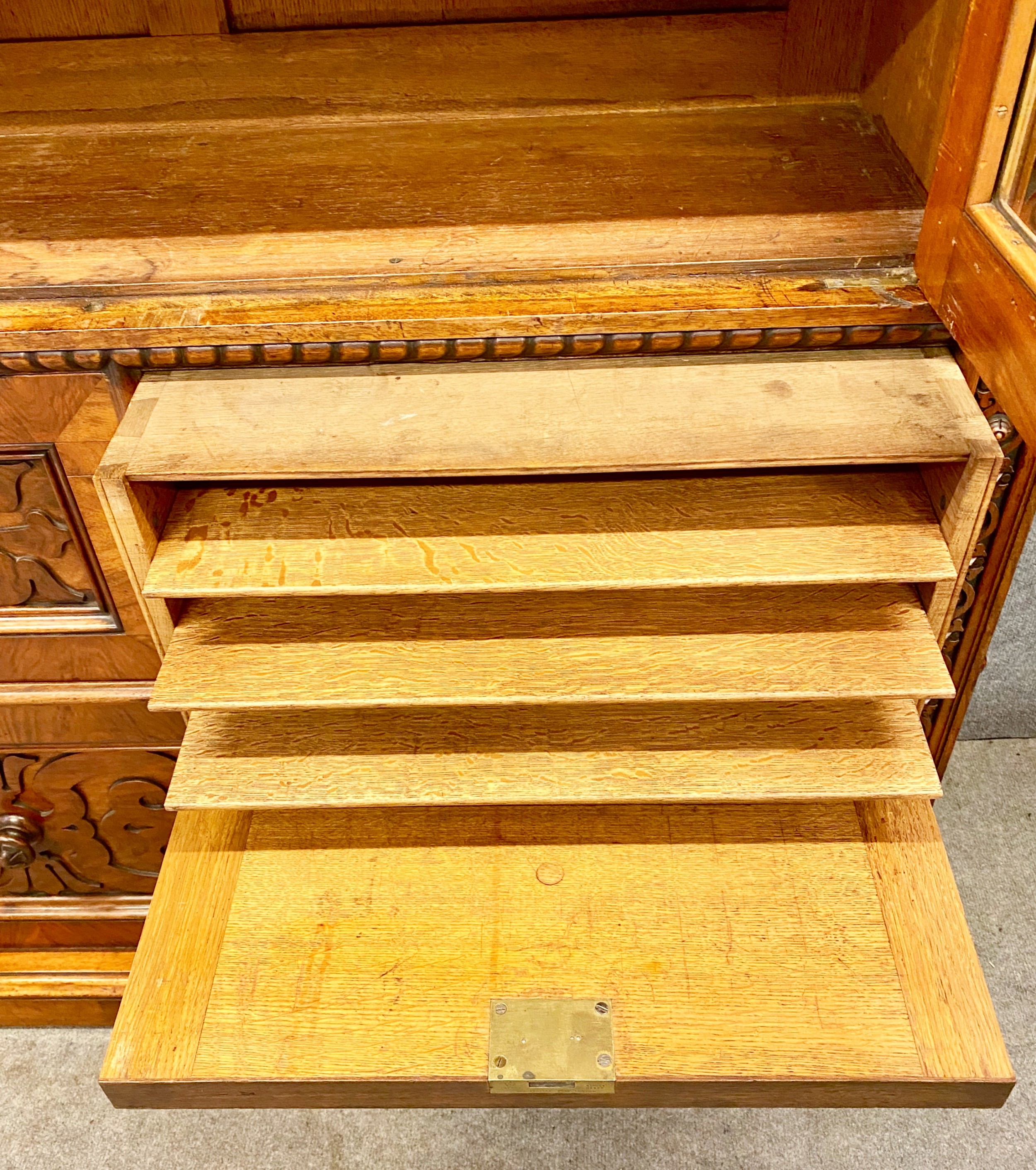
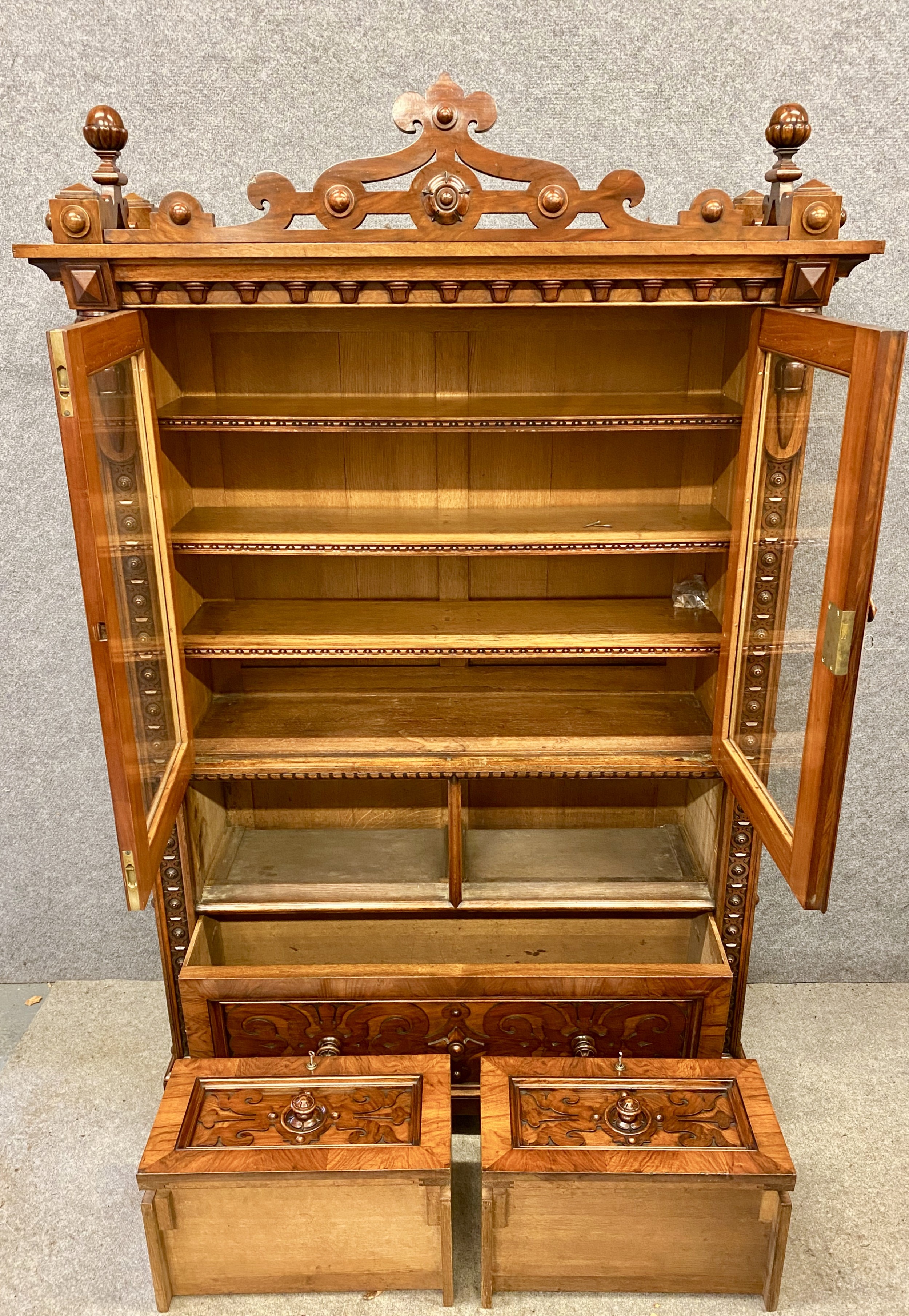
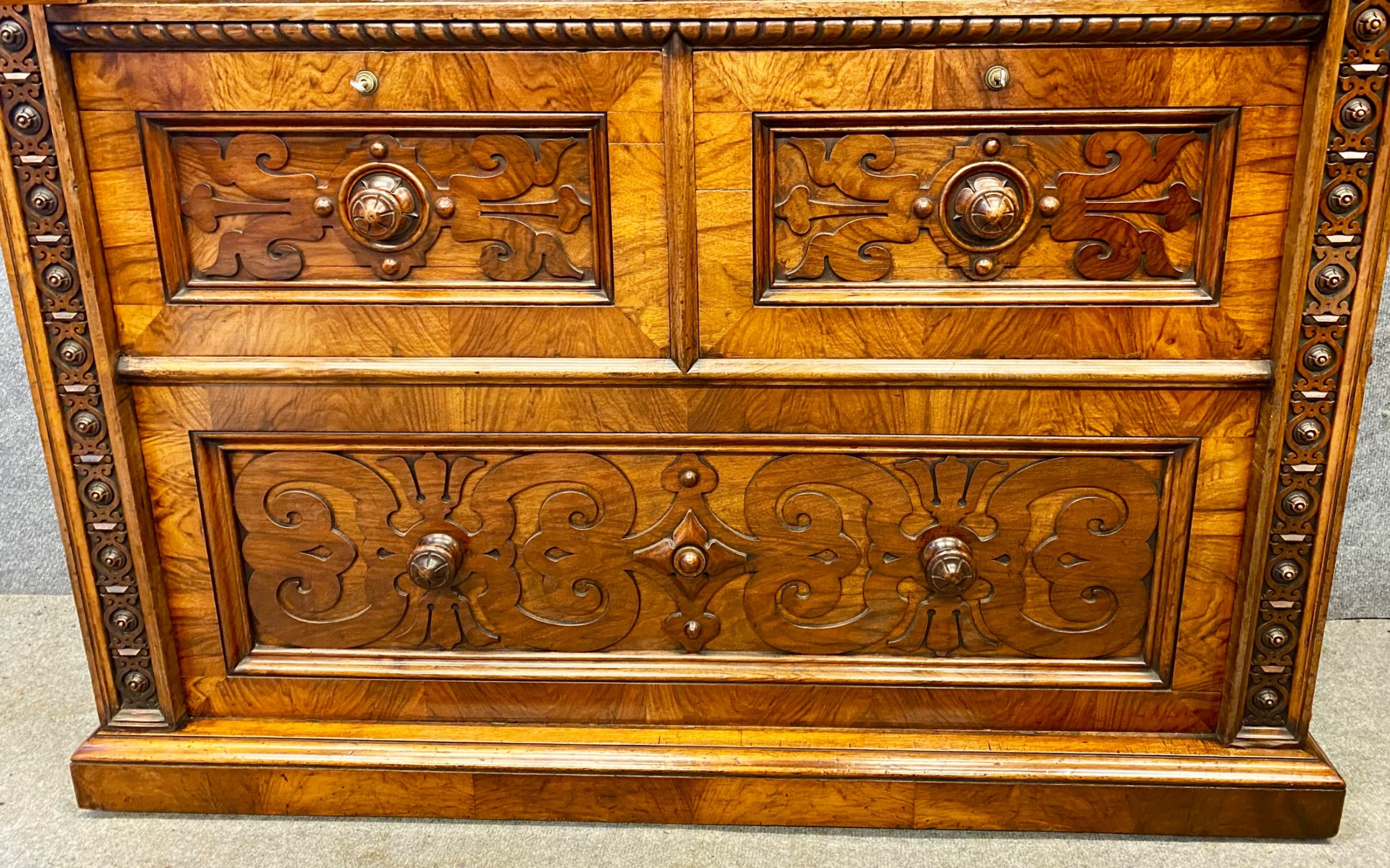
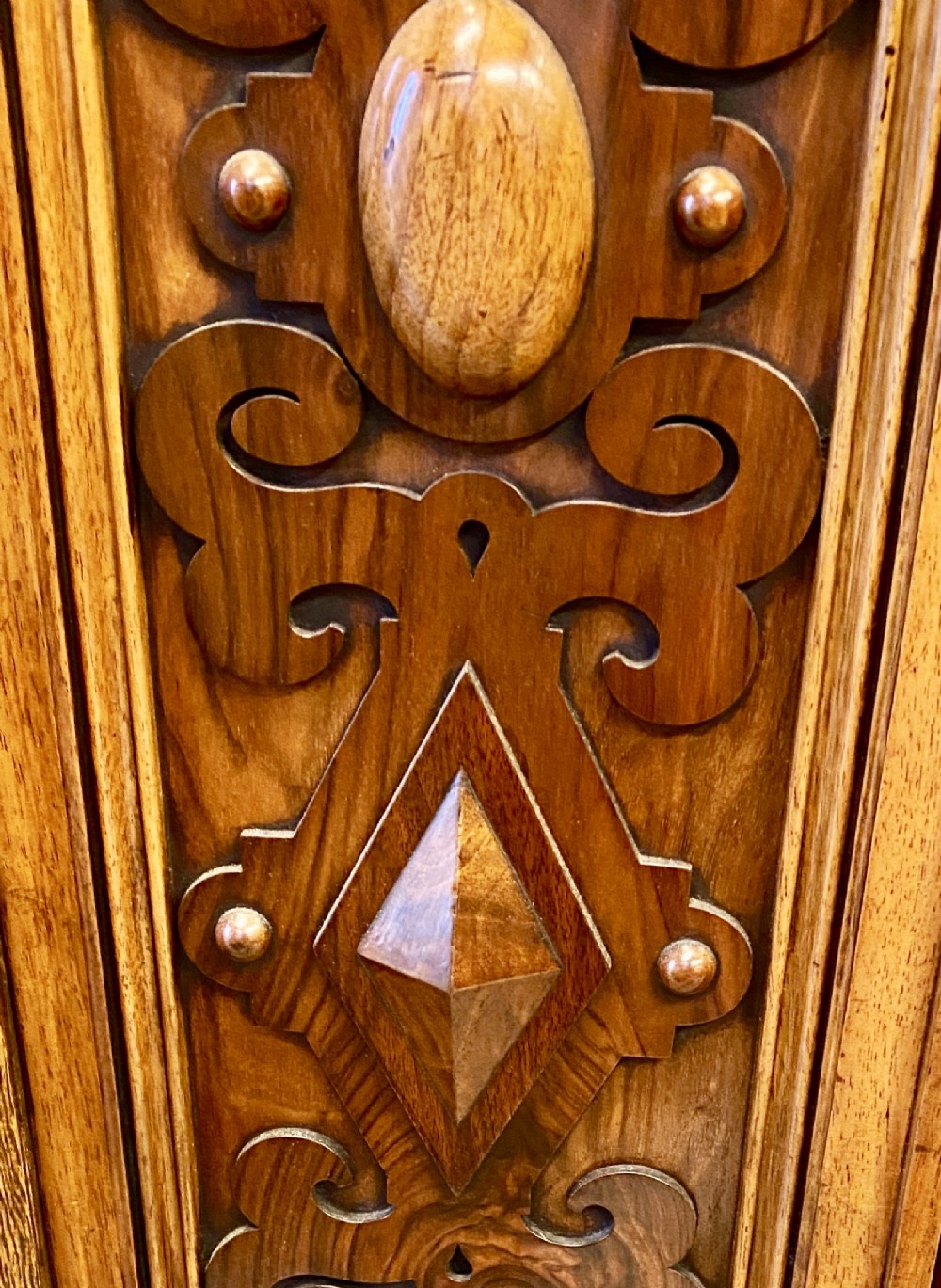
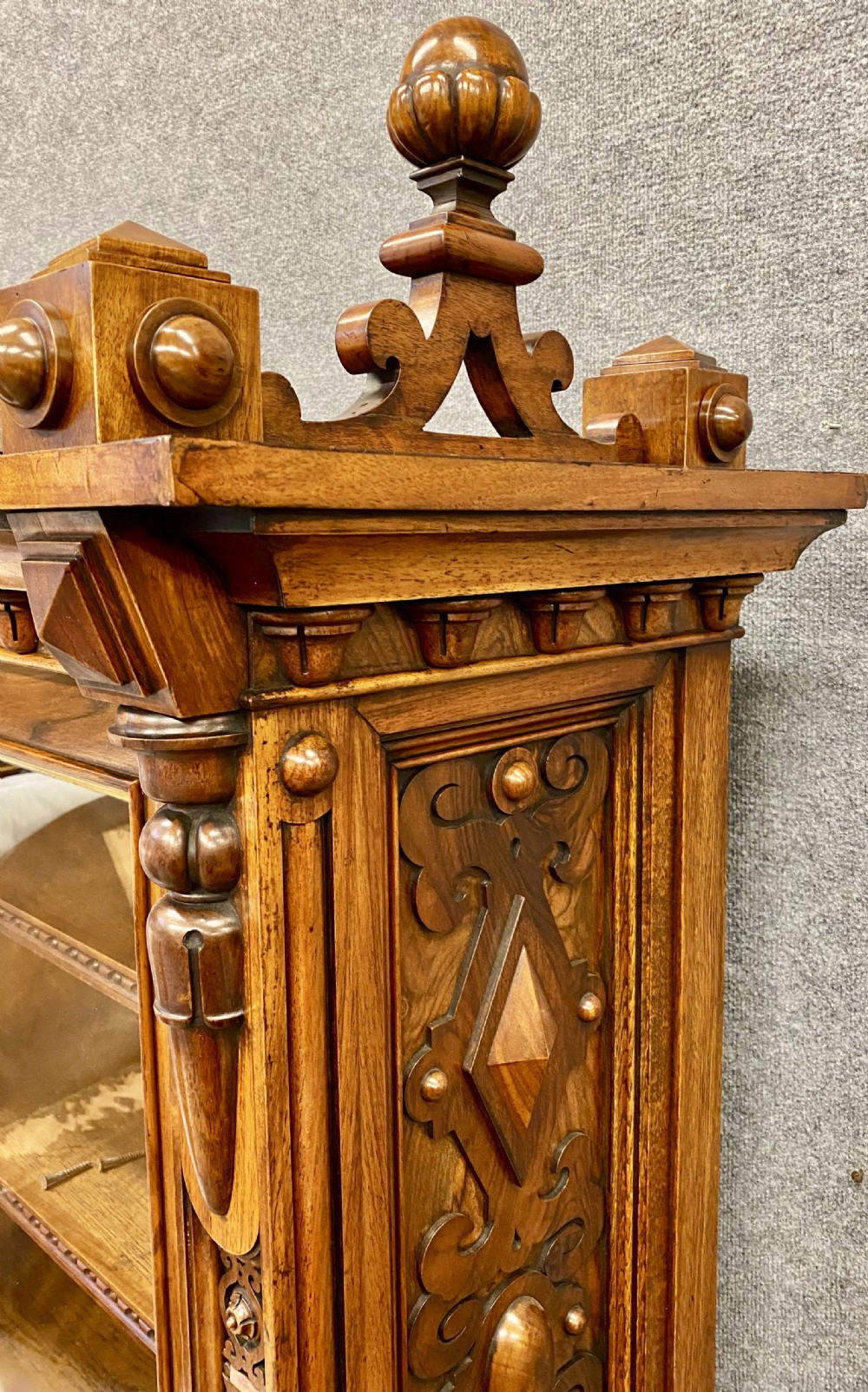
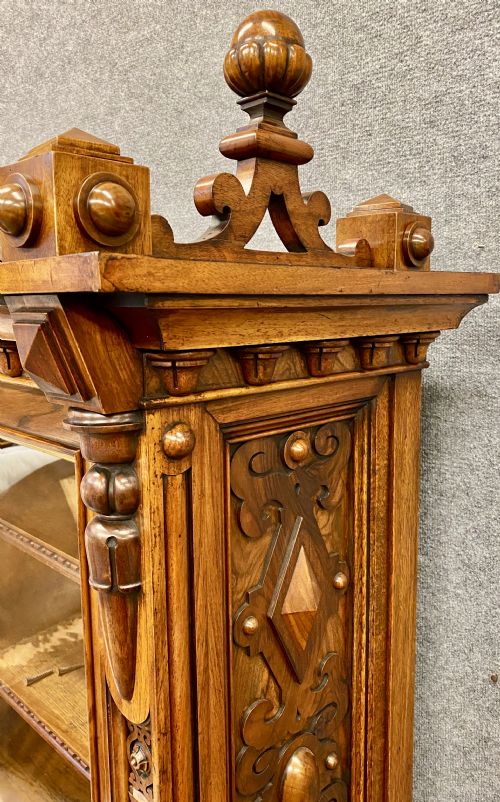
The unusual shaped and pierced cornice having applied cabochon half turnings, patrae and bold turned finials above the moulded frieze which has further applied turnings. The 2 walnut doors having gilded slips with carved turned pulls and working Bramah style lock with key. The doors open to an oak lined interior with 3 egg and dart faced adjustable oak shelves. The lower section having 2 short over 1 long drawer each cross banded in figured walnut with recessed centres which have applied lattice work and turned pulls, again with working locks and keys. The 2 narrow drawers are encased independently and have unusual interiors with sliding shelves (see photos). The stiles having half turned corbels above recessed lattice worked carving.The sides having full length recessed panels with stunning lattice work and applied cabochon and diamond carvings. The whole raised on a plinth base with original steel rollers below. Condition- Fine with original patent locks by Riddle of Blackfriars Road, London.Dimensions:- Height...78.5''/ 199.5cm. Width...53.25''/ 135.5cm. Depth...18.25''/ 46.5.
NOTE. Richard Hicks Bridgens began his career in Liverpool where he was apprenticed and worked for the cabinet maker and sculptor George Bullock. He moved to London in 1814 to continue working with Bullock. After Bullock's death in 1818 Bridgens set up his own business in Birmingham from 1819 to 1825, but although he was talented, it seems that self promotion was not his forte and custom was slow to materialise. Little is known of the work that he carried out in Birmingham, but he did produce a book, Furniture with candelabra and interior decoration, detailing his ideas for interior design, if not specific commissions. His most noteable known work was for James Watt junior at Aston Hall designing furniture and making architectural alterations in the Jacobean style. When his wife inherited a sugar plantation the couple left Birmingham for Trinidad.
John Howkins Antiques has dated this piece to the 19th Century.
You can view the stock and full dealer information on the John Howkins Antiques Profile Page
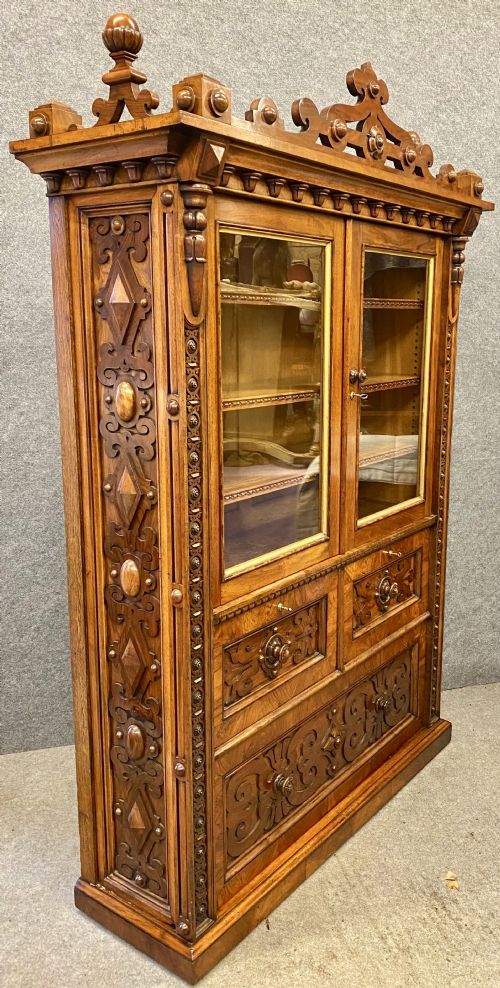
Rare Richard Hicks Bridgens (1785 - 1846) Walnut Bookcase