Roy Precious - Antiques & Fine Art has dated this piece to the 17th Century.
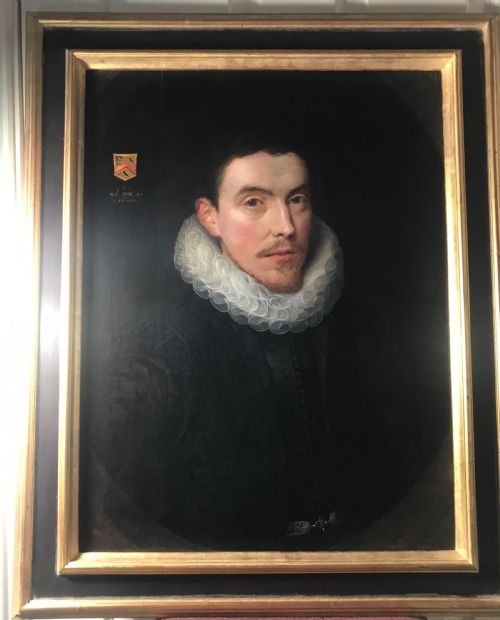
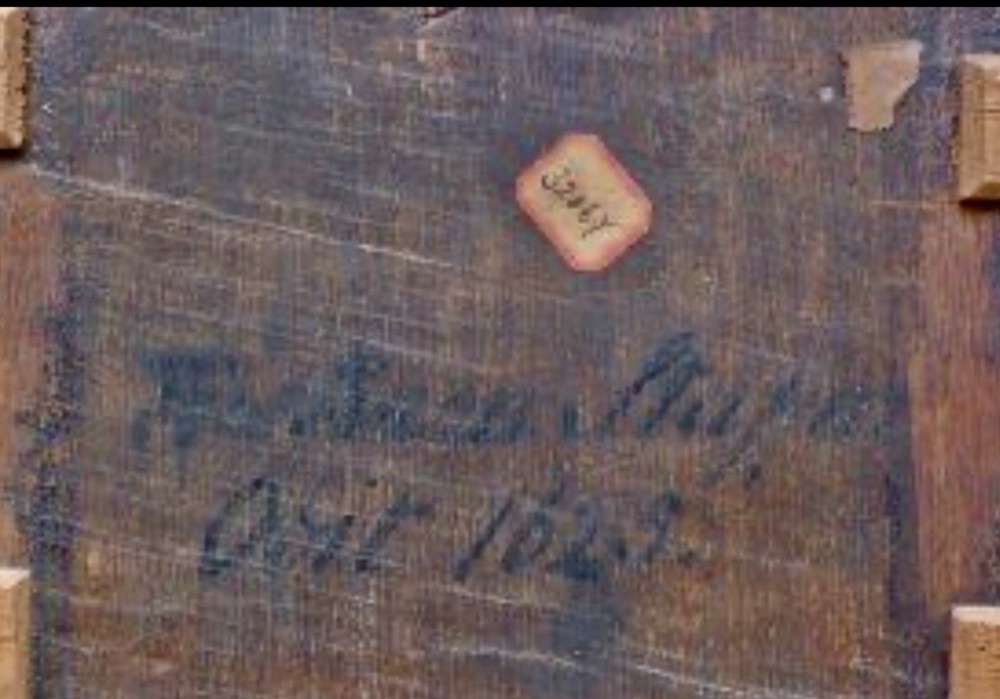
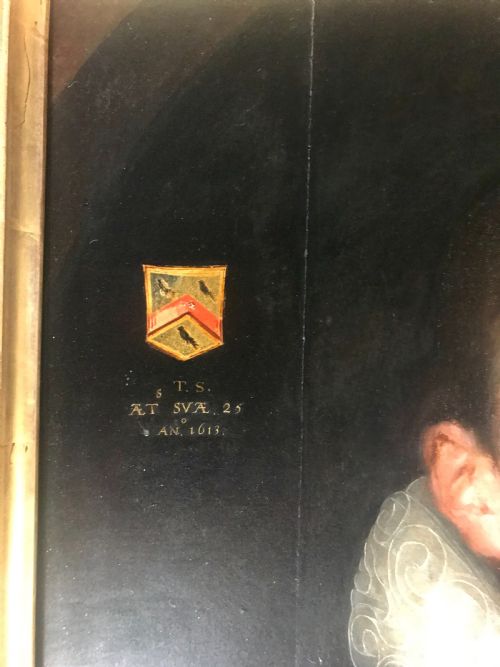
This armorial, marked with a mullet (a small star in the chevron) for difference, appears to have been used by the Staffords of Botham Hall in Derbyshire. Although they also seem to have done relatively little of note, they were an offshoot of the real Staffords and of some substance in the region. As always when needed, there are no parish records prior to 1600, but the Visitation of Derbyshire has the family tree which suggests TRISTRAM STAFFORD as a possible candidate. He also had a first cousin called William who inherited before him, possibly explaining the confusion over names.
The Stafford family’s earliest known connection to Botham and Mellor can be traced to the marriage of William de Stafford of Botham, near Glossop, to Margaret, daughter of Roger de Mellor of the manor of Mellor, in the fourteenth century. At some point, the family erected Bothams Hall, which remained the family seat until it was sold by Thomas Stafford in 1704.
In the 17th century TRISTRAM STAFFORD of Botham married Christian Jobson, the daughter of Thomas Jobson of Cudworth. Their eldest son, Thomas (born c.1662) married Ann, daughter and heir of John Shrigley of Bollington in Cheshire, bringing the Bollington property into the family. Both Botham and the manor of Mellor were sold by this same Thomas and by the early eighteenth century the family were living in Stockport. Thomas had one son, Tristram, who married Elizabeth James of Kinnerston in 1711 but died without issue.
In 1734 John Stafford, the grandson of Thomas by his second son, John, married Lucy, the sister of prominent landowner William Tatton of Wythinshaw Hall. Their daughter Sarah was born two years later and it was her marriage, in 1761, to Henry Langford of Stockport that links the Langford and Stafford family to the Sykes of Sledmere and, through them, to the Yorks of Hutton Wandesley. In 1799 Henry and Sarah’s daughter, Lucy Dorothea, married the Reverend Christopher Sykes. Their daughter Penelope was born in 1810 and in 1837 she married Edward York, the son of Richard York and Lady Mary Ann Lascelles.
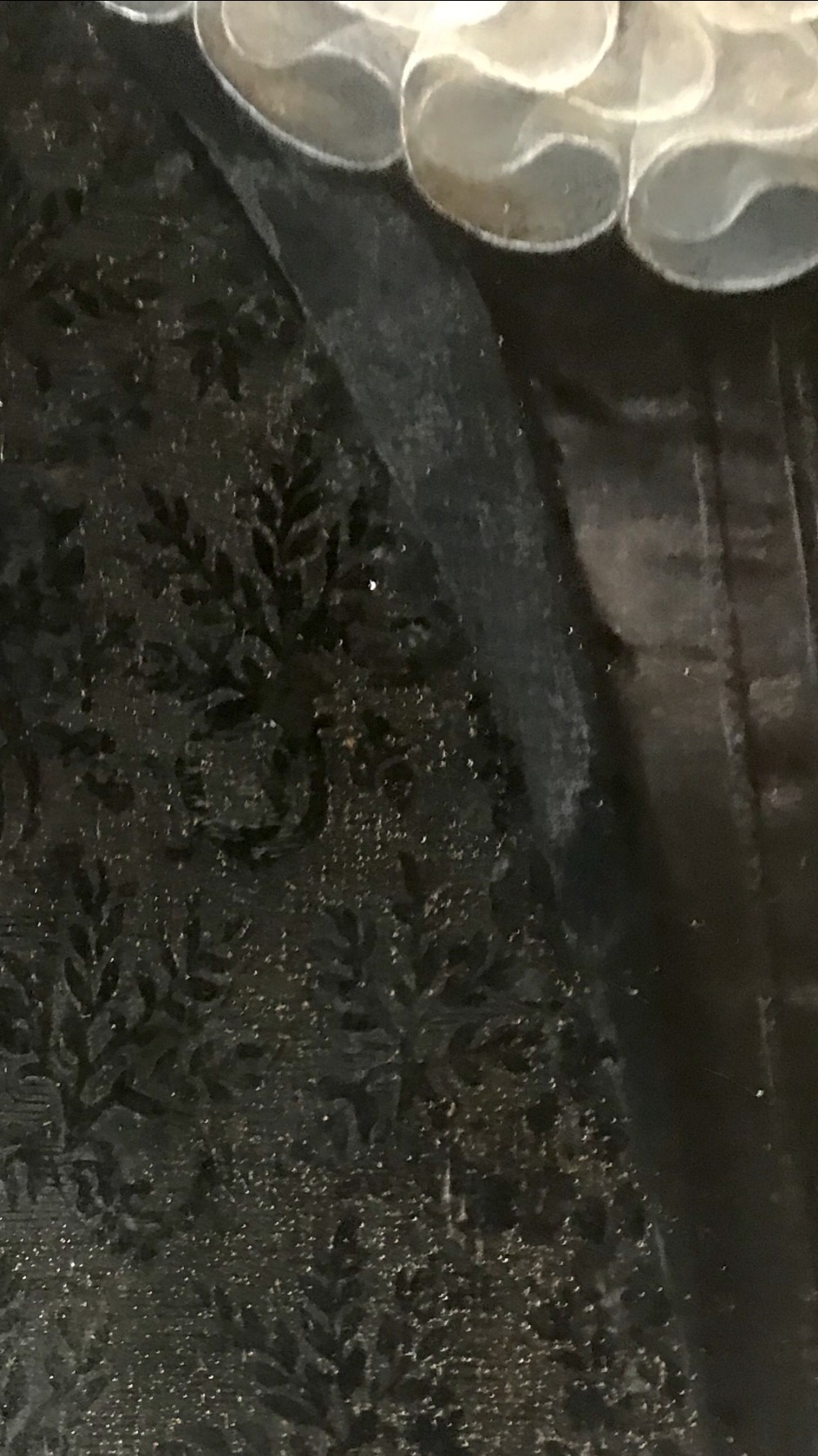
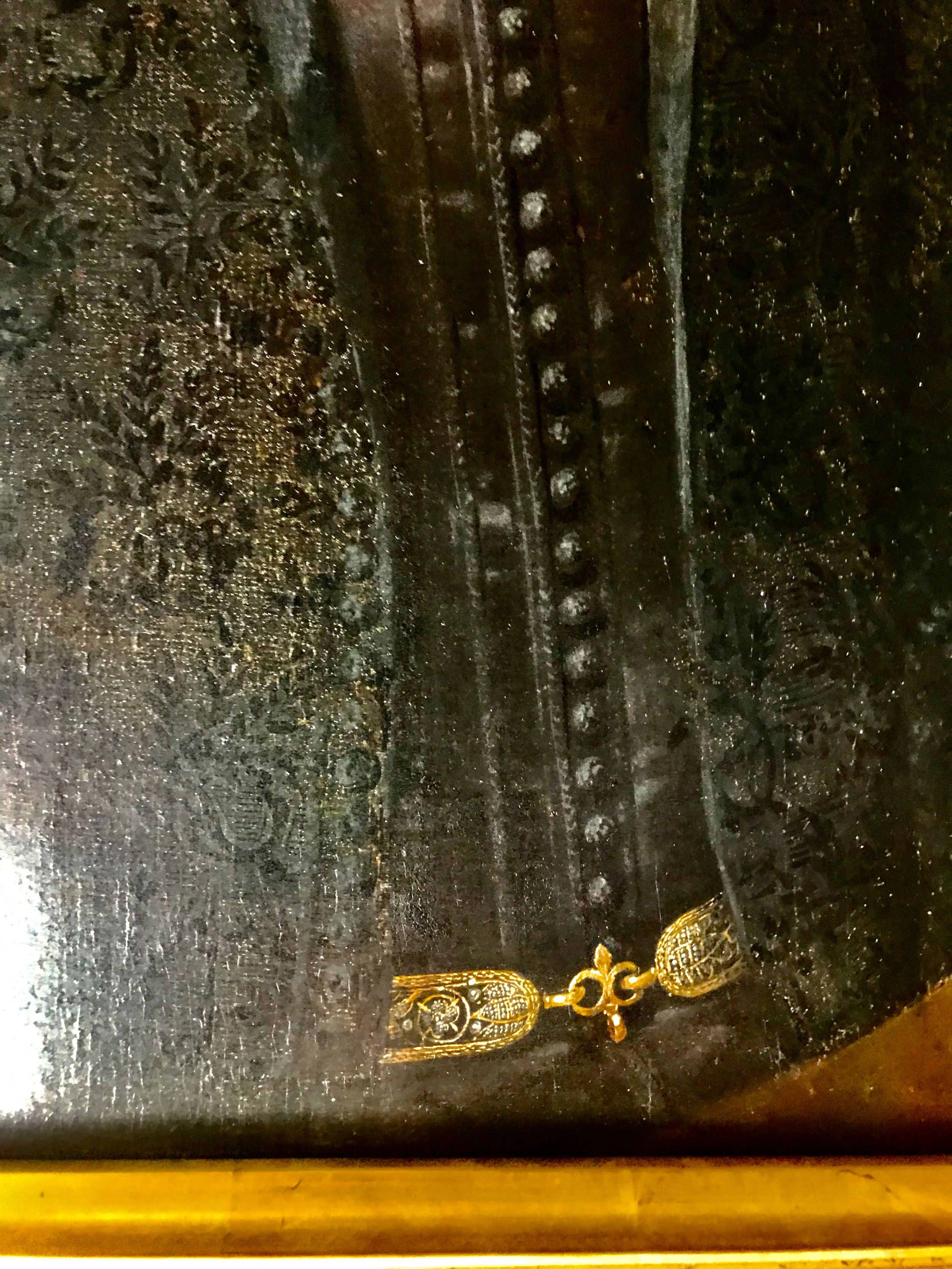
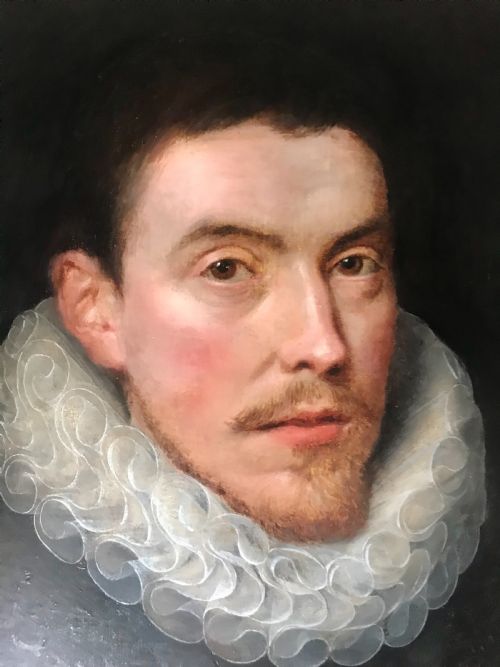
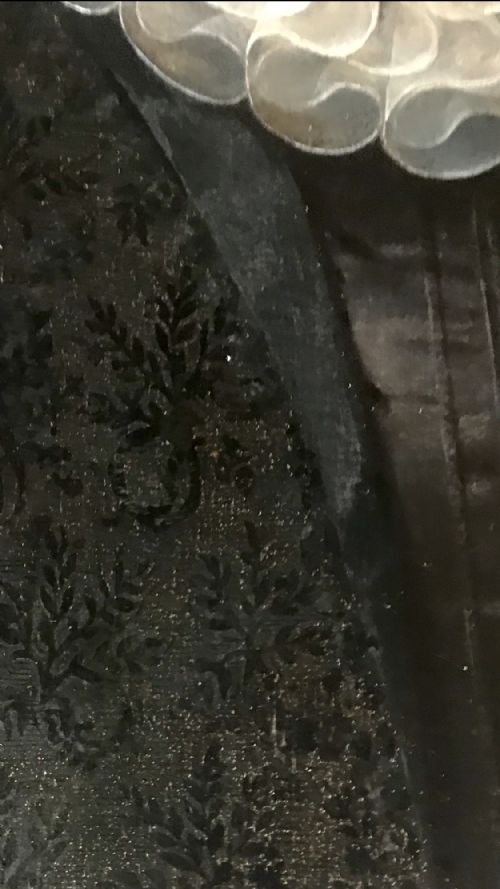
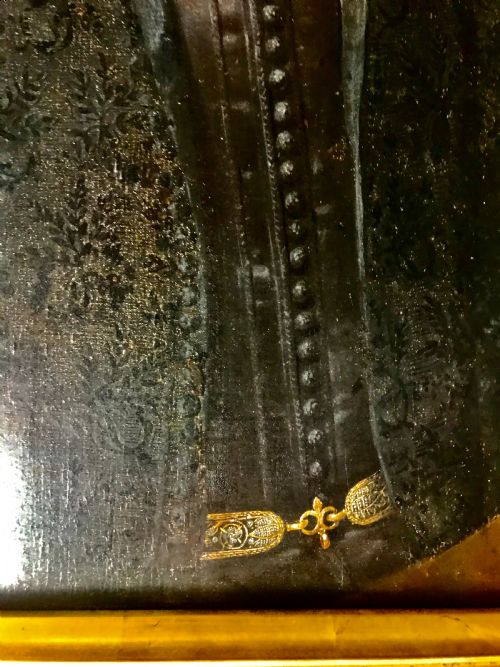
Regardless of the precise identity of the sitter, this is a fine example of Jacobean portraiture. The sitter is sensitively depicted, with his face revealing an alert intelligence. The costly silk clothing, with its subtle decoration, the fine ruff, and exquisitely worked belt buckle, are all well painted and make the point of the sitter's wealth.
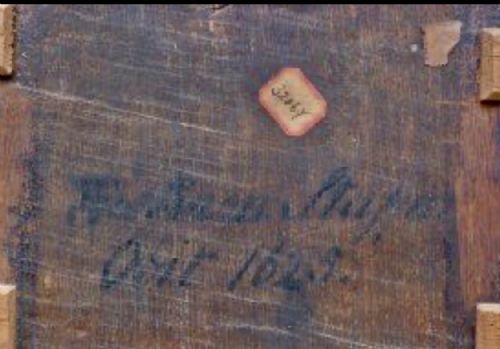
PAUL VAN SOMER (c. 1577 – 1621), also known as Paulus van Somer, was a Flemish artist who arrived in England from Antwerp during the reign of King James I of England and became one of the leading painters of the Royal Court. He painted a number of portraits both of James and his consort, Queen Anne of Denmark, and of nobles such as Ludovic Stuart, Earl of Lennox, Elizabeth Stanley, Countess of Huntingdon, and Lady Anne Clifford. He occupied an important position as one of James and Anne's favourite painters and can be seen as a forerunner of the more famous Flemish and Dutch artists, in particular Daniel Mytens and Anthony van Dyck, who followed in his footsteps as leading court painters. Van Somer arrived in England as a mature artist, having travelled widely in northern Europe: Booth Tarkington names the year of his arrival as 1606.
SIZE: 30.75 x 24.75 x 1.5 inches including the frame.
PROVENANCE: *Yorkshire Private Collection.
With Roy Precious Fine Art in 2011.
Collection of a Lady.
Roy Precious - Antiques & Fine Art has dated this piece to the 17th Century.
Roy and nadine precious: specialists in portraiture from the 16th to the 20th century. Established in 1972.
You can view the stock and full dealer information on the Roy Precious - Antiques & Fine Art Profile Page
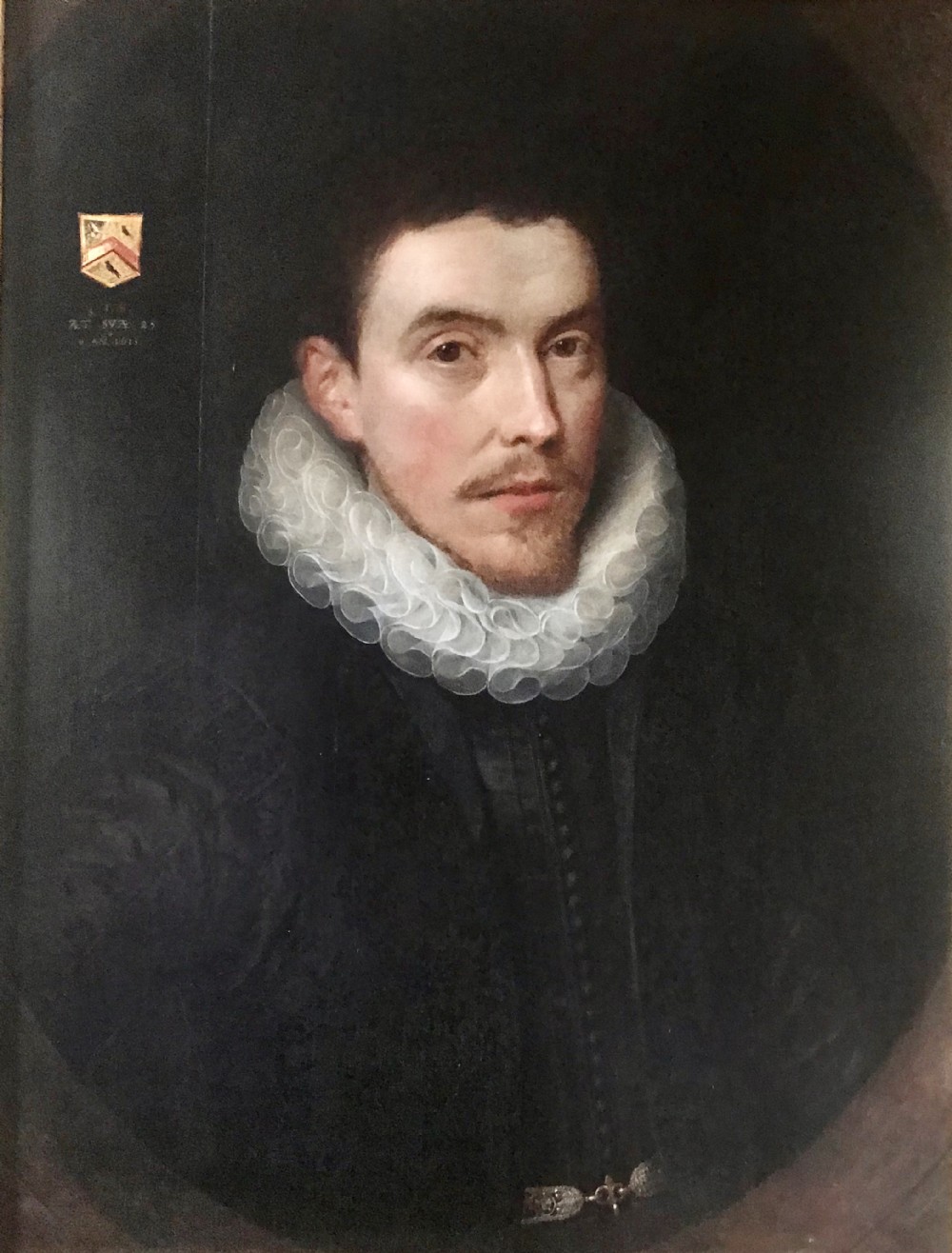
Portrait of Tristram(?) Stafford, 1613; Circle of Paul Van Somer.