56,679  PAGES BROWSED TODAY PAGES TODAY 103  ANTIQUES UPLOADED TODAY NEW ARRIVALS
ID #SA678162
FOR SALE
£4,800
Email
Save
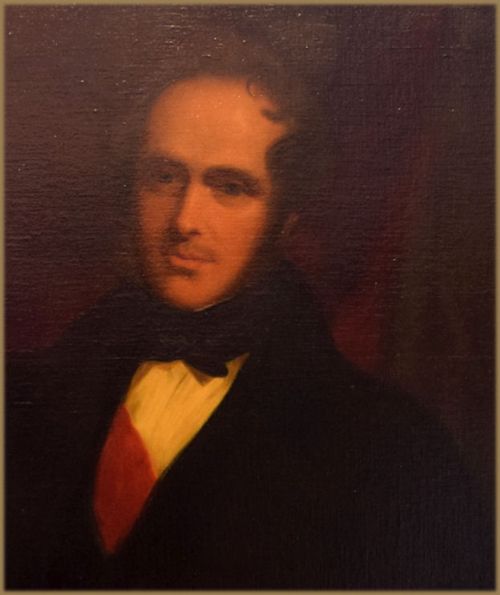
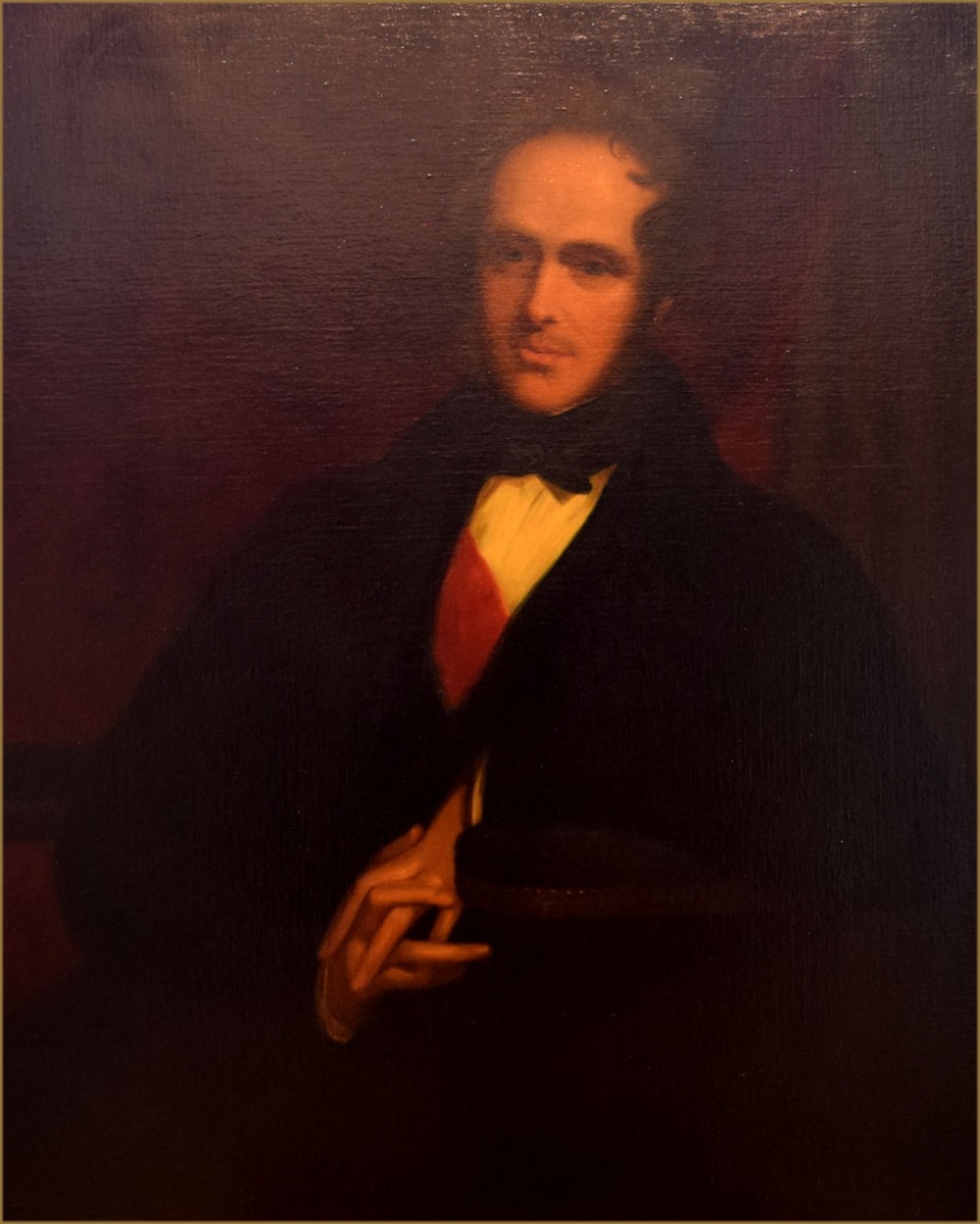
John Partridge, 1789 – 1872 Portrait of Henry John Temple, 3rd Viscount Palmerston, Kg, Gcb, Pc, Frs, 1784–1865, Wearing the Order of the Bath
Artware Fineart
for sale €5,616     $6,096
£4,800

Artware Fineart

Sellingantiques Verified Since Sep 2008
View Dealers Stock Page
Id #SA678162
PDF SHARE
SAVE

John Partridge, 1789 – 1872 Portrait of Henry John Temple, 3rd Viscount Palmerston, Kg, Gcb, Pc, Frs, 1784–1865, Wearing the Order of the Bath

19th century
For Sale by Artware Fineart
Description

John Partridge, 1789 – 1872

Portrait of Henry John Temple, 3rd Viscount Palmerston, KG, GCB, PC, FRS, 1784–1865, wearing the Order of the Bath

oil on canvas

102 x 82 cm. (40.1/4 x 32.1/4 in.)

Provenance

Leggatt Brothers
Notes

Henry John Temple, 3rd Viscount Palmerston, KG, GCB, PC, FRS (20 October 1784–18 October 1865) was a British statesman who served twice as Prime Minister in the mid-19th century. Palmerston dominated British foreign policy during the period 1830 to 1865, when Britain was at the height of her imperial power. He held office almost continuously from 1807 until his death in 1865. He began his parliamentary career as a Tory, defected to the Whigs in 1830, and became the first Prime Minister of the newly formed Liberal Party in 1859.
Palmerston succeeded to his father's Irish peerage in 1802. He became a Tory MP in 1807 (his Irish peerage did not bar him from a seat in the House of Commons, because it did not entitle him to a seat in the House of Lords). From 1809 to 1828 he served as Secretary at War, in which post he was responsible for the organisation of the finances of the army. He first attained Cabinet rank in 1827, when George Canning became Prime Minister, but, like other Canningites, he resigned from office one year later.
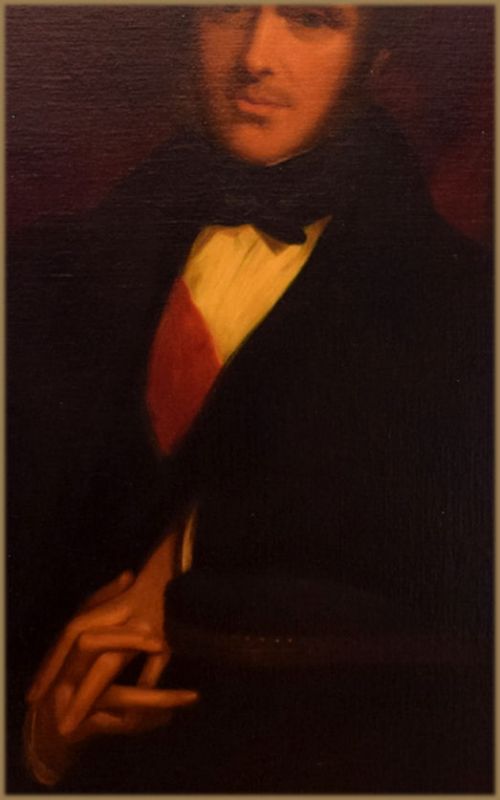
He served as Foreign Secretary 1830–34, 1835–41, and 1846–51. In this office, Palmerston responded efficaciously to a series of conflicts in Europe. His belligerent actions as Foreign Secretary, some of which were highly controversial, have been considered to be prototypes of the practice of liberal interventionism.
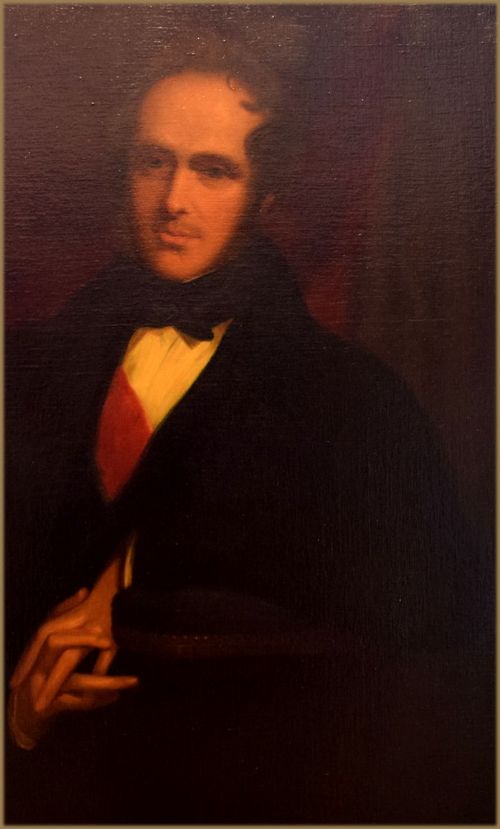
Palmerston became Home Secretary in Aberdeen's coalition government, in 1852, subsequent to the Peelite advocacy of the appointment of Lord John Russell to the office of Foreign Secretary. As Home Secretary, Palmerston enacted various social reforms, although he opposed electoral reform. When public antipathy over the Government's policy in the Crimean War lost the Government popular favour, in 1855, Palmerston was the only Prime Minister who was able to sustain a majority in Parliament. He had two periods in office, 1855–1858 and 1859–1865, before his death at the age of 80 years, a few months after victory in a general election in which he had achieved an increased majority. He remains, to date, the last Prime Minister to die in office.
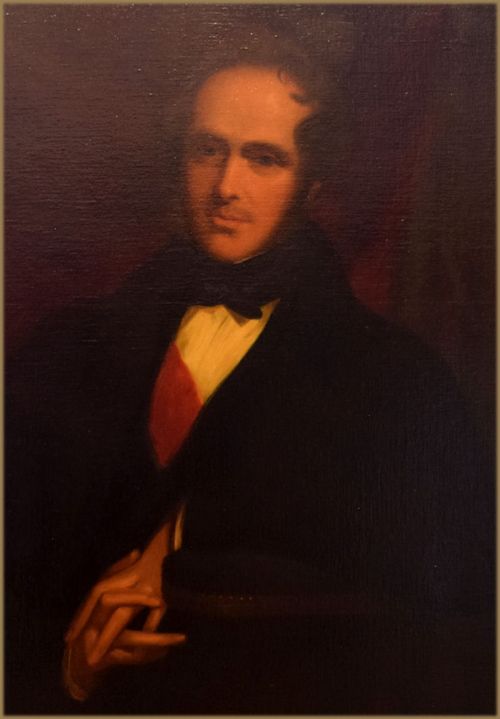
Palmerston masterfully controlled public opinion by stimulating British nationalism, and, despite the fact that Queen Victoria and most of the political leadership distrusted him, he received and sustained the favour of the press and the populace, from whom he received the affectionate sobriquet 'Pam'. Palmerston's alleged weaknesses included mishandling of personal relations, and continual disagreements with the Queen over the royal role in determining foreign policy.
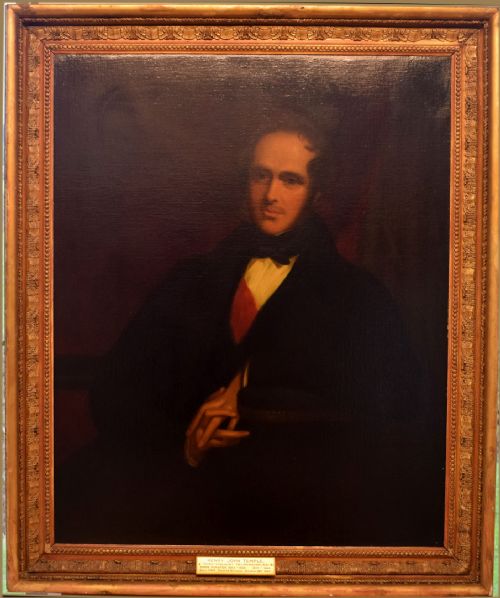
Historians consider Palmerston to be one of the greatest foreign secretaries, as a consequence of his handling of great crises, his commitment to the balance of power, which provided Britain with decisive agency in many conflicts, his analytic skills, and his commitment to British interests. His policies in relation to India, Italy, Belgium and Spain had extensive long-lasting beneficial consequences for Britain: although the consequences of his policies toward France, the Ottoman Empire, and the United States were more ephemeral.
Shield of arms of Henry John Temple, 3rd Viscount Palmerston, as displayed on his Order of the Garter stall plate in St. George's Chapel.

Early life: 1784–1806

Palmerston (age 18) in 1802, by Thomas Heaphy.

Henry John Temple was born in his family's Westminster house to the Irish branch of the Temple family on 20 October 1784. Henry was to become The 3rd Viscount Palmerston upon his father's death in 1802. His family derived their title from the Peerage of Ireland, although the 3rd Viscount w

Physical Dimensions
Height
102cm (40.16")
Width
82cm (32.28")
Depth
2cm (0.79")
Declaration

Artware Fineart has dated this Antique Oil Portrait Painting to the 19th Century.

Reference Numbers
Sellingantiques Reference
SA678162
Dealers Internal Reference
4155
Description
John Partridge, 1789 – 1872
Portrait of Henry John Temple, 3rd Viscount Palmerston, KG, GCB, PC, FRS, 1784–1865, wearing the Order of the Bath.
Artware Fineart

oil on canvas

102 x 82 cm. (40.1/4 x 32.1/4 in.)

Provenance

Leggatt Brothers

fig 1. A 19th-century oil painting depicting a gentleman in dark attire wearing a red sash and bow tie against a dark background.
fig 1. John Partridge, 1789 – 1872 Portrait of Henry John Temple, 3rd Viscount Palmerston, Kg, Gcb, Pc, Frs, 1784–1865, Wearing the Order of the Bath

Notes

Henry John Temple, 3rd Viscount Palmerston, KG, GCB, PC, FRS (20 October 1784–18 October 1865) was a British statesman who served twice as Prime Minister in the mid-19th century. Palmerston dominated British foreign policy during the period 1830 to 1865, when Britain was at the height of her imperial power. He held office almost continuously from 1807 until his death in 1865. He began his parliamentary career as a Tory, defected to the Whigs in 1830, and became the first Prime Minister of the newly formed Liberal Party in 1859.

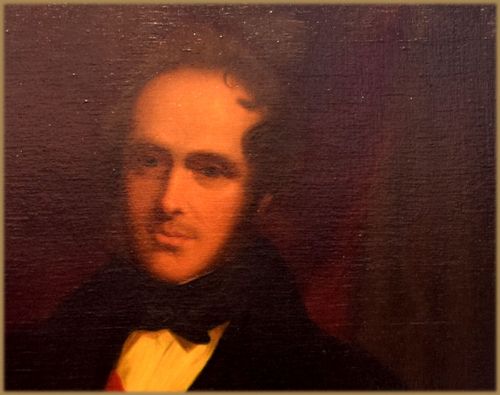
fig 2. A 19th-century oil painting depicting a gentleman in dark attire wearing a red sash and bow tie against a dark background.
fig 2. John Partridge, 1789 – 1872 Portrait of Henry John Temple, 3rd Viscount Palmerston, Kg, Gcb, Pc, Frs, 1784–1865, Wearing the Order of the Bath

Palmerston succeeded to his father's Irish peerage in 1802. He became a Tory MP in 1807 (his Irish peerage did not bar him from a seat in the House of Commons, because it did not entitle him to a seat in the House of Lords). From 1809 to 1828 he served as Secretary at War, in which post he was responsible for the organisation of the finances of the army. He first attained Cabinet rank in 1827, when George Canning became Prime Minister, but, like other Canningites, he resigned from office one year later.

fig 3. A 19th-century oil painting depicting a gentleman in dark attire wearing a red sash and bow tie against a dark background.
fig 3. John Partridge, 1789 – 1872 Portrait of Henry John Temple, 3rd Viscount Palmerston, Kg, Gcb, Pc, Frs, 1784–1865, Wearing the Order of the Bath

He served as Foreign Secretary 1830–34, 1835–41, and 1846–51. In this office, Palmerston responded efficaciously to a series of conflicts in Europe. His belligerent actions as Foreign Secretary, some of which were highly controversial, have been considered to be prototypes of the practice of liberal interventionism.

fig 4. A 19th-century oil painting depicting a gentleman in dark attire wearing a red sash and bow tie against a dark background.
fig 4. John Partridge, 1789 – 1872 Portrait of Henry John Temple, 3rd Viscount Palmerston, Kg, Gcb, Pc, Frs, 1784–1865, Wearing the Order of the Bath

Palmerston became Home Secretary in Aberdeen's coalition government, in 1852, subsequent to the Peelite advocacy of the appointment of Lord John Russell to the office of Foreign Secretary. As Home Secretary, Palmerston enacted various social reforms, although he opposed electoral reform. When public antipathy over the Government's policy in the Crimean War lost the Government popular favour, in 1855, Palmerston was the only Prime Minister who was able to sustain a majority in Parliament. He had two periods in office, 1855–1858 and 1859–1865, before his death at the age of 80 years, a few months after victory in a general election in which he had achieved an increased majority. He remains, to date, the last Prime Minister to die in office.

fig 5. A 19th-century oil painting depicting a gentleman in dark attire wearing a red sash and bow tie against a dark background.
fig 5. John Partridge, 1789 – 1872 Portrait of Henry John Temple, 3rd Viscount Palmerston, Kg, Gcb, Pc, Frs, 1784–1865, Wearing the Order of the Bath

Palmerston masterfully controlled public opinion by stimulating British nationalism, and, despite the fact that Queen Victoria and most of the political leadership distrusted him, he received and sustained the favour of the press and the populace, from whom he received the affectionate sobriquet 'Pam'. Palmerston's alleged weaknesses included mishandling of personal relations, and continual disagreements with the Queen over the royal role in determining foreign policy.

fig 6. A 19th-century oil painting depicting a gentleman in dark attire wearing a red sash and bow tie against a dark background.
fig 6. John Partridge, 1789 – 1872 Portrait of Henry John Temple, 3rd Viscount Palmerston, Kg, Gcb, Pc, Frs, 1784–1865, Wearing the Order of the Bath

Historians consider Palmerston to be one of the greatest foreign secretaries, as a consequence of his handling of great crises, his commitment to the balance of power, which provided Britain with decisive agency in many conflicts, his analytic skills, and his commitment to British interests. His policies in relation to India, Italy, Belgium and Spain had extensive long-lasting beneficial consequences for Britain: although the consequences of his policies toward France, the Ottoman Empire, and the United States were more ephemeral.

fig 7. A 19th-century oil painting depicting a gentleman in dark attire wearing a red sash and bow tie against a dark background.
fig 7. John Partridge, 1789 – 1872 Portrait of Henry John Temple, 3rd Viscount Palmerston, Kg, Gcb, Pc, Frs, 1784–1865, Wearing the Order of the Bath

Shield of arms of Henry John Temple, 3rd Viscount Palmerston, as displayed on his Order of the Garter stall plate in St. George's Chapel.

Early life: 1784–1806

Palmerston (age 18) in 1802, by Thomas Heaphy.

Henry John Temple was born in his family's Westminster house to the Irish branch of the Temple family on 20 October 1784. Henry was to become The 3rd Viscount Palmerston upon his father's death in 1802. His family derived their title from the Peerage of Ireland, although the 3rd Viscount w

Height
102cm (40.16")
Width
82cm (32.28")
Depth
2cm (0.79")
Date of Manufacture

Artware Fineart has dated this Antique Oil Portrait Painting to the 19th Century.

Reference Numbers
Sellingantiques Ref
SA678162
Dealers Internal Ref
4155
Artware Fineart
Sellingantiques verified Since Sep 2008
Dealer Profile

You can view the stock and full dealer information on the Artware Fineart Profile Page
PDF SHARE
SAVE
A 19th-century oil painting depicting a gentleman in dark attire wearing a red sash and bow tie against a dark background.
1 / 8
Archive I A 19th-century oil painting depicting a gentleman in dark attire wearing a red sash and bow tie against a dark background.

John Partridge, 1789 – 1872 Portrait of Henry John Temple, 3rd Viscount Palmerston, Kg, Gcb, Pc, Frs, 1784–1865, Wearing the Order of the Bath
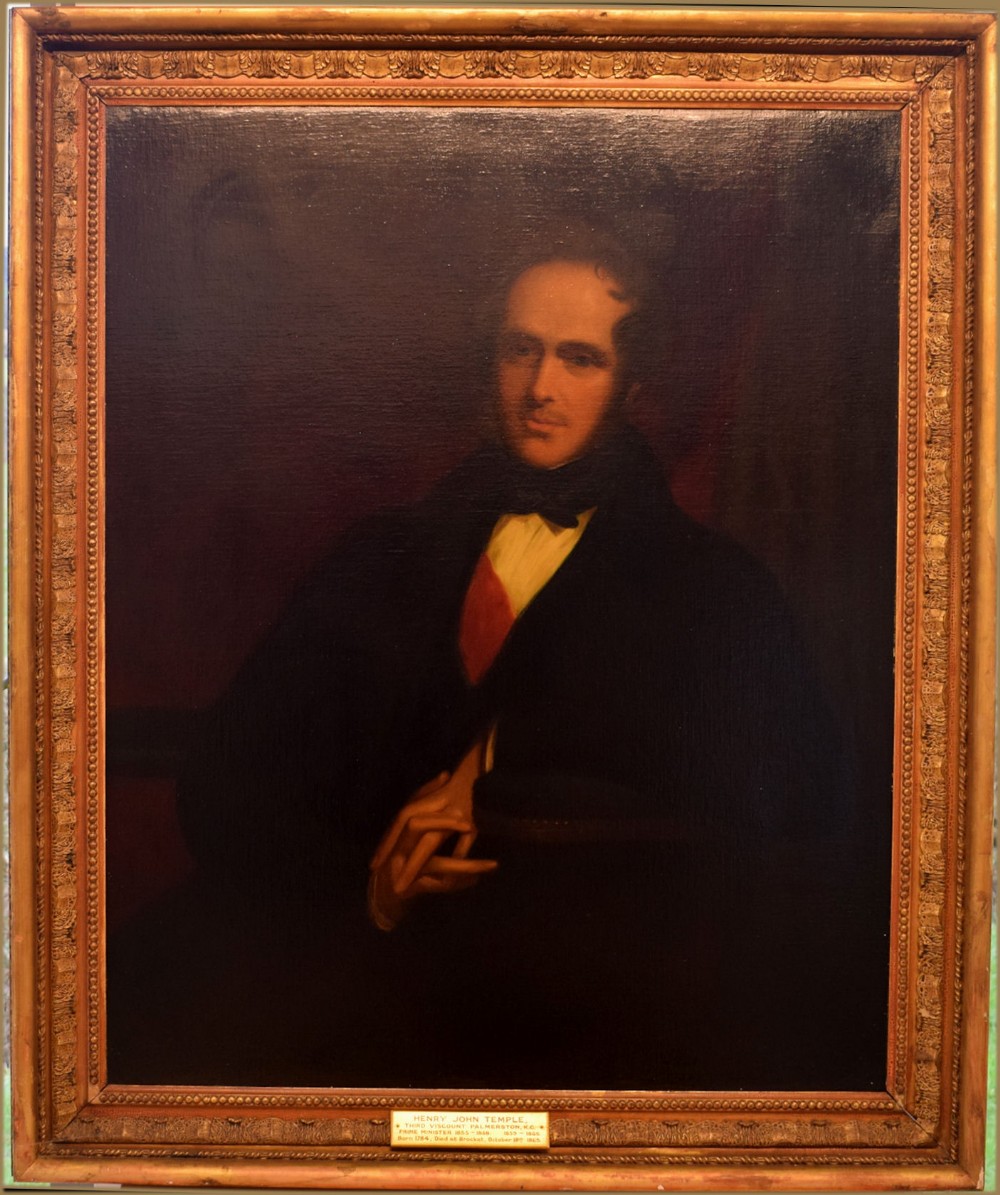
Archive II A 19th-century oil painting depicting a gentleman in dark attire wearing a red sash and bow tie against a dark background. View II
Archive III A 19th-century oil painting depicting a gentleman in dark attire wearing a red sash and bow tie against a dark background. View III
Archive IV A 19th-century oil painting depicting a gentleman in dark attire wearing a red sash and bow tie against a dark background. View IV
Archive V A 19th-century oil painting depicting a gentleman in dark attire wearing a red sash and bow tie against a dark background. View V
Archive VI A 19th-century oil painting depicting a gentleman in dark attire wearing a red sash and bow tie against a dark background. View VI
Archive VII A 19th-century oil painting depicting a gentleman in dark attire wearing a red sash and bow tie against a dark background. View VII
Archive VIII A 19th-century oil painting depicting a gentleman in dark attire wearing a red sash and bow tie against a dark background. View VIII
FURTHER BROWSING

Visitors also looked at these ⇣

Enlarged Archival View
Telephone 07958 699 645
Location
18 La Gare
51 Surrey Row
London
SE1 0BZ
United Kingdom
Verified Since Sep 2008
Items For Sale 243
Items Sold 223
Artware Fineart
Verified Since Sep 2008
View Dealer Info
Location: 18 La Gare , 51 Surrey Row , London , SE1 0BZ , United Kingdom
Verified
Sep 2008
For Sale
243
Sold
223
A 19th-century oil painting depicting a gentleman in dark attire wearing a red sash and bow tie against a dark background.
John Partridge, 1789 – 1872 Portrait of Henry John Temple, 3rd Viscount Palmerston, KG, GCB, PC, FRS, 1784–1865, wearing the Order of the Bath
Ref: SA678162
A 19th-century oil painting depicting a gentleman in dark attire wearing a red sash and bow tie against a dark background.
Detail View 1
Detail View 2
Detail View 3
Detail View 4
Detail View 5
Detail View 6
Detail View 7
Archival Detail
Every single antique dealer on our platform is individually approved by our internal team. We verify their professional trade history, ethical standards, and photographic quality to ensure a secure, high-standard buying environment. Upon joining, every dealer agrees to a strict 9-point code of conduct. While issues can occasionally arise, our dealers typically resolve them swiftly and directly with the buyer. In fact, since our founding in 2002, Sellingantiques has only had to step in to help resolve an issue on roughly five occasions—a true testament to the quality of our dealers and their dedication to your happiness.
Our dealers are highly experienced in packing and shipping fragile, high-value antiques. Because you are in direct contact with the dealer, you will be able to easily go through all available shipping and insurance options together to ensure your item arrives safely.
Antiques are the ultimate green purchase. By choosing historical pieces over newly manufactured goods, you completely eliminate the carbon footprint of modern mass production while preserving exceptional, timeless craftsmanship.

Nineteenth-century British portraiture is characterised by formal composition, dramatic contrast between dark backgrounds and lit subjects, and detailed rendering of costume and insignia to denote social status.

Portraits from this era were rendered using oil pigments bound with drying oils, executed on stretched linen or cotton canvas, and often treated with dark varnishes to enhance depth.

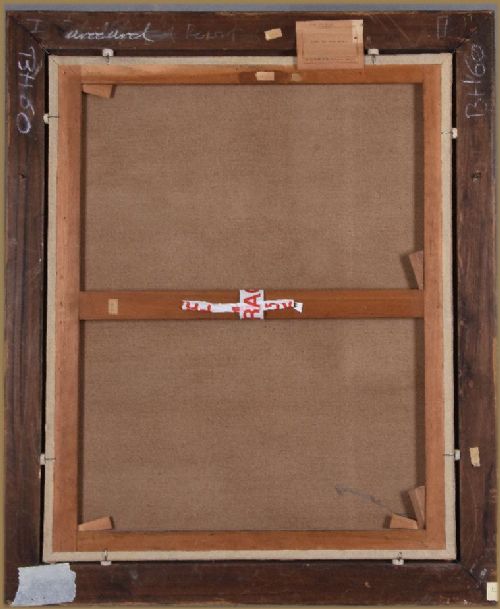
Authentic period paintings show fine natural craquelure across the paint surface, aged wooden stretchers, historical oxidation on the reverse of the canvas, and period-correct brush technique.

Position the portrait above a fireplace mantel, console, or sideboard to create a focal point, pairing it with contemporary lighting or minimalist furniture for balanced juxtaposition.

Keep the canvas away from direct heat sources and sunlight, maintain stable humidity levels, dust lightly using a clean dry brush, and consult a professional restorer for deep cleaning.
items
Add keywords to the filter
Price
£100
£250000
Era
Movements
Material
Origin
Stock Location
Freshness
Online Payments
Categories