35,991  PAGES BROWSED TODAY PAGES TODAY 192  ANTIQUES UPLOADED TODAY NEW ARRIVALS
Sort Order
Items Per Page
ID #SA674694
SOLD
Email
Save
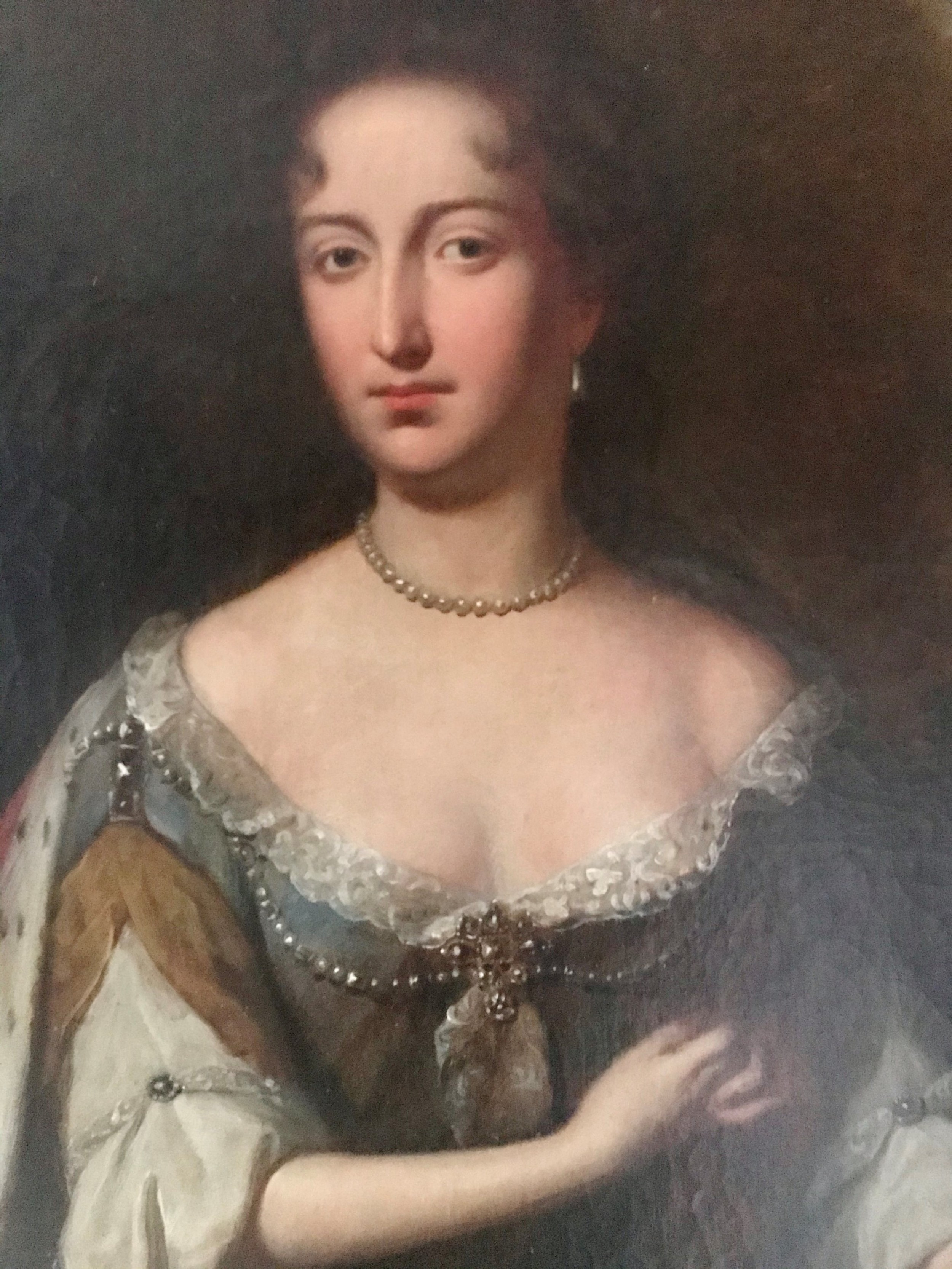
Portrait of Queen Mary Ii, After William Wissing.
Roy Precious - Antiques & Fine Art
sold SA674694
Sorry, but this item has been sold.
Roy Precious - Antiques & Fine Art

Roy Precious - Antiques & Fine Art

Sellingantiques Verified Since Mar 2003
View Dealers Stock Page
  • About Us
    Roy and nadine precious: specialists in portraiture from the 16th to the 20th century. Established in 1972.
Id #SA674694
PDF SHARE
SAVE

Portrait of Queen Mary Ii, After William Wissing.

19th century
Description

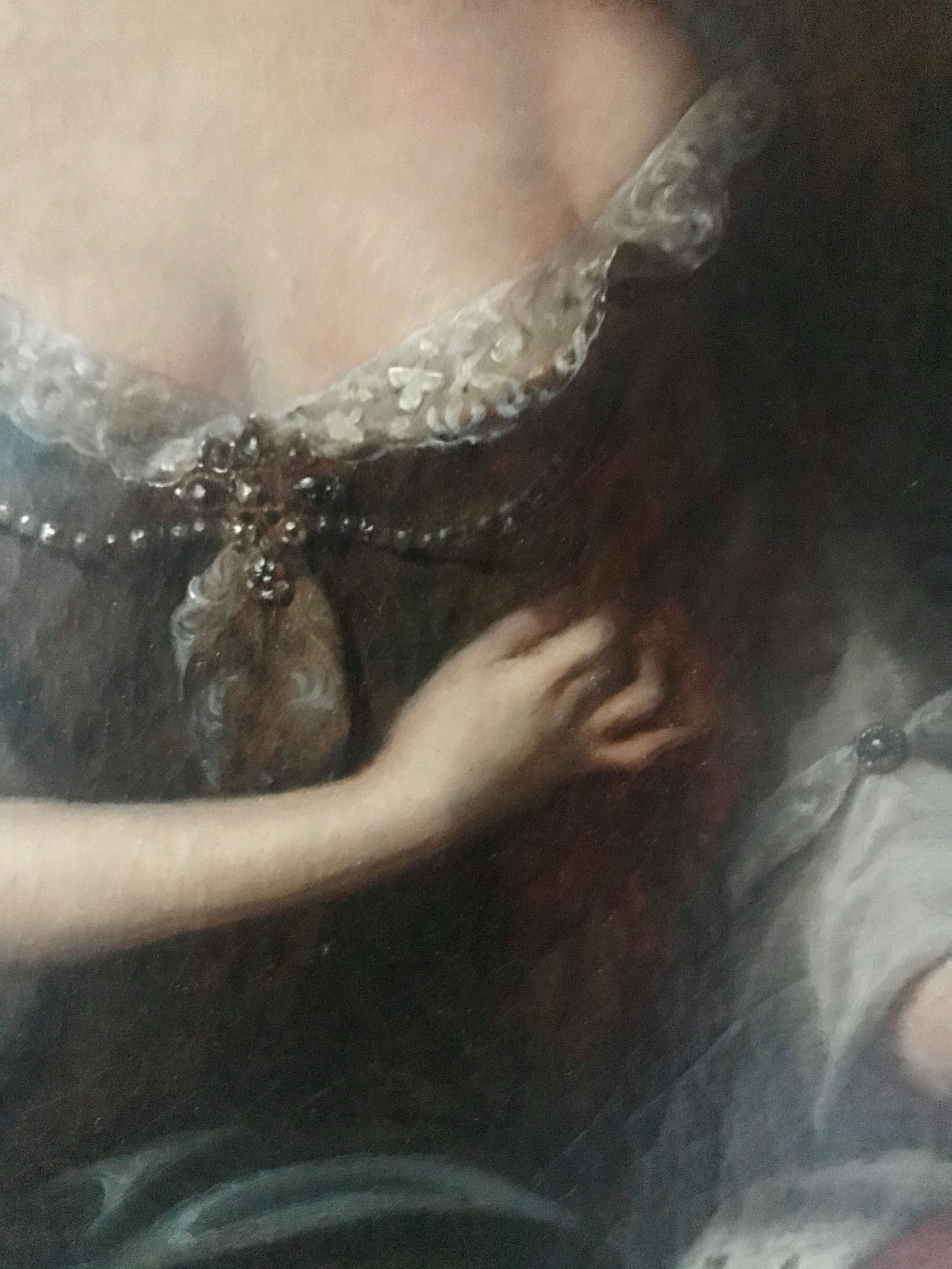
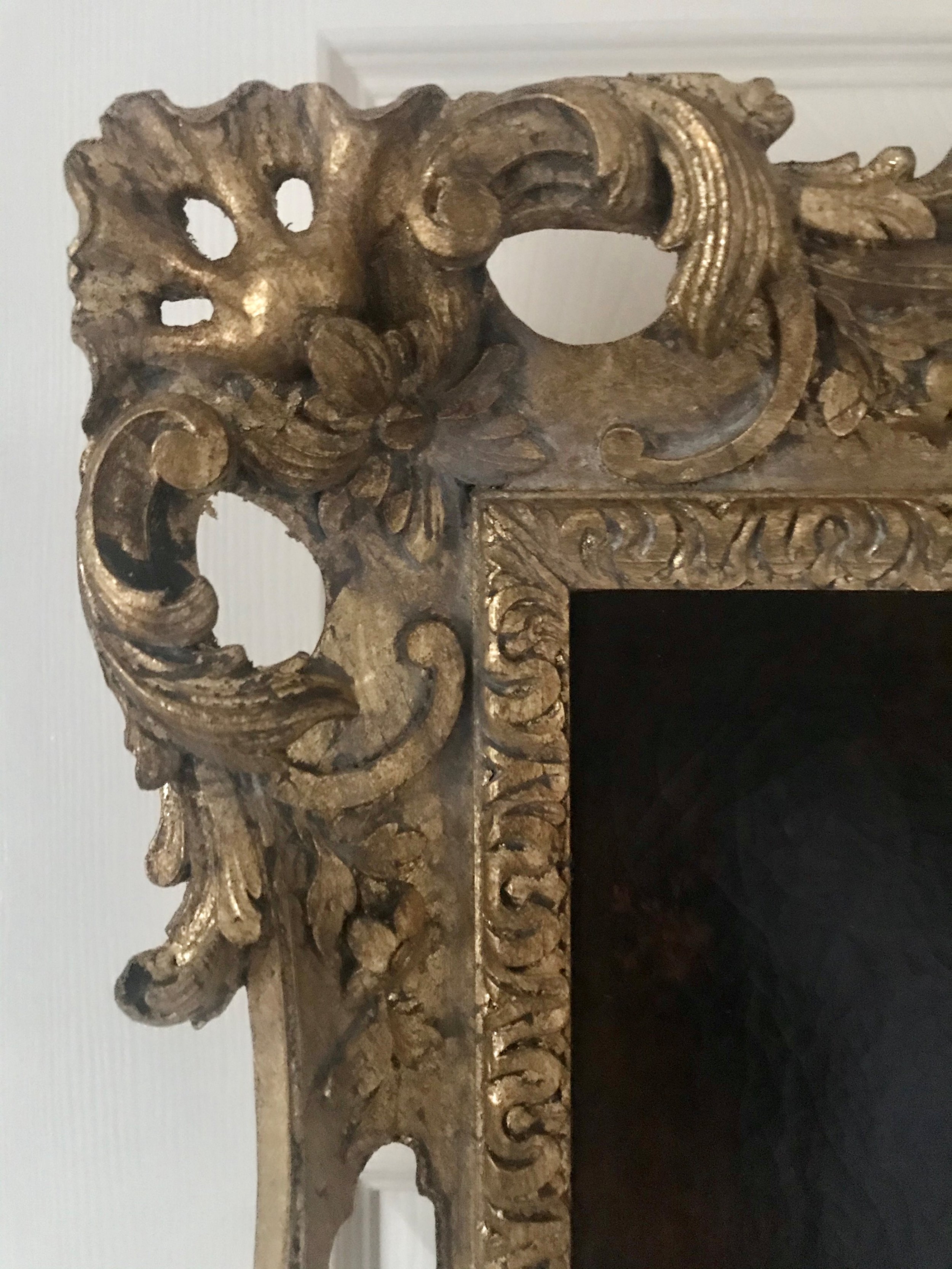
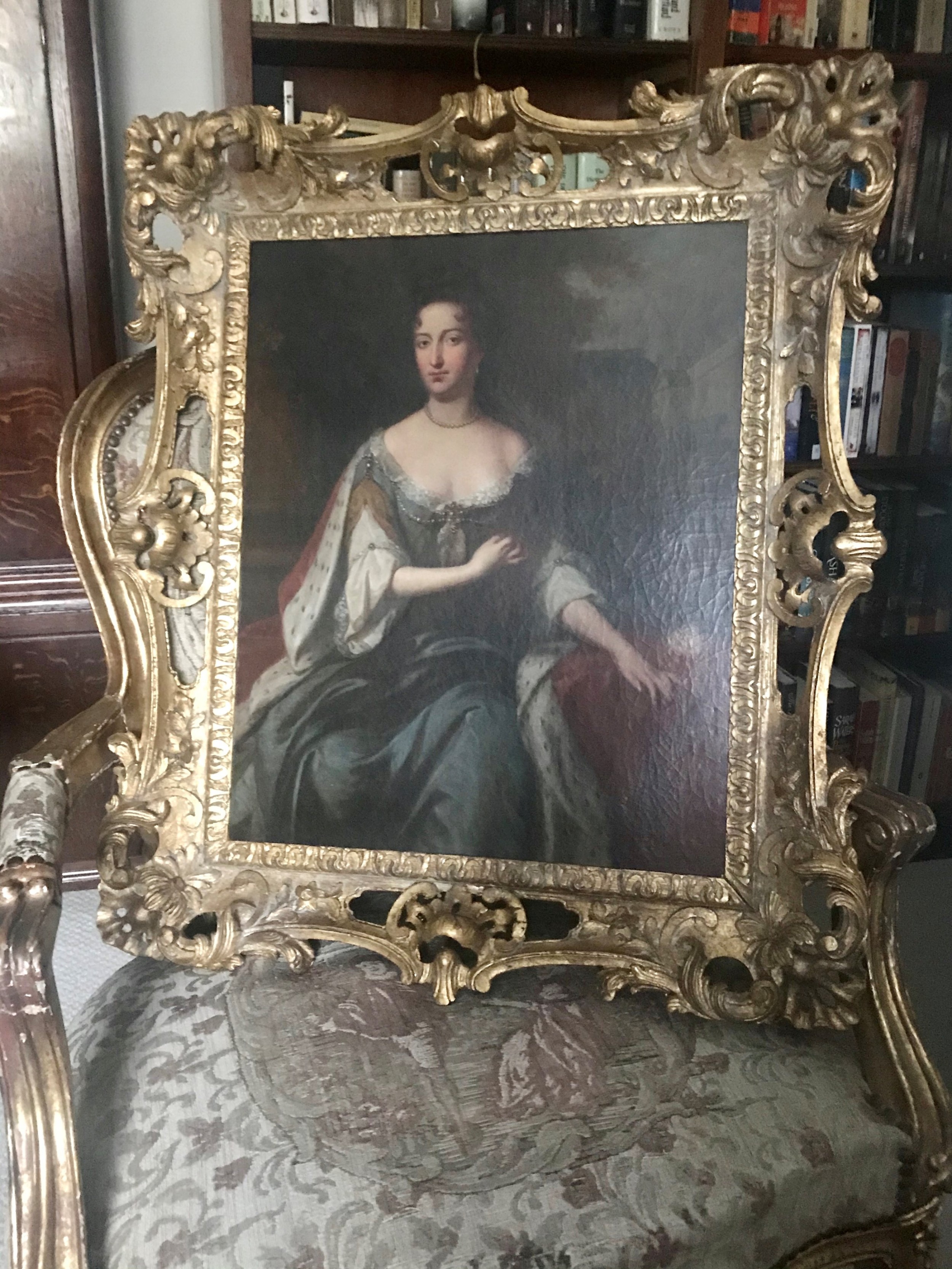
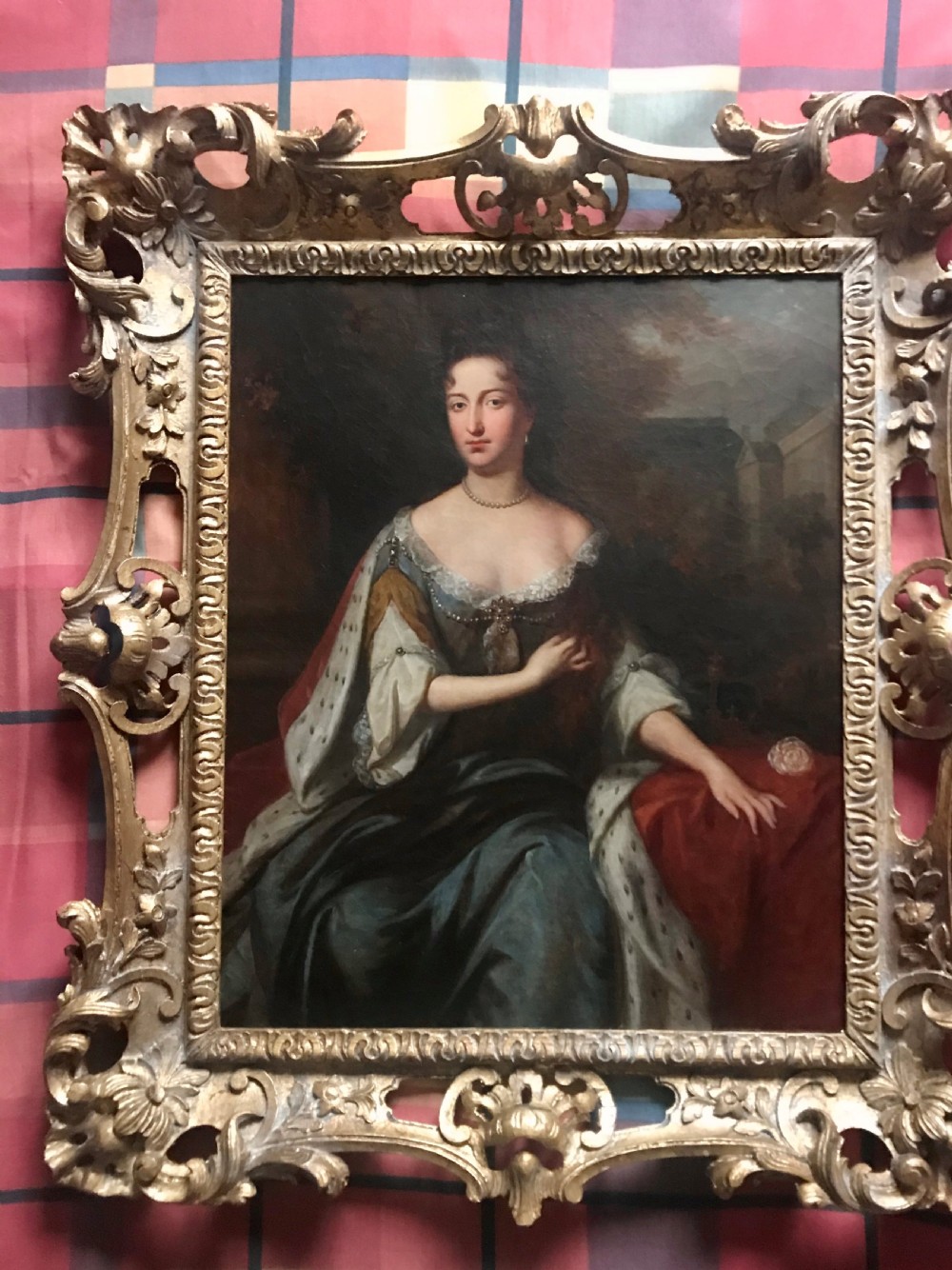
Oil on canvas in a carved and giltwood frame.

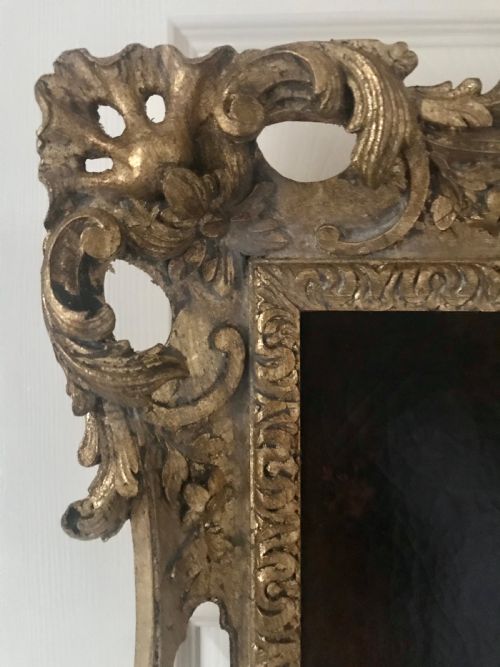
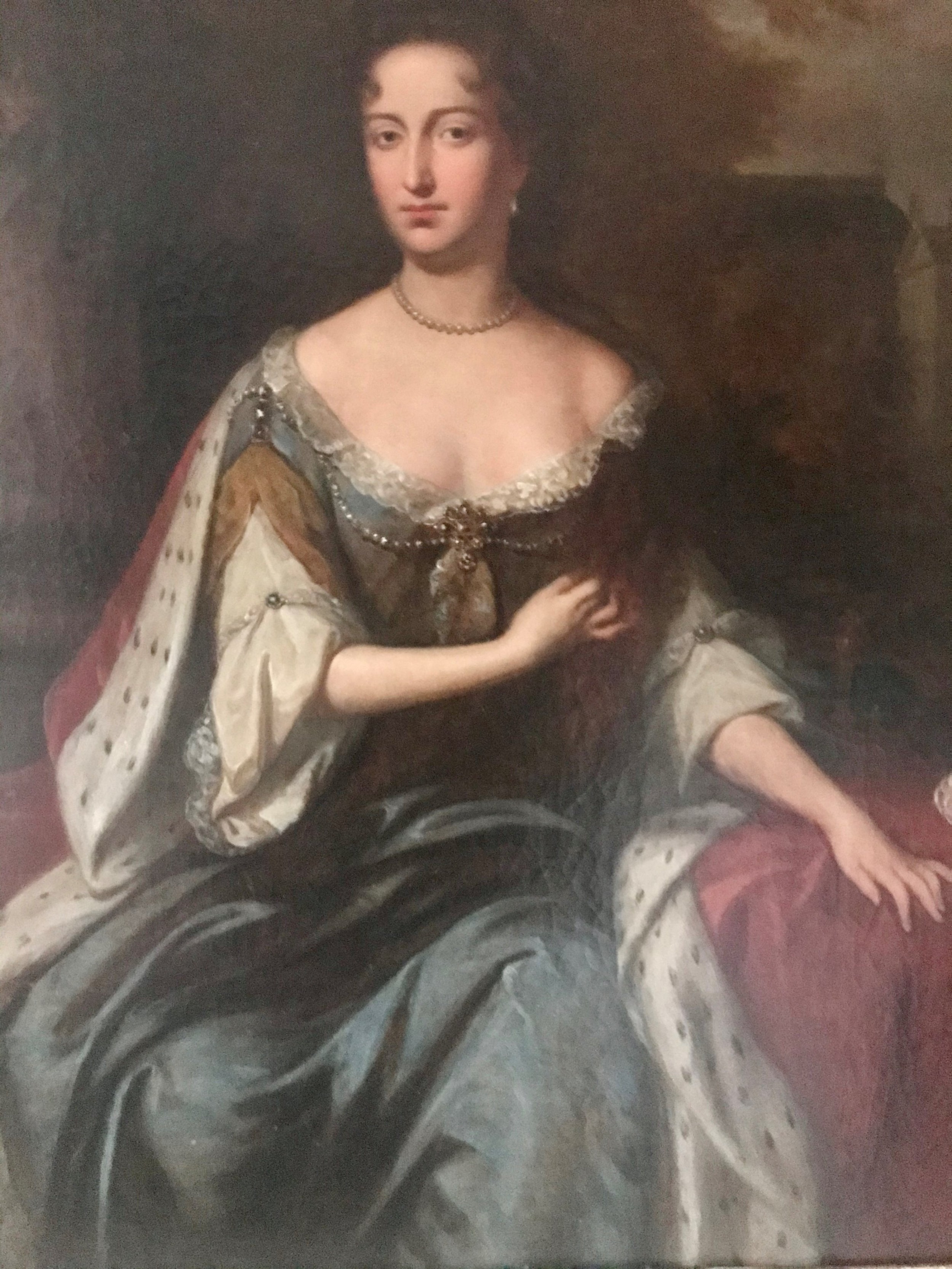
This is a charming portrait, an early 19th century copy, in miniature, of the very large original by William Wissing in the Royal Collection.

Mary is depicted, prior to her coronation, as the Princess of Orange; the portrait is within a very fine quality carved frame … a work of art in its own right.
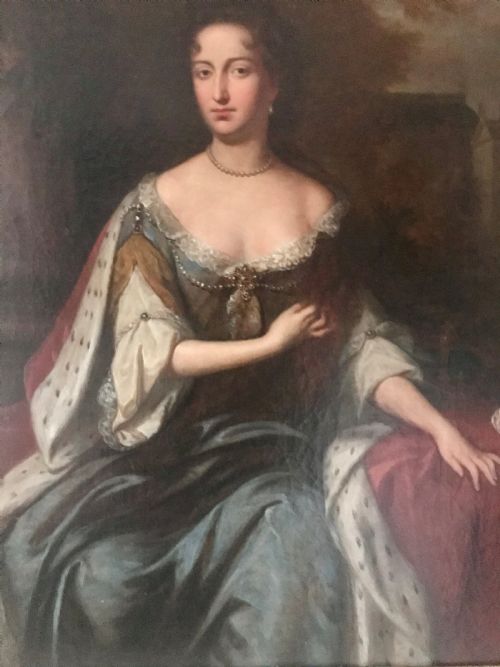
MARY II (30 April 1662 – 28 December 1694) was Queen of England, Scotland, and Ireland, co-reigning with her husband, King William III & II, from 1689 until her death. Popular histories usually refer to their joint reign as that of William and Mary. Mary, born at St James's Palace in London on 30 April 1662, was the eldest daughter of the Duke of York (the future King James II & VII), and his first wife, Anne Hyde. Mary's uncle was King Charles II, who ruled the three kingdoms of England, Scotland and Ireland; her maternal grandfather, Edward Hyde, 1st Earl of Clarendon, served for a lengthy period as Charles's chief advisor. She was baptised into the Anglican faith in the Chapel Royal at St James's, and was named after her ancestor, Mary, Queen of Scots. Her godparents included her father's cousin, Prince Rupert of the Rhine. Although her mother bore eight children, all except Mary and her younger sister Anne died very young, and King Charles II had no legitimate children. Consequently, for most of her childhood, Mary was second in line to the throne after her father.
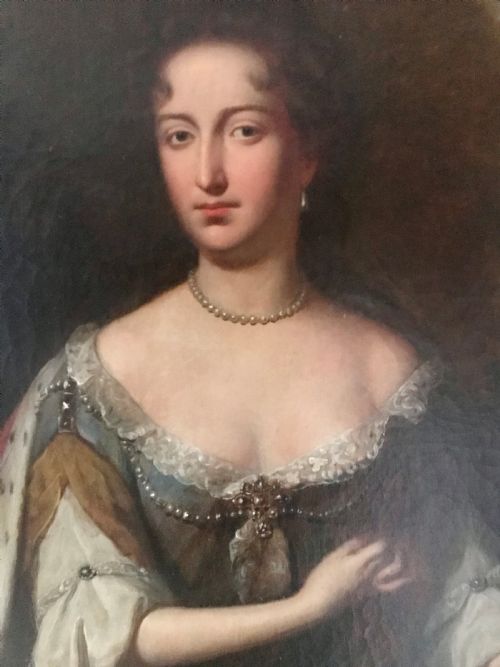
She married her Protestant first cousin, William of Orange, in 1677. Charles died in 1685 and James took the throne, making Mary heir presumptive. James's attempts at rule by decree and the birth of his son, James Francis Edward Stuart, led to his deposition in the Glorious Revolution and the adoption of the English Bill of Rights.
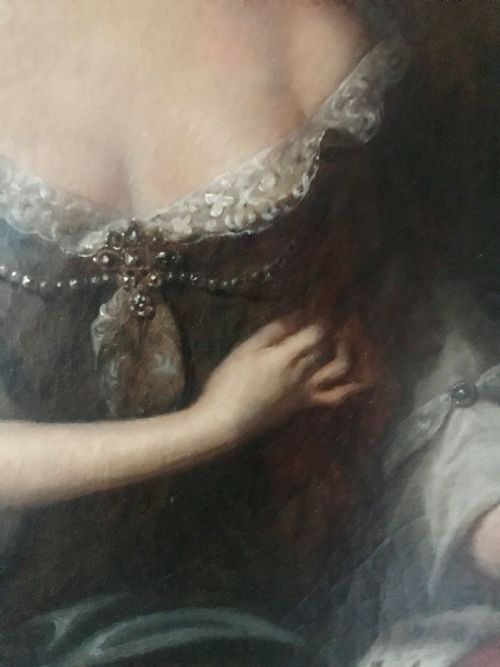
William and Mary became king and queen regnant. Though William relied heavily on Mary, she wielded less power than William and, when he was in England, ceded most of her authority to him. She did, however, act alone when William was engaged in military campaigns abroad, proving herself to be a powerful, firm, and effective ruler. Mary's death left William as sole ruler until his own death in 1702, when he was succeeded by Mary's sister, Anne.
WILLIAM WISSING (1656 - 1687) After Lely's death in 1680, Wissing emerged as his most important pupil. Wissing’s royal sitters include Charles II of England, Queen Catharine of Braganza, Prince George of Denmark, Queen Mary II and the Duke of Monmouth.

SIZE: 27.25 x 23.75 x 2.75 inches including the frame.

PROVENANCE: Collection of Patrick Donald (1930-2019)

Physical Dimensions
Height
69cm (27.17")
Width
60cm (23.62")
Depth
7cm (2.76")
Declaration

Roy Precious - Antiques & Fine Art has dated this piece to the 1850s.

Reference Numbers
Sellingantiques Reference
SA674694
Dealers Internal Reference
9158
Description
Oil on canvas in a carved and giltwood frame.
This is a charming portrait, an early 19th century copy, in miniature, of the very large original by William Wissing in the Royal Collection.
Roy Precious - Antiques & Fine Art

Mary is depicted, prior to her coronation, as the Princess of Orange; the portrait is within a very fine quality carved frame … a work of art in its own right.

fig 1. Portrait of Queen Mary II, After William Wissing.
fig 1. Portrait of Queen Mary Ii, After William Wissing.

MARY II (30 April 1662 – 28 December 1694) was Queen of England, Scotland, and Ireland, co-reigning with her husband, King William III & II, from 1689 until her death. Popular histories usually refer to their joint reign as that of William and Mary. Mary, born at St James's Palace in London on 30 April 1662, was the eldest daughter of the Duke of York (the future King James II & VII), and his first wife, Anne Hyde. Mary's uncle was King Charles II, who ruled the three kingdoms of England, Scotland and Ireland; her maternal grandfather, Edward Hyde, 1st Earl of Clarendon, served for a lengthy period as Charles's chief advisor. She was baptised into the Anglican faith in the Chapel Royal at St James's, and was named after her ancestor, Mary, Queen of Scots. Her godparents included her father's cousin, Prince Rupert of the Rhine. Although her mother bore eight children, all except Mary and her younger sister Anne died very young, and King Charles II had no legitimate children. Consequently, for most of her childhood, Mary was second in line to the throne after her father.

fig 2. Portrait of Queen Mary II, After William Wissing.
fig 2. Portrait of Queen Mary Ii, After William Wissing.

She married her Protestant first cousin, William of Orange, in 1677. Charles died in 1685 and James took the throne, making Mary heir presumptive. James's attempts at rule by decree and the birth of his son, James Francis Edward Stuart, led to his deposition in the Glorious Revolution and the adoption of the English Bill of Rights.

fig 3. Portrait of Queen Mary II, After William Wissing.
fig 3. Portrait of Queen Mary Ii, After William Wissing.

William and Mary became king and queen regnant. Though William relied heavily on Mary, she wielded less power than William and, when he was in England, ceded most of her authority to him. She did, however, act alone when William was engaged in military campaigns abroad, proving herself to be a powerful, firm, and effective ruler. Mary's death left William as sole ruler until his own death in 1702, when he was succeeded by Mary's sister, Anne.

fig 4. Portrait of Queen Mary II, After William Wissing.
fig 4. Portrait of Queen Mary Ii, After William Wissing.

WILLIAM WISSING (1656 - 1687) After Lely's death in 1680, Wissing emerged as his most important pupil. Wissing’s royal sitters include Charles II of England, Queen Catharine of Braganza, Prince George of Denmark, Queen Mary II and the Duke of Monmouth.

SIZE: 27.25 x 23.75 x 2.75 inches including the frame.

PROVENANCE: Collection of Patrick Donald (1930-2019)

Height
69cm (27.17")
Width
60cm (23.62")
Depth
7cm (2.76")
Date of Manufacture

Roy Precious - Antiques & Fine Art has dated this piece to the 1850s.

Reference Numbers
Sellingantiques Ref
SA674694
Dealers Internal Ref
9158
Roy Precious - Antiques & Fine Art
Sellingantiques verified Since Mar 2003

Roy and nadine precious: specialists in portraiture from the 16th to the 20th century. Established in 1972.

Dealer Profile

You can view the stock and full dealer information on the Roy Precious - Antiques & Fine Art Profile Page
PDF SHARE
SAVE
Portrait of Queen Mary II, After William Wissing.
1 / 6
Archive I Portrait of Queen Mary II, After William Wissing.

Portrait of Queen Mary Ii, After William Wissing.
Archive II Portrait of Queen Mary II, After William Wissing. View II
Archive III Portrait of Queen Mary II, After William Wissing. View III
Archive IV Portrait of Queen Mary II, After William Wissing. View IV
Archive V Portrait of Queen Mary II, After William Wissing. View V
Archive VI Portrait of Queen Mary II, After William Wissing. View VI
Enlarged Archival View
Location
Wiltshire
United Kingdom
Dealer Profile Page sellingantiques.co.uk/rp
Verified Since Mar 2003
Items For Sale 95
Items Sold 679
Roy Precious - Antiques & Fine Art
Verified Since Mar 2003
View Dealer Info
Location: Wiltshire, United Kingdom
Verified
Mar 2003
For Sale
95
Sold
679
Portrait of Queen Mary II, After William Wissing.
Ref: SA674694
Portrait of Queen Mary II, After William Wissing.
Detail View 1
Detail View 2
Detail View 3
Detail View 4
Detail View 5
Archival Detail
Every single antique dealer on our platform is individually approved by our internal team. We verify their professional trade history, ethical standards, and photographic quality to ensure a secure, high-standard buying environment. Upon joining, every dealer agrees to a strict 9-point code of conduct. While issues can occasionally arise, our dealers typically resolve them swiftly and directly with the buyer. In fact, since our founding in 2002, Sellingantiques has only had to step in to help resolve an issue on roughly five occasions—a true testament to the quality of our dealers and their dedication to your happiness.
Our dealers are highly experienced in packing and shipping fragile, high-value antiques. Because you are in direct contact with the dealer, you will be able to easily go through all available shipping and insurance options together to ensure your item arrives safely.
Antiques are the ultimate green purchase. By choosing historical pieces over newly manufactured goods, you completely eliminate the carbon footprint of modern mass production while preserving exceptional, timeless craftsmanship.
items
Add keywords to the filter
Price
£100
£250000
Era
Movements
Material
Origin
Stock Location
Freshness
Online Payments
Categories