39,863  PAGES BROWSED TODAY PAGES TODAY 194  ANTIQUES UPLOADED TODAY NEW ARRIVALS
Sort Order
Items Per Page
ID #SA673716
SOLD
Email
Save
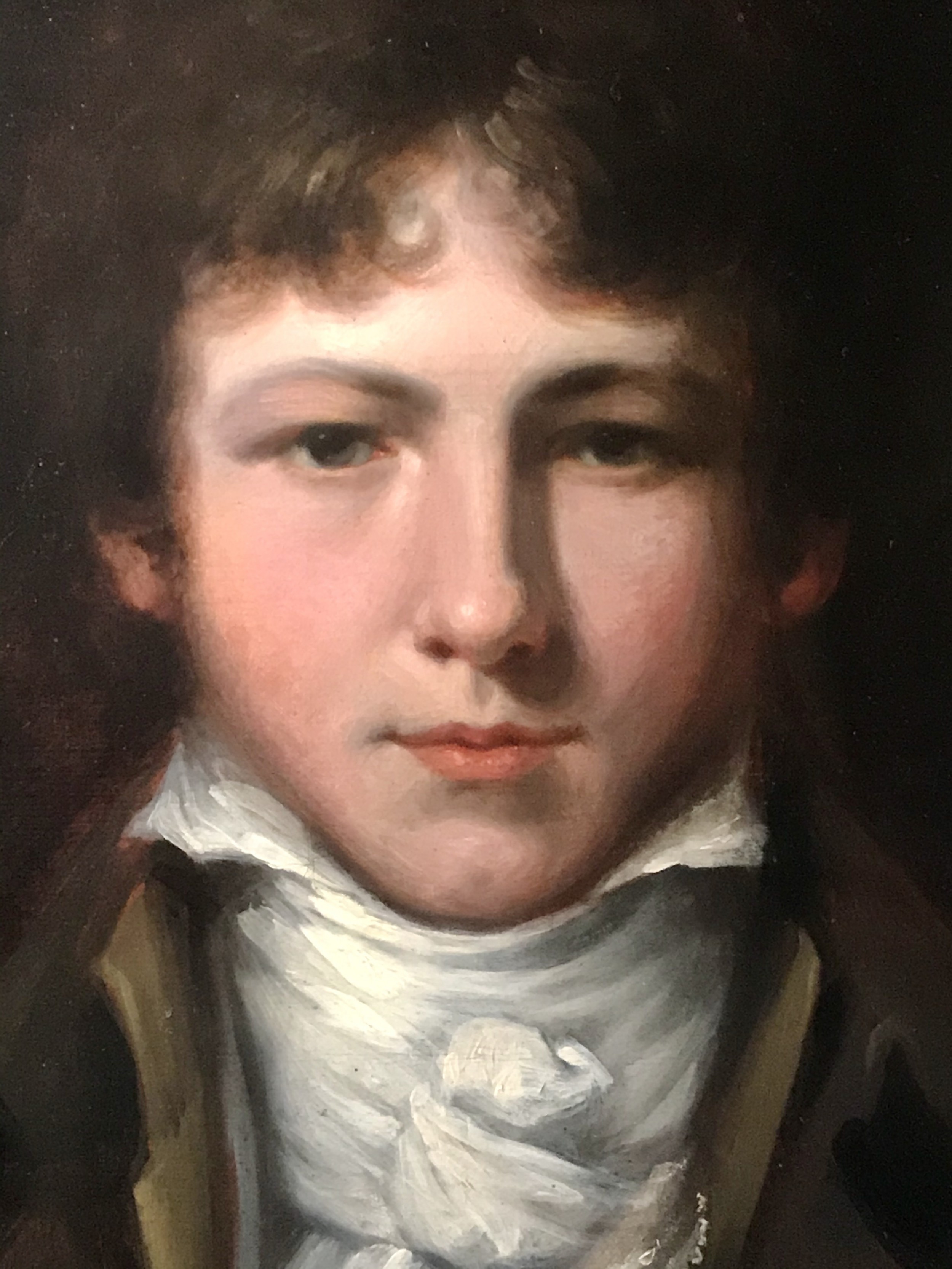
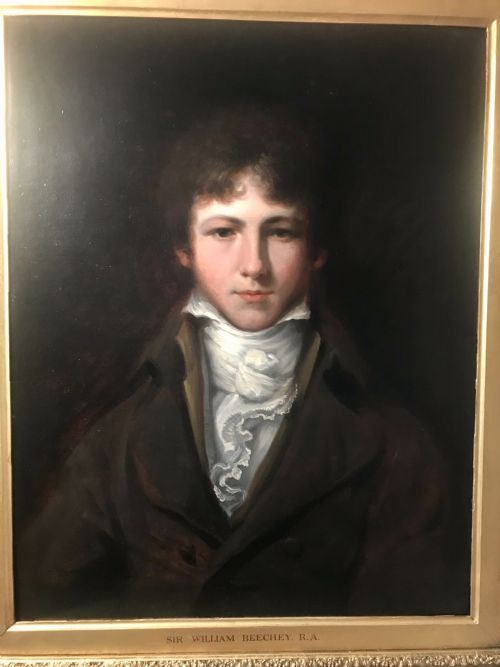
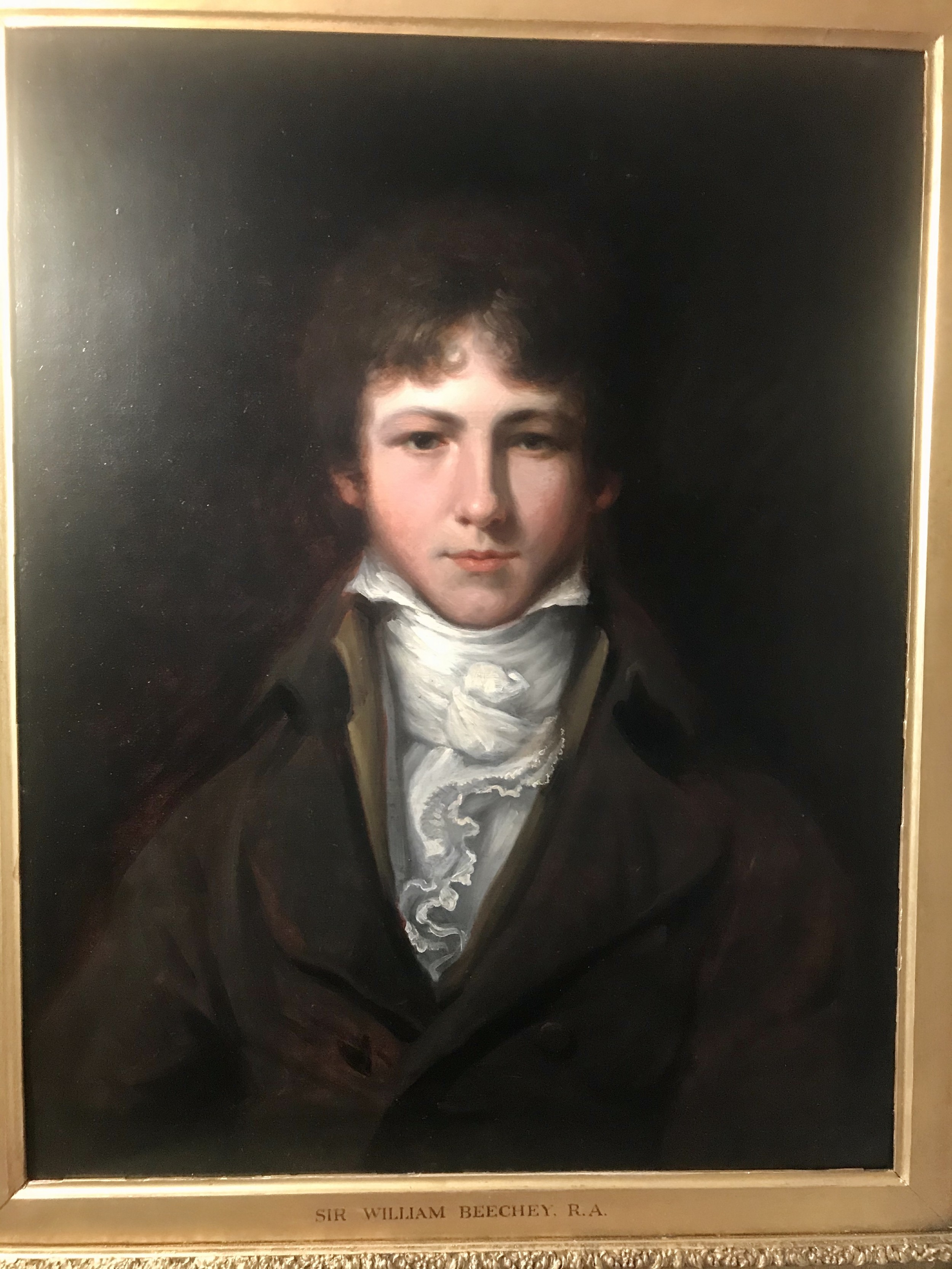
Portrait of Captain Mackinley C.1830, by Sir William Beechey.
Roy Precious - Antiques & Fine Art
sold SA673716
Sorry, but this item has been sold.
Roy Precious - Antiques & Fine Art

Roy Precious - Antiques & Fine Art

Sellingantiques Verified Since Mar 2003
View Dealers Stock Page
  • About Us
    Roy and nadine precious: specialists in portraiture from the 16th to the 20th century. Established in 1972.
Id #SA673716
PDF SHARE
SAVE

Portrait of Captain Mackinley C.1830, by Sir William Beechey.

19th century
Description

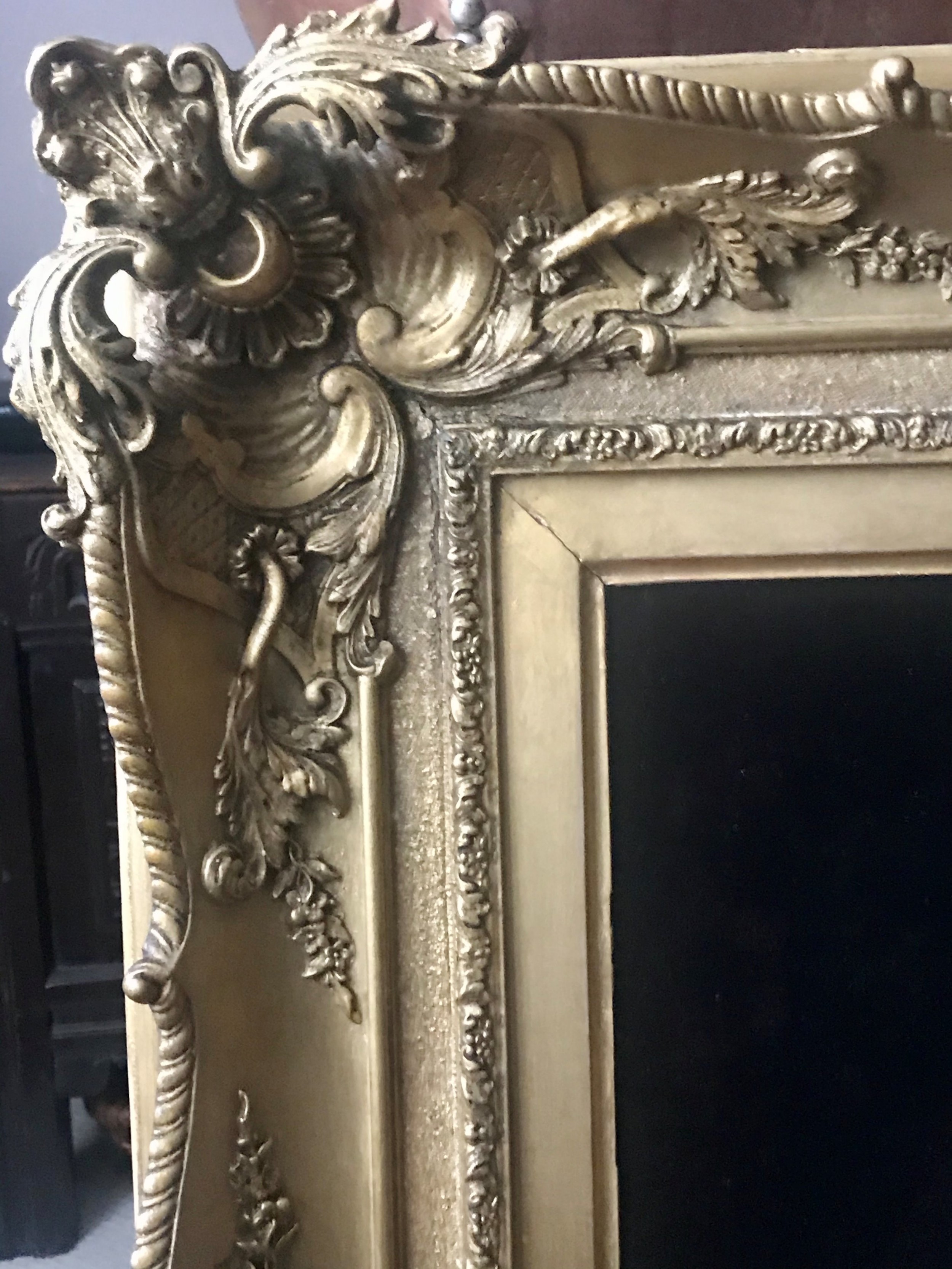
Oil on canvas in the original very fine frame.

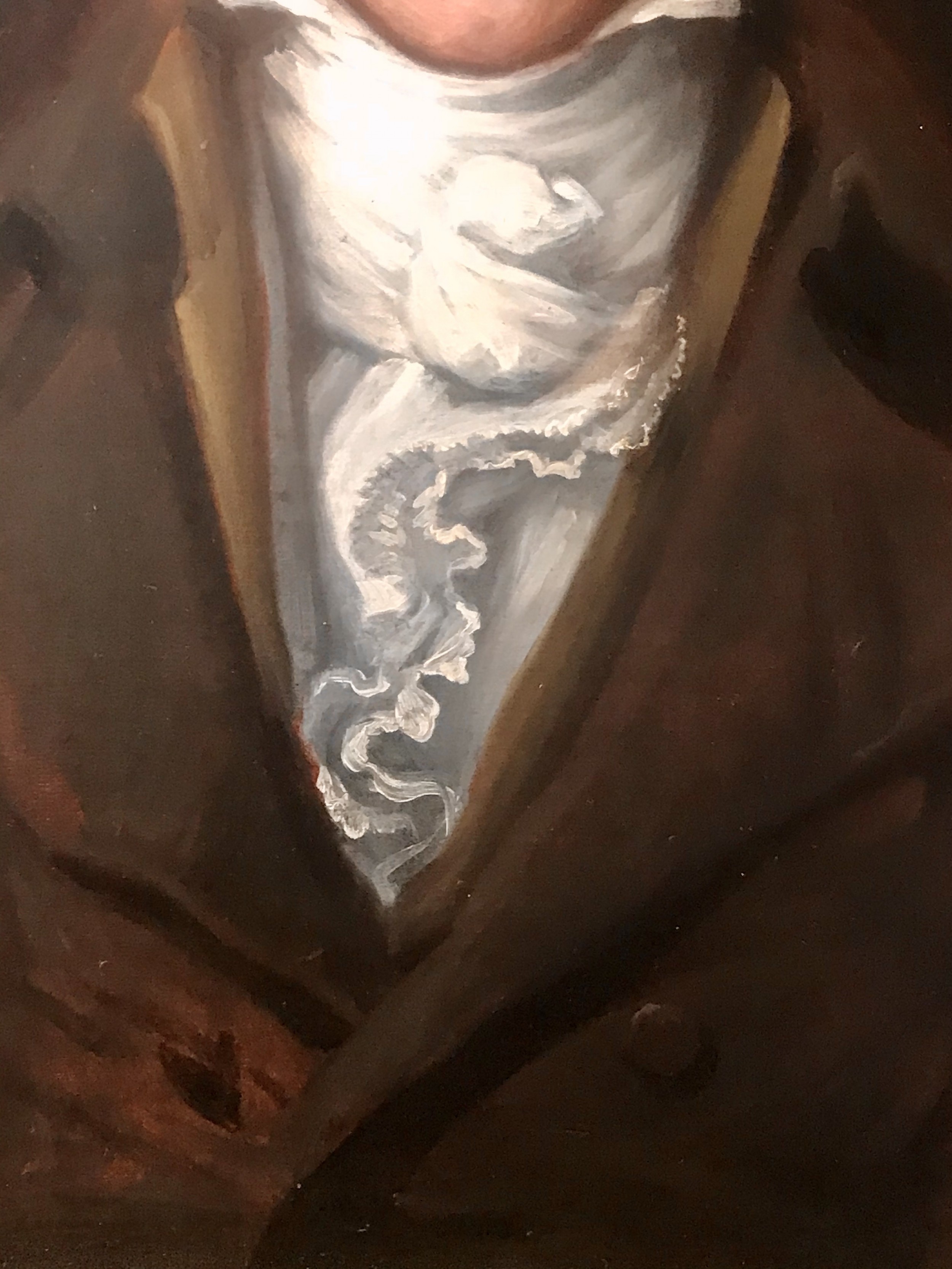
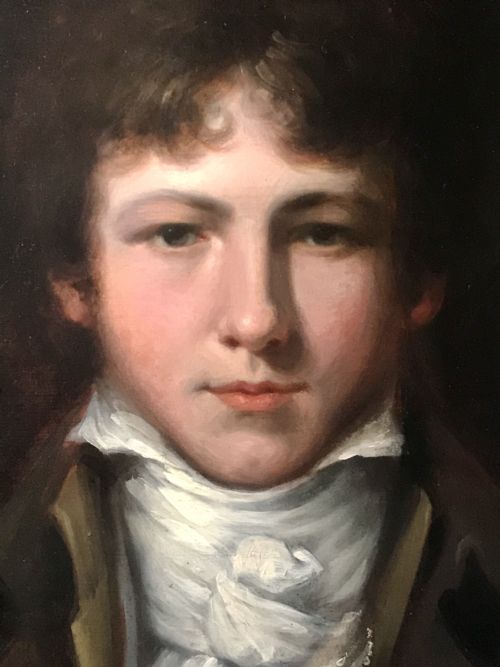
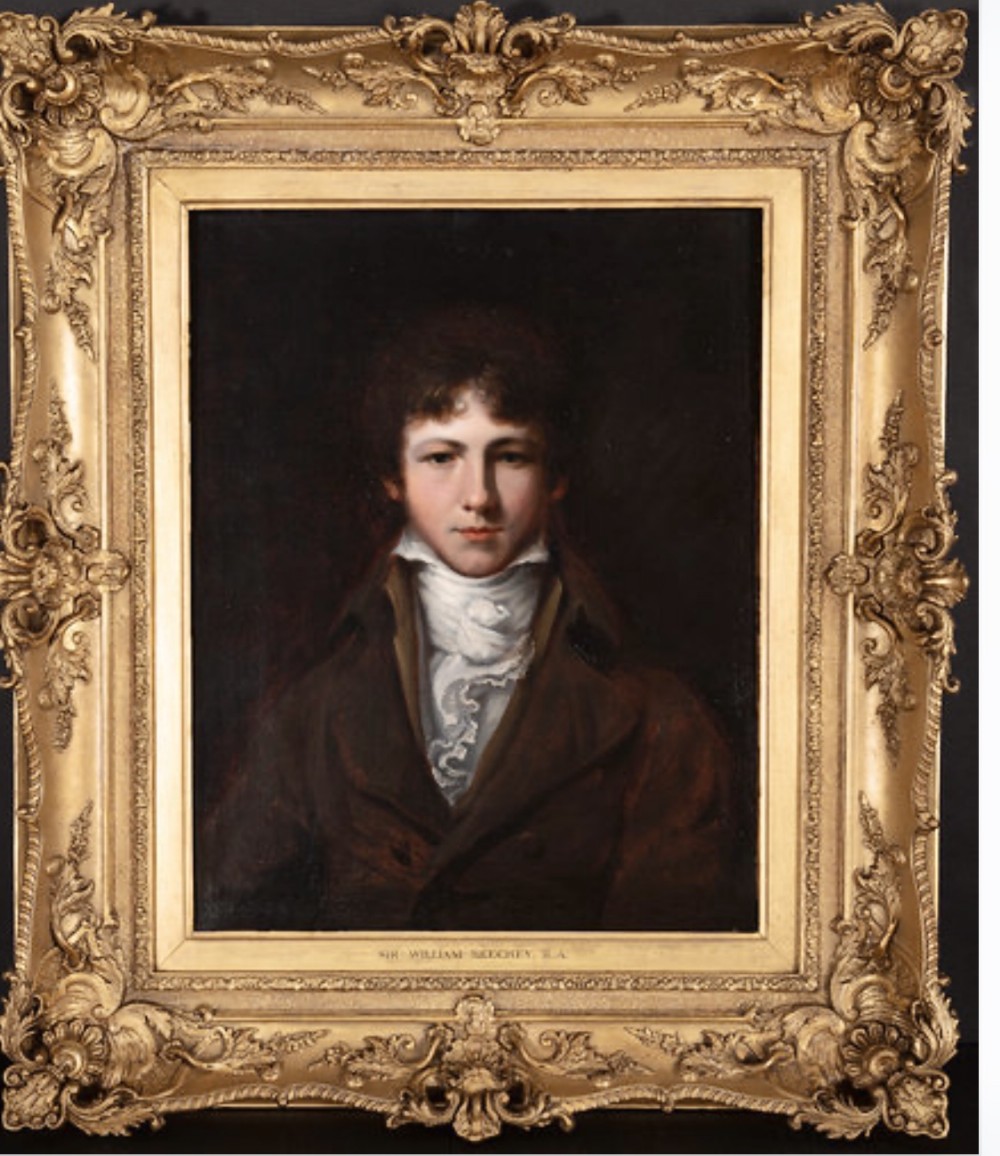
This is an excellent portrait typical of the period; the handsome sitter has a fashionable brooding, Byronic look, with the dark background enhancing the drama and encouraging the viewer to concentrate on the sitter's face.

The sitter is thought to be Thomas George MacKinley (1809-1865); he was the son of John Mackinley and Maria Cates. Born in London, he was an officer in the Royal Navy, becoming a captain in July 1830.
The Mackinleys are related by marriage to the eminent Copeman and Boord families with connections to Wakehurst Place, Sussex.

SIR WILLIAM BEECHEY RA (12 December 1753 – 28 January 1839) was a leading English portraitist during the golden age of British painting. Beechey was admitted to the Royal Academy Schools in 1772, where he is thought to have studied under Johan Zoffany. He first exhibited at the Academy in 1776. His earliest surviving portraits are small-scale full-length and conversation pieces which are reminiscent of Zoffany. In 1782, he moved to Norwich, where he gained several commissions, including a portrait of Sir John Wodehouse and a series of civic portraits for St. Andrew's Hall, Norwich. By 1787, he had returned to London, and in 1789, he exhibited a celebrated portrait of John Douglas, Bishop of Carlisle (now in Lambeth Palace). Beechey’s career during this period is marked by a succession of adept and restrained portraits in the tradition of Sir Joshua Reynolds.
In 1793, he was commissioned to paint a full-length portrait of Queen Charlotte and subsequently named as her official portrait painter. That same year, he was elected as an associate member of the Royal Academy. Following his royal appointment, the number of royal commissions he undertook increased markedly, and in 1797 he exhibited six royal portraits. In 1798, he was elected a full member of the Royal Academy and painted George III and the Prince of Wales Reviewing Troops for that year’s academy’s exhibition. This enormous composition depicts King George III, the Prince of Wales and staff officers on horseback at an imagined cavalry review in Hyde Park. The king was reported to be delighted with the painting and rewarded Beechey with a knighthood.[ Joseph Farington's Diaries give many accounts of Beechey's relations with the royal family during this period, including his temporary fall from favour in 1804, which Farington attributes to the vagaries of George III’s mental condition.
Beechey's portraits of the turn of the century are considered to be his most lively. They are closer to the flamboyant and free techniques employed by his younger rivals, John Hoppner and Sir Thomas Lawrence.
Royal patronage resumed in around 1813, when Beechey was appointed portrait painter to Prince William Frederick, Duke of Gloucester, and culminated with his appointment in 1830 as principal portrait painter to King William IV. In 1836, Beechey retired to Hampstead and on 9-11 June that year, the contents of his studio along with his collection were sold at Christie’s.
Although capable of impetuousness and irascibility, Beechey was known for his generosity to students. In particular, he took a close interest in the career of the young John Constable.

SIZE: 37.25 x 32 x 3.5 inches including the frame.

PROVENANCE: By descent to the estate of the Copeman family.

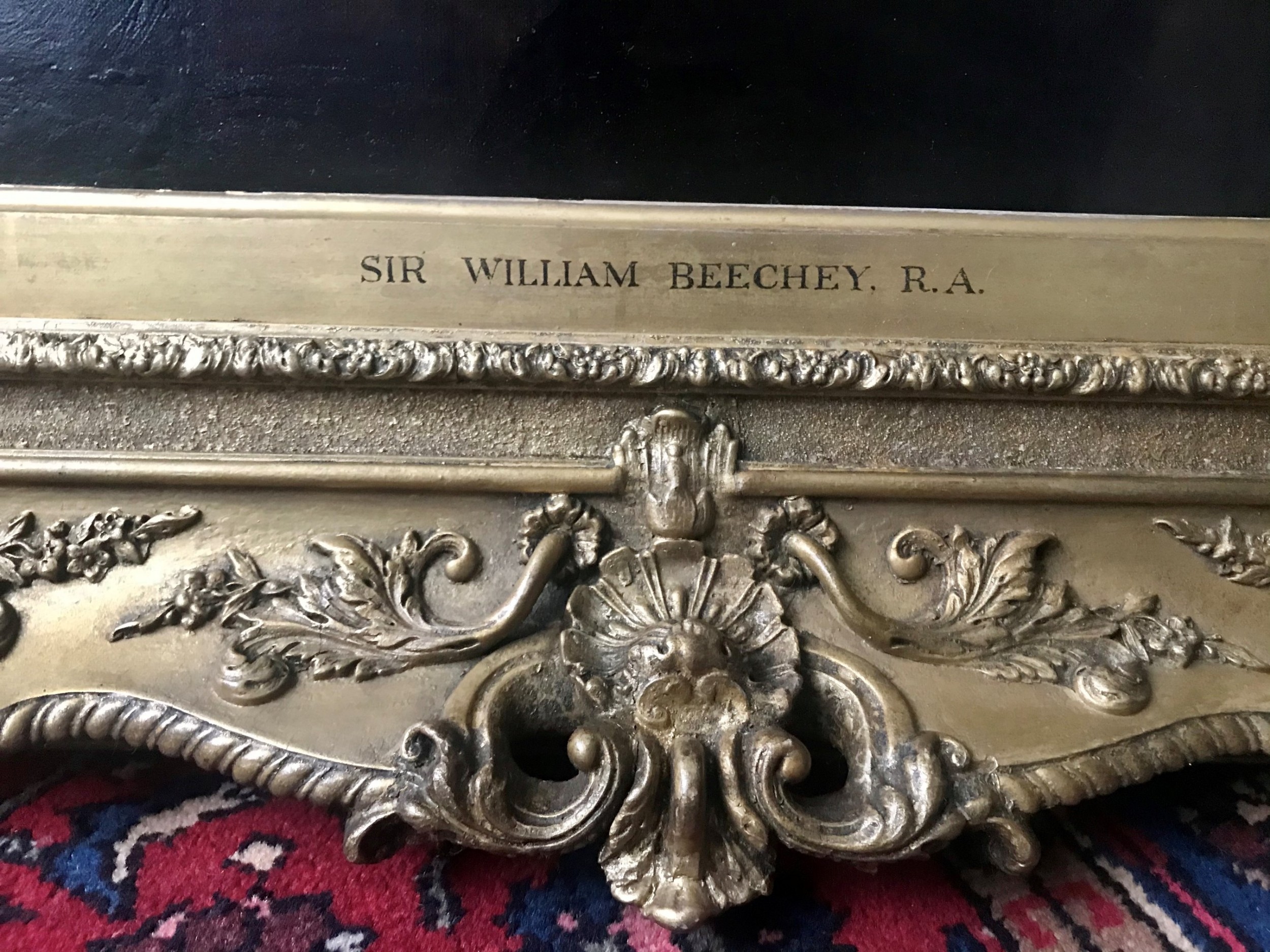
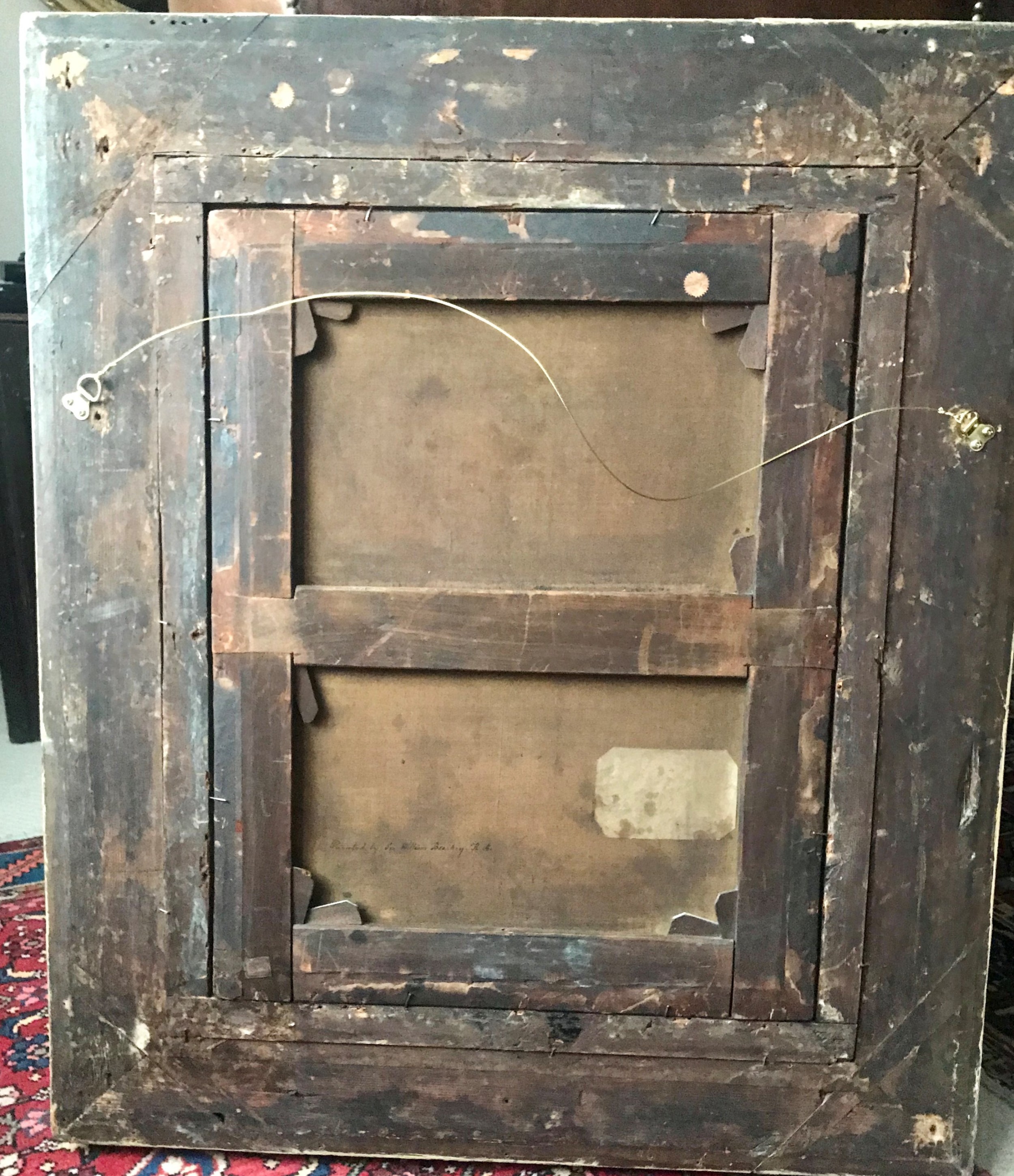
VERSO: faded old paper label and a copperplate inscription "Painted by Sir William Beechey".

Physical Dimensions
Height
94cm (37.01")
Width
81cm (31.89")
Depth
9cm (3.54")
Declaration

Roy Precious - Antiques & Fine Art has dated this piece to the Regency era.

Reference Numbers
Sellingantiques Reference
SA673716
Dealers Internal Reference
9165
Description
Oil on canvas in the original very fine frame.

This is an excellent portrait typical of the period; the handsome sitter has a fashionable brooding, Byronic look, with the dark background enhancing the drama and encouraging the viewer to concentrate on the sitter's face.

The sitter is thought to be Thomas George MacKinley (1809-1865); he was the son of John Mackinley and Maria Cates.
Roy Precious - Antiques & Fine Art

Born in London, he was an officer in the Royal Navy, becoming a captain in July 1830.

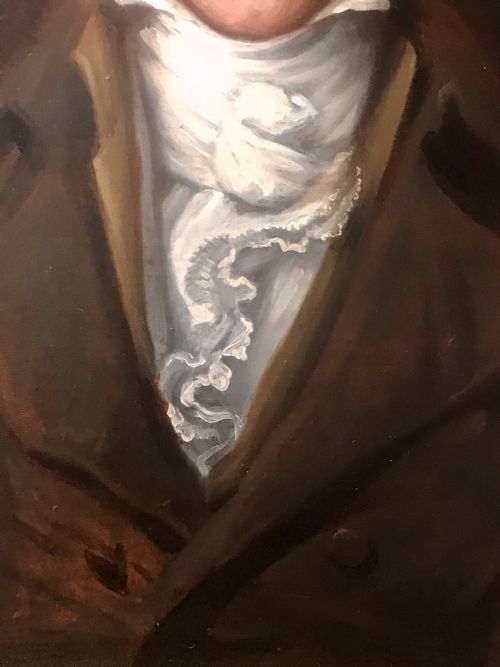
fig 1. Portrait of Captain Mackinley c.1830, by Sir William Beechey.
fig 1. Portrait of Captain Mackinley C.1830, by Sir William Beechey.

The Mackinleys are related by marriage to the eminent Copeman and Boord families with connections to Wakehurst Place, Sussex.

SIR WILLIAM BEECHEY RA (12 December 1753 – 28 January 1839) was a leading English portraitist during the golden age of British painting. Beechey was admitted to the Royal Academy Schools in 1772, where he is thought to have studied under Johan Zoffany. He first exhibited at the Academy in 1776. His earliest surviving portraits are small-scale full-length and conversation pieces which are reminiscent of Zoffany. In 1782, he moved to Norwich, where he gained several commissions, including a portrait of Sir John Wodehouse and a series of civic portraits for St. Andrew's Hall, Norwich. By 1787, he had returned to London, and in 1789, he exhibited a celebrated portrait of John Douglas, Bishop of Carlisle (now in Lambeth Palace). Beechey’s career during this period is marked by a succession of adept and restrained portraits in the tradition of Sir Joshua Reynolds.

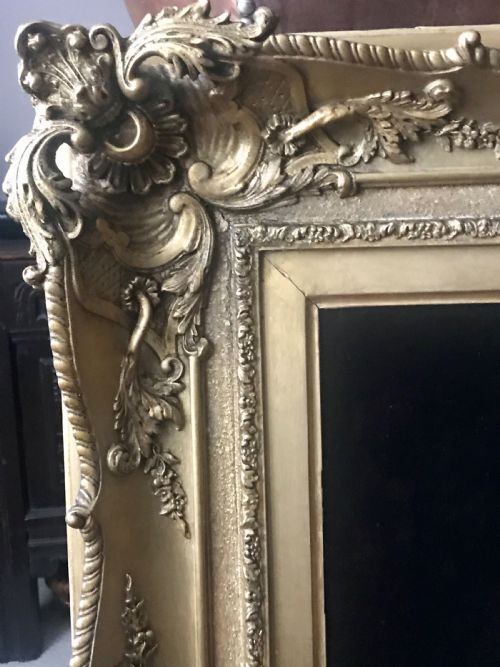
fig 2. Portrait of Captain Mackinley c.1830, by Sir William Beechey.
fig 2. Portrait of Captain Mackinley C.1830, by Sir William Beechey.

In 1793, he was commissioned to paint a full-length portrait of Queen Charlotte and subsequently named as her official portrait painter. That same year, he was elected as an associate member of the Royal Academy. Following his royal appointment, the number of royal commissions he undertook increased markedly, and in 1797 he exhibited six royal portraits. In 1798, he was elected a full member of the Royal Academy and painted George III and the Prince of Wales Reviewing Troops for that year’s academy’s exhibition. This enormous composition depicts King George III, the Prince of Wales and staff officers on horseback at an imagined cavalry review in Hyde Park. The king was reported to be delighted with the painting and rewarded Beechey with a knighthood.[ Joseph Farington's Diaries give many accounts of Beechey's relations with the royal family during this period, including his temporary fall from favour in 1804, which Farington attributes to the vagaries of George III’s mental condition.

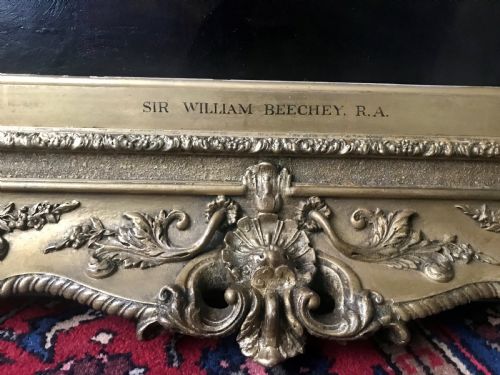
fig 3. Portrait of Captain Mackinley c.1830, by Sir William Beechey.
fig 3. Portrait of Captain Mackinley C.1830, by Sir William Beechey.

Beechey's portraits of the turn of the century are considered to be his most lively. They are closer to the flamboyant and free techniques employed by his younger rivals, John Hoppner and Sir Thomas Lawrence.

fig 4. Portrait of Captain Mackinley c.1830, by Sir William Beechey.
fig 4. Portrait of Captain Mackinley C.1830, by Sir William Beechey.

Royal patronage resumed in around 1813, when Beechey was appointed portrait painter to Prince William Frederick, Duke of Gloucester, and culminated with his appointment in 1830 as principal portrait painter to King William IV. In 1836, Beechey retired to Hampstead and on 9-11 June that year, the contents of his studio along with his collection were sold at Christie’s.

fig 5. Portrait of Captain Mackinley c.1830, by Sir William Beechey.
fig 5. Portrait of Captain Mackinley C.1830, by Sir William Beechey.

Although capable of impetuousness and irascibility, Beechey was known for his generosity to students. In particular, he took a close interest in the career of the young John Constable.

SIZE: 37.25 x 32 x 3.5 inches including the frame.

PROVENANCE: By descent to the estate of the Copeman family.

VERSO: faded old paper label and a copperplate inscription "Painted by Sir William Beechey".

Height
94cm (37.01")
Width
81cm (31.89")
Depth
9cm (3.54")
Date of Manufacture

Roy Precious - Antiques & Fine Art has dated this piece to the Regency era.

Reference Numbers
Sellingantiques Ref
SA673716
Dealers Internal Ref
9165
Roy Precious - Antiques & Fine Art
Sellingantiques verified Since Mar 2003

Roy and nadine precious: specialists in portraiture from the 16th to the 20th century. Established in 1972.

Dealer Profile

You can view the stock and full dealer information on the Roy Precious - Antiques & Fine Art Profile Page
PDF SHARE
SAVE
Portrait of Captain Mackinley c.1830, by Sir William Beechey.
1 / 7
Archive I Portrait of Captain Mackinley c.1830, by Sir William Beechey.

Portrait of Captain Mackinley C.1830, by Sir William Beechey.
Archive II Portrait of Captain Mackinley c.1830, by Sir William Beechey. View II
Archive III Portrait of Captain Mackinley c.1830, by Sir William Beechey. View III
Archive IV Portrait of Captain Mackinley c.1830, by Sir William Beechey. View IV
Archive V Portrait of Captain Mackinley c.1830, by Sir William Beechey. View V
Archive VI Portrait of Captain Mackinley c.1830, by Sir William Beechey. View VI
Archive VII Portrait of Captain Mackinley c.1830, by Sir William Beechey. View VII
Enlarged Archival View
Location
Wiltshire
United Kingdom
Dealer Profile Page sellingantiques.co.uk/rp
Verified Since Mar 2003
Items For Sale 95
Items Sold 679
Roy Precious - Antiques & Fine Art
Verified Since Mar 2003
View Dealer Info
Location: Wiltshire, United Kingdom
Verified
Mar 2003
For Sale
95
Sold
679
Portrait of Captain Mackinley c.1830, by Sir William Beechey.
Ref: SA673716
Portrait of Captain Mackinley c.1830, by Sir William Beechey.
Detail View 1
Detail View 2
Detail View 3
Detail View 4
Detail View 5
Detail View 6
Archival Detail
Every single antique dealer on our platform is individually approved by our internal team. We verify their professional trade history, ethical standards, and photographic quality to ensure a secure, high-standard buying environment. Upon joining, every dealer agrees to a strict 9-point code of conduct. While issues can occasionally arise, our dealers typically resolve them swiftly and directly with the buyer. In fact, since our founding in 2002, Sellingantiques has only had to step in to help resolve an issue on roughly five occasions—a true testament to the quality of our dealers and their dedication to your happiness.
Our dealers are highly experienced in packing and shipping fragile, high-value antiques. Because you are in direct contact with the dealer, you will be able to easily go through all available shipping and insurance options together to ensure your item arrives safely.
Antiques are the ultimate green purchase. By choosing historical pieces over newly manufactured goods, you completely eliminate the carbon footprint of modern mass production while preserving exceptional, timeless craftsmanship.
items
Add keywords to the filter
Price
£100
£250000
Era
Movements
Material
Origin
Stock Location
Freshness
Online Payments
Categories