22,898  PAGES BROWSED TODAY PAGES TODAY 36  ANTIQUES UPLOADED TODAY NEW ARRIVALS
ID #SA63859
FOR SALE
£6,500
Email
Save
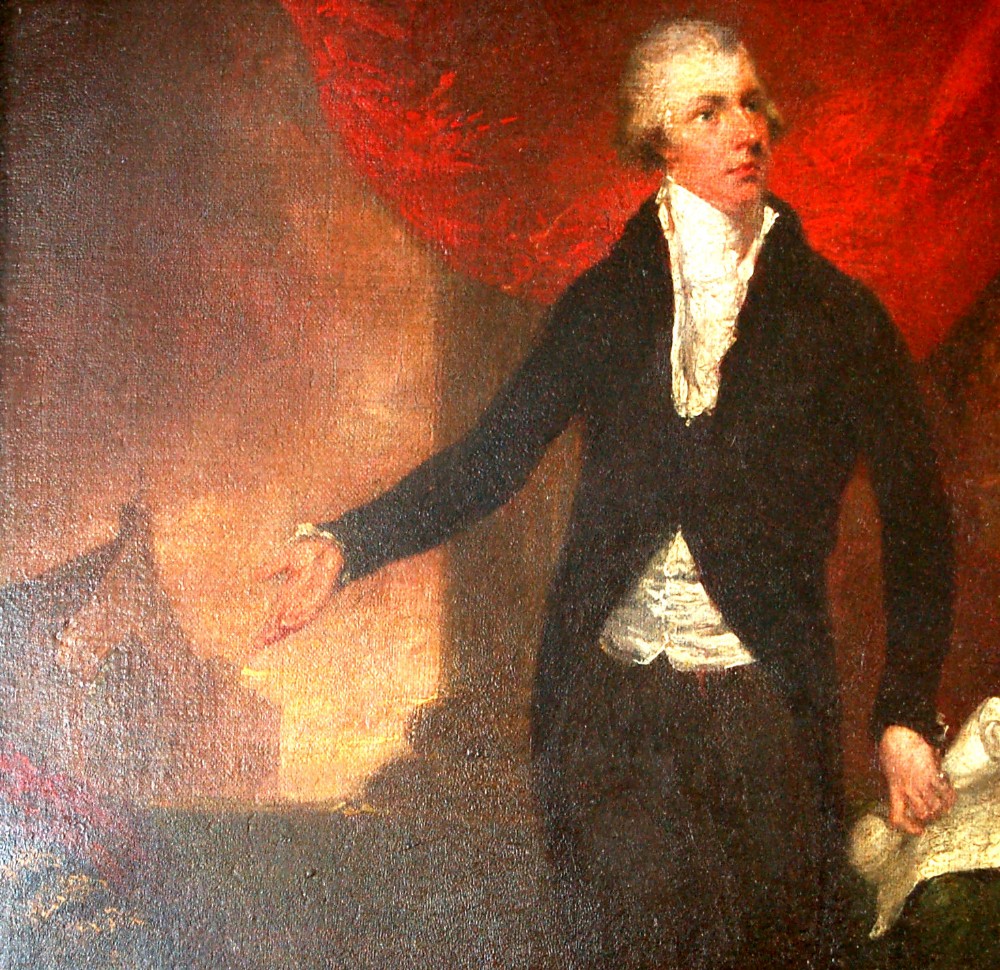
Portrait of William Pitt 1759-1806, Prime Minister, Robrt Ker Porter 1777-1842
Artware Fineart
for sale €7,605     $8,255
£6,500

Artware Fineart

Sellingantiques Verified Since Sep 2008
View Dealers Stock Page
Id #SA63859
PDF SHARE
SAVE

Portrait of William Pitt 1759-1806, Prime Minister, Robrt Ker Porter 1777-1842

19th century
For Sale by Artware Fineart
Description

Oil on canvas, 24 x 15 ins (61 x 38 cm.)

William Pitt was born at Hayes, Kent on 28th May 1759. He suffered from poor health and was educated at home. His father, William Pitt, Earl of Chatham, was the former M.P. for Old Sarum and one of the most important politicians of the period. The Earl of Chatham was determined that his son would eventually become a member of the House of Commons and at an early age William was given lessons on how to become an effective orator. When William was fourteen he was sent to Pembroke Hall, Cambridge. His health remained poor and he spent most of the time with his tutor, the Rev. George Pretyman. William, who studied Latin and Greek, received his M.A. in 1776. William grew up with a strong interest in politics and spent much of his spare time watching debates in parliament. On 7th April 1778 he was present when his father collapsed while making a speech in the House of Lords and helped to carry his dying father from the chamber. In 1781 Sir James Lowther arranged for William Pitt to become the M.P. for Appleby. He made his first speech in the House of Commons on 26th February, 1781. William Pitt had been well trained and afterwards, Lord North, the prime minister, described it as the "best speech" that he had ever heard. Soon after entering the Commons, William Pitt came under the influence of Charles Fox, Britain's leading Whig politician. Pitt joined Fox in his campaign for peace with the American colonies. On 12th June he made a speech where Pitt insisted that this was an "unjust war" and urged Lord North's government to bring it to an end.
Pitt also took an interest in the way that Britain elected Members of Parliament. He was especially critical of the way that the monarchy used the system to influence those in Parliament. Pitt argued that parliamentary reform was necessary for the preservation of liberty. In June 1782 Pitt supported a motion for shortening the duration of parliament and for measures that would reduce the chances of government ministers being bribed. When Lord Frederick North's government fell in March 1782, Charles Fox became Foreign Secretary in Rockingham's Whig government. Fox left the government in July 1782, as he was unwilling to serve under the new prime minister, Lord Sherburne. Short of people willing to serve him, Sherburne appointed the twenty-three year old Pitt as his Chancellor of the Exchequer. Fox interpreted Pitt's acceptance of this post as a betrayal and after this the two men became bitter enemies. On the 31st March, 1783, Pitt resigned and declared that he was "unconnected with any party whatever". Now out of power, Pitt turned his attention once more to parliamentary reform. On 7th May he proposed a plan that included: (1) checking bribery at elections; (2) disfranchising corrupt constituencies; (3) adding to the number of members for London. His proposals were defeated by 293 to 149. Another bill that he introduced on 2nd June for restricting abuses in public office was passed by the House of Commons but rejected by the House of Lords. In Parliament he opposed Charles Fox's India Bill. Fox responded by making fun of Pitt's youth and inexperience and accusing him of following "the headlong course of ambition". George III was furious when the India Bill was passed by the House of Commons. The king warned members of the House of Lords that he would regard any one who voted for the bill as his enemy. Unwilling to upset the king, the Lords rejected the bill by 95 votes to 76.
Porter, Sir Robert Ker [pseud. Reynold Steinkirk] (1777–1842), painter, writer, and diplomat, was born in Durham on 26 April 1777, one of the five children of William Porter (1735–1779), who was buried at St Oswald's, Durham, in 1779 after twenty-three years' service as surgeon to the 6th Inniskilling dragoons. He was descended from an old Irish family, whose ancestors included Sir William Porter, who fought at Agincourt, and the royalist Endymion Porter. His

Physical Dimensions
Height
82cm (32.28")
Width
60cm (23.62")
Depth
3cm (1.18")
Declaration

Artware Fineart has dated this Georgian Oil Portrait Painting to the 19th Century.

Reference Numbers
Sellingantiques Reference
SA63859
Dealers Internal Reference
3704
Description
Oil on canvas, 24 x 15 ins (61 x 38 cm.)

William Pitt was born at Hayes, Kent on 28th May 1759. He suffered from poor health and was educated at home. His father, William Pitt, Earl of Chatham, was the former M.P. for Old Sarum and one of the most important politicians of the period.

The Earl of Chatham was determined that his son would eventually become a member of the House of Commons and at an early age William was given lessons on how to become an effective orator.
Artware Fineart

When William was fourteen he was sent to Pembroke Hall, Cambridge. His health remained poor and he spent most of the time with his tutor, the Rev. George Pretyman. William, who studied Latin and Greek, received his M.A. in 1776. William grew up with a strong interest in politics and spent much of his spare time watching debates in parliament. On 7th April 1778 he was present when his father collapsed while making a speech in the House of Lords and helped to carry his dying father from the chamber. In 1781 Sir James Lowther arranged for William Pitt to become the M.P. for Appleby. He made his first speech in the House of Commons on 26th February, 1781. William Pitt had been well trained and afterwards, Lord North, the prime minister, described it as the "best speech" that he had ever heard. Soon after entering the Commons, William Pitt came under the influence of Charles Fox, Britain's leading Whig politician. Pitt joined Fox in his campaign for peace with the American colonies. On 12th June he made a speech where Pitt insisted that this was an "unjust war" and urged Lord North's government to bring it to an end.

fig 1. A full-length Georgian oil portrait of a man standing in dark attire before a draped red curtain background.
fig 1. Portrait of William Pitt 1759-1806, Prime Minister, Robrt Ker Porter 1777-1842

Pitt also took an interest in the way that Britain elected Members of Parliament. He was especially critical of the way that the monarchy used the system to influence those in Parliament. Pitt argued that parliamentary reform was necessary for the preservation of liberty. In June 1782 Pitt supported a motion for shortening the duration of parliament and for measures that would reduce the chances of government ministers being bribed. When Lord Frederick North's government fell in March 1782, Charles Fox became Foreign Secretary in Rockingham's Whig government. Fox left the government in July 1782, as he was unwilling to serve under the new prime minister, Lord Sherburne. Short of people willing to serve him, Sherburne appointed the twenty-three year old Pitt as his Chancellor of the Exchequer. Fox interpreted Pitt's acceptance of this post as a betrayal and after this the two men became bitter enemies. On the 31st March, 1783, Pitt resigned and declared that he was "unconnected with any party whatever". Now out of power, Pitt turned his attention once more to parliamentary reform. On 7th May he proposed a plan that included: (1) checking bribery at elections; (2) disfranchising corrupt constituencies; (3) adding to the number of members for London. His proposals were defeated by 293 to 149. Another bill that he introduced on 2nd June for restricting abuses in public office was passed by the House of Commons but rejected by the House of Lords. In Parliament he opposed Charles Fox's India Bill. Fox responded by making fun of Pitt's youth and inexperience and accusing him of following "the headlong course of ambition". George III was furious when the India Bill was passed by the House of Commons. The king warned members of the House of Lords that he would regard any one who voted for the bill as his enemy. Unwilling to upset the king, the Lords rejected the bill by 95 votes to 76.

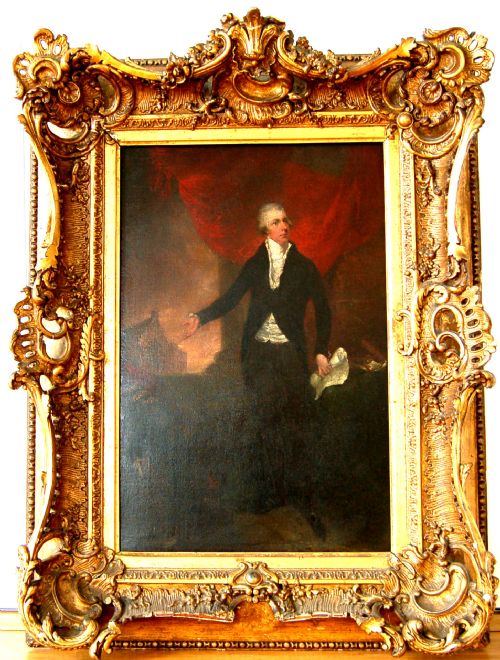
fig 2. A full-length Georgian oil portrait of a man standing in dark attire before a draped red curtain background.
fig 2. Portrait of William Pitt 1759-1806, Prime Minister, Robrt Ker Porter 1777-1842

Porter, Sir Robert Ker [pseud. Reynold Steinkirk] (1777–1842), painter, writer, and diplomat, was born in Durham on 26 April 1777, one of the five children of William Porter (1735–1779), who was buried at St Oswald's, Durham, in 1779 after twenty-three years' service as surgeon to the 6th Inniskilling dragoons. He was descended from an old Irish family, whose ancestors included Sir William Porter, who fought at Agincourt, and the royalist Endymion Porter. His

Height
82cm (32.28")
Width
60cm (23.62")
Depth
3cm (1.18")
Date of Manufacture

Artware Fineart has dated this Georgian Oil Portrait Painting to the 19th Century.

Reference Numbers
Sellingantiques Ref
SA63859
Dealers Internal Ref
3704
Artware Fineart
Sellingantiques verified Since Sep 2008
Dealer Profile

You can view the stock and full dealer information on the Artware Fineart Profile Page

PDF SHARE
SAVE
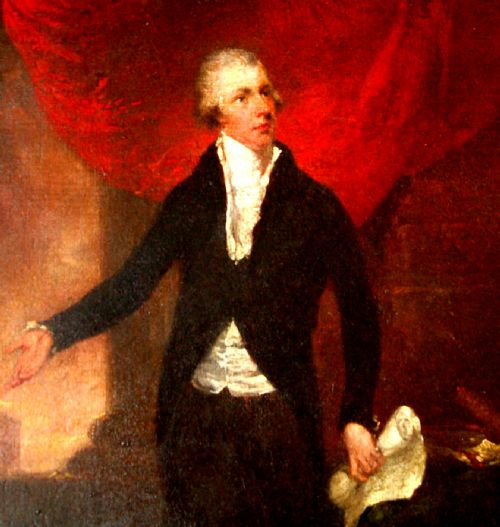
A full-length Georgian oil portrait of a man standing in dark attire before a draped red curtain background.
1 / 4
Archive I A full-length Georgian oil portrait of a man standing in dark attire before a draped red curtain background.

Portrait of William Pitt 1759-1806, Prime Minister, Robrt Ker Porter 1777-1842
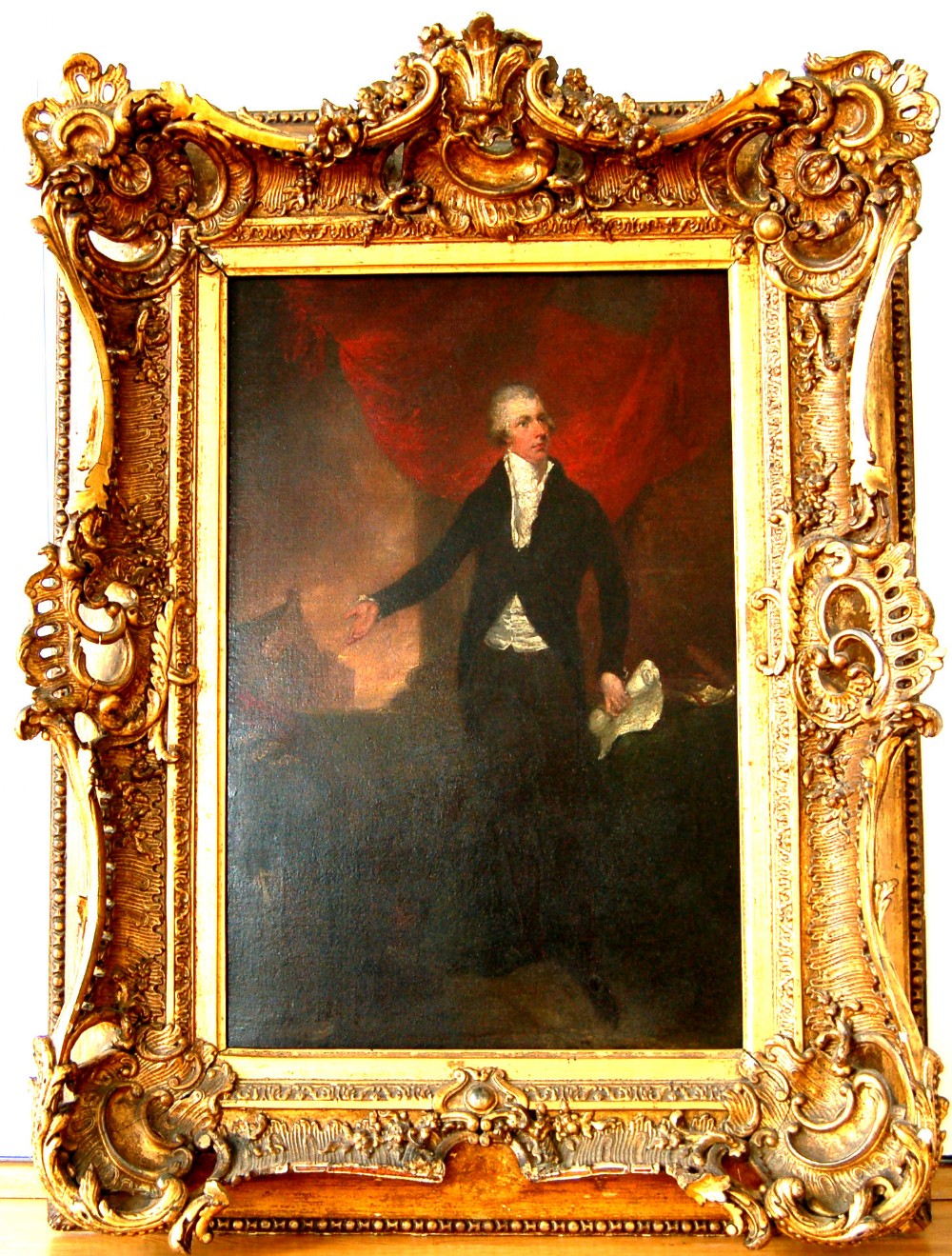
Archive II A full-length Georgian oil portrait of a man standing in dark attire before a draped red curtain background. View II
Archive III A full-length Georgian oil portrait of a man standing in dark attire before a draped red curtain background. View III
Archive IV A full-length Georgian oil portrait of a man standing in dark attire before a draped red curtain background. View IV
Enlarged Archival View
Telephone 07958 699 645
Location
18 La Gare
51 Surrey Row
London
SE1 0BZ
United Kingdom
Verified Since Sep 2008
Items For Sale 243
Items Sold 223
Artware Fineart
Verified Since Sep 2008
View Dealer Info
Location: 18 La Gare , 51 Surrey Row , London , SE1 0BZ , United Kingdom
Verified
Sep 2008
For Sale
243
Sold
223
A full-length Georgian oil portrait of a man standing in dark attire before a draped red curtain background.
Portrait of William Pitt 1759-1806, Prime Minister, Robrt Ker Porter 1777-1842
Ref: SA63859
A full-length Georgian oil portrait of a man standing in dark attire before a draped red curtain background.
Detail View 1
Detail View 2
Detail View 3
Archival Detail
Every single antique dealer on our platform is individually approved by our internal team. We verify their professional trade history, ethical standards, and photographic quality to ensure a secure, high-standard buying environment. Upon joining, every dealer agrees to a strict 9-point code of conduct. While issues can occasionally arise, our dealers typically resolve them swiftly and directly with the buyer. In fact, since our founding in 2002, Sellingantiques has only had to step in to help resolve an issue on roughly five occasions—a true testament to the quality of our dealers and their dedication to your happiness.
Our dealers are highly experienced in packing and shipping fragile, high-value antiques. Because you are in direct contact with the dealer, you will be able to easily go through all available shipping and insurance options together to ensure your item arrives safely.
Antiques are the ultimate green purchase. By choosing historical pieces over newly manufactured goods, you completely eliminate the carbon footprint of modern mass production while preserving exceptional, timeless craftsmanship.

Georgian portraiture gained prominence in eighteenth-century Britain, characterised by formal poses, grand drapery backdrops, and realistic characterisation of statesmen, military officers, and nobility.

Artists during the Georgian period primarily painted with hand-ground oil pigments on stretched linen or cotton canvases, often supported by wooden strainers.

Authentic works from this era usually display natural age craquelure across the paint surface, dark hand-loomed canvas backing, and evidence of historical timber oxidisation on stretchers.

Historical portraits can be positioned as a singular focal point above a fireplace or curated within a gallery wall alongside modern art to create visual contrast.

Paintings must be kept in stable humidity away from direct sunlight and radiators, dusted lightly with a soft brush, and restored exclusively by professional art conservators.
items
Add keywords to the filter
Price
£100
£250000
Era
Movements
Material
Origin
Stock Location
Freshness
Online Payments
Categories