42,375  PAGES BROWSED TODAY PAGES TODAY 194  ANTIQUES UPLOADED TODAY NEW ARRIVALS
Sort Order
Items Per Page
ID #SA601088
SOLD
Email
Save
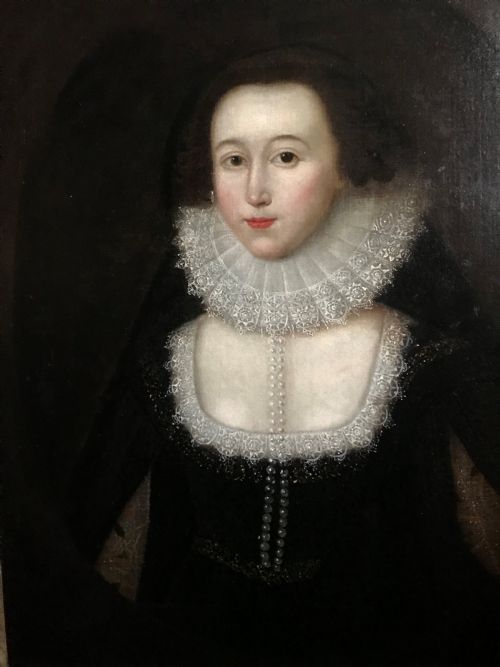
Portrait of Mary, Lady Vere; Circle of William Larkin.
Roy Precious - Antiques & Fine Art
sold SA601088
Sorry, but this item has been sold.
Roy Precious - Antiques & Fine Art

Roy Precious - Antiques & Fine Art

Sellingantiques Verified Since Mar 2003
View Dealers Stock Page
  • About Us
    Roy and nadine precious: specialists in portraiture from the 16th to the 20th century. Established in 1972.
Id #SA601088
PDF SHARE
SAVE

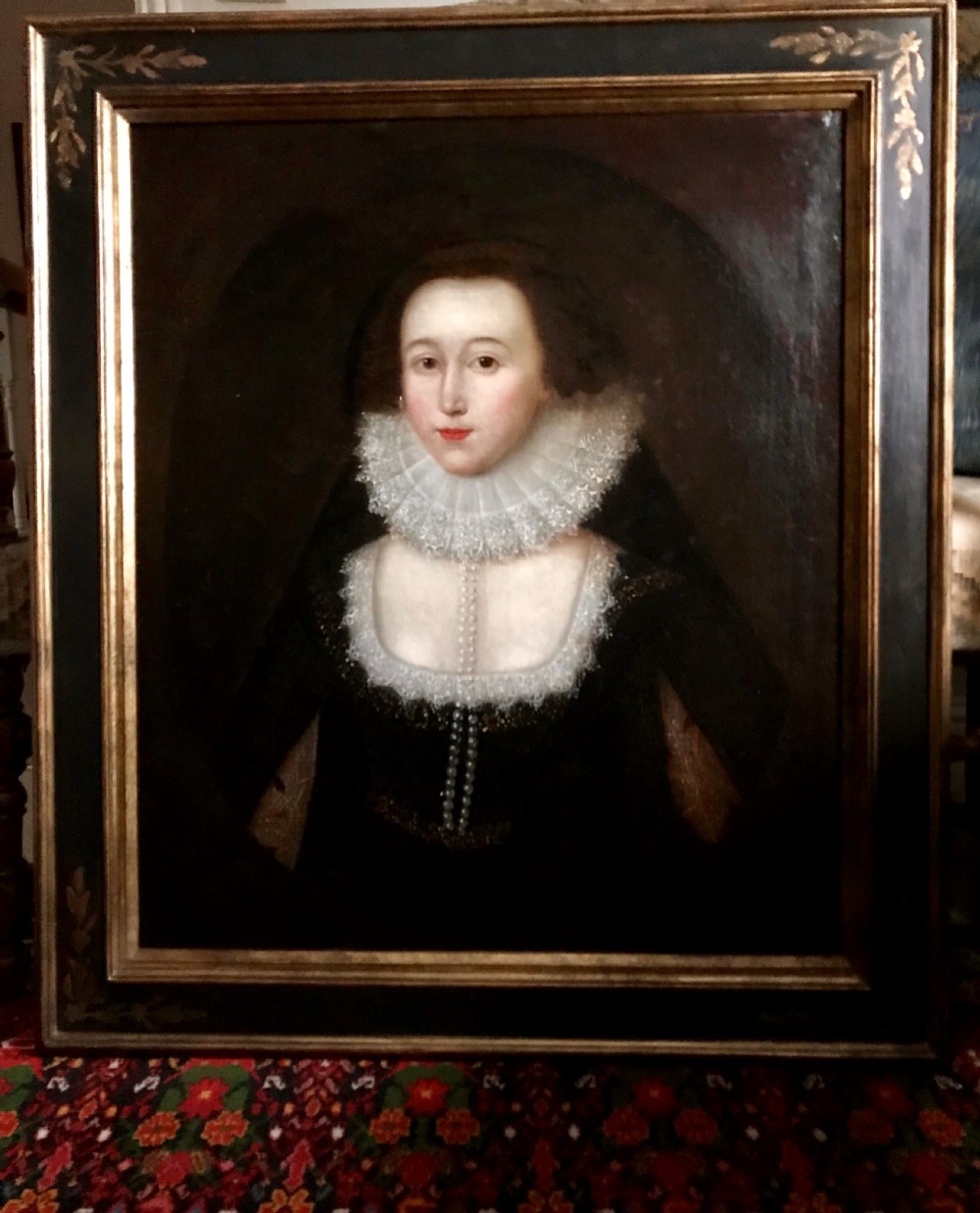
Portrait of Mary, Lady Vere; Circle of William Larkin.

17th century
Description

Oil on canvas in a reproduction 'cassetta' frame of appropriate type.

This is a 'head and shoulders' version of the full length of Mary, Lady Vere, in the National Gallery of Victoria, Australia.

MARY, LADY VERE (1581–1671), a highly distinguished member of the English aristocracy. Mary was in her early thirties when she sat for Larkin, and she wears the sombre yet opulent costume befitting a married noblewoman. She lived an extraordinary life that spanned the reigns of Elizabeth I, James I, Charles I, Oliver Cromwell and Charles II, until her death at the age of ninety-one – a remarkable age at a time when the average life expectancy in England was thirty-five. At the age of nineteen she was wed to William Hoby, with whom she had two sons prior to his death in 1602. In 1607 she married Sir Horace Vere and would have five daughters from this second marriage. A professional soldier, Sir Horace saw active service during the Dutch wars against Spanish rule. Lady Vere accompanied him to the Netherlands for a number of years, during which time the couple became actively involved with Calvinism. Throughout her life Lady Vere supported a number of puritan and protestant ministers, promoting their careers and fortunes. In 1643, at the start of England’s Civil War, Lady Vere was asked by Parliament to care for two of Charles I’s seven children; the other five having been taken to safety in France by the queen, Henrietta Maria. (Laurie Benson and Ted Gott. NGV.)
WILLIAM LARKIN (early 1580s – 1619) was an English painter active from 1609 until his death in 1619, known for his iconic portraits of members of the Court of James I of England. William Larkin was one of the most accomplished portrait painters of Jacobean England, yet little is known of him.
He was born in London in the early 1580s, and lived in the parishes of St Sepulchre-without-Newgate, Holborn, and St Anne, Blackfriars. He was a close neighbour of the eminent artist Robert Peake, portrait painter to Henry, Prince of Wales, and it well may have been Peake who introduced Larkin to painting. He became a Freeman of the Worshipful Company of Painter-Stainers on 7 July 1606 under the patronage of Lady Arbella Stuart and Edward Seymour, 1st Earl of Hertford. Married before 1612, he buried a stillborn son in that year; a son, William, in 1613; and a daughter, Mary, in January 1614/15, all at St Anne Blackfriars. Another daughter called Mary was alive at the time of his death. He died sometime between the witnessing of his will on 10 April 1619 and its proving on 14 May. The date of his burial is unknown because the parish records were destroyed in the Great Fire of London in 1666.
About 40 portraits by Larkin have been identified, of courtiers and gentry, but he seems never to have painted members of the royal family. Documentary evidence of Larkin's work is found in the Diary of Lady Anne Clifford, who sat for him in 1619; in the Rutland Papers for 1617 and 1619; and in a seventeenth-century inventory of paintings at Claydon House including a portrait of Frances Carr, Countess of Somerset.
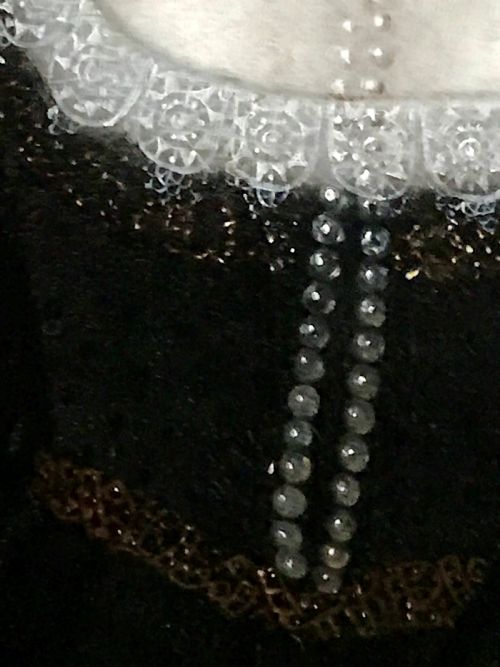
Larkin's work marks the last stage in a tradition of English portraiture traceable from the later work of Hans Holbein the Younger through Nicholas Hilliard in which the sitter is painted in flat, lightly modelled fashion. The deaths of Hilliard, Larkin, and fellow-portraitist Robert Peake the Elder in 1619 mark the end of this insular tradition in British art.

SIZE: 35.5 x 31 inches including the frame.

PROVENANCE: Irish country house collection.

Physical Dimensions
Height
90cm (35.43")
Width
79cm (31.10")
Depth
4cm (1.57")
Declaration

Roy Precious - Antiques & Fine Art has dated this piece to the 17th Century.

Reference Numbers
Sellingantiques Reference
SA601088
Dealers Internal Reference
9098
Description
Oil on canvas in a reproduction 'cassetta' frame of appropriate type.
This is a 'head and shoulders' version of the full length of Mary, Lady Vere, in the National Gallery of Victoria, Australia.
Roy Precious - Antiques & Fine Art

MARY, LADY VERE (1581–1671), a highly distinguished member of the English aristocracy. Mary was in her early thirties when she sat for Larkin, and she wears the sombre yet opulent costume befitting a married noblewoman. She lived an extraordinary life that spanned the reigns of Elizabeth I, James I, Charles I, Oliver Cromwell and Charles II, until her death at the age of ninety-one – a remarkable age at a time when the average life expectancy in England was thirty-five. At the age of nineteen she was wed to William Hoby, with whom she had two sons prior to his death in 1602. In 1607 she married Sir Horace Vere and would have five daughters from this second marriage. A professional soldier, Sir Horace saw active service during the Dutch wars against Spanish rule. Lady Vere accompanied him to the Netherlands for a number of years, during which time the couple became actively involved with Calvinism. Throughout her life Lady Vere supported a number of puritan and protestant ministers, promoting their careers and fortunes. In 1643, at the start of England’s Civil War, Lady Vere was asked by Parliament to care for two of Charles I’s seven children; the other five having been taken to safety in France by the queen, Henrietta Maria. (Laurie Benson and Ted Gott. NGV.)

fig 1. Portrait of Mary, Lady Vere; Circle of William Larkin.

WILLIAM LARKIN (early 1580s – 1619) was an English painter active from 1609 until his death in 1619, known for his iconic portraits of members of the Court of James I of England. William Larkin was one of the most accomplished portrait painters of Jacobean England, yet little is known of him.

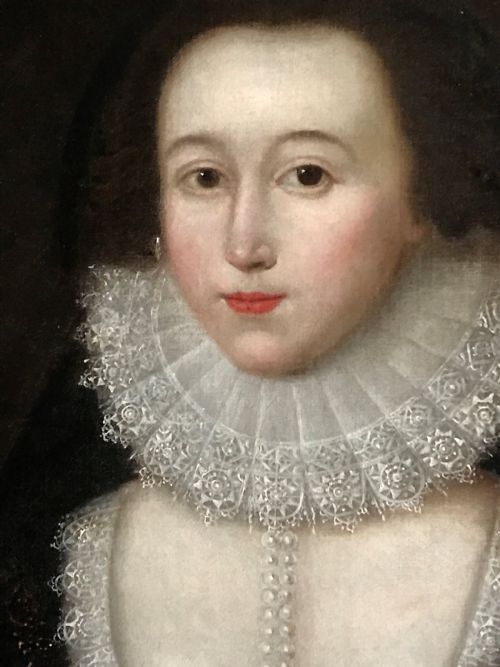
fig 2. Portrait of Mary, Lady Vere; Circle of William Larkin.

He was born in London in the early 1580s, and lived in the parishes of St Sepulchre-without-Newgate, Holborn, and St Anne, Blackfriars. He was a close neighbour of the eminent artist Robert Peake, portrait painter to Henry, Prince of Wales, and it well may have been Peake who introduced Larkin to painting. He became a Freeman of the Worshipful Company of Painter-Stainers on 7 July 1606 under the patronage of Lady Arbella Stuart and Edward Seymour, 1st Earl of Hertford. Married before 1612, he buried a stillborn son in that year; a son, William, in 1613; and a daughter, Mary, in January 1614/15, all at St Anne Blackfriars. Another daughter called Mary was alive at the time of his death. He died sometime between the witnessing of his will on 10 April 1619 and its proving on 14 May. The date of his burial is unknown because the parish records were destroyed in the Great Fire of London in 1666.

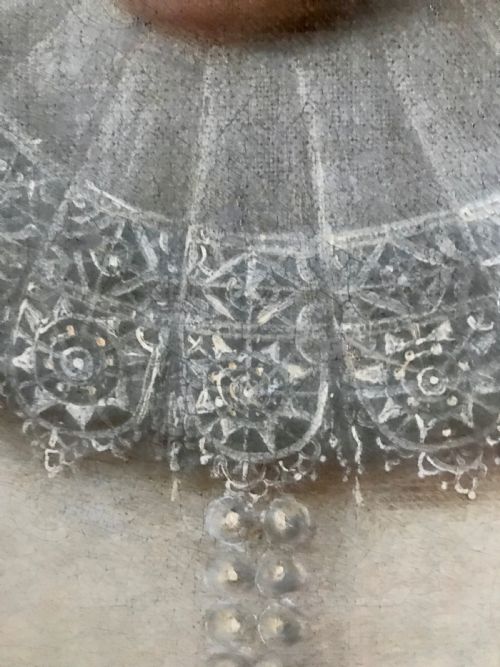
fig 3. Portrait of Mary, Lady Vere; Circle of William Larkin.

About 40 portraits by Larkin have been identified, of courtiers and gentry, but he seems never to have painted members of the royal family. Documentary evidence of Larkin's work is found in the Diary of Lady Anne Clifford, who sat for him in 1619; in the Rutland Papers for 1617 and 1619; and in a seventeenth-century inventory of paintings at Claydon House including a portrait of Frances Carr, Countess of Somerset.

fig 4. Portrait of Mary, Lady Vere; Circle of William Larkin.

Larkin's work marks the last stage in a tradition of English portraiture traceable from the later work of Hans Holbein the Younger through Nicholas Hilliard in which the sitter is painted in flat, lightly modelled fashion. The deaths of Hilliard, Larkin, and fellow-portraitist Robert Peake the Elder in 1619 mark the end of this insular tradition in British art.

SIZE: 35.5 x 31 inches including the frame.

PROVENANCE: Irish country house collection.

Height
90cm (35.43")
Width
79cm (31.10")
Depth
4cm (1.57")
Date of Manufacture

Roy Precious - Antiques & Fine Art has dated this piece to the 17th Century.

Reference Numbers
Sellingantiques Ref
SA601088
Dealers Internal Ref
9098
Roy Precious - Antiques & Fine Art
Sellingantiques verified Since Mar 2003

Roy and nadine precious: specialists in portraiture from the 16th to the 20th century. Established in 1972.

Dealer Profile

You can view the stock and full dealer information on the Roy Precious - Antiques & Fine Art Profile Page
PDF SHARE
SAVE
Portrait of Mary, Lady Vere; Circle of William Larkin.
1 / 6
Archive I Portrait of Mary, Lady Vere; Circle of William Larkin.

Portrait of Mary, Lady Vere; Circle of William Larkin.

Archive II Portrait of Mary, Lady Vere; Circle of William Larkin. View II
Archive III Portrait of Mary, Lady Vere; Circle of William Larkin. View III
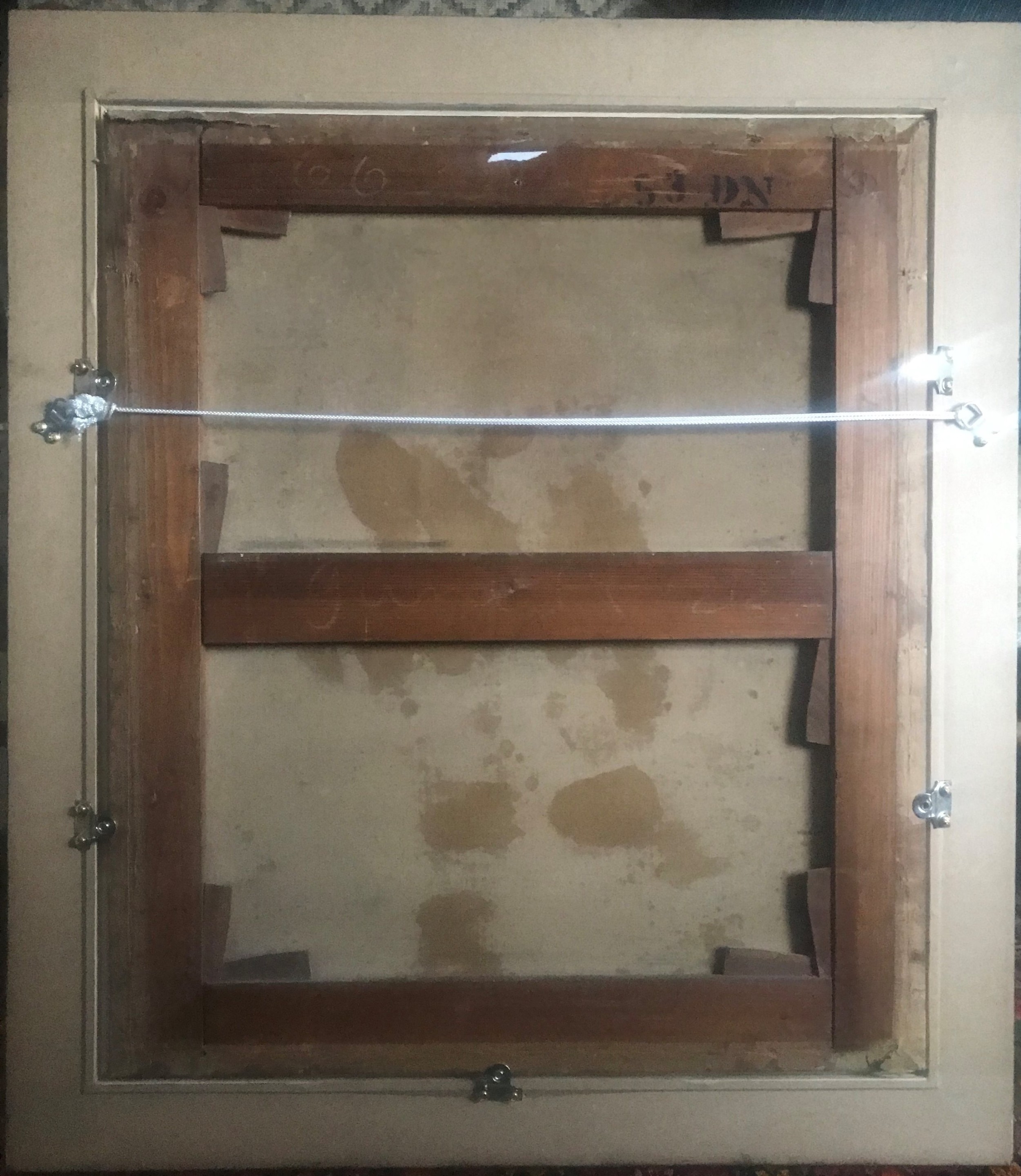
Archive IV Portrait of Mary, Lady Vere; Circle of William Larkin. View IV
Archive V Portrait of Mary, Lady Vere; Circle of William Larkin. View V
Archive VI Portrait of Mary, Lady Vere; Circle of William Larkin. View VI
Enlarged Archival View
Location
Wiltshire
United Kingdom
Dealer Profile Page sellingantiques.co.uk/rp
Verified Since Mar 2003
Items For Sale 95
Items Sold 679
Roy Precious - Antiques & Fine Art
Verified Since Mar 2003
View Dealer Info
Location: Wiltshire, United Kingdom
Verified
Mar 2003
For Sale
95
Sold
679
Portrait of Mary, Lady Vere; Circle of William Larkin.
Ref: SA601088
Portrait of Mary, Lady Vere; Circle of William Larkin.
Detail View 1
Detail View 2
Detail View 3
Detail View 4
Detail View 5
Archival Detail
Every single antique dealer on our platform is individually approved by our internal team. We verify their professional trade history, ethical standards, and photographic quality to ensure a secure, high-standard buying environment. Upon joining, every dealer agrees to a strict 9-point code of conduct. While issues can occasionally arise, our dealers typically resolve them swiftly and directly with the buyer. In fact, since our founding in 2002, Sellingantiques has only had to step in to help resolve an issue on roughly five occasions—a true testament to the quality of our dealers and their dedication to your happiness.
Our dealers are highly experienced in packing and shipping fragile, high-value antiques. Because you are in direct contact with the dealer, you will be able to easily go through all available shipping and insurance options together to ensure your item arrives safely.
Antiques are the ultimate green purchase. By choosing historical pieces over newly manufactured goods, you completely eliminate the carbon footprint of modern mass production while preserving exceptional, timeless craftsmanship.
items
Add keywords to the filter
Price
£100
£250000
Era
Movements
Material
Origin
Stock Location
Freshness
Online Payments
Categories