11,128  PAGES BROWSED TODAY PAGES TODAY 13  ANTIQUES UPLOADED TODAY NEW ARRIVALS
ID #SA575192
FOR SALE
£4,500
Email
Save
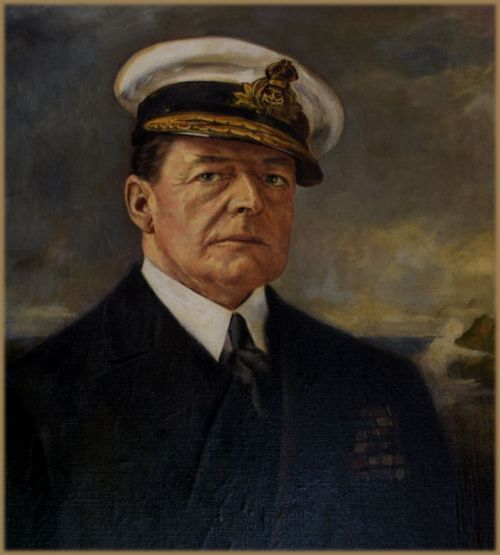
Henry L Gates, Fl.1920 -1943 Portrait of Admiral of the Fleet David Richard Beatty, 1st Earl Beatty Gcb, Om, Gcvo, Dso, Pc (1871-1936)
Artware Fineart
for sale €5,265     $5,715
£4,500

Artware Fineart

Sellingantiques Verified Since Sep 2008
View Dealers Stock Page
Id #SA575192
PDF SHARE
SAVE

Henry L Gates, Fl.1920 -1943 Portrait of Admiral of the Fleet David Richard Beatty, 1st Earl Beatty Gcb, Om, Gcvo, Dso, Pc (1871-1936)

1920 - 1940
For Sale by Artware Fineart
Description

Henry L Gates, fl.1920 -1943

Portrait of Admiral of the Fleet David Richard Beatty, 1st Earl Beatty GCB, OM, GCVO, DSO, PC (1871-1936)

Signed/Inscribed:

lower right

oil on canvas

76 x 61 cm. (30 x 25 in.)

David Beatty, first Earl Beatty (1871–1936), naval officer, was born on 17 January 1871 at Howbeck Lodge, Stapeley, Nantwich, Cheshire, the second of four sons of Captain David Longfield Beatty (1841–1904), of the 4th hussars, and his first wife, Katherine Edith (d. 1896), daughter of Nicholas Sadleirof Dunboyne Castle, co. Meath, Ireland.
David's brothers all served in the army, and his one sister, Kathleen, known as Trot, married Colonel Miles Courage, of the brewing family, who became master of the Hampshire hunt. David inherited his family's love of hunting, horsemanship, and all country sports, but as a young boy showed such interest in ships and the sea that his parents had him prepared for the navy. In January 1884, at thirteen, the normal age for officer entry, he passed into the Britannia, the training establishment on the Dart, tenth out of ninety-nine candidates. He passed out in January 1886, eighteenth of his term of thirty-three. He was not amenable to the punitive discipline and rigid routine of Britannia, the training ship, and so was never chosen as a cadet captain. He described himself as 'essentially Irish', and perhaps his high spirits and generally attractive personality were seen as redeeming features. On the other hand he had ‘interest’, that established factor in furthering a successful naval career. His mother, relying on their shared Irishness, personally appealed to Charles Beresford and had his original appointment to the China station changed to one on Alexandra, the flagship of the Mediterranean Fleet, where the commander-in-chief, Queen Victoria's second son, the duke of Edinburgh, gained a sound professional reputation.

Such a ship attracted an unusual number of officers who subsequently achieved high rank, among them Colin Keppel and Stanley Colville, who could provide valuable role models for the cadets and midshipmen. Beatty's companions in the gun room included Walter Cowan, Richard Phillimore, and Reginald Tyrwhitt, who later served under him as flag officers in the North Sea. Others of his seniors became influential in court circles during the reigns of Queen Victoria's successors. In the meantime his manners, cheerfulness, and good looks made him popular with the royal and other highly placed visitors to the flagship, while his skills as a horseman gained him additional friends and admirers. Alexandra was typical of the capital ships of the day: fully rigged for sail, but equipped for steam propulsion and strongly armoured, it mounted heavy, muzzle loading guns and carried Whitehead torpedoes.

Beatty was rated midshipman on 15 May 1886, was promoted sub-lieutenant on 14 May 1890, and began scientific and technical courses at the Royal Naval College, Greenwich, and specialist establishments in Portsmouth in September. In contrast to these he had three periods of sea service under sail in the corvette Ruby. The last of these followed his promotion to lieutenant on 25 August 1892; he had not been attracted by the six months' accelerated advancement gained by high performance in the courses and achieved a first-class pass only in torpedoes.

More directly relevant to the newer navy was Beatty's appointment to the battleship Camperdown in October 1893, when he entered the world of steam tactics. In 1895 he joined the battleship Trafalgar, whose executive officer Stanley Colville had formed a high opinion of his potential during their time in Alexandra. This led to promotion and distinction, which enabled Beatty to out-distance his contemporaries for the rest of his career. When Colville was appointed to command the gunboats supporting General Sir Herbert Kitchene

Physical Dimensions
Height
76cm (29.92")
Width
61cm (24.02")
Depth
1cm (0.39")
Declaration

Artware Fineart has dated this Antique Naval Portrait Painting to the 1930s.

Reference Numbers
Sellingantiques Reference
SA575192
Dealers Internal Reference
4009
Description
Henry L Gates, fl.1920 -1943
Portrait of Admiral of the Fleet David Richard Beatty, 1st Earl Beatty GCB, OM, GCVO, DSO, PC (1871-1936).
Artware Fineart

Signed/Inscribed:

lower right

oil on canvas

76 x 61 cm. (30 x 25 in.)

David Beatty, first Earl Beatty (1871–1936), naval officer, was born on 17 January 1871 at Howbeck Lodge, Stapeley, Nantwich, Cheshire, the second of four sons of Captain David Longfield Beatty (1841–1904), of the 4th hussars, and his first wife, Katherine Edith (d. 1896), daughter of Nicholas Sadleirof Dunboyne Castle, co. Meath, Ireland.

fig 1. An oil portrait depicting Admiral of the Fleet David Beatty wearing a navy coat and white peaked cap against a cloudy seascape backdrop.
fig 1. Henry L Gates, Fl.1920 -1943 Portrait of Admiral of the Fleet David Richard Beatty, 1st Earl Beatty Gcb, Om, Gcvo, Dso, Pc (1871-1936)

David's brothers all served in the army, and his one sister, Kathleen, known as Trot, married Colonel Miles Courage, of the brewing family, who became master of the Hampshire hunt. David inherited his family's love of hunting, horsemanship, and all country sports, but as a young boy showed such interest in ships and the sea that his parents had him prepared for the navy. In January 1884, at thirteen, the normal age for officer entry, he passed into the Britannia, the training establishment on the Dart, tenth out of ninety-nine candidates. He passed out in January 1886, eighteenth of his term of thirty-three. He was not amenable to the punitive discipline and rigid routine of Britannia, the training ship, and so was never chosen as a cadet captain. He described himself as 'essentially Irish', and perhaps his high spirits and generally attractive personality were seen as redeeming features. On the other hand he had ‘interest’, that established factor in furthering a successful naval career. His mother, relying on their shared Irishness, personally appealed to Charles Beresford and had his original appointment to the China station changed to one on Alexandra, the flagship of the Mediterranean Fleet, where the commander-in-chief, Queen Victoria's second son, the duke of Edinburgh, gained a sound professional reputation.

Such a ship attracted an unusual number of officers who subsequently achieved high rank, among them Colin Keppel and Stanley Colville, who could provide valuable role models for the cadets and midshipmen. Beatty's companions in the gun room included Walter Cowan, Richard Phillimore, and Reginald Tyrwhitt, who later served under him as flag officers in the North Sea. Others of his seniors became influential in court circles during the reigns of Queen Victoria's successors. In the meantime his manners, cheerfulness, and good looks made him popular with the royal and other highly placed visitors to the flagship, while his skills as a horseman gained him additional friends and admirers. Alexandra was typical of the capital ships of the day: fully rigged for sail, but equipped for steam propulsion and strongly armoured, it mounted heavy, muzzle loading guns and carried Whitehead torpedoes.

Beatty was rated midshipman on 15 May 1886, was promoted sub-lieutenant on 14 May 1890, and began scientific and technical courses at the Royal Naval College, Greenwich, and specialist establishments in Portsmouth in September. In contrast to these he had three periods of sea service under sail in the corvette Ruby. The last of these followed his promotion to lieutenant on 25 August 1892; he had not been attracted by the six months' accelerated advancement gained by high performance in the courses and achieved a first-class pass only in torpedoes.

More directly relevant to the newer navy was Beatty's appointment to the battleship Camperdown in October 1893, when he entered the world of steam tactics. In 1895 he joined the battleship Trafalgar, whose executive officer Stanley Colville had formed a high opinion of his potential during their time in Alexandra. This led to promotion and distinction, which enabled Beatty to out-distance his contemporaries for the rest of his career. When Colville was appointed to command the gunboats supporting General Sir Herbert Kitchene

Height
76cm (29.92")
Width
61cm (24.02")
Depth
1cm (0.39")
Date of Manufacture

Artware Fineart has dated this Antique Naval Portrait Painting to the 1930s.

Reference Numbers
Sellingantiques Ref
SA575192
Dealers Internal Ref
4009
Artware Fineart
Sellingantiques verified Since Sep 2008
Dealer Profile

You can view the stock and full dealer information on the Artware Fineart Profile Page

PDF SHARE
SAVE
An oil portrait depicting Admiral of the Fleet David Beatty wearing a navy coat and white peaked cap against a cloudy seascape backdrop.
1 / 2
Archive I An oil portrait depicting Admiral of the Fleet David Beatty wearing a navy coat and white peaked cap against a cloudy seascape backdrop.

Henry L Gates, Fl.1920 -1943 Portrait of Admiral of the Fleet David Richard Beatty, 1st Earl Beatty Gcb, Om, Gcvo, Dso, Pc (1871-1936)

Archive II An oil portrait depicting Admiral of the Fleet David Beatty wearing a navy coat and white peaked cap against a cloudy seascape backdrop. View II
Enlarged Archival View
Telephone 07958 699 645
Location
18 La Gare
51 Surrey Row
London
SE1 0BZ
United Kingdom
Verified Since Sep 2008
Items For Sale 243
Items Sold 223
Artware Fineart
Verified Since Sep 2008
View Dealer Info
Location: 18 La Gare , 51 Surrey Row , London , SE1 0BZ , United Kingdom
Verified
Sep 2008
For Sale
243
Sold
223
An oil portrait depicting Admiral of the Fleet David Beatty wearing a navy coat and white peaked cap against a cloudy seascape backdrop.
Henry L Gates, fl.1920 -1943 Portrait of Admiral of the Fleet David Richard Beatty, 1st Earl Beatty GCB, OM, GCVO, DSO, PC (1871-1936)
Ref: SA575192
An oil portrait depicting Admiral of the Fleet David Beatty wearing a navy coat and white peaked cap against a cloudy seascape backdrop.
Detail View 1
Archival Detail
Every single antique dealer on our platform is individually approved by our internal team. We verify their professional trade history, ethical standards, and photographic quality to ensure a secure, high-standard buying environment. Upon joining, every dealer agrees to a strict 9-point code of conduct. While issues can occasionally arise, our dealers typically resolve them swiftly and directly with the buyer. In fact, since our founding in 2002, Sellingantiques has only had to step in to help resolve an issue on roughly five occasions—a true testament to the quality of our dealers and their dedication to your happiness.
Our dealers are highly experienced in packing and shipping fragile, high-value antiques. Because you are in direct contact with the dealer, you will be able to easily go through all available shipping and insurance options together to ensure your item arrives safely.
Antiques are the ultimate green purchase. By choosing historical pieces over newly manufactured goods, you completely eliminate the carbon footprint of modern mass production while preserving exceptional, timeless craftsmanship.

Interwar military portraiture typically depicts high-ranking naval and army officers in official uniforms, capturing both rank and identity through traditional realism set against atmospheric or maritime backdrops.

Artists during this period primarily applied oil paints onto stretched cotton or linen canvas, finished with protective varnishes and mounted in timber frames.

Authentic oil paintings exhibit genuine age-related surface craquelure, visible brushwork texture, period-appropriate stretcher construction, and authentic signatures or inscriptions.

A formal portrait provides visual weight when hung above a mahogany console table, integrated into a study wall, or framed alongside complementary historical artwork in a gallery arrangement.

Keep canvas artwork away from direct sunlight, dampness, and heat sources, removing light dust with a soft, dry microfibre brush rather than chemical cleansers.
items
Add keywords to the filter
Price
£100
£250000
Era
Movements
Material
Origin
Stock Location
Freshness
Online Payments
Categories