58,387  PAGES BROWSED TODAY PAGES TODAY 103  ANTIQUES UPLOADED TODAY NEW ARRIVALS
ID #SA575147
FOR SALE
£2,800
Email
Save
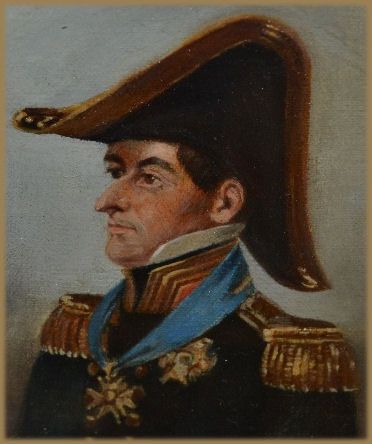
Attributed to Samuel Lane, 1780–1859 Portrait of Vice-admiral the Honourable Sir Henry Hotham Kcb, Gcmg, 1777 – 1833
Artware Fineart
Id #SA575147
PDF SHARE
SAVE

Attributed to Samuel Lane, 1780–1859 Portrait of Vice-admiral the Honourable Sir Henry Hotham Kcb, Gcmg, 1777 – 1833

19th century
For Sale by Artware Fineart
Description

Attributed to Samuel Lane, 1780–1859

Portrait of Vice-Admiral The Honourable Sir Henry Hotham KCB, GCMG, 1777 – 1833

oil on canvas

14 x 14 cm. (5.3/4 x 5.3/4 in.)

Sir Henry Hotham, (1777–1833), naval officer, youngest son of Beaumont Hotham, second Baron Hotham (1737–1814), and his wife, Susanna (1737–1799), second daughter of Sir Thomas Hankey, and widow of James Norman, was born on 19 February 1777, and, after passing through the Royal Naval Academy at Portsmouth, entered the navy in 1790 on the Princess Royal, then carrying his uncle's flag. He afterwards served in the Lizard in the channel, and the Lapwing in the Mediterranean; in 1793 he was moved into the Victory, Lord Hood's flagship, and in her was present at the occupation of Toulon and the operations in Corsica. After the capture of Bastia in May 1794, he was promoted lieutenant of the Aigle on 6 June, with Captain Samuel Hood.

After the capture of Calvi he was moved again into the Victory, and, when Lord Hood went home, into the Britannia, the flagship of his uncle, who became commander-in-chief, and speedily promoted his nephew to command of the sloop La Flêche, taken at Bastia. On 13 January 1795 Hotham was posted to the frigate Mignonne (32 guns), taken at Calvi and promoted to Captain; but the Mignonne not being fit for service, he was permitted to join the Egmont as a volunteer, and in her was present in the action of 13 July off the Hyères. In September he was appointed to the Dido (28 guns), in which—as afterwards in the Blanche, Hotham was in command of Blanche on 5 February 1797 when she and Inconstant, Captain Thomas Fremantle, captured the ship Fortune of Philadelphia.[6] On 20 November 1797 he captured the French privateer brig Le Coureur, of 14 guns and 90 men, after a three-hour chase. On 27 December 1797, about 170 nmi (310 km; 200 mi) west of Porto, he captured the Bayonnois, a French privateer brig of six guns and 40 men, after a 16-hour chase. The brig had sailed from Bayonne 31 days previously and had made no captures. —he continued attached to the Mediterranean Fleet until towards the end of 1798, when he was sent home in charge of convoy. Blanche was paid off in August 1798, and Hotham was appointed to the frigate Immortalité in early 1800. He operated in the Bay of Biscay, taking several prizes. Late on the evening of 12 September 1800 he captured a small Spanish vessel laden with stone, but while boarding her observed two French privateer ships, Brave and Bellone coming out of the Gironde. He was obliged to scuttle the Spaniard to make chase. The French attempted to evade him during the night, but Hotham anticipated their movements, and was still following the next day. Unfortunately he lost them the second night, having pursued them for 259 miles. However, on 20 September, he recaptured the English ship Monarch, of 645 tons, laden with timber, which had been taken by Bellone four days earlier. On the 22 September, off Cordouan Lighthouse, he chased a French brig, and by 9.30 p.m., had come within musket-shot, when both vessels unexpectedly grounded near Noirmoutier. The brig was wrecked; but Immortalite refloated herself the next morning, suffering nothing more serious than the loss of an anchor, cable, and boat. On the morning of the next day, the 24th, he spotted the French letter of marque schooner Constance, carrying a cargo of coffee and sugar from Guadaloupe to Bordeaux, but the privateer lugger Cynthia from Guernsey, captured her before he could intervene.

On 26 October 1800 Immortalite, in company with Thames and Beaulieu, captured the French privateer Diable à Quatre, of 16 guns and 150 men, and on the 29th a letter of marque schooner, sailing from Guadaloupe to Bourdeaux, with a cargo of coffee. Hotham was also present in Immortalite at the capture of the French frigate Dédaigneuse on 27 January 1801. He then, on 14 Ap

Physical Dimensions
Height
20cm (7.87")
Width
20cm (7.87")
Depth
1cm (0.39")
Declaration

Artware Fineart has dated this Georgian Naval Officer Portrait to the 19th Century.

Reference Numbers
Sellingantiques Reference
SA575147
Dealers Internal Reference
4014
Description
Attributed to Samuel Lane, 1780–1859

Portrait of Vice-Admiral The Honourable Sir Henry Hotham KCB, GCMG, 1777 – 1833

oil on canvas

14 x 14 cm. (5.3/4 x 5.3/4 in.)

Sir Henry Hotham, (1777–1833), naval officer, youngest son of Beaumont Hotham, second Baron Hotham (1737–1814), and his wife, Susanna (1737–1799), second daughter of Sir Thomas Hankey, and widow of James Norman, was born on 19 February 1777, and, after passing through the Royal Naval Academy at Portsmouth, entered the navy in 1790 on the Princess Royal, then carrying his uncle's flag. He afterwards served in the Lizard in the channel, and the Lapwing in the Mediterranean; in 1793 he was moved into the Victory, Lord Hood's flagship, and in her was present at the occupation of Toulon and the operations in Corsica.
After the capture of Bastia in May 1794, he was promoted lieutenant of the Aigle on 6 June, with Captain Samuel Hood.
Artware Fineart
fig 1. An oval oil portrait depicting a 19th-century naval officer in a dark blue uniform with gold epaulettes and a bicorne hat.
fig 1. Attributed to Samuel Lane, 1780–1859 Portrait of Vice-admiral the Honourable Sir Henry Hotham Kcb, Gcmg, 1777 – 1833

After the capture of Calvi he was moved again into the Victory, and, when Lord Hood went home, into the Britannia, the flagship of his uncle, who became commander-in-chief, and speedily promoted his nephew to command of the sloop La Flêche, taken at Bastia. On 13 January 1795 Hotham was posted to the frigate Mignonne (32 guns), taken at Calvi and promoted to Captain; but the Mignonne not being fit for service, he was permitted to join the Egmont as a volunteer, and in her was present in the action of 13 July off the Hyères. In September he was appointed to the Dido (28 guns), in which—as afterwards in the Blanche, Hotham was in command of Blanche on 5 February 1797 when she and Inconstant, Captain Thomas Fremantle, captured the ship Fortune of Philadelphia.[6] On 20 November 1797 he captured the French privateer brig Le Coureur, of 14 guns and 90 men, after a three-hour chase. On 27 December 1797, about 170 nmi (310 km; 200 mi) west of Porto, he captured the Bayonnois, a French privateer brig of six guns and 40 men, after a 16-hour chase. The brig had sailed from Bayonne 31 days previously and had made no captures. —he continued attached to the Mediterranean Fleet until towards the end of 1798, when he was sent home in charge of convoy. Blanche was paid off in August 1798, and Hotham was appointed to the frigate Immortalité in early 1800. He operated in the Bay of Biscay, taking several prizes. Late on the evening of 12 September 1800 he captured a small Spanish vessel laden with stone, but while boarding her observed two French privateer ships, Brave and Bellone coming out of the Gironde. He was obliged to scuttle the Spaniard to make chase. The French attempted to evade him during the night, but Hotham anticipated their movements, and was still following the next day. Unfortunately he lost them the second night, having pursued them for 259 miles. However, on 20 September, he recaptured the English ship Monarch, of 645 tons, laden with timber, which had been taken by Bellone four days earlier. On the 22 September, off Cordouan Lighthouse, he chased a French brig, and by 9.30 p.m., had come within musket-shot, when both vessels unexpectedly grounded near Noirmoutier. The brig was wrecked; but Immortalite refloated herself the next morning, suffering nothing more serious than the loss of an anchor, cable, and boat. On the morning of the next day, the 24th, he spotted the French letter of marque schooner Constance, carrying a cargo of coffee and sugar from Guadaloupe to Bordeaux, but the privateer lugger Cynthia from Guernsey, captured her before he could intervene.

On 26 October 1800 Immortalite, in company with Thames and Beaulieu, captured the French privateer Diable à Quatre, of 16 guns and 150 men, and on the 29th a letter of marque schooner, sailing from Guadaloupe to Bourdeaux, with a cargo of coffee. Hotham was also present in Immortalite at the capture of the French frigate Dédaigneuse on 27 January 1801. He then, on 14 Ap

Height
20cm (7.87")
Width
20cm (7.87")
Depth
1cm (0.39")
Date of Manufacture

Artware Fineart has dated this Georgian Naval Officer Portrait to the 19th Century.

Reference Numbers
Sellingantiques Ref
SA575147
Dealers Internal Ref
4014
Artware Fineart
Sellingantiques verified Since Sep 2008
Dealer Profile

You can view the stock and full dealer information on the Artware Fineart Profile Page

PDF SHARE
SAVE
An oval oil portrait depicting a 19th-century naval officer in a dark blue uniform with gold epaulettes and a bicorne hat.
1 / 2
Archive I An oval oil portrait depicting a 19th-century naval officer in a dark blue uniform with gold epaulettes and a bicorne hat.

Attributed to Samuel Lane, 1780–1859 Portrait of Vice-admiral the Honourable Sir Henry Hotham Kcb, Gcmg, 1777 – 1833

Archive II An oval oil portrait depicting a 19th-century naval officer in a dark blue uniform with gold epaulettes and a bicorne hat. View II
Enlarged Archival View
Telephone 07958 699 645
Location
18 La Gare
51 Surrey Row
London
SE1 0BZ
United Kingdom
Verified Since Sep 2008
Items For Sale 243
Items Sold 223
Artware Fineart
Verified Since Sep 2008
View Dealer Info
Location: 18 La Gare , 51 Surrey Row , London , SE1 0BZ , United Kingdom
Verified
Sep 2008
For Sale
243
Sold
223
An oval oil portrait depicting a 19th-century naval officer in a dark blue uniform with gold epaulettes and a bicorne hat.
Attributed to Samuel Lane, 1780–1859 Portrait of Vice-Admiral The Honourable Sir Henry Hotham KCB, GCMG, 1777 – 1833
Ref: SA575147
An oval oil portrait depicting a 19th-century naval officer in a dark blue uniform with gold epaulettes and a bicorne hat.
Detail View 1
Archival Detail
Every single antique dealer on our platform is individually approved by our internal team. We verify their professional trade history, ethical standards, and photographic quality to ensure a secure, high-standard buying environment. Upon joining, every dealer agrees to a strict 9-point code of conduct. While issues can occasionally arise, our dealers typically resolve them swiftly and directly with the buyer. In fact, since our founding in 2002, Sellingantiques has only had to step in to help resolve an issue on roughly five occasions—a true testament to the quality of our dealers and their dedication to your happiness.
Our dealers are highly experienced in packing and shipping fragile, high-value antiques. Because you are in direct contact with the dealer, you will be able to easily go through all available shipping and insurance options together to ensure your item arrives safely.
Antiques are the ultimate green purchase. By choosing historical pieces over newly manufactured goods, you completely eliminate the carbon footprint of modern mass production while preserving exceptional, timeless craftsmanship.

Naval portraits from the late 18th and early 19th centuries typically capture high-ranking officers in formal dress uniforms, often wearing bicorne hats, epaulettes, and military decorations. These commissioned works served to document naval hierarchy, achievements, and British maritime power during the Napoleonic era.

Painters during this period primarily used ground mineral and organic pigments mixed with linseed oil, applied onto linen canvas or wood panels. Canvas stretched over timber frames allowed for varied scale, while varnish layers were applied to protect the oil paint from environmental exposure.

Authenticity is assessed through natural craquelure patterns, period-correct stretcher construction, hand-cut timber nails, and brushwork techniques consistent with artists of the late Georgian period. Scientific analysis of pigment composition and backing patina further verifies age.

Positioning historical portraits within a gallery wall alongside modern art creates a balanced contrast in contemporary settings. Alternatively, placing a single framed portrait above a minimalist sideboard or in a study adds depth and narrative visual balance.

Oil paintings require display away from direct sunlight, dampness, and fluctuating temperatures to prevent canvas warping and pigment fading. Dusting should be executed gently with a soft dry brush, while surface cleaning or varnish removal must be performed by a professional art conservator.
items
Add keywords to the filter
Price
£100
£250000
Era
Movements
Material
Origin
Stock Location
Freshness
Online Payments
Categories