45,186  PAGES BROWSED TODAY PAGES TODAY 194  ANTIQUES UPLOADED TODAY NEW ARRIVALS
Sort Order
Items Per Page
ID #SA549635
SOLD
Email
Save
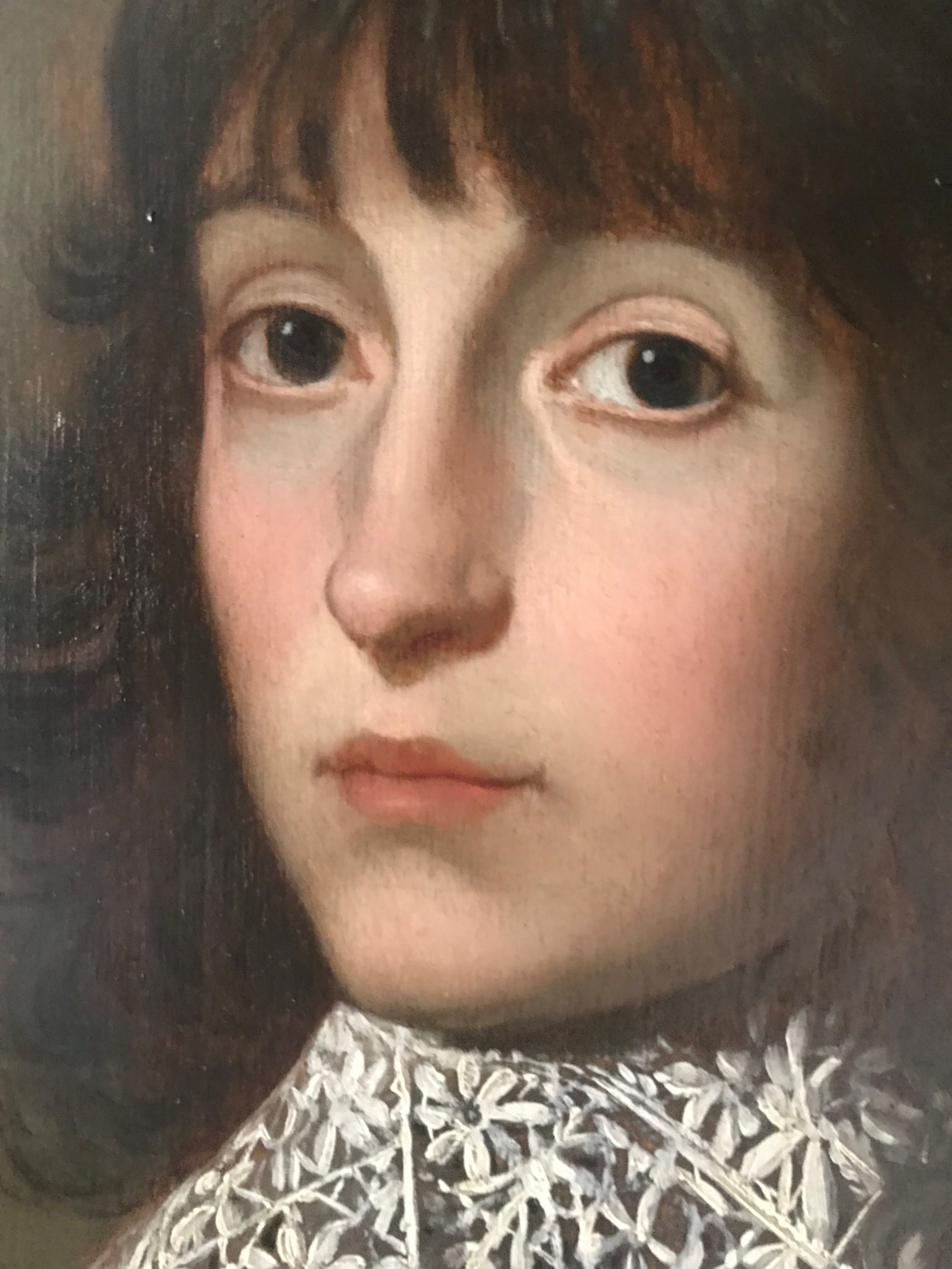
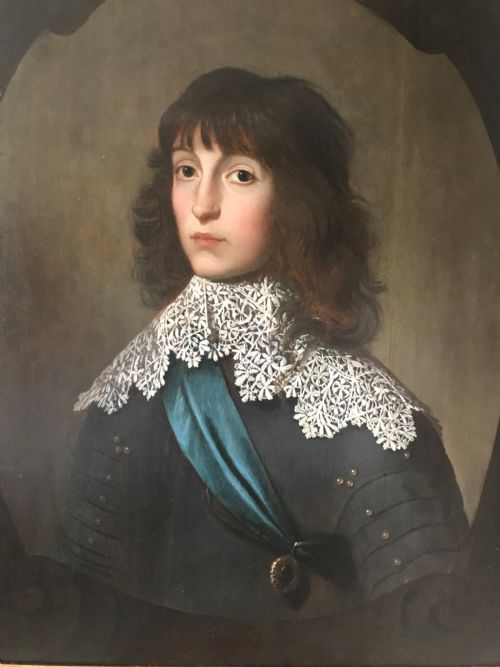
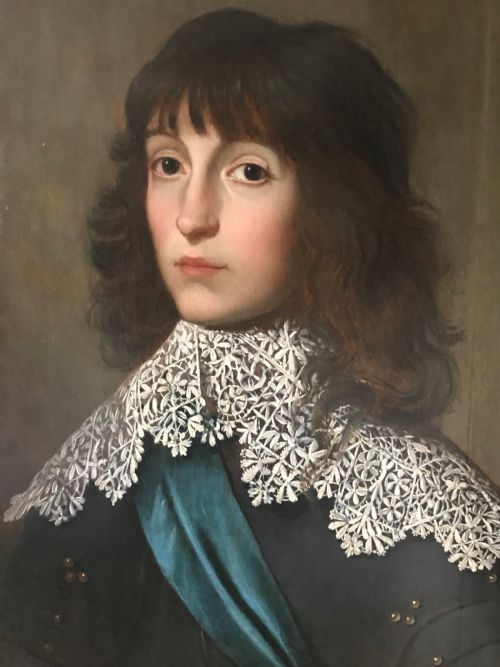
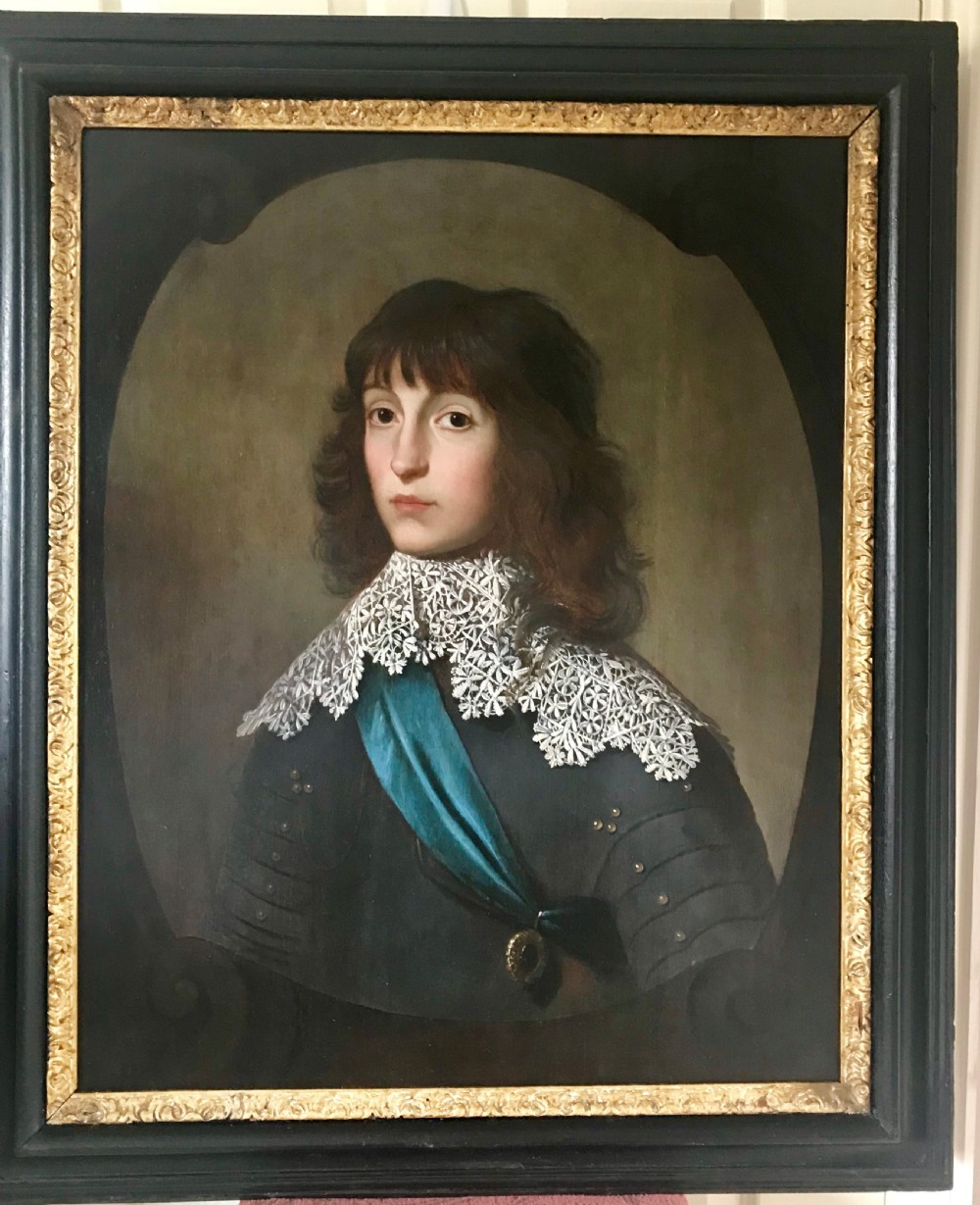
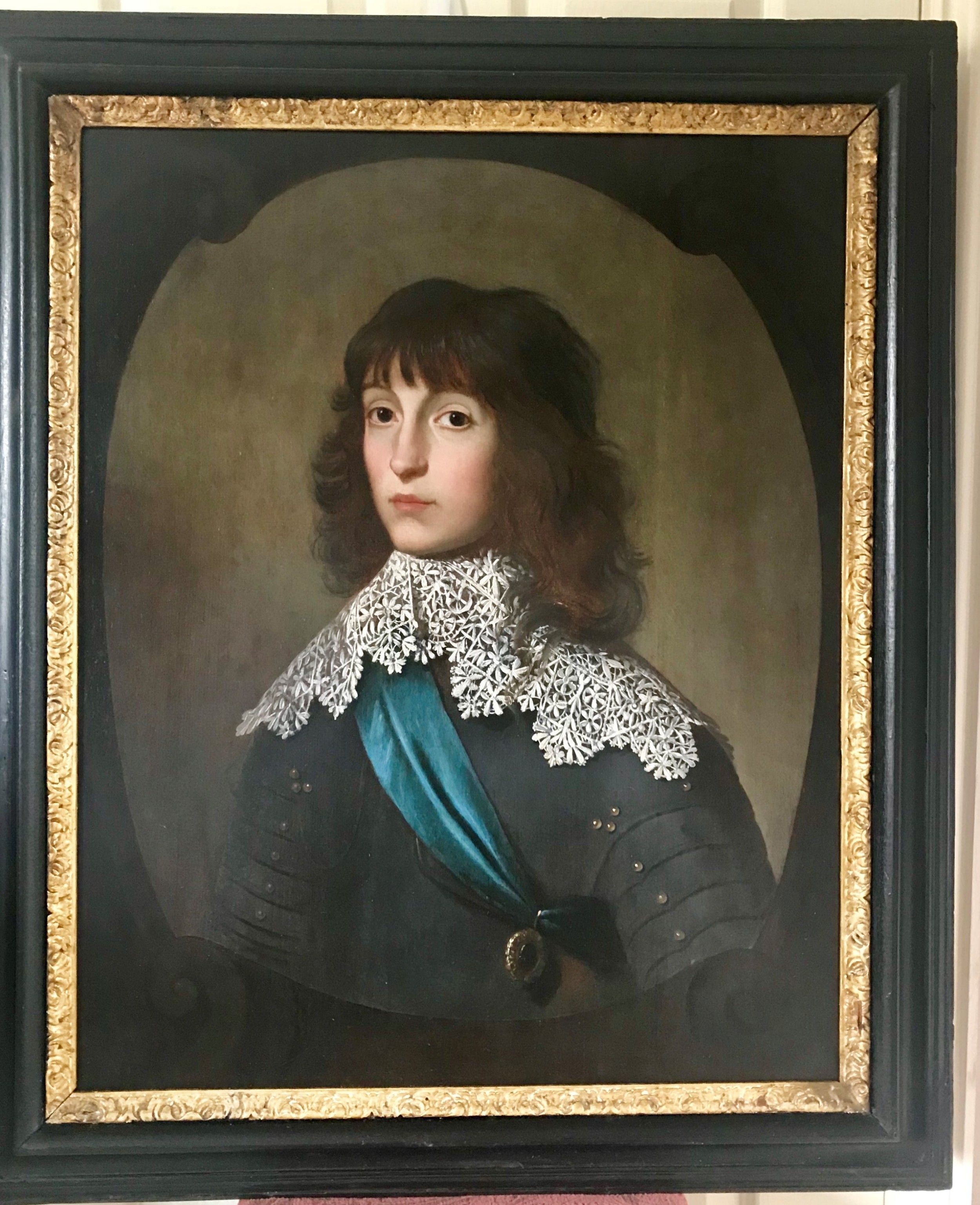
Portrait of Charles Louis (Karl Ludwig), Prince Palatine C.1635; Studio of Gerrit Van Honthorst.
Roy Precious - Antiques & Fine Art
sold SA549635
Sorry, but this item has been sold.
Roy Precious - Antiques & Fine Art

Roy Precious - Antiques & Fine Art

Sellingantiques Verified Since Mar 2003
View Dealers Stock Page
  • About Us
    Roy and nadine precious: specialists in portraiture from the 16th to the 20th century. Established in 1972.
Id #SA549635
PDF SHARE
SAVE

Portrait of Charles Louis (Karl Ludwig), Prince Palatine C.1635; Studio of Gerrit Van Honthorst.

17th century
Description

Oil on oak panel.

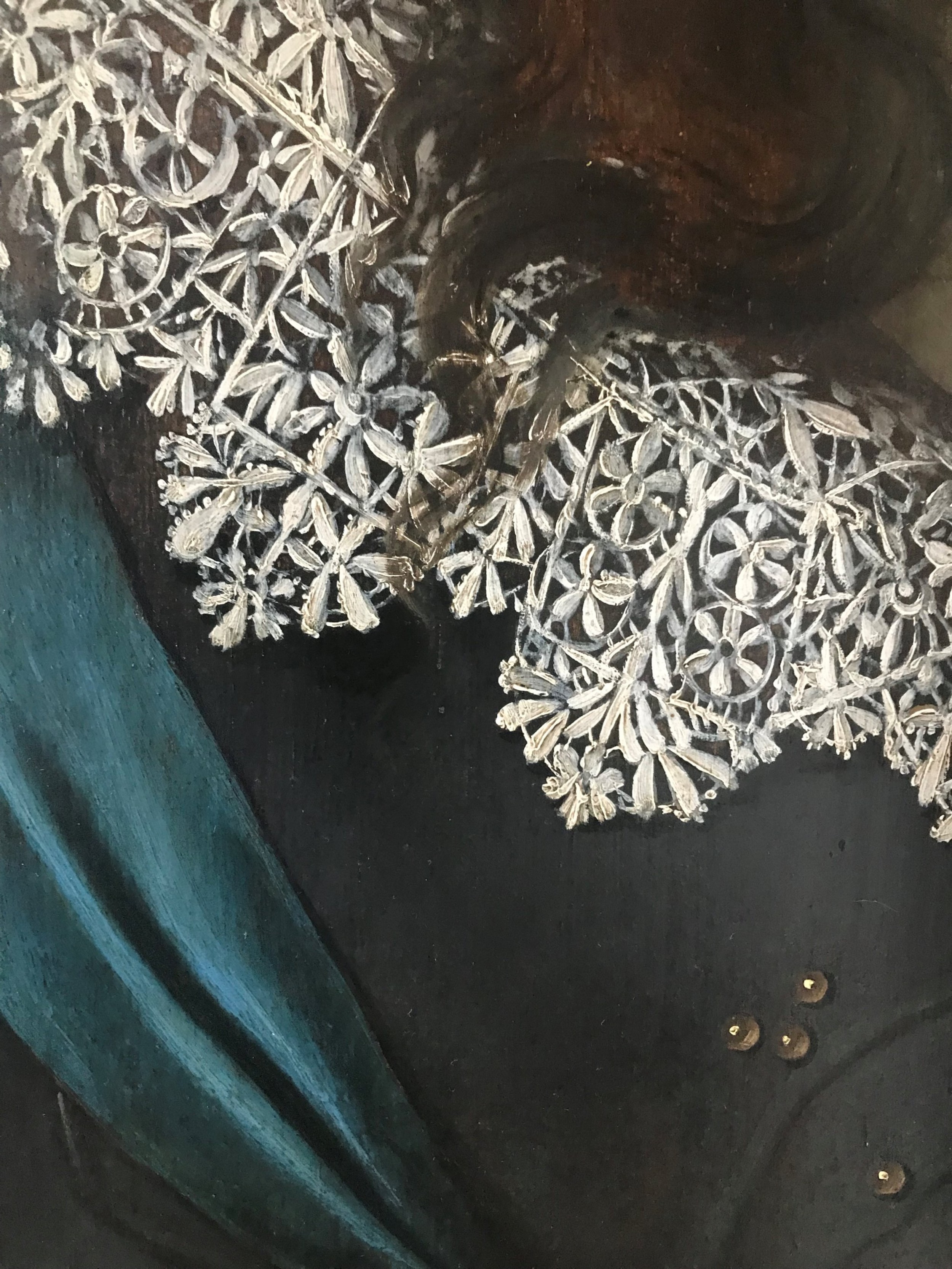
CHARLES LOUIS, (German: Karl I. Ludwig), Elector Palatine KG (22 December 1617 – 28 August 1680) was the second son of German elector Frederick V of the Palatinate, the "Winter King" of Bohemia, and his wife, Elizabeth of England. He is shown here wearing the sash and insignia of the Order of the Garter given to him by Charles I.
After the death of his older brother, Henry Frederick, in 1629, and of his father in 1632, Charles Louis inherited his exiled father's possessions in the Electorate of the Palatinate. Along with his younger brother Rupert, he spent much of the 1630s at the court of his maternal uncle, Charles I of England, hoping to enlist English support for his cause. The young Elector Palatine was largely unsuccessful in this, and became gradually estranged from the King, who feared that Charles Louis might become a focus for opposition forces in England. Indeed, in the English crisis leading up to the outbreak of the English Civil War, Charles Louis had considerable sympathy for the parliamentary leaders, especially the Earl of Essex, feeling them more likely to come to the aid of the Palatinate on the continent. Although Charles Louis was involved in the early stages of the Civil War with his uncle, he was mistrusted for his parliamentary sympathies, and soon returned to his mother in The Hague. There he distanced himself from the royalist cause in the Civil War, fearing that Charles would sell him out for Spanish support.
In 1644, Charles Louis returned to England at the invitation of Parliament. He took the Solemn League and Covenant, even though his brothers, Rupert and Maurice, were Royalist generals. Contemporaries (including King Charles) believed that Charles Louis' motive in visiting Roundhead London was that he hoped that Parliament would enthrone him in place of his uncle. Charles Louis' endorsement of the Parliamentary party was a cause of enmity between uncle and nephew, and when a captive Charles I met his nephew once again in 1647, the elder Charles accused the Prince of angling for the English throne. Charles Louis was still in England in October 1648 when the Peace of Westphalia restored the Lower Palatinate to him. He remained in England long enough to see the execution of his uncle in January 1649, which appears to have come as a shock. The two had not reconciled prior to the King's death – Charles refused to see his nephew before his execution.
After this unhappy dénouement to Charles Louis's participation in English politics, he at last returned to the now devastated Electorate of the Palatinate in the autumn of 1649. Over the more than thirty years of his reign there, he strove with some success to rebuild his shattered territory. In foreign affairs, he pursued a pro-French course, marrying his daughter Elizabeth Charlotte to Philip I, Duke of Orléans, Louis XIV's brother, in 1671. After his restoration, his relations with his relatives continued to deteriorate – his British relations never forgave him for his course in the Civil War, while his mother and siblings resented his parsimony.
GERRIT VAN HONTHORST (1592 – 1656) was a Dutch Golden Age painter; born in Utrecht,

He built a considerable reputation both in the Dutch Republic and abroad. Queen Elizabeth of Bohemia, mother of Prince Rupert, sister of Charles I of England, then in exile in the Netherlands, commissioned Honthorst as a painter. Through her he became known to King Charles, who invited him to England in 1628. After his return to Utrecht, Honthorst retained the patronage of the English monarch.

SIZE: 35 .5 x 29.5 inches inc. frame.

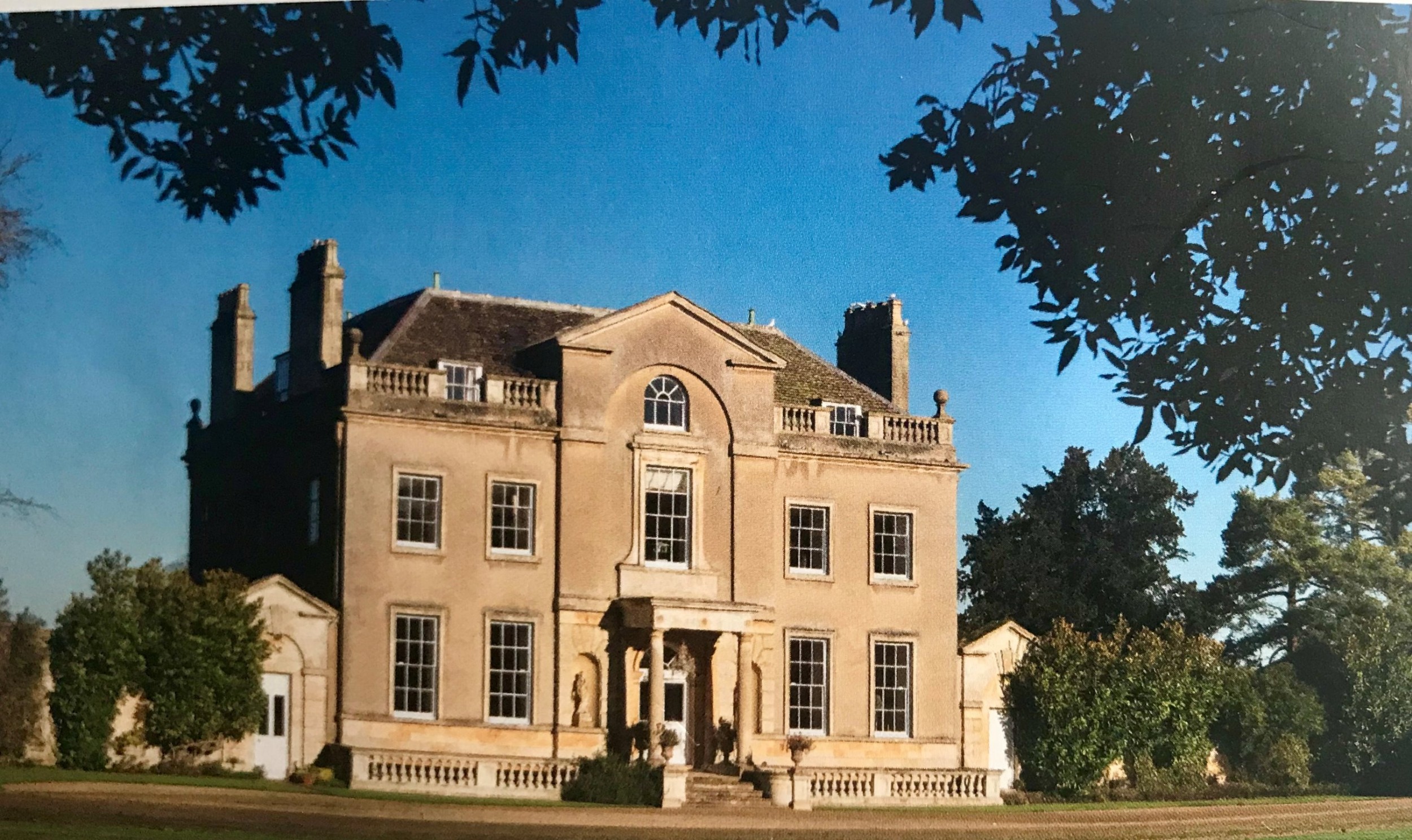
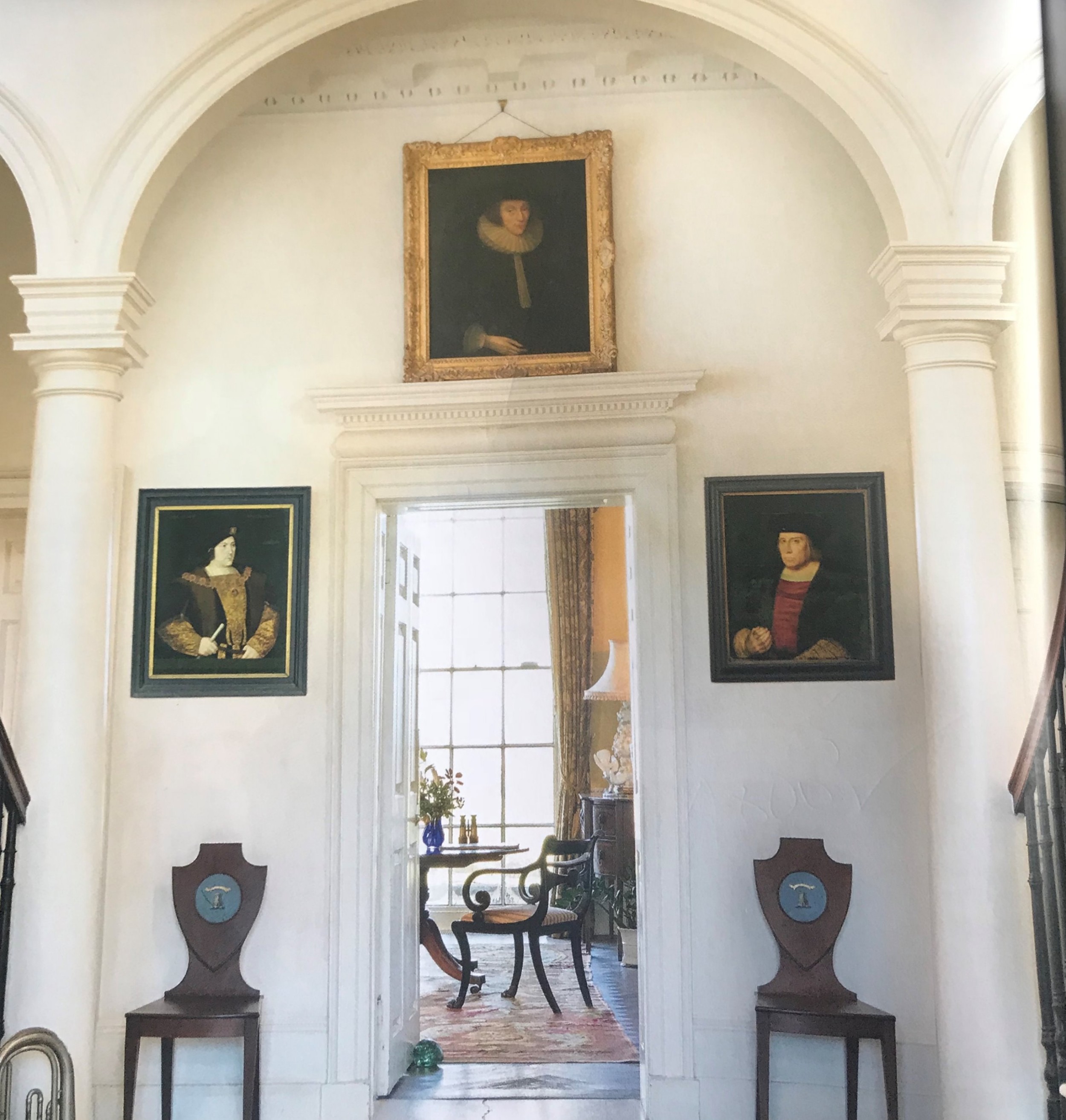
PROVENANCE: Collection of Lord Berners, Faringdon House, Oxfordshire. (See last 3 images).

Physical Dimensions
Height
89cm (35.04")
Width
74cm (29.13")
Depth
4cm (1.57")
Declaration

Roy Precious - Antiques & Fine Art has dated this piece to the 17th Century.

Reference Numbers
Sellingantiques Reference
SA549635
Dealers Internal Reference
9077
Description
Oil on oak panel.

CHARLES LOUIS, (German: Karl I.

Ludwig), Elector Palatine KG (22 December 1617 – 28 August 1680) was the second son of German elector Frederick V of the Palatinate, the "Winter King" of Bohemia, and his wife, Elizabeth of England.
Roy Precious - Antiques & Fine Art

He is shown here wearing the sash and insignia of the Order of the Garter given to him by Charles I.

fig 1. Portrait of Charles Louis (Karl Ludwig), Prince Palatine c.1635; Studio of Gerrit van Honthorst.
fig 1. Portrait of Charles Louis (Karl Ludwig), Prince Palatine C.1635; Studio of Gerrit Van Honthorst.

After the death of his older brother, Henry Frederick, in 1629, and of his father in 1632, Charles Louis inherited his exiled father's possessions in the Electorate of the Palatinate. Along with his younger brother Rupert, he spent much of the 1630s at the court of his maternal uncle, Charles I of England, hoping to enlist English support for his cause. The young Elector Palatine was largely unsuccessful in this, and became gradually estranged from the King, who feared that Charles Louis might become a focus for opposition forces in England. Indeed, in the English crisis leading up to the outbreak of the English Civil War, Charles Louis had considerable sympathy for the parliamentary leaders, especially the Earl of Essex, feeling them more likely to come to the aid of the Palatinate on the continent. Although Charles Louis was involved in the early stages of the Civil War with his uncle, he was mistrusted for his parliamentary sympathies, and soon returned to his mother in The Hague. There he distanced himself from the royalist cause in the Civil War, fearing that Charles would sell him out for Spanish support.

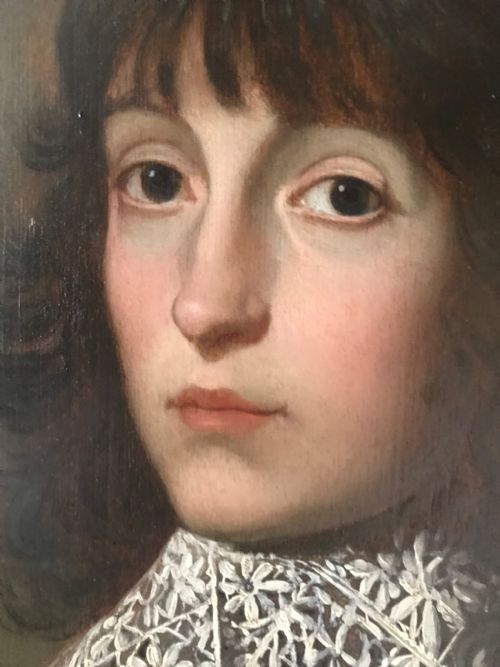
fig 2. Portrait of Charles Louis (Karl Ludwig), Prince Palatine c.1635; Studio of Gerrit van Honthorst.
fig 2. Portrait of Charles Louis (Karl Ludwig), Prince Palatine C.1635; Studio of Gerrit Van Honthorst.

In 1644, Charles Louis returned to England at the invitation of Parliament. He took the Solemn League and Covenant, even though his brothers, Rupert and Maurice, were Royalist generals. Contemporaries (including King Charles) believed that Charles Louis' motive in visiting Roundhead London was that he hoped that Parliament would enthrone him in place of his uncle. Charles Louis' endorsement of the Parliamentary party was a cause of enmity between uncle and nephew, and when a captive Charles I met his nephew once again in 1647, the elder Charles accused the Prince of angling for the English throne. Charles Louis was still in England in October 1648 when the Peace of Westphalia restored the Lower Palatinate to him. He remained in England long enough to see the execution of his uncle in January 1649, which appears to have come as a shock. The two had not reconciled prior to the King's death – Charles refused to see his nephew before his execution.

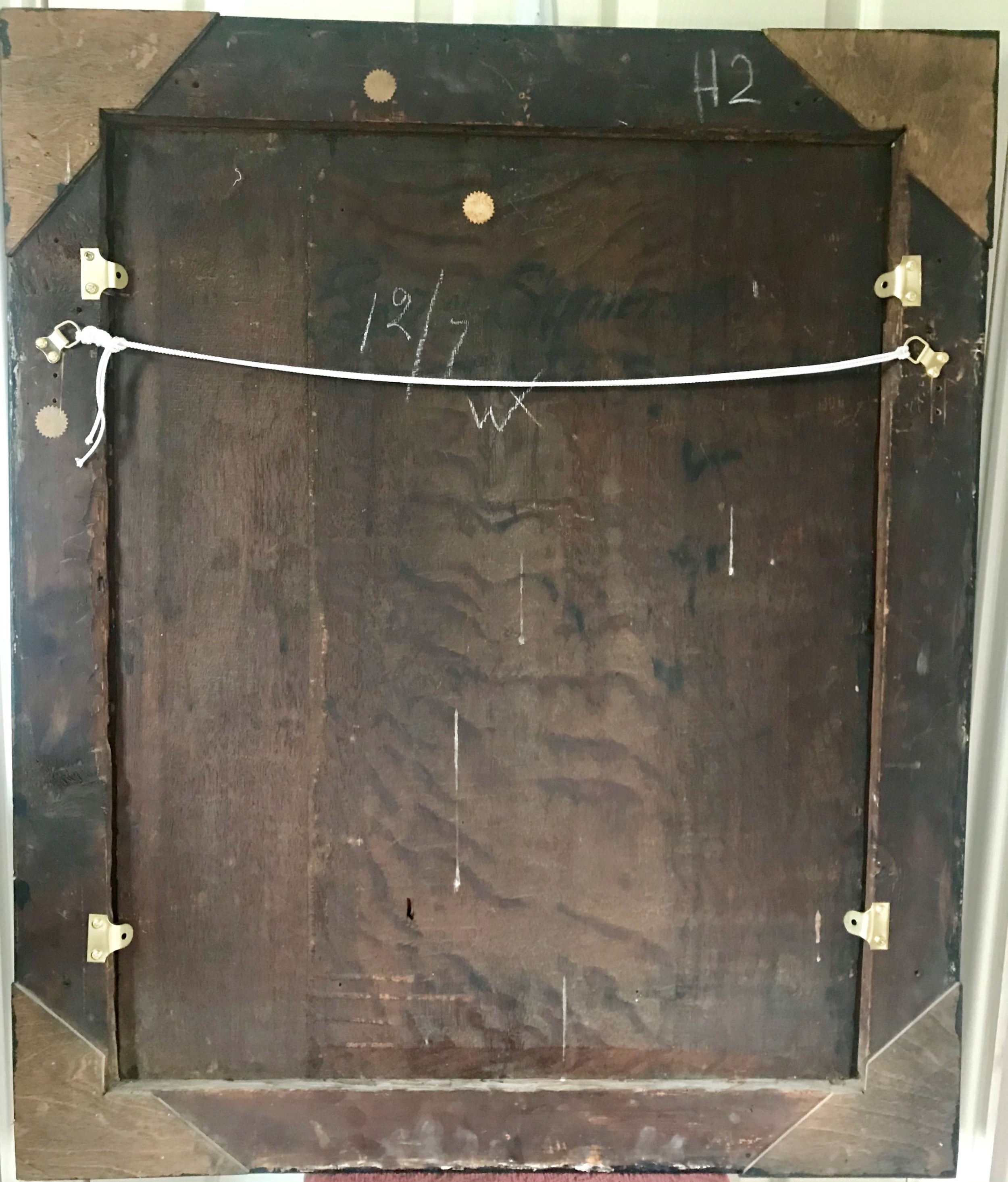
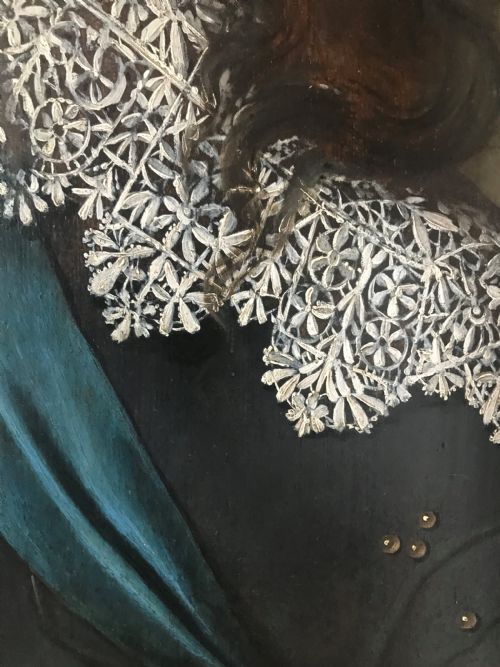
fig 3. Portrait of Charles Louis (Karl Ludwig), Prince Palatine c.1635; Studio of Gerrit van Honthorst.
fig 3. Portrait of Charles Louis (Karl Ludwig), Prince Palatine C.1635; Studio of Gerrit Van Honthorst.

After this unhappy dénouement to Charles Louis's participation in English politics, he at last returned to the now devastated Electorate of the Palatinate in the autumn of 1649. Over the more than thirty years of his reign there, he strove with some success to rebuild his shattered territory. In foreign affairs, he pursued a pro-French course, marrying his daughter Elizabeth Charlotte to Philip I, Duke of Orléans, Louis XIV's brother, in 1671. After his restoration, his relations with his relatives continued to deteriorate – his British relations never forgave him for his course in the Civil War, while his mother and siblings resented his parsimony.

fig 4. Portrait of Charles Louis (Karl Ludwig), Prince Palatine c.1635; Studio of Gerrit van Honthorst.
fig 4. Portrait of Charles Louis (Karl Ludwig), Prince Palatine C.1635; Studio of Gerrit Van Honthorst.

GERRIT VAN HONTHORST (1592 – 1656) was a Dutch Golden Age painter; born in Utrecht,

He built a considerable reputation both in the Dutch Republic and abroad. Queen Elizabeth of Bohemia, mother of Prince Rupert, sister of Charles I of England, then in exile in the Netherlands, commissioned Honthorst as a painter. Through her he became known to King Charles, who invited him to England in 1628. After his return to Utrecht, Honthorst retained the patronage of the English monarch.

SIZE: 35 .5 x 29.5 inches inc. frame.

PROVENANCE: Collection of Lord Berners, Faringdon House, Oxfordshire. (See last 3 images).

Height
89cm (35.04")
Width
74cm (29.13")
Depth
4cm (1.57")
Date of Manufacture

Roy Precious - Antiques & Fine Art has dated this piece to the 17th Century.

Reference Numbers
Sellingantiques Ref
SA549635
Dealers Internal Ref
9077
Roy Precious - Antiques & Fine Art
Sellingantiques verified Since Mar 2003

Roy and nadine precious: specialists in portraiture from the 16th to the 20th century. Established in 1972.

Dealer Profile

You can view the stock and full dealer information on the Roy Precious - Antiques & Fine Art Profile Page
PDF SHARE
SAVE
Portrait of Charles Louis (Karl Ludwig), Prince Palatine c.1635; Studio of Gerrit van Honthorst.
1 / 9
Archive I Portrait of Charles Louis (Karl Ludwig), Prince Palatine c.1635; Studio of Gerrit van Honthorst.

Portrait of Charles Louis (Karl Ludwig), Prince Palatine C.1635; Studio of Gerrit Van Honthorst.

Archive II Portrait of Charles Louis (Karl Ludwig), Prince Palatine c.1635; Studio of Gerrit van Honthorst. View II
Archive III Portrait of Charles Louis (Karl Ludwig), Prince Palatine c.1635; Studio of Gerrit van Honthorst. View III
Archive IV Portrait of Charles Louis (Karl Ludwig), Prince Palatine c.1635; Studio of Gerrit van Honthorst. View IV
Archive V Portrait of Charles Louis (Karl Ludwig), Prince Palatine c.1635; Studio of Gerrit van Honthorst. View V
Archive VI Portrait of Charles Louis (Karl Ludwig), Prince Palatine c.1635; Studio of Gerrit van Honthorst. View VI
Archive VII Portrait of Charles Louis (Karl Ludwig), Prince Palatine c.1635; Studio of Gerrit van Honthorst. View VII
Archive VIII Portrait of Charles Louis (Karl Ludwig), Prince Palatine c.1635; Studio of Gerrit van Honthorst. View VIII
Archive IX Portrait of Charles Louis (Karl Ludwig), Prince Palatine c.1635; Studio of Gerrit van Honthorst. View IX
Enlarged Archival View
Location
Wiltshire
United Kingdom
Dealer Profile Page sellingantiques.co.uk/rp
Verified Since Mar 2003
Items For Sale 95
Items Sold 679
Roy Precious - Antiques & Fine Art
Verified Since Mar 2003
View Dealer Info
Location: Wiltshire, United Kingdom
Verified
Mar 2003
For Sale
95
Sold
679
Portrait of Charles Louis (Karl Ludwig), Prince Palatine c.1635; Studio of Gerrit van Honthorst.
Ref: SA549635
Portrait of Charles Louis (Karl Ludwig), Prince Palatine c.1635; Studio of Gerrit van Honthorst.
Detail View 1
Detail View 2
Detail View 3
Detail View 4
Detail View 5
Detail View 6
Detail View 7
Detail View 8
Archival Detail
Every single antique dealer on our platform is individually approved by our internal team. We verify their professional trade history, ethical standards, and photographic quality to ensure a secure, high-standard buying environment. Upon joining, every dealer agrees to a strict 9-point code of conduct. While issues can occasionally arise, our dealers typically resolve them swiftly and directly with the buyer. In fact, since our founding in 2002, Sellingantiques has only had to step in to help resolve an issue on roughly five occasions—a true testament to the quality of our dealers and their dedication to your happiness.
Our dealers are highly experienced in packing and shipping fragile, high-value antiques. Because you are in direct contact with the dealer, you will be able to easily go through all available shipping and insurance options together to ensure your item arrives safely.
Antiques are the ultimate green purchase. By choosing historical pieces over newly manufactured goods, you completely eliminate the carbon footprint of modern mass production while preserving exceptional, timeless craftsmanship.
items
Add keywords to the filter
Price
£100
£250000
Era
Movements
Material
Origin
Stock Location
Freshness
Online Payments
Categories