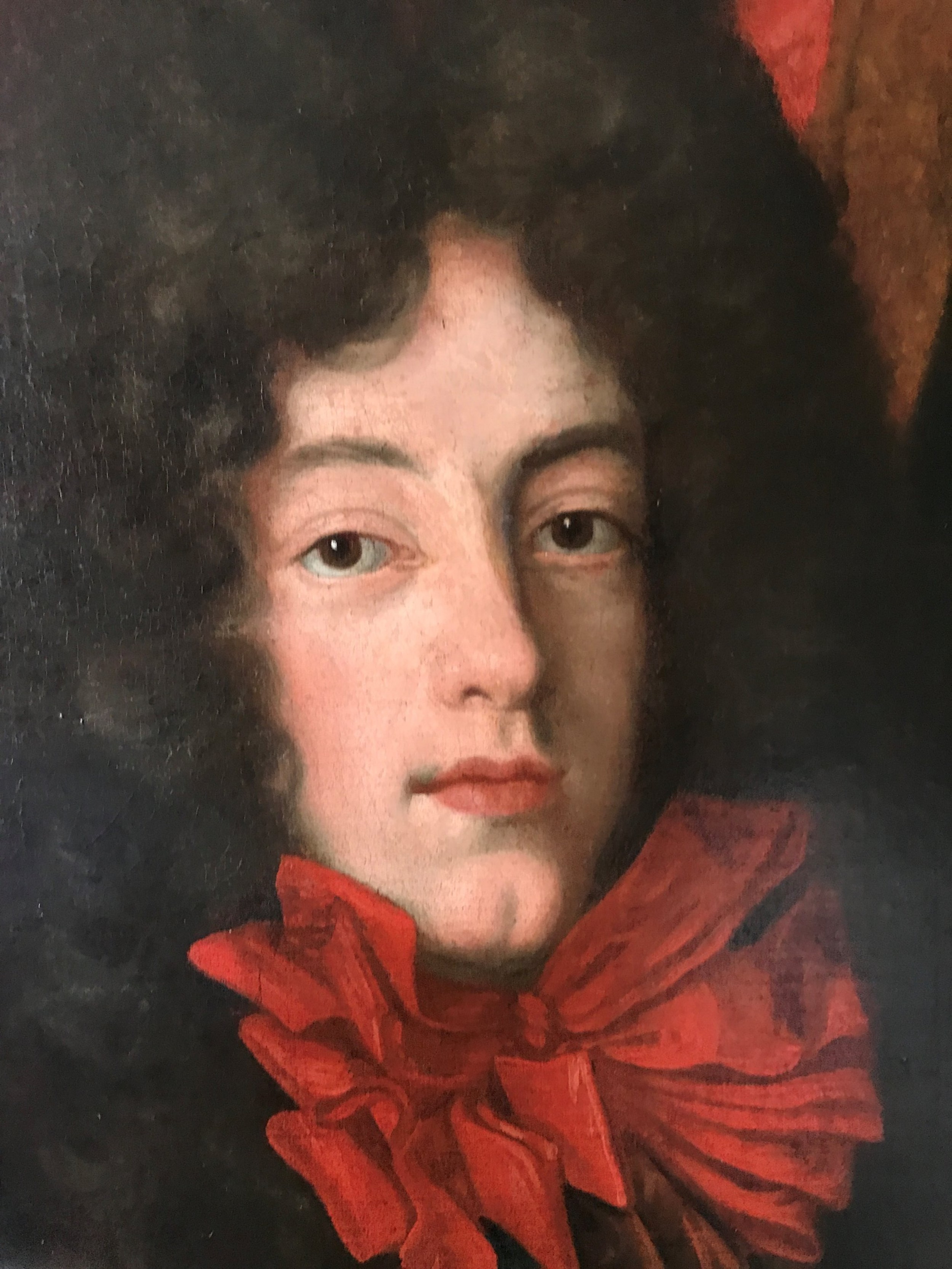
Roy Precious - Antiques & Fine Art has dated this piece to the Before 1700 period.
Styled as the Duke of Bourbon from birth, he succeeded his father as Prince of Condé in 1709; however, he was still known by the ducal title. He was prince for less than a year.
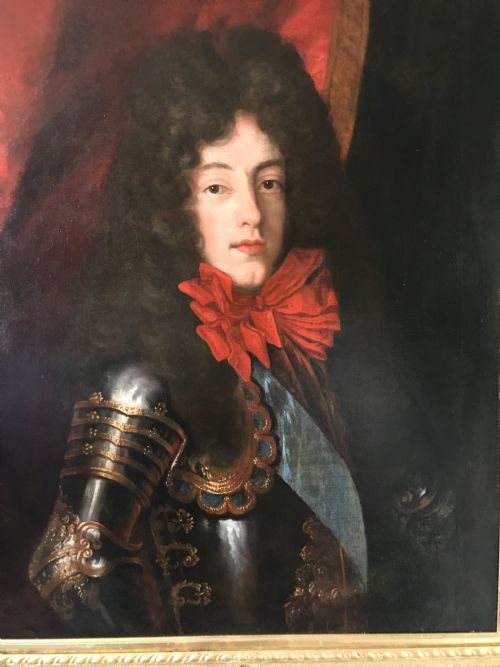
The eldest son of Henri Jules de Bourbon, Duke of Enghien, and Anne Henriette of Bavaria, Louis was the grandson of le Grand Condé.
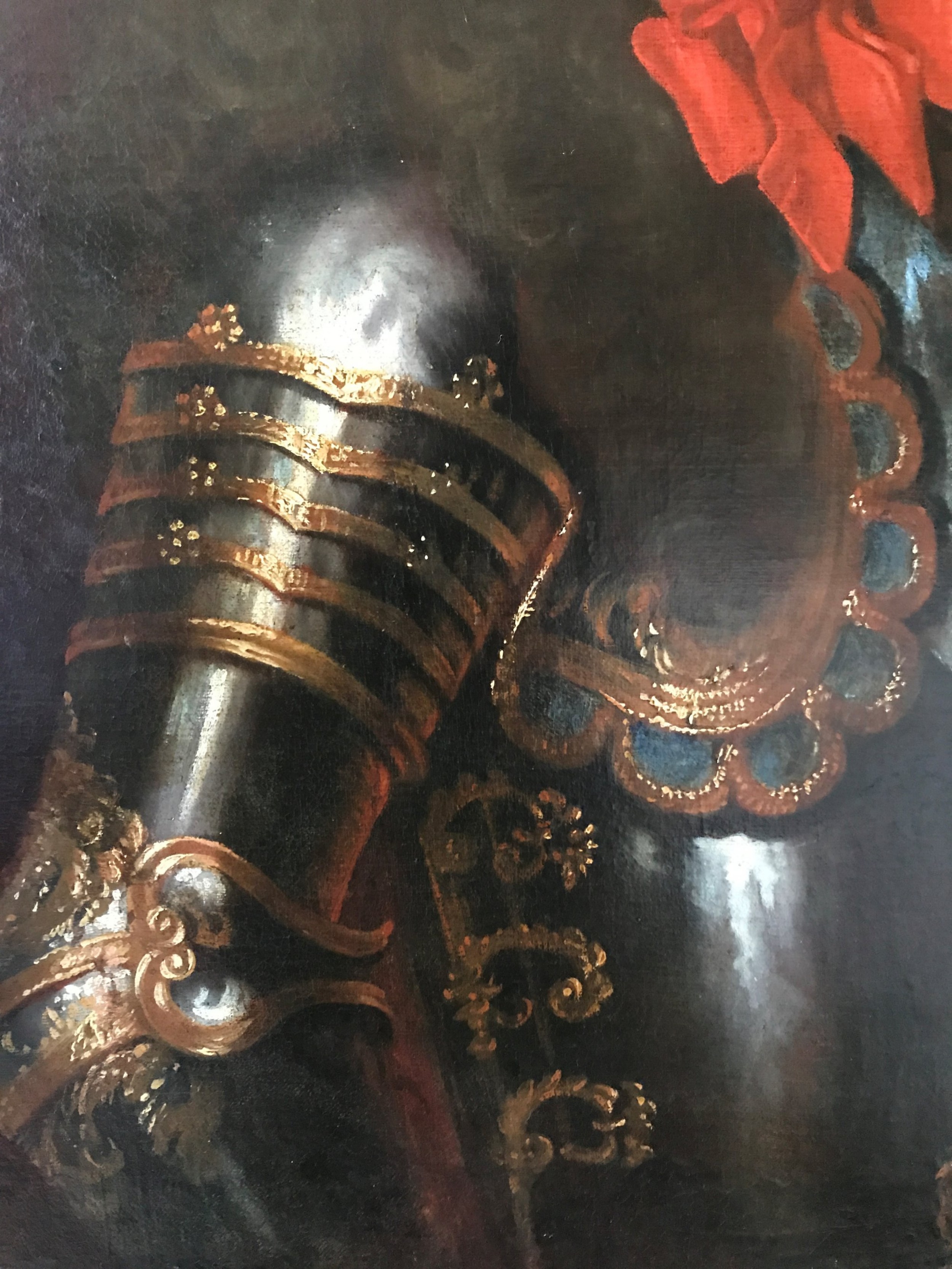
He was made a Chevalier du Saint-Esprit in 1686, a colonel of the Bourbon-Infanterie Regiment later that same year, a maréchal de camp in 1690, and a lieutenant general in 1692. Upon the death of his father, he inherited all the Condé titles and estates.
In 1685, Louis married Louise Françoise de Bourbon, known at court as Mademoiselle de Nantes, who was the eldest legitimised daughter of King Louis XIV of France and his mistress, Madame de Montespan. In an age where dynastic considerations played a major role, eyebrows at court were raised at a marriage between a full-blooded prince du sang and a royal bastard. The head of the House of Condé, le Grand Condé, however, acquiesced to the socially inferior match in the hope of gaining favour with the bride's father, Louis XIV.
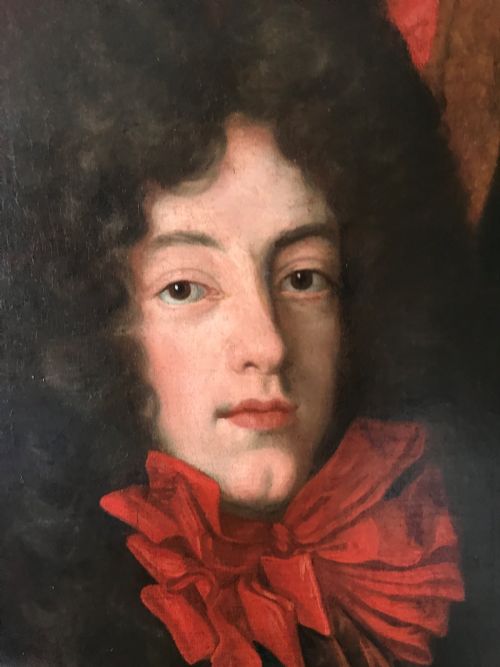
The seventeen-year-old duc de Bourbon was known at court as Monsieur le Duc. After the marriage, his wife assumed the style of Madame la Duchesse. Like his father, who became Prince of Condé in 1687, Louis de Bourbon led a typical, unremarkable life. At a time when five-and-a-half feet was considered a normal height for a woman, Louis, while not quite a dwarf, was considered a short man. While no scholar, Louis was respectably well educated. Similarly, while certainly no fool, he was not burdened with too much intelligence for his time and station in life.
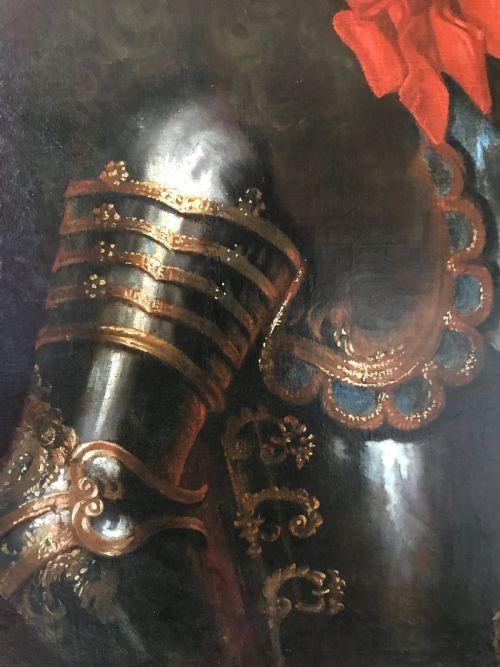
Louis was Prince de Condé for a little less than a year, as he died only eleven months after his father. Like his father, Louis became hopelessly insane, He died in 1710 at the age of forty-two.
HYACINTHE RIGAUD (1659-1743) and his friendly rival Nicolas de Largillière were their era's leading portraitists, but Rigaud painted aristocrats while Largillière concentrated on the wealthy bourgeoisie. Their differing approaches reflect their clients' status. Rigaud's sitters are shown in elegant stances of natural superiority; they are members of society whose costumes and gestures describe their function within the state. He combined Anthony van Dyck's prototypes and opulent style with Philippe de Champaigne's stiff, linear formality.
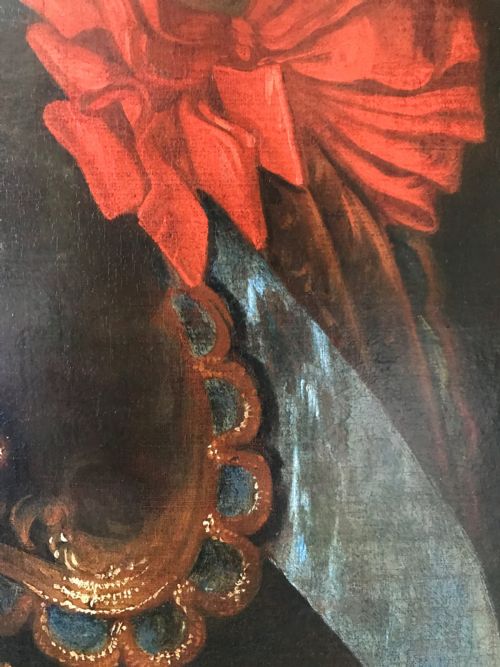
Rigaud studied in Montpellier and Lyon before arriving in Paris in 1681. He won the Prix de Rome in 1682 but on Charles Le Brun's advice did not go to Italy. In 1688 Rigaud's flattering, graceful portrait of King Louis XIV's brother brought him favour at court. His subjects included dignitaries at Versailles, visiting royalty and prominent artists.
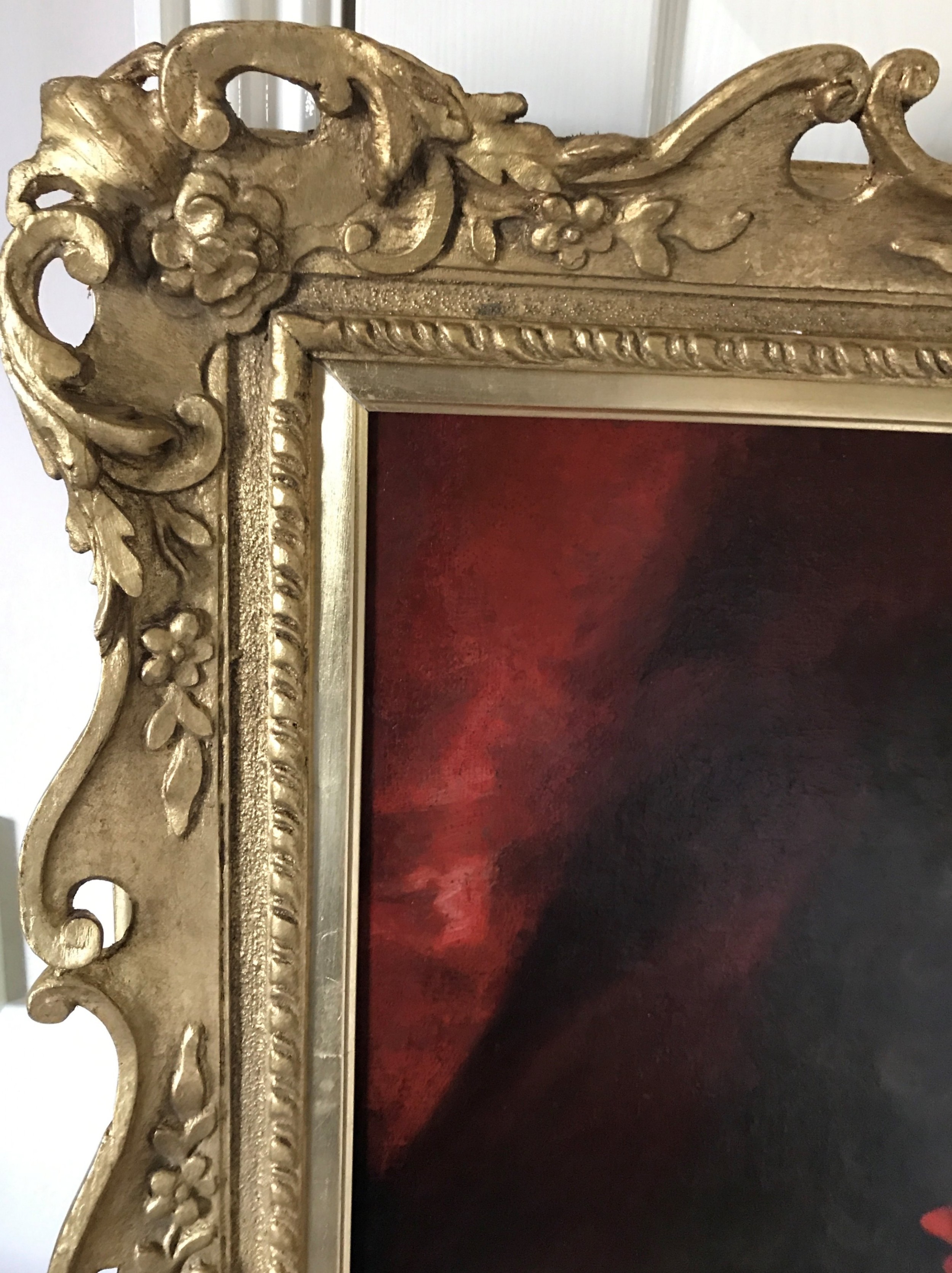
SIZE: 36 x 31.5 inches including frame.
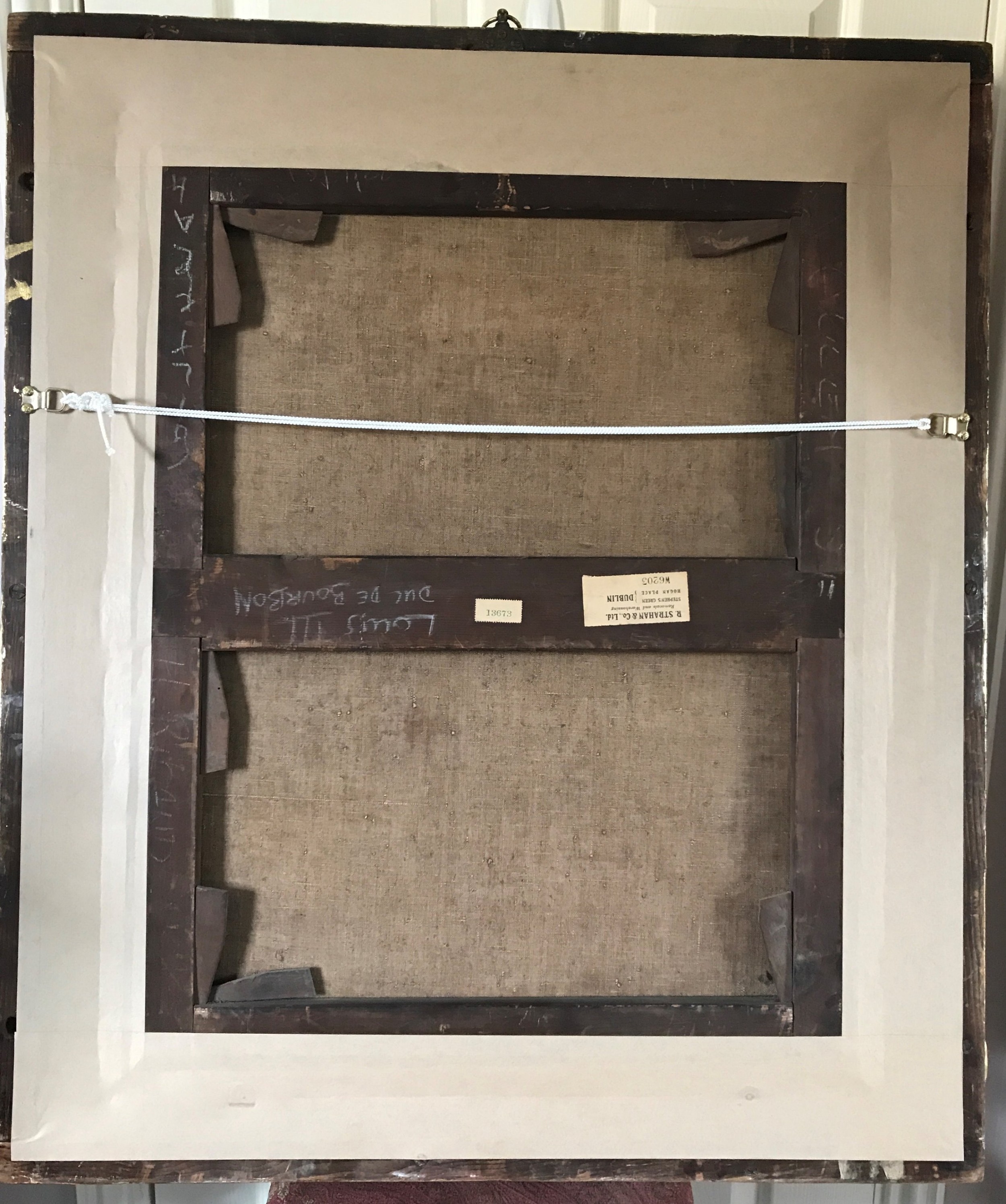
PROVENANCE: Private collection, Ireland.
Wilkinson's Auctions, Yorkshire 1981
Cambridge private collector (deceased)
Roy Precious - Antiques & Fine Art has dated this piece to the Before 1700 period.
Roy and nadine precious: specialists in portraiture from the 16th to the 20th century. Established in 1972.
You can view the stock and full dealer information on the Roy Precious - Antiques & Fine Art Profile Page
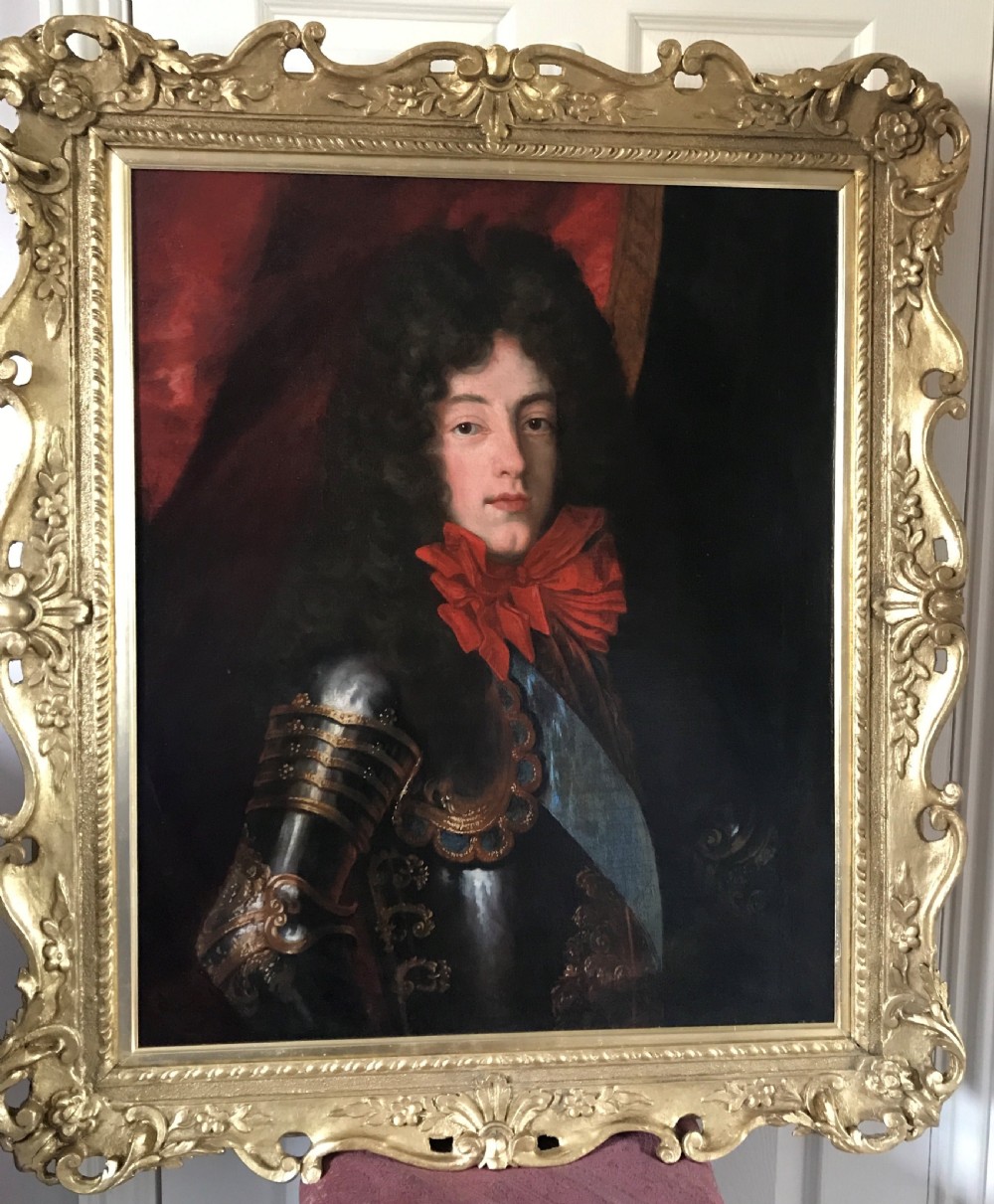

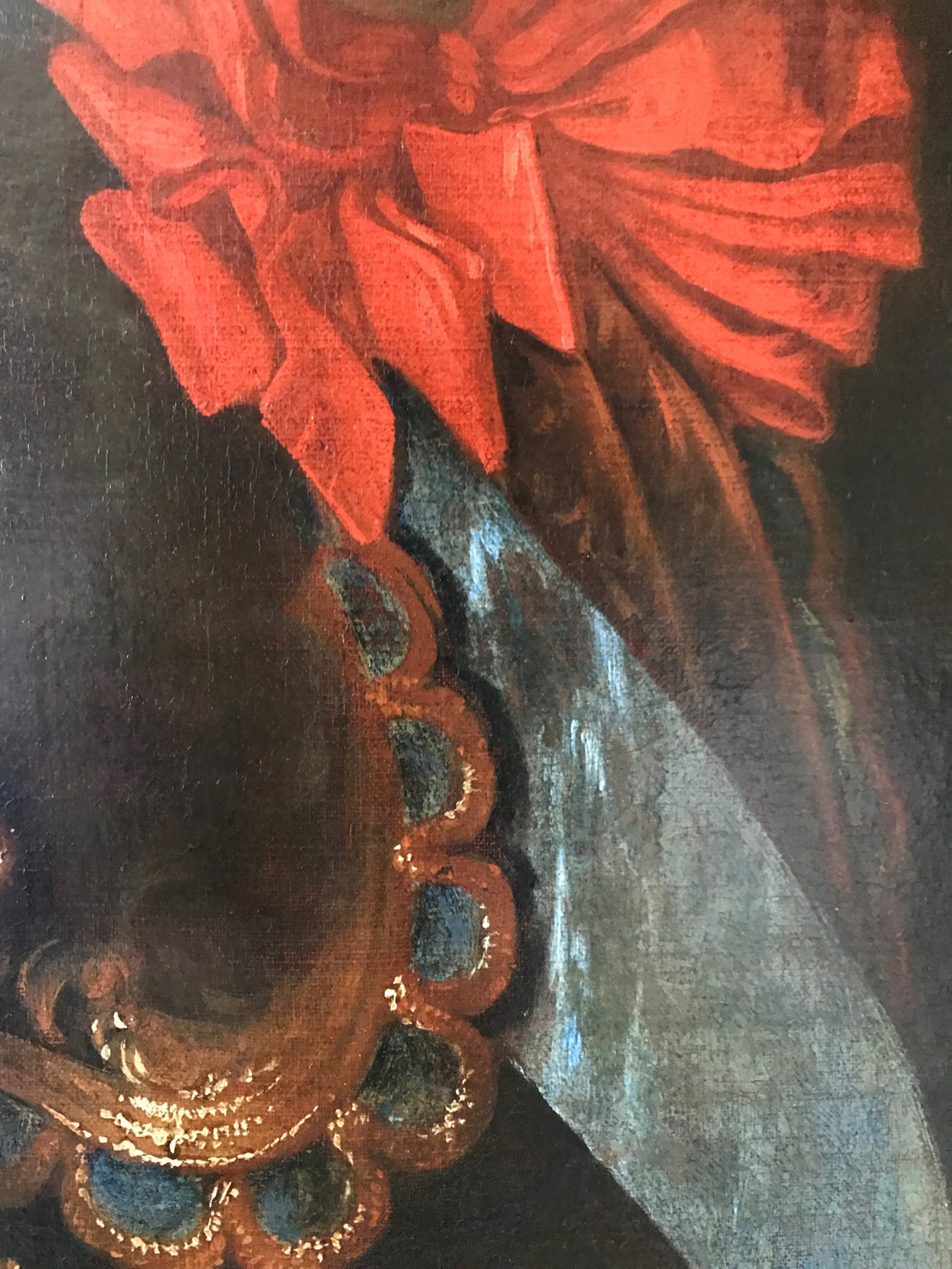
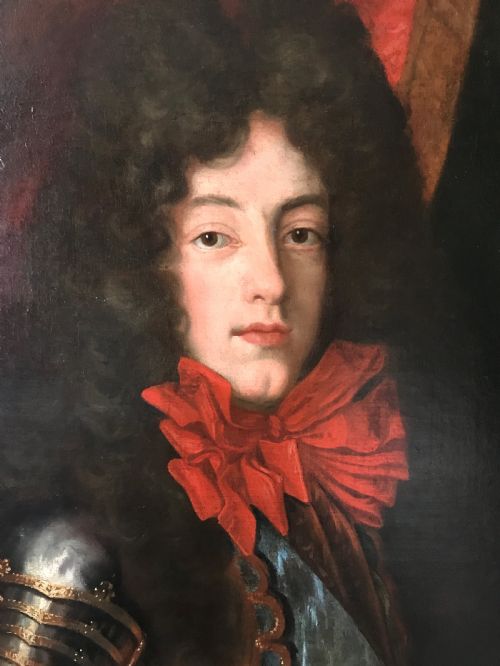
Louis, Prince of Condé (1668–1710) C.1690, Studio or Circle of Hyacinthe Rigaud.