17,648  PAGES BROWSED TODAY PAGES TODAY 36  ANTIQUES UPLOADED TODAY NEW ARRIVALS
ID #SA496826
FOR SALE
£2,500
Email
Save
George Richmond, Ra, 1809 - 1896 Portrait of William Page Wood, 1st Baron Hatherley 1801-1881, Lord Chancellor
Artware Fineart
for sale €2,925     $3,175
£2,500

Artware Fineart

Sellingantiques Verified Since Sep 2008
View Dealers Stock Page
Id #SA496826
PDF SHARE
SAVE

George Richmond, Ra, 1809 - 1896 Portrait of William Page Wood, 1st Baron Hatherley 1801-1881, Lord Chancellor

19th century
For Sale by Artware Fineart
Description

George Richmond, RA, 1809 - 1896

Portrait of William Page Wood, 1st Baron Hatherley 1801-1881, Lord Chancellor

Signed/Inscribed:

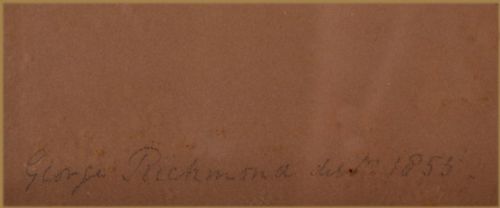
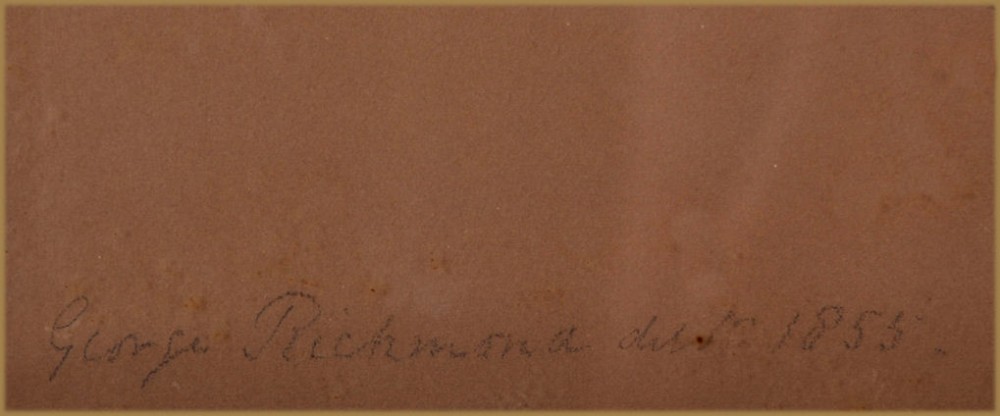
"George Richmond delt / 1855"

pencil, back and white chalk on brown paper

60.96 x 45.72 cm. (24 x 18in.)

This drawing is one of several a preparatory drawings made by George Richmond, some of which were engraved and some used for oil portraits , noteably a full length portrait in the National Portrait Gallery collection.

William Page Wood, Baron Hatherley (1801–1881), lord chancellor, was born at his parents' home in Falcon Square, London, on 29 November 1801, the second son and fourth child of Sir Matthew Wood, first baronet (1768–1843), hop merchant and sometime lord mayor of London, and his wife, Maria Page (c.1770–1848). Most of his early childhood was spent with his maternal grandmother at Woodbridge in Suffolk, where for a time he attended the free school. From 1809 to 1812 he was at Dr Lindsay's school at Bow in Essex, and in September 1812 he started at Winchester College where he remained until 1818 when, as a senior prefect, he was expelled for his involvement in a school protest against a master who had used corporal punishment on prefects. His expulsion did not hold him back in any way from pursuing further education, and he went for two years to Geneva, where he was placed in the charge of Duvillard, professor of belles-lettres, and attended university lectures. Through his father he was introduced to many politicians both in England and in Paris (1817). At the Auditoire in Geneva he learned French, Italian, and mathematics, and mixed with the university students. In 1820 he returned to England as an escort for Queen Caroline, who enjoyed his support and loyalty during her later court case. Indeed, Wood even collected evidence in Italy on her behalf.
By the time Wood entered Trinity College, Cambridge, in October 1820, he was much more mature, cultivated, and better informed than most undergraduates of his years, but his university years were hampered by ill health. In 1821 he won the second college declamation prize with an essay defending the revolution of 1688, and in 1822 was elected to a scholarship; but he came out only twenty-fourth wrangler in January 1824, and had to withdraw from the final classical examination altogether. In October 1824 he was only narrowly elected to a fellowship, since he was imagined by some to hold his father's radical opinions, and his prize essay of 1821 had not been forgotten.

On 1 March 1824, through the help of Brougham and Denman, Wood entered Lincoln's Inn where he read law in the chamber of Roupell. After studying conveyancing under John Tyrrell in 1826, he was called to the bar on 27 November 1827, and started practice at 3 Old Square, Lincoln's Inn. He soon found clients, and his first speech in court was delivered before the House of Lords in Westmeath v. Westmeath. He did much railway work before parliamentary committees from 1828 to 1841, as well as in the chancery courts, and it was out of one of his cases that the standing order of the House of Lords afterwards known as the Wharncliffe order originated. In 1841 he gave up parliamentary work, and his chancery practice immediately increased. He became a queen's counsel in February 1845.

Wood's father had inherited a large fortune, and his own savings from professional earnings were enough to make him independent of practice. As early as 1829 he was earning £1000 a year, and had become engaged to Charlotte (1804–1878), the daughter of Major Edward Moore. They were married on 5 January 1830, and lived in Dean's Yard, Westminster, until 1844; they had no children. As a queen's counsel Wood attached himself to the court of Vice-Chancellor Sir James Wigram.

Wood was a strong high-churchman and an advanced Liberal, and, entering parliament for Oxford in 1847, spok

Physical Dimensions
Height
61cm (24.02")
Width
46cm (18.11")
Depth
1cm (0.39")
Declaration

Artware Fineart has dated this Victorian Chalk Portrait Drawing to the 1850s.

Reference Numbers
Sellingantiques Reference
SA496826
Dealers Internal Reference
3937
Description
George Richmond, RA, 1809 - 1896

Portrait of William Page Wood, 1st Baron Hatherley 1801-1881, Lord Chancellor

Signed/Inscribed:

"George Richmond delt / 1855"

pencil, back and white chalk on brown paper

60.96 x 45.72 cm. (24 x 18in.)

fig 1. A nineteenth-century portrait drawing in black and white chalk on warm brown paper depicting a gentleman looking to the side.
fig 1. George Richmond, Ra, 1809 - 1896 Portrait of William Page Wood, 1st Baron Hatherley 1801-1881, Lord Chancellor

This drawing is one of several a preparatory drawings made by George Richmond, some of which were engraved and some used for oil portraits , noteably a full length portrait in the National Portrait Gallery collection.

William Page Wood, Baron Hatherley (1801–1881), lord chancellor, was born at his parents' home in Falcon Square, London, on 29 November 1801, the second son and fourth child of Sir Matthew Wood, first baronet (1768–1843), hop merchant and sometime lord mayor of London, and his wife, Maria Page (c.1770–1848).

Most of his early childhood was spent with his maternal grandmother at Woodbridge in Suffolk, where for a time he attended the free school.
Artware Fineart

From 1809 to 1812 he was at Dr Lindsay's school at Bow in Essex, and in September 1812 he started at Winchester College where he remained until 1818 when, as a senior prefect, he was expelled for his involvement in a school protest against a master who had used corporal punishment on prefects. His expulsion did not hold him back in any way from pursuing further education, and he went for two years to Geneva, where he was placed in the charge of Duvillard, professor of belles-lettres, and attended university lectures. Through his father he was introduced to many politicians both in England and in Paris (1817). At the Auditoire in Geneva he learned French, Italian, and mathematics, and mixed with the university students. In 1820 he returned to England as an escort for Queen Caroline, who enjoyed his support and loyalty during her later court case. Indeed, Wood even collected evidence in Italy on her behalf.

fig 2. A nineteenth-century portrait drawing in black and white chalk on warm brown paper depicting a gentleman looking to the side.
fig 2. George Richmond, Ra, 1809 - 1896 Portrait of William Page Wood, 1st Baron Hatherley 1801-1881, Lord Chancellor

By the time Wood entered Trinity College, Cambridge, in October 1820, he was much more mature, cultivated, and better informed than most undergraduates of his years, but his university years were hampered by ill health. In 1821 he won the second college declamation prize with an essay defending the revolution of 1688, and in 1822 was elected to a scholarship; but he came out only twenty-fourth wrangler in January 1824, and had to withdraw from the final classical examination altogether. In October 1824 he was only narrowly elected to a fellowship, since he was imagined by some to hold his father's radical opinions, and his prize essay of 1821 had not been forgotten.

On 1 March 1824, through the help of Brougham and Denman, Wood entered Lincoln's Inn where he read law in the chamber of Roupell. After studying conveyancing under John Tyrrell in 1826, he was called to the bar on 27 November 1827, and started practice at 3 Old Square, Lincoln's Inn. He soon found clients, and his first speech in court was delivered before the House of Lords in Westmeath v. Westmeath. He did much railway work before parliamentary committees from 1828 to 1841, as well as in the chancery courts, and it was out of one of his cases that the standing order of the House of Lords afterwards known as the Wharncliffe order originated. In 1841 he gave up parliamentary work, and his chancery practice immediately increased. He became a queen's counsel in February 1845.

Wood's father had inherited a large fortune, and his own savings from professional earnings were enough to make him independent of practice. As early as 1829 he was earning £1000 a year, and had become engaged to Charlotte (1804–1878), the daughter of Major Edward Moore. They were married on 5 January 1830, and lived in Dean's Yard, Westminster, until 1844; they had no children. As a queen's counsel Wood attached himself to the court of Vice-Chancellor Sir James Wigram.

Wood was a strong high-churchman and an advanced Liberal, and, entering parliament for Oxford in 1847, spok

Height
61cm (24.02")
Width
46cm (18.11")
Depth
1cm (0.39")
Date of Manufacture

Artware Fineart has dated this Victorian Chalk Portrait Drawing to the 1850s.

Reference Numbers
Sellingantiques Ref
SA496826
Dealers Internal Ref
3937
Artware Fineart
Sellingantiques verified Since Sep 2008
Dealer Profile

You can view the stock and full dealer information on the Artware Fineart Profile Page

PDF SHARE
SAVE
A nineteenth-century portrait drawing in black and white chalk on warm brown paper depicting a gentleman looking to the side.
1 / 3
Archive I A nineteenth-century portrait drawing in black and white chalk on warm brown paper depicting a gentleman looking to the side.

George Richmond, Ra, 1809 - 1896 Portrait of William Page Wood, 1st Baron Hatherley 1801-1881, Lord Chancellor
Archive II A nineteenth-century portrait drawing in black and white chalk on warm brown paper depicting a gentleman looking to the side. View II
Archive III A nineteenth-century portrait drawing in black and white chalk on warm brown paper depicting a gentleman looking to the side. View III
Enlarged Archival View
Telephone 07958 699 645
Location
18 La Gare
51 Surrey Row
London
SE1 0BZ
United Kingdom
Verified Since Sep 2008
Items For Sale 243
Items Sold 223
Artware Fineart
Verified Since Sep 2008
View Dealer Info
Location: 18 La Gare , 51 Surrey Row , London , SE1 0BZ , United Kingdom
Verified
Sep 2008
For Sale
243
Sold
223
A nineteenth-century portrait drawing in black and white chalk on warm brown paper depicting a gentleman looking to the side.
George Richmond, RA, 1809 - 1896 Portrait of William Page Wood, 1st Baron Hatherley 1801-1881, Lord Chancellor
Ref: SA496826
A nineteenth-century portrait drawing in black and white chalk on warm brown paper depicting a gentleman looking to the side.
Detail View 1
Detail View 2
Archival Detail
Every single antique dealer on our platform is individually approved by our internal team. We verify their professional trade history, ethical standards, and photographic quality to ensure a secure, high-standard buying environment. Upon joining, every dealer agrees to a strict 9-point code of conduct. While issues can occasionally arise, our dealers typically resolve them swiftly and directly with the buyer. In fact, since our founding in 2002, Sellingantiques has only had to step in to help resolve an issue on roughly five occasions—a true testament to the quality of our dealers and their dedication to your happiness.
Our dealers are highly experienced in packing and shipping fragile, high-value antiques. Because you are in direct contact with the dealer, you will be able to easily go through all available shipping and insurance options together to ensure your item arrives safely.
Antiques are the ultimate green purchase. By choosing historical pieces over newly manufactured goods, you completely eliminate the carbon footprint of modern mass production while preserving exceptional, timeless craftsmanship.

Victorian portrait drawings often utilised chalk, pastel, or graphite on toned paper to capture the likeness and status of prominent public figures, aristocrats, and scholars.

Artists typically executed these works using black, red, or white chalks along with charcoal on heavy rag paper or neutral toned paper stock.

Authentic pieces exhibit period-appropriate paper aging, distinctive hatching techniques, precise anatomical rendering, and occasionally artist signatures or blind stamps.

Position the portrait within a sleek modern frame or traditional gilded moulding to create visual interest on a gallery wall or situated above a console table.

Display the drawing away from direct sunlight behind UV-protective glass, ensure museum-grade acid-free mounting materials are used, and maintain stable ambient humidity.
items
Add keywords to the filter
Price
£100
£250000
Era
Movements
Material
Origin
Stock Location
Freshness
Online Payments
Categories