58,372  PAGES BROWSED TODAY PAGES TODAY 206  ANTIQUES UPLOADED TODAY NEW ARRIVALS
Sort Order
Items Per Page
ID #SA433737
SOLD
Email
Save
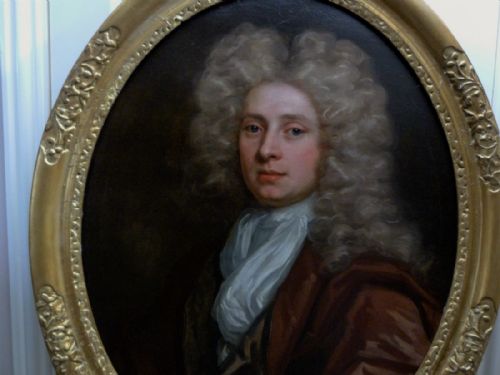
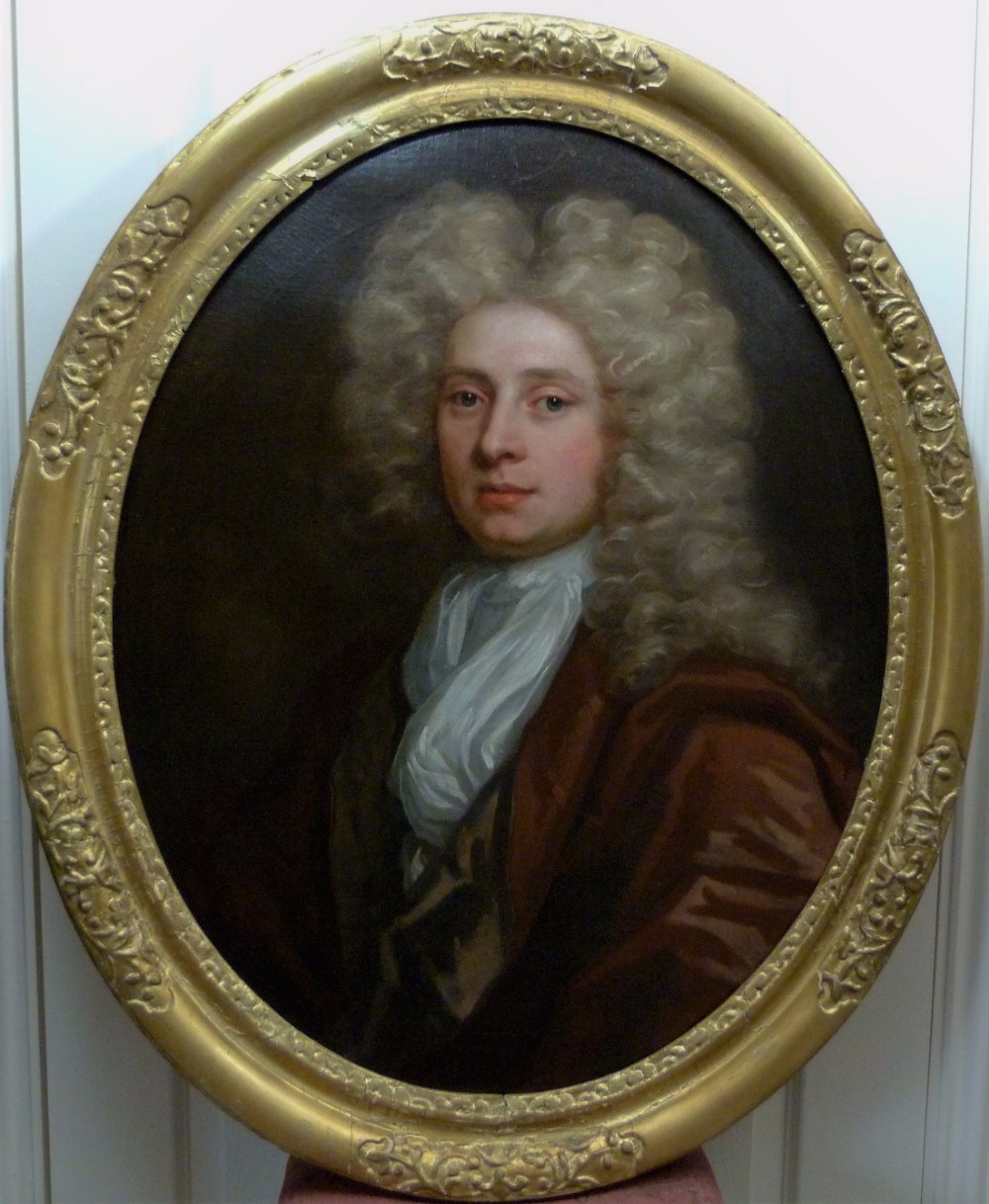
Portrait of a Gentleman of the Palmes Family, C.1695; Attributed to John Closterman.
Roy Precious - Antiques & Fine Art
sold SA433737
Sorry, but this item has been sold.
Roy Precious - Antiques & Fine Art

Roy Precious - Antiques & Fine Art

Sellingantiques Verified Since Mar 2003
View Dealers Stock Page
  • About Us
    Roy and nadine precious: specialists in portraiture from the 16th to the 20th century. Established in 1972.
Id #SA433737
PDF SHARE
SAVE

Portrait of a Gentleman of the Palmes Family, C.1695; Attributed to John Closterman.

17th century
Description

Oil on canvas in a late 17th century carved and giltwood frame.

The PALMES family of Naburn Hall, York, and the cadet branches of Lindley Hall, North Yorkshire; Ashwell, Rutland; and Carcraig in Ireland, are an ancient English aristocratic family, noted for their adherence to Catholicism. The Palmes family of Naburn are directly descended from Mary Boleyn and her daughter, Catherine, who is generally believed to have been the daughter of Henry VIII of England while Mary was his mistress. Mary's sister, Anne Boleyn, afterwards became the second wife of Henry VIII and the mother of Elizabeth I of England:

The family were originally seated at Taunton Deane, Somerset, where Manfred de Palma/Palmes had by the "Gift of Milo Earl of Hereford & Constable of England, 53 Oxgangs of Land and 25 Messages in the Lordship of Taunton Dean". Manfred was "known to be living in the sixth year of the reign of King Stephen, 1140 AD".

The Palmes family of Naburn can trace its ancestry through a maternal line to Robert de Todeni (died 1088), a powerful Norman baron. Todeni's importance is reflected by the 80 estates in 11 counties that he was granted by William across England. His principal Lordship was at Belvoir where he built his home, Belvoir Castle, before establishing Belvoir Priory in 1076. Among Todeni's many estates was Naburn. In 1226, William Palmes of Taunton acquired the Lordship of Naburn through his marriage to Matilda, daughter or sister of Richard de Watterville; a direct descendant of Robert de Todeni from whom the land had passed to the Wattervilles. From then on, the estate continued to descend uninterrupted from father to son within the Palmes family until 1974, on the death of Commander George Bryan Palmes. The Palmes family were said to have been "unique in being able to boast an unbroken heritage". Edmund Burke described the family as "one of serious antiquity".

JOHN CLOSTERMAN (1660-1711) was born in Osnabruck, the son of an artist. His early training was from his father, but in 1679 he moved to Paris where for two years he studied under the portraitist Francois de Troy.

In 1681 Closterman came to England and entered into partnership with the established portrait painter John Riley.

By 1683 he had developed an independent practice; he was adept at baroque poses still with a slightly French influence, with rather flashily painted drapery

His clients were mainly from the intellectual and professional middle classes, and included some of the leading writers, artists, musicians and physicians of the day.

In the 1690's, as his reputation grew, he painted for more exalted and aristocratic patrons, like the Dukes of Somerset and Marlborough.

He lived in great splendour in his house in Covent Garden with his wife Hannah.

In 1699, after a visit to Rome, he fell under the spell of the Antique and painted his famous full length portraits of the Earl of Shaftesbury in Classical pose.

Closterman's last documented portrait is 1704, and he devoted his last years to dealing in Old Master paintings.

An exhibition of his work was held by the National Portrait Gallery in 1981 under the title of 'Master of the Baroque Portrait'.

SIZE:35 x 29 inches inc. frame.

PROVENANCE: By descent through the Palmes family to a branch now resident in Kent.

Physical Dimensions
Height
89cm (35.04")
Width
74cm (29.13")
Depth
5cm (1.97")
Declaration

Roy Precious - Antiques & Fine Art has dated this piece to the 17th Century.

Reference Numbers
Sellingantiques Reference
SA433737
Dealers Internal Reference
8990
Description
Oil on canvas in a late 17th century carved and giltwood frame.

The PALMES family of Naburn Hall, York, and the cadet branches of Lindley Hall, North Yorkshire; Ashwell, Rutland; and Carcraig in Ireland, are an ancient English aristocratic family, noted for their adherence to Catholicism. The Palmes family of Naburn are directly descended from Mary Boleyn and her daughter, Catherine, who is generally believed to have been the daughter of Henry VIII of England while Mary was his mistress.
Mary's sister, Anne Boleyn, afterwards became the second wife of Henry VIII and the mother of Elizabeth I of England:.
Roy Precious - Antiques & Fine Art
fig 1. Portrait of a Gentleman of the Palmes family, c.1695; Attributed to John Closterman.
fig 1. Portrait of a Gentleman of the Palmes Family, C.1695; Attributed to John Closterman.

The family were originally seated at Taunton Deane, Somerset, where Manfred de Palma/Palmes had by the "Gift of Milo Earl of Hereford & Constable of England, 53 Oxgangs of Land and 25 Messages in the Lordship of Taunton Dean". Manfred was "known to be living in the sixth year of the reign of King Stephen, 1140 AD".
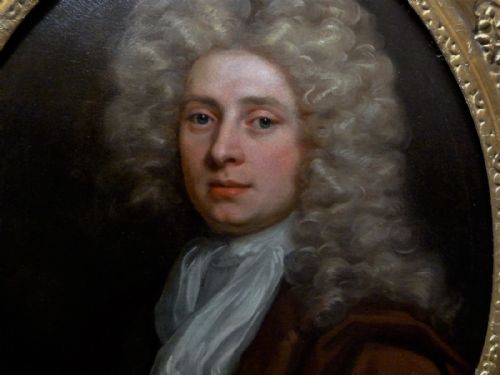
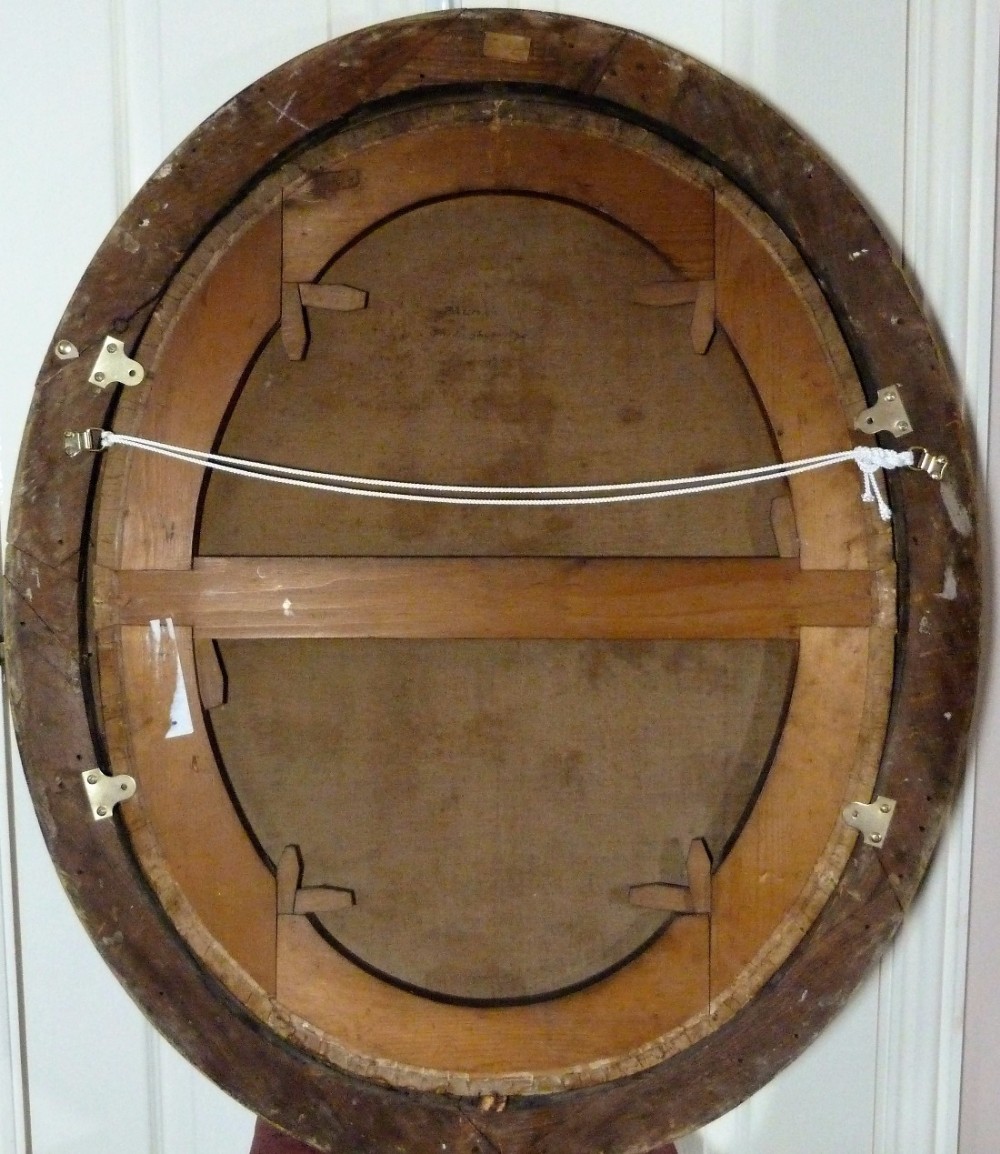
fig 2. Portrait of a Gentleman of the Palmes family, c.1695; Attributed to John Closterman.
fig 2. Portrait of a Gentleman of the Palmes Family, C.1695; Attributed to John Closterman.

The Palmes family of Naburn can trace its ancestry through a maternal line to Robert de Todeni (died 1088), a powerful Norman baron. Todeni's importance is reflected by the 80 estates in 11 counties that he was granted by William across England. His principal Lordship was at Belvoir where he built his home, Belvoir Castle, before establishing Belvoir Priory in 1076. Among Todeni's many estates was Naburn. In 1226, William Palmes of Taunton acquired the Lordship of Naburn through his marriage to Matilda, daughter or sister of Richard de Watterville; a direct descendant of Robert de Todeni from whom the land had passed to the Wattervilles. From then on, the estate continued to descend uninterrupted from father to son within the Palmes family until 1974, on the death of Commander George Bryan Palmes. The Palmes family were said to have been "unique in being able to boast an unbroken heritage". Edmund Burke described the family as "one of serious antiquity".
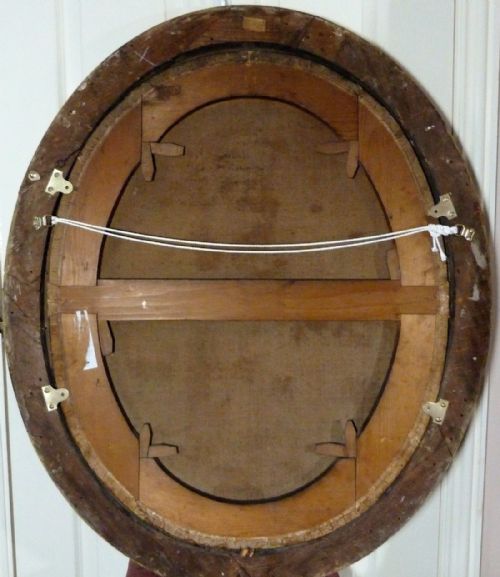
fig 3. Portrait of a Gentleman of the Palmes family, c.1695; Attributed to John Closterman.
fig 3. Portrait of a Gentleman of the Palmes Family, C.1695; Attributed to John Closterman.

JOHN CLOSTERMAN (1660-1711) was born in Osnabruck, the son of an artist. His early training was from his father, but in 1679 he moved to Paris where for two years he studied under the portraitist Francois de Troy.

In 1681 Closterman came to England and entered into partnership with the established portrait painter John Riley.

By 1683 he had developed an independent practice; he was adept at baroque poses still with a slightly French influence, with rather flashily painted drapery

His clients were mainly from the intellectual and professional middle classes, and included some of the leading writers, artists, musicians and physicians of the day.

In the 1690's, as his reputation grew, he painted for more exalted and aristocratic patrons, like the Dukes of Somerset and Marlborough.

He lived in great splendour in his house in Covent Garden with his wife Hannah.

In 1699, after a visit to Rome, he fell under the spell of the Antique and painted his famous full length portraits of the Earl of Shaftesbury in Classical pose.

Closterman's last documented portrait is 1704, and he devoted his last years to dealing in Old Master paintings.

An exhibition of his work was held by the National Portrait Gallery in 1981 under the title of 'Master of the Baroque Portrait'.

SIZE:35 x 29 inches inc. frame.

PROVENANCE: By descent through the Palmes family to a branch now resident in Kent.

Height
89cm (35.04")
Width
74cm (29.13")
Depth
5cm (1.97")
Date of Manufacture

Roy Precious - Antiques & Fine Art has dated this piece to the 17th Century.

Reference Numbers
Sellingantiques Ref
SA433737
Dealers Internal Ref
8990
Roy Precious - Antiques & Fine Art
Sellingantiques verified Since Mar 2003

Roy and nadine precious: specialists in portraiture from the 16th to the 20th century. Established in 1972.

Dealer Profile

You can view the stock and full dealer information on the Roy Precious - Antiques & Fine Art Profile Page
PDF SHARE
SAVE
Portrait of a Gentleman of the Palmes family, c.1695; Attributed to John Closterman.
1 / 4
Archive I Portrait of a Gentleman of the Palmes family, c.1695; Attributed to John Closterman.

Portrait of a Gentleman of the Palmes Family, C.1695; Attributed to John Closterman.

Archive II Portrait of a Gentleman of the Palmes family, c.1695; Attributed to John Closterman. View II
Archive III Portrait of a Gentleman of the Palmes family, c.1695; Attributed to John Closterman. View III
Archive IV Portrait of a Gentleman of the Palmes family, c.1695; Attributed to John Closterman. View IV
Enlarged Archival View
Location
Wiltshire
United Kingdom
Dealer Profile Page sellingantiques.co.uk/rp
Verified Since Mar 2003
Items For Sale 95
Items Sold 679
Roy Precious - Antiques & Fine Art
Verified Since Mar 2003
View Dealer Info
Location: Wiltshire, United Kingdom
Verified
Mar 2003
For Sale
95
Sold
679
Portrait of a Gentleman of the Palmes family, c.1695; Attributed to John Closterman.
Ref: SA433737
Portrait of a Gentleman of the Palmes family, c.1695; Attributed to John Closterman.
Detail View 1
Detail View 2
Detail View 3
Archival Detail
Every single antique dealer on our platform is individually approved by our internal team. We verify their professional trade history, ethical standards, and photographic quality to ensure a secure, high-standard buying environment. Upon joining, every dealer agrees to a strict 9-point code of conduct. While issues can occasionally arise, our dealers typically resolve them swiftly and directly with the buyer. In fact, since our founding in 2002, Sellingantiques has only had to step in to help resolve an issue on roughly five occasions—a true testament to the quality of our dealers and their dedication to your happiness.
Our dealers are highly experienced in packing and shipping fragile, high-value antiques. Because you are in direct contact with the dealer, you will be able to easily go through all available shipping and insurance options together to ensure your item arrives safely.
Antiques are the ultimate green purchase. By choosing historical pieces over newly manufactured goods, you completely eliminate the carbon footprint of modern mass production while preserving exceptional, timeless craftsmanship.
items
Add keywords to the filter
Price
£100
£250000
Era
Movements
Material
Origin
Stock Location
Freshness
Online Payments
Categories