32,594  PAGES BROWSED TODAY PAGES TODAY 90  ANTIQUES UPLOADED TODAY NEW ARRIVALS
ID #SA401319
FOR SALE
£9,850
Email Buy
Save
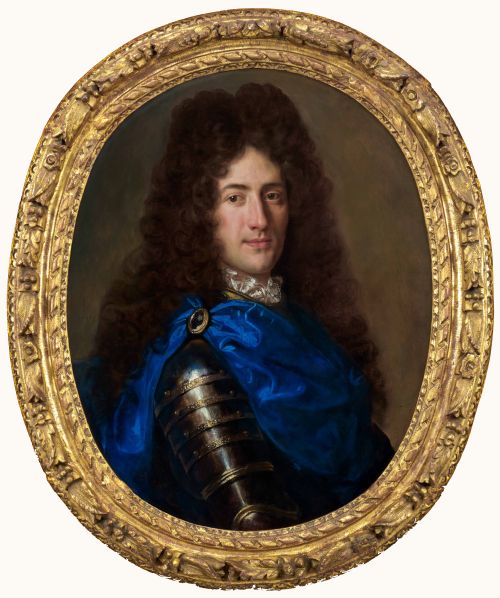
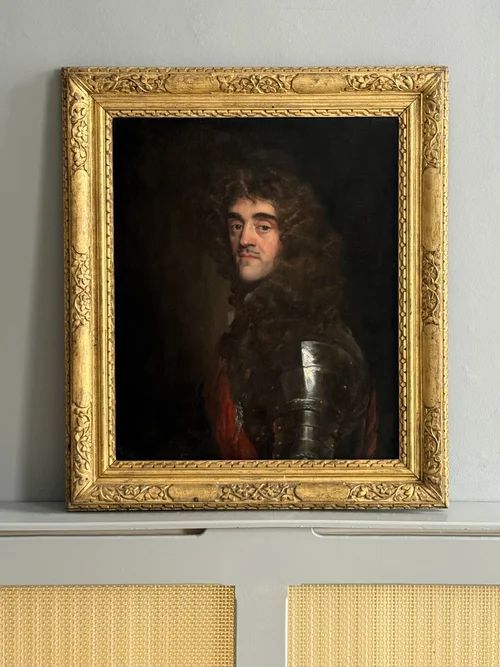
Portrait of Philippe Ii, Duke of Orleans C.1706; Attributed to Jean-baptiste Santerre.
Roy Precious - Antiques & Fine Art
for sale €11,525     $12,510
£9,850
Roy Precious - Antiques & Fine Art

Roy Precious - Antiques & Fine Art

Sellingantiques Verified Since Mar 2003
View Dealers Stock Page
  • About Us
    Roy and nadine precious: specialists in portraiture from the 16th to the 20th century. Established in 1972.
Id #SA401319
PDF SHARE
SAVE

Portrait of Philippe Ii, Duke of Orleans C.1706; Attributed to Jean-baptiste Santerre.

18th century
Description

Oil on canvas in a good quality reproduction frame.

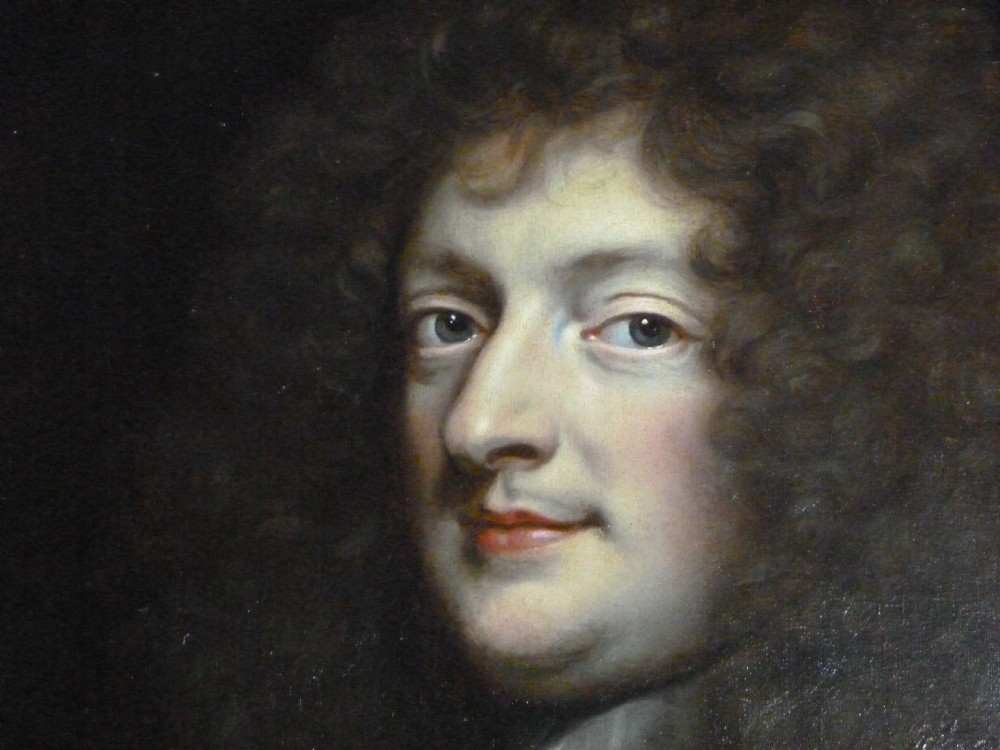
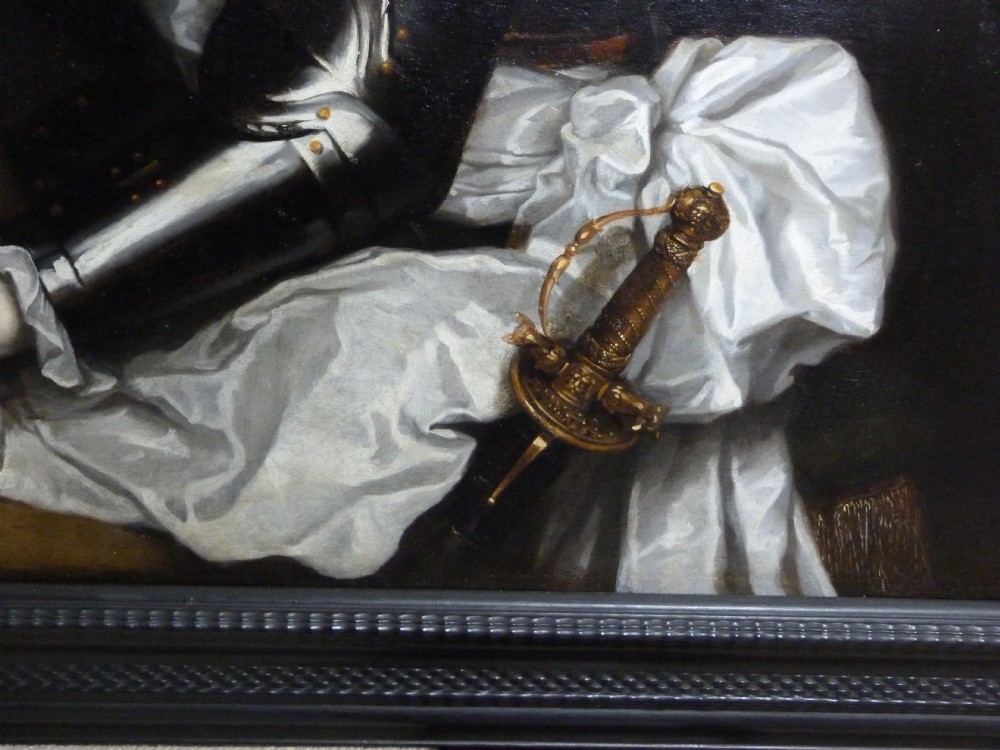
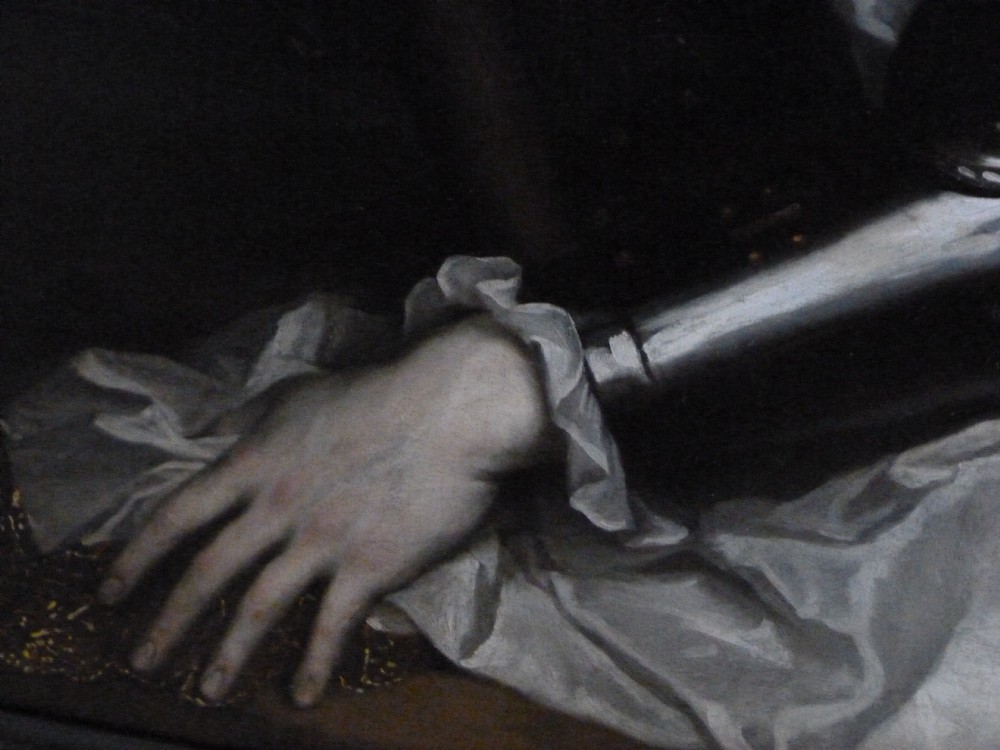
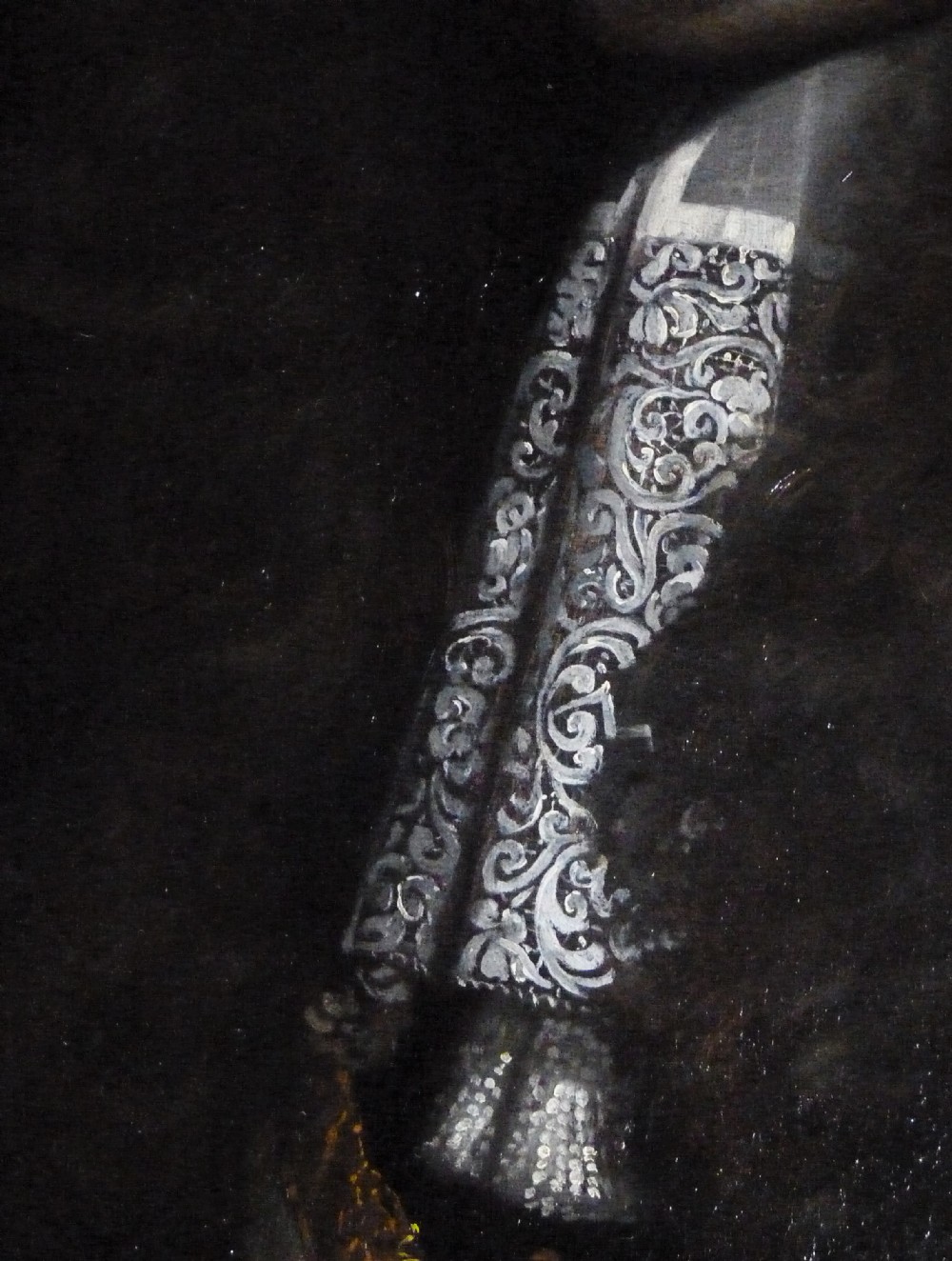
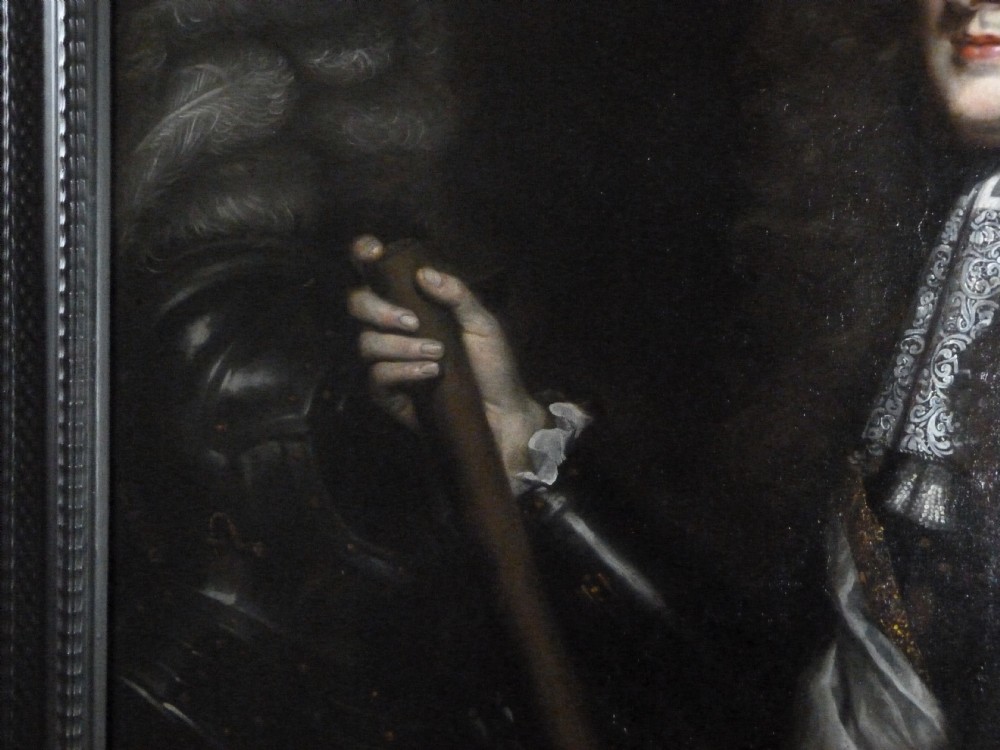
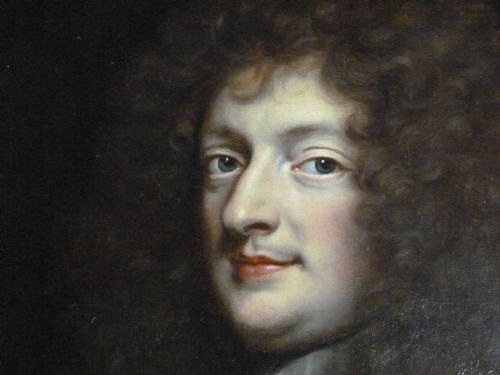
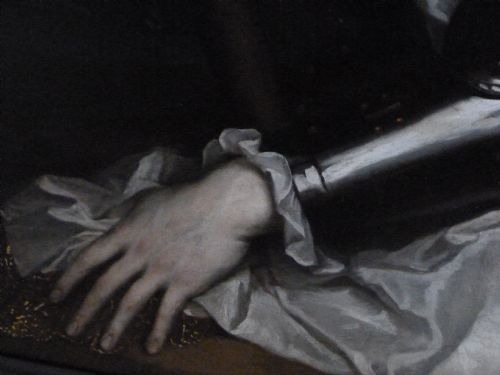
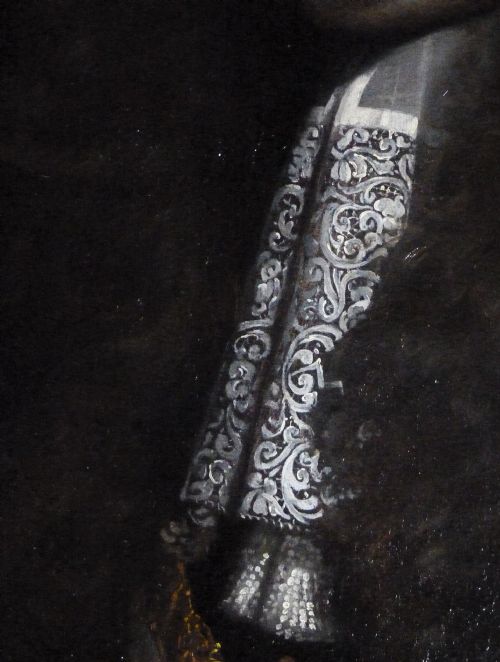
This is a superb quality painting, the depiction of the various materials...silk, lace, gold, steel, hair and flesh is exquisite. Hands are often problematic with lesser artists but here they are totally realistic.
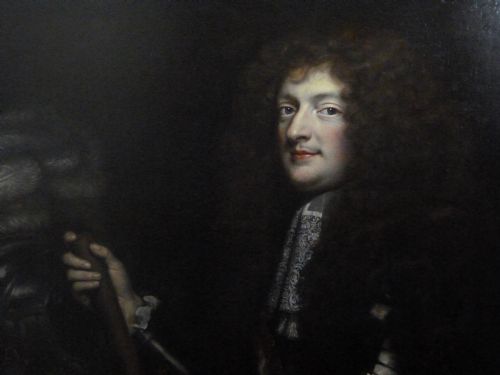
The Duke wears the Bourbon white silk sash and holds the baton of command of a high ranking officer.

PHILIPPE II, DUKE OF ORLEANS (1674-1723), Regent of France, the son of Philip I, duke of Orleans, and his second wife, the princess palatine, was born on the 2nd of August 1674, and had his first experience of arms at the siege of Mons in 1691. His marriage with Françoise-Marie de Bourbon, Mlle. de Blois, the legitimized daughter of Louis XIV, won him the favour of the king. He fought with distinction at Steinkerk, Neerwinden and Namur (1692-95). During the next few years, being without employment, he studied natural science. He was next given a command in Italy (1706) and in Spain (1707-08) where he gained some important successes, but he cherished lofty ambitions and was suspected of wishing to take the place of Philip V on the throne of Spain. Louis XIV was angry at these pretensions, and for a long time held him in disfavor. In his will, however, he appointed him president of the council of regency of the young King Louis XV (1715). After the death of the king, the duke of Orleans went to the parlement, had the will annulled, and himself invested with absolute power. At first he made a good use of this, counselling economy, decreasing taxation, disbanding 25,000 soldiers and restoring liberty to the persecuted Jansenists. But the inquisitorial measures which he had begun against the financiers led to disturbances.
There existed a party of malcontents who wished to transfer the regency from Orleans to Philip V, king of Spain. A conspiracy was formed, under the inspiration of Cardinal Alberoni, first minister of Spain, and directed by the prince of Cellamare, Spanish ambassador in France, with the complicity of the duke and duchess of Maine; but in 1718 it was discovered and defeated. Dubois, formerly tutor to the duke of Orleans, and now his all-powerful minister, caused war to be declared against Spain, with the support of the emperor, and of England and Holland (Quadruple Alliance). After some successes of the French marshal, the duke of Berwick, in Spain, and of the imperial troops in Sicily, Philip V made peace with the regent (1720).

On the majority of the king, which was declared on the 15th of February 1723, the duke of Orleans resigned the supreme power; but he became first minister to the king, and remained in office until his death on the 23rd of December 1723. The regent had great qualities, both brilliant and solid, which were unfortunately spoiled by an excessive taste for pleasure. His dissolute manners found only too many imitators, and the regency was one of the most corrupt periods in French history.
Father: Philip I, Duke of Orléans

Mother: Elizabeth Charlotte, Princess Palatine (b. 1652, d. 1722)

Wife: Françoise-Marie de Bourbon, Mlle. de Blois (b. 1677, m. 1698, d. 1749)

Son: Louis, duke of Orléans (b. 1703, d. 1752)
JEAN-BAPTISTE SANTERRE (1651-1717)

Santerre was born at Magny-en-Vexin, near Pontoise. A pupil of Bon Boullogne, he began his painting career at a portraitist, with a notable work being a portrait of Marie Leszczynska with the Maison de St Cyr in the background (now at the musée de Versailles). He won a major reputation thanks to his academies. His most notable work is his Susanna Bathing (Louvre), the diploma work executed by him in 1704, when he was received into the Académie (1730–1770) and Jean-Honoré Fragonard (1732–1806). He painted the Duc d'Orleans on several occasions

SIZE: 52.5 x 51.75 inches inc. frame.

PROVENANCE: Private collection, East Kent.

Declaration

Roy Precious - Antiques & Fine Art has dated this Baroque Oil Portrait Painting to the 18th Century.

Reference Numbers
Sellingantiques Reference
SA401319
Dealers Internal Reference
8955
Description
Oil on canvas in a good quality reproduction frame.

This is a superb quality painting, the depiction of the various materials...silk, lace, gold, steel, hair and flesh is exquisite. Hands are often problematic with lesser artists but here they are totally realistic.

fig 1. A waist-length French Baroque oil painting depicting a nobleman in polished steel armour, lace cravat, and full powdered wig holding a baton inside a dark moulded frame.
fig 1. Portrait of Philippe Ii, Duke of Orleans C.1706; Attributed to Jean-baptiste Santerre.

The Duke wears the Bourbon white silk sash and holds the baton of command of a high ranking officer.

PHILIPPE II, DUKE OF ORLEANS (1674-1723), Regent of France, the son of Philip I, duke of Orleans, and his second wife, the princess palatine, was born on the 2nd of August 1674, and had his first experience of arms at the siege of Mons in 1691. His marriage with Françoise-Marie de Bourbon, Mlle. de Blois, the legitimized daughter of Louis XIV, won him the favour of the king. He fought with distinction at Steinkerk, Neerwinden and Namur (1692-95). During the next few years, being without employment, he studied natural science. He was next given a command in Italy (1706) and in Spain (1707-08) where he gained some important successes, but he cherished lofty ambitions and was suspected of wishing to take the place of Philip V on the throne of Spain. Louis XIV was angry at these pretensions, and for a long time held him in disfavor.

In his will, however, he appointed him president of the council of regency of the young King Louis XV (1715).
Roy Precious - Antiques & Fine Art

After the death of the king, the duke of Orleans went to the parlement, had the will annulled, and himself invested with absolute power. At first he made a good use of this, counselling economy, decreasing taxation, disbanding 25,000 soldiers and restoring liberty to the persecuted Jansenists. But the inquisitorial measures which he had begun against the financiers led to disturbances.

fig 2. A waist-length French Baroque oil painting depicting a nobleman in polished steel armour, lace cravat, and full powdered wig holding a baton inside a dark moulded frame.
fig 2. Portrait of Philippe Ii, Duke of Orleans C.1706; Attributed to Jean-baptiste Santerre.

There existed a party of malcontents who wished to transfer the regency from Orleans to Philip V, king of Spain. A conspiracy was formed, under the inspiration of Cardinal Alberoni, first minister of Spain, and directed by the prince of Cellamare, Spanish ambassador in France, with the complicity of the duke and duchess of Maine; but in 1718 it was discovered and defeated. Dubois, formerly tutor to the duke of Orleans, and now his all-powerful minister, caused war to be declared against Spain, with the support of the emperor, and of England and Holland (Quadruple Alliance). After some successes of the French marshal, the duke of Berwick, in Spain, and of the imperial troops in Sicily, Philip V made peace with the regent (1720).

fig 3. A waist-length French Baroque oil painting depicting a nobleman in polished steel armour, lace cravat, and full powdered wig holding a baton inside a dark moulded frame.
fig 3. Portrait of Philippe Ii, Duke of Orleans C.1706; Attributed to Jean-baptiste Santerre.

On the majority of the king, which was declared on the 15th of February 1723, the duke of Orleans resigned the supreme power; but he became first minister to the king, and remained in office until his death on the 23rd of December 1723. The regent had great qualities, both brilliant and solid, which were unfortunately spoiled by an excessive taste for pleasure. His dissolute manners found only too many imitators, and the regency was one of the most corrupt periods in French history.

fig 4. A waist-length French Baroque oil painting depicting a nobleman in polished steel armour, lace cravat, and full powdered wig holding a baton inside a dark moulded frame.
fig 4. Portrait of Philippe Ii, Duke of Orleans C.1706; Attributed to Jean-baptiste Santerre.

Father: Philip I, Duke of Orléans

Mother: Elizabeth Charlotte, Princess Palatine (b. 1652, d. 1722)

Wife: Françoise-Marie de Bourbon, Mlle. de Blois (b. 1677, m. 1698, d. 1749)

Son: Louis, duke of Orléans (b. 1703, d. 1752)

fig 5. A waist-length French Baroque oil painting depicting a nobleman in polished steel armour, lace cravat, and full powdered wig holding a baton inside a dark moulded frame.
fig 5. Portrait of Philippe Ii, Duke of Orleans C.1706; Attributed to Jean-baptiste Santerre.

JEAN-BAPTISTE SANTERRE (1651-1717)

Santerre was born at Magny-en-Vexin, near Pontoise. A pupil of Bon Boullogne, he began his painting career at a portraitist, with a notable work being a portrait of Marie Leszczynska with the Maison de St Cyr in the background (now at the musée de Versailles). He won a major reputation thanks to his academies. His most notable work is his Susanna Bathing (Louvre), the diploma work executed by him in 1704, when he was received into the Académie (1730–1770) and Jean-Honoré Fragonard (1732–1806). He painted the Duc d'Orleans on several occasions

SIZE: 52.5 x 51.75 inches inc. frame.

PROVENANCE: Private collection, East Kent.

Date of Manufacture

Roy Precious - Antiques & Fine Art has dated this Baroque Oil Portrait Painting to the 18th Century.

Reference Numbers
Sellingantiques Ref
SA401319
Dealers Internal Ref
8955
Roy Precious - Antiques & Fine Art
Sellingantiques verified Since Mar 2003

Roy and nadine precious: specialists in portraiture from the 16th to the 20th century. Established in 1972.

Dealer Profile

You can view the stock and full dealer information on the Roy Precious - Antiques & Fine Art Profile Page

PDF SHARE
SAVE
A waist-length French Baroque oil painting depicting a nobleman in polished steel armour, lace cravat, and full powdered wig holding a baton inside a dark moulded frame.
1 / 8
Archive I A waist-length French Baroque oil painting depicting a nobleman in polished steel armour, lace cravat, and full powdered wig holding a baton inside a dark moulded frame.

Portrait of Philippe Ii, Duke of Orleans C.1706; Attributed to Jean-baptiste Santerre.
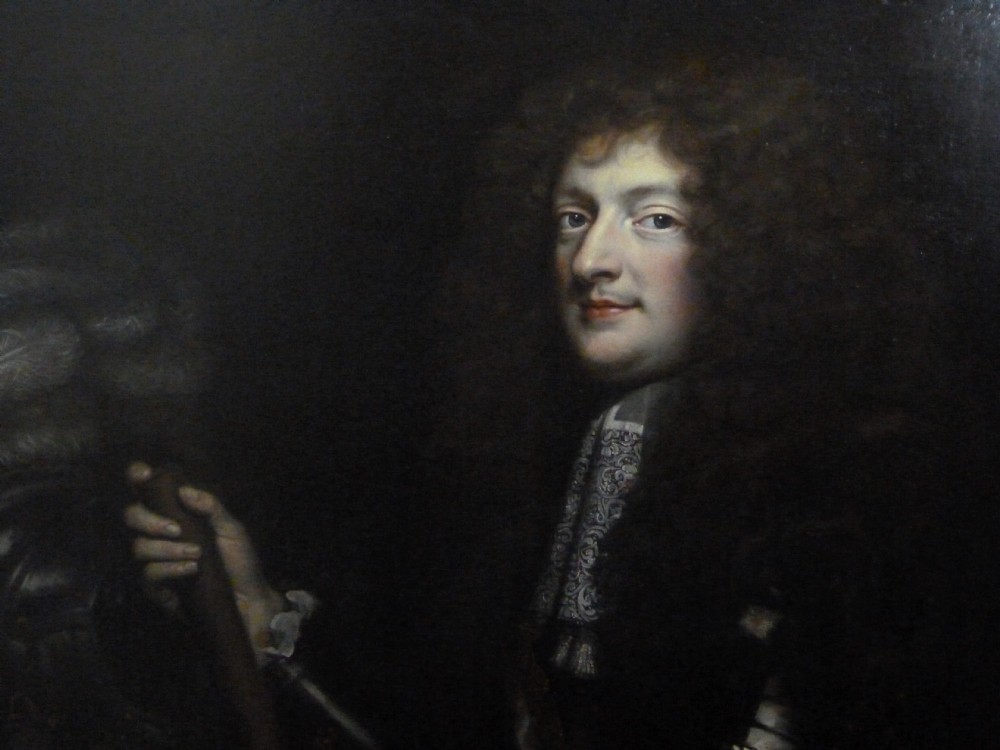
Archive II A waist-length French Baroque oil painting depicting a nobleman in polished steel armour, lace cravat, and full powdered wig holding a baton inside a dark moulded frame. View II
Archive III A waist-length French Baroque oil painting depicting a nobleman in polished steel armour, lace cravat, and full powdered wig holding a baton inside a dark moulded frame. View III
Archive IV A waist-length French Baroque oil painting depicting a nobleman in polished steel armour, lace cravat, and full powdered wig holding a baton inside a dark moulded frame. View IV
Archive V A waist-length French Baroque oil painting depicting a nobleman in polished steel armour, lace cravat, and full powdered wig holding a baton inside a dark moulded frame. View V
Archive VI A waist-length French Baroque oil painting depicting a nobleman in polished steel armour, lace cravat, and full powdered wig holding a baton inside a dark moulded frame. View VI
Archive VII A waist-length French Baroque oil painting depicting a nobleman in polished steel armour, lace cravat, and full powdered wig holding a baton inside a dark moulded frame. View VII
Archive VIII A waist-length French Baroque oil painting depicting a nobleman in polished steel armour, lace cravat, and full powdered wig holding a baton inside a dark moulded frame. View VIII
FURTHER BROWSING

Visitors also looked at these ⇣

Enlarged Archival View
Location
Wiltshire
United Kingdom
Dealer Profile Page sellingantiques.co.uk/rp
Verified Since Mar 2003
Items For Sale 95
Items Sold 679
Roy Precious - Antiques & Fine Art
Verified Since Mar 2003
View Dealer Info
Location: Wiltshire, United Kingdom
Verified
Mar 2003
For Sale
95
Sold
679
A waist-length French Baroque oil painting depicting a nobleman in polished steel armour, lace cravat, and full powdered wig holding a baton inside a dark moulded frame.
Portrait of Philippe II, Duke of Orleans c.1706; Attributed to Jean-Baptiste Santerre.
Ref: SA401319
A waist-length French Baroque oil painting depicting a nobleman in polished steel armour, lace cravat, and full powdered wig holding a baton inside a dark moulded frame.
Detail View 1
Detail View 2
Detail View 3
Detail View 4
Detail View 5
Detail View 6
Detail View 7
Archival Detail
Every single antique dealer on our platform is individually approved by our internal team. We verify their professional trade history, ethical standards, and photographic quality to ensure a secure, high-standard buying environment. Upon joining, every dealer agrees to a strict 9-point code of conduct. While issues can occasionally arise, our dealers typically resolve them swiftly and directly with the buyer. In fact, since our founding in 2002, Sellingantiques has only had to step in to help resolve an issue on roughly five occasions—a true testament to the quality of our dealers and their dedication to your happiness.
Our dealers are highly experienced in packing and shipping fragile, high-value antiques. Because you are in direct contact with the dealer, you will be able to easily go through all available shipping and insurance options together to ensure your item arrives safely.
Antiques are the ultimate green purchase. By choosing historical pieces over newly manufactured goods, you completely eliminate the carbon footprint of modern mass production while preserving exceptional, timeless craftsmanship.

French Baroque portraiture from this era typically features dramatic lighting, grandiose poses, and meticulous rendering of status symbols such as armour, powdered wigs, and elaborate lace cravats. These artworks served as visual displays of social rank, political influence, and military command among European nobility.

Artists during this period prepared linen or cotton canvases with traditional gesso ground layers before applying oil paints composed of natural mineral pigments bound in linseed or walnut oil. Stretcher bars were hand-crafted from timber, and finished works were protected with natural resin varnishes.

Authentication involves analysing brushwork technique, craquelure pattern consistency, stretcher bar construction, and pigment composition under ultraviolet light or X-ray radiography. Provenance documentation, signature inspection, and historical alignment with painterly styles of recorded workshops further verify attribution.

A large historical portrait creates a striking focal point when hung above a mantelpiece, sideboard, or console table in modern or period settings. Combining dark-toned classical portraiture with clean architectural lines or minimal furnishings produces a sophisticated, curated contrast.

Oil paintings require placement away from direct sunlight, extreme temperature fluctuations, and high humidity to prevent cracking or canvas warping. Cleaning should strictly be performed by a professional art conservator using specialised solvents to remove surface grime and discoloured varnish safely.
items
Add keywords to the filter
Price
£100
£250000
Era
Movements
Material
Origin
Stock Location
Freshness
Online Payments
Categories