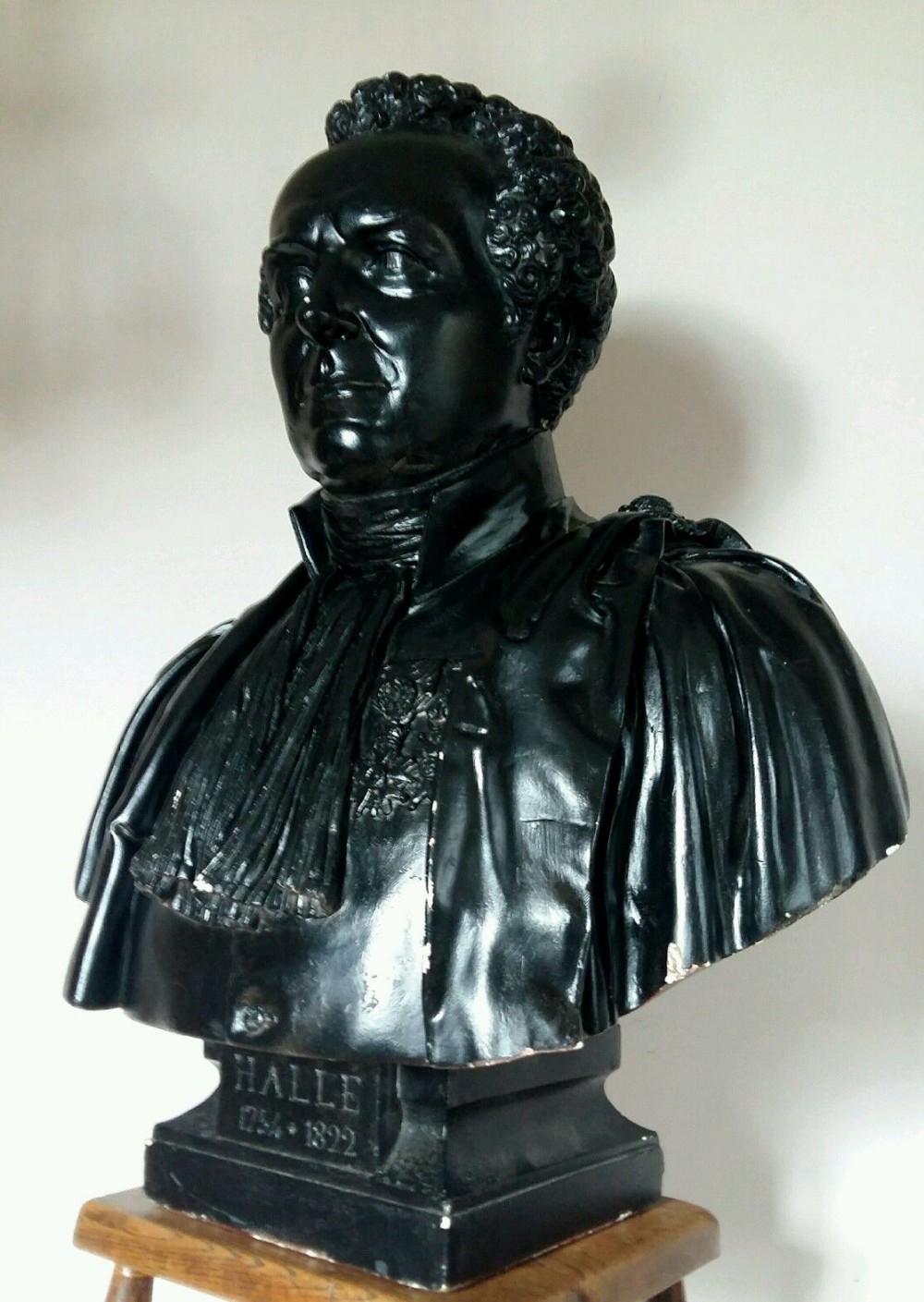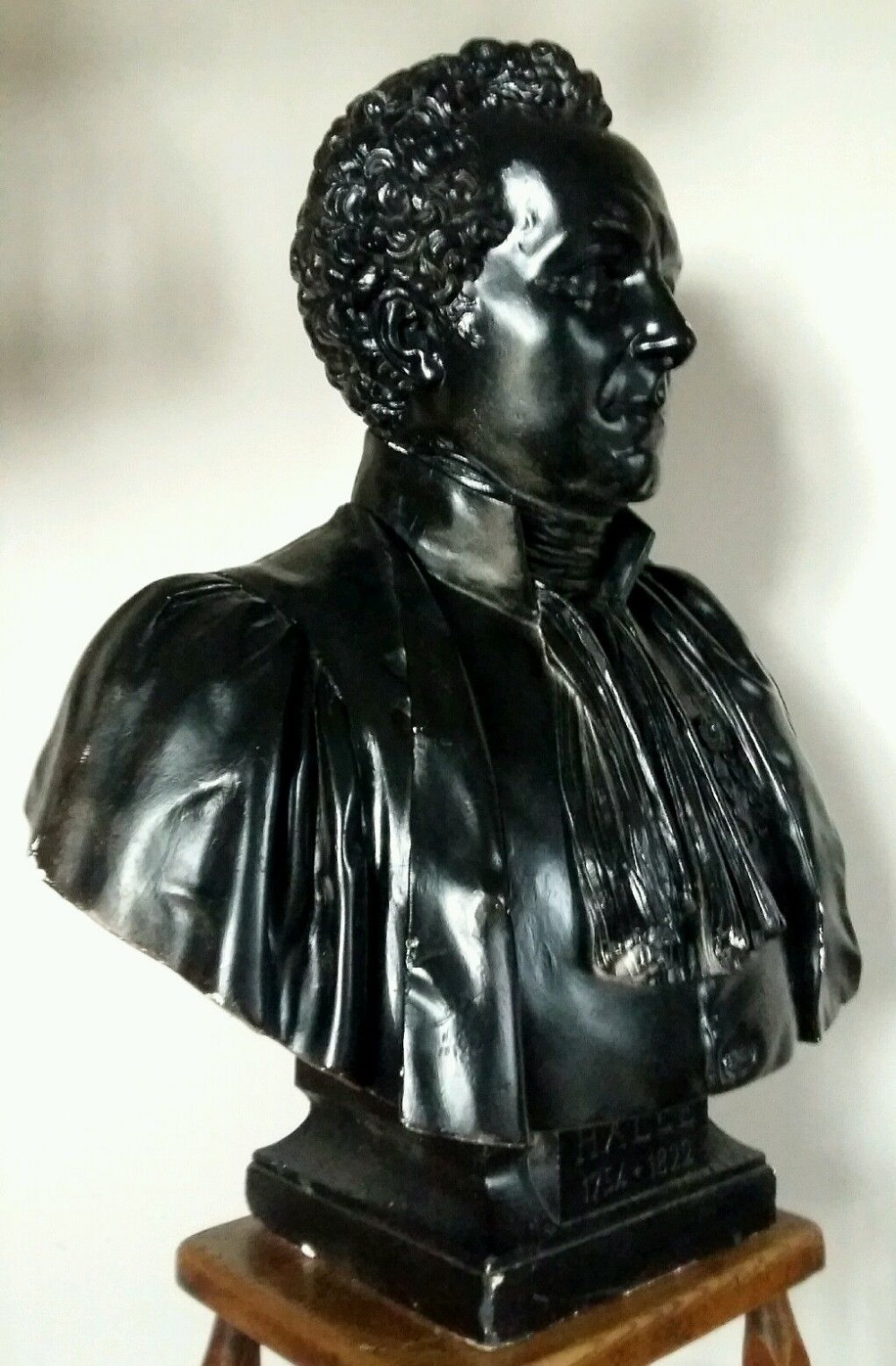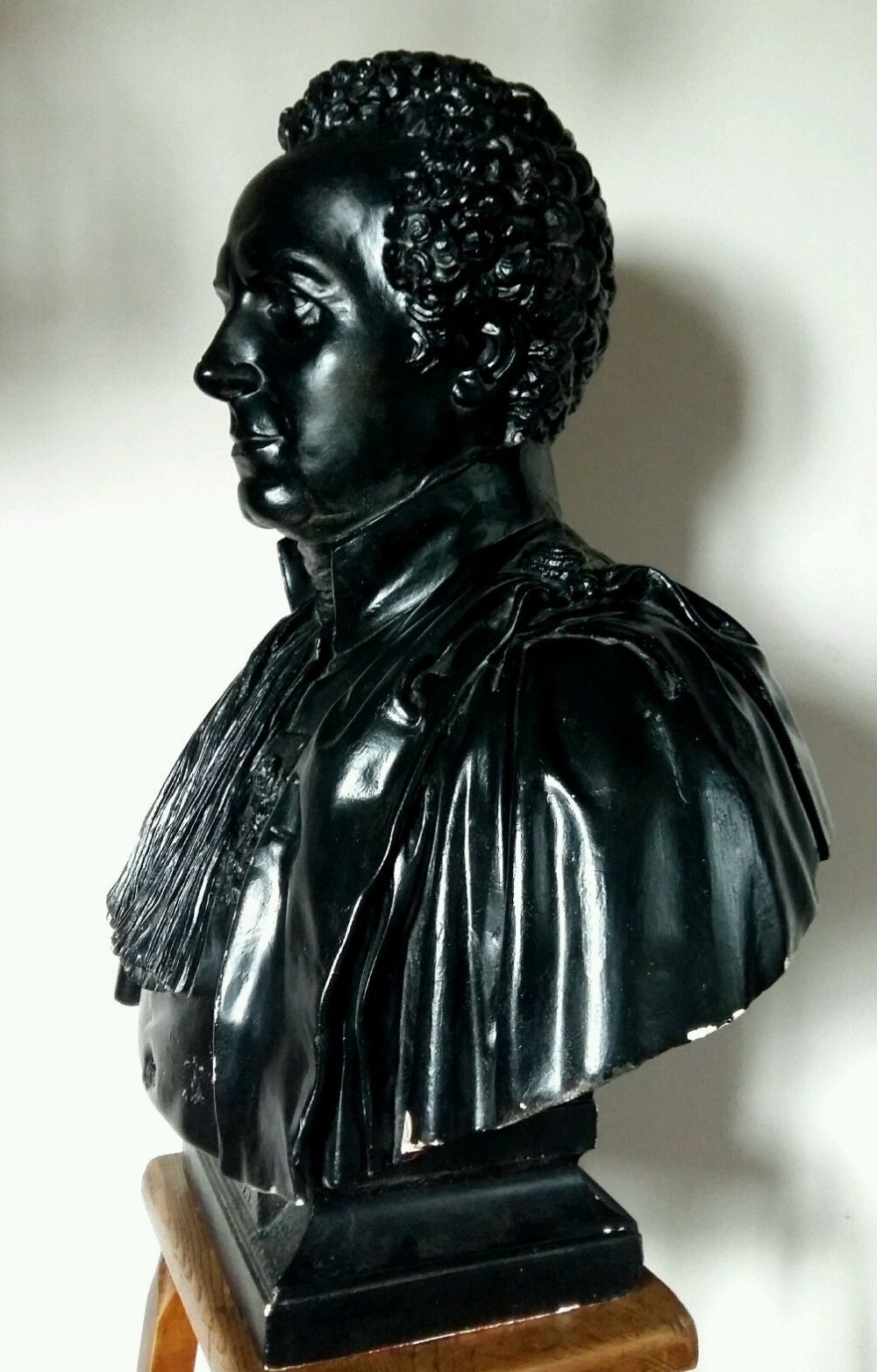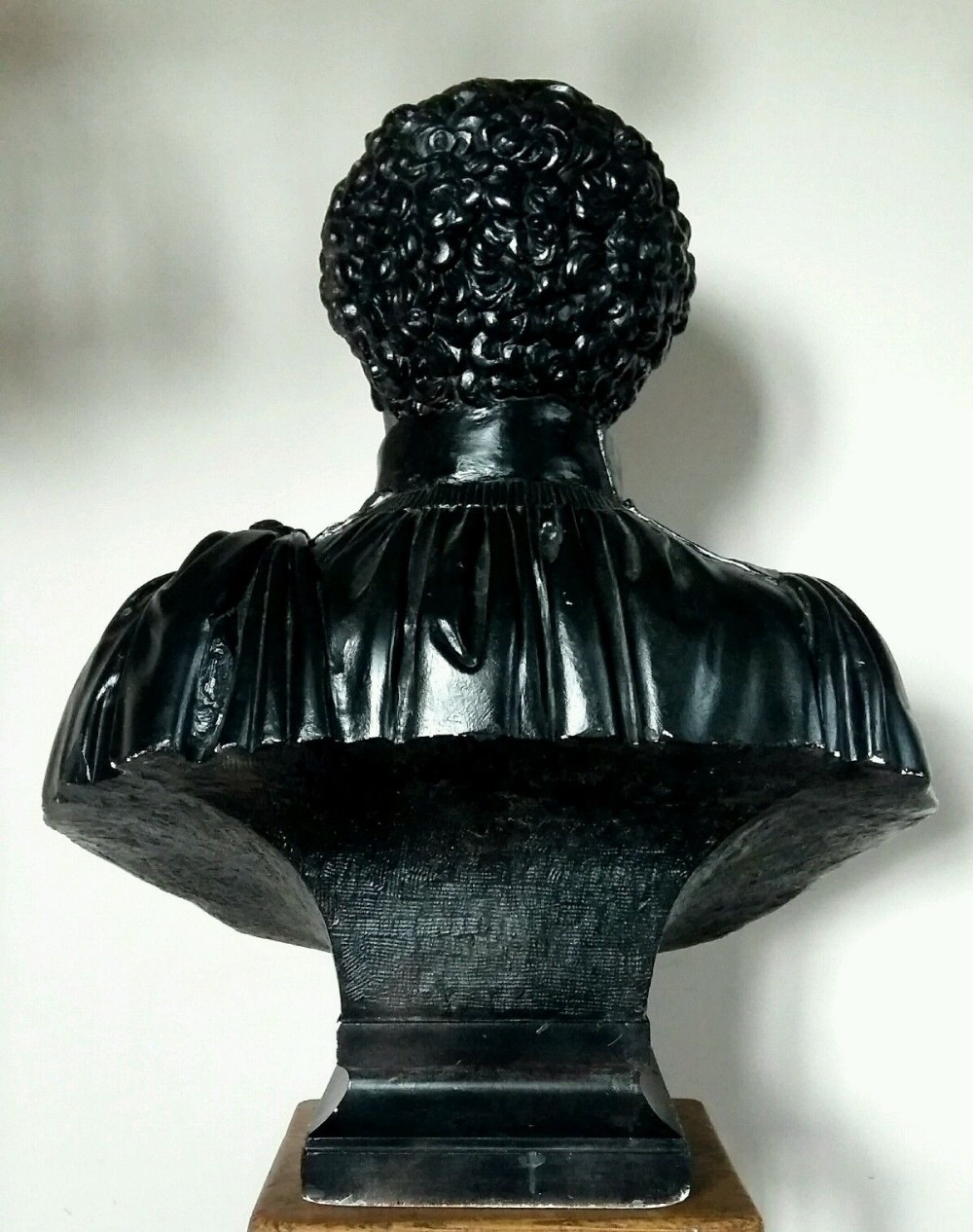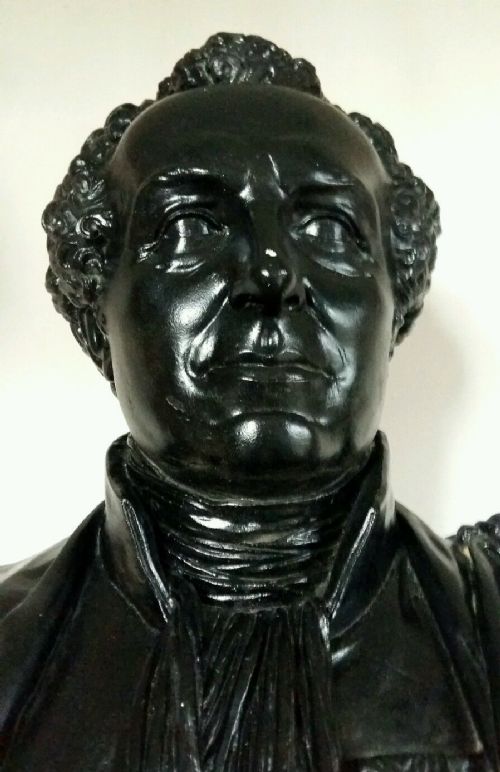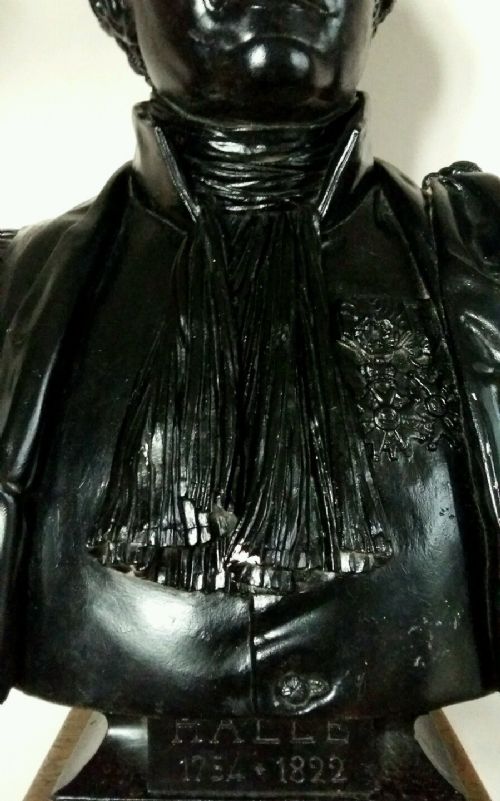
Hodgson Antiques has dated this piece to the 1920s.
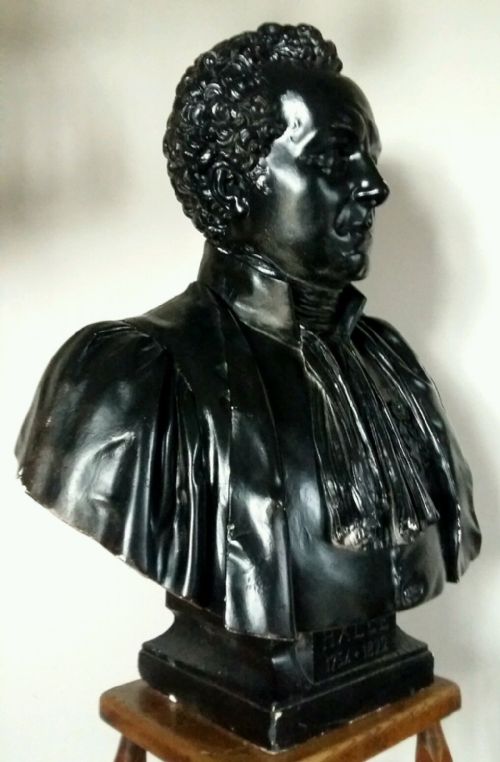
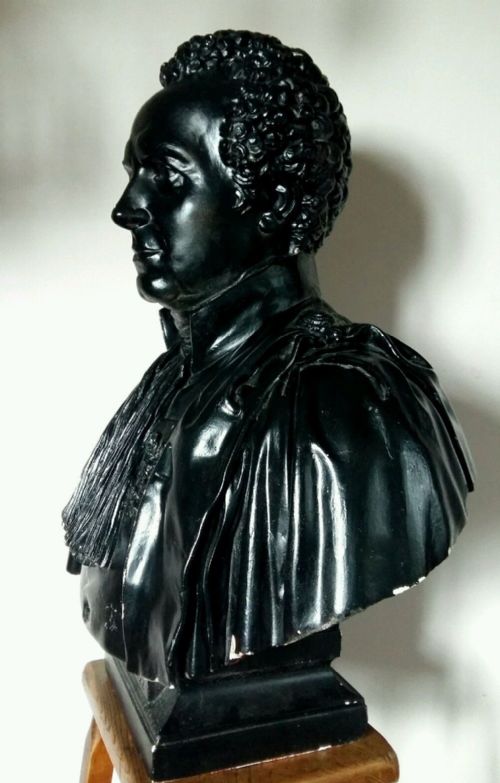
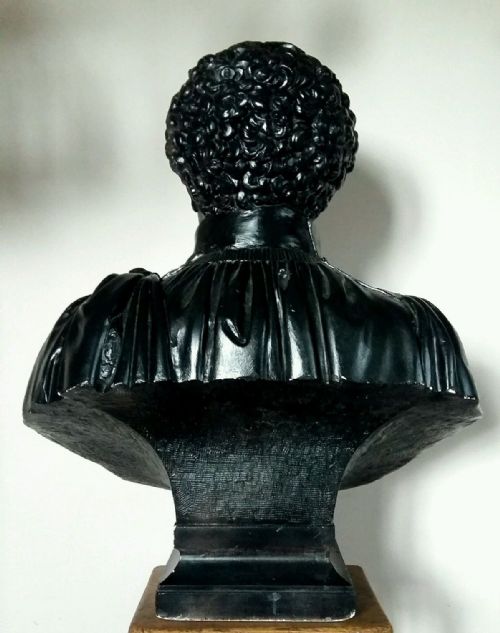
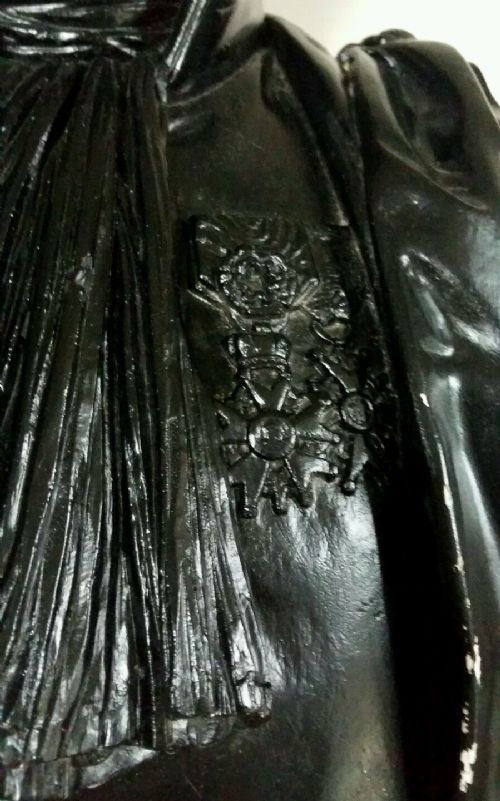
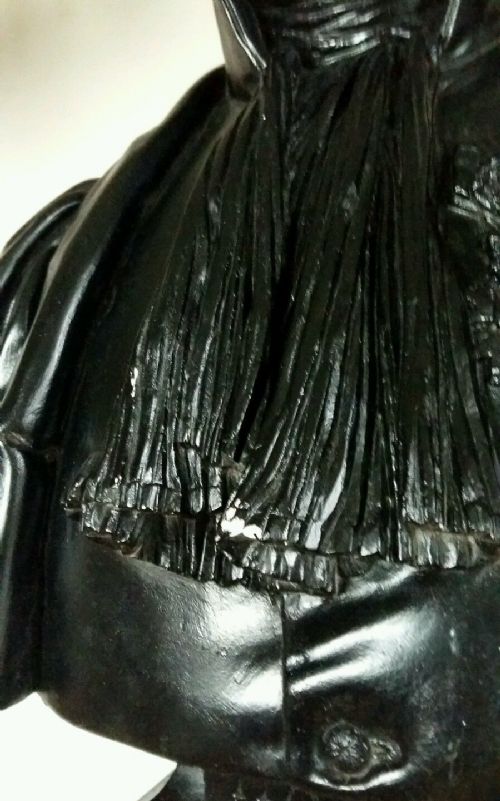
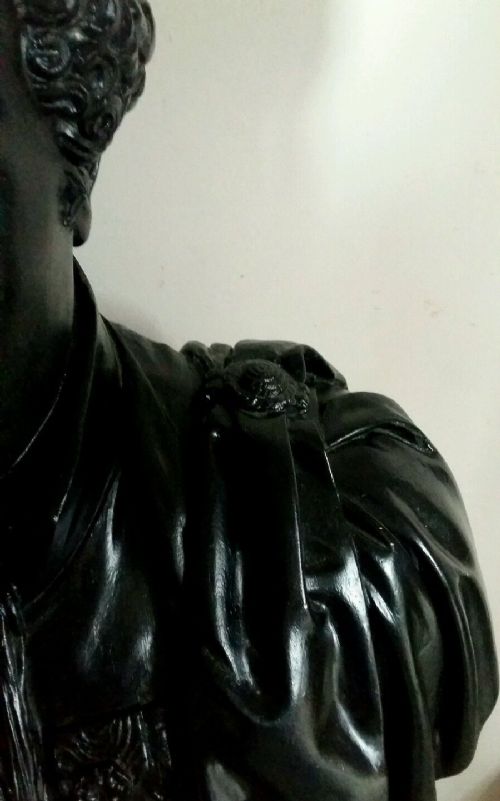
Larger than life size, with fine details and in excellent condition. Rare find.
The measurements are as follow (all approx):
Height = 30" / 76cm
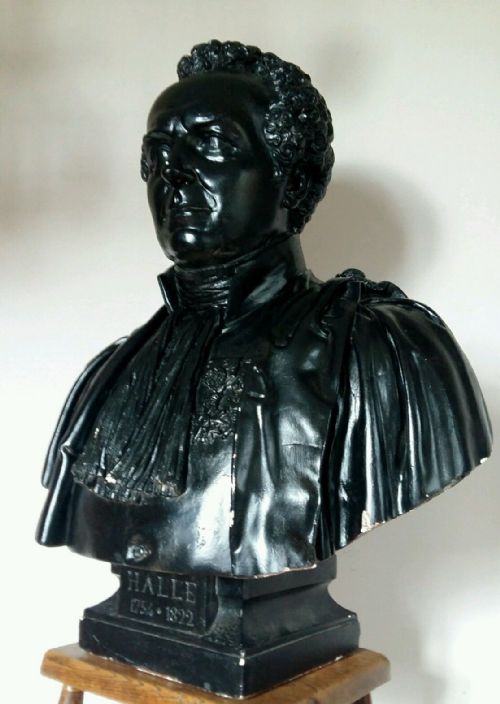
Width = 22"/56cm
Depth = 14" / 35cm
Base = 10" wide x 9.5" deep.
At that time few people in the UK could afford to travel to mainland Europe, so museums acquired reproductions of important monuments and works of art to complement their collections. Art schools collected plaster casts so students could study and draw from the best examples of classical and Renaissance sculpture. Individuals and collectors bought casts for their own personal interest or to decorate their homes.
The South Kensington Museum (as the V&A was originally known) was at the forefront of this enthusiasm for collecting plaster cast reproductions and electrotypes. It obtained them through a variety of means.
Many were gifts from other institutions, or came via the Convention for Promoting Universal Reproductions of Works of Art. This was the brainchild of Henry Cole, the Museum's first director, who saw the great educational benefits in amassing a comprehensive collection of casts. In 1867 Cole encouraged fifteen European princes, including Albert Edward, Prince of Wales and Prince Jérôme Bonaparte of France, younger brother of Napoleon, to sign up to an agreement that would establish a formal procedure for the exchange of casts between European museums.
Other casts were bought or commissioned from the many specialist manufacturers of the day, whose well-illustrated catalogues included what were felt to be key works in the history of art.
By the 1850s the copying of works of art had become a lucrative business all over Europe. Auguste Gerber was one of the manufacturers active in Germany, and a number of Anglo-Italian businesses were established in London, most notably those set up by Giovanni Franchi and Domenico Brucciani.
Casts were sometimes commissioned directly from the formatore (an Italian term used to describe the specialist Italian mould- and cast-makers). Domenico Brucciani was one such formatore who had special links with both the British Museum and the South Kensington Museum. Born in Lucca in 1815, he set up business in London, establishing a Gallery of Casts in Covent Garden by 1837.
Brucciani's business continued after his death in 1880, but failed when the demand for plaster casts declined in the early 20th century. The company was taken over by the Board of Education in 1922 and run by the V&A as a museum service, renamed the Department for the Sale of Casts. In 1951, however, financial losses forced its closure.
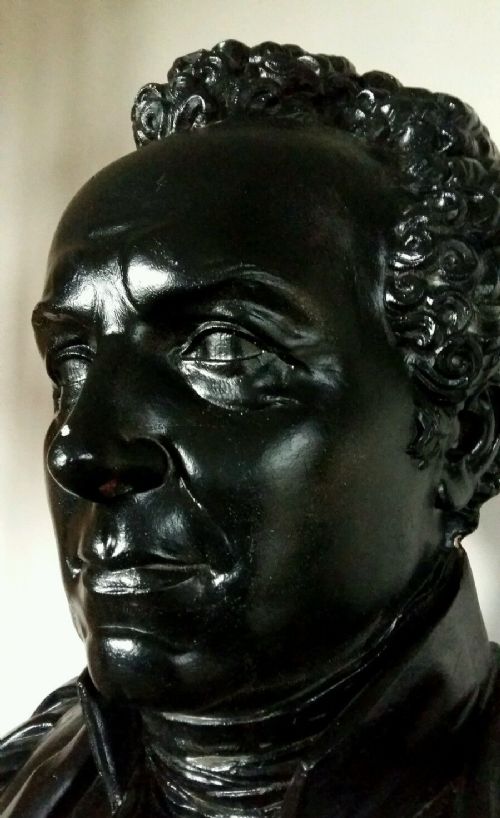
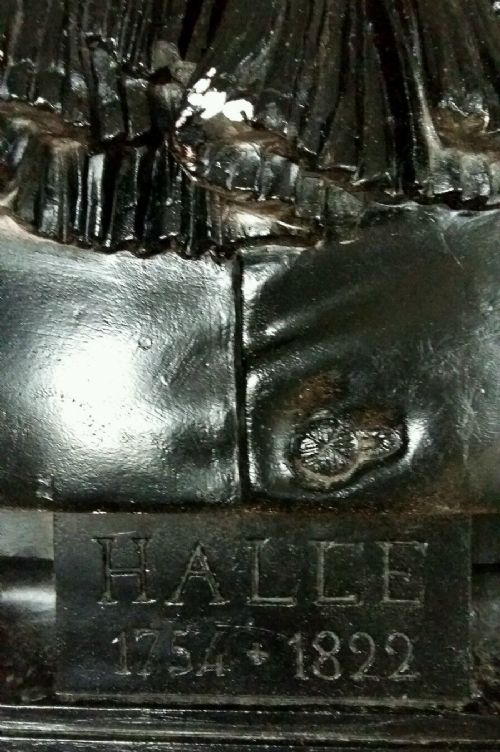
This particular plaster bust is believed to be acquired from the Department for the Sale of Casts at the Victoria &Albert museum by its previous owner.
The original marble bust of Jean Noël Hallé can be found on the first floor of the Université Paris Descartes in Paris, in the lobby at the base of the staircase leading to the Musée d'Histoire de la Médecine.
Jean Noël Hallé (2 January 1754 – 11 February 1822) was a French physician born in Paris. He was the son of painter Noël Hallé(1711–1781).
He was a professor of physical medicine and health at the École de Santé, and afterwards a professor at the Collège de France. He was a member of the French Académie Nationale de Médecine, and in 1795 was elected to theAcadémie des sciences, becoming its president in 1813. He was also "first-physician" to Napoleon Bonaparte.
Hallé was a pioneer of hygienic reform in France, and was a catalyst towards educating others as to its importance. He created distinctions between public and individual hygiene, and initiated studies and awareness involving the multiple issues that involve hygiene, such as contagious diseases, health in the workplace, and problems associ
Hodgson Antiques has dated this piece to the 1920s.
Www.hodgsonantiques.co.uk
You can view the stock and full dealer information on the Hodgson Antiques Profile Page
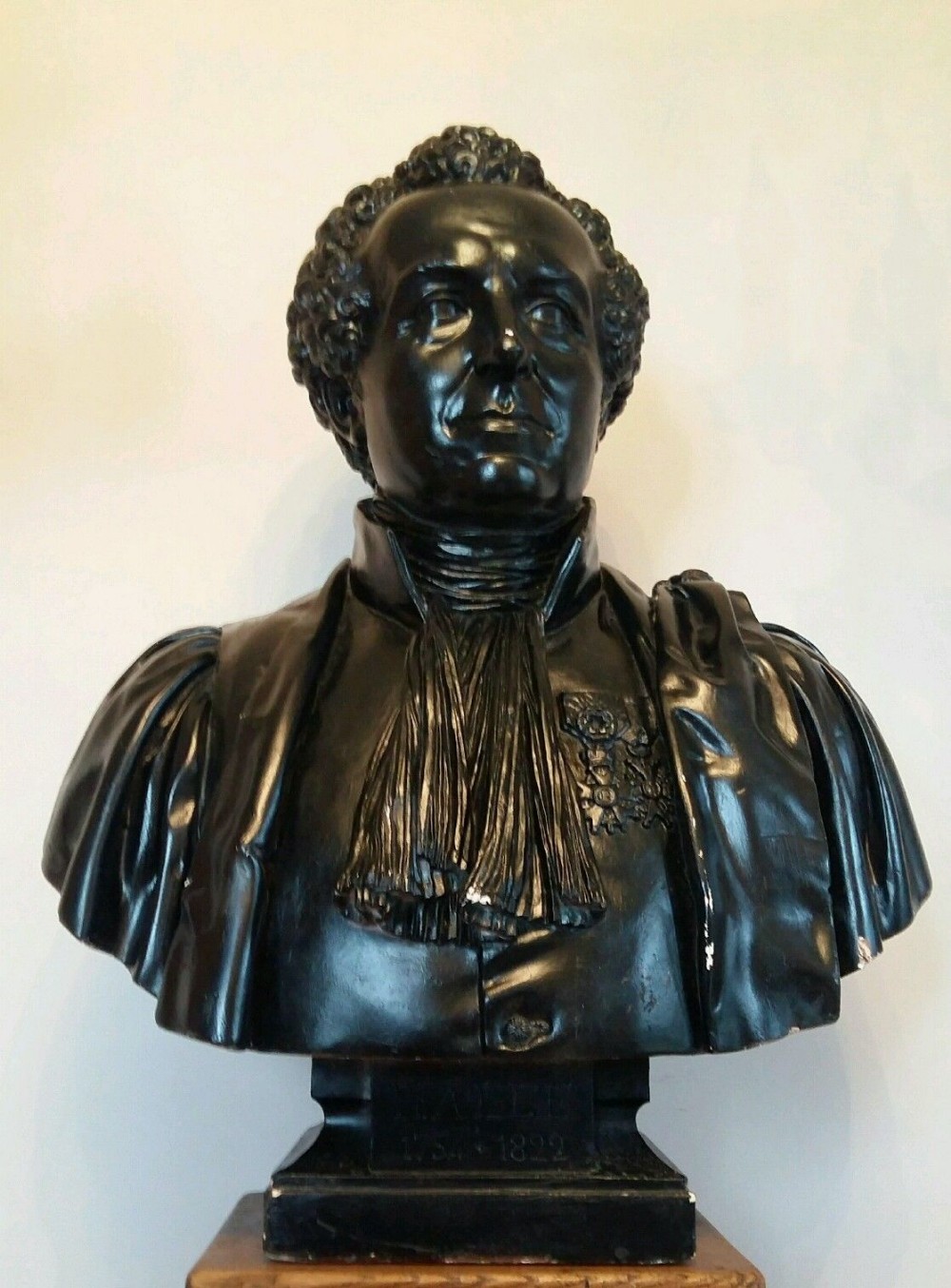
Bust of Jean Noël Halle from Victoria & Albert Museum