12,749  PAGES BROWSED TODAY PAGES TODAY 36  ANTIQUES UPLOADED TODAY NEW ARRIVALS
ID #SA388321
FOR SALE
£8,500
Email
Save
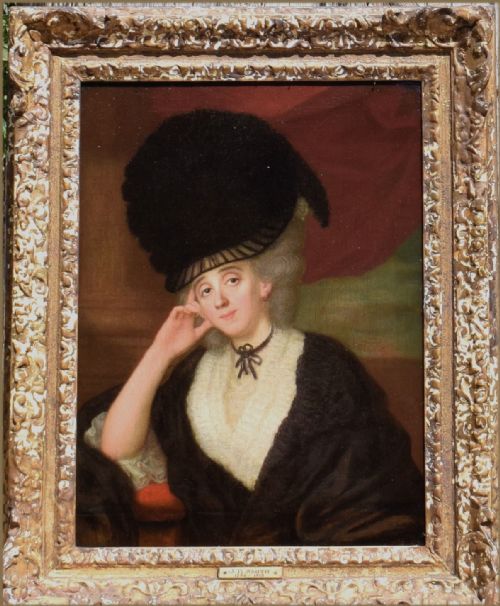
Portrait of Mrs. Elizabeth Draper , (Née Sclater )1744 - 1778 by John Raphael Smith, 1752 - 1812
Artware Fineart
for sale €9,945     $10,795
£8,500

Artware Fineart

Sellingantiques Verified Since Sep 2008
View Dealers Stock Page
Id #SA388321
PDF SHARE
SAVE

Portrait of Mrs. Elizabeth Draper , (Née Sclater )1744 - 1778 by John Raphael Smith, 1752 - 1812

Select
For Sale by Artware Fineart
Description

John Raphael Smith, 1752 - 1812

Portrait of Mrs. Elizabeth Draper , (née Sclater )1744 - 1778

oil on canvas

15 x 12 in. (38 x 30 cm.) overall (with frame): 19.75"h x 15.75"w

Eliza was born on 5 April 1744, at Angengo, Malabar, a British trading post in Travancore country on the Arabian Sea coast. She was daughter of May Sclater, secretary of Angengo Fort, and Judith Whitehill, daughter of the fort’s chief, Charles Whitehill. After a brief married life, Judith lost her husband in 1746. She herself died two years later, leaving her three daughters in the care of their grandparents. Angengo was a small coastal piece of land that came into the possession of the East India Company in 1694 through a grant from the Queen of Attingal. It was a curious place where females were not allowed to cover their breasts. A number of Eliza’s letters remain, all lively epistles addressed to her cousins, uncles, sisters and friends, written from various places such as Bombay, Tellicherry and Surat. They reveal a frank, witty, playful and observant person in the midst of a chaotic period in India, writing about her personal affairs, passions, matters of the heart, the life of the English in Indian forts, their relations with natives, their curious customs and practices.
Her letters, preserved in the private collection of Lord Basing, were collected into a book, Sterne’s Eliza, published in London in 1922. She was a great writer of letters as ‘Yorick’ – the pseudonym Sterne adopts in his passionate notes to Eliza – points out. In one he writes: “Who taught you the art of writing so sweetly, Eliza? You have exalted it to the level of science…their sense, natural ease, and spirit, is not to be equall’d, I believe, in this section of the globe; nor, by any of your country women in yours…” Theirs was a brief and passionate relationship that lasted just three months. Eliza happened to meet Sterne at the place of Commodore William James, an old India hand, at London’s Gerrard Street in early 1767, three months before her return to India. She had reached England with her husband and two children in 1764 in search of a better climate for her husband, who suffered various illnesses, and to make arrangements for her children’s education. The concerns of a young mother and wife were heavy and pressing: “I really my dear cousin, am so much altered with breeding, suckling and other dangerous illnesses, that I appear ten years older than I am…” she complains to Elizabeth Sclater on the eve of her departure for London. Her husband having returned to India in 1765, and her children sent to boarding schools, Eliza finally got some respite from her cares, and it was towards the end of this period she came to know Sterne. He made every effort to woo this fine young woman. When he realised she would soon leave England to join her husband who had sent strict instructions for her to return, he wrote: “But Eliza, if thou are so very ill, still put off all thoughts of returning to India this year – write to your husband – tell him the truth of your case – if he is the generous humane man you describe him to be, he cannot but applaud your conduct…” He goes on, critical of her husband: “I am credibly informed, that his repugnance to your living in England arises only from the dread which has enter’d his brain, that thou mayest run him in debt, beyond thy appointments, and that he must discharge them – That such a creature should be sacrificed, for the paultry consideration of a few hundreds, is too, too hard!” -
Despite Sterne’s entreaties and offers, Eliza left on the Earl of Chatham, which set sail from the Downs on 3 April 1767, on a voyage lasting nine months. Sterne, consumptive and dejected, returned to the writing of A Sentimental Journey, in which he makes reference to his passionate love for Eliza, published early the following year. He was soon to

Declaration

Artware Fineart has dated this Georgian Portrait Oil Painting to the Select period.

Reference Numbers
Sellingantiques Reference
SA388321
Dealers Internal Reference
3844
Description
John Raphael Smith, 1752 - 1812

Portrait of Mrs. Elizabeth Draper , (née Sclater )1744 - 1778

oil on canvas

15 x 12 in. (38 x 30 cm.) overall (with frame): 19.75"h x 15.75"w

Eliza was born on 5 April 1744, at Angengo, Malabar, a British trading post in Travancore country on the Arabian Sea coast.
Artware Fineart

She was daughter of May Sclater, secretary of Angengo Fort, and Judith Whitehill, daughter of the fort’s chief, Charles Whitehill. After a brief married life, Judith lost her husband in 1746. She herself died two years later, leaving her three daughters in the care of their grandparents. Angengo was a small coastal piece of land that came into the possession of the East India Company in 1694 through a grant from the Queen of Attingal. It was a curious place where females were not allowed to cover their breasts. A number of Eliza’s letters remain, all lively epistles addressed to her cousins, uncles, sisters and friends, written from various places such as Bombay, Tellicherry and Surat. They reveal a frank, witty, playful and observant person in the midst of a chaotic period in India, writing about her personal affairs, passions, matters of the heart, the life of the English in Indian forts, their relations with natives, their curious customs and practices.

fig 1. An eighteenth-century Georgian portrait painting of a woman wearing a large black bonnet and cream lace neckerchief, resting her face on her hand against a dark background.
fig 1. Portrait of Mrs. Elizabeth Draper , (Née Sclater )1744 - 1778 by John Raphael Smith, 1752 - 1812

Her letters, preserved in the private collection of Lord Basing, were collected into a book, Sterne’s Eliza, published in London in 1922. She was a great writer of letters as ‘Yorick’ – the pseudonym Sterne adopts in his passionate notes to Eliza – points out. In one he writes: “Who taught you the art of writing so sweetly, Eliza? You have exalted it to the level of science…their sense, natural ease, and spirit, is not to be equall’d, I believe, in this section of the globe; nor, by any of your country women in yours…” Theirs was a brief and passionate relationship that lasted just three months. Eliza happened to meet Sterne at the place of Commodore William James, an old India hand, at London’s Gerrard Street in early 1767, three months before her return to India. She had reached England with her husband and two children in 1764 in search of a better climate for her husband, who suffered various illnesses, and to make arrangements for her children’s education. The concerns of a young mother and wife were heavy and pressing: “I really my dear cousin, am so much altered with breeding, suckling and other dangerous illnesses, that I appear ten years older than I am…” she complains to Elizabeth Sclater on the eve of her departure for London. Her husband having returned to India in 1765, and her children sent to boarding schools, Eliza finally got some respite from her cares, and it was towards the end of this period she came to know Sterne. He made every effort to woo this fine young woman. When he realised she would soon leave England to join her husband who had sent strict instructions for her to return, he wrote: “But Eliza, if thou are so very ill, still put off all thoughts of returning to India this year – write to your husband – tell him the truth of your case – if he is the generous humane man you describe him to be, he cannot but applaud your conduct…” He goes on, critical of her husband: “I am credibly informed, that his repugnance to your living in England arises only from the dread which has enter’d his brain, that thou mayest run him in debt, beyond thy appointments, and that he must discharge them – That such a creature should be sacrificed, for the paultry consideration of a few hundreds, is too, too hard!” -

fig 2. An eighteenth-century Georgian portrait painting of a woman wearing a large black bonnet and cream lace neckerchief, resting her face on her hand against a dark background.
fig 2. Portrait of Mrs. Elizabeth Draper , (Née Sclater )1744 - 1778 by John Raphael Smith, 1752 - 1812

Despite Sterne’s entreaties and offers, Eliza left on the Earl of Chatham, which set sail from the Downs on 3 April 1767, on a voyage lasting nine months. Sterne, consumptive and dejected, returned to the writing of A Sentimental Journey, in which he makes reference to his passionate love for Eliza, published early the following year. He was soon to

Date of Manufacture

Artware Fineart has dated this Georgian Portrait Oil Painting to the Select period.

Reference Numbers
Sellingantiques Ref
SA388321
Dealers Internal Ref
3844
Artware Fineart
Sellingantiques verified Since Sep 2008
Dealer Profile

You can view the stock and full dealer information on the Artware Fineart Profile Page

PDF SHARE
SAVE
An eighteenth-century Georgian portrait painting of a woman wearing a large black bonnet and cream lace neckerchief, resting her face on her hand against a dark background.
1 / 4
Archive I An eighteenth-century Georgian portrait painting of a woman wearing a large black bonnet and cream lace neckerchief, resting her face on her hand against a dark background.

Portrait of Mrs. Elizabeth Draper , (Née Sclater )1744 - 1778 by John Raphael Smith, 1752 - 1812

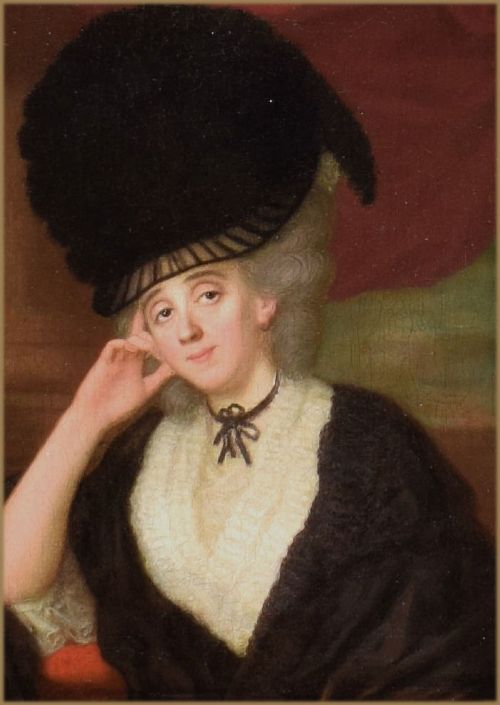
Archive II An eighteenth-century Georgian portrait painting of a woman wearing a large black bonnet and cream lace neckerchief, resting her face on her hand against a dark background. View II
Archive III An eighteenth-century Georgian portrait painting of a woman wearing a large black bonnet and cream lace neckerchief, resting her face on her hand against a dark background. View III
Archive IV An eighteenth-century Georgian portrait painting of a woman wearing a large black bonnet and cream lace neckerchief, resting her face on her hand against a dark background. View IV
Enlarged Archival View
Telephone 07958 699 645
Location
18 La Gare
51 Surrey Row
London
SE1 0BZ
United Kingdom
Verified Since Sep 2008
Items For Sale 243
Items Sold 223
Artware Fineart
Verified Since Sep 2008
View Dealer Info
Location: 18 La Gare , 51 Surrey Row , London , SE1 0BZ , United Kingdom
Verified
Sep 2008
For Sale
243
Sold
223
An eighteenth-century Georgian portrait painting of a woman wearing a large black bonnet and cream lace neckerchief, resting her face on her hand against a dark background.
Portrait of Mrs. Elizabeth Draper , (née Sclater )1744 - 1778 by John Raphael Smith, 1752 - 1812
Ref: SA388321
An eighteenth-century Georgian portrait painting of a woman wearing a large black bonnet and cream lace neckerchief, resting her face on her hand against a dark background.
Detail View 1
Detail View 2
Detail View 3
Archival Detail
Every single antique dealer on our platform is individually approved by our internal team. We verify their professional trade history, ethical standards, and photographic quality to ensure a secure, high-standard buying environment. Upon joining, every dealer agrees to a strict 9-point code of conduct. While issues can occasionally arise, our dealers typically resolve them swiftly and directly with the buyer. In fact, since our founding in 2002, Sellingantiques has only had to step in to help resolve an issue on roughly five occasions—a true testament to the quality of our dealers and their dedication to your happiness.
Our dealers are highly experienced in packing and shipping fragile, high-value antiques. Because you are in direct contact with the dealer, you will be able to easily go through all available shipping and insurance options together to ensure your item arrives safely.
Antiques are the ultimate green purchase. By choosing historical pieces over newly manufactured goods, you completely eliminate the carbon footprint of modern mass production while preserving exceptional, timeless craftsmanship.

Georgian portraiture from the eighteenth century emphasised naturalism, atmospheric lighting, and elaborate period attire designed to convey social standing and personal character.

Portraits during this period were primarily rendered using oil paint on stretched linen canvas or pastel mediums on paper, frequently housed within hand-carved gilded timber frames.

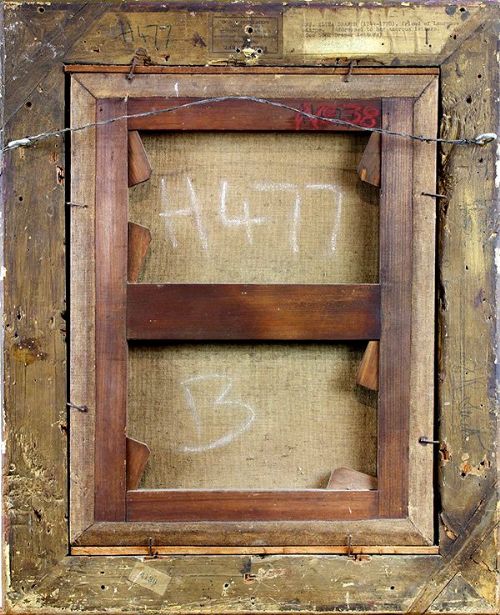
Authentic period paintings display uniform craquelure across the paint layer, hand-forged stretcher construction, original canvas lining techniques, and gentle surface oxidisation consistent with age.

Displaying a historic portrait above a contemporary console table or resting it against a bookshelf creates a subtle focal point that connects traditional craftsmanship with modern design.

Keep historical artwork away from direct sunlight, high humidity, and fluctuating heat sources, dusting the surface lightly with a dry soft-bristled brush or consulting a professional art conservator.
items
Add keywords to the filter
Price
£100
£250000
Era
Movements
Material
Origin
Stock Location
Freshness
Online Payments
Categories