59,970  PAGES BROWSED TODAY PAGES TODAY 206  ANTIQUES UPLOADED TODAY NEW ARRIVALS
Sort Order
Items Per Page
ID #SA312480
SOLD
Email
Save
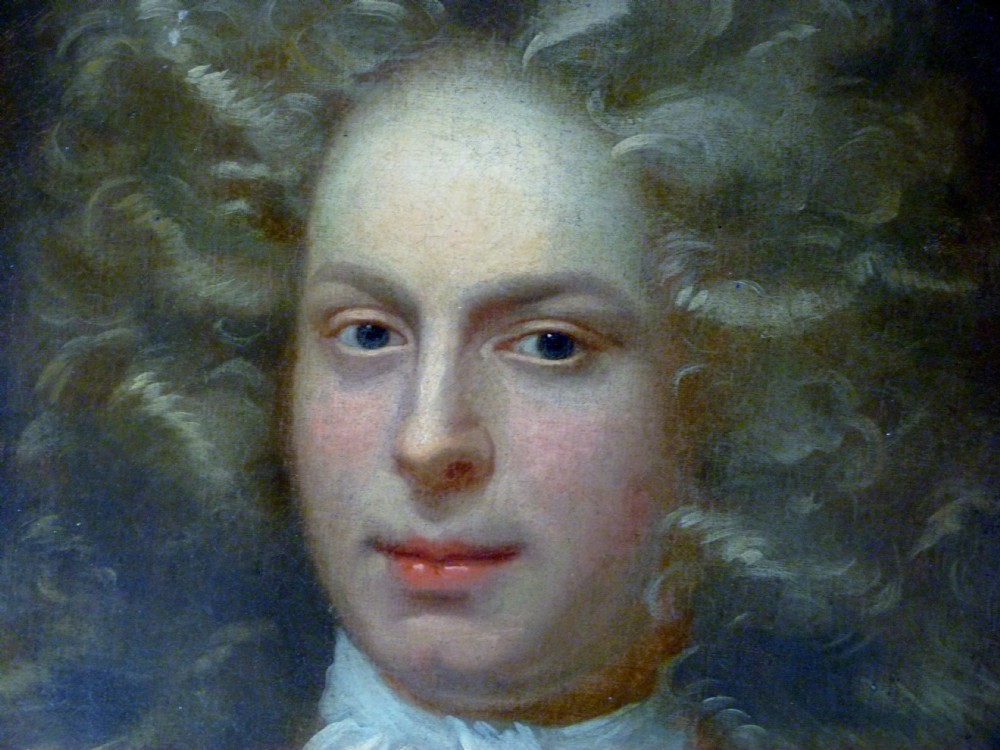
Portrait Traditionally Called James Radclyffe (Radcliffe), 3rd Earl of Derwentwater; Studio or Circle of John Closterman.
Roy Precious - Antiques & Fine Art
sold SA312480
Sorry, but this item has been sold.
Roy Precious - Antiques & Fine Art

Roy Precious - Antiques & Fine Art

Sellingantiques Verified Since Mar 2003
View Dealers Stock Page
  • About Us
    Roy and nadine precious: specialists in portraiture from the 16th to the 20th century. Established in 1972.
Id #SA312480
PDF SHARE
SAVE

Portrait Traditionally Called James Radclyffe (Radcliffe), 3rd Earl of Derwentwater; Studio or Circle of John Closterman.

18th century
Description

Oval oil on canvas mounted in later giltwood frame.

JAMES RADCLYFFE (Radcliffe), 3rd Earl of Derwentwater (26 June 1689 – 24 February 1716) was an English Jacobite, executed for treason. His death is remembered in an English traditional ballad, "Lord Allenwater".
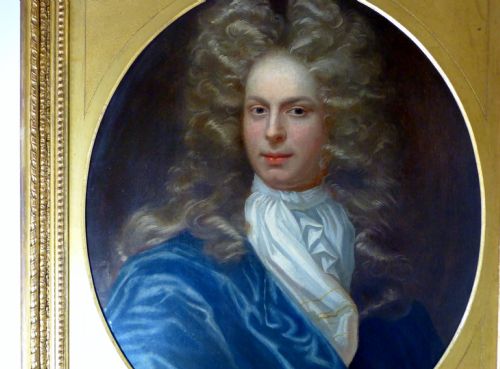
He was the son of Edward Radclyffe, 2nd Earl of Derwentwater and Lady Mary Tudor, the natural daughter of Charles II by Moll Davis. He was brought up at the exiled Court of St Germain as a companion to the young prince, James Francis Edward Stuart (the 'Old Pretender' after his father James II died), and remained there at the wish of Queen Mary of Modena, until his father's death in 1705. He succeeded to the family titles and estates in Northumberland on the death of his father in 1705.
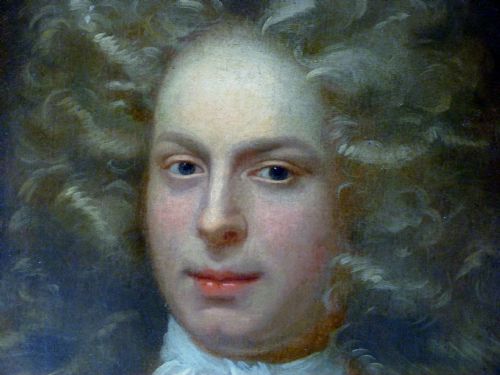
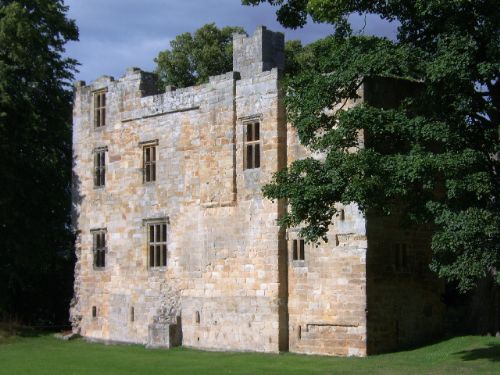
He spent the next two years at Dilston Hall, Northumberland, (see image 5), the mansion built by his grandfather on the site of the ancestral home from 1521; he began the construction of a grand mansion to replace the old Hall, a task that was never completed.
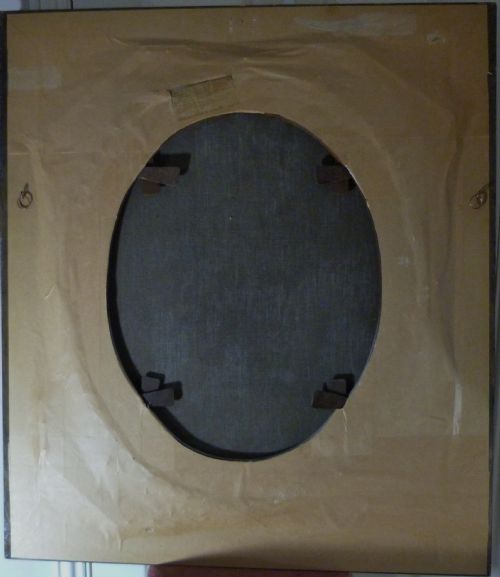
He joined the conspiracy of 1715; he was suspected by the government, and on the eve of the insurrection the secretary of state, Stanhope, signed a warrant for his arrest. A messenger was sent to Durham to secure him, but Radclyffe went into hiding. He heard that Thomas Forster had raised the standard of the Pretender, and Radclyffe joined him at Greenrigg, on 6 October 1715, at the head of a company of gentlemen and armed servants from Dilston Hall.
The Jacobite army was defeated at the Battle of Preston. Radclyffe was escorted with the other prisoners to London by General Henry Lumley, and lodged in the Devereux tower of the Tower of London. At his trial Derwentwater pleaded guilty, urging in extenuation his inexperience, and his advice to those who were about him to throw themselves upon the royal clemency. He was attainted, and condemned to death.
Efforts were made to procure his pardon. Petitions were brought before both Houses of Parliament, and an address was carried from the Upper House to the throne on 22 February, praying that his Majesty George I of the United Kingdom would reprieve him. The Countess, accompanied by her sister, their maternal aunt, the Duchess of Richmond, the Duchess of Cleveland, and other ladies, was introduced by the Duke of Richmond into the king's bedchamber, where the countess, in French, asked for His Majesty's mercy...to no avail.
Derwentwater was beheaded on Tower Hill on 24 February 1716. On the scaffold he expressed regret at having pleaded guilty, and declared his devotion to his Roman Catholic religion and to 'King' James III.

He had married Anna Maria Webb in 1712. She was the eldest daughter of Sir John Webb, 3rd baronet, of Odstock, Wiltshire, by Barbara, daughter and coheiress of John Belasyse, 1st Baron Belasyse.

Their only son John (1713–1731) succeeded. They also had a daughter, Lady Mary Radclyffe (1714–31 January 1760), who married Robert James Petre, 8th Baron Petre.

Lady Derwentwater and her children fled to Brussels in 1721, and she died there of smallpox in 1723.

JOHN CLOSTERMAN (1660-1711) was born in Osnabruck, the son of an artist. His early training was from his father, but in 1679 he moved to Paris where for two years he studied under the portraitist Francois de Troy.

In 1681 Closterman came to England. By 1683 he had developed a flourishing practice; he was adept at baroque poses still with a slightly French influence, with rather flashily painted drapery

SIZE: 36.5 inches x 32 inches inc. frame.

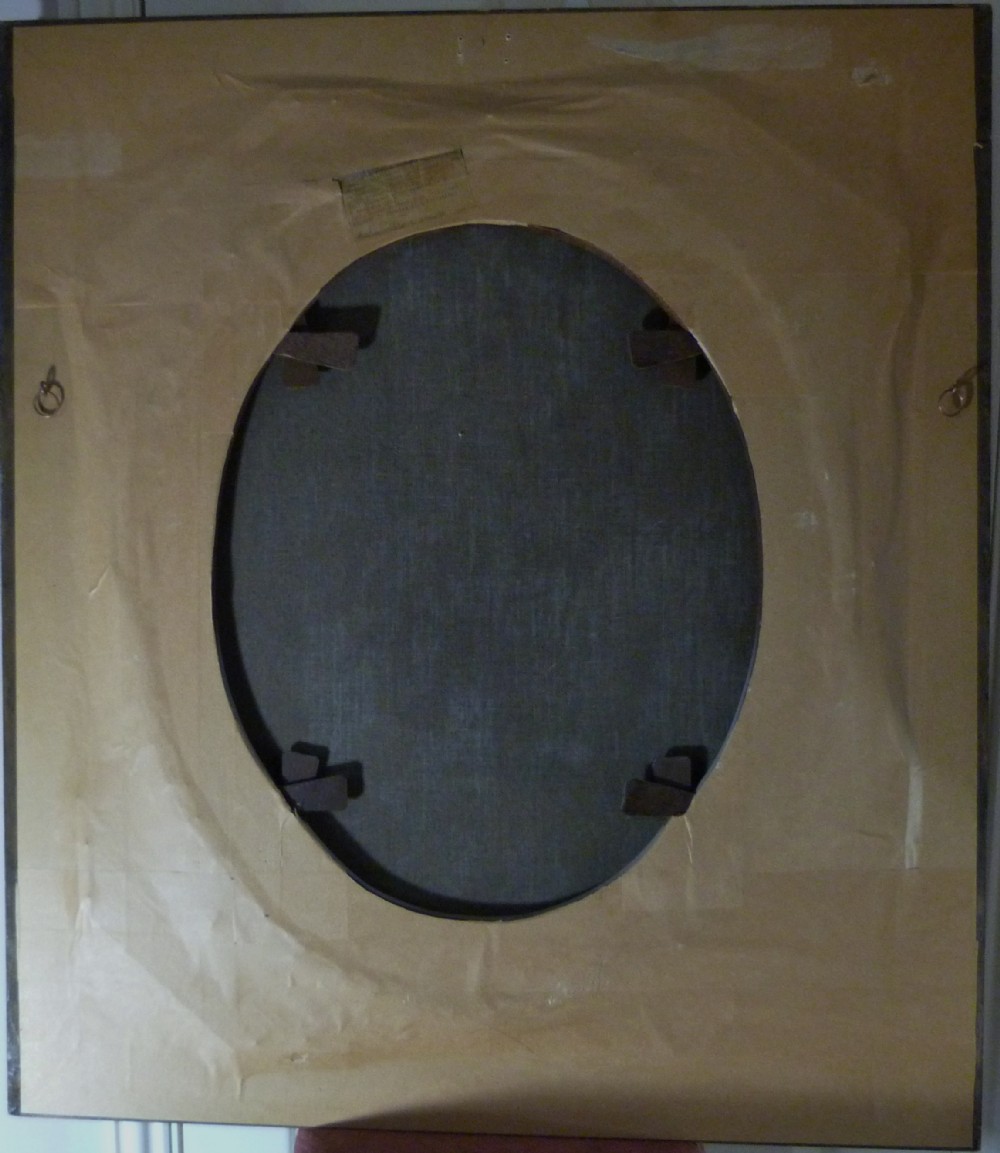
PROVENANCE: Yorkshire Private Collection for c.60 years. VERSO: old label naming the sitter as the Earl, and giving some details of his life, signed 'Austin Pickering, May 1948'.

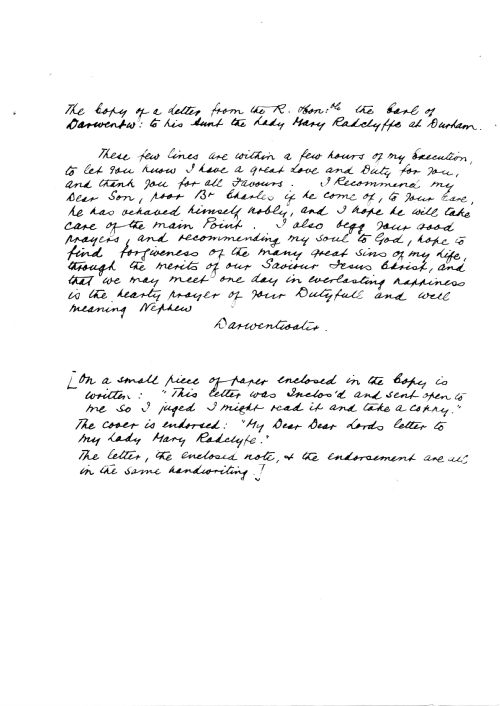
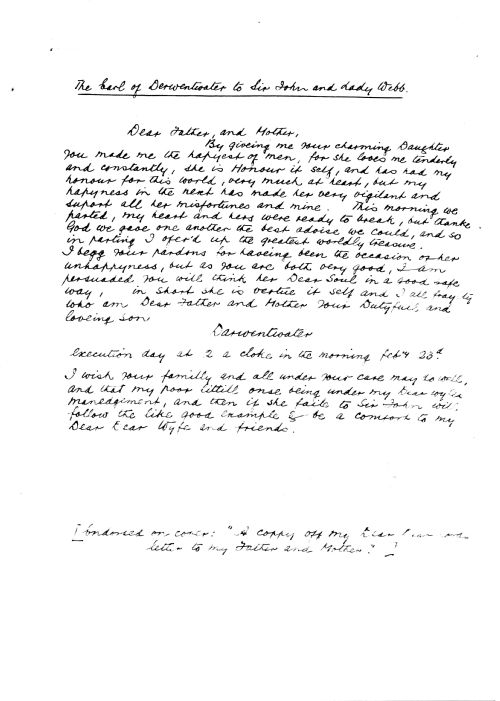
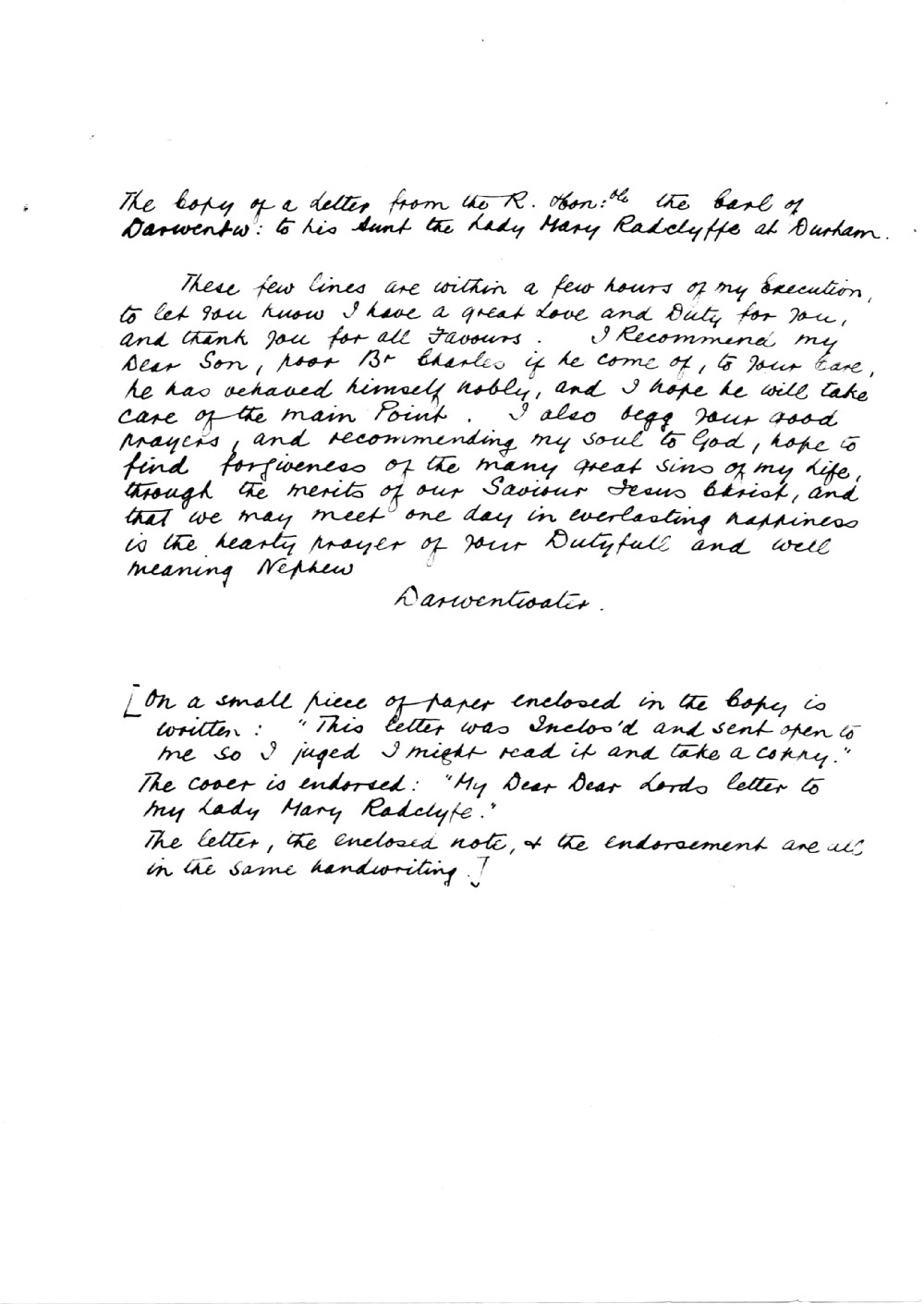
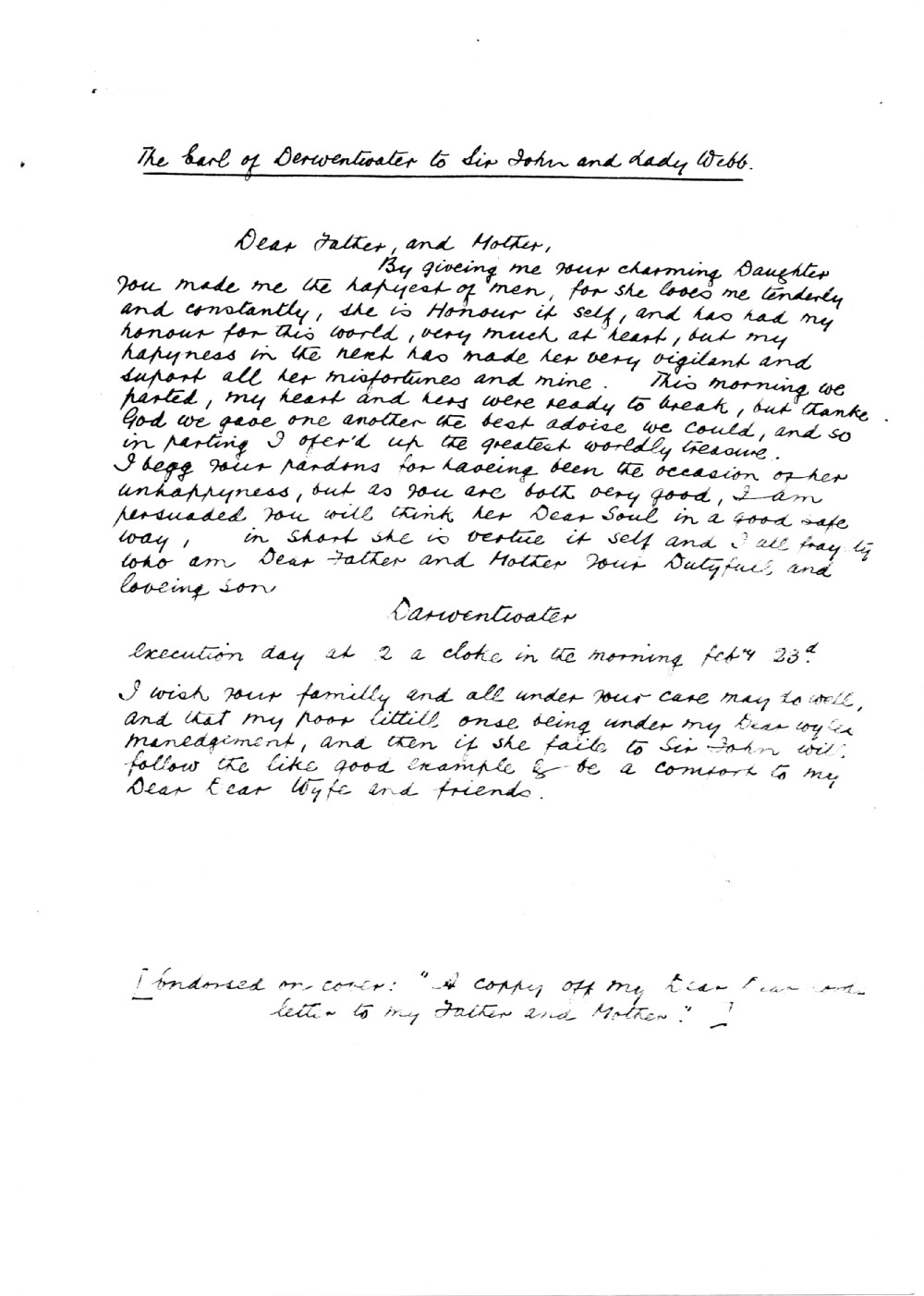
Images 6 and 7 are handwritten copies of letters written by Derwentwater just before his execution. Our thanks to Nick Radclyffe of Foxdenton Estate for them.

Declaration

Roy Precious - Antiques & Fine Art has dated this piece to the 1700s.

Reference Numbers
Sellingantiques Reference
SA312480
Dealers Internal Reference
8860
Description
Oval oil on canvas mounted in later giltwood frame.
JAMES RADCLYFFE (Radcliffe), 3rd Earl of Derwentwater (26 June 1689 – 24 February 1716) was an English Jacobite, executed for treason.
Roy Precious - Antiques & Fine Art

His death is remembered in an English traditional ballad, "Lord Allenwater".

fig 1. Portrait traditionally called James Radclyffe (Radcliffe), 3rd Earl of Derwentwater; Studio or Circle of John Closterman.
fig 1. Portrait Traditionally Called James Radclyffe (Radcliffe), 3rd Earl of Derwentwater; Studio or Circle of John Closterman.

He was the son of Edward Radclyffe, 2nd Earl of Derwentwater and Lady Mary Tudor, the natural daughter of Charles II by Moll Davis. He was brought up at the exiled Court of St Germain as a companion to the young prince, James Francis Edward Stuart (the 'Old Pretender' after his father James II died), and remained there at the wish of Queen Mary of Modena, until his father's death in 1705. He succeeded to the family titles and estates in Northumberland on the death of his father in 1705.

fig 2. Portrait traditionally called James Radclyffe (Radcliffe), 3rd Earl of Derwentwater; Studio or Circle of John Closterman.
fig 2. Portrait Traditionally Called James Radclyffe (Radcliffe), 3rd Earl of Derwentwater; Studio or Circle of John Closterman.

He spent the next two years at Dilston Hall, Northumberland, (see image 5), the mansion built by his grandfather on the site of the ancestral home from 1521; he began the construction of a grand mansion to replace the old Hall, a task that was never completed.

fig 3. Portrait traditionally called James Radclyffe (Radcliffe), 3rd Earl of Derwentwater; Studio or Circle of John Closterman.
fig 3. Portrait Traditionally Called James Radclyffe (Radcliffe), 3rd Earl of Derwentwater; Studio or Circle of John Closterman.

He joined the conspiracy of 1715; he was suspected by the government, and on the eve of the insurrection the secretary of state, Stanhope, signed a warrant for his arrest. A messenger was sent to Durham to secure him, but Radclyffe went into hiding. He heard that Thomas Forster had raised the standard of the Pretender, and Radclyffe joined him at Greenrigg, on 6 October 1715, at the head of a company of gentlemen and armed servants from Dilston Hall.

fig 4. Portrait traditionally called James Radclyffe (Radcliffe), 3rd Earl of Derwentwater; Studio or Circle of John Closterman.
fig 4. Portrait Traditionally Called James Radclyffe (Radcliffe), 3rd Earl of Derwentwater; Studio or Circle of John Closterman.

The Jacobite army was defeated at the Battle of Preston. Radclyffe was escorted with the other prisoners to London by General Henry Lumley, and lodged in the Devereux tower of the Tower of London. At his trial Derwentwater pleaded guilty, urging in extenuation his inexperience, and his advice to those who were about him to throw themselves upon the royal clemency. He was attainted, and condemned to death.

fig 5. Portrait traditionally called James Radclyffe (Radcliffe), 3rd Earl of Derwentwater; Studio or Circle of John Closterman.
fig 5. Portrait Traditionally Called James Radclyffe (Radcliffe), 3rd Earl of Derwentwater; Studio or Circle of John Closterman.

Efforts were made to procure his pardon. Petitions were brought before both Houses of Parliament, and an address was carried from the Upper House to the throne on 22 February, praying that his Majesty George I of the United Kingdom would reprieve him. The Countess, accompanied by her sister, their maternal aunt, the Duchess of Richmond, the Duchess of Cleveland, and other ladies, was introduced by the Duke of Richmond into the king's bedchamber, where the countess, in French, asked for His Majesty's mercy...to no avail.

fig 6. Portrait traditionally called James Radclyffe (Radcliffe), 3rd Earl of Derwentwater; Studio or Circle of John Closterman.
fig 6. Portrait Traditionally Called James Radclyffe (Radcliffe), 3rd Earl of Derwentwater; Studio or Circle of John Closterman.

Derwentwater was beheaded on Tower Hill on 24 February 1716. On the scaffold he expressed regret at having pleaded guilty, and declared his devotion to his Roman Catholic religion and to 'King' James III.

He had married Anna Maria Webb in 1712. She was the eldest daughter of Sir John Webb, 3rd baronet, of Odstock, Wiltshire, by Barbara, daughter and coheiress of John Belasyse, 1st Baron Belasyse.

Their only son John (1713–1731) succeeded. They also had a daughter, Lady Mary Radclyffe (1714–31 January 1760), who married Robert James Petre, 8th Baron Petre.

Lady Derwentwater and her children fled to Brussels in 1721, and she died there of smallpox in 1723.

JOHN CLOSTERMAN (1660-1711) was born in Osnabruck, the son of an artist. His early training was from his father, but in 1679 he moved to Paris where for two years he studied under the portraitist Francois de Troy.

In 1681 Closterman came to England. By 1683 he had developed a flourishing practice; he was adept at baroque poses still with a slightly French influence, with rather flashily painted drapery

SIZE: 36.5 inches x 32 inches inc. frame.

PROVENANCE: Yorkshire Private Collection for c.60 years. VERSO: old label naming the sitter as the Earl, and giving some details of his life, signed 'Austin Pickering, May 1948'.

Images 6 and 7 are handwritten copies of letters written by Derwentwater just before his execution. Our thanks to Nick Radclyffe of Foxdenton Estate for them.

Date of Manufacture

Roy Precious - Antiques & Fine Art has dated this piece to the 1700s.

Reference Numbers
Sellingantiques Ref
SA312480
Dealers Internal Ref
8860
Roy Precious - Antiques & Fine Art
Sellingantiques verified Since Mar 2003

Roy and nadine precious: specialists in portraiture from the 16th to the 20th century. Established in 1972.

Dealer Profile

You can view the stock and full dealer information on the Roy Precious - Antiques & Fine Art Profile Page

PDF SHARE
SAVE
Portrait traditionally called James Radclyffe (Radcliffe), 3rd Earl of Derwentwater; Studio or Circle of John Closterman.
1 / 7
Archive I Portrait traditionally called James Radclyffe (Radcliffe), 3rd Earl of Derwentwater; Studio or Circle of John Closterman.

Portrait Traditionally Called James Radclyffe (Radcliffe), 3rd Earl of Derwentwater; Studio or Circle of John Closterman.

Archive II Portrait traditionally called James Radclyffe (Radcliffe), 3rd Earl of Derwentwater; Studio or Circle of John Closterman. View II
Archive III Portrait traditionally called James Radclyffe (Radcliffe), 3rd Earl of Derwentwater; Studio or Circle of John Closterman. View III
Archive IV Portrait traditionally called James Radclyffe (Radcliffe), 3rd Earl of Derwentwater; Studio or Circle of John Closterman. View IV
Archive V Portrait traditionally called James Radclyffe (Radcliffe), 3rd Earl of Derwentwater; Studio or Circle of John Closterman. View V
Archive VI Portrait traditionally called James Radclyffe (Radcliffe), 3rd Earl of Derwentwater; Studio or Circle of John Closterman. View VI
Archive VII Portrait traditionally called James Radclyffe (Radcliffe), 3rd Earl of Derwentwater; Studio or Circle of John Closterman. View VII
Enlarged Archival View
Location
Wiltshire
United Kingdom
Dealer Profile Page sellingantiques.co.uk/rp
Verified Since Mar 2003
Items For Sale 95
Items Sold 679
Roy Precious - Antiques & Fine Art
Verified Since Mar 2003
View Dealer Info
Location: Wiltshire, United Kingdom
Verified
Mar 2003
For Sale
95
Sold
679
Portrait traditionally called James Radclyffe (Radcliffe), 3rd Earl of Derwentwater; Studio or Circle of John Closterman.
Ref: SA312480
Portrait traditionally called James Radclyffe (Radcliffe), 3rd Earl of Derwentwater; Studio or Circle of John Closterman.
Detail View 1
Detail View 2
Detail View 3
Detail View 4
Detail View 5
Detail View 6
Archival Detail
Every single antique dealer on our platform is individually approved by our internal team. We verify their professional trade history, ethical standards, and photographic quality to ensure a secure, high-standard buying environment. Upon joining, every dealer agrees to a strict 9-point code of conduct. While issues can occasionally arise, our dealers typically resolve them swiftly and directly with the buyer. In fact, since our founding in 2002, Sellingantiques has only had to step in to help resolve an issue on roughly five occasions—a true testament to the quality of our dealers and their dedication to your happiness.
Our dealers are highly experienced in packing and shipping fragile, high-value antiques. Because you are in direct contact with the dealer, you will be able to easily go through all available shipping and insurance options together to ensure your item arrives safely.
Antiques are the ultimate green purchase. By choosing historical pieces over newly manufactured goods, you completely eliminate the carbon footprint of modern mass production while preserving exceptional, timeless craftsmanship.
items
Add keywords to the filter
Price
£100
£250000
Era
Movements
Material
Origin
Stock Location
Freshness
Online Payments
Categories