20,068  PAGES BROWSED TODAY PAGES TODAY 36  ANTIQUES UPLOADED TODAY NEW ARRIVALS
ID #SA296497
SOLD
Email
Save
Gothic Revival Child's Chair in Style of Pugin. C1850.
Malcolm Eglin Antiques
sold SA296497
Sorry, but this item has been sold.
Malcolm Eglin Antiques

Malcolm Eglin Antiques

Sellingantiques Verified Since Mar 2009
View Dealers Stock Page
  • About Us
    Personal delivery service provided by this specialist dealer in fine and unusual decorative home furnishings
Id #SA296497
PDF SHARE
SAVE

Gothic Revival Child's Chair in Style of Pugin. C1850.

19th century
Description

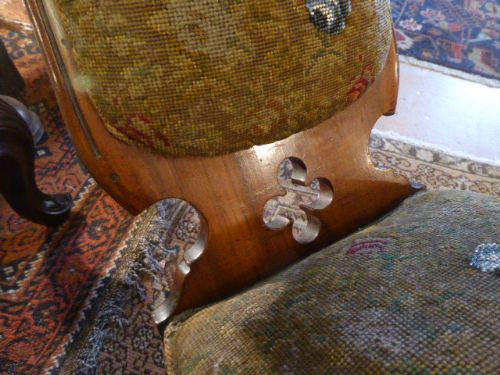
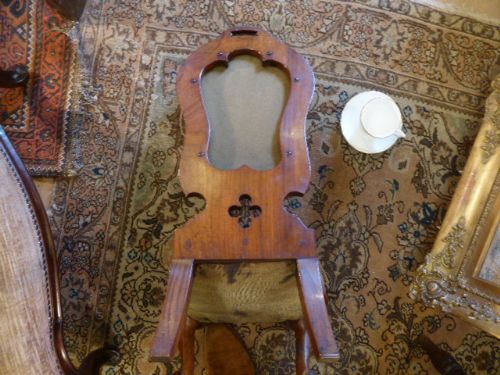
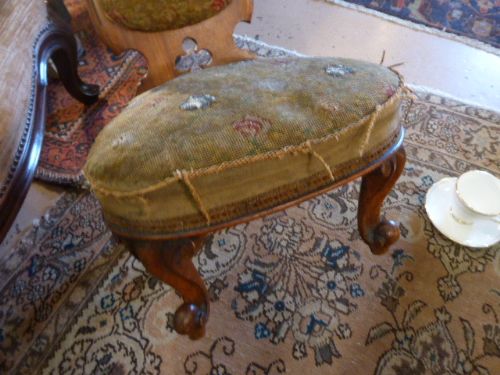
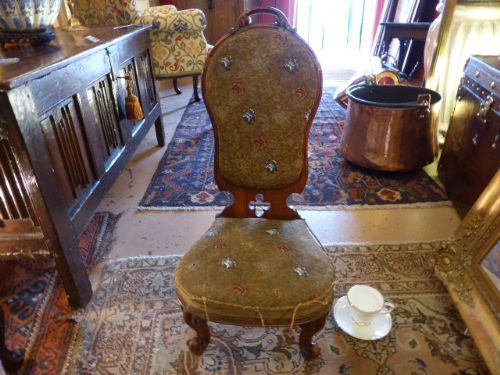
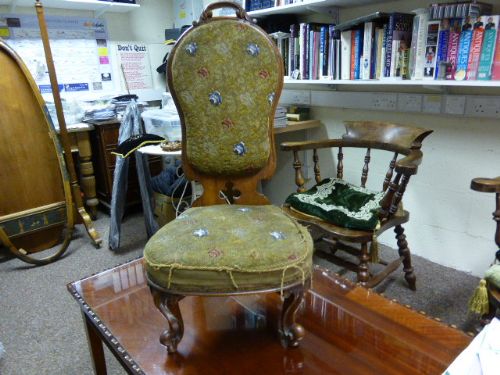
A really well proportioned small, Gothic Revival small rosewood chair or child's chair in the style of the early Arts and Craft movement. It is beautifully made with typical cut out patterns.

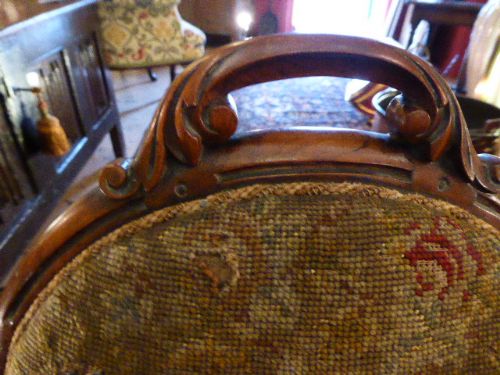
It has the original needlepoint upholstery, which as expected is slightly distressed but still in reasonable condition for the age. This a delightful example of a quality handmade piece from this period.
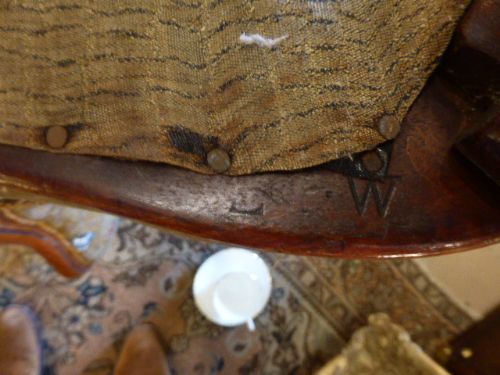
It is stamped with letters on underside of chair with what appear to be "L W"

Maximum height 27.5 inches maximum width of seat 13 inches

Augustus Pugin was the leading figure in the revival of the Gothic style which became increasingly important throughout the nineteenth century, gradually replacing Classical styles in popularity. The Arts and Crafts movement has its roots in the Gothic revival and this page gives a brief guide to Gothic style and its influence.Pugin applied his vision to the whole field of design. As well as his work in the design of buildings he designed furniture, and from his architectural practice he also designed and produced stained glass, metalwork, textiles and jewellery. The Gothic revival architects who followed Pugin, notably William Burges and George Edward Street carried on the new approach to furniture design, taking responsibility for designing the building and its internal fittings and furnishings.
The revival of Gothic style was also the work of John Ruskin, an architectural critic who attacked classical architecture because of its aim for perfection and for its demands upon the men who were required, as slaves to build it. For Ruskin, Gothic was the architecture of free craftsmen. Their work being a natural and noble activity where the result might not have a perfect machine finish but it was an honest creation. This notion of natural and honest imperfection was called 'Savageness' and was very influential in the Arts and Crafts movement. Ruskin believed also that human needs should dictate how buildings were designed and craftsmen should be free to adapt and to change rather than follow a rigid style. This principal of 'Changefullness' was also an important influence on Arts and Crafts thinking.
From the Gothic revival we can see important influences on the Arts and Crafts Movement. First, the high value placed on craftsmanship creativity and the view that work should be meaningful in itself. Secondly the emphasis on creative design and importance of functional and purpose rather than decoration. Thirdly the integrity and honesty of construction, which relies upon the natural beauty of materials used in construction. In terms of design, important influences included the view that the structure should be exposed so the ingenuity in creating and holding the structure together can be shown honestly and appreciated. The decoration relied largely on the natural beauty of the materials and also on hand crafted work, with organic forms as decoration, reflecting the handiwork of God.
A wider appeal for the Gothic revival developed in the latter half of the nineteenth century as the interpretation of Gothic was much debated. For those in the avant garde, seeking relief from the oppressive classical tradition the new 'Gothick ' was very appealing as it evoked a medieval sense of barbarism, of heroic endeavour and of the heartiness of 'Merry England' in the middle ages. The single most important figure in the development of Arts and Crafts from this time on was, of course, William Morris.

Declaration

Malcolm Eglin Antiques has dated this piece to the 1850s.

Reference Numbers
Sellingantiques Reference
SA296497
Dealers Internal Reference
023230
Dealers Notes

VIEWING by APPOINTMENT ONLY.

WE CAN BE CONTACTED ANYTIME ON MOBILE 07966 398123

FRIENDLY COURTEOUS, CONFIDENTIAL SERVICE SERVICE.

We have a wonderful selection of Fine quality Period antiques other Decorative Antique Home Furnishings, situated in the Heart of Northumberland by Hadrian's Roman Wall.

DELIVERIES :

We are pleased to offer a delivery service Worldwide.

Please contact us without obligation for a delivery quote. Please Note: Prior to using the 'Buy Now' button, please contact us to organise delivery costs.

DISTANCE SELLING REGULATIONS

All items purchased from Malcolm Eglin Antiques are covered under the Distance Selling Regulations, which give buyers the right to cancel the purchase within 7 days after receipt of the item, for a full refund less RETURN transport costs.

PAYMENT :

We accept payment by PayPal, BACS payment, credit card, debit card, cheque or cash.

Description
A really well proportioned small, Gothic Revival small rosewood chair or child's chair in the style of the early Arts and Craft movement. It is beautifully made with typical cut out patterns.
It has the original needlepoint upholstery, which as expected is slightly distressed but still in reasonable condition for the age.
Malcolm Eglin Antiques

This a delightful example of a quality handmade piece from this period.

fig 1. Gothic Revival Child's Chair in style of Pugin.  c1850.
fig 1. Gothic Revival Child's Chair in Style of Pugin. C1850.

It is stamped with letters on underside of chair with what appear to be "L W"

Maximum height 27.5 inches maximum width of seat 13 inches

Augustus Pugin was the leading figure in the revival of the Gothic style which became increasingly important throughout the nineteenth century, gradually replacing Classical styles in popularity. The Arts and Crafts movement has its roots in the Gothic revival and this page gives a brief guide to Gothic style and its influence.Pugin applied his vision to the whole field of design. As well as his work in the design of buildings he designed furniture, and from his architectural practice he also designed and produced stained glass, metalwork, textiles and jewellery. The Gothic revival architects who followed Pugin, notably William Burges and George Edward Street carried on the new approach to furniture design, taking responsibility for designing the building and its internal fittings and furnishings.

fig 2. Gothic Revival Child's Chair in style of Pugin.  c1850.
fig 2. Gothic Revival Child's Chair in Style of Pugin. C1850.

The revival of Gothic style was also the work of John Ruskin, an architectural critic who attacked classical architecture because of its aim for perfection and for its demands upon the men who were required, as slaves to build it. For Ruskin, Gothic was the architecture of free craftsmen. Their work being a natural and noble activity where the result might not have a perfect machine finish but it was an honest creation. This notion of natural and honest imperfection was called 'Savageness' and was very influential in the Arts and Crafts movement. Ruskin believed also that human needs should dictate how buildings were designed and craftsmen should be free to adapt and to change rather than follow a rigid style. This principal of 'Changefullness' was also an important influence on Arts and Crafts thinking.

fig 3. Gothic Revival Child's Chair in style of Pugin.  c1850.
fig 3. Gothic Revival Child's Chair in Style of Pugin. C1850.

From the Gothic revival we can see important influences on the Arts and Crafts Movement. First, the high value placed on craftsmanship creativity and the view that work should be meaningful in itself. Secondly the emphasis on creative design and importance of functional and purpose rather than decoration. Thirdly the integrity and honesty of construction, which relies upon the natural beauty of materials used in construction. In terms of design, important influences included the view that the structure should be exposed so the ingenuity in creating and holding the structure together can be shown honestly and appreciated. The decoration relied largely on the natural beauty of the materials and also on hand crafted work, with organic forms as decoration, reflecting the handiwork of God.

fig 4. Gothic Revival Child's Chair in style of Pugin.  c1850.
fig 4. Gothic Revival Child's Chair in Style of Pugin. C1850.

A wider appeal for the Gothic revival developed in the latter half of the nineteenth century as the interpretation of Gothic was much debated. For those in the avant garde, seeking relief from the oppressive classical tradition the new 'Gothick ' was very appealing as it evoked a medieval sense of barbarism, of heroic endeavour and of the heartiness of 'Merry England' in the middle ages. The single most important figure in the development of Arts and Crafts from this time on was, of course, William Morris.

Date of Manufacture

Malcolm Eglin Antiques has dated this piece to the 1850s.

Reference Numbers
Sellingantiques Ref
SA296497
Dealers Internal Ref
023230
Malcolm Eglin Antiques
Sellingantiques verified Since Mar 2009

Personal delivery service provided by this specialist dealer in fine and unusual decorative home furnishings

Dealer Profile

You can view the stock and full dealer information on the Malcolm Eglin Antiques Profile Page
PDF SHARE
SAVE
Gothic Revival Child's Chair in style of Pugin.  c1850.
1 / 7
Archive I Gothic Revival Child's Chair in style of Pugin.  c1850.

Gothic Revival Child's Chair in Style of Pugin. C1850.
Archive II Gothic Revival Child's Chair in style of Pugin.  c1850. View II
Archive III Gothic Revival Child's Chair in style of Pugin.  c1850. View III
Archive IV Gothic Revival Child's Chair in style of Pugin.  c1850. View IV
Archive V Gothic Revival Child's Chair in style of Pugin.  c1850. View V
Archive VI Gothic Revival Child's Chair in style of Pugin.  c1850. View VI
Archive VII Gothic Revival Child's Chair in style of Pugin.  c1850. View VII
Enlarged Archival View
Telephone 07966 398123
Location
Hexham
Northumberland
United Kingdom
Dealer Profile Page sellingantiques.co.uk/meglin
Verified Since Mar 2009
Items For Sale 41
Items Sold 1,238
Malcolm Eglin Antiques
Verified Since Mar 2009
View Dealer Info
Location: Hexham, Northumberland, United Kingdom
Verified
Mar 2009
For Sale
41
Sold
1,238
Gothic Revival Child's Chair in style of Pugin.  c1850.
Gothic Revival Child's Chair in style of Pugin. c1850.
Ref: SA296497
Gothic Revival Child's Chair in style of Pugin.  c1850.
Detail View 1
Detail View 2
Detail View 3
Detail View 4
Detail View 5
Detail View 6
Archival Detail
Every single antique dealer on our platform is individually approved by our internal team. We verify their professional trade history, ethical standards, and photographic quality to ensure a secure, high-standard buying environment. Upon joining, every dealer agrees to a strict 9-point code of conduct. While issues can occasionally arise, our dealers typically resolve them swiftly and directly with the buyer. In fact, since our founding in 2002, Sellingantiques has only had to step in to help resolve an issue on roughly five occasions—a true testament to the quality of our dealers and their dedication to your happiness.
Our dealers are highly experienced in packing and shipping fragile, high-value antiques. Because you are in direct contact with the dealer, you will be able to easily go through all available shipping and insurance options together to ensure your item arrives safely.
Antiques are the ultimate green purchase. By choosing historical pieces over newly manufactured goods, you completely eliminate the carbon footprint of modern mass production while preserving exceptional, timeless craftsmanship.
items
Add keywords to the filter
Price
£100
£250000
Era
Movements
Material
Origin
Stock Location
Freshness
Online Payments
Categories