59,970  PAGES BROWSED TODAY PAGES TODAY 206  ANTIQUES UPLOADED TODAY NEW ARRIVALS
Sort Order
Items Per Page
ID #SA290752
SOLD
Email
Save
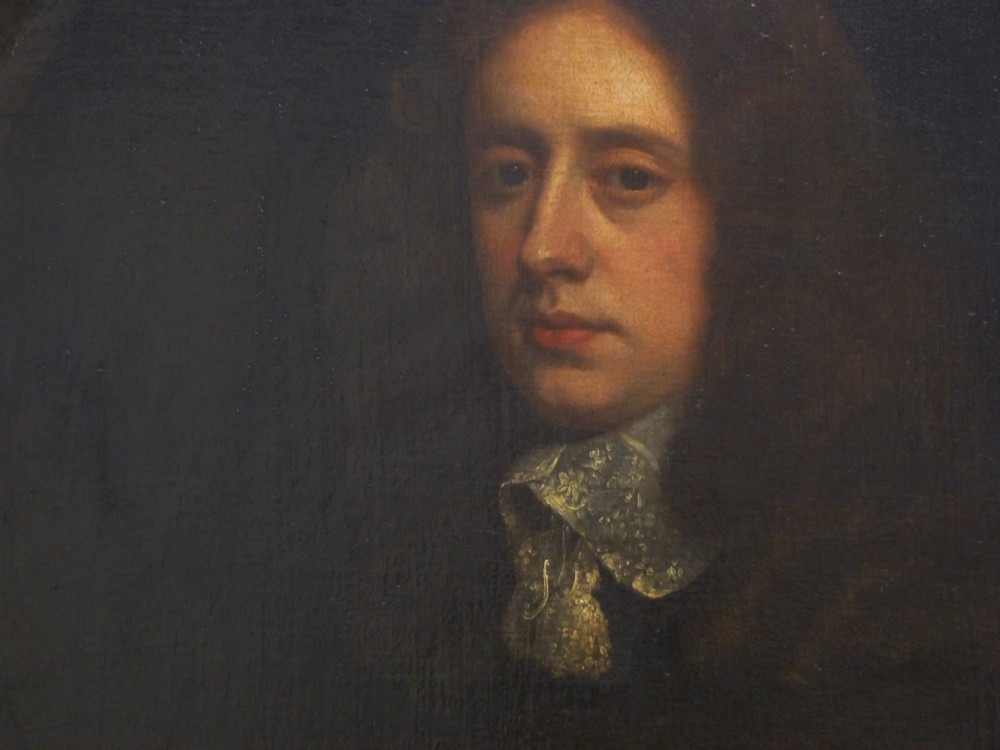
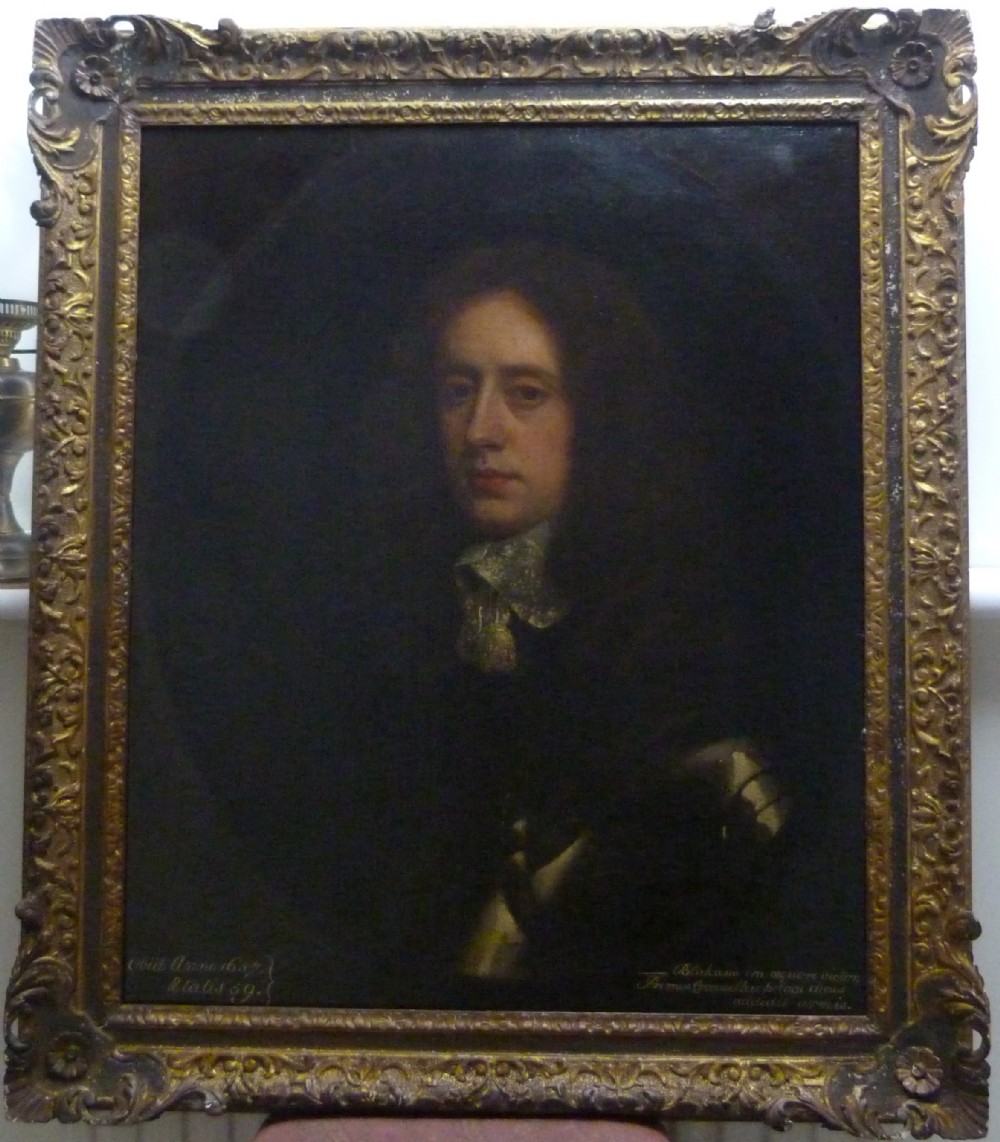
Portrait, Traditionally Identified as Admiral Robert Blake C.1650: Circle of Robert Walker.
Roy Precious - Antiques & Fine Art
sold SA290752
Sorry, but this item has been sold.
Roy Precious - Antiques & Fine Art

Roy Precious - Antiques & Fine Art

Sellingantiques Verified Since Mar 2003
View Dealers Stock Page
  • About Us
    Roy and nadine precious: specialists in portraiture from the 16th to the 20th century. Established in 1972.
Id #SA290752
PDF SHARE
SAVE

Portrait, Traditionally Identified as Admiral Robert Blake C.1650: Circle of Robert Walker.

17th century
Description

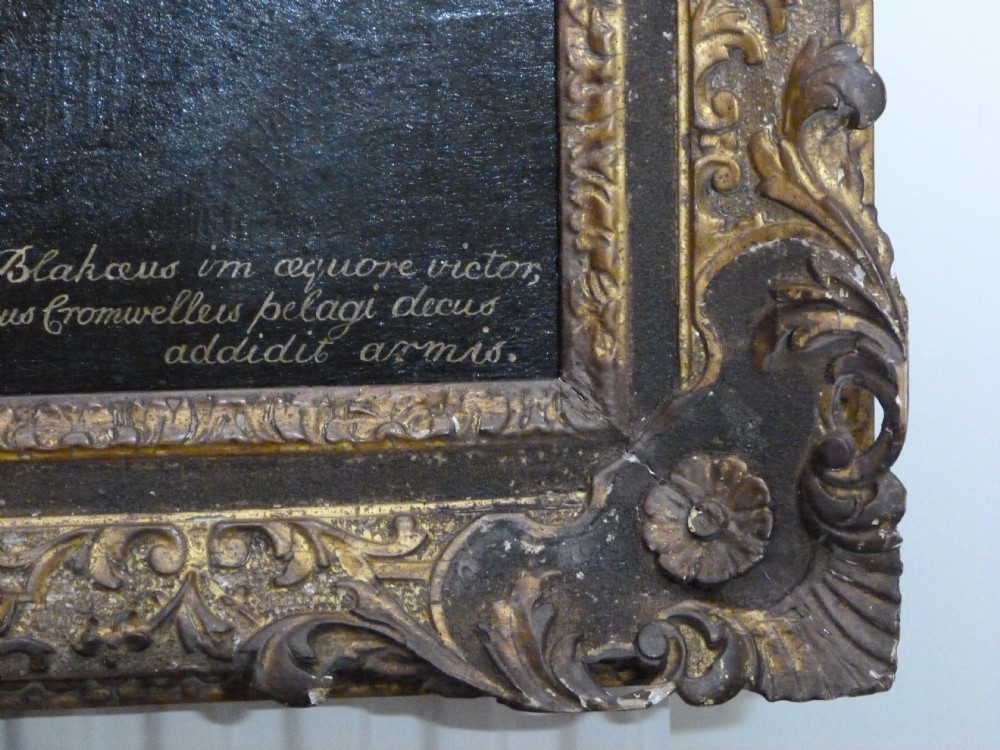
Oil on canvas in 18th century gilt frame.

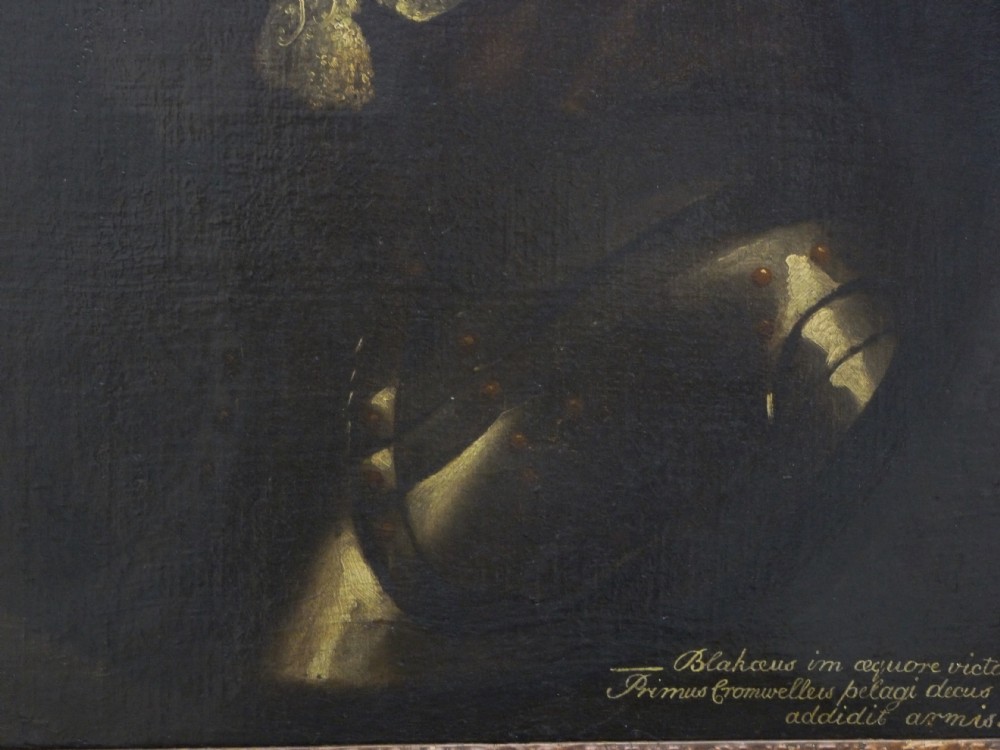
Originally an oval, this portrait has been mounted onto a rectangular canvas, possibly in the 18th century as that is the date of the frame. The inscriptions dates from the same period.
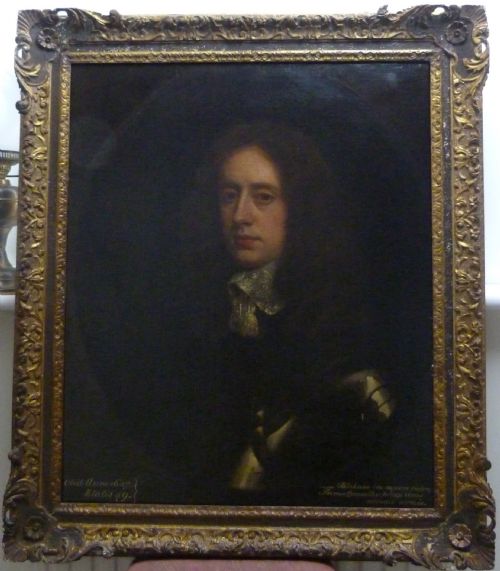
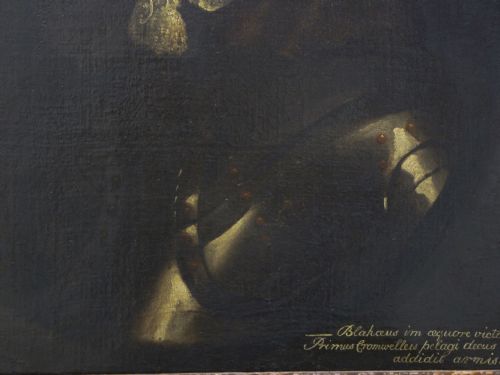
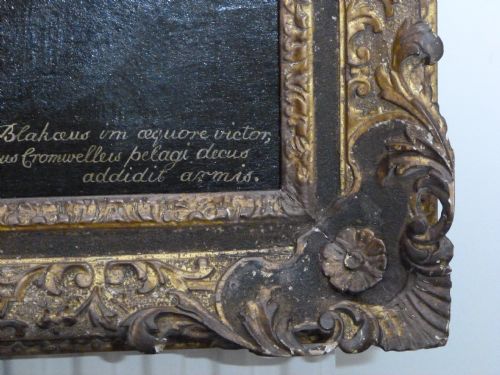
Roughly translated the Latin inscriptions mean " Died in 1657,in his 59th year" and "Blake the victor of the seas. First Cromwellian admiral of the ocean."

ROBERT BLAKE (1598-1657)was one of the most important military commanders of the Commonwealth of England and one of the most famous English admirals of the 17th century, whose successes have "never been excelled, not even by Nelson" according to one biographer. Blake is recognised as the chief founder of England's naval supremacy, a dominance subsequently inherited by the British Royal Navy into the early 20th century. Despite this, due to deliberate attempts to expunge the Parliamentarians from history following the Restoration, Blake's achievements tend not to receive the full recognition that they deserve.
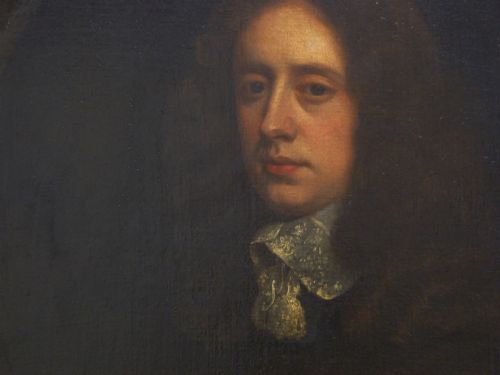
In a letter written on 17 April 1797, to Admiral Sir John Jervis, Admiral Lord Nelson wrote "I do not reckon myself equal to Blake". He ranked Robert Blake as one of the greatest Naval Generals ever known, even when compared with his own reputation.
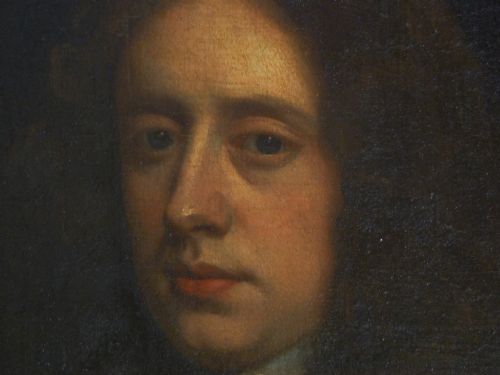
Blake died of old wounds on board his flagship within sight of Plymouth.

After lying in state in the Queen's House, Greenwich, he was given a full state funeral and was buried in Westminster Abbey in the presence of Oliver Cromwell and the members of the Council of State (although his internal organs had earlier been buried at St Andrew's Church, Plymouth).
ROBERT WALKER (1599–1658) was an English portrait painter, notable for his portraits of the Lord Protector Oliver Cromwell and other distinguished Parliamentarians of the period. He was influenced by Van Dyck, and many of his paintings can now be found at the National Portrait Gallery, London.
SIZE:36 x 31 inches inc. frame.

PROVENANCE:Private Collection.

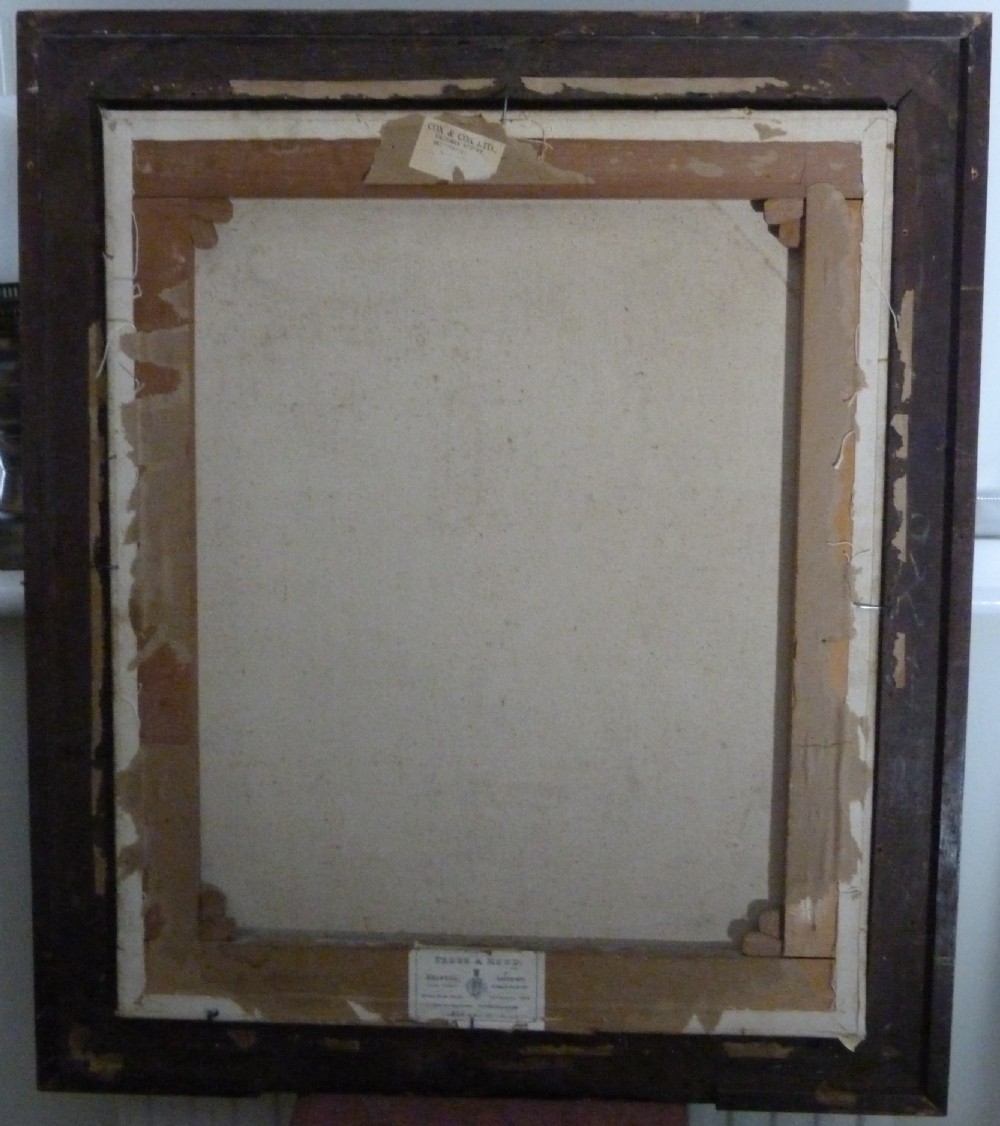
VERSO: trade label of Frost and Reid of London and Bristol, restorers, with the handwritten number 4226 and the date 10.11.47.

Old storage label for Cox and Co. of Burnham on Sea.

Declaration

Roy Precious - Antiques & Fine Art has dated this piece to the Before 1700 period.

Reference Numbers
Sellingantiques Reference
SA290752
Dealers Internal Reference
8814
Description
Oil on canvas in 18th century gilt frame.
Originally an oval, this portrait has been mounted onto a rectangular canvas, possibly in the 18th century as that is the date of the frame.
Roy Precious - Antiques & Fine Art

The inscriptions dates from the same period.

fig 1. Portrait, traditionally identified as Admiral Robert Blake c.1650: Circle of Robert Walker.
fig 1. Portrait, Traditionally Identified as Admiral Robert Blake C.1650: Circle of Robert Walker.

Roughly translated the Latin inscriptions mean " Died in 1657,in his 59th year" and "Blake the victor of the seas. First Cromwellian admiral of the ocean."

ROBERT BLAKE (1598-1657)was one of the most important military commanders of the Commonwealth of England and one of the most famous English admirals of the 17th century, whose successes have "never been excelled, not even by Nelson" according to one biographer. Blake is recognised as the chief founder of England's naval supremacy, a dominance subsequently inherited by the British Royal Navy into the early 20th century. Despite this, due to deliberate attempts to expunge the Parliamentarians from history following the Restoration, Blake's achievements tend not to receive the full recognition that they deserve.

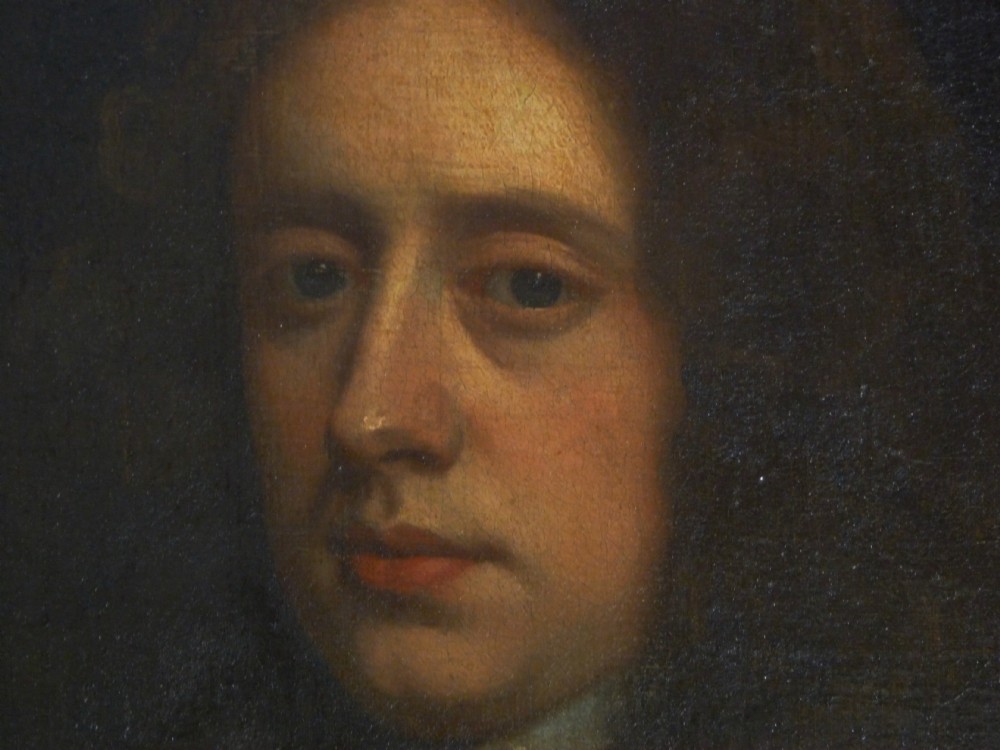
fig 2. Portrait, traditionally identified as Admiral Robert Blake c.1650: Circle of Robert Walker.
fig 2. Portrait, Traditionally Identified as Admiral Robert Blake C.1650: Circle of Robert Walker.

In a letter written on 17 April 1797, to Admiral Sir John Jervis, Admiral Lord Nelson wrote "I do not reckon myself equal to Blake". He ranked Robert Blake as one of the greatest Naval Generals ever known, even when compared with his own reputation.

fig 3. Portrait, traditionally identified as Admiral Robert Blake c.1650: Circle of Robert Walker.
fig 3. Portrait, Traditionally Identified as Admiral Robert Blake C.1650: Circle of Robert Walker.

Blake died of old wounds on board his flagship within sight of Plymouth.

After lying in state in the Queen's House, Greenwich, he was given a full state funeral and was buried in Westminster Abbey in the presence of Oliver Cromwell and the members of the Council of State (although his internal organs had earlier been buried at St Andrew's Church, Plymouth).

fig 4. Portrait, traditionally identified as Admiral Robert Blake c.1650: Circle of Robert Walker.
fig 4. Portrait, Traditionally Identified as Admiral Robert Blake C.1650: Circle of Robert Walker.

ROBERT WALKER (1599–1658) was an English portrait painter, notable for his portraits of the Lord Protector Oliver Cromwell and other distinguished Parliamentarians of the period. He was influenced by Van Dyck, and many of his paintings can now be found at the National Portrait Gallery, London.

fig 5. Portrait, traditionally identified as Admiral Robert Blake c.1650: Circle of Robert Walker.
fig 5. Portrait, Traditionally Identified as Admiral Robert Blake C.1650: Circle of Robert Walker.

SIZE:36 x 31 inches inc. frame.

PROVENANCE:Private Collection.

VERSO: trade label of Frost and Reid of London and Bristol, restorers, with the handwritten number 4226 and the date 10.11.47.

Old storage label for Cox and Co. of Burnham on Sea.

Date of Manufacture

Roy Precious - Antiques & Fine Art has dated this piece to the Before 1700 period.

Reference Numbers
Sellingantiques Ref
SA290752
Dealers Internal Ref
8814
Roy Precious - Antiques & Fine Art
Sellingantiques verified Since Mar 2003

Roy and nadine precious: specialists in portraiture from the 16th to the 20th century. Established in 1972.

Dealer Profile

You can view the stock and full dealer information on the Roy Precious - Antiques & Fine Art Profile Page

PDF SHARE
SAVE
Portrait, traditionally identified as Admiral Robert Blake c.1650: Circle of Robert Walker.
1 / 7
Archive I Portrait, traditionally identified as Admiral Robert Blake c.1650: Circle of Robert Walker.

Portrait, Traditionally Identified as Admiral Robert Blake C.1650: Circle of Robert Walker.
Archive II Portrait, traditionally identified as Admiral Robert Blake c.1650: Circle of Robert Walker. View II
Archive III Portrait, traditionally identified as Admiral Robert Blake c.1650: Circle of Robert Walker. View III
Archive IV Portrait, traditionally identified as Admiral Robert Blake c.1650: Circle of Robert Walker. View IV
Archive V Portrait, traditionally identified as Admiral Robert Blake c.1650: Circle of Robert Walker. View V
Archive VI Portrait, traditionally identified as Admiral Robert Blake c.1650: Circle of Robert Walker. View VI
Archive VII Portrait, traditionally identified as Admiral Robert Blake c.1650: Circle of Robert Walker. View VII
Enlarged Archival View
Location
Wiltshire
United Kingdom
Dealer Profile Page sellingantiques.co.uk/rp
Verified Since Mar 2003
Items For Sale 95
Items Sold 679
Roy Precious - Antiques & Fine Art
Verified Since Mar 2003
View Dealer Info
Location: Wiltshire, United Kingdom
Verified
Mar 2003
For Sale
95
Sold
679
Portrait, traditionally identified as Admiral Robert Blake c.1650: Circle of Robert Walker.
Ref: SA290752
Portrait, traditionally identified as Admiral Robert Blake c.1650: Circle of Robert Walker.
Detail View 1
Detail View 2
Detail View 3
Detail View 4
Detail View 5
Detail View 6
Archival Detail
Every single antique dealer on our platform is individually approved by our internal team. We verify their professional trade history, ethical standards, and photographic quality to ensure a secure, high-standard buying environment. Upon joining, every dealer agrees to a strict 9-point code of conduct. While issues can occasionally arise, our dealers typically resolve them swiftly and directly with the buyer. In fact, since our founding in 2002, Sellingantiques has only had to step in to help resolve an issue on roughly five occasions—a true testament to the quality of our dealers and their dedication to your happiness.
Our dealers are highly experienced in packing and shipping fragile, high-value antiques. Because you are in direct contact with the dealer, you will be able to easily go through all available shipping and insurance options together to ensure your item arrives safely.
Antiques are the ultimate green purchase. By choosing historical pieces over newly manufactured goods, you completely eliminate the carbon footprint of modern mass production while preserving exceptional, timeless craftsmanship.
items
Add keywords to the filter
Price
£100
£250000
Era
Movements
Material
Origin
Stock Location
Freshness
Online Payments
Categories