Roy Precious - Antiques & Fine Art has dated this piece to the 1700s.
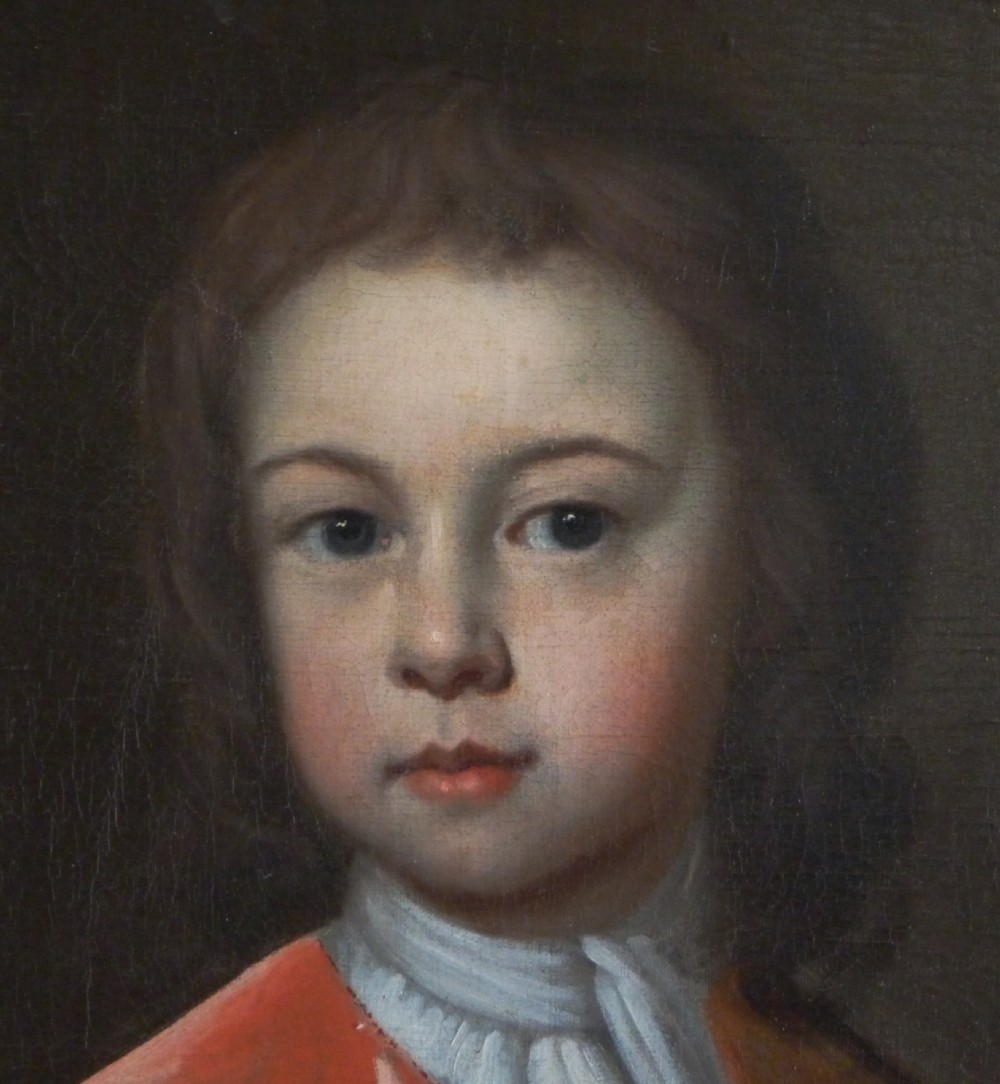
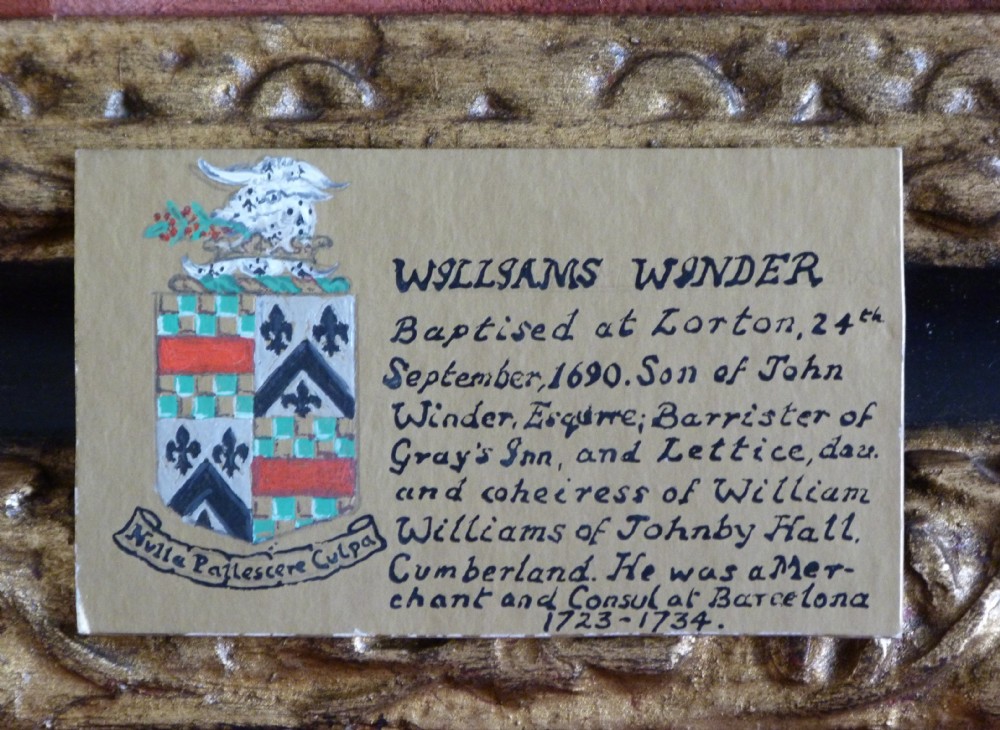
WILLIAM WINDER was baptised at Lorton, Cumberland on 24 September 1690; he was the son of John Winder, Esquire, Barrister of Gray's Inn, and Lettice, daughter and co-heiress of William Williams of Johnby Hall, Cumberland.
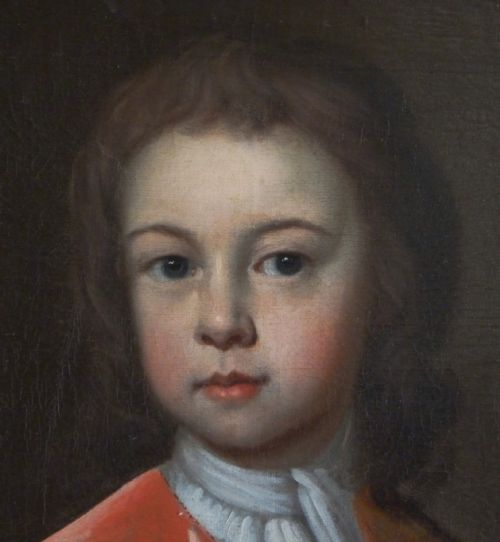
He was a merchant and Consul at Barcelona from 1723-1734.
As the most prosperous and royally-connected landowners, they gave their name to Windermere amongst other local features and villages.
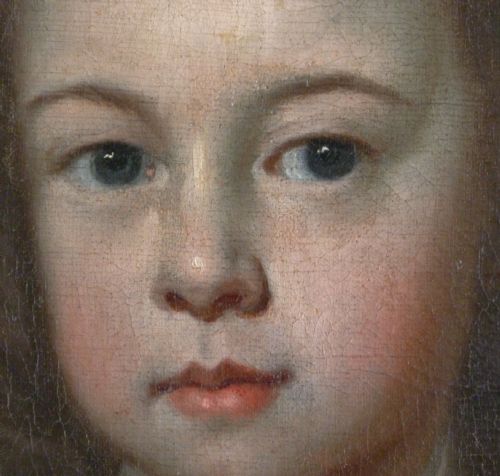
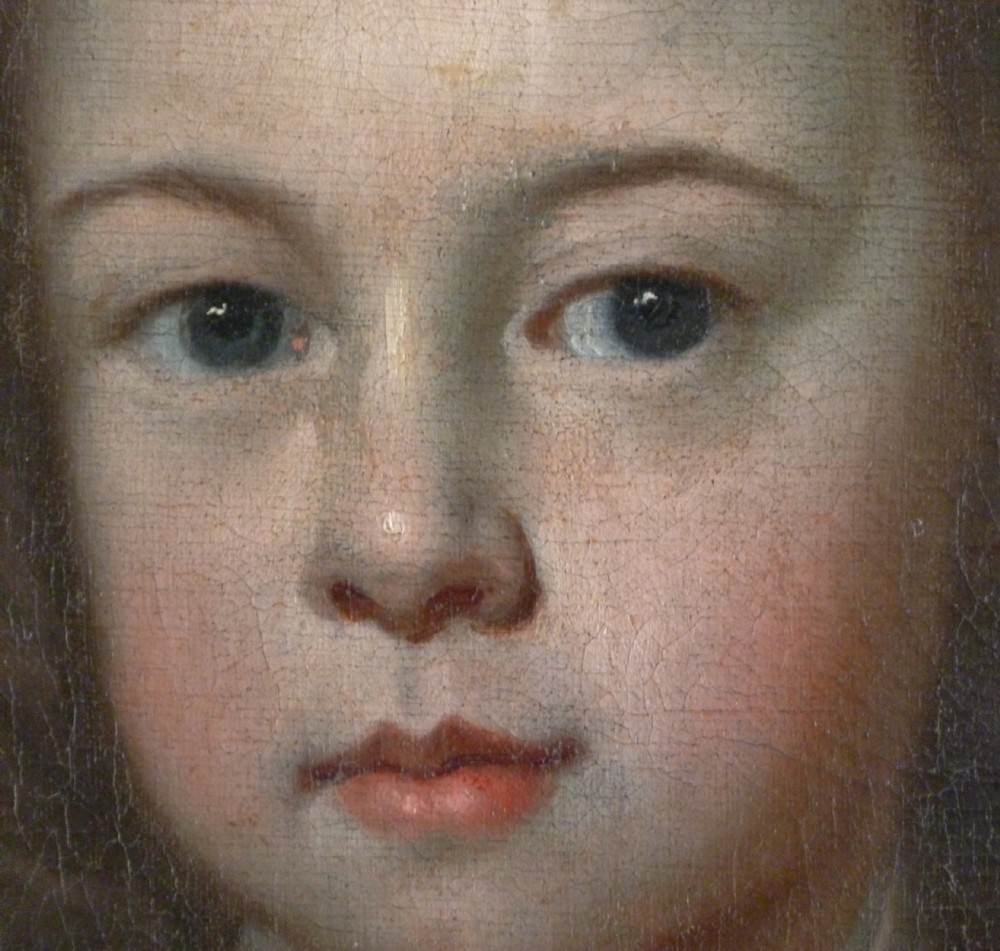
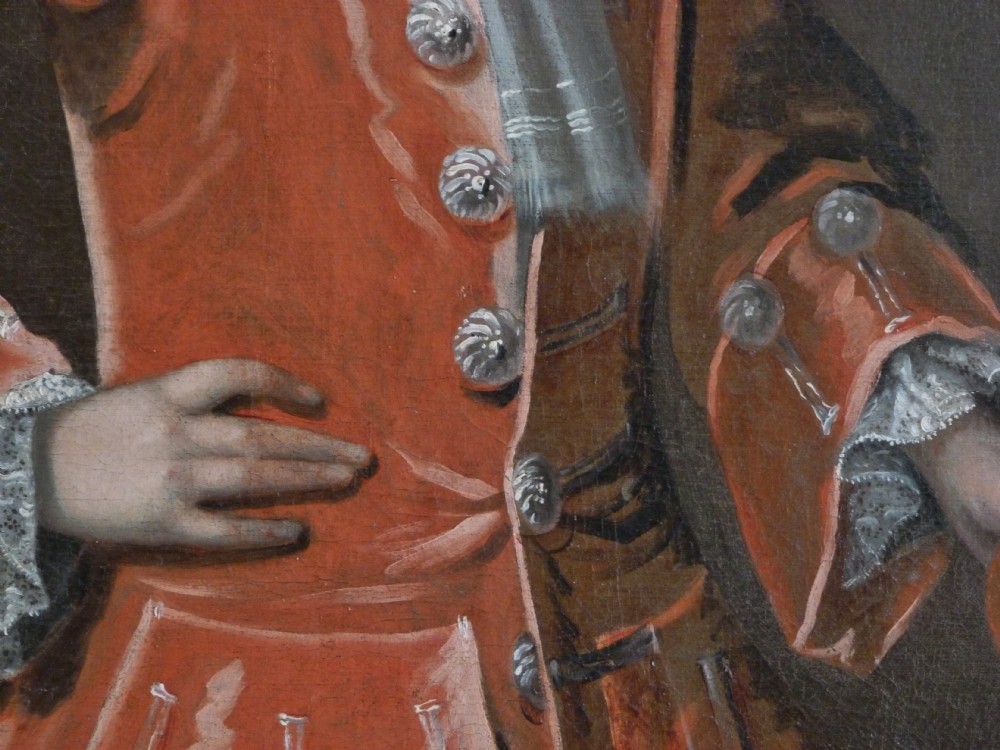
The unknown artist, clearly influenced by the famous artist Robert Byng (1666 - 1720) who was noted for his portraits of children, has depicted the attractive sitter with great charm. William looks steadily out at the viewer, as befits the heir of an ancient and important family; in his left hand he holds an orange, these were an expensive luxury in Northern Europe, coming as they did from the warm South. They also has considerable symbolic significance.
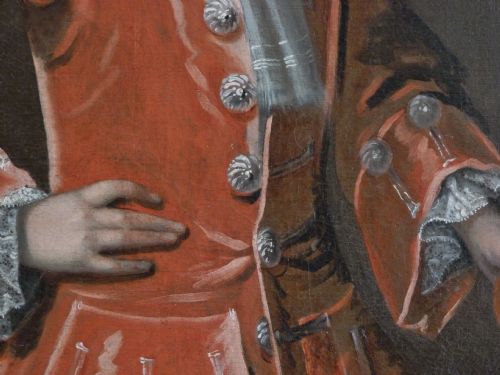
The orange tree bears leaves, flowers and fruit all at the same time. The leaves, which are evergreen, are the symbol of eternal love, the white flowers represent purity and generosity of spirit and the fruit represents hope for the future of a family or dynasty.
SIZE:36.5 x 30.5 inches inc. frame.
PROVENANCE:Lady Mollie Ponsonby, Haile Hall, Cumbria.
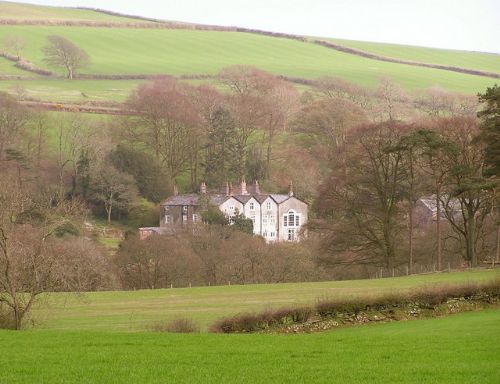
(Image 6 shows the ancient Haile Hall, ancestral home of the Ponsonbys).
Roy Precious - Antiques & Fine Art has dated this piece to the 1700s.
Roy and nadine precious: specialists in portraiture from the 16th to the 20th century. Established in 1972.
You can view the stock and full dealer information on the Roy Precious - Antiques & Fine Art Profile Page
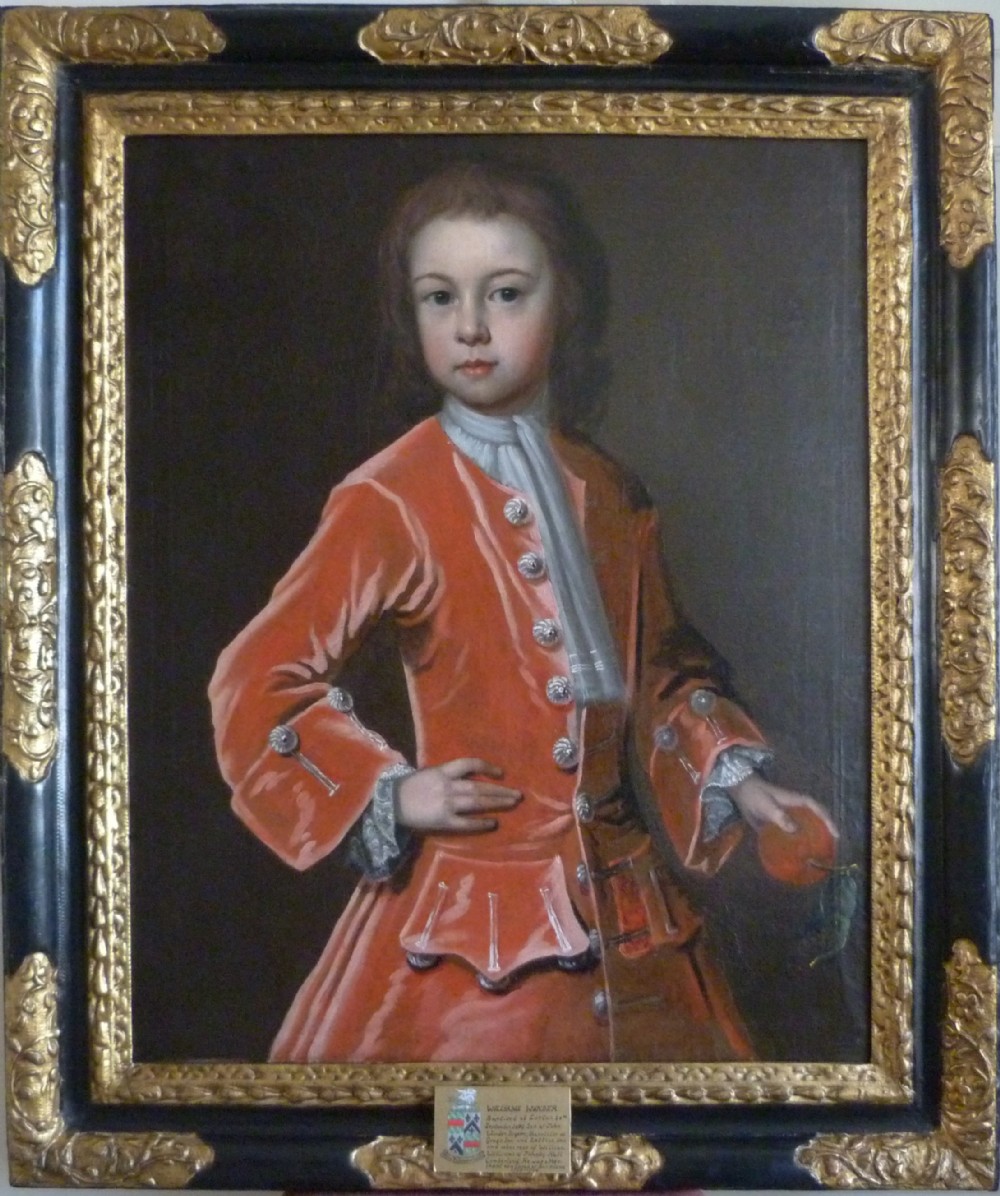
Portrait of William Winder C.1700; English School.