
The sitter is depicted within Mrs. Beale's 'trademark' sculpted stone oval; he regards the viewer with a rather haughty look. His wig is in the height of fashion as is his exquisite lace cravat.
.jpg)
Many aristocrats and members of the gentry who found themselves short of money took part in these campaigns as mercenaries. It was considered that military service was the only option for the impecunious well-bred; to enter Trade was to put oneself beyond the pale...social death.
.jpg)
MARY BEALE (1633-99) was born Mary Cradock, daughter of the Rev. John Cradock in Suffolk; in 1651 she married Charles Beale, Lord of the Manor of Walton, and moved to London. She was already known as a painter by 1654 and she was strongly influenced by Sir Peter Lely, Principal Painter to the King and famous Court and Society portraitist.
.jpg)
Lely was a friend of Mrs.Beale and she sometimes copied his work and frequently used his poses in her portraits.
She often depicts a stone oval heavily sculpted with fruit or flowers. The sitter's eyes tend to be almond shaped and her colouring pure and rich.
.jpg)
It was most unusual for a woman to take up a professional career as an artist at this time, but her studio thrived; her most active period was the 1670s and early '80s. Mary Beale died at Pall Mall and is buried in St. James's Church, Piccadilly.
Her work is represented in many country house collections, art galleries and museums.
SIZE: 37 x 31.5 inches inc. frame.
PROVENANCE: Private Collection, Yorkshire.
Roy and nadine precious: specialists in portraiture from the 16th to the 20th century. Established in 1972.
You can view the stock and full dealer information on the Roy Precious - Antiques & Fine Art Profile Page
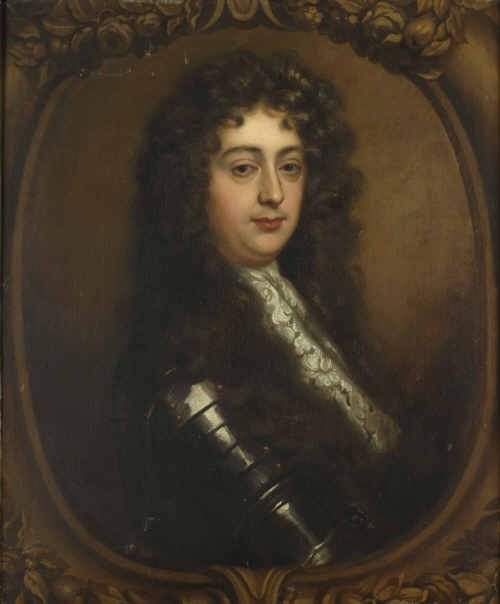
Sold.....portrait of a Gentleman C. 1685; Attributed to Mary Beale
