
59,970  PAGES BROWSED TODAY PAGES TODAY 206  ANTIQUES UPLOADED TODAY NEW ARRIVALS
Sort Order
Items Per Page
ID #SA248378
SOLD
Email
Save
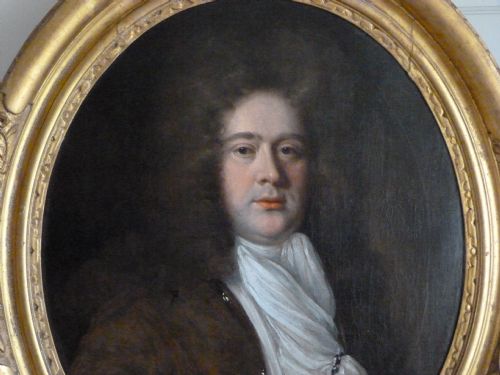
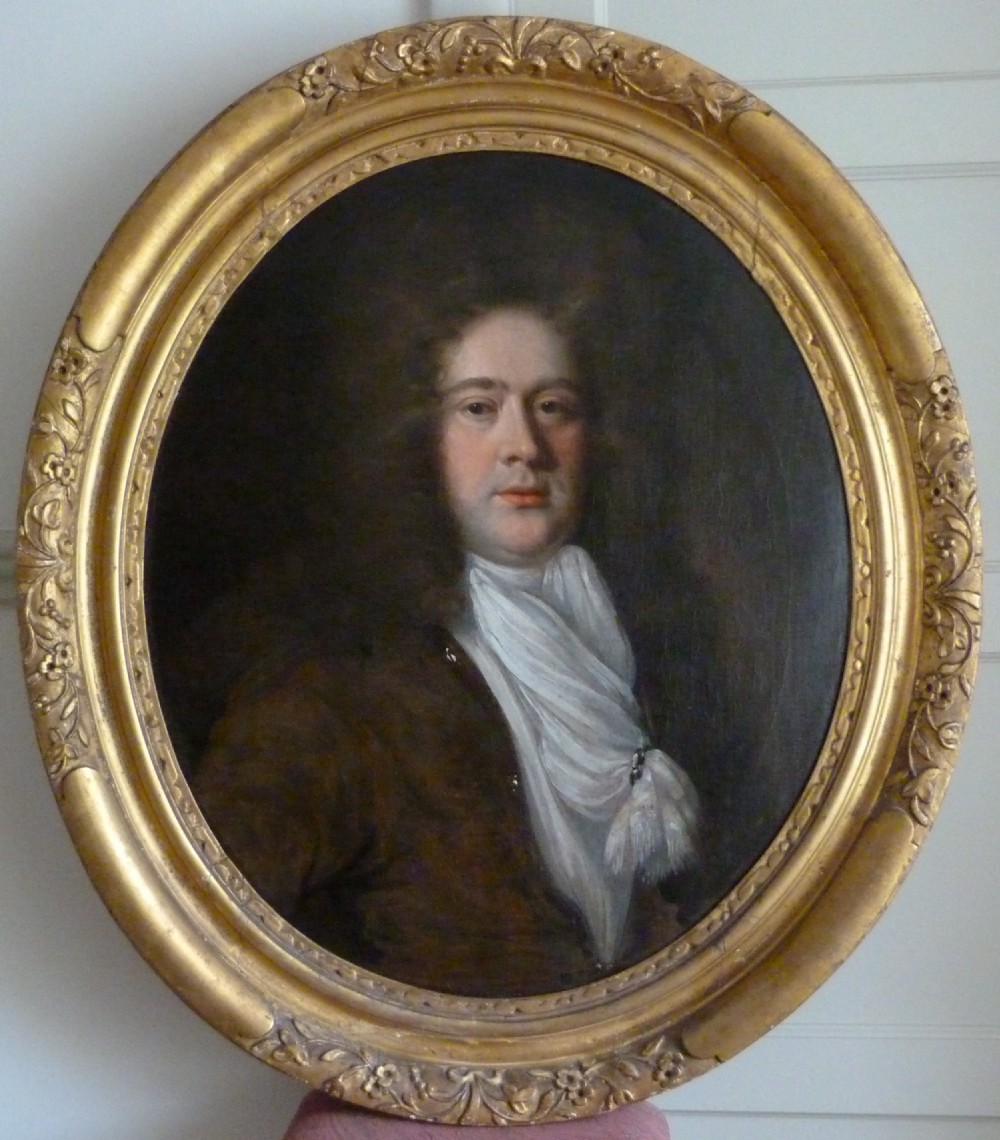
Sold....portrait of Sir Nathaniel Johnson C.1680, Later Governor of Carolina: Attributed to John Riley.
Roy Precious - Antiques & Fine Art
sold SA248378
Sorry, but this item has been sold.
Roy Precious - Antiques & Fine Art

Roy Precious - Antiques & Fine Art

Sellingantiques Verified Since Mar 2003
View Dealers Stock Page
  • About Us
    Roy and nadine precious: specialists in portraiture from the 16th to the 20th century. Established in 1972.
Id #SA248378
PDF SHARE
SAVE

Sold....portrait of Sir Nathaniel Johnson C.1680, Later Governor of Carolina: Attributed to John Riley.

17th century
Description

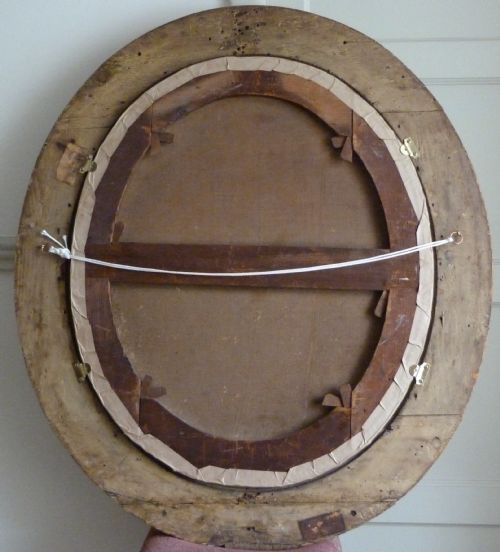
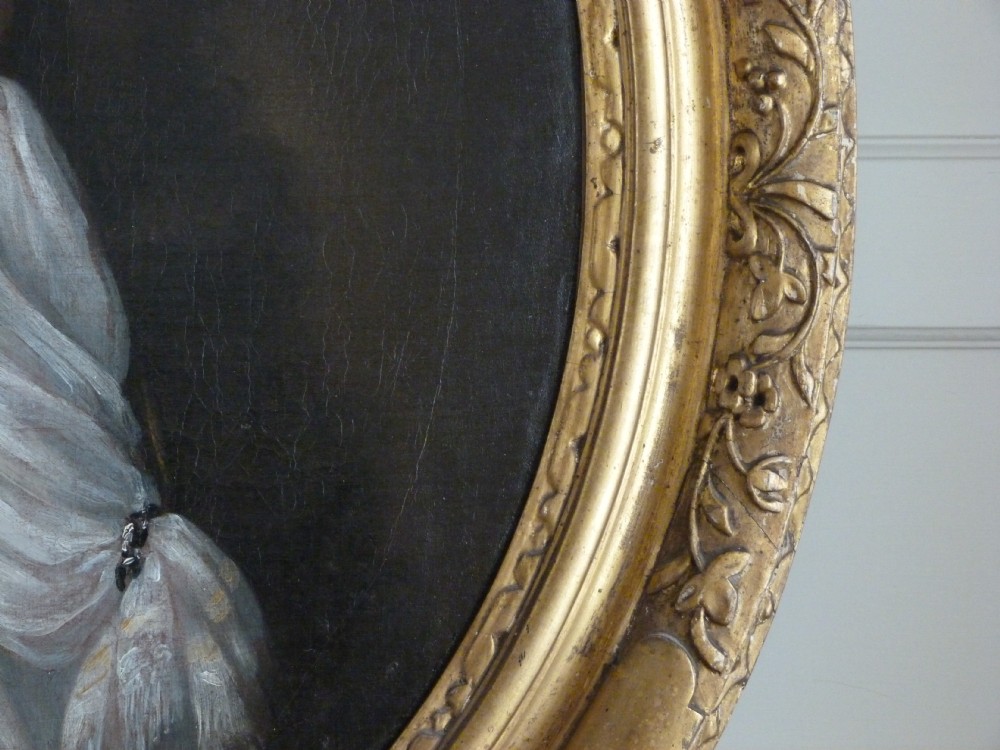
Oil on canvas in original high quality carved and giltwood 17th c. frame.

SIR NATHANIEL JOHNSON (C.1645-1714) was the eldest son of William Johnson, merchant, of Newcastle by Margaret, daughter of William Sherwood, merchant, of Newcastle. Johnson was knighted on 28 Dec. 1680, which is probably when this fine portrait was painted.
OFFICES HELD:-

Deputy Treasurer of Barbados by 1668; Committee for hearth-tax 1679-84; Governor of the Leeward Isles 1686-9, Governor of Carolina 1702-8.

Member of Eastland co. Newcastle 1668, Merchant Adventurers 1669, Freeman 1673; J.P. County Durham 1674-?86, Collector of hearth-tax, Cumberland., Westmoreland, Northumberland and County Durham by 1675; Commissioner for Assessment, Co. Durham 1677-9, Newcastle 1679-80, carriage of coals, Newcastle 1679; Captain of Militia Foot, Newcastle by 1680-?Feb. 1688; Member, Hon. Artillery Co. 1681; mayor, Newcastle 1681-2, alderman 1682-June 1688.
Nathaniel Johnson had become a prominent merchant by 1686, when the Lords Proprietors made him a Cassique of South Carolina, and he received appointment as governor of the Leeward Islands. Resigning that post in 1689, Johnson moved to Carolina and he was commissioned governor of the colony in June 1702. Taking over from deputy governor James Moore in March 1703, Johnson quickly moved to limit the rights of Dissenters. After the proprietors disallowed the Exclusion and Church acts of 1704, the Establishment Act of 1706 became law and controlled South Carolina’s government until the Revolution.
The colonists' constant fear of attack from Spanish Florida sharpened when England declared war against Spain. A wall along the eastern edge of Charles Town had been planned since 1694, but construction had been sporadic. In late 1704 governor Johnson reported that the project remained incomplete, and pushed for funding a new plan: a ring of fortifications around the town, with a curtain wall connecting the defensive works. The fortified city was tested in August, 1706, when a French and Spanish fleet appeared in Charleston Harbour. With Governor Johnson leading the courageous defence, the invasion was repelled.
Carolina politics, however, remained tumultuous. In December 1708, the proprietors appointed Edward Tynte to replace governor Nathaniel Johnson. Johnson remained in office until his successor arrived in Charles Town in November 1709.

Sir Nathaniel Johnson retired to his Silk Hope plantation, granted to him in 1696 as 1,940 acres; he died here in 1712 and was buried there. Among South Carolina’s later governors were his son, Robert Johnson, and Thomas Broughton, the husband of his daughter Anne Johnson.

Johnson's Fort at Windmill Point on James Island was named for Governor Johnson.

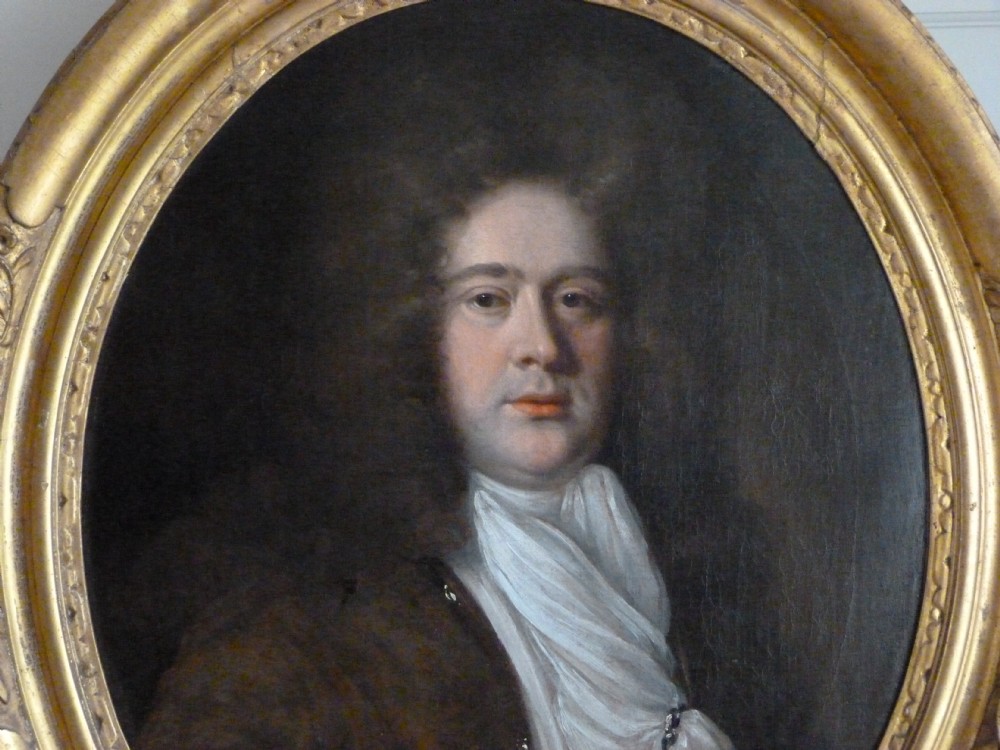
JOHN RILEY (1646 - 1691) was born in London where his father was Lancaster Herald; he built a thriving portrait painting practice with the middle classes. In December 1688 he and Sir Godfrey Kneller were jointly appointed Principal Painter to the King. Riley was an outstanding portraitist catching much of the character of his sitters, as is clearly shown in this excellent quality portrait of Johnson.

SIZE:37 x 33 inc. frame

PROVENANCE:

*A Southern English Private Collection.

*With Roy Precious Fine Art.

*Warwickshire Private Collection from 2004.

Verso: a 19th c. handwritten label 'Governor Johnson an ancestor of the Bonner family. Governor of Jamaica. Sir Godfrey Kneller.' and an old storage label 'E. Judge. 8, East Cross, Tenterden'

Declaration

Roy Precious - Antiques & Fine Art has dated this piece to the Before 1700 period.

Reference Numbers
Sellingantiques Reference
SA248378
Dealers Internal Reference
8769
Description
Oil on canvas in original high quality carved and giltwood 17th c. frame.

SIR NATHANIEL JOHNSON (C.

1645-1714) was the eldest son of William Johnson, merchant, of Newcastle by Margaret, daughter of William Sherwood, merchant, of Newcastle.
Roy Precious - Antiques & Fine Art

Johnson was knighted on 28 Dec. 1680, which is probably when this fine portrait was painted.

fig 1. SOLD....Portrait of Sir Nathaniel Johnson c.1680, later Governor of Carolina: Attributed to John Riley.
fig 1. Sold....portrait of Sir Nathaniel Johnson C.1680, Later Governor of Carolina: Attributed to John Riley.

OFFICES HELD:-

Deputy Treasurer of Barbados by 1668; Committee for hearth-tax 1679-84; Governor of the Leeward Isles 1686-9, Governor of Carolina 1702-8.

Member of Eastland co. Newcastle 1668, Merchant Adventurers 1669, Freeman 1673; J.P. County Durham 1674-?86, Collector of hearth-tax, Cumberland., Westmoreland, Northumberland and County Durham by 1675; Commissioner for Assessment, Co. Durham 1677-9, Newcastle 1679-80, carriage of coals, Newcastle 1679; Captain of Militia Foot, Newcastle by 1680-?Feb. 1688; Member, Hon. Artillery Co. 1681; mayor, Newcastle 1681-2, alderman 1682-June 1688.

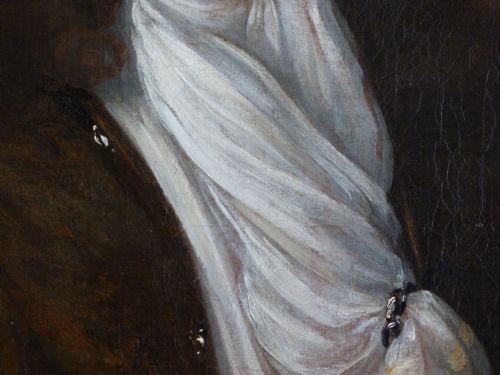
fig 2. SOLD....Portrait of Sir Nathaniel Johnson c.1680, later Governor of Carolina: Attributed to John Riley.
fig 2. Sold....portrait of Sir Nathaniel Johnson C.1680, Later Governor of Carolina: Attributed to John Riley.

Nathaniel Johnson had become a prominent merchant by 1686, when the Lords Proprietors made him a Cassique of South Carolina, and he received appointment as governor of the Leeward Islands. Resigning that post in 1689, Johnson moved to Carolina and he was commissioned governor of the colony in June 1702. Taking over from deputy governor James Moore in March 1703, Johnson quickly moved to limit the rights of Dissenters. After the proprietors disallowed the Exclusion and Church acts of 1704, the Establishment Act of 1706 became law and controlled South Carolina’s government until the Revolution.

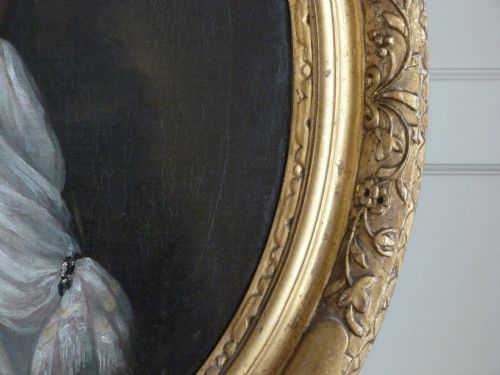
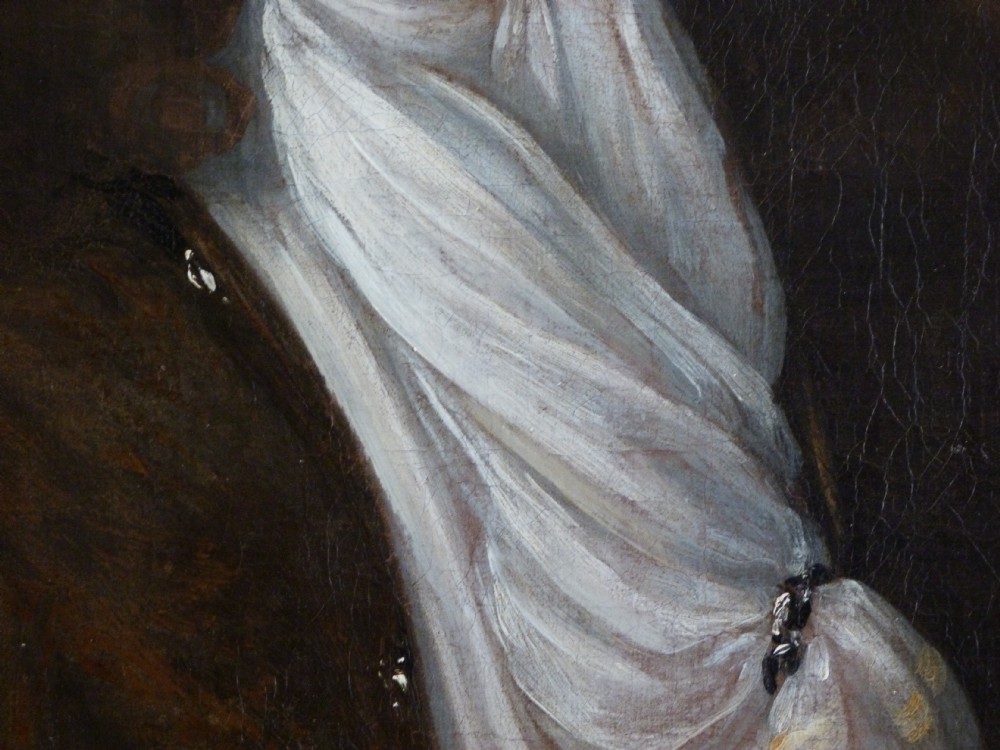
fig 3. SOLD....Portrait of Sir Nathaniel Johnson c.1680, later Governor of Carolina: Attributed to John Riley.
fig 3. Sold....portrait of Sir Nathaniel Johnson C.1680, Later Governor of Carolina: Attributed to John Riley.

The colonists' constant fear of attack from Spanish Florida sharpened when England declared war against Spain. A wall along the eastern edge of Charles Town had been planned since 1694, but construction had been sporadic. In late 1704 governor Johnson reported that the project remained incomplete, and pushed for funding a new plan: a ring of fortifications around the town, with a curtain wall connecting the defensive works. The fortified city was tested in August, 1706, when a French and Spanish fleet appeared in Charleston Harbour. With Governor Johnson leading the courageous defence, the invasion was repelled.

fig 4. SOLD....Portrait of Sir Nathaniel Johnson c.1680, later Governor of Carolina: Attributed to John Riley.
fig 4. Sold....portrait of Sir Nathaniel Johnson C.1680, Later Governor of Carolina: Attributed to John Riley.

Carolina politics, however, remained tumultuous. In December 1708, the proprietors appointed Edward Tynte to replace governor Nathaniel Johnson. Johnson remained in office until his successor arrived in Charles Town in November 1709.

Sir Nathaniel Johnson retired to his Silk Hope plantation, granted to him in 1696 as 1,940 acres; he died here in 1712 and was buried there. Among South Carolina’s later governors were his son, Robert Johnson, and Thomas Broughton, the husband of his daughter Anne Johnson.

Johnson's Fort at Windmill Point on James Island was named for Governor Johnson.

JOHN RILEY (1646 - 1691) was born in London where his father was Lancaster Herald; he built a thriving portrait painting practice with the middle classes. In December 1688 he and Sir Godfrey Kneller were jointly appointed Principal Painter to the King. Riley was an outstanding portraitist catching much of the character of his sitters, as is clearly shown in this excellent quality portrait of Johnson.

SIZE:37 x 33 inc. frame

PROVENANCE:

A Southern English Private Collection.

With Roy Precious Fine Art.

Warwickshire Private Collection from 2004.

Verso: a 19th c. handwritten label 'Governor Johnson an ancestor of the Bonner family. Governor of Jamaica. Sir Godfrey Kneller.' and an old storage label 'E. Judge. 8, East Cross, Tenterden'

Date of Manufacture

Roy Precious - Antiques & Fine Art has dated this piece to the Before 1700 period.

Reference Numbers
Sellingantiques Ref
SA248378
Dealers Internal Ref
8769
Roy Precious - Antiques & Fine Art
Sellingantiques verified Since Mar 2003

Roy and nadine precious: specialists in portraiture from the 16th to the 20th century. Established in 1972.

Dealer Profile

You can view the stock and full dealer information on the Roy Precious - Antiques & Fine Art Profile Page
PDF SHARE
SAVE
SOLD....Portrait of Sir Nathaniel Johnson c.1680, later Governor of Carolina: Attributed to John Riley.
1 / 5
Archive I SOLD....Portrait of Sir Nathaniel Johnson c.1680, later Governor of Carolina: Attributed to John Riley.

Sold....portrait of Sir Nathaniel Johnson C.1680, Later Governor of Carolina: Attributed to John Riley.
Archive II SOLD....Portrait of Sir Nathaniel Johnson c.1680, later Governor of Carolina: Attributed to John Riley. View II
Archive III SOLD....Portrait of Sir Nathaniel Johnson c.1680, later Governor of Carolina: Attributed to John Riley. View III
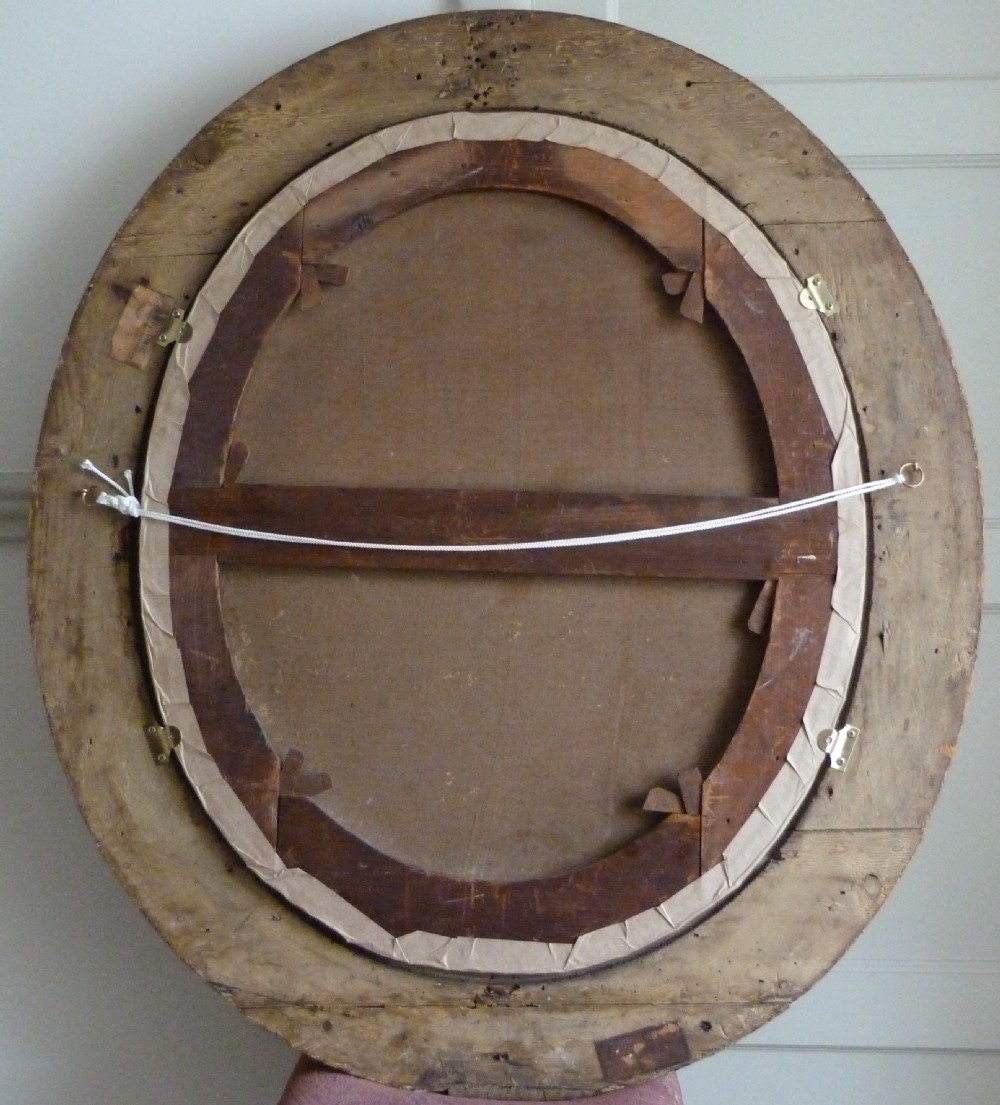
Archive IV SOLD....Portrait of Sir Nathaniel Johnson c.1680, later Governor of Carolina: Attributed to John Riley. View IV
Archive V SOLD....Portrait of Sir Nathaniel Johnson c.1680, later Governor of Carolina: Attributed to John Riley. View V
Enlarged Archival View
Location
Wiltshire
United Kingdom
Dealer Profile Page sellingantiques.co.uk/rp
Verified Since Mar 2003
Items For Sale 95
Items Sold 679
Roy Precious - Antiques & Fine Art
Verified Since Mar 2003
View Dealer Info
Location: Wiltshire, United Kingdom
Verified
Mar 2003
For Sale
95
Sold
679
SOLD....Portrait of Sir Nathaniel Johnson c.1680, later Governor of Carolina: Attributed to John Riley.
Ref: SA248378
SOLD....Portrait of Sir Nathaniel Johnson c.1680, later Governor of Carolina: Attributed to John Riley.
Detail View 1
Detail View 2
Detail View 3
Detail View 6
Archival Detail
Every single antique dealer on our platform is individually approved by our internal team. We verify their professional trade history, ethical standards, and photographic quality to ensure a secure, high-standard buying environment. Upon joining, every dealer agrees to a strict 9-point code of conduct. While issues can occasionally arise, our dealers typically resolve them swiftly and directly with the buyer. In fact, since our founding in 2002, Sellingantiques has only had to step in to help resolve an issue on roughly five occasions—a true testament to the quality of our dealers and their dedication to your happiness.
Our dealers are highly experienced in packing and shipping fragile, high-value antiques. Because you are in direct contact with the dealer, you will be able to easily go through all available shipping and insurance options together to ensure your item arrives safely.
Antiques are the ultimate green purchase. By choosing historical pieces over newly manufactured goods, you completely eliminate the carbon footprint of modern mass production while preserving exceptional, timeless craftsmanship.
items
Add keywords to the filter
Price
£100
£250000
Era
Movements
Material
Origin
Stock Location
Freshness
Online Payments
Categories