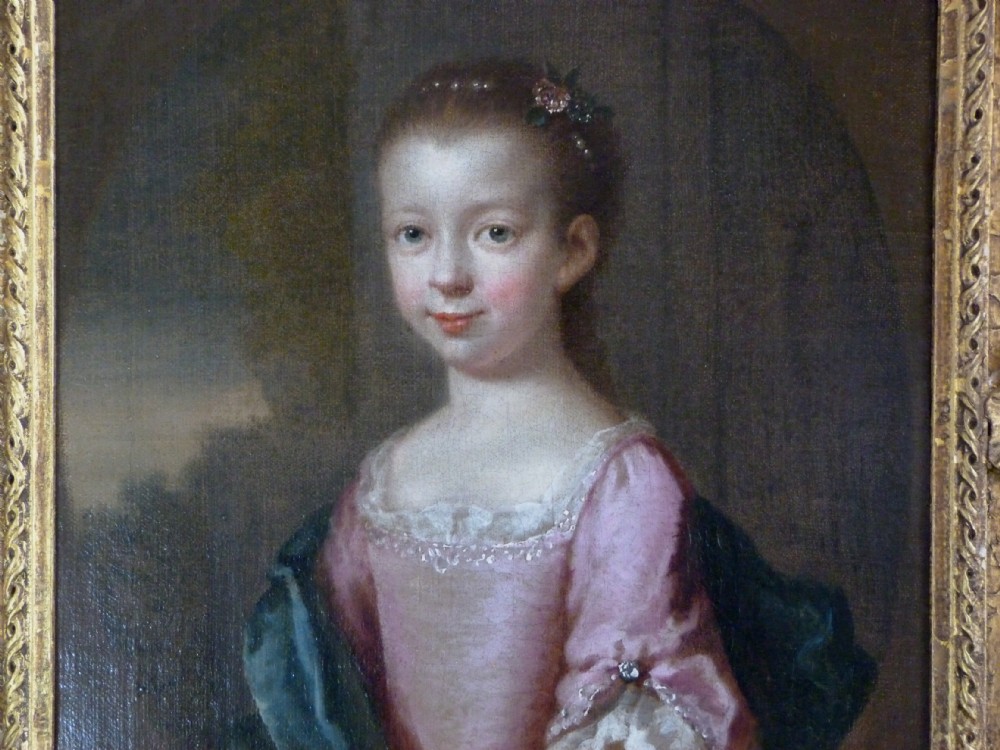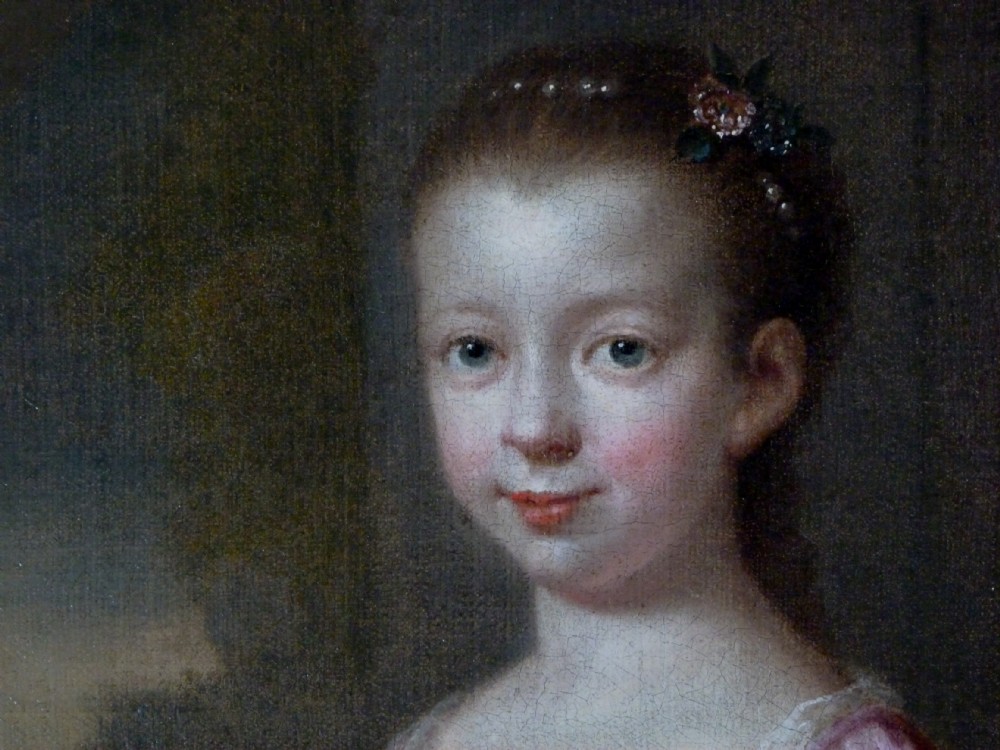
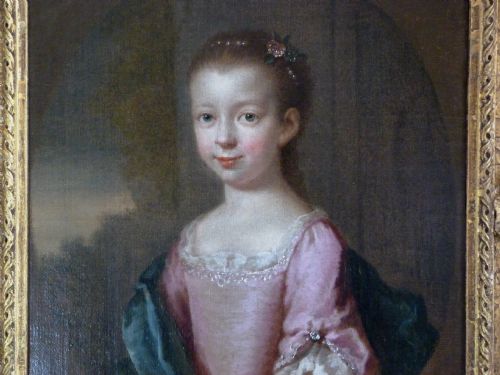
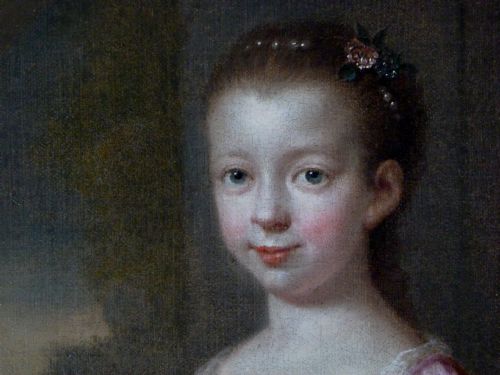
Portraits of this small size were often displayed in the more intimate rooms of a household and one can imagine this in the girl's mother's boudoir or her private sitting room.
JOSEPH HIGHMORE (1692-1780) was an English portrait and historical painter, illustrator and author.
He was one of the most talented and versatile English portraitists of the eighteenth century. He first trained, for five years, as a lawyer but abandoned the practice and entered Sir Godfrey Kneller's Academy in London in 1713. When he began work as a professional artist in 1715 he found his natural ability to draw a sharp likeness soon won him a large clientele in the City, while his legal education and manner helped gain access to the nobility and gentry. Such was his success that the poet John Bunce wrote the following verse soon after the death of Kneller in 1723;
“No more let Britain for her Kneller grieve
In Highmore see a rising Kneller live
Whose happy pencil claims as high a name
If equal merit challenge equal fame.”
Although Highmore’s style first followed that of Kneller (as did whole generations of early eighteenth century artists), he also assumed the more forceful and realistic characterisation of Hogarth. As a result, Highmore’s portraits soon lost much of the Augustan stiffness of Kneller, instead showing a more subtle and fluid construction. This portrait of the mid 1730s demonstrates a further evolution of Highmore’s style following his trip to France in 1734. Like many of his contemporaries, such as Hayman and later Gainsborough, Highmore was heavily influenced by the French rococo manner first popularized by the influential French painter and engraver Hubert Gravelot, who arrived in London in 1732.
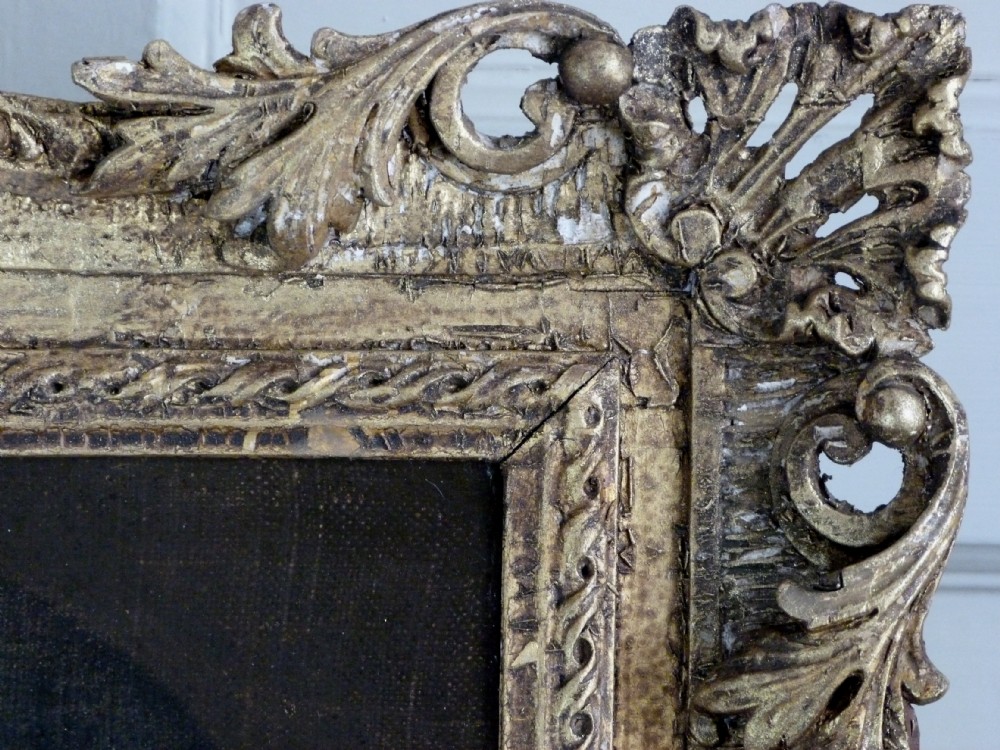
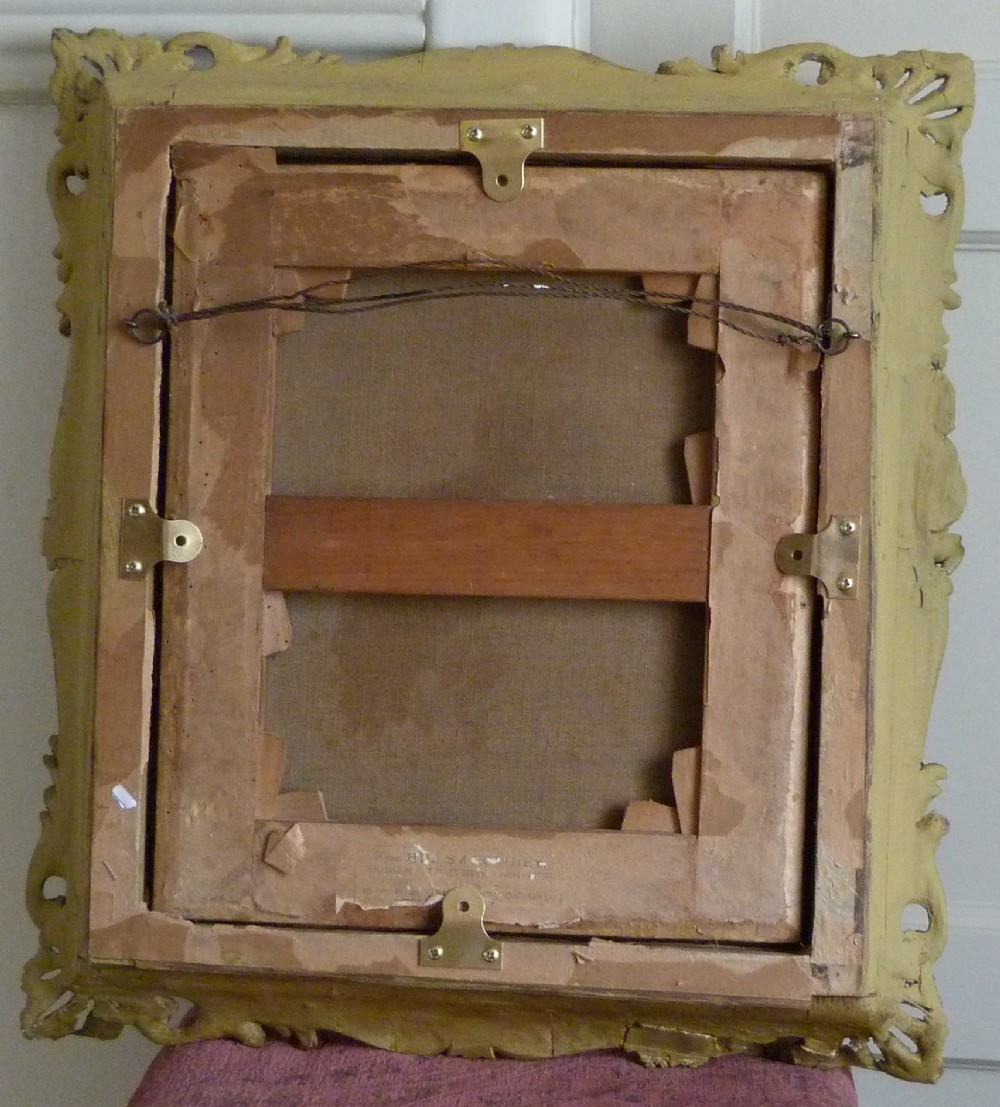
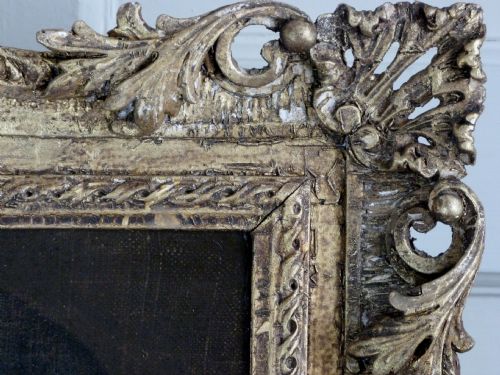
SIZE:19 x 17.5 inches inc. frame.
PROVENANCE:English Private Collection.
Roy and nadine precious: specialists in portraiture from the 16th to the 20th century. Established in 1972.
You can view the stock and full dealer information on the Roy Precious - Antiques & Fine Art Profile Page
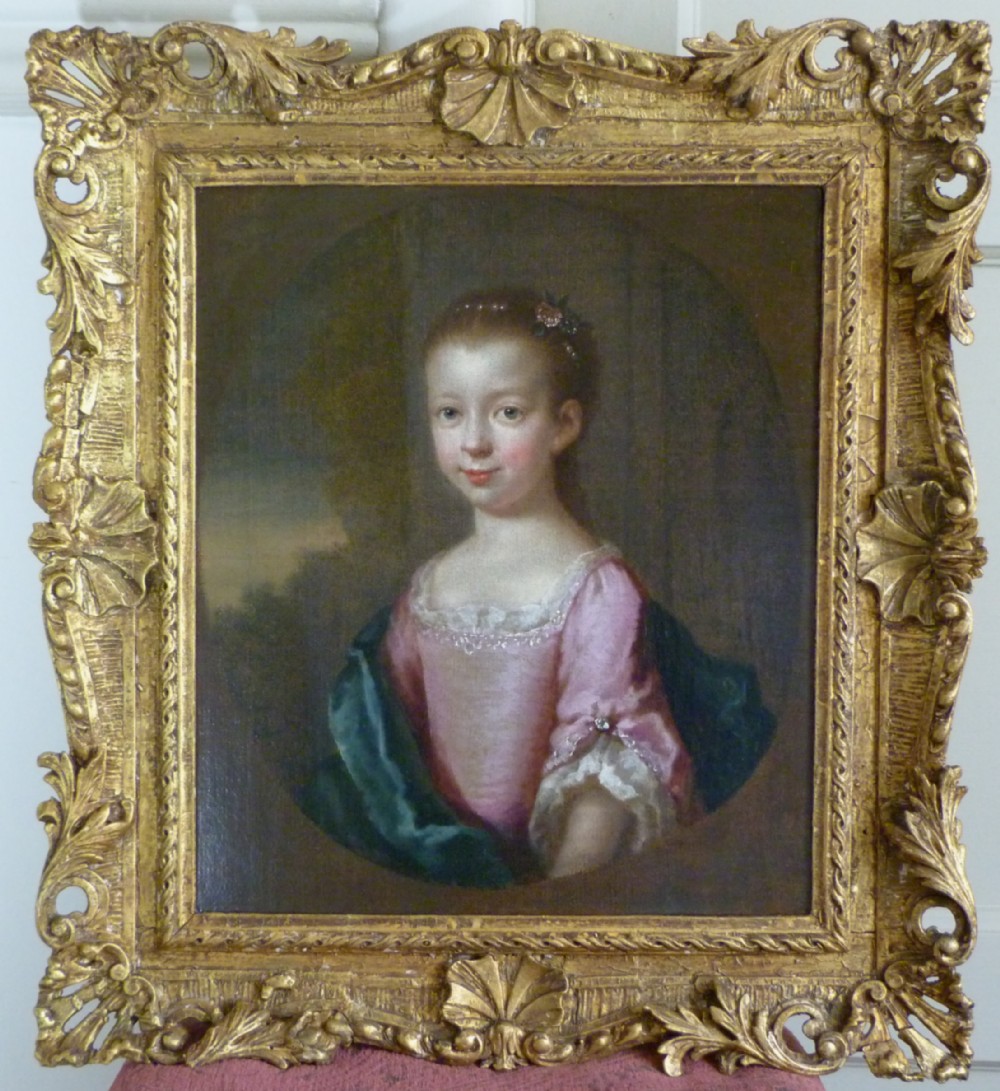
Portrait of a Girl C.1735: Circle of Joseph Highmore.