7,463  PAGES BROWSED TODAY PAGES TODAY 0  ANTIQUES UPLOADED TODAY NEW ARRIVALS
ID #SA137725
FOR SALE
£295
Email
Save
London 1851 Solid Silver Pierced Fish Slice by Well Known Maker Charles Boyton.
Serpentine Antiques
for sale €345     $375
£295
Serpentine Antiques

Serpentine Antiques

Sellingantiques Verified Since Feb 2008
View Dealers Stock Page
  • About Us
    Specialising in unique pieces for the discerning individual, selected and prepared with special care..
Id #SA137725
PDF SHARE
SAVE

London 1851 Solid Silver Pierced Fish Slice by Well Known Maker Charles Boyton.

19th century
Description

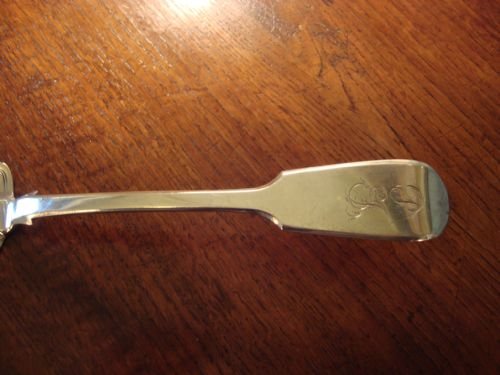
London 1851 English hallmarked antique silver fish slice with beautifully shaped and unusual pierced blade by Charles Boyton, well known maker.

The slice is made in the fiddle pattern with very crisp shoulders, has a lovely shaped blade with double thread interior and exterior borders, and a lovely scrolled pierced pattern to centre.

Size 12.25 inches long by 2.5 inches wide.

Weight-140 grams.

Fish servers and slices were often decorated with piercing. This looked attractive and allowed excess cooking juices to drain from the fish before it was placed onto a dinner plate.

Fish etiquette has always been very important. Fish slices began to be used at the dinner table during the early 1700s. They remained popular throughout the 1800s and early 1900s. The blades of fish slices are often made from silver or silver plate as it was thought a steel blade would ruin the delicate taste of the fish.

The 1860 advice manual 'The Habits of Good Society' gives clear advice on how to carve and serve different types of fish. It demonstrates the importance of etiquette at the dinner table during this period:

"Fish is cut with a large flat silver knife or fish slice, never with a common one. Of small fish, you send one to each person. All the larger flat fish, such as turbot, John Dorey, brills, &c., must be first cut from head to tail down the middle, and then in portions from this cut to the fin, which being considered the best part, is helped with the rest. Fried soles, on the other hand, are simply cut across, dividing the bone. The shoulder is the best part, and should be first helped. Salmon, being laid on the side, is cut down the middle of the upper side, and then across from the back to the belly. A boiled mackerel serves for four people. The fish-knife is passed from tail to head under the upper side, which is then divided into two. Cod is always crossways".

Today these slices in addition to still being used for fish, are also often used for cake and pie.

A very nice solid silver pierced slice, by a well known maker, in very good condition, with just the usual surface scratching.

Please see a very similar one also listed on www.serpentineantiques.co.uk, if two are desired, which would make a nice matched pair.

Declaration

Serpentine Antiques has dated this Victorian Silver Fish Slice to the 1850s.
Reference Numbers
Sellingantiques Reference
SA137725
Dealers Internal Reference
6145
Dealers Notes

Please click on my personal website link in the top left column of this page, or go to www.serpentineantiques.co.uk to see additional items not listed on this site. If you would like additional photos, I am happy to provide them.

Inventory is located in different locations, so please email to verify availability. Thank you.

Description
London 1851 English hallmarked antique silver fish slice with beautifully shaped and unusual pierced blade by Charles Boyton, well known maker.
The slice is made in the fiddle pattern with very crisp shoulders, has a lovely shaped blade with double thread interior and exterior borders, and a lovely scrolled pierced pattern to centre.
Serpentine Antiques
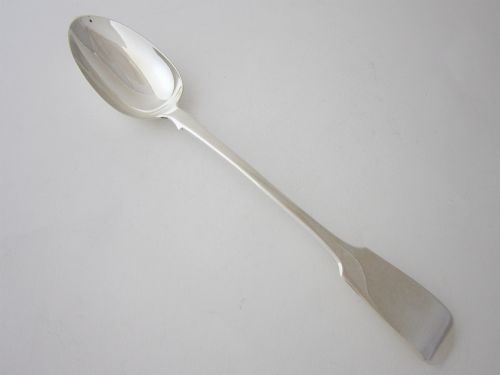
fig 1. A Victorian sterling silver fish slice featuring an intricately pierced scrollwork blade and a classic Fiddle pattern handle.
fig 1. London 1851 Solid Silver Pierced Fish Slice by Well Known Maker Charles Boyton.

Size 12.25 inches long by 2.5 inches wide.

Weight-140 grams.

Fish servers and slices were often decorated with piercing. This looked attractive and allowed excess cooking juices to drain from the fish before it was placed onto a dinner plate.
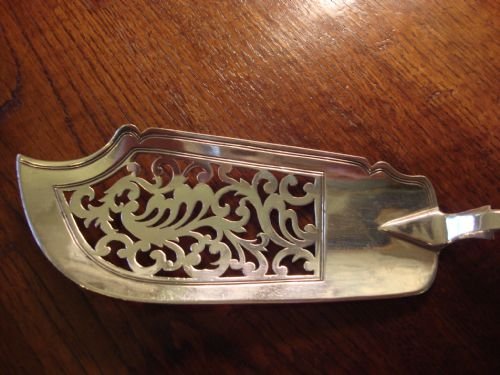
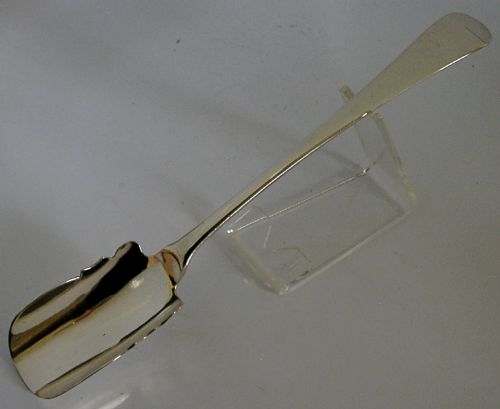
fig 2. A Victorian sterling silver fish slice featuring an intricately pierced scrollwork blade and a classic Fiddle pattern handle.
fig 2. London 1851 Solid Silver Pierced Fish Slice by Well Known Maker Charles Boyton.

Fish etiquette has always been very important. Fish slices began to be used at the dinner table during the early 1700s. They remained popular throughout the 1800s and early 1900s. The blades of fish slices are often made from silver or silver plate as it was thought a steel blade would ruin the delicate taste of the fish.
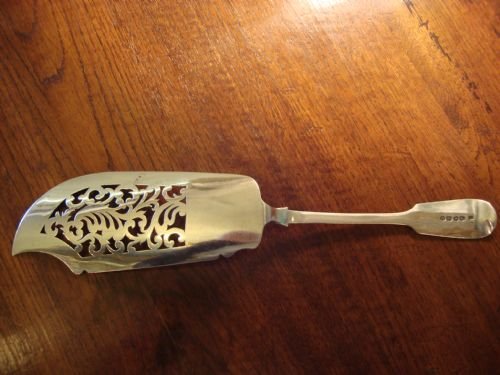
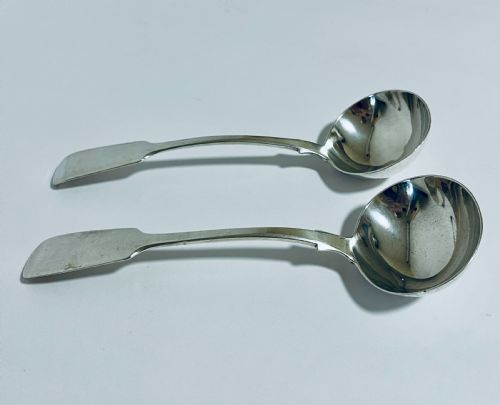
fig 3. A Victorian sterling silver fish slice featuring an intricately pierced scrollwork blade and a classic Fiddle pattern handle.
fig 3. London 1851 Solid Silver Pierced Fish Slice by Well Known Maker Charles Boyton.

The 1860 advice manual 'The Habits of Good Society' gives clear advice on how to carve and serve different types of fish. It demonstrates the importance of etiquette at the dinner table during this period:
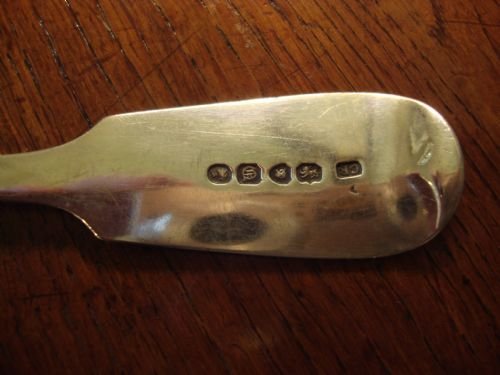
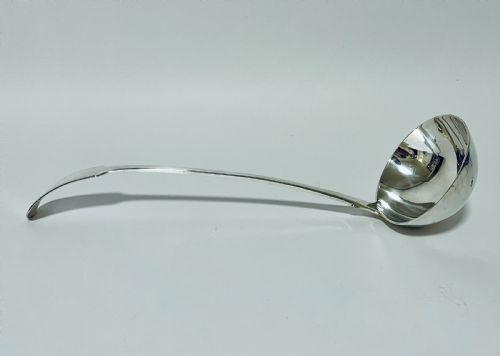
fig 4. A Victorian sterling silver fish slice featuring an intricately pierced scrollwork blade and a classic Fiddle pattern handle.
fig 4. London 1851 Solid Silver Pierced Fish Slice by Well Known Maker Charles Boyton.

"Fish is cut with a large flat silver knife or fish slice, never with a common one. Of small fish, you send one to each person. All the larger flat fish, such as turbot, John Dorey, brills, &c., must be first cut from head to tail down the middle, and then in portions from this cut to the fin, which being considered the best part, is helped with the rest. Fried soles, on the other hand, are simply cut across, dividing the bone. The shoulder is the best part, and should be first helped. Salmon, being laid on the side, is cut down the middle of the upper side, and then across from the back to the belly. A boiled mackerel serves for four people. The fish-knife is passed from tail to head under the upper side, which is then divided into two. Cod is always crossways".

Today these slices in addition to still being used for fish, are also often used for cake and pie.

A very nice solid silver pierced slice, by a well known maker, in very good condition, with just the usual surface scratching.

Please see a very similar one also listed on www.serpentineantiques.co.uk, if two are desired, which would make a nice matched pair.

Date of Manufacture

Serpentine Antiques has dated this Victorian Silver Fish Slice to the 1850s.

Reference Numbers
Sellingantiques Ref
SA137725
Dealers Internal Ref
6145
Serpentine Antiques
Serpentine Antiques
Sellingantiques verified Since Feb 2008

Specialising in unique pieces for the discerning individual, selected and prepared with special care..

Dealer Profile

You can view the stock and full dealer information on the Serpentine Antiques Profile Page

PDF SHARE
SAVE
A Victorian sterling silver fish slice featuring an intricately pierced scrollwork blade and a classic Fiddle pattern handle.
1 / 5
Archive I A Victorian sterling silver fish slice featuring an intricately pierced scrollwork blade and a classic Fiddle pattern handle.

London 1851 solid silver pierced fish slice by well known maker Charles Boyton.

Archive II A Victorian sterling silver fish slice featuring an intricately pierced scrollwork blade and a classic Fiddle pattern handle. View II
Archive III A Victorian sterling silver fish slice featuring an intricately pierced scrollwork blade and a classic Fiddle pattern handle. View III
Archive IV A Victorian sterling silver fish slice featuring an intricately pierced scrollwork blade and a classic Fiddle pattern handle. View IV
Archive V A Victorian sterling silver fish slice featuring an intricately pierced scrollwork blade and a classic Fiddle pattern handle. View V
FURTHER BROWSING

Visitors also looked at these ⇣

Enlarged Archival View
Telephone 07810 752 292
Location
at The Antiques Warehouse
Badshot Farm
St. Georges Rd
Runfold
Farnham
Surrey
GU9 9HR
United Kingdom
Verified Since Feb 2008
Items For Sale 105
Items Sold 1,220
Serpentine Antiques
Serpentine Antiques
Verified Since Feb 2008
View Dealer Info
Location: at The Antiques Warehouse, Badshot Farm, St. Georges Rd, Runfold, Farnham, Surrey, GU9 9HR, United Kingdom
Verified
Feb 2008
For Sale
105
Sold
1,220
A Victorian sterling silver fish slice featuring an intricately pierced scrollwork blade and a classic Fiddle pattern handle.
London 1851 solid silver pierced fish slice by well known maker Charles Boyton.
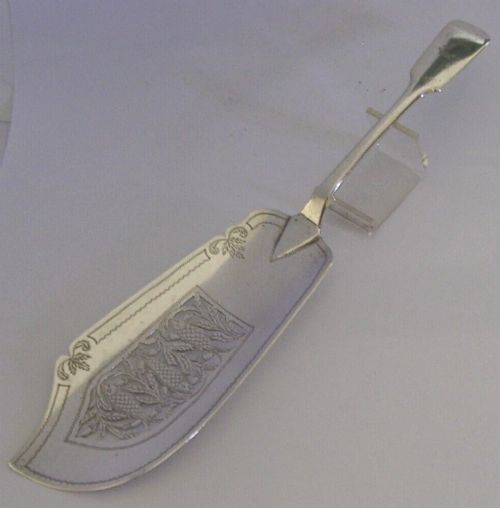
Ref: SA137725
A Victorian sterling silver fish slice featuring an intricately pierced scrollwork blade and a classic Fiddle pattern handle.
Detail View 1
Detail View 2
Detail View 3
Detail View 4
Archival Detail
Every single antique dealer on our platform is individually approved by our internal team. We verify their professional trade history, ethical standards, and photographic quality to ensure a secure, high-standard buying environment. Upon joining, every dealer agrees to a strict 9-point code of conduct. While issues can occasionally arise, our dealers typically resolve them swiftly and directly with the buyer. In fact, since our founding in 2002, Sellingantiques has only had to step in to help resolve an issue on roughly five occasions—a true testament to the quality of our dealers and their dedication to your happiness.
Our dealers are highly experienced in packing and shipping fragile, high-value antiques. Because you are in direct contact with the dealer, you will be able to easily go through all available shipping and insurance options together to ensure your item arrives safely.
Antiques are the ultimate green purchase. By choosing historical pieces over newly manufactured goods, you completely eliminate the carbon footprint of modern mass production while preserving exceptional, timeless craftsmanship.

Introduced in the mid-eighteenth century, silver fish slices were created specifically for serving whole fish at formal dinner tables. The pierced blade enabled liquid to drain away prior to serving, maintaining the texture and presentation of the dish.

Mid-nineteenth-century fish slices were predominantly forged from sterling silver or silver plate. Craftsmen executed hand-piercing and fretwork techniques across the blade, frequently paired with cast or fiddle pattern handles.

Authentic items bear full set British hallmarks, comprising a maker mark, town mark, date letter, standard mark, and duty mark. Victorian sterling silver pieces display the lion passant alongside specific date letters corresponding to the year of manufacture.

An antique fish slice serves as a functional utensil for modern dining, suited for serving fish courses, tarts, or pastries. Its detailed fretwork provides a historic accent to modern table arrangements.

Silver should be washed by hand using warm water and mild liquid soap, followed by immediate drying with a soft cloth. Regular application of a non-abrasive silver polish removes oxidisation without eroding delicate pierced sections.
items
Add keywords to the filter
Price
£100
£250000
Era
Movements
Material
Origin
Stock Location
Freshness
Online Payments
Categories