6,586  PAGES BROWSED TODAY PAGES TODAY 0  ANTIQUES UPLOADED TODAY NEW ARRIVALS
ID #SA1228374
FOR SALE
£2,750
Email
Save
18th Century Scottish School Portrait of Dr Thomas Wise of Hillbank, Forfarshire
Rob Hall Antiques
for sale €3,218     $3,493
£2,750

Rob Hall Antiques

Sellingantiques Verified Since Aug 2025
View Dealers Stock Page
Relevant Links
Id #SA1228374
PDF SHARE
SAVE

18th Century Scottish School Portrait of Dr Thomas Wise of Hillbank, Forfarshire

18th century
Description

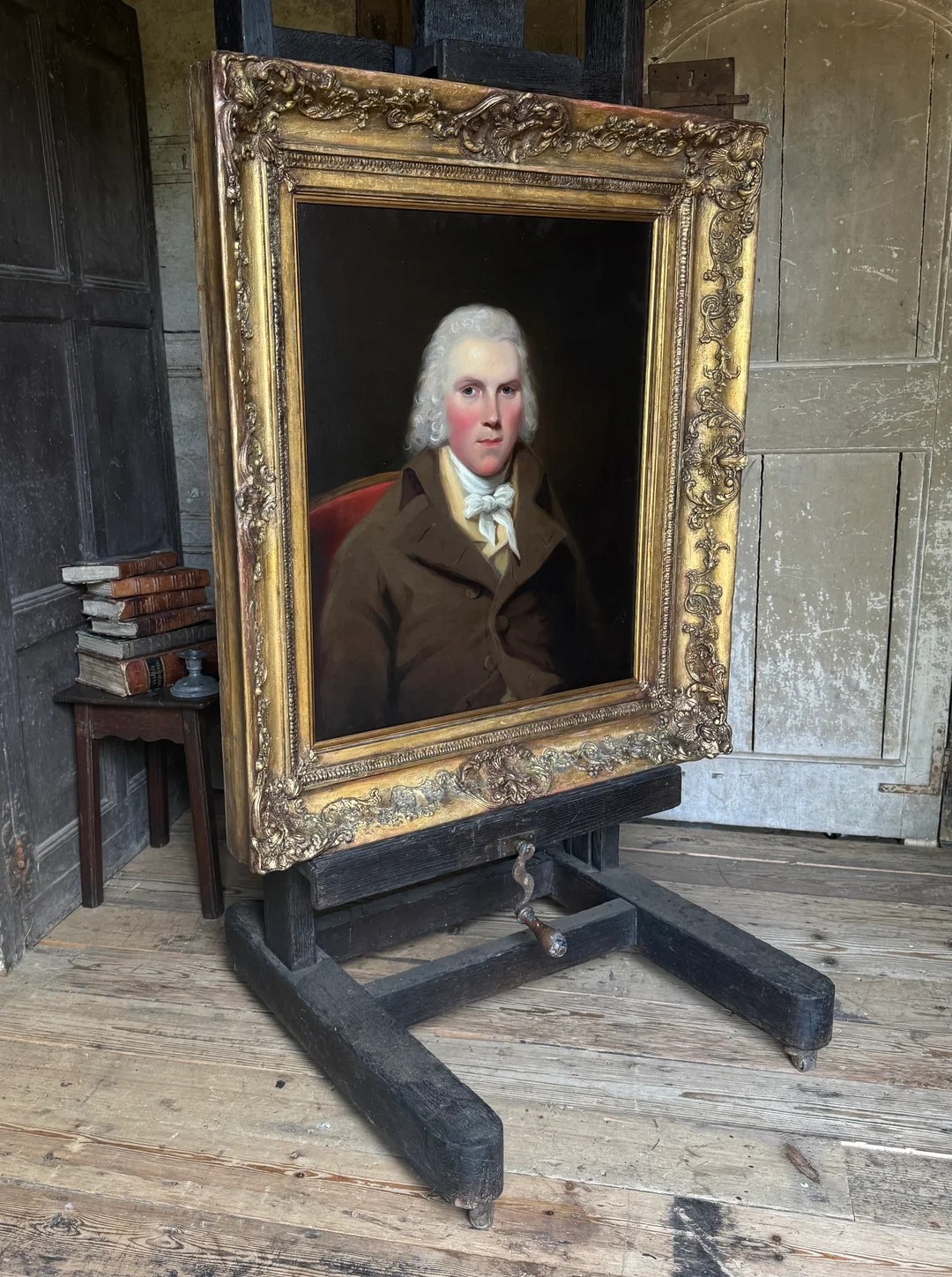
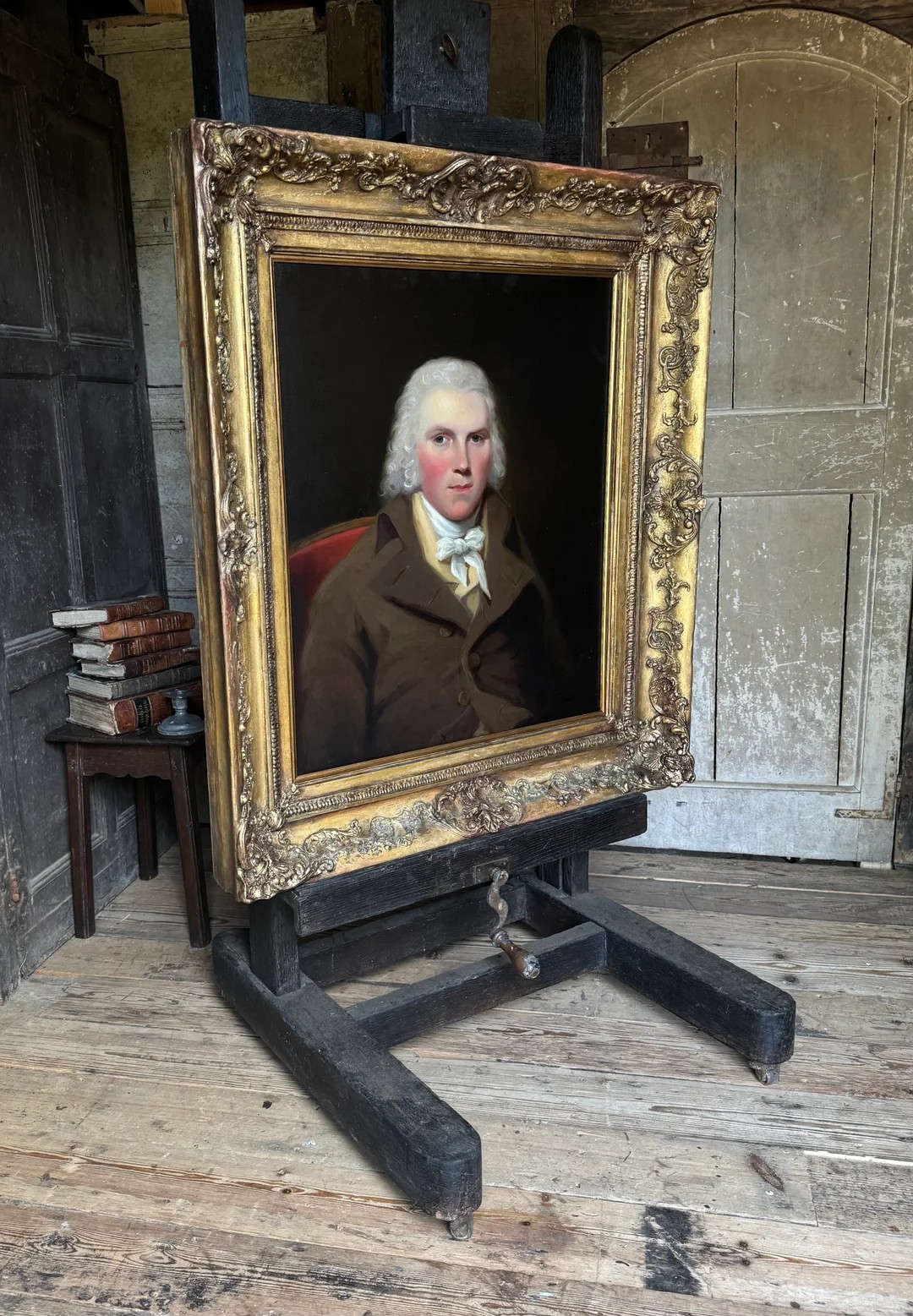
A fine late 18th century Scottish oil on canvas portrait, circa 1795, traditionally identified as Dr Thomas Wise (1755–1819) of Hillbank, Dundee, physician and member of a prominent Scottish family.

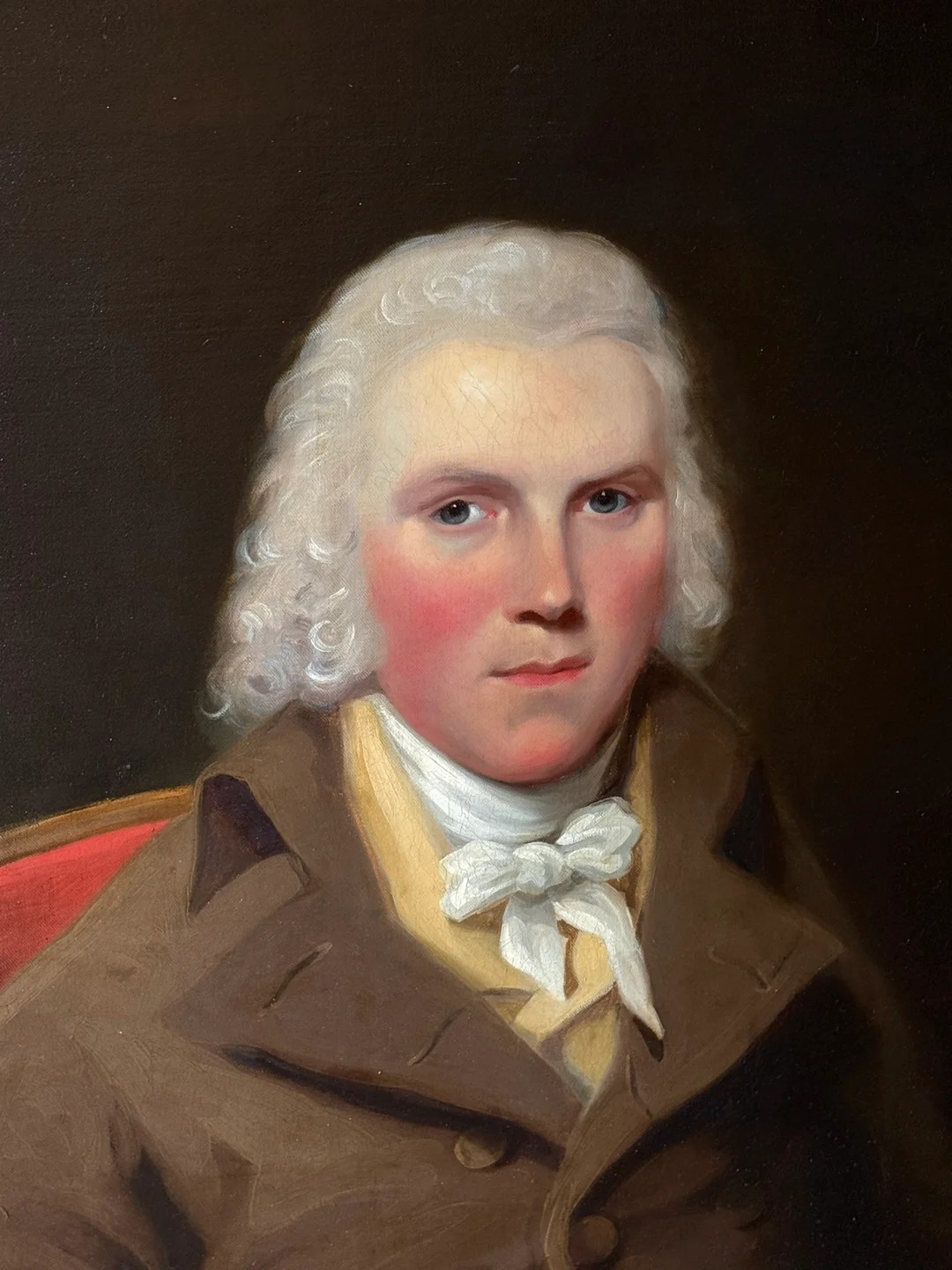
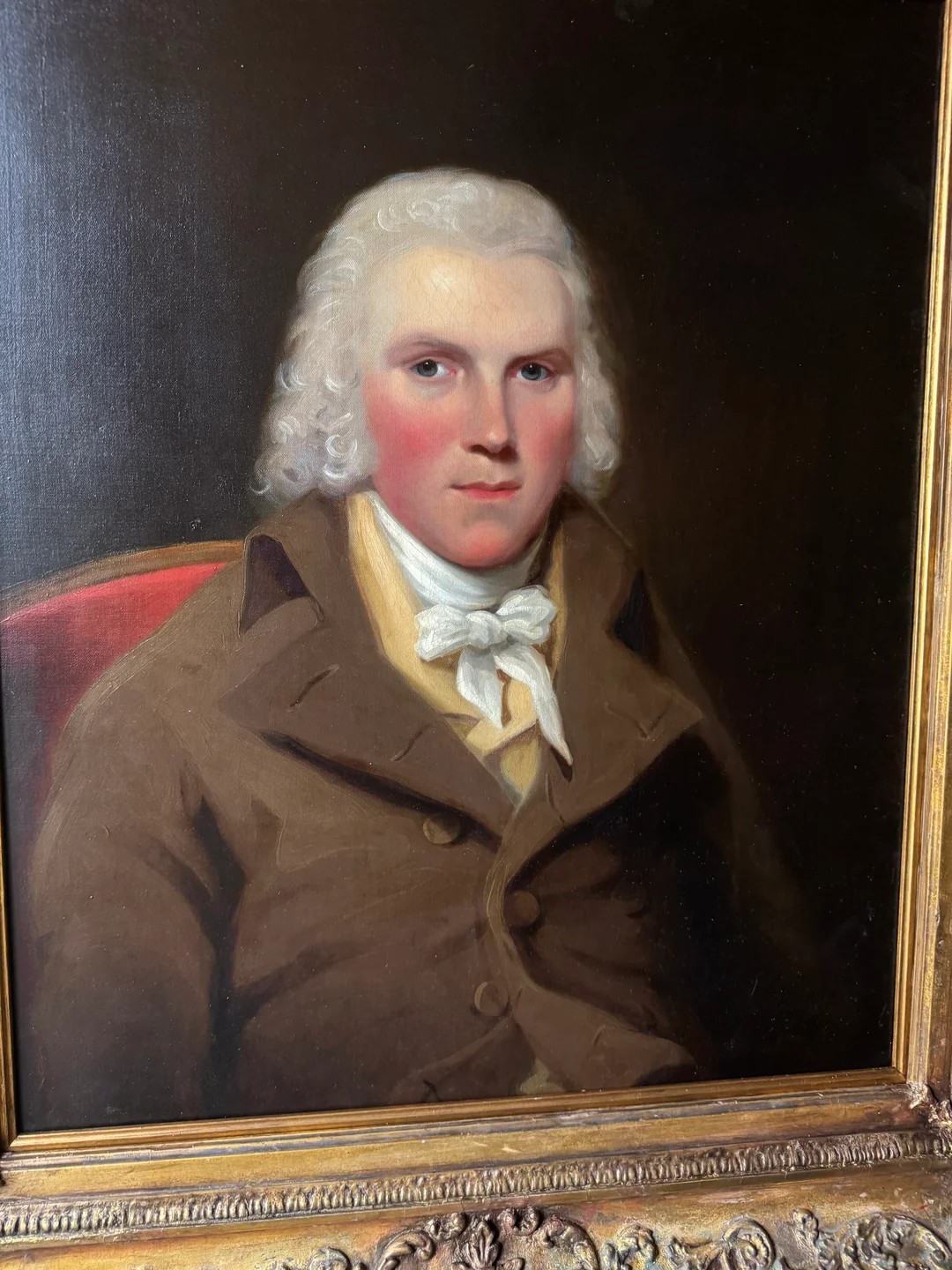
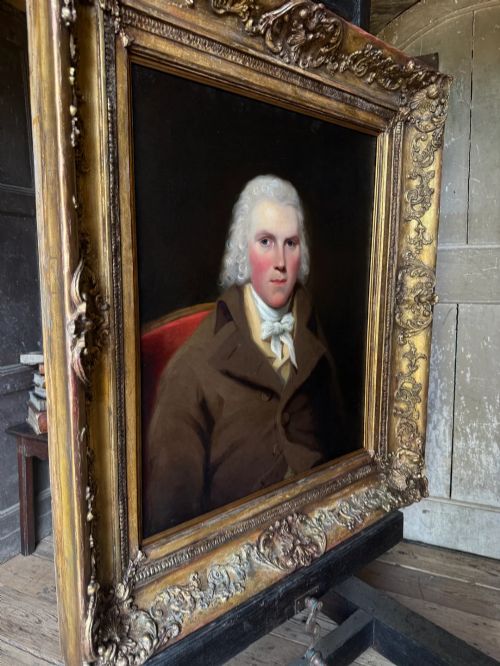
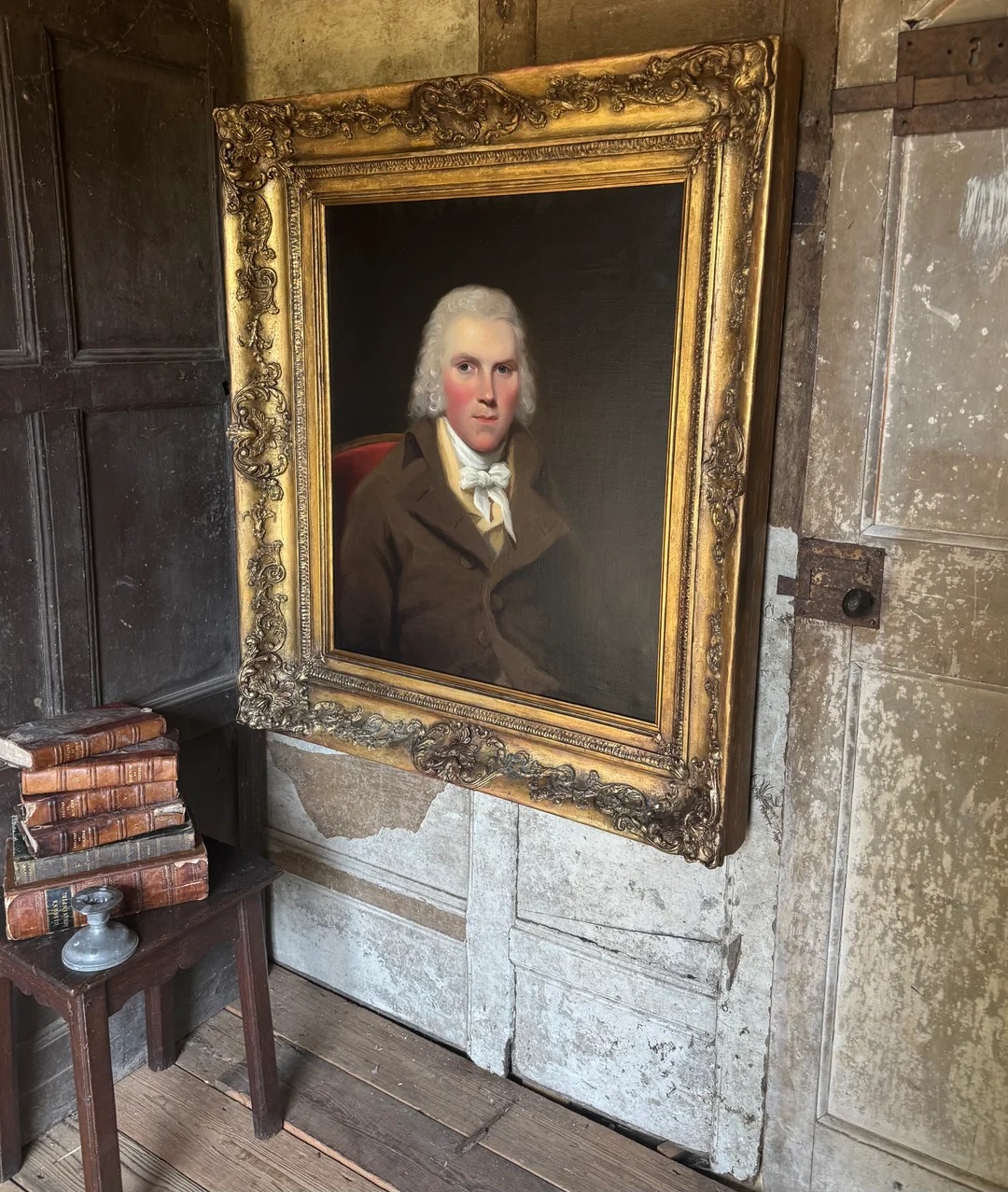
Wise is depicted seated three-quarter length against a dark background, wearing a brown double-breasted coat and waistcoat with a white stock.

Thomas was the eldest son of David Wise of Lunan, Forfarshire, and Grizel Henderson. The Wise family had longstanding connections with Dundee and the surrounding area. His father David was described as an ingenious mechanician and became involved in the developing textile industry, establishing a cotton-spinning manufactory near what subsequently became Cotton Road.

Thomas became a physician and spent a period in Jamaica, where family histories record that he acquired the Claremont estate in the parish of Hanover. On returning to Scotland he purchased Hillbank, an estate immediately north of Dundee and close to his father’s cotton works.

In 1795, the approximate date of the present portrait, Wise married Anne Chalmers, second daughter of William Chalmers of Glenericht, Perthshire. The Chalmers family was prominent in Dundee civic life, William Chalmers having served for many years as Town Clerk of Dundee. Thomas and Anne subsequently had six children between 1796 and 1806.

Hillbank House appears on early maps of Dundee standing on an eminence amongst open fields, with a decorative approach leading towards the house. As Dundee expanded during the 19th century, the estate was gradually absorbed into the city, although its history remains preserved in local street names. Hillbank Road perpetuates the name of the former estate, while Jamaica Street, laid out following the development of part of Hillbank, was reportedly named in remembrance of Wise’s earlier life in Jamaica.

The following generation of the Wise family proved particularly interesting. Several of Thomas’s sons pursued careers in British India. His son Dr Thomas Alexander Wise (1802–1889) followed his father into medicine and served for many years with the Honourable East India Company. He held appointments at various stations in India and became Principal of both Hooghly and Dacca Colleges. A physician, scholar, author and collector, he subsequently wrote extensively on Indian medicine and related subjects.

Another son, Patrick Wise, became a magistrate in Bengal, while Captain William Wise succeeded his father at Hillbank and also served with the East India Company.

Of particular notes was that Wise also sat for a different portrait painted by Sir Henry Raeburn.

Stylistically, the portrait sits comfortably within the Scottish portrait tradition of the closing years of the 18th century, with its dark background, restrained composition and naturalistic treatment of the sitter. In the absence of documentary evidence identifying the painter, we have deliberately catalogued the work conservatively as Scottish School. It remains unattributed but further research may lead to an identified artist.

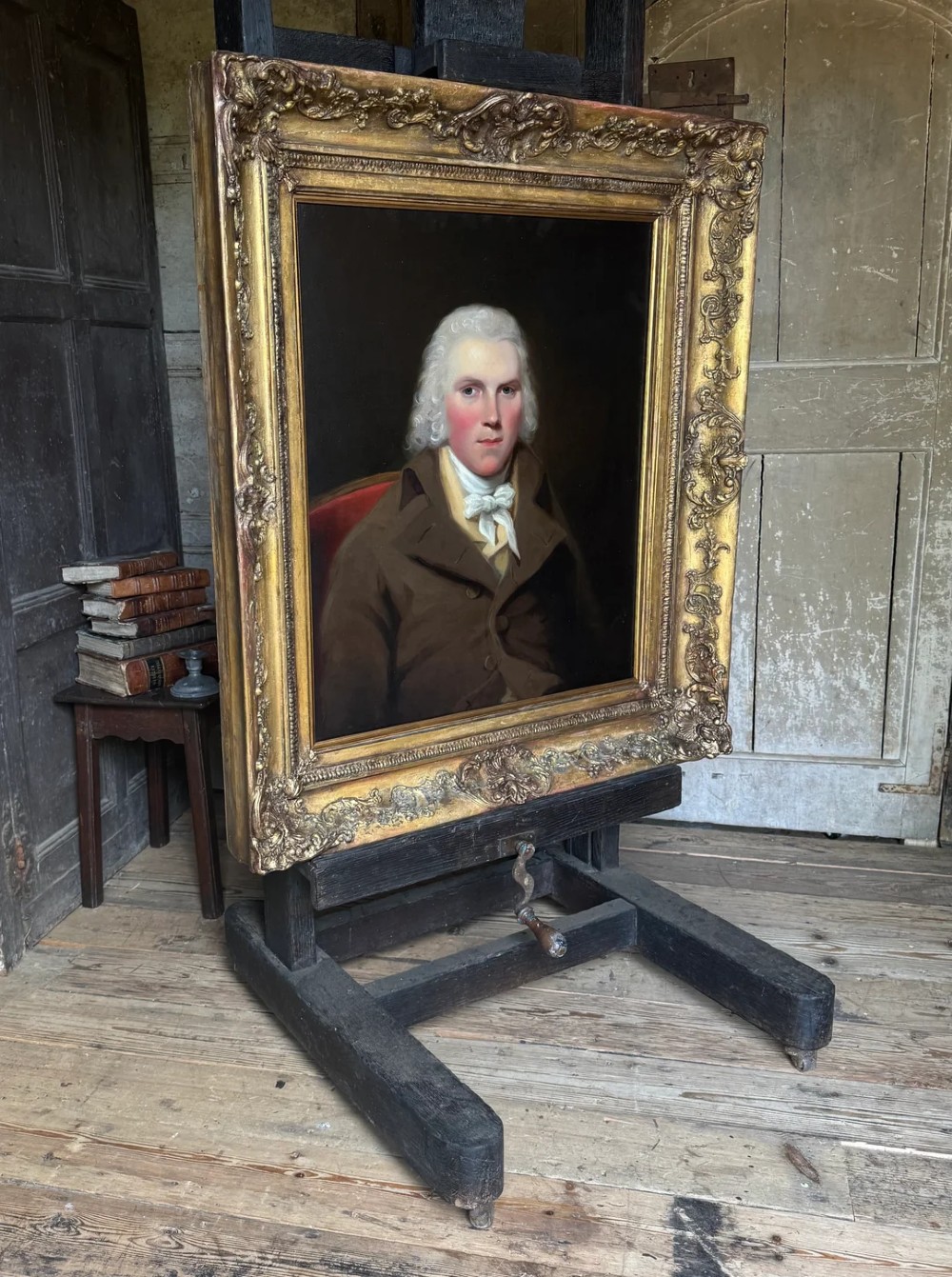
The portrait is presented in its impressive period gilt composition frame, richly decorated with scrolling foliage, acanthus and floral ornament. Both the painting and frame have recently undergone restoration and conservation.

Provenance: Previously in a private collection, Bath, Somerset.

Measuring: (Frame - 102 cm x 89 cm (Canvas - 77 cm x 63 cm)

Scottish school, c. 1795

Declaration

Rob Hall Antiques has dated this Georgian Oil Portrait Painting to the 18th Century.
Reference Numbers
Sellingantiques Reference
SA1228374
Description
A fine late 18th century Scottish oil on canvas portrait, circa 1795, traditionally identified as Dr Thomas Wise (1755–1819) of Hillbank, Dundee, physician and member of a prominent Scottish family.
Wise is depicted seated three-quarter length against a dark background, wearing a brown double-breasted coat and waistcoat with a white stock.
Rob Hall Antiques
fig 1. An 18th-century oil painting on canvas depicting a gentleman in a brown coat and white cravat, housed in a thick, ornate gilded frame.
fig 1. 18th Century Scottish School Portrait of Dr Thomas Wise of Hillbank, Forfarshire

Thomas was the eldest son of David Wise of Lunan, Forfarshire, and Grizel Henderson. The Wise family had longstanding connections with Dundee and the surrounding area. His father David was described as an ingenious mechanician and became involved in the developing textile industry, establishing a cotton-spinning manufactory near what subsequently became Cotton Road.
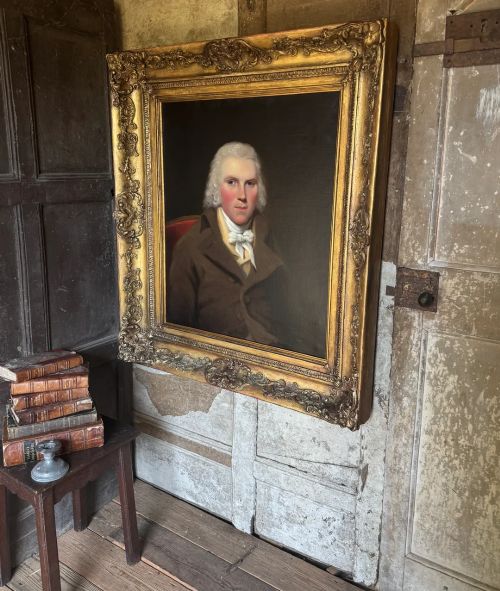
fig 2. An 18th-century oil painting on canvas depicting a gentleman in a brown coat and white cravat, housed in a thick, ornate gilded frame.
fig 2. 18th Century Scottish School Portrait of Dr Thomas Wise of Hillbank, Forfarshire

Thomas became a physician and spent a period in Jamaica, where family histories record that he acquired the Claremont estate in the parish of Hanover. On returning to Scotland he purchased Hillbank, an estate immediately north of Dundee and close to his father’s cotton works.
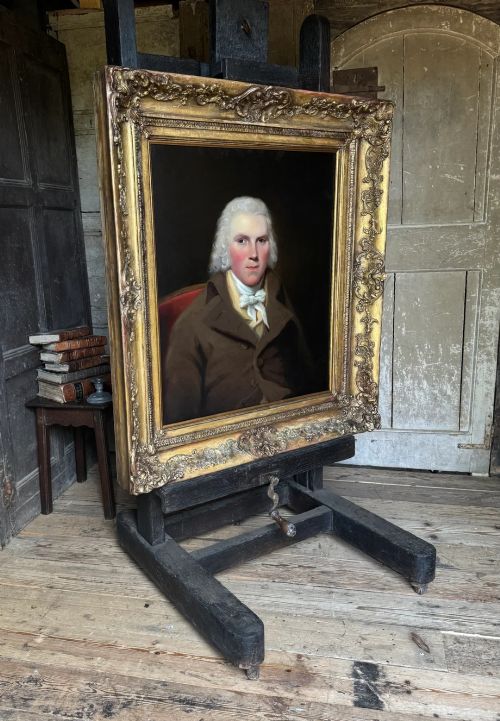
fig 3. An 18th-century oil painting on canvas depicting a gentleman in a brown coat and white cravat, housed in a thick, ornate gilded frame.
fig 3. 18th Century Scottish School Portrait of Dr Thomas Wise of Hillbank, Forfarshire

In 1795, the approximate date of the present portrait, Wise married Anne Chalmers, second daughter of William Chalmers of Glenericht, Perthshire. The Chalmers family was prominent in Dundee civic life, William Chalmers having served for many years as Town Clerk of Dundee. Thomas and Anne subsequently had six children between 1796 and 1806.
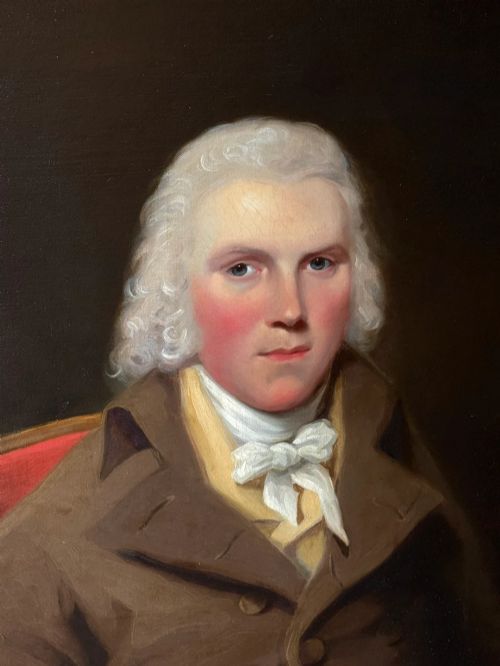
fig 4. An 18th-century oil painting on canvas depicting a gentleman in a brown coat and white cravat, housed in a thick, ornate gilded frame.
fig 4. 18th Century Scottish School Portrait of Dr Thomas Wise of Hillbank, Forfarshire

Hillbank House appears on early maps of Dundee standing on an eminence amongst open fields, with a decorative approach leading towards the house. As Dundee expanded during the 19th century, the estate was gradually absorbed into the city, although its history remains preserved in local street names. Hillbank Road perpetuates the name of the former estate, while Jamaica Street, laid out following the development of part of Hillbank, was reportedly named in remembrance of Wise’s earlier life in Jamaica.
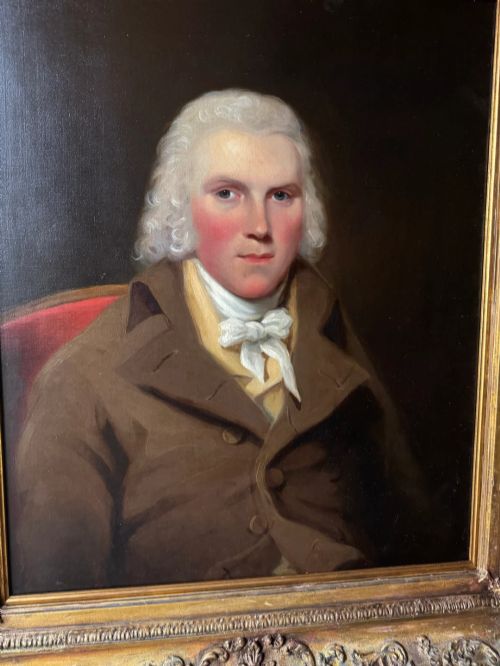
fig 5. An 18th-century oil painting on canvas depicting a gentleman in a brown coat and white cravat, housed in a thick, ornate gilded frame.
fig 5. 18th Century Scottish School Portrait of Dr Thomas Wise of Hillbank, Forfarshire

The following generation of the Wise family proved particularly interesting. Several of Thomas’s sons pursued careers in British India. His son Dr Thomas Alexander Wise (1802–1889) followed his father into medicine and served for many years with the Honourable East India Company. He held appointments at various stations in India and became Principal of both Hooghly and Dacca Colleges. A physician, scholar, author and collector, he subsequently wrote extensively on Indian medicine and related subjects.

Another son, Patrick Wise, became a magistrate in Bengal, while Captain William Wise succeeded his father at Hillbank and also served with the East India Company.

Of particular notes was that Wise also sat for a different portrait painted by Sir Henry Raeburn.

Stylistically, the portrait sits comfortably within the Scottish portrait tradition of the closing years of the 18th century, with its dark background, restrained composition and naturalistic treatment of the sitter. In the absence of documentary evidence identifying the painter, we have deliberately catalogued the work conservatively as Scottish School. It remains unattributed but further research may lead to an identified artist.

The portrait is presented in its impressive period gilt composition frame, richly decorated with scrolling foliage, acanthus and floral ornament. Both the painting and frame have recently undergone restoration and conservation.

Provenance: Previously in a private collection, Bath, Somerset.

Measuring: (Frame - 102 cm x 89 cm (Canvas - 77 cm x 63 cm)

Scottish school, c. 1795

Date of Manufacture

Rob Hall Antiques has dated this Georgian Oil Portrait Painting to the 18th Century.

Reference Numbers
Sellingantiques Ref
SA1228374
Rob Hall Antiques
Sellingantiques verified Since Aug 2025
Dealer Profile

You can view the stock and full dealer information on the Rob Hall Antiques Profile Page
Relevant Links
PDF SHARE
SAVE
An 18th-century oil painting on canvas depicting a gentleman in a brown coat and white cravat, housed in a thick, ornate gilded frame.
1 / 6
Archive I An 18th-century oil painting on canvas depicting a gentleman in a brown coat and white cravat, housed in a thick, ornate gilded frame.

18TH CENTURY SCOTTISH SCHOOL PORTRAIT OF DR THOMAS WISE OF HILLBANK, FORFARSHIRE
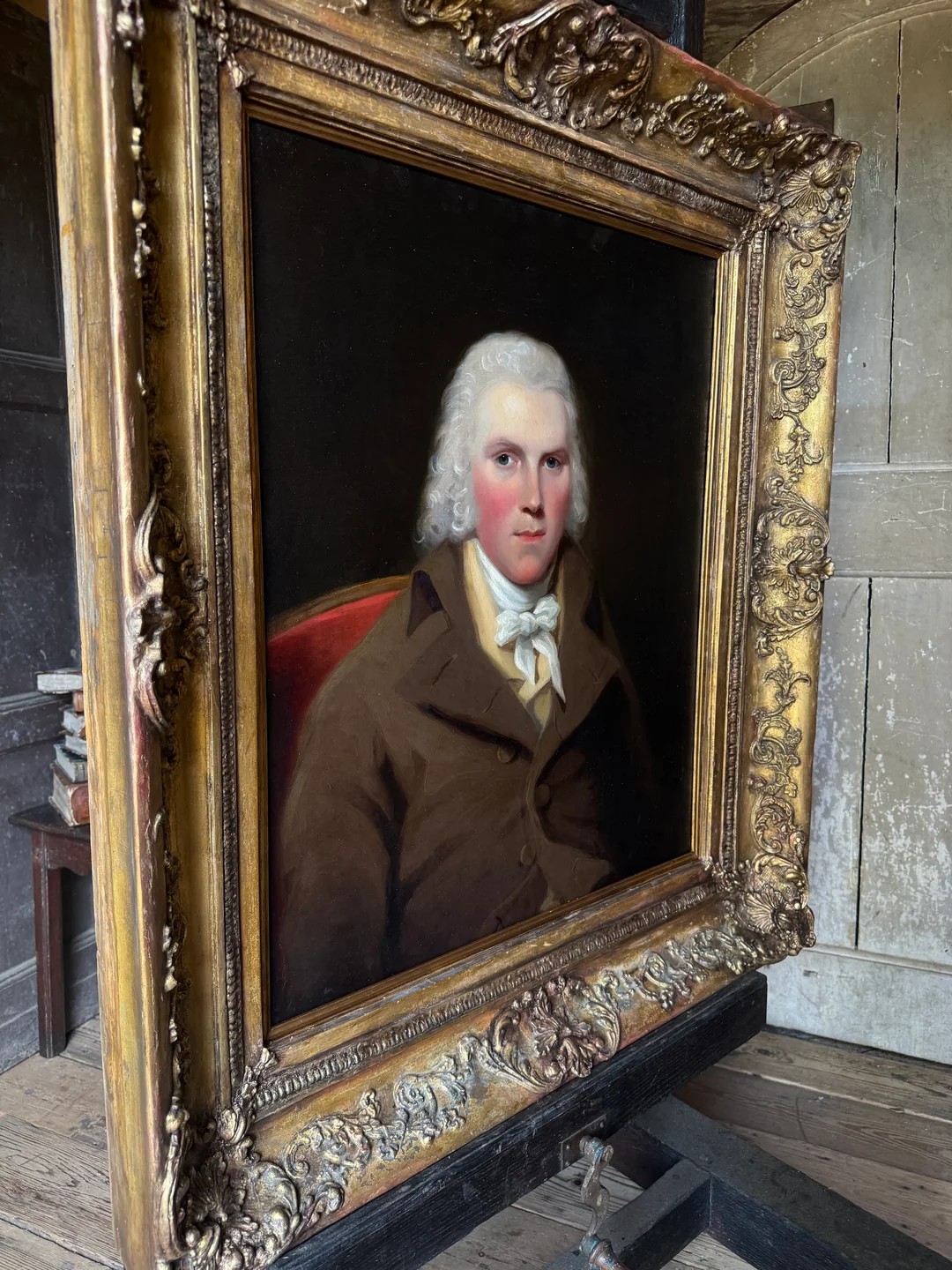
Archive II An 18th-century oil painting on canvas depicting a gentleman in a brown coat and white cravat, housed in a thick, ornate gilded frame. View II
Archive III An 18th-century oil painting on canvas depicting a gentleman in a brown coat and white cravat, housed in a thick, ornate gilded frame. View III
Archive IV An 18th-century oil painting on canvas depicting a gentleman in a brown coat and white cravat, housed in a thick, ornate gilded frame. View IV
Archive V An 18th-century oil painting on canvas depicting a gentleman in a brown coat and white cravat, housed in a thick, ornate gilded frame. View V
Archive VI An 18th-century oil painting on canvas depicting a gentleman in a brown coat and white cravat, housed in a thick, ornate gilded frame. View VI
FURTHER BROWSING

Visitors also looked at these ⇣

Enlarged Archival View
Telephone 07858 820345
Location
Northamptonshire
United Kingdom
Verified Since Aug 2025
Items For Sale 46
Items Sold 24
Rob Hall Antiques
Verified Since Aug 2025
View Dealer Info
Location: Northamptonshire, United Kingdom
Verified
Aug 2025
For Sale
46
Sold
24
An 18th-century oil painting on canvas depicting a gentleman in a brown coat and white cravat, housed in a thick, ornate gilded frame.
18TH CENTURY SCOTTISH SCHOOL PORTRAIT OF DR THOMAS WISE OF HILLBANK, FORFARSHIRE
Ref: SA1228374
An 18th-century oil painting on canvas depicting a gentleman in a brown coat and white cravat, housed in a thick, ornate gilded frame.
Detail View 1
Detail View 2
Detail View 3
Detail View 4
Detail View 5
Archival Detail
Every single antique dealer on our platform is individually approved by our internal team. We verify their professional trade history, ethical standards, and photographic quality to ensure a secure, high-standard buying environment. Upon joining, every dealer agrees to a strict 9-point code of conduct. While issues can occasionally arise, our dealers typically resolve them swiftly and directly with the buyer. In fact, since our founding in 2002, Sellingantiques has only had to step in to help resolve an issue on roughly five occasions—a true testament to the quality of our dealers and their dedication to your happiness.
Our dealers are highly experienced in packing and shipping fragile, high-value antiques. Because you are in direct contact with the dealer, you will be able to easily go through all available shipping and insurance options together to ensure your item arrives safely.
Antiques are the ultimate green purchase. By choosing historical pieces over newly manufactured goods, you completely eliminate the carbon footprint of modern mass production while preserving exceptional, timeless craftsmanship.

Scottish School portraiture of the 18th century is distinguished by its directness, strong characterisation, and subtle use of light, heavily influenced by artists such as Allan Ramsay and Sir Henry Raeburn.

Paintings from this era were created using oil pigments mixed with natural binders on hand-stretched linen canvas, typically mounted inside carved wooden frames finished with leaf gilding.

Authentic paintings of this age display natural age-related craquelure across the paint surface, hand-cut wooden stretcher bars, traditional canvas weave, and genuine wear or oxidisation on the giltwood frame.

Positioning a formal period portrait above a clean-lined mantelpiece, sideboard, or console table creates an engaging focal point that bridges historical character with modern interior design.

Keep oil paintings away from direct sunlight, extreme temperature changes, and high humidity. Lightly dust the frame with a soft, dry brush and consult a professional conservator for any varnish cleaning or repairs.
items
Add keywords to the filter
Price
£100
£250000
Era
Movements
Material
Origin
Stock Location
Freshness
Online Payments
Categories