60,930  PAGES BROWSED TODAY PAGES TODAY 103  ANTIQUES UPLOADED TODAY NEW ARRIVALS
ID #SA1223566
FOR SALE
£465
Email
Save
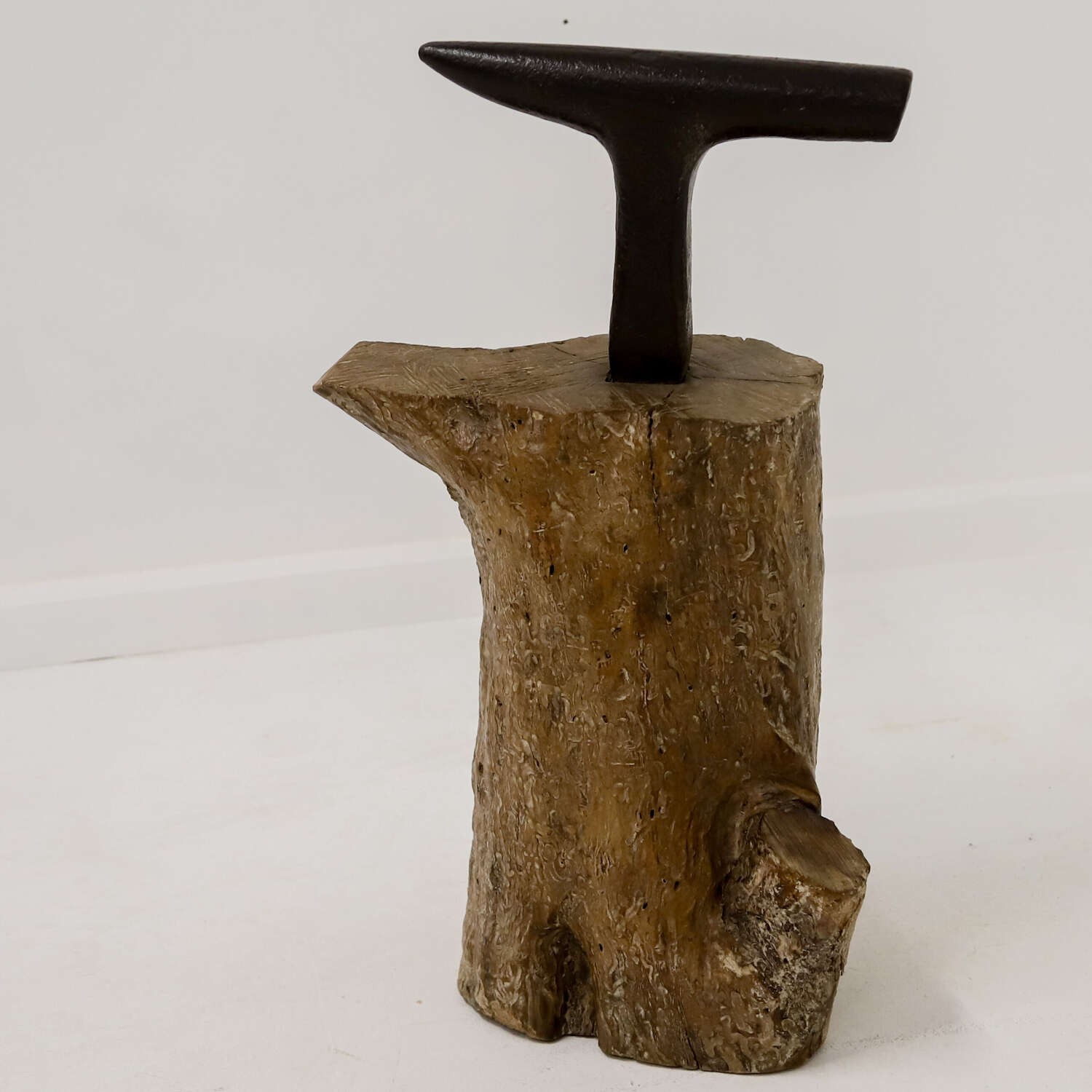
19th C British Farrier’s Anvil Mounted on Fruitwood Trunk – Sculptural Vernacular Piece
Whites Antiques
for sale €544     $591
£465
Whites Antiques

Whites Antiques

Sellingantiques Verified Since May 2023
View Dealers Stock Page
  • About Us
    White's antiques collective is the perfect resource for both trade and private clients
Id #SA1223566
PDF SHARE
SAVE

19th C British Farrier’s Anvil Mounted on Fruitwood Trunk – Sculptural Vernacular Piece

19th century
For Sale by Whites Antiques
Description

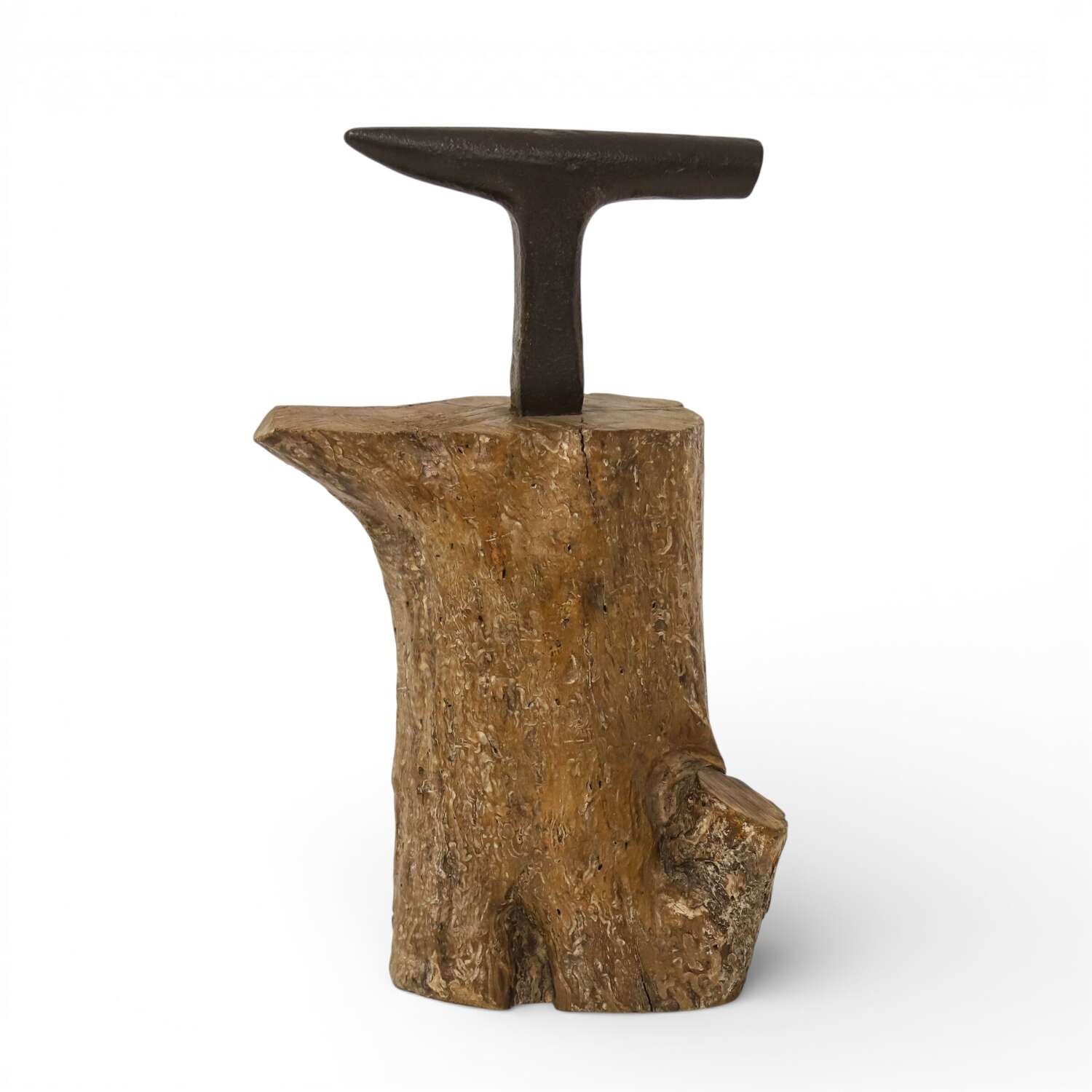
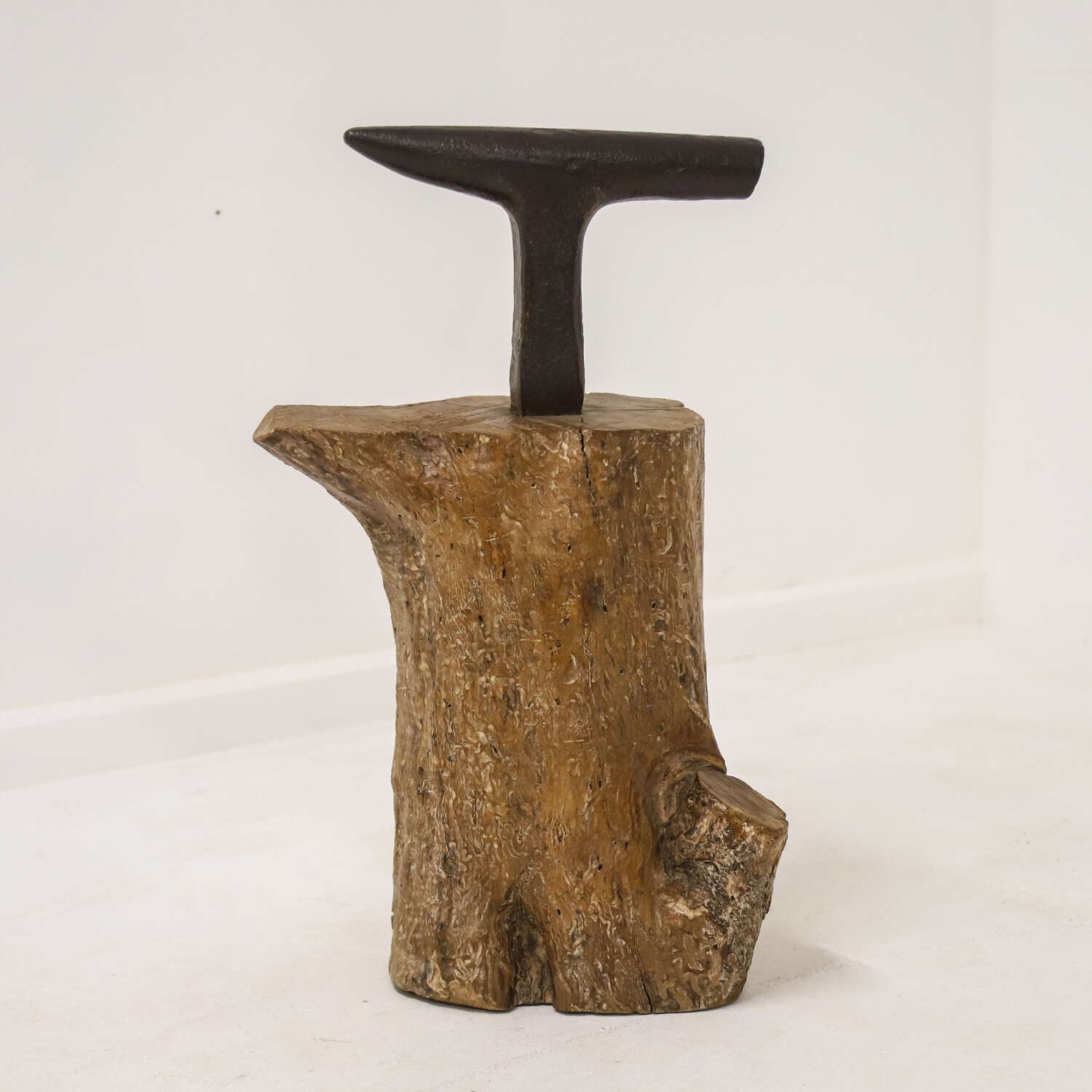
19th century British farrier’s anvil mounted on fruitwood trunk with sculptural rustic character

At a Glance – Appeal, Desirability & Collectibility

• Date/Era: 19th century

• Origin: Britain

• Material: Iron anvil mounted on fruitwood tree trunk
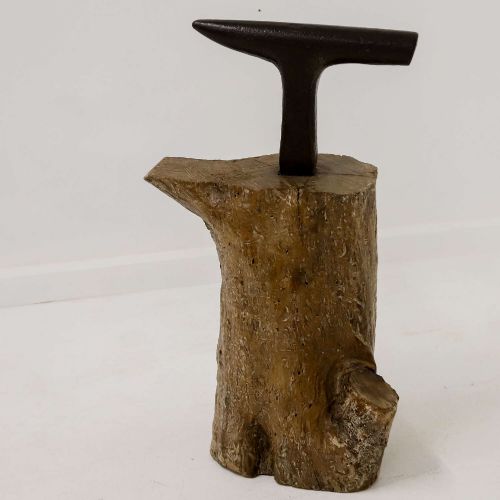
• Style/Influence: Vernacular rural / farrier’s workshop

• Dimensions: H: 65cm (25.6") | W: 37cm (14.6") | D: 26cm (10.2")

• Condition: Very good condition

• Design Details:

• Authentic farrier’s anvil form
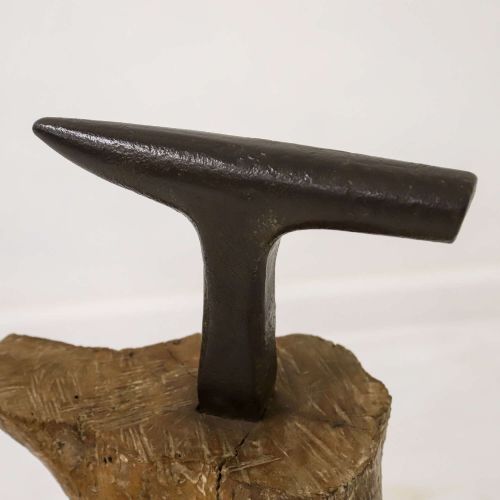
• Mounted on a gnarly, characterful fruitwood trunk

• Strong sculptural presence

• Decorative Appeal:

• A striking sculptural object with industrial‑rural character

• Versatility:

• Ideal for hallways, studios, retail displays or as a conversation piece
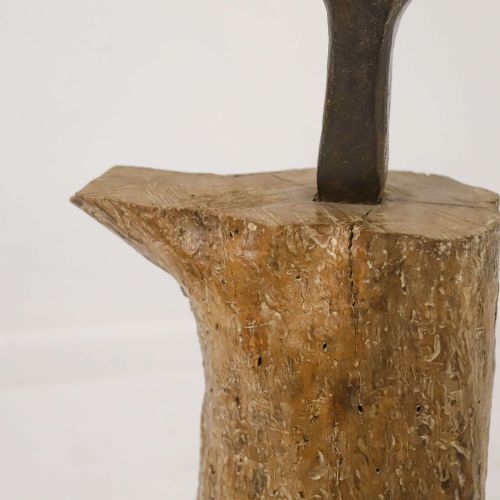
• Collectibility: :

• A rare survival of 19th‑century farrier’s equipment with strong decorative impact

Heritage, History & Craftsmanship

This 19th‑century British farrier’s anvil, mounted on its original fruitwood tree trunk, is a wonderfully authentic piece of rural workshop history. Farriers required stable, weighty bases for shaping and adjusting horseshoes, and tree‑trunk mounts were commonly used for their natural strength and shock‑absorbing qualities.
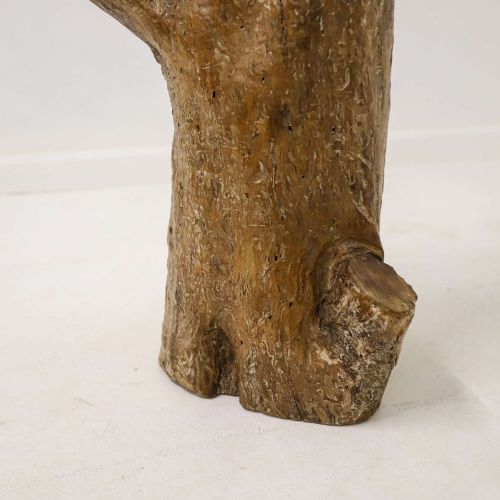
The gnarly, organic form of the fruitwood contrasts beautifully with the industrial simplicity of the anvil, creating a sculptural object that feels both grounded and full of character. Its presence is immediate - tactile, elemental and evocative of traditional craftsmanship.
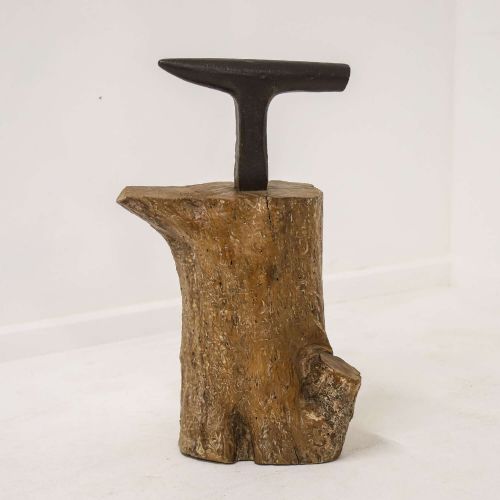
Today, pieces like this are prized not only for their historical significance but also for their decorative impact. They bring texture, authenticity and a sense of narrative to interiors ranging from rustic to contemporary.
History

British vernacular farrier’s equipment, 19th century.

Condition Report

• In very good condition

• Anvil securely mounted

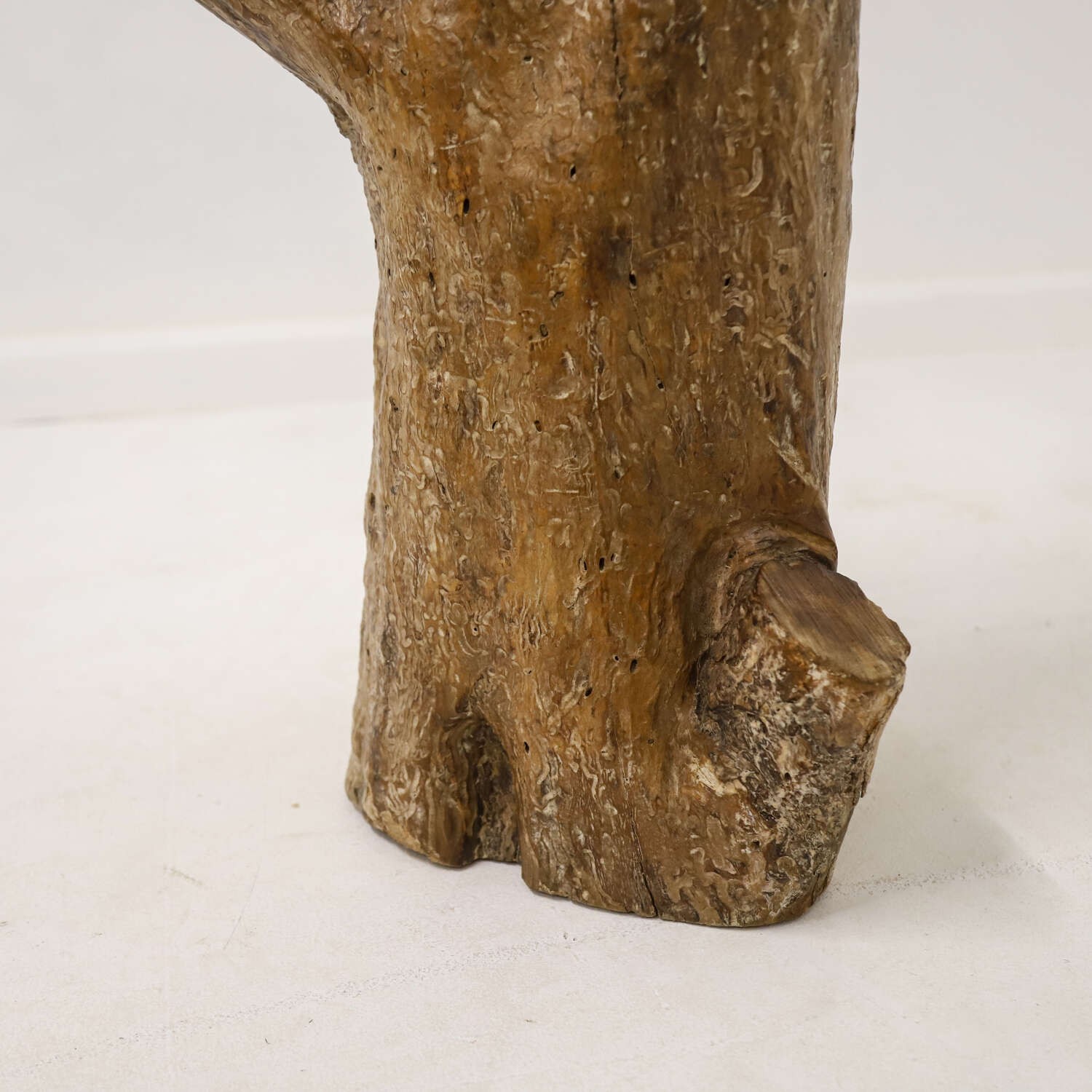
• Fruitwood trunk stable and full of natural character

• Wear consistent with age and use
• Displays beautifully

Why We Love It

It’s sculptural, grounded and full of quiet drama. The contrast between the iron anvil and the gnarly fruitwood base gives it real presence - a piece that feels both functional and artistic. It brings instant authenticity and a sense of story to any interior.

Physical Dimensions
Height
65cm (25.59")
Width
37cm (14.57")
Depth
26cm (10.24")
Declaration

Whites Antiques has dated this Antique Farrier Stake Anvil to the 19th Century.

Reference Numbers
Sellingantiques Reference
SA1223566
Dealers Internal Reference
BR083
Dealers Notes

We do not include delivery in our prices as this is dependent upon many factors such as whether it is mainland or overseas. The following options are available to you:-

• You can arrange your own collection from our address

• You can fill in the delivery request option

• You can email us for further information if there is more than one item

• Proovia Delivery offer a 2 man delivery system

Description
19th century British farrier’s anvil mounted on fruitwood trunk with sculptural rustic character

At a Glance – Appeal, Desirability & Collectibility

• Date/Era: 19th century

• Origin: Britain

• Material: Iron anvil mounted on fruitwood tree trunk

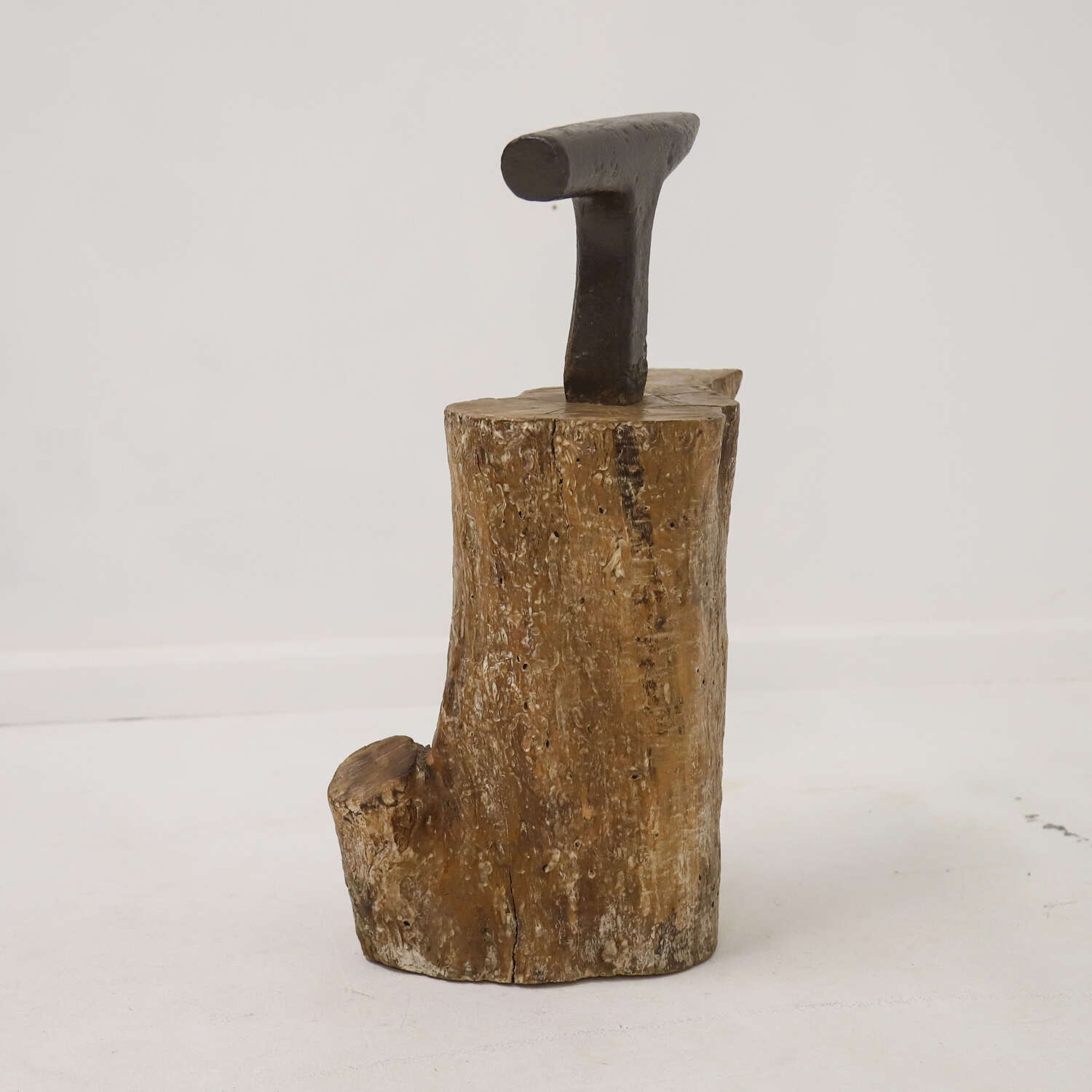
fig 1. A nineteenth-century T-shaped wrought iron farriers anvil mounted into a natural carved fruitwood log trunk.
fig 1. 19th C British Farrier’s Anvil Mounted on Fruitwood Trunk – Sculptural Vernacular Piece

• Style/Influence: Vernacular rural / farrier’s workshop

• Dimensions: H: 65cm (25.6") | W: 37cm (14.6") | D: 26cm (10.2")

• Condition: Very good condition

• Design Details:

• Authentic farrier’s anvil form

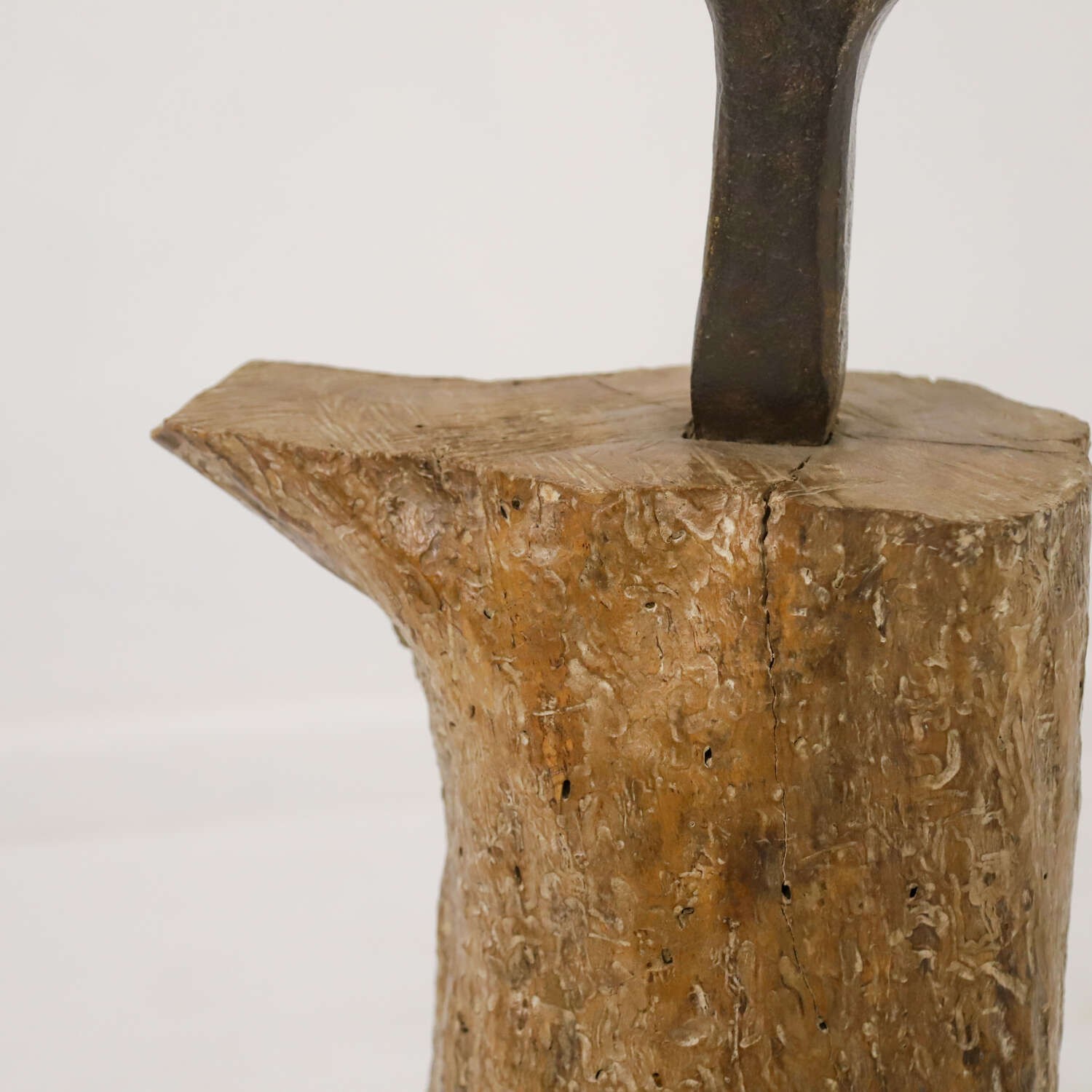
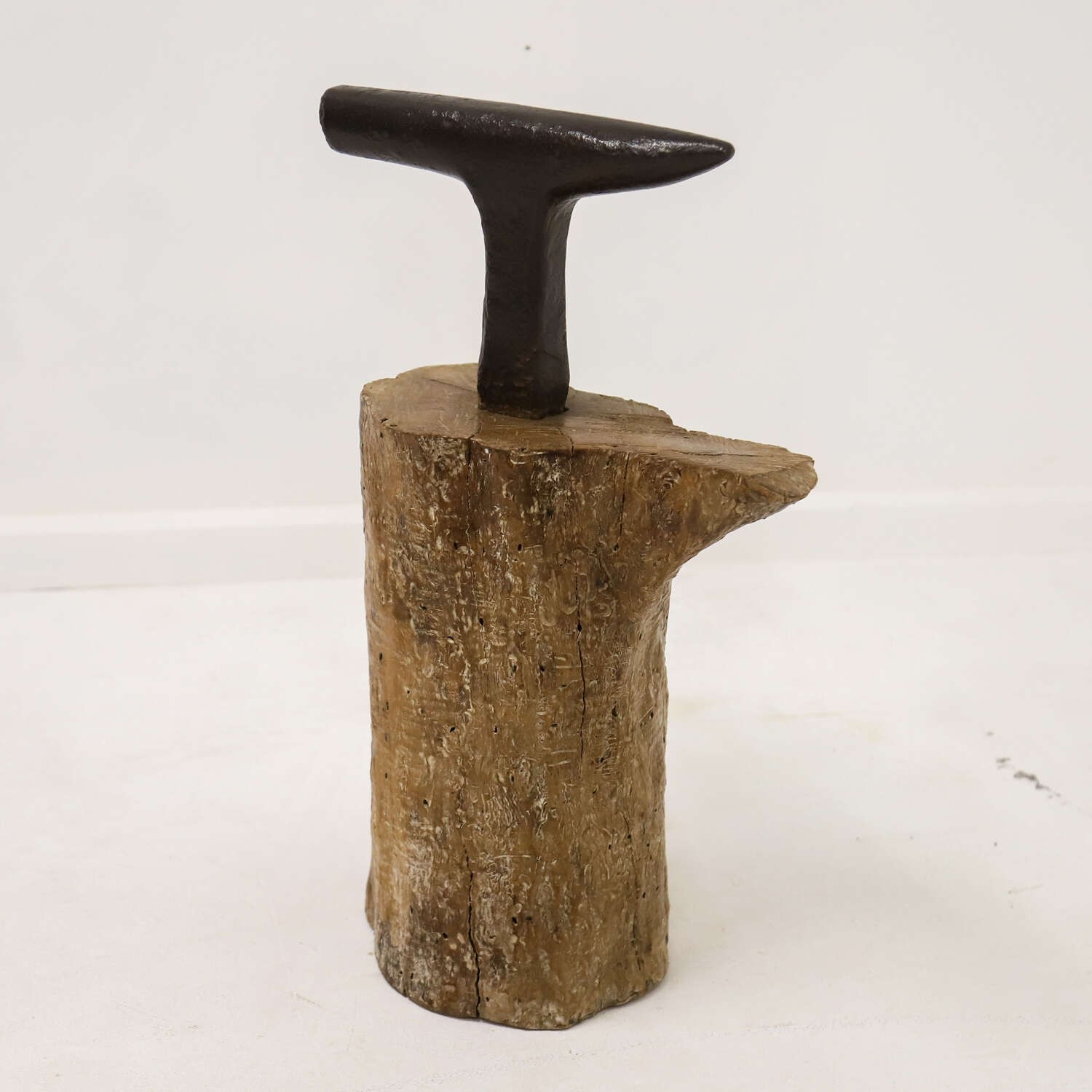
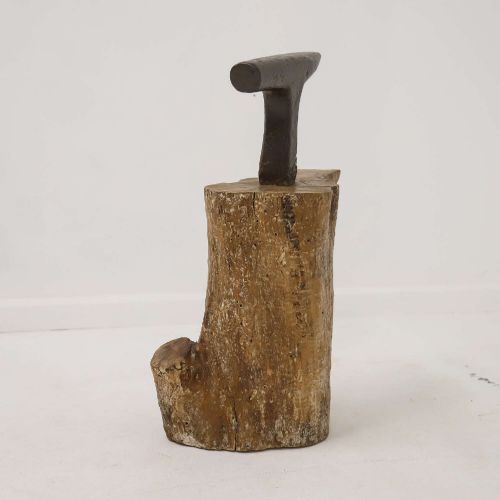
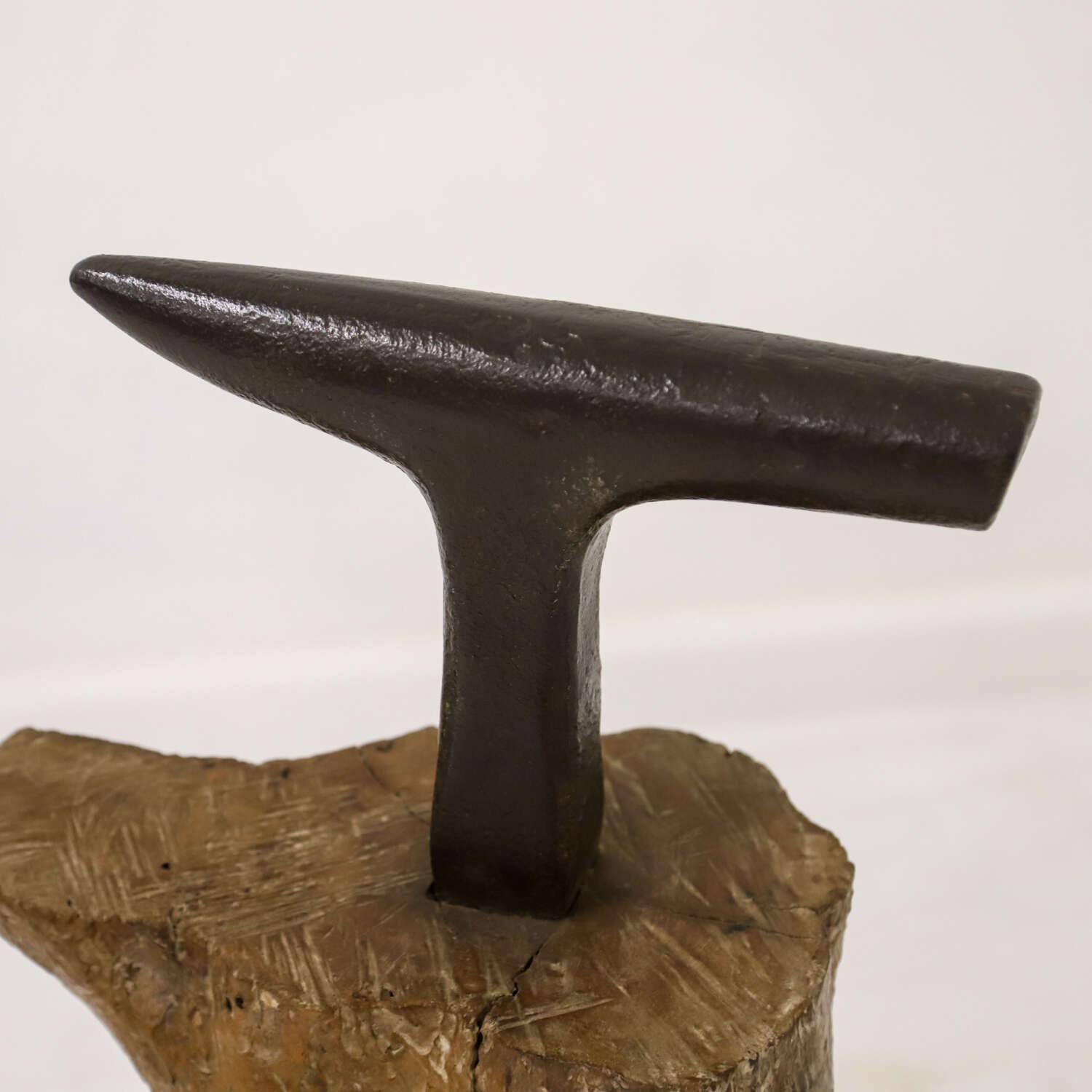
fig 2. A nineteenth-century T-shaped wrought iron farriers anvil mounted into a natural carved fruitwood log trunk.
fig 2. 19th C British Farrier’s Anvil Mounted on Fruitwood Trunk – Sculptural Vernacular Piece

• Mounted on a gnarly, characterful fruitwood trunk

• Strong sculptural presence

• Decorative Appeal:

• A striking sculptural object with industrial‑rural character

• Versatility:

• Ideal for hallways, studios, retail displays or as a conversation piece

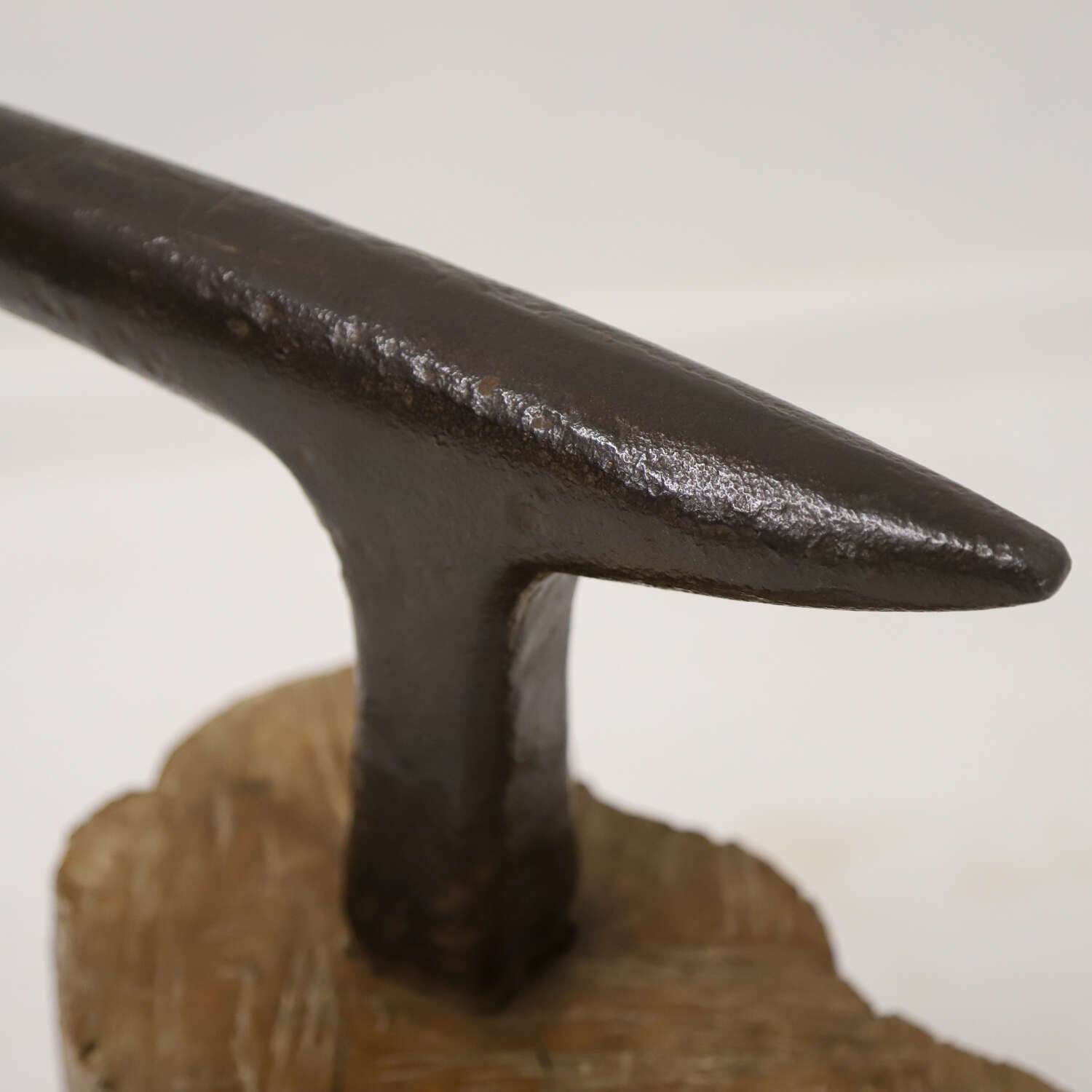
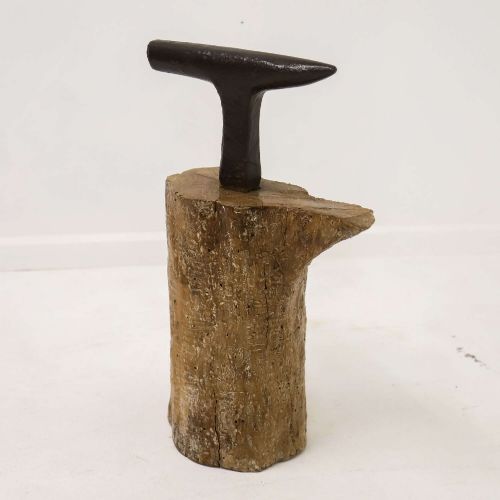
fig 3. A nineteenth-century T-shaped wrought iron farriers anvil mounted into a natural carved fruitwood log trunk.
fig 3. 19th C British Farrier’s Anvil Mounted on Fruitwood Trunk – Sculptural Vernacular Piece

• Collectibility: :

• A rare survival of 19th‑century farrier’s equipment with strong decorative impact

Heritage, History & Craftsmanship

This 19th‑century British farrier’s anvil, mounted on its original fruitwood tree trunk, is a wonderfully authentic piece of rural workshop history.
Whites Antiques

Farriers required stable, weighty bases for shaping and adjusting horseshoes, and tree‑trunk mounts were commonly used for their natural strength and shock‑absorbing qualities.

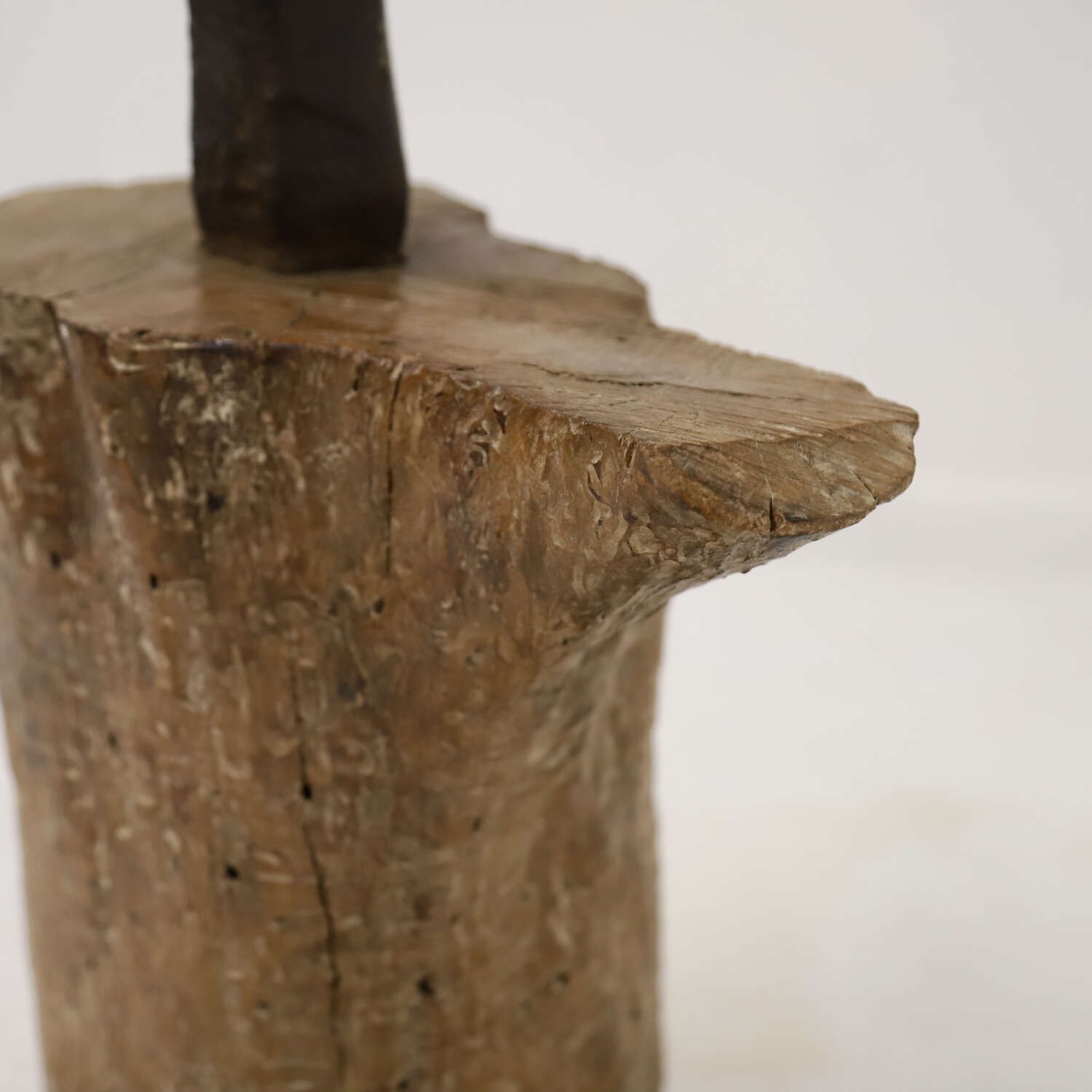
fig 4. A nineteenth-century T-shaped wrought iron farriers anvil mounted into a natural carved fruitwood log trunk.
fig 4. 19th C British Farrier’s Anvil Mounted on Fruitwood Trunk – Sculptural Vernacular Piece

The gnarly, organic form of the fruitwood contrasts beautifully with the industrial simplicity of the anvil, creating a sculptural object that feels both grounded and full of character. Its presence is immediate - tactile, elemental and evocative of traditional craftsmanship.

fig 5. A nineteenth-century T-shaped wrought iron farriers anvil mounted into a natural carved fruitwood log trunk.
fig 5. 19th C British Farrier’s Anvil Mounted on Fruitwood Trunk – Sculptural Vernacular Piece

Today, pieces like this are prized not only for their historical significance but also for their decorative impact. They bring texture, authenticity and a sense of narrative to interiors ranging from rustic to contemporary.

fig 6. A nineteenth-century T-shaped wrought iron farriers anvil mounted into a natural carved fruitwood log trunk.
fig 6. 19th C British Farrier’s Anvil Mounted on Fruitwood Trunk – Sculptural Vernacular Piece

History

British vernacular farrier’s equipment, 19th century.

Condition Report

• In very good condition

• Anvil securely mounted

• Fruitwood trunk stable and full of natural character

• Wear consistent with age and use

fig 7. A nineteenth-century T-shaped wrought iron farriers anvil mounted into a natural carved fruitwood log trunk.
fig 7. 19th C British Farrier’s Anvil Mounted on Fruitwood Trunk – Sculptural Vernacular Piece

• Displays beautifully

Why We Love It

It’s sculptural, grounded and full of quiet drama. The contrast between the iron anvil and the gnarly fruitwood base gives it real presence - a piece that feels both functional and artistic. It brings instant authenticity and a sense of story to any interior.

Height
65cm (25.59")
Width
37cm (14.57")
Depth
26cm (10.24")
Date of Manufacture

Whites Antiques has dated this Antique Farrier Stake Anvil to the 19th Century.

Reference Numbers
Sellingantiques Ref
SA1223566
Dealers Internal Ref
BR083
Whites Antiques
Whites Antiques
Sellingantiques verified Since May 2023

White's antiques collective is the perfect resource for both trade and private clients

Dealer Profile

You can view the stock and full dealer information on the Whites Antiques Profile Page
PDF SHARE
SAVE
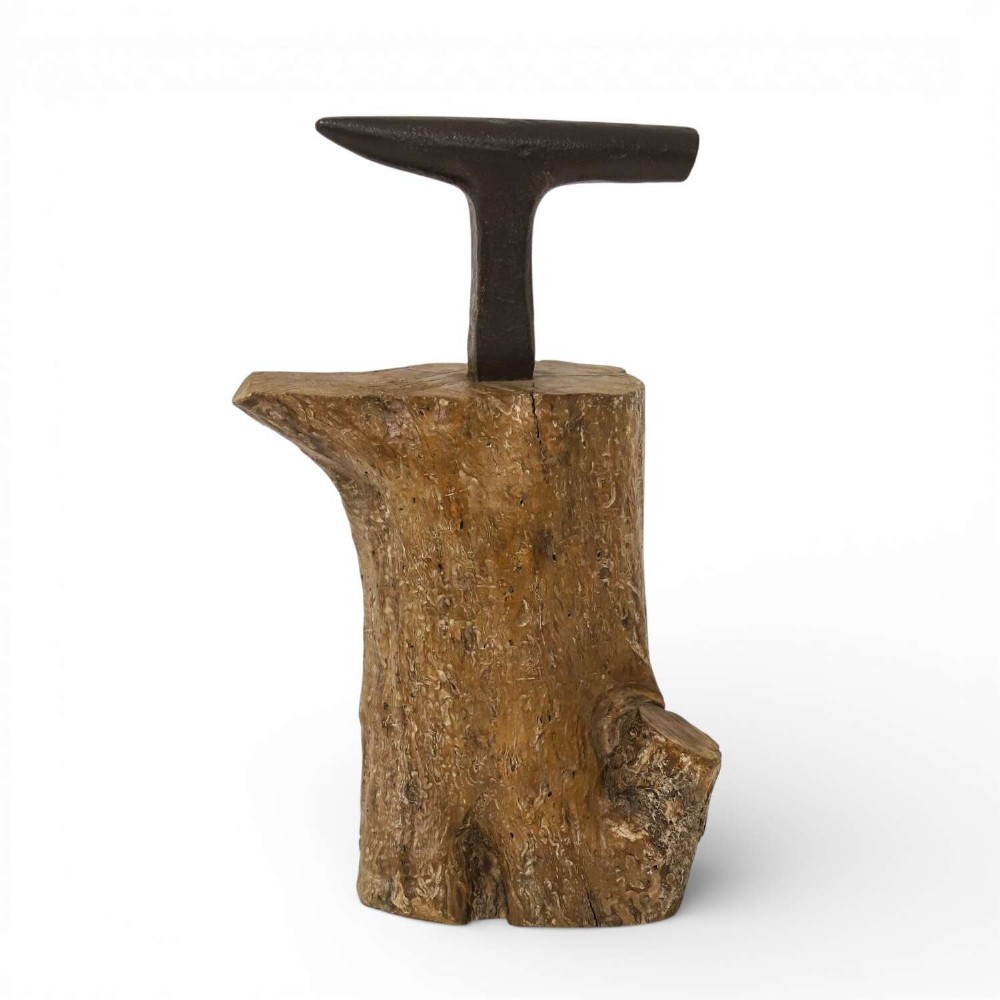
A nineteenth-century T-shaped wrought iron farriers anvil mounted into a natural carved fruitwood log trunk.
1 / 10
Archive I A nineteenth-century T-shaped wrought iron farriers anvil mounted into a natural carved fruitwood log trunk.

19th C British Farrier’s Anvil Mounted on Fruitwood Trunk – Sculptural Vernacular Piece
Archive II A nineteenth-century T-shaped wrought iron farriers anvil mounted into a natural carved fruitwood log trunk. View II
Archive III A nineteenth-century T-shaped wrought iron farriers anvil mounted into a natural carved fruitwood log trunk. View III
Archive IV A nineteenth-century T-shaped wrought iron farriers anvil mounted into a natural carved fruitwood log trunk. View IV
Archive V A nineteenth-century T-shaped wrought iron farriers anvil mounted into a natural carved fruitwood log trunk. View V
Archive VI A nineteenth-century T-shaped wrought iron farriers anvil mounted into a natural carved fruitwood log trunk. View VI
Archive VII A nineteenth-century T-shaped wrought iron farriers anvil mounted into a natural carved fruitwood log trunk. View VII
Archive VIII A nineteenth-century T-shaped wrought iron farriers anvil mounted into a natural carved fruitwood log trunk. View VIII
Archive IX A nineteenth-century T-shaped wrought iron farriers anvil mounted into a natural carved fruitwood log trunk. View IX
Archive X A nineteenth-century T-shaped wrought iron farriers anvil mounted into a natural carved fruitwood log trunk. View X
Enlarged Archival View
Telephone 07717 321455
Location
Unit 10 The Vinery
Arundel Road
Poling
West Sussex
BN18 9PY
United Kingdom
Verified Since May 2023
Items For Sale 134
Items Sold 431
Whites Antiques
Whites Antiques
Verified Since May 2023
View Dealer Info
Location: Unit 10 The Vinery, Arundel Road, Poling, West Sussex, BN18 9PY, United Kingdom
Verified
May 2023
For Sale
134
Sold
431
A nineteenth-century T-shaped wrought iron farriers anvil mounted into a natural carved fruitwood log trunk.
19th C British Farrier’s Anvil Mounted on Fruitwood Trunk – Sculptural Vernacular Piece
Ref: SA1223566
A nineteenth-century T-shaped wrought iron farriers anvil mounted into a natural carved fruitwood log trunk.
Detail View 1
Detail View 2
Detail View 3
Detail View 4
Detail View 5
Detail View 6
Detail View 7
Detail View 8
Detail View 9
Archival Detail
Every single antique dealer on our platform is individually approved by our internal team. We verify their professional trade history, ethical standards, and photographic quality to ensure a secure, high-standard buying environment. Upon joining, every dealer agrees to a strict 9-point code of conduct. While issues can occasionally arise, our dealers typically resolve them swiftly and directly with the buyer. In fact, since our founding in 2002, Sellingantiques has only had to step in to help resolve an issue on roughly five occasions—a true testament to the quality of our dealers and their dedication to your happiness.
Our dealers are highly experienced in packing and shipping fragile, high-value antiques. Because you are in direct contact with the dealer, you will be able to easily go through all available shipping and insurance options together to ensure your item arrives safely.
Antiques are the ultimate green purchase. By choosing historical pieces over newly manufactured goods, you completely eliminate the carbon footprint of modern mass production while preserving exceptional, timeless craftsmanship.

A farriers stake anvil is a compact iron forging tool traditionally used by equine blacksmiths to shape and adjust horseshoes. Mounted into a timber stump, the small T-shaped head provided a sturdy surface for precise metal shaping on site or in rural smithies.

The metal head was typically forged from wrought iron or steel, while the supporting base was crafted from dense, heavy timbers such as oak, elm, or fruitwood. The wood absorbed shock during hammering and provided a steady foundation.

Authentic nineteenth-century pieces exhibit signs of hand-forging, including subtle hammer marks, irregular proportions, and natural surface patination or light oxidisation on the iron. The wooden base will often show age-related shrinkage cracks, natural wear, and hand-cut mortise fitting.

These utilitarian objects are displayed as standalone sculptural art on console tables, display shelving, or alongside a fireplace hearth. The contrast between dark forged iron and aged natural timber complements rustic farmhouse, industrial, and minimalist organic interior themes.

Maintain the timber base by keeping it away from direct heat sources and high humidity to prevent warping or splitting. The iron head should be dusted with a dry cloth and occasionally treated with clear microcrystalline wax to protect against corrosion while preserving the original surface patina.
items
Add keywords to the filter
Price
£100
£250000
Era
Movements
Material
Origin
Stock Location
Freshness
Online Payments
Categories