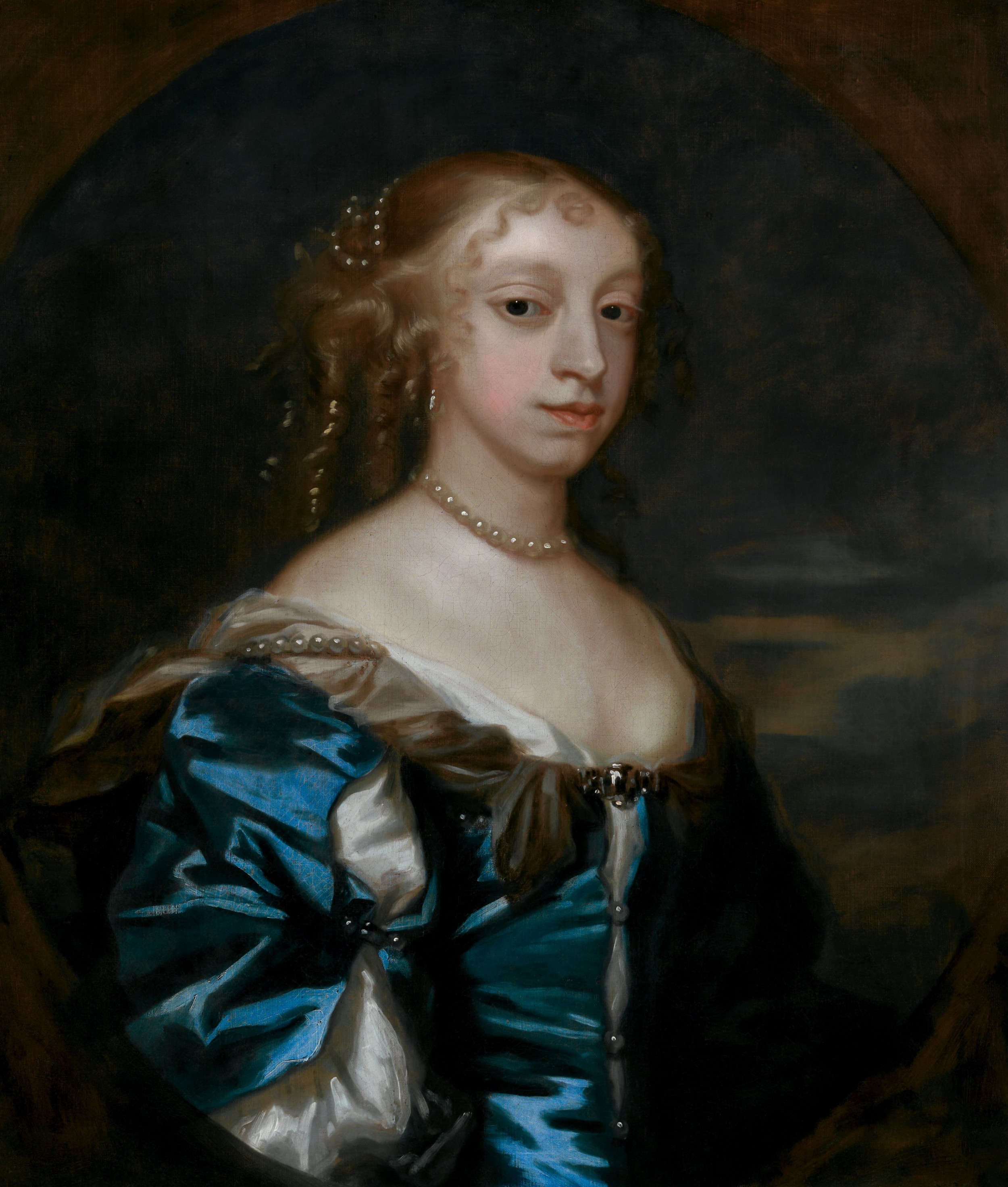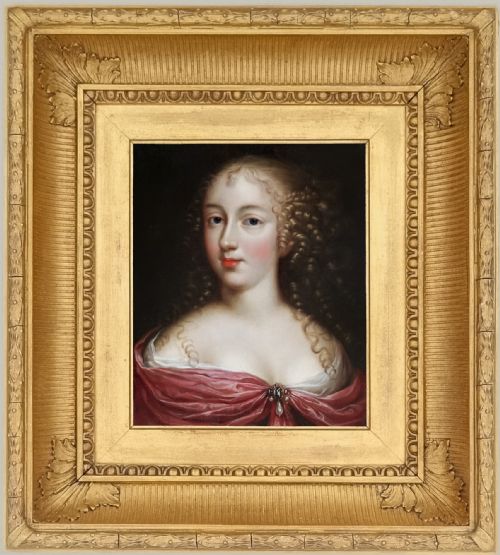
Titan Fine Art has dated this 17th Century Female Portrait to the 17th Century.
Born circa1648, she was the daughter of Robert Bruce, 1st Earl of Ailesbury, and Lady Diana Grey. Her aunt was the ill-fated Lady Jane Grey (1537-1554), the nominal Queen of England for just nine days in 1553 during the tumultuous succession crisis following the death of King Edward VI.
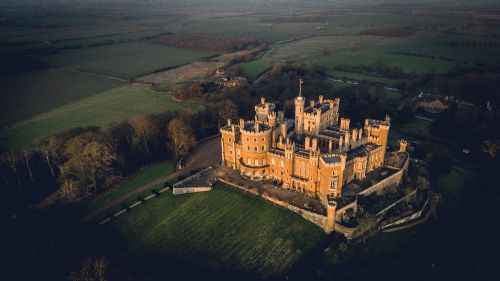
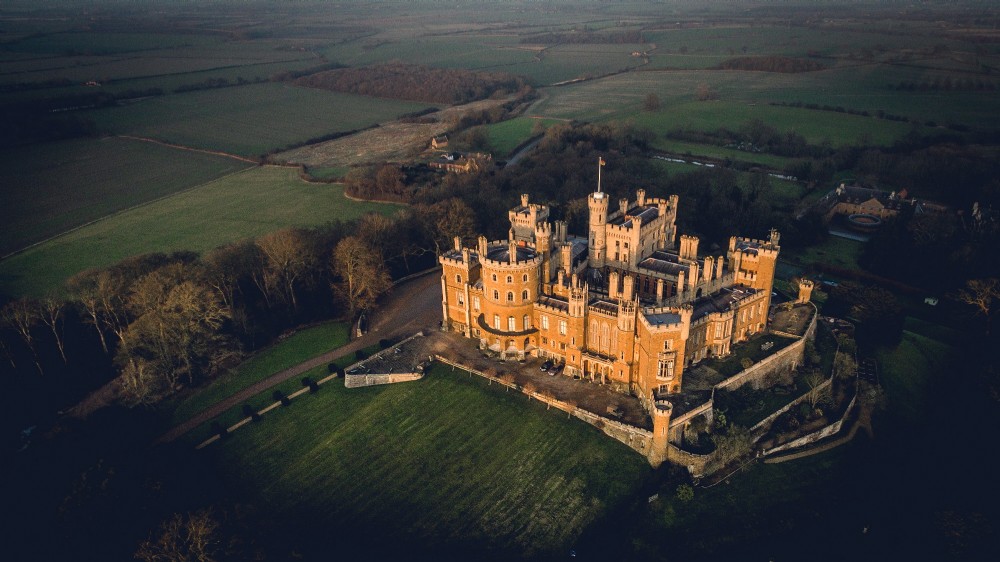
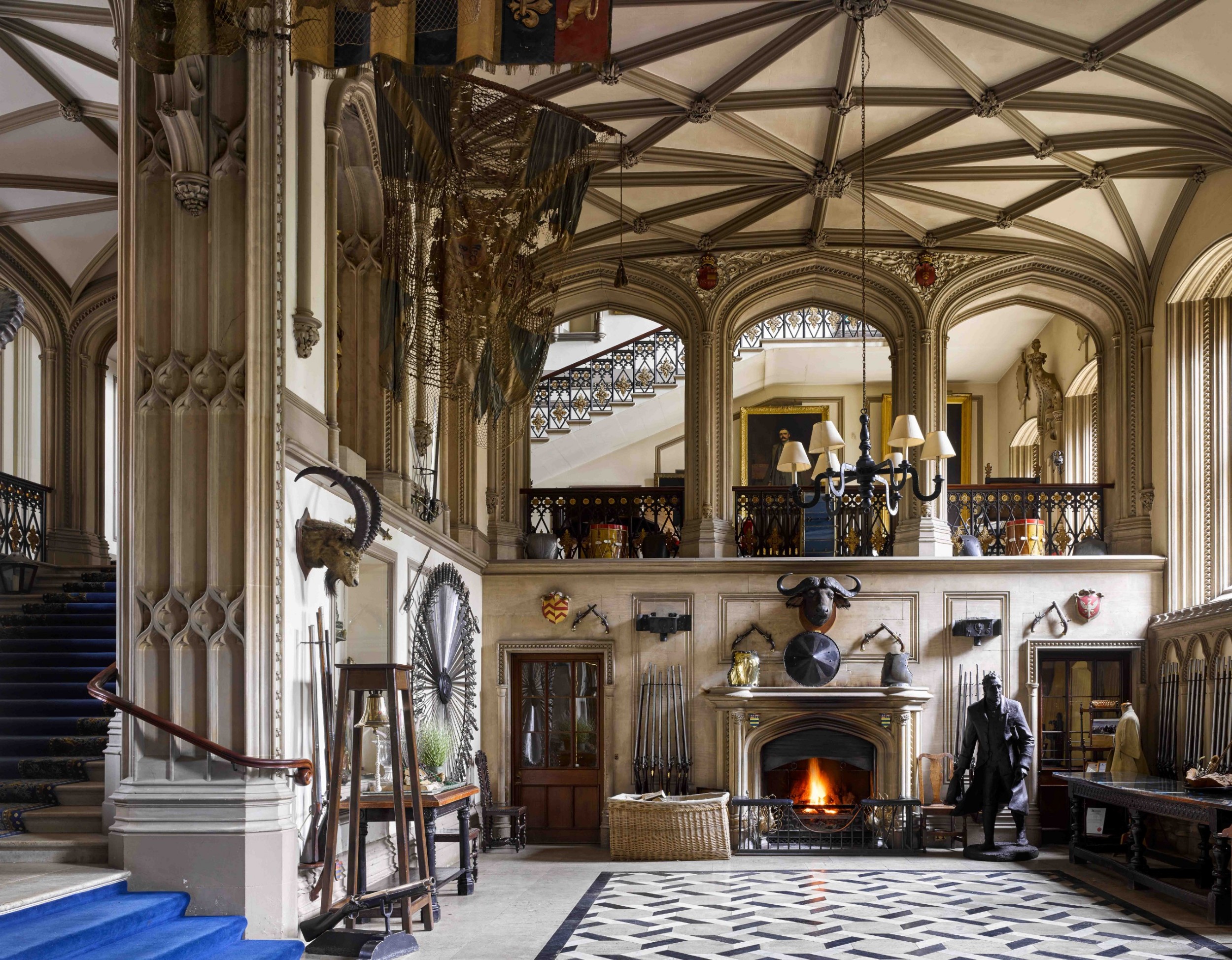
Lady Diana's life was marked by two marriages and a tragically early death. On January 29, 1666, she married her first husband, Sir Seymour Shirley, 5th Baronet. They lived at the Shirley family seat, Staunton Harold Hall in Leicestershire. She bore him one son, Robert Shirley, who was born posthumously after Sir Seymour's death in 1667. She married her second husband, Sir John Manners (later 1st Duke of Rutland), on November 10, 1671. The couple resided at the historic Belvoir Castle in Leicestershire (see photo), the magnificent family home of the Manners family since 1067. Lady Diana tragically died there in childbirth on July 15, 1672, at the approximate age of 24. She was buried in the church at Bottesford, Leicestershire, where many members of the Manners family were interred. Her brief life, though constrained by the expectations for women of her rank to secure advantageous marriages and produce heirs, left a notable mark on the history of two prominent aristocratic families.
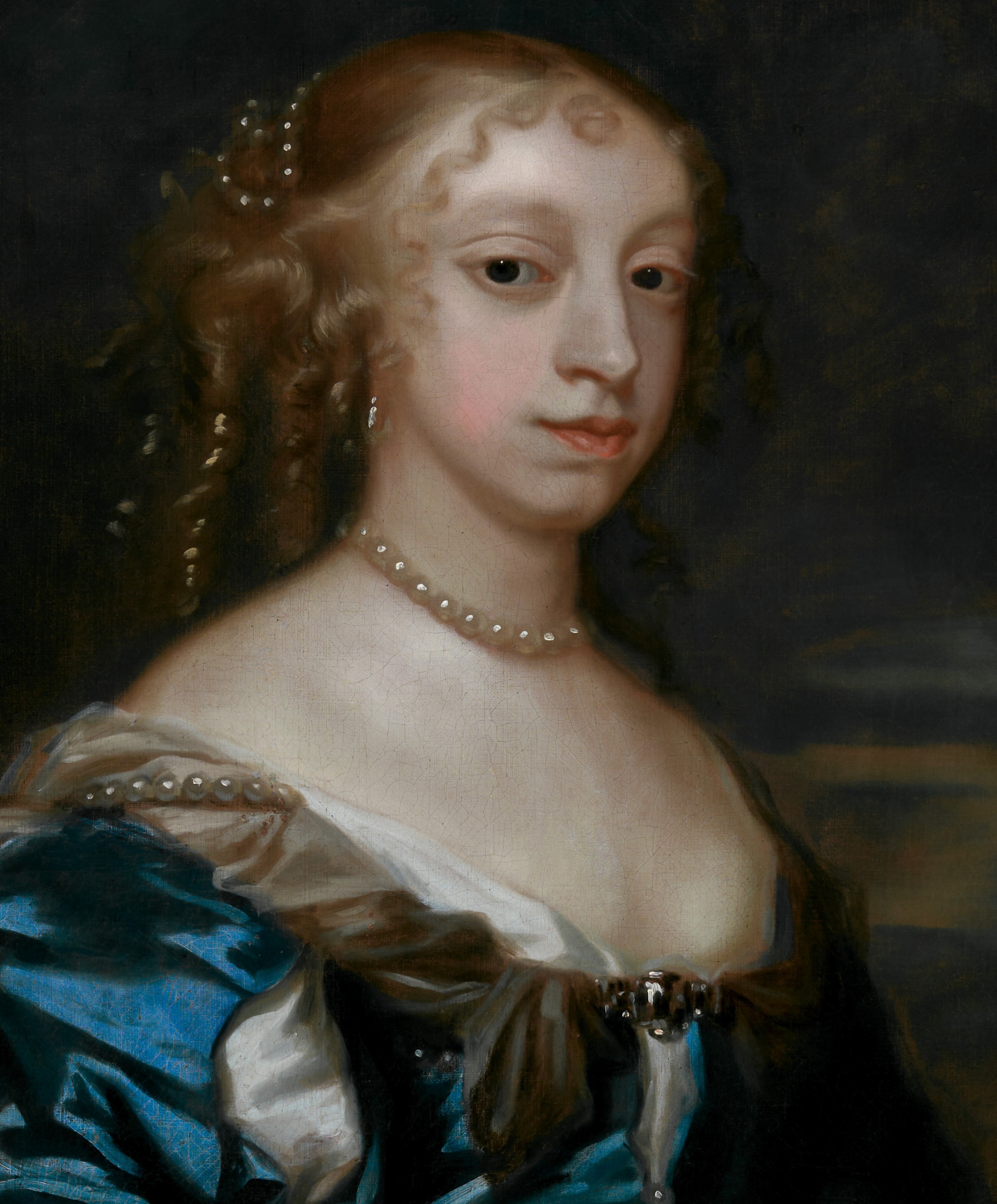
In this portrait, Lady Diana Bruce is presented in the height of Restoration fashion, a style popularised by Lely that emphasised wealth, elegance, and a studied languor. Her posture is formal yet relaxed, characteristic of Lely's "beauties." This cultivated image was crucial for aristocratic women; it projected stability, good taste, and an appropriate level of refinement, making the painting an important historical artifact illustrating the visual language of power and gentility of the era.
This painting serves as a vital historical document, reflecting life in the English countryside during a transformative era. The Restoration period (1660-1700) was a time of immense social and political change. With the monarchy restored, the austere Puritan lifestyle of the Commonwealth period gave way to a more vibrant, pleasure-seeking culture. The aristocracy largely maintained their power and influence through their vast country estates. Life in the country for a noblewoman like Lady Diana would have involved managing a large household, social visits, and fulfilling familial duties, all within a hierarchical society that was still recovering from civil war. This portrait, in its elegance and formal pose, speaks to the stability and social order the restored monarchy sought to project.
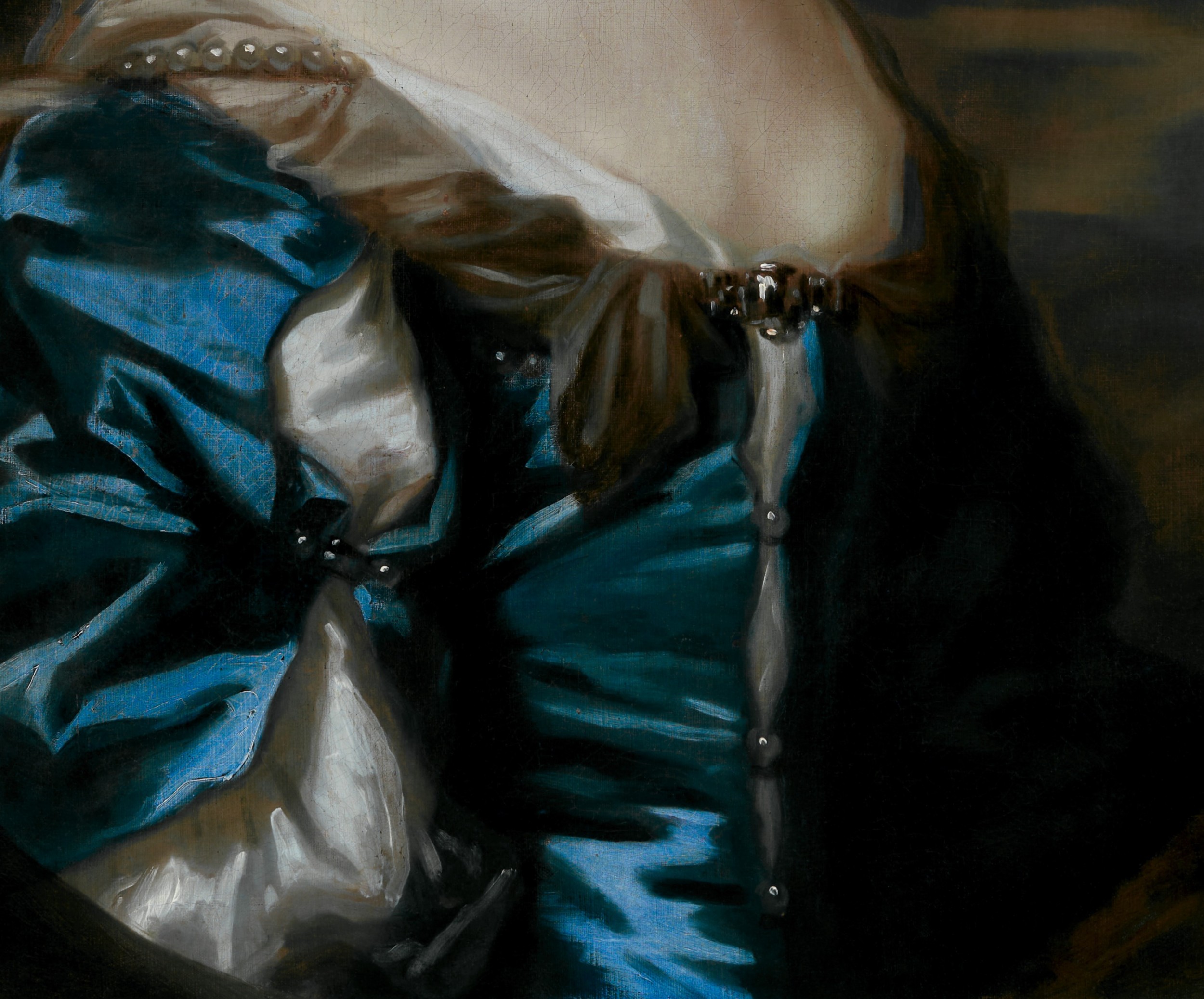
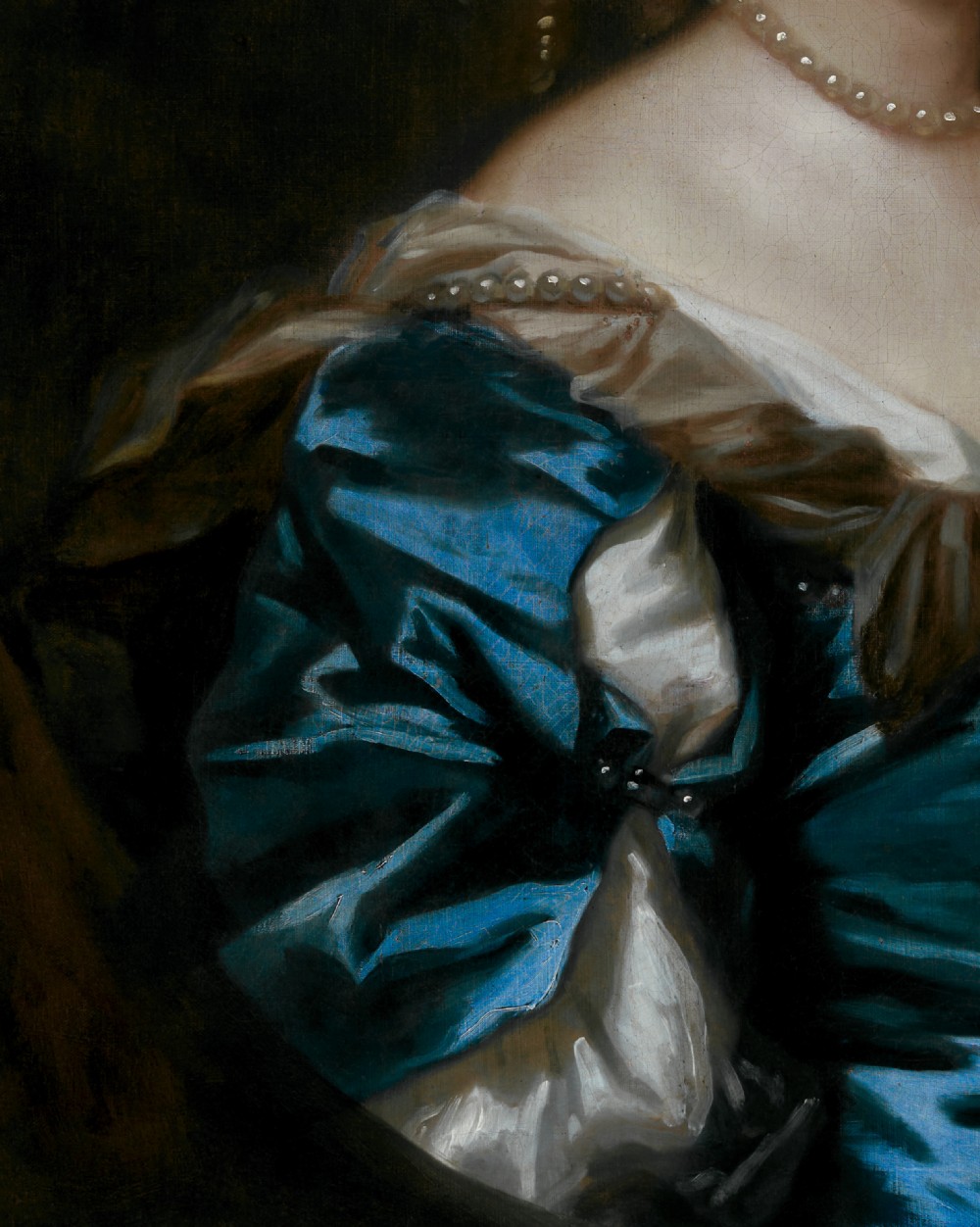
Sir Peter Lely (1618–1680), a Dutch-born artist who established his career in London, was the preeminent portrait painter of his era, serving as Principal Painter to King Charles II. Known for his technical proficiency and ability to capture an "air of sensuous languor," Lely defined the aesthetic of the Restoration court. The present painting, produced within this dynamic circle, showcases the rich colour, masterful rendering of textiles, and elegance characteristic of Lely's style, a visual echo of the full-length version held in the collection of the National Galleries Scotland.
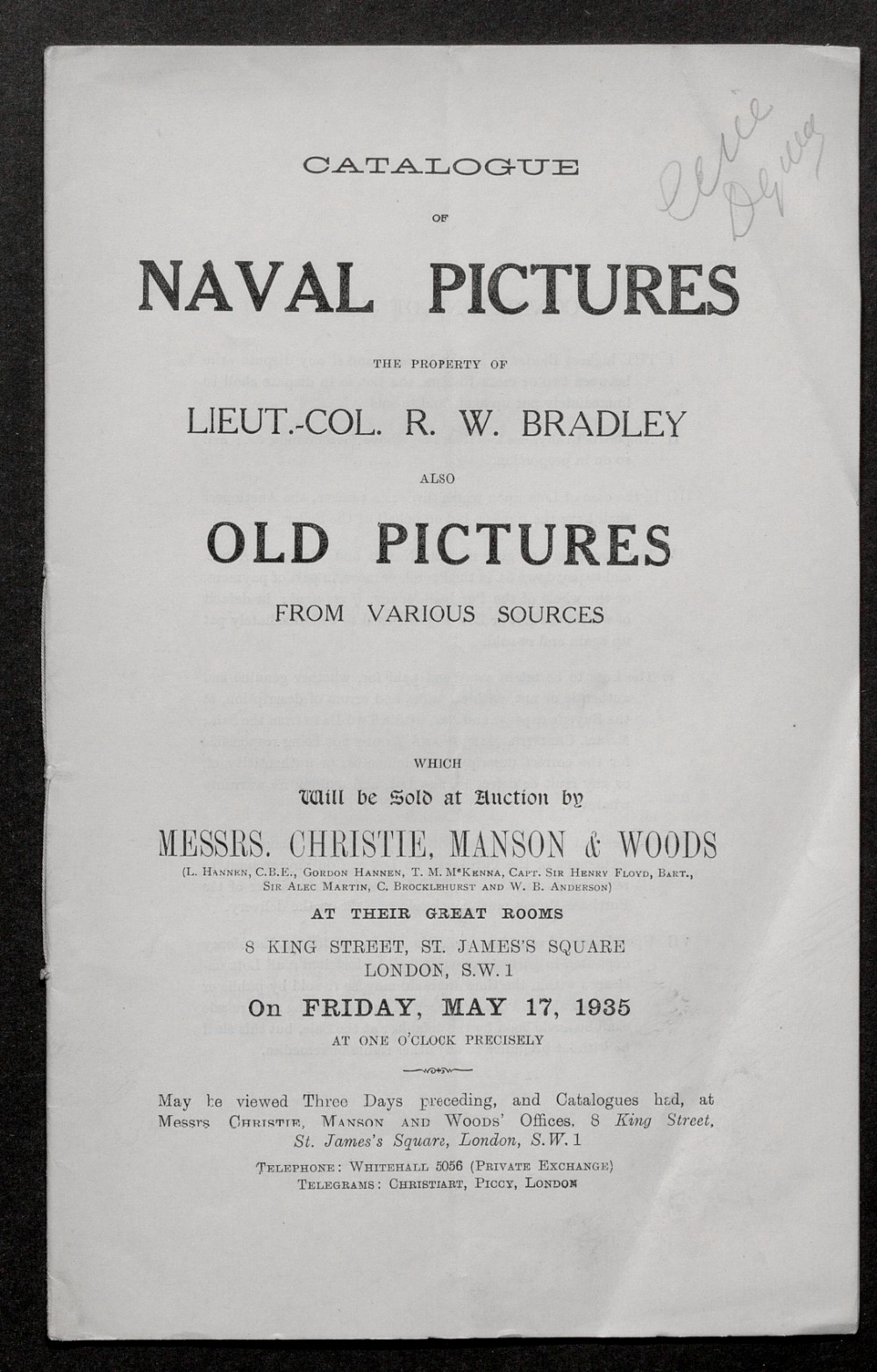
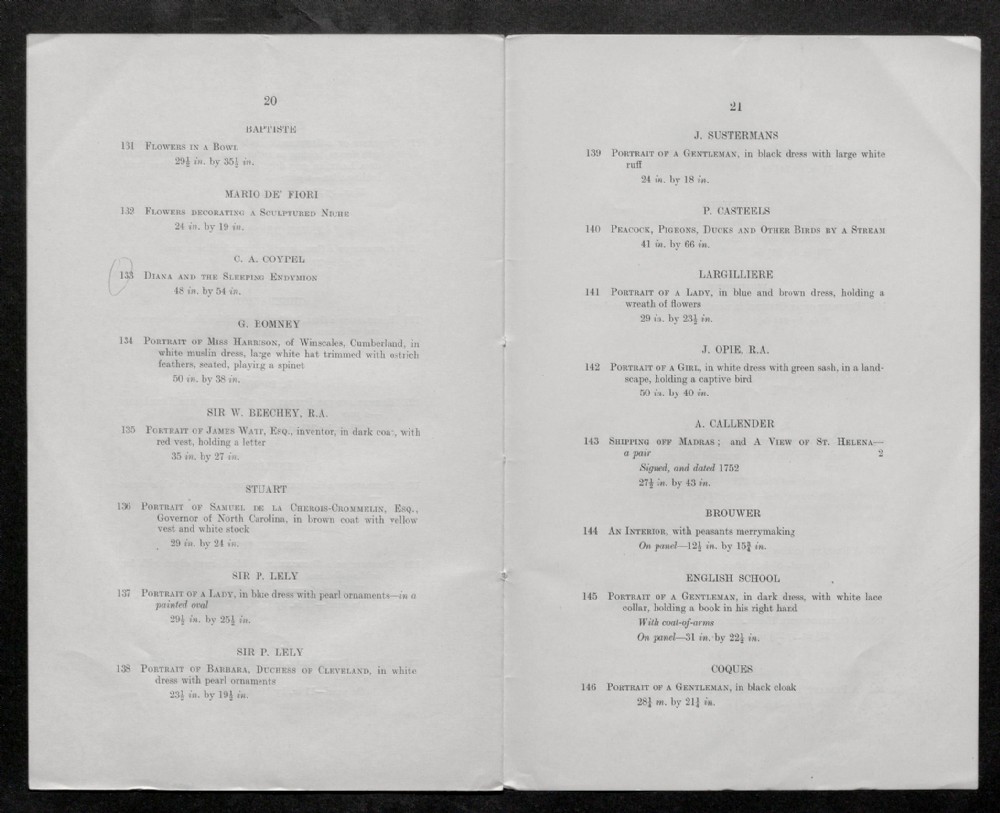
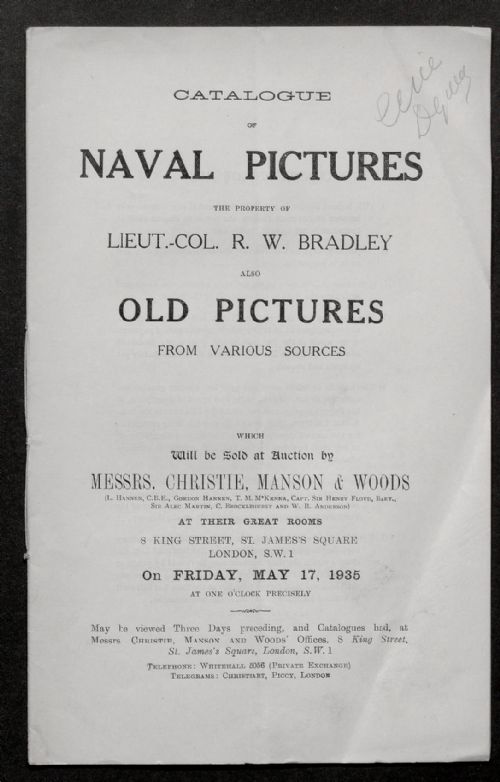
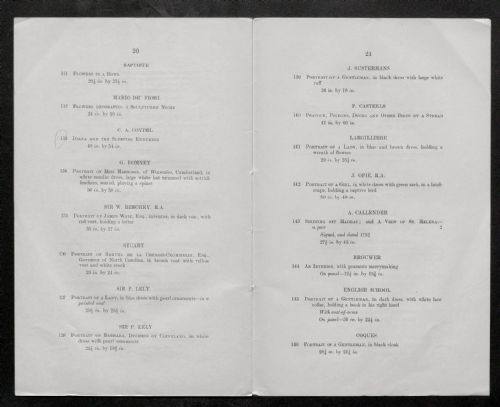
The painting was sold at Christie's, London, on May 17, 1935, listed as Lot 136, as: "Sir P. Lely, Portrait of a Lady, blue dress w
Titan Fine Art has dated this 17th Century Female Portrait to the 17th Century.
Specialist in 17th & 18thc portraits. Highly curated selection, museum-level research & pro conservation. Exceptional art, expertly vetted.
You can view the stock and full dealer information on the Titan Fine Art Profile Page
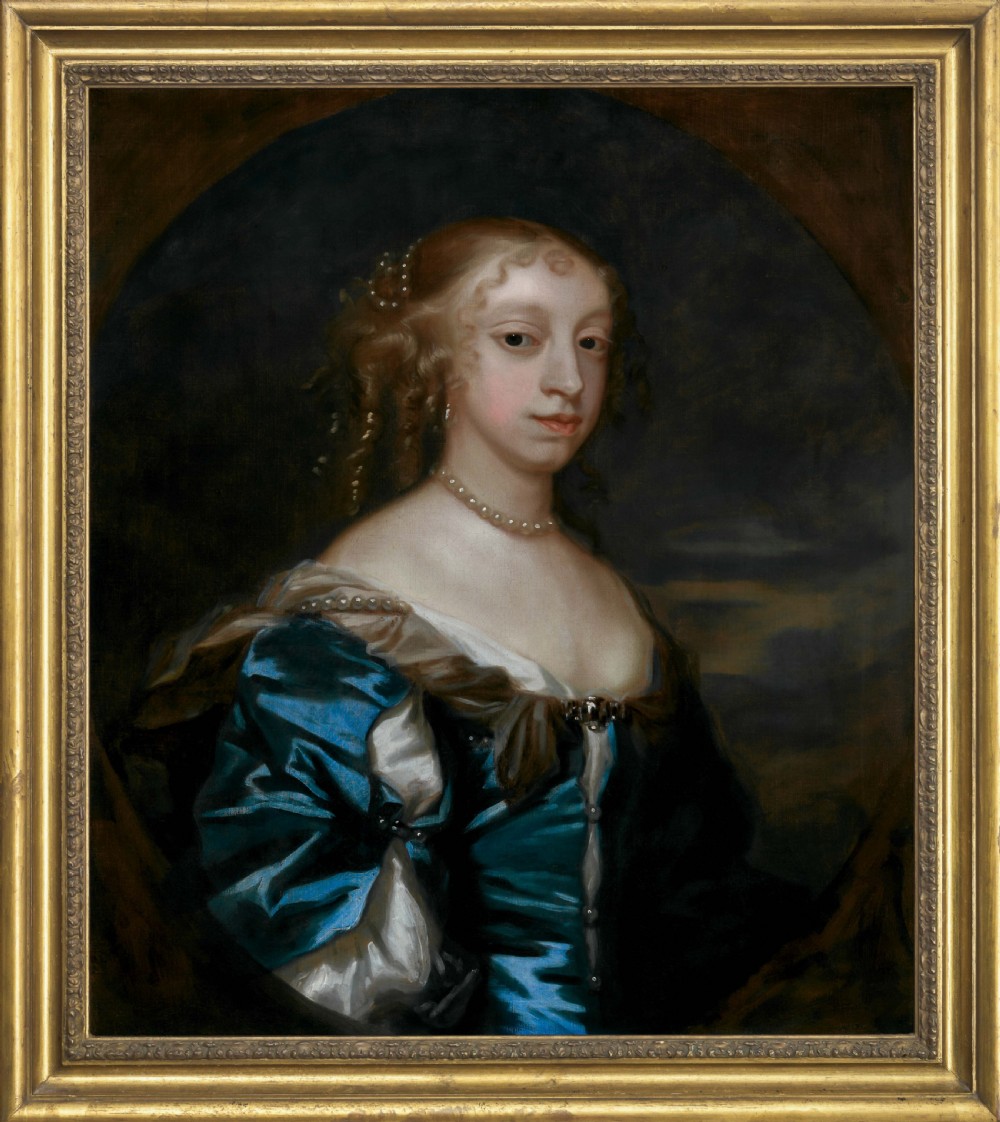
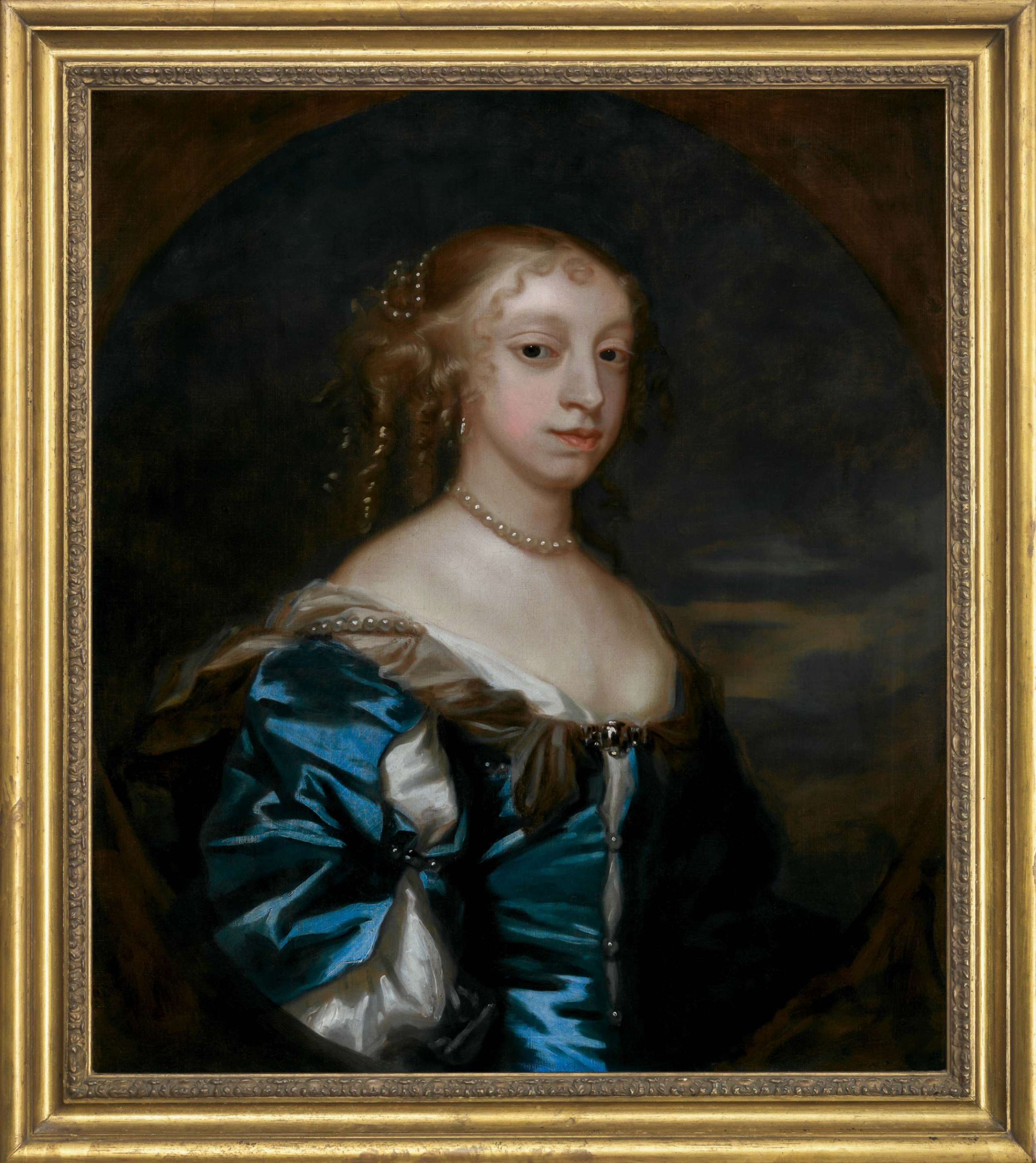
Portrait of Lady Diana Bruce, Duchess of Rutland, in a Blue Dress with Cut Sleeves C.1660-1670, Oil on Canvas Painting