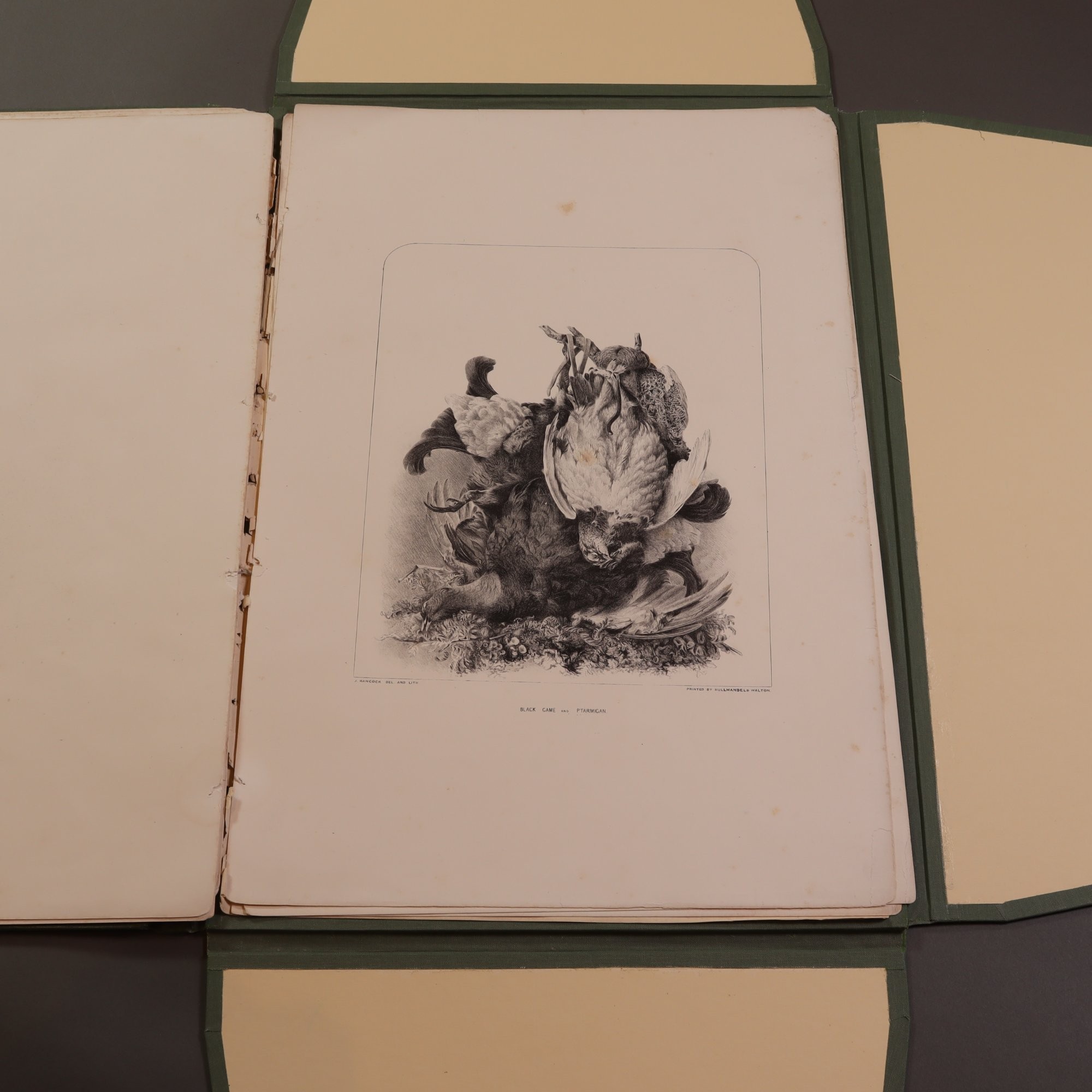
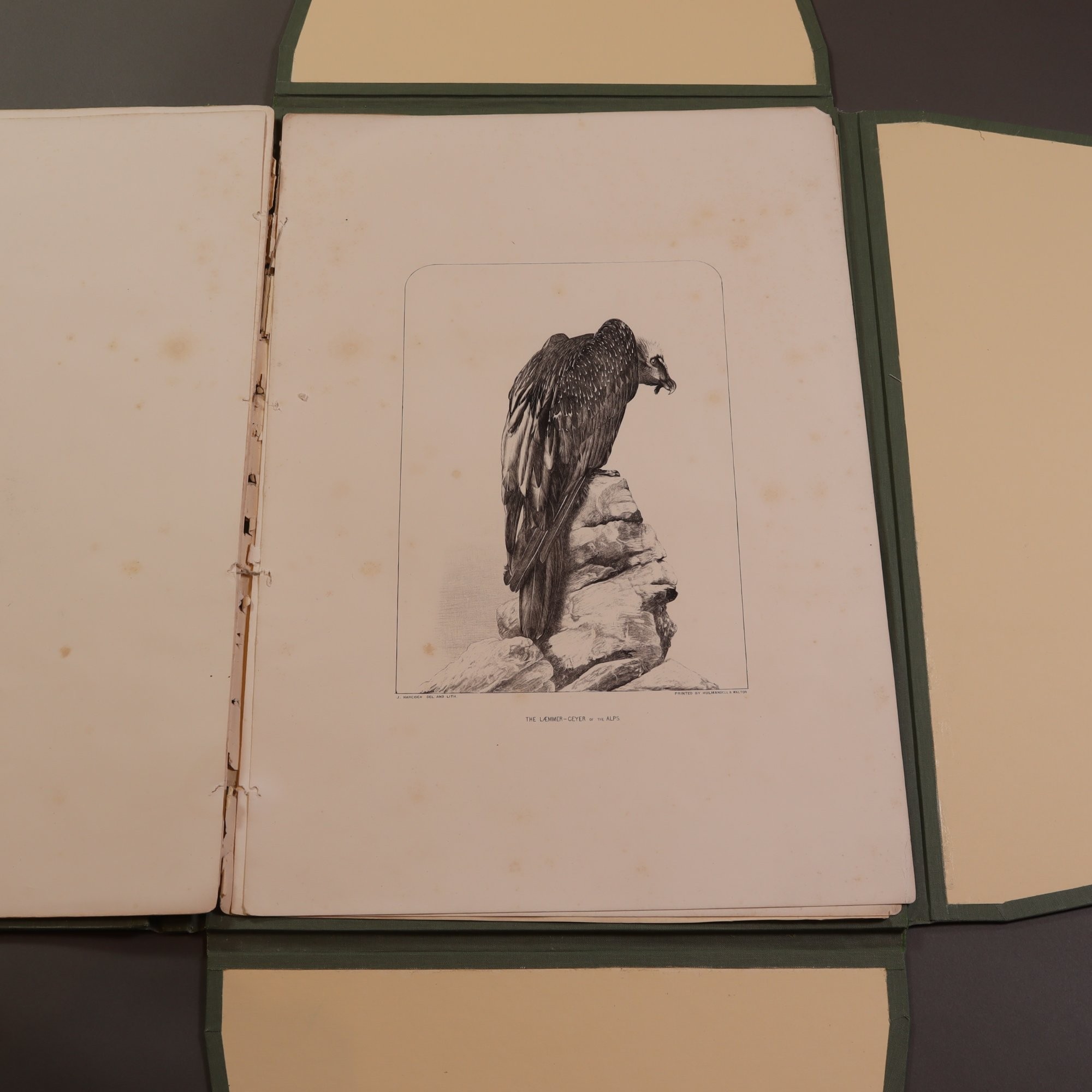
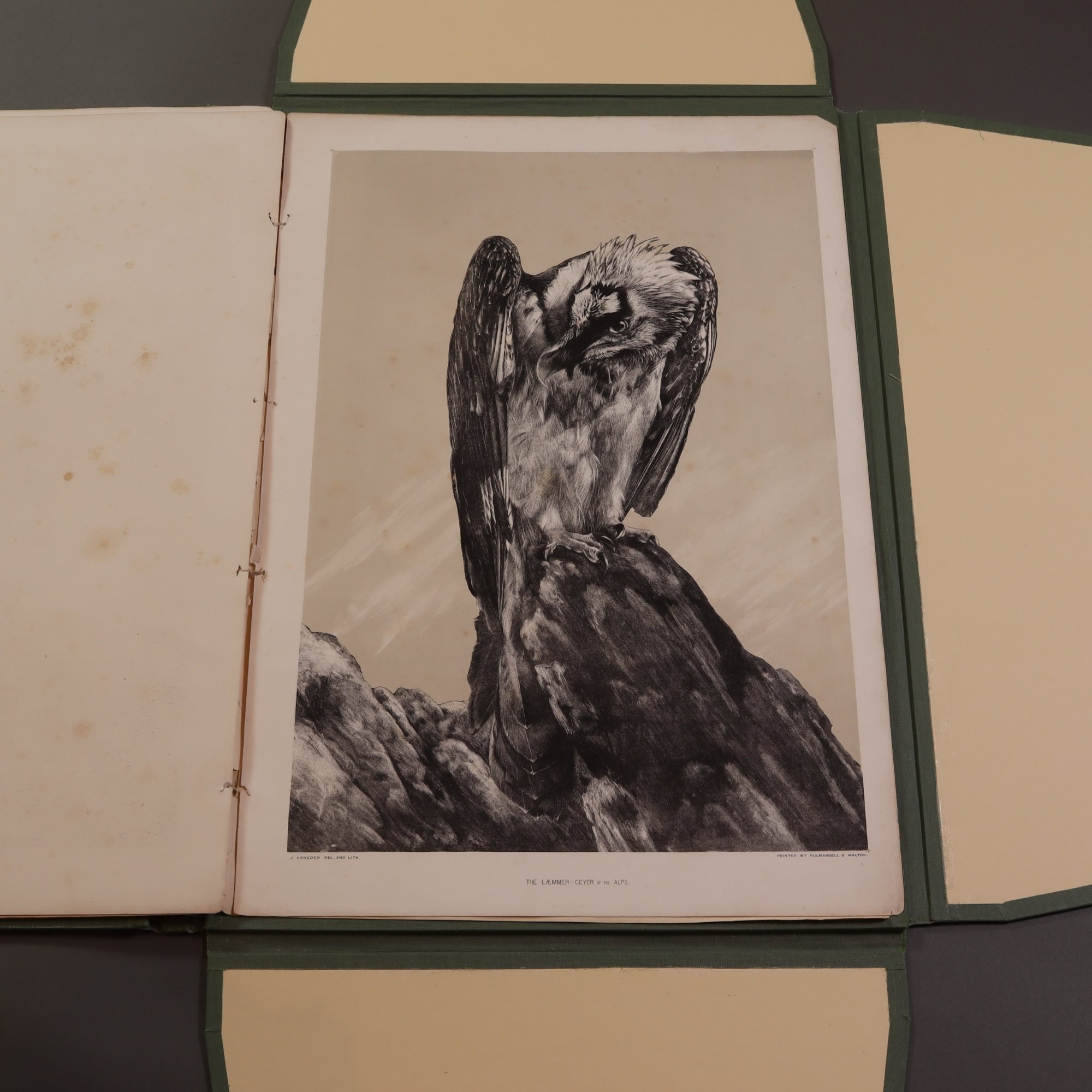
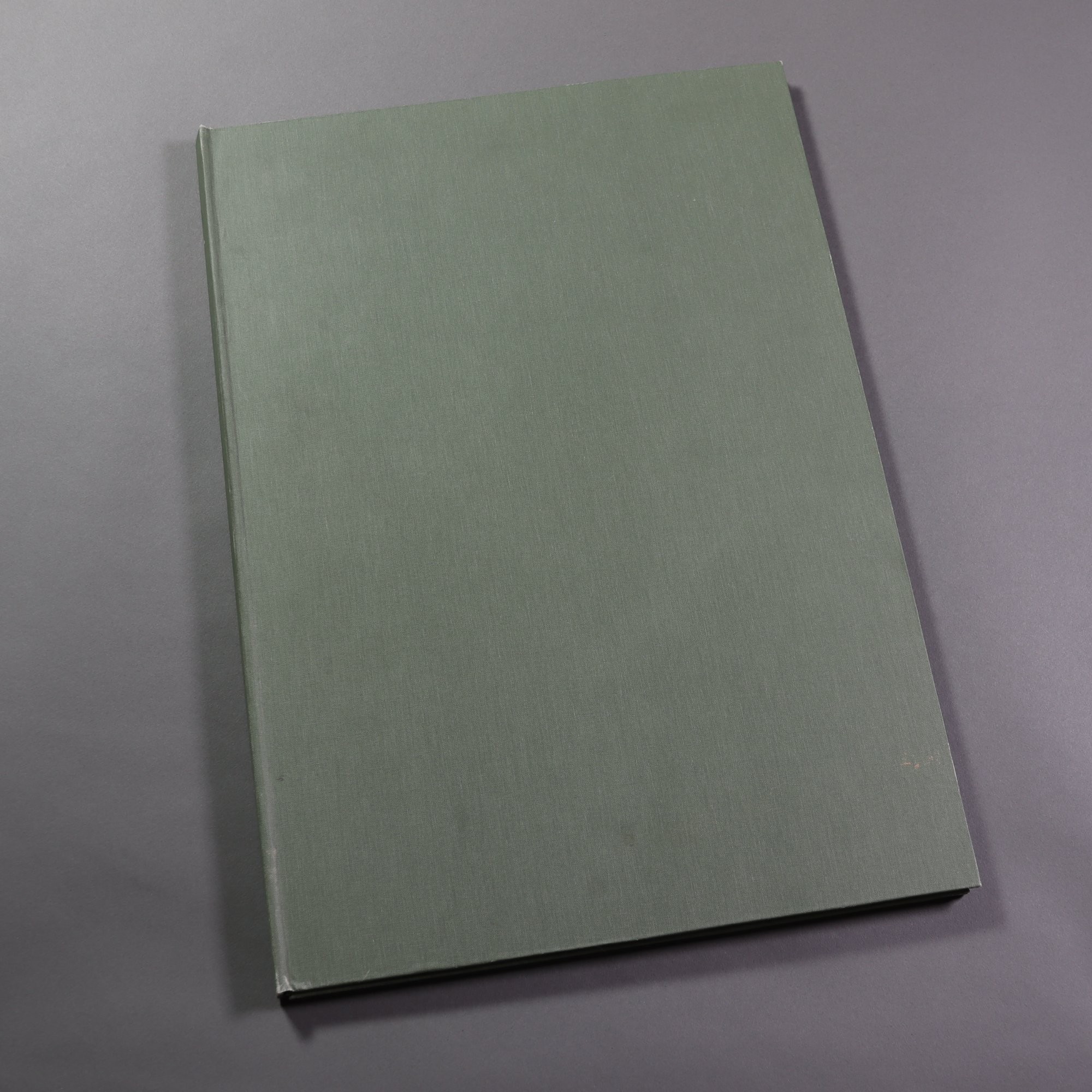
Kendall House Antiques Ltd. has dated this Victorian Ornithological Lithograph Folio to the 1800s.
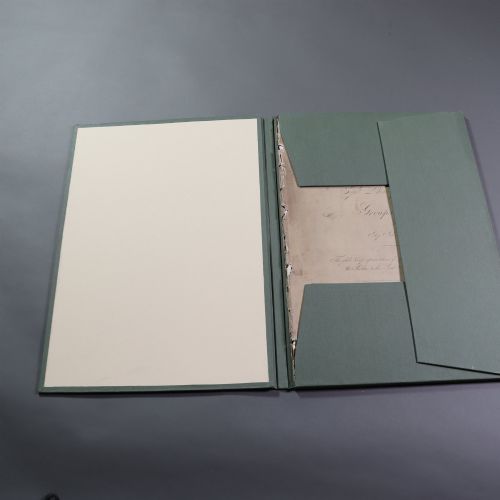
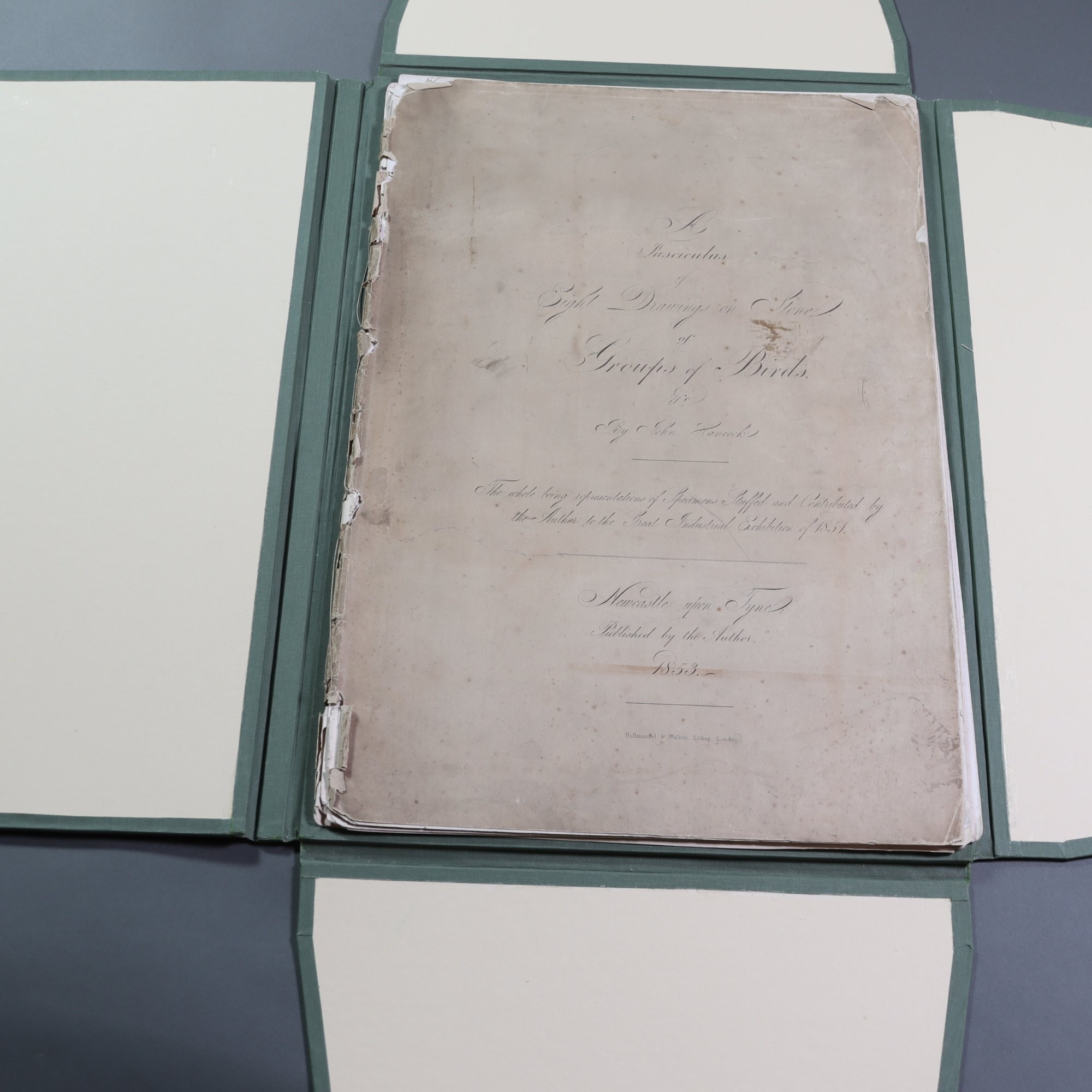
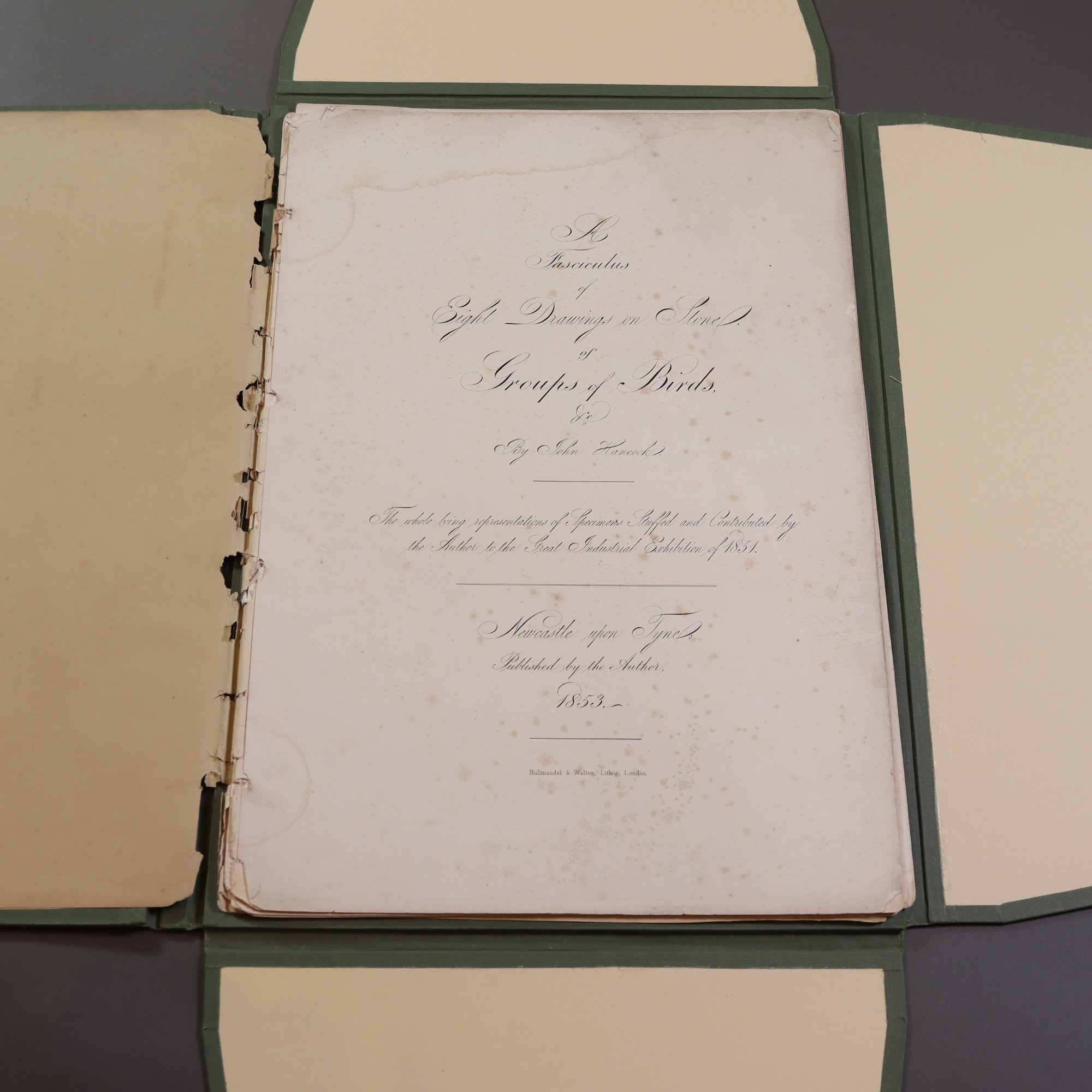
Published by the Author in 1853 by subscription.
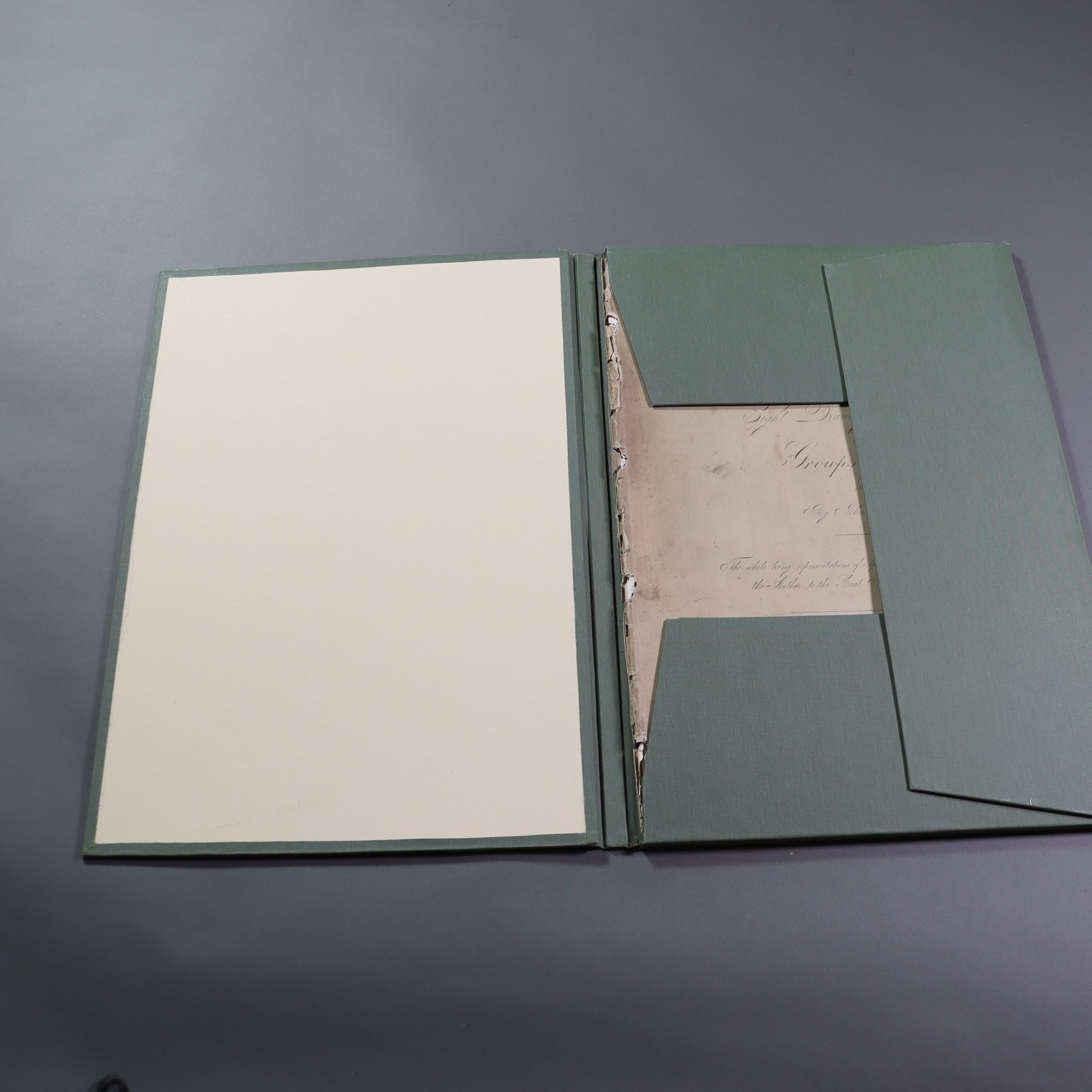
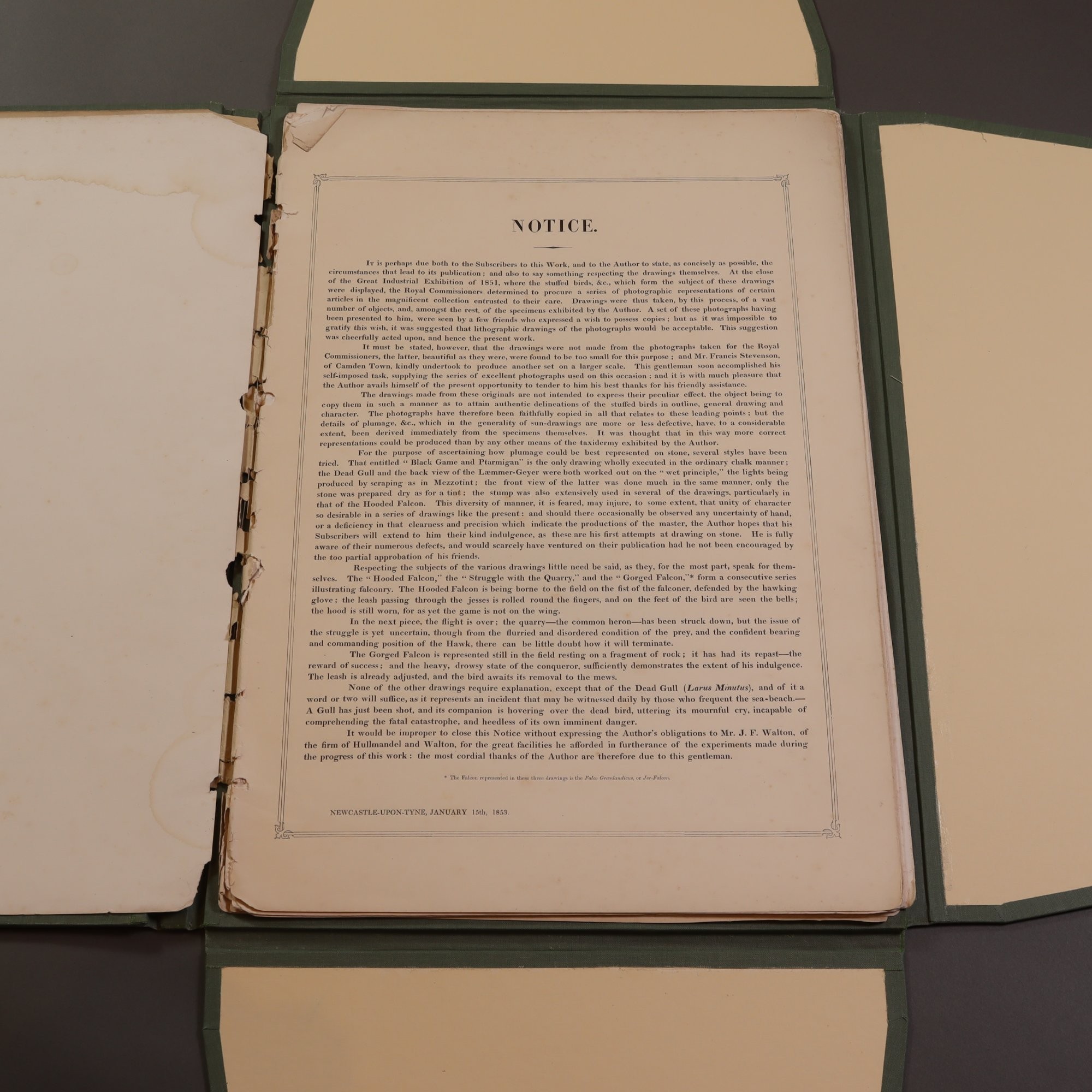
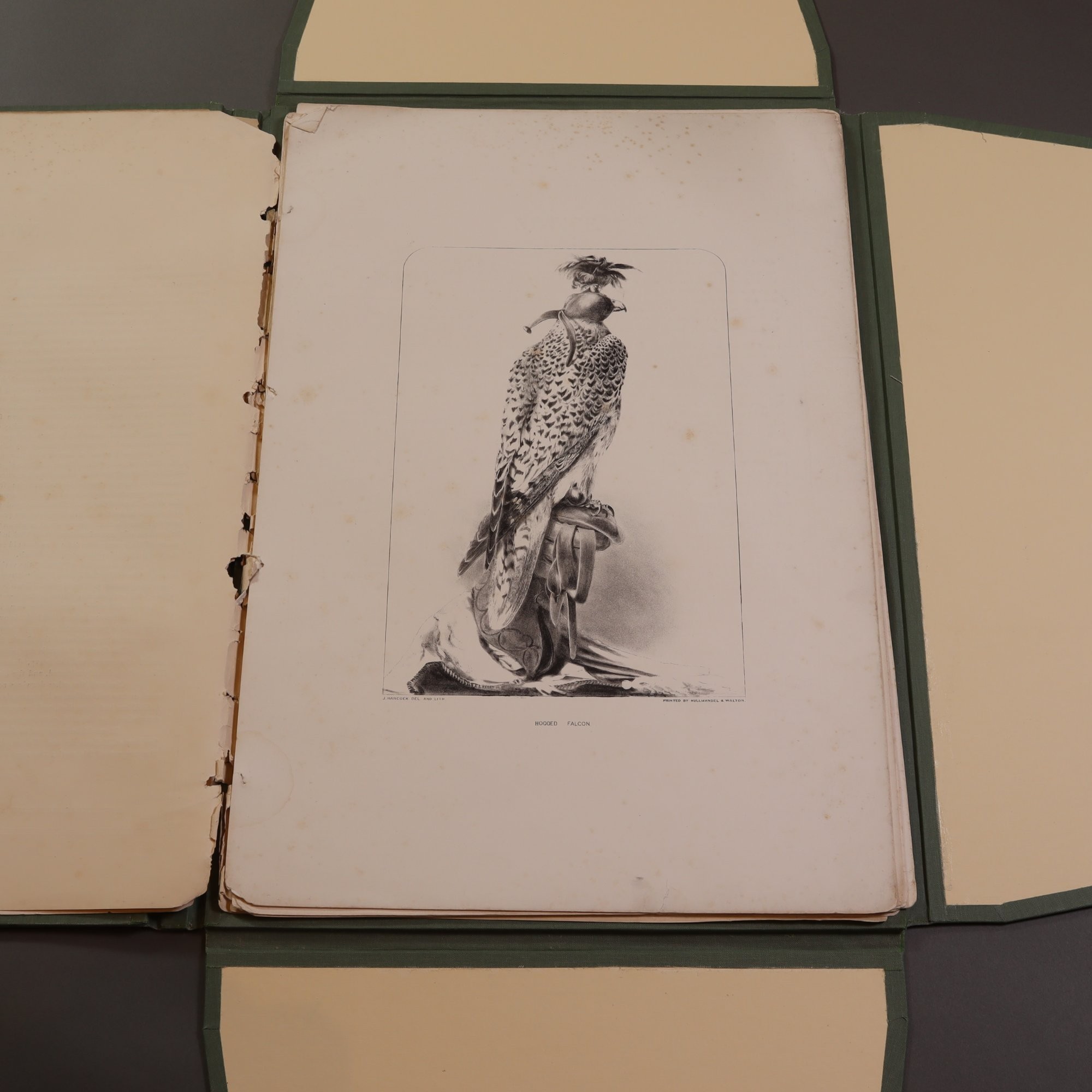
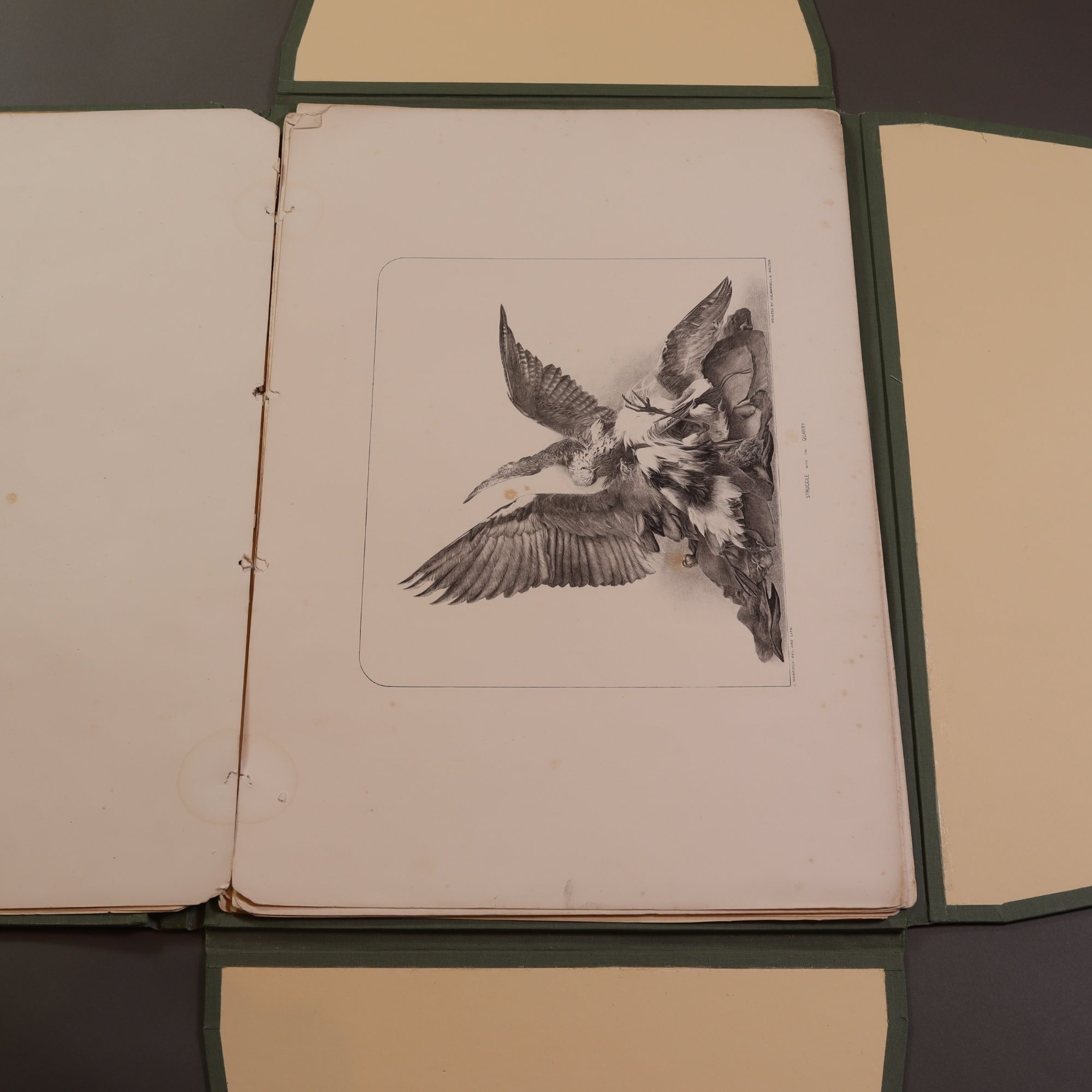
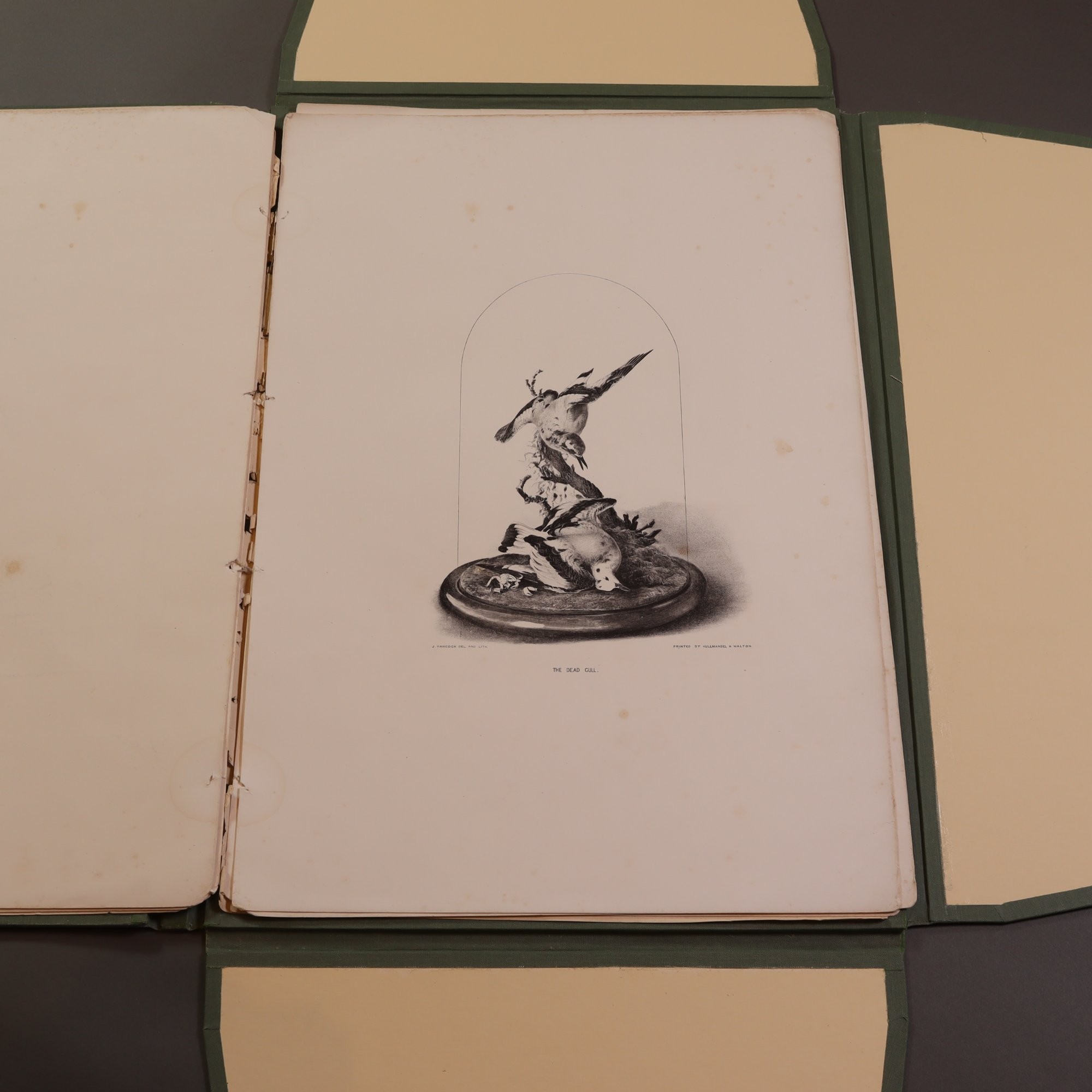
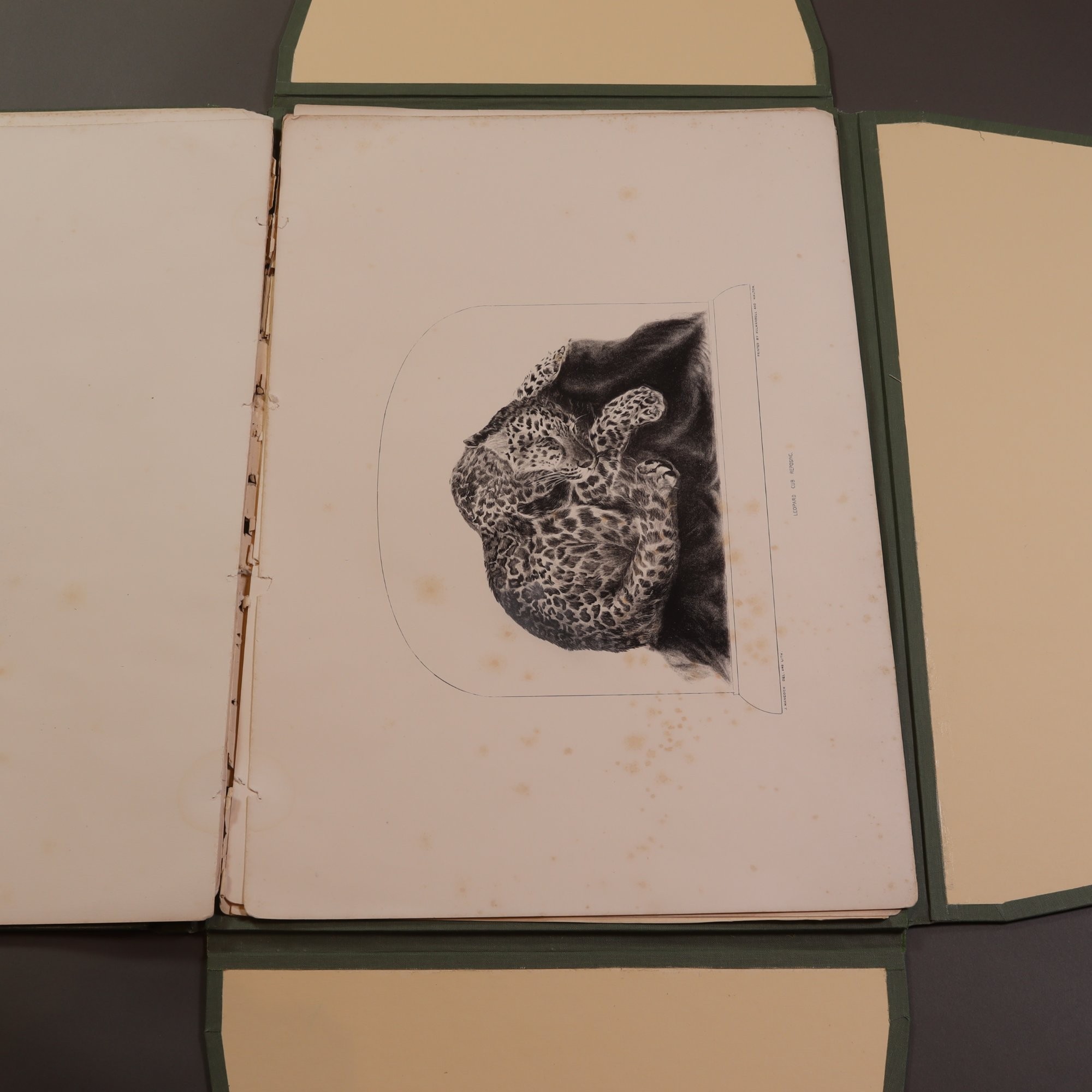
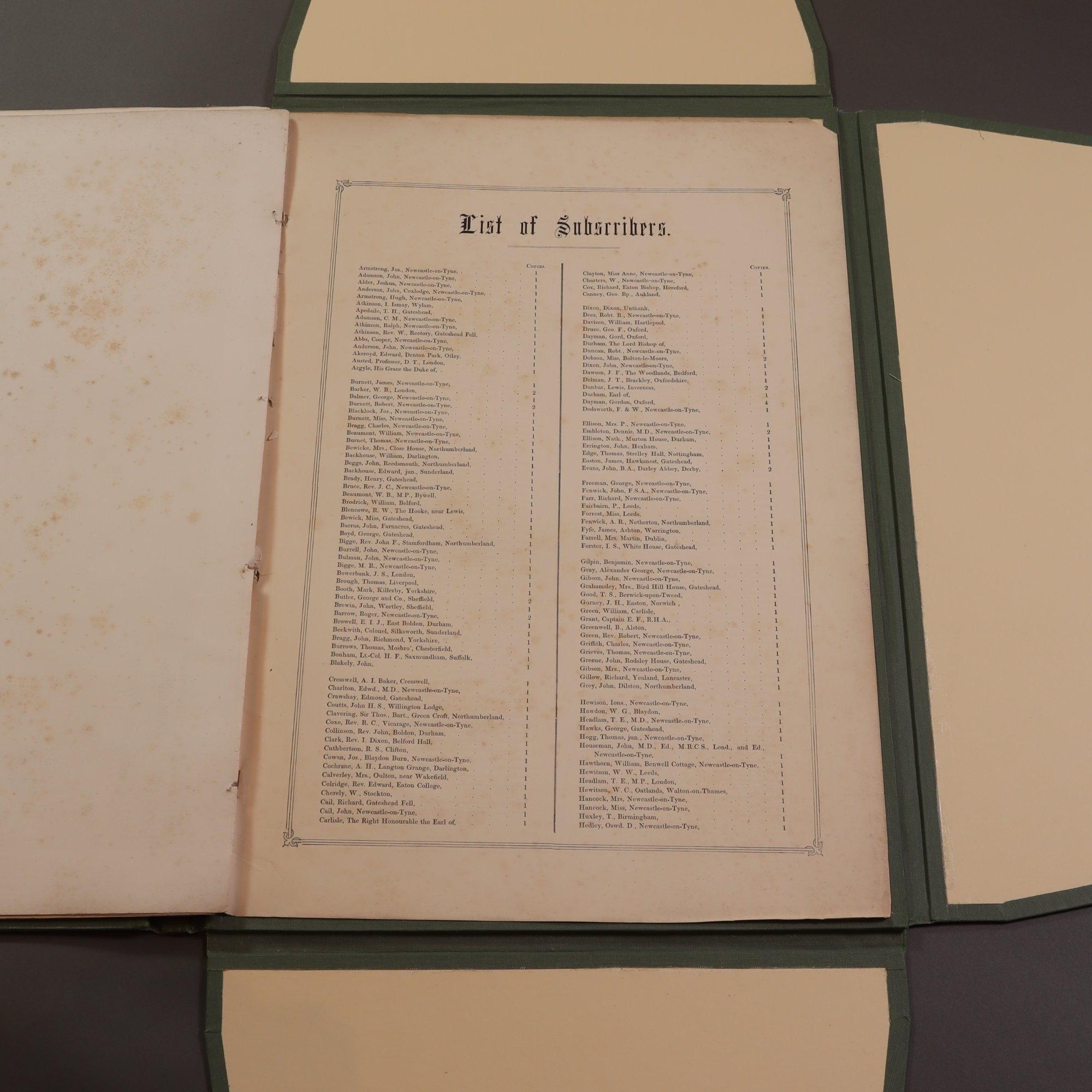
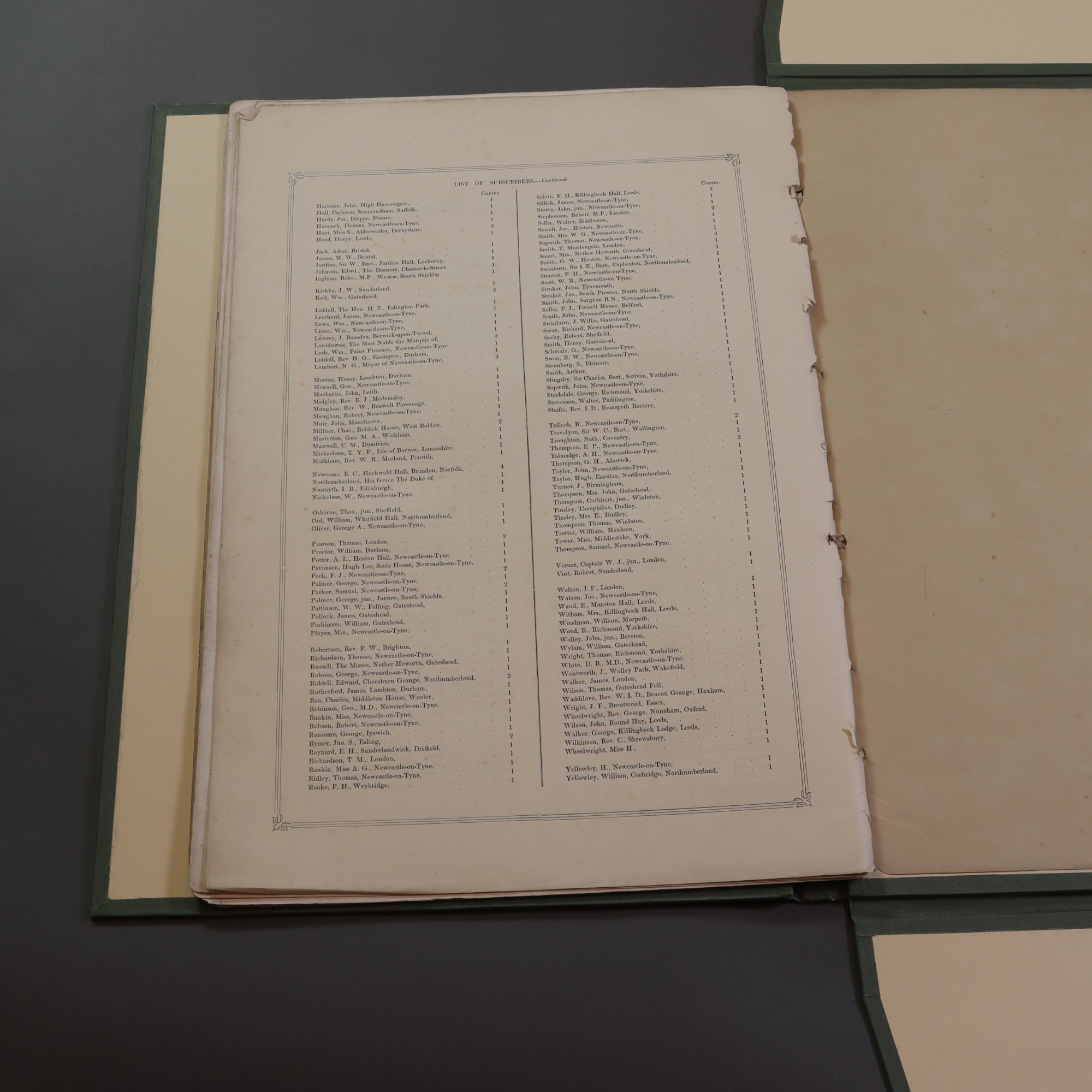
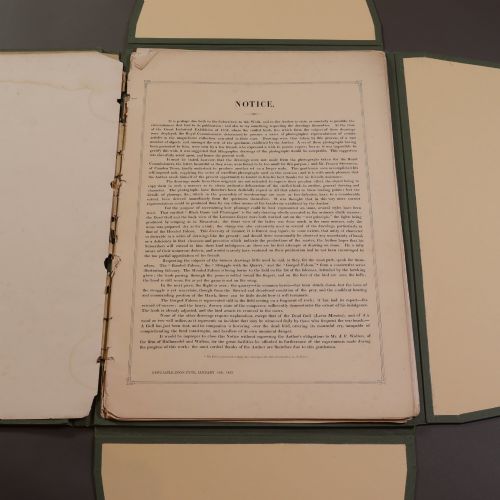
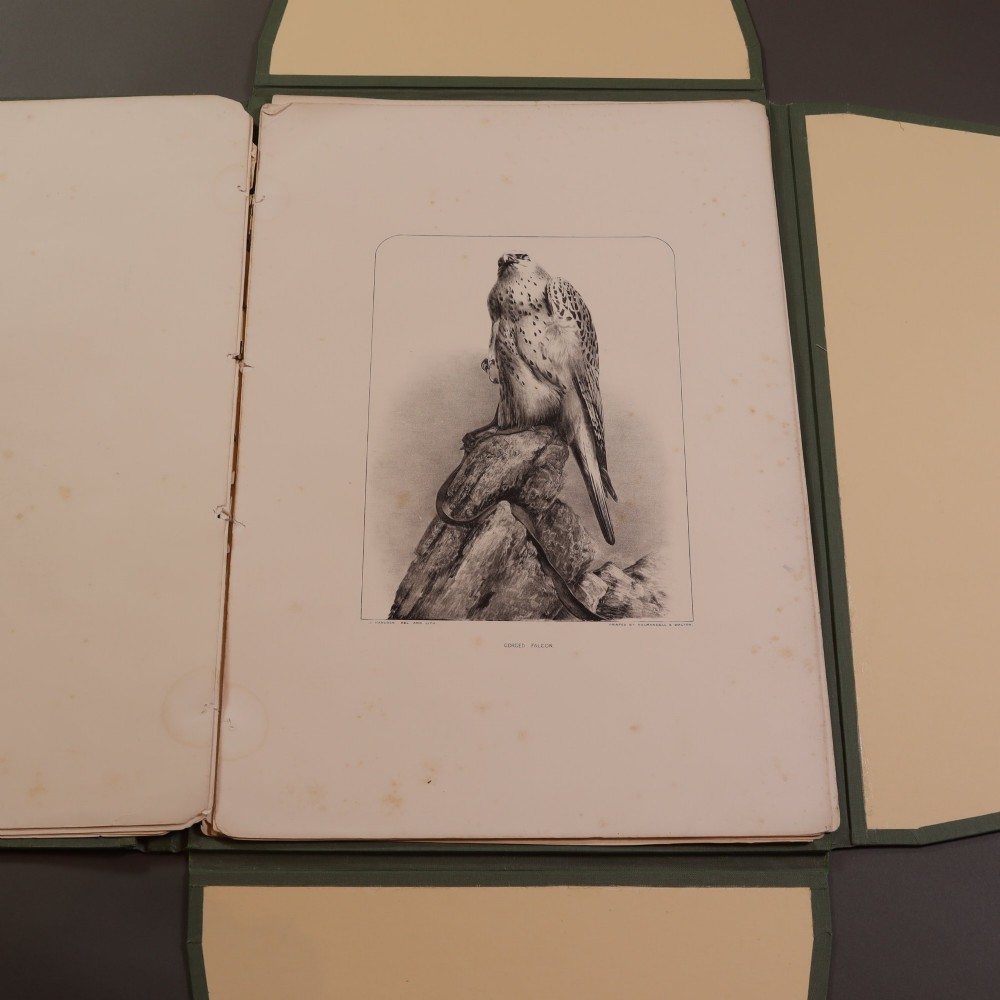
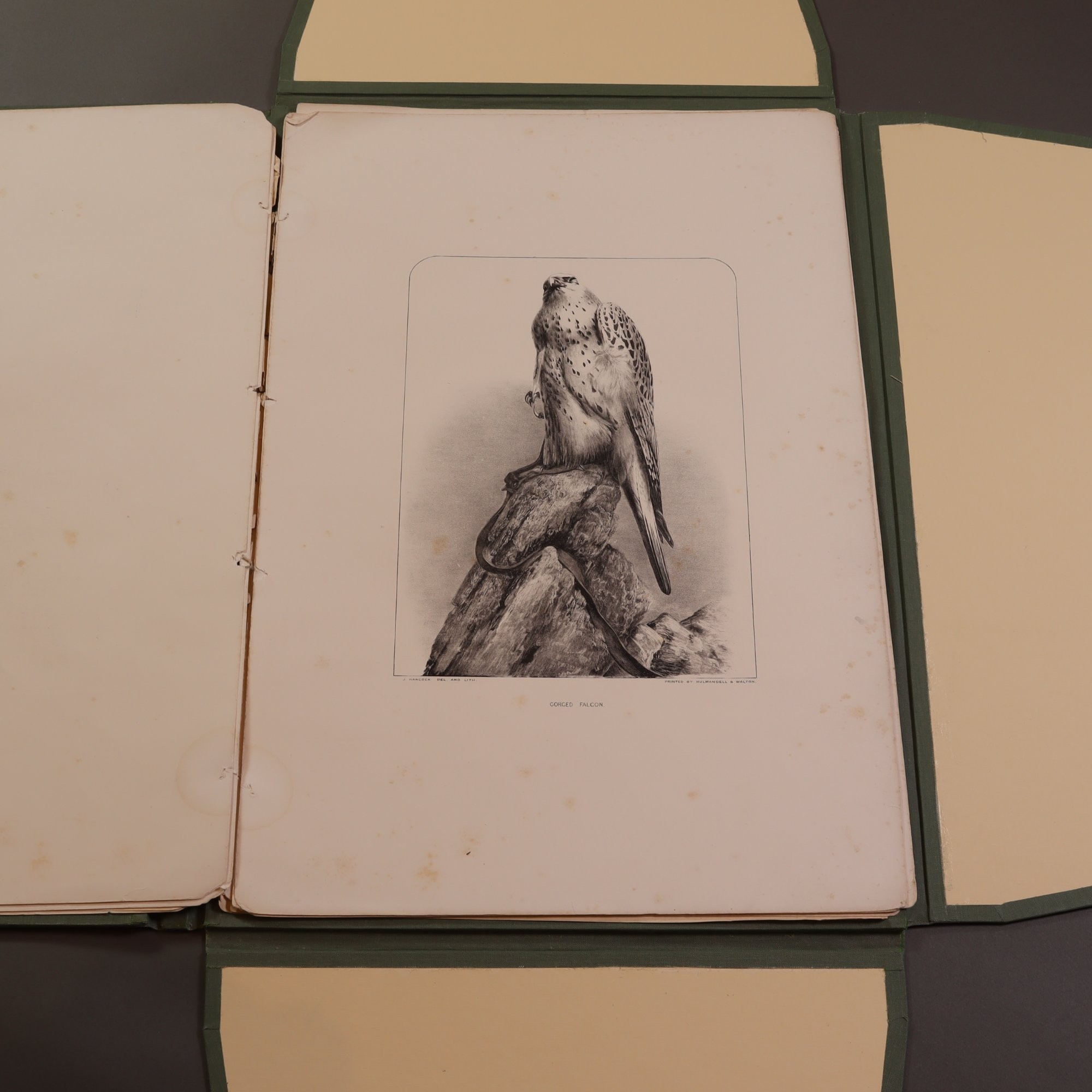
This complete example with its original covers; eight lithographic plates; notices; and list of subscribers, loosely sewn as issued, all protected in a cloth covered binding is rare very rare. Most were split up, with the plates removed and framed individually, which was almost certainly Hancock’s original intention. Today, even the Hancock museum (now re named) Great North Museum does not own a complete copy.
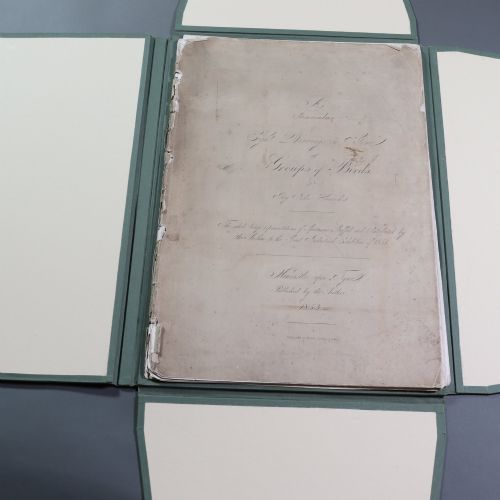
It is generally accepted that this fasciculus was sold by subscription only, to the 277 subscribers listed at the back, however several of the subscribers listed have multiple copies to their names making an aggregate total at the time of just 307 copies. It was always a rare item.
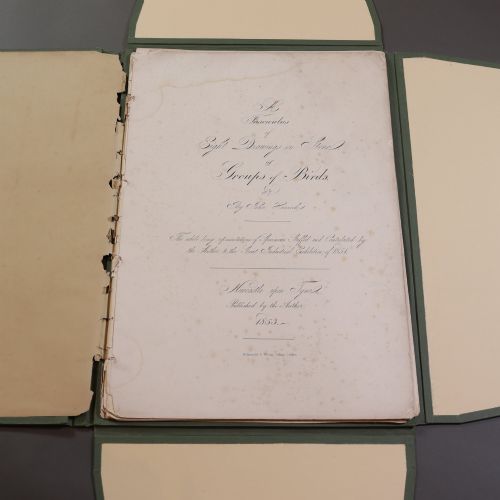
Height 57cm x width 40cm.
Some foxing and minor tears.
John Hancock (1808 – 1890): An English naturalist, ornithologist, taxidermist and landscape architect from Newcastle upon Tyne. His father and grandfather were Saddlers and Ironmongers with a shop on the Tyne Bridge. His mother’s family brought the art of glass making to Tyneside. After working in the family business, he quit to pursue studies of natural history. He started practicing taxidermy as a young man in the 1820s, well before his formal professional career took off in 1829. Working during the golden age of taxidermy when mounted animals became a popular part of Victorian England. Hancock is considered the father of modern taxidermy.
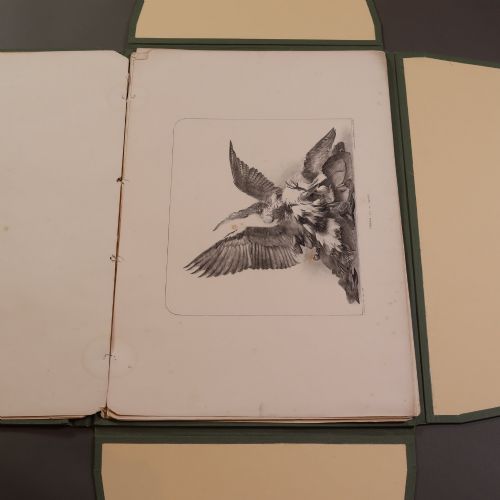
Hancock introduced the style of dramatic and lifelike arrangement in taxidermy. One of his famous works "Struggle with the quarry" depicted a falcon attacking a heron which held an eel. This taxidermy mount was an attraction at the 1851 Great Exhibition at the Crystal Palace in London.
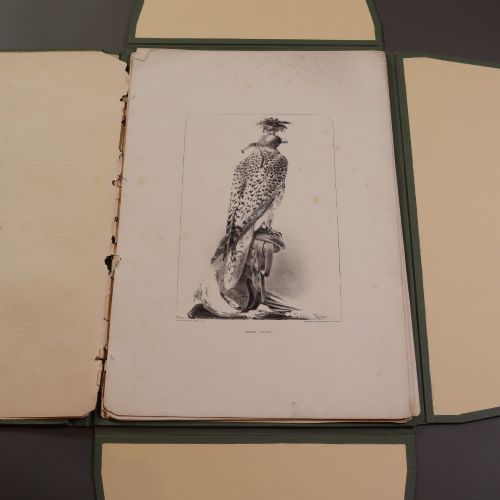
Examples of his work can be found in the Hancock Museum in Newcastle upon Tyne (Great North Museum) and Cragside in Northumberland the home of William Armstrong, 1st Baron Armstrong, founder of the Armstrong Whitworth armaments firm, inventor of the hydraulic crane and the Armstrong gun. Cragside being the first house in the world to be lit using hydroelectric power and now run by the National Trust.
The following is a line from ‘A History of British Taxidermy’ by C. Frost “John Hancock……….was generally regarded in the mid-nineteenth century as the country’s finest taxidermist”
Fasciculus: A Latin word meaning “little bundle”, in publishing a book in multiple parts.
Kendall House Antiques Ltd. has dated this Victorian Ornithological Lithograph Folio to the 1800s.
Kendall house antiques a traditional shop in the north cotswold’s market town of chipping campden.
You can view the stock and full dealer information on the Kendall House Antiques Ltd. Profile Page
Victorian taxidermy – Rare Fasciculus by John Hancock