40,120  PAGES BROWSED TODAY PAGES TODAY 98  ANTIQUES UPLOADED TODAY NEW ARRIVALS
ID #SA1211601
FOR SALE
£1,750
Email Buy
Save
Edwardian Set of Avoir Standard Weights for the City of Liverpool by W&t Avery
Jason Clarke Antiques
for sale €2,048     $2,223
£1,750
Jason Clarke Antiques

Jason Clarke Antiques

Sellingantiques Verified Since Jul 2015
View Dealers Stock Page
Id #SA1211601
PDF SHARE
SAVE

Edwardian Set of Avoir Standard Weights for the City of Liverpool by W&t Avery

1900 - 1920
Description

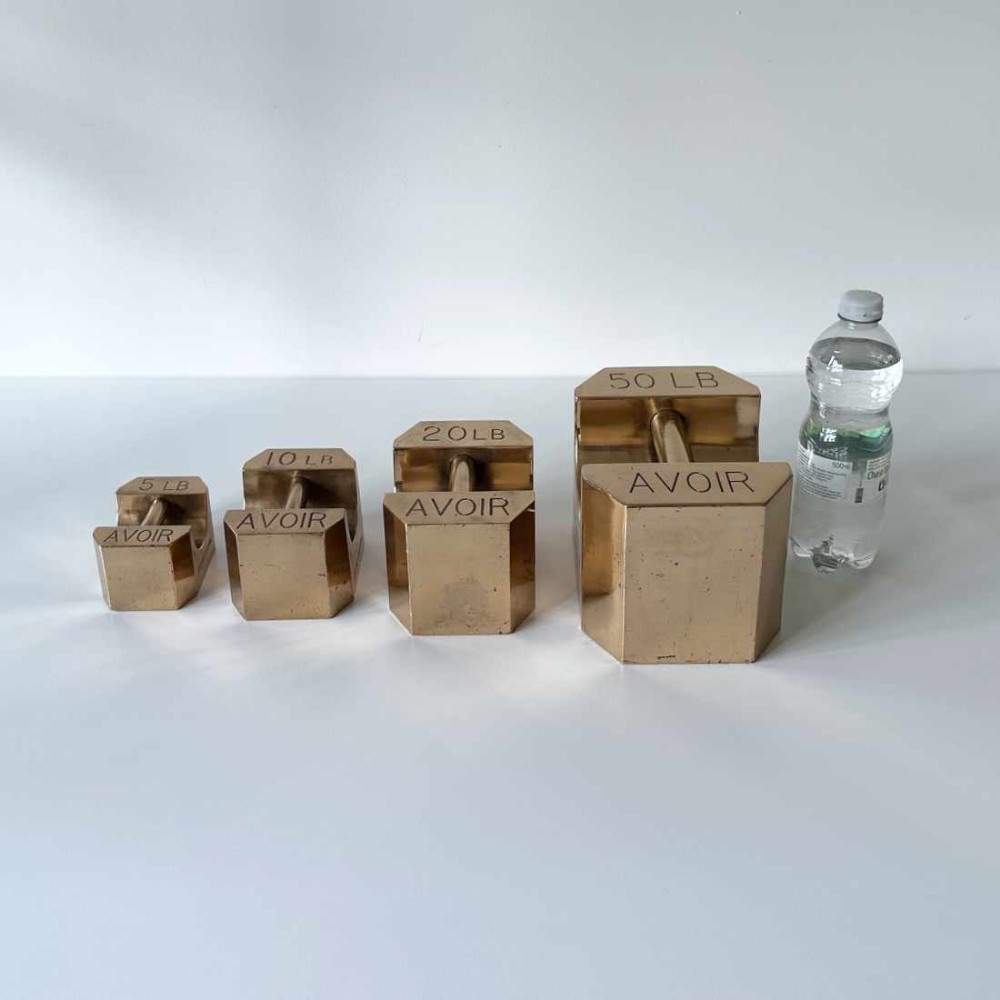
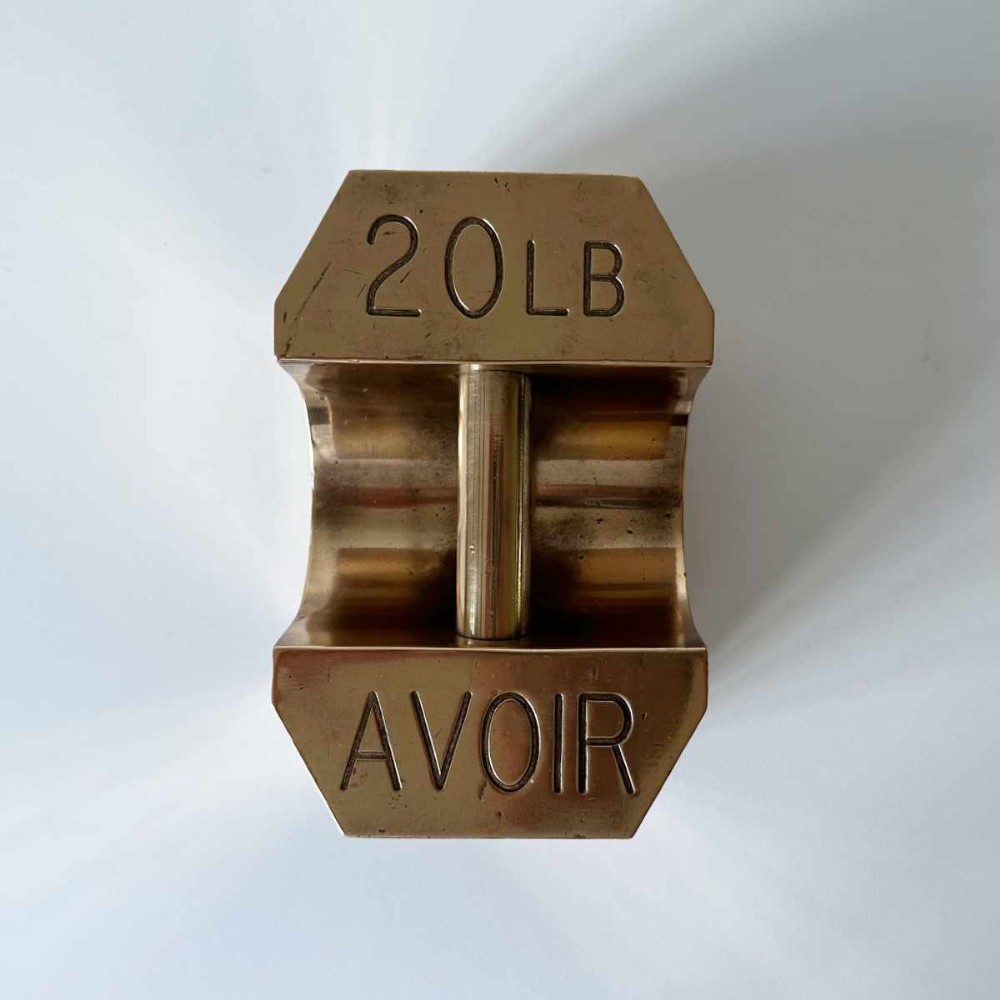
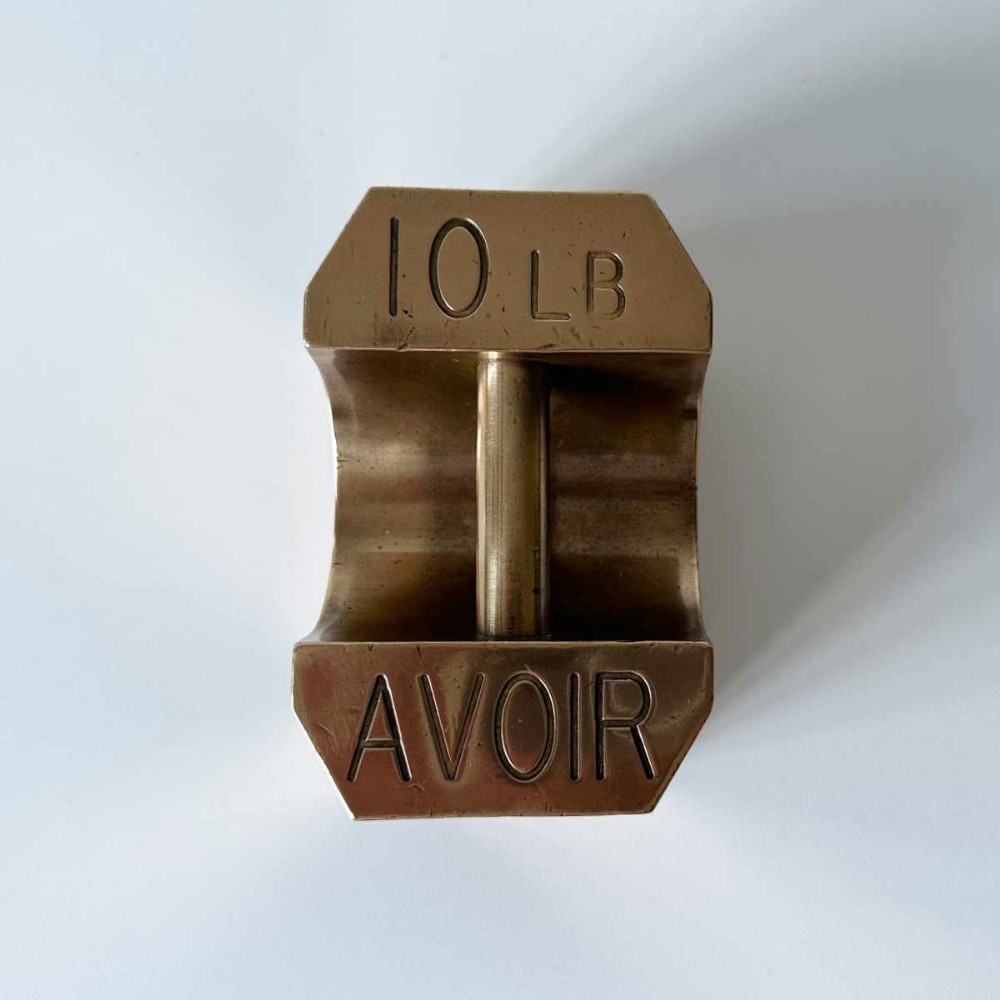
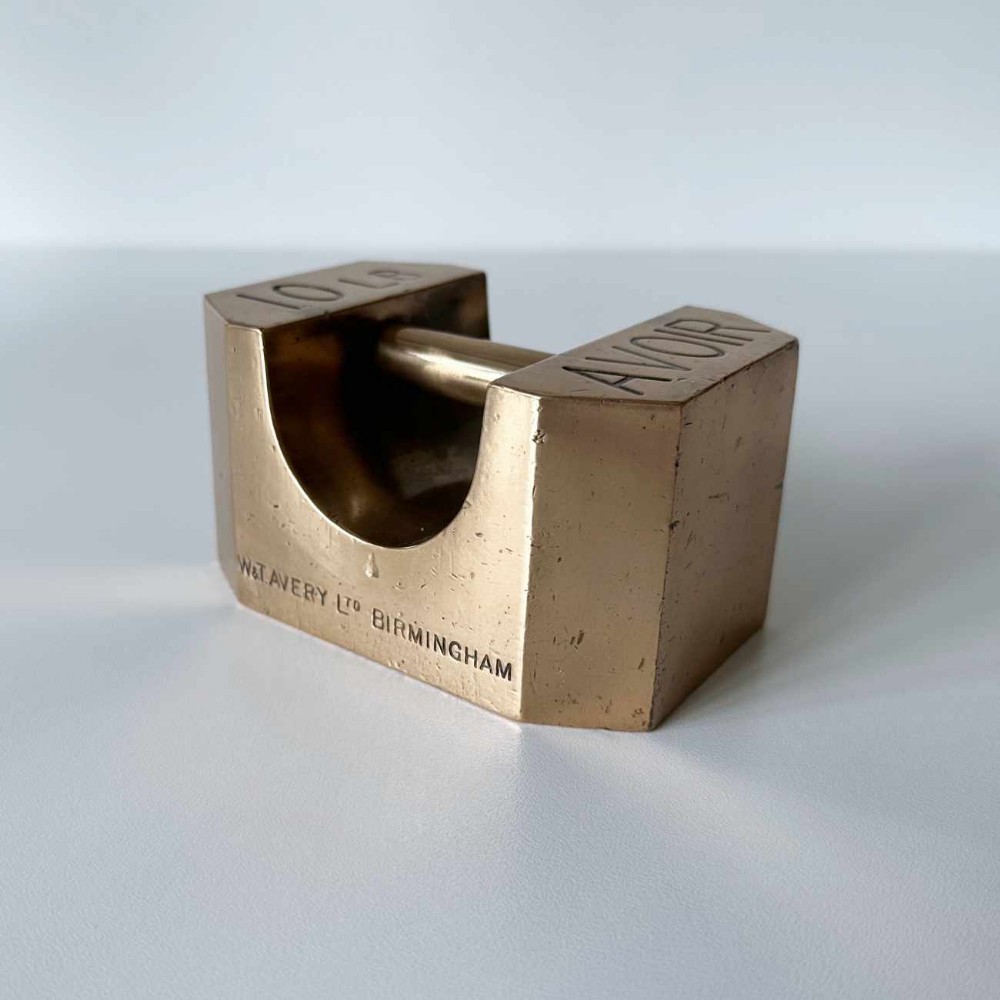
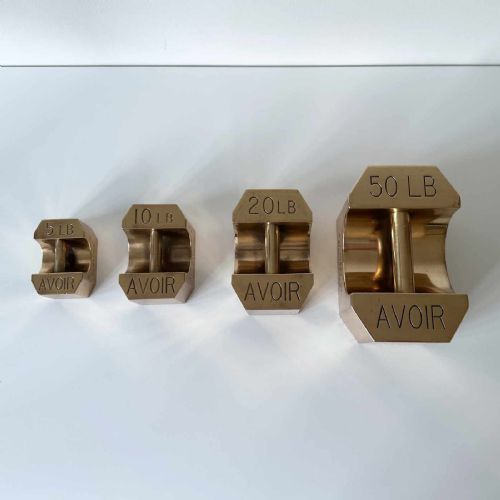
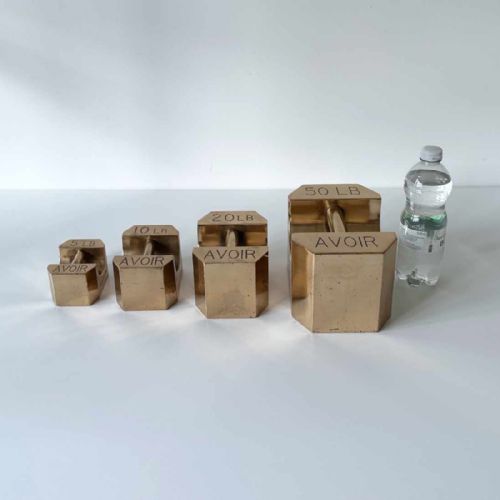
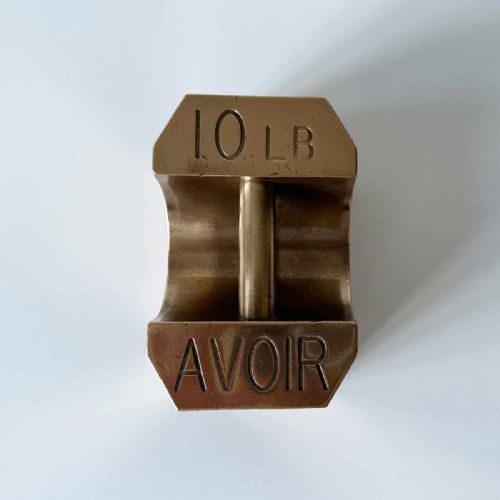
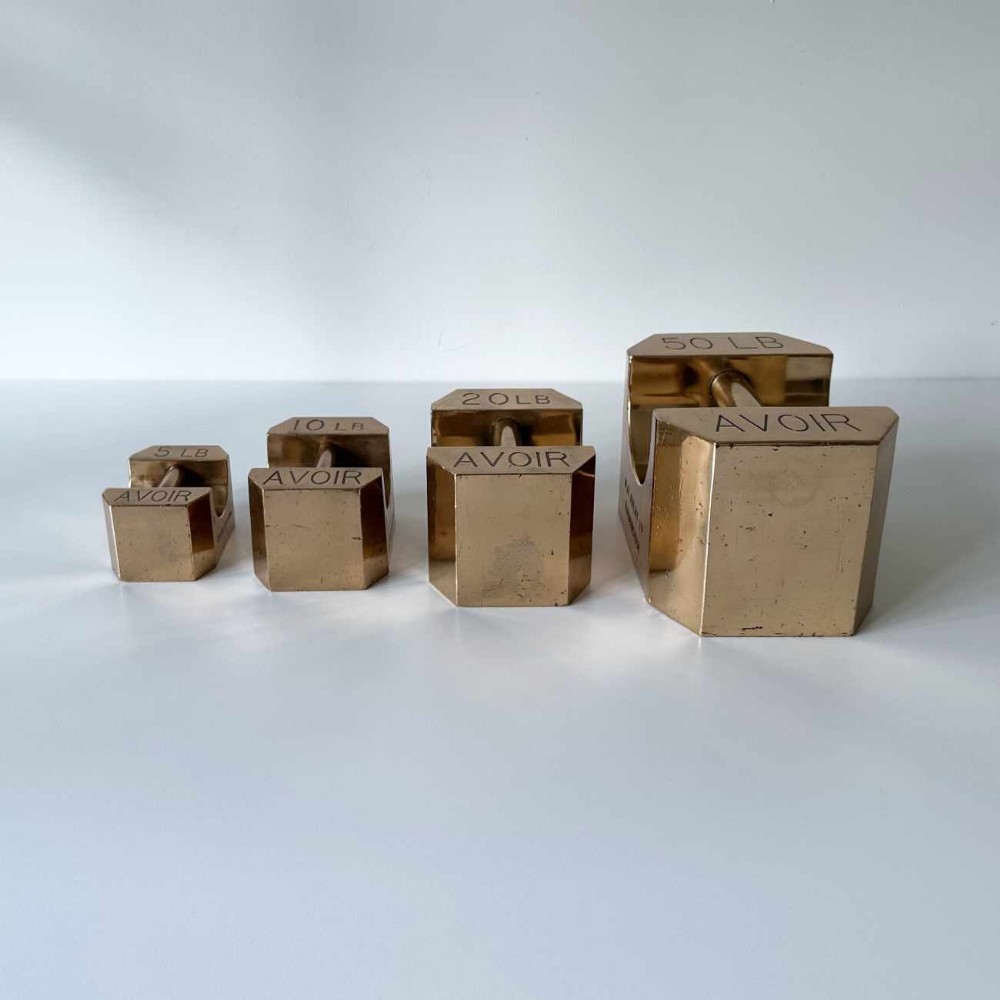
For sale, an Edwardian set of Avoir Imperial Standard Weights for The City of Liverpool by W&T Avery.

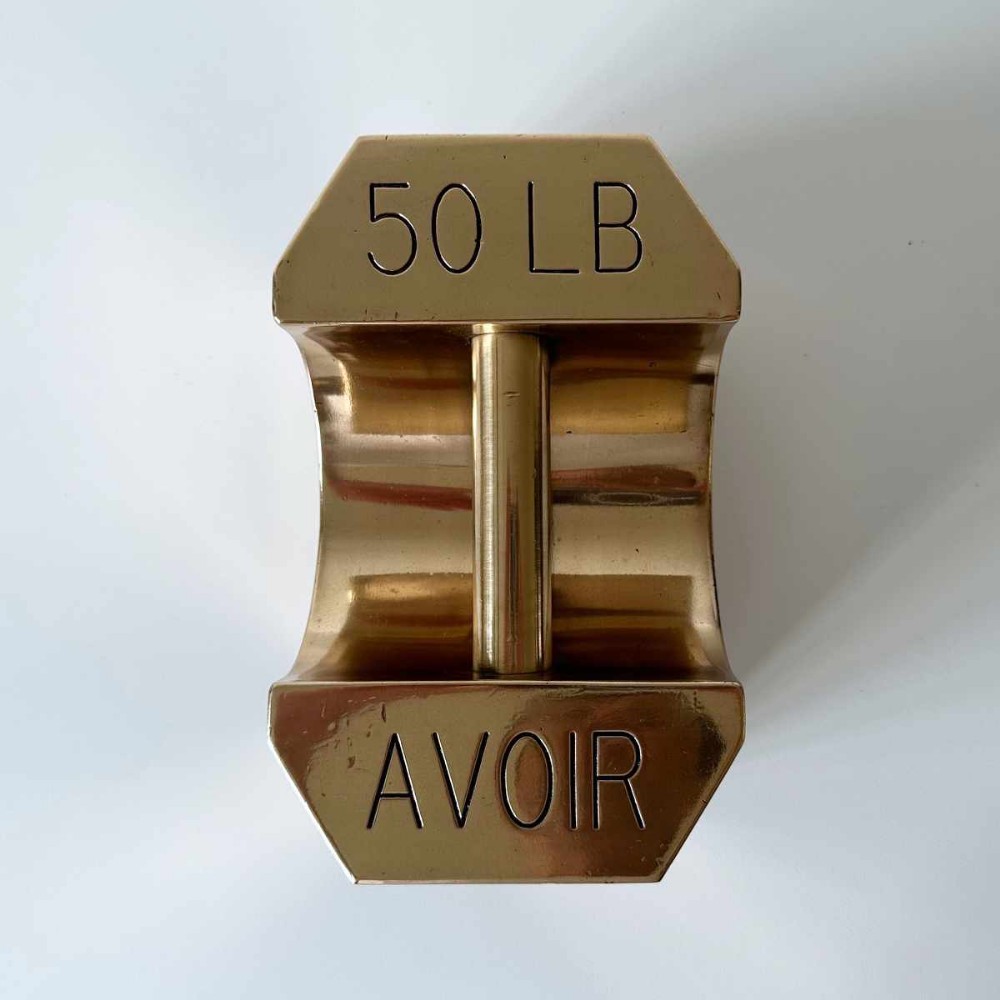
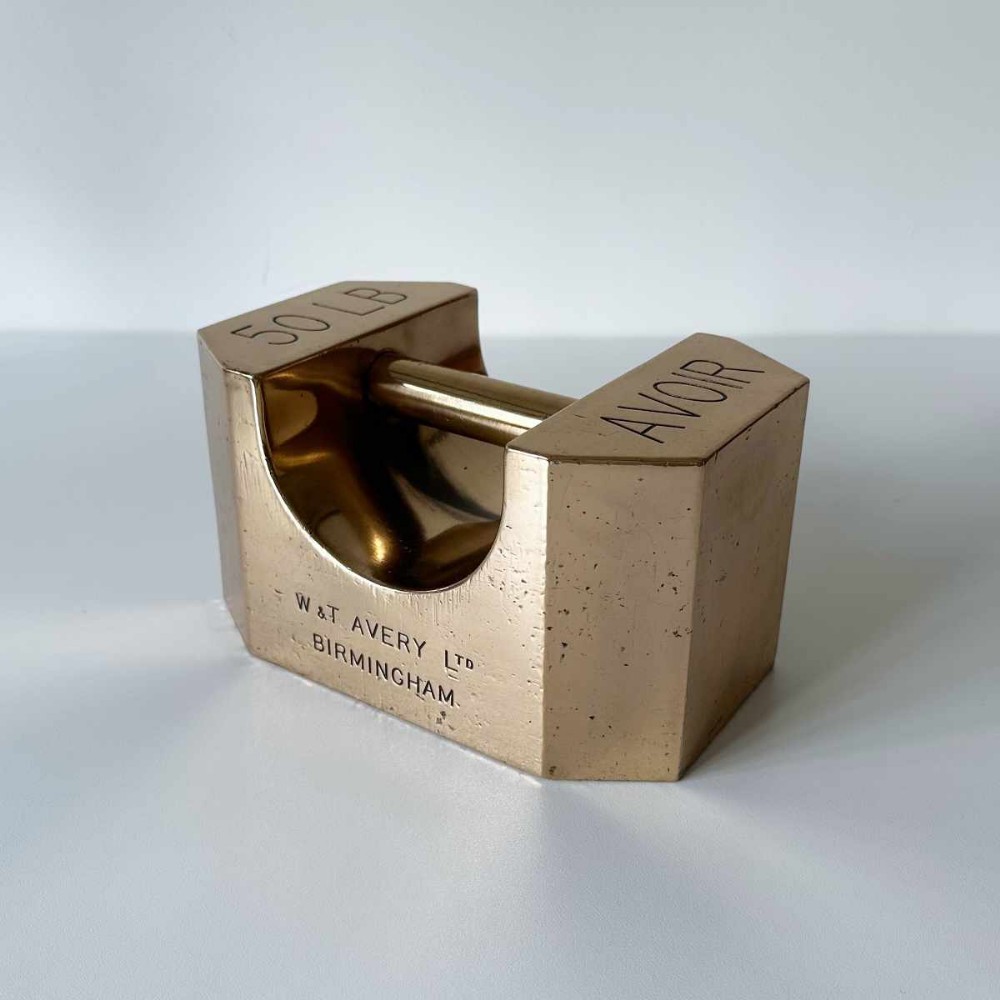
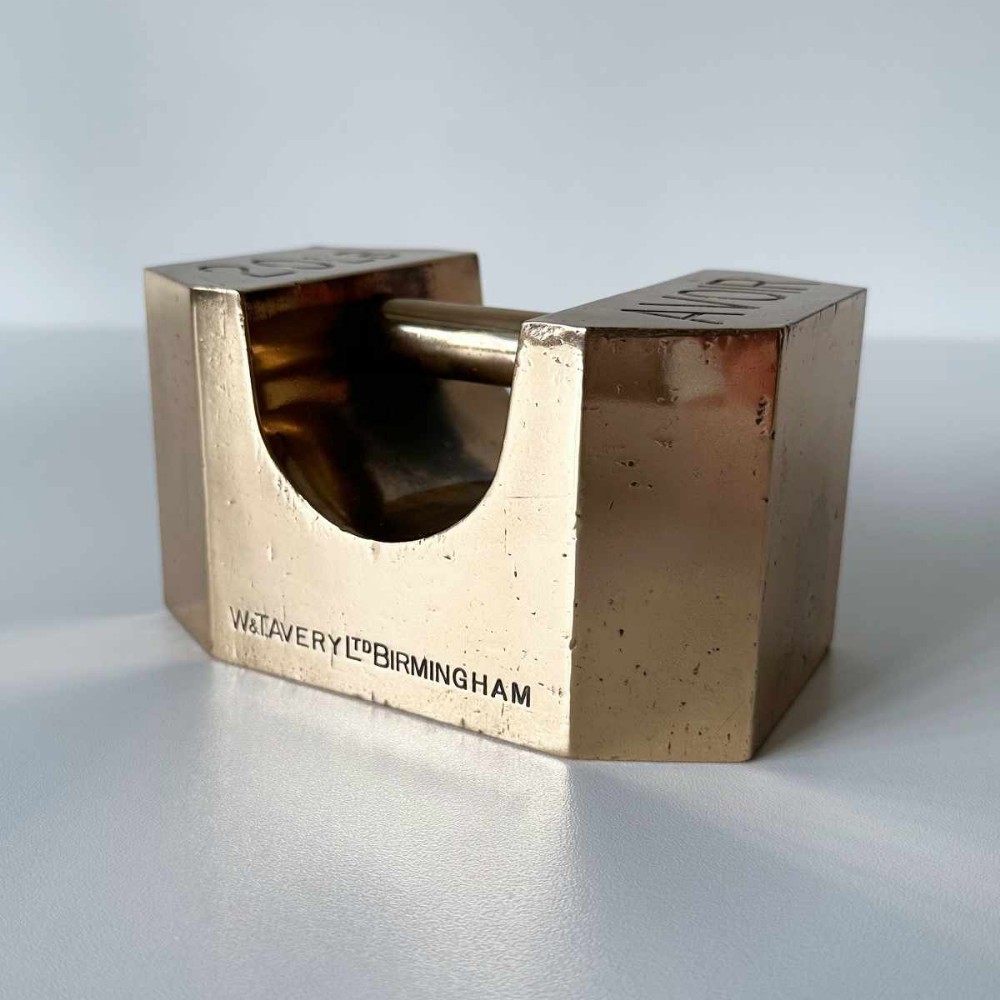
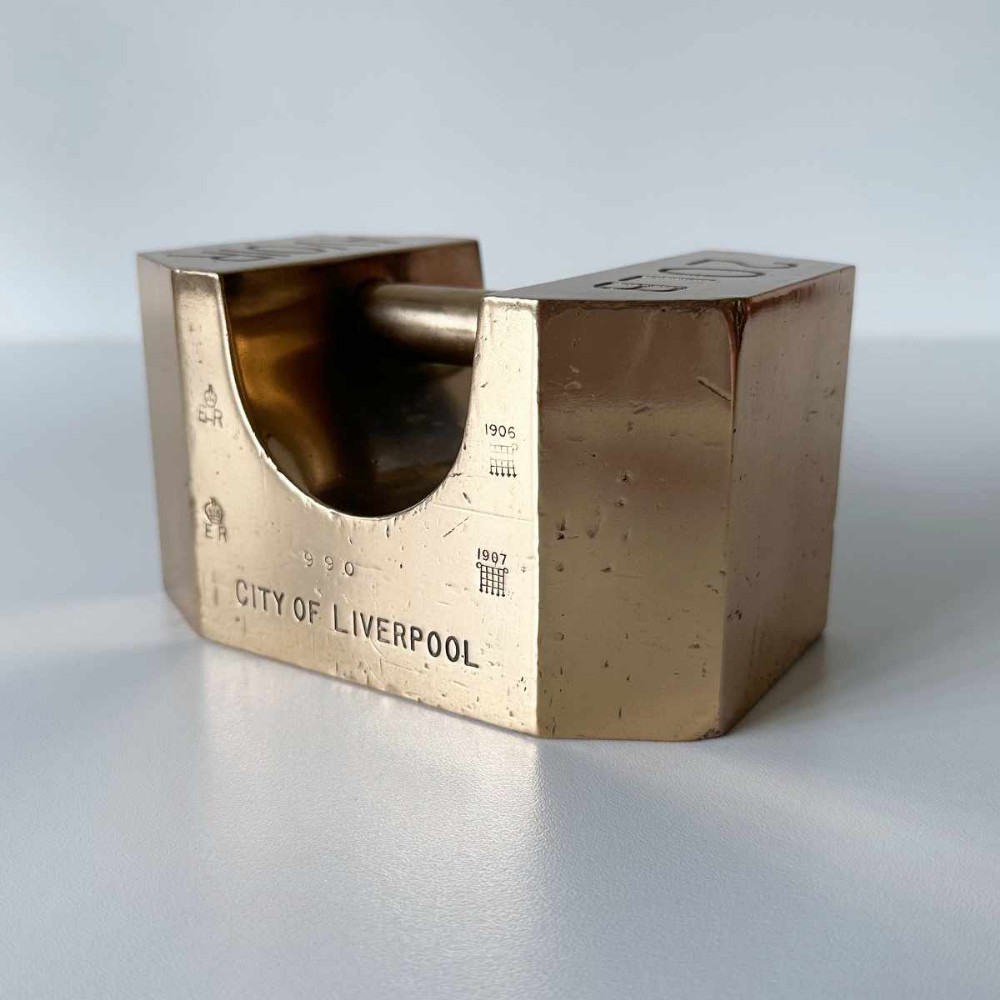
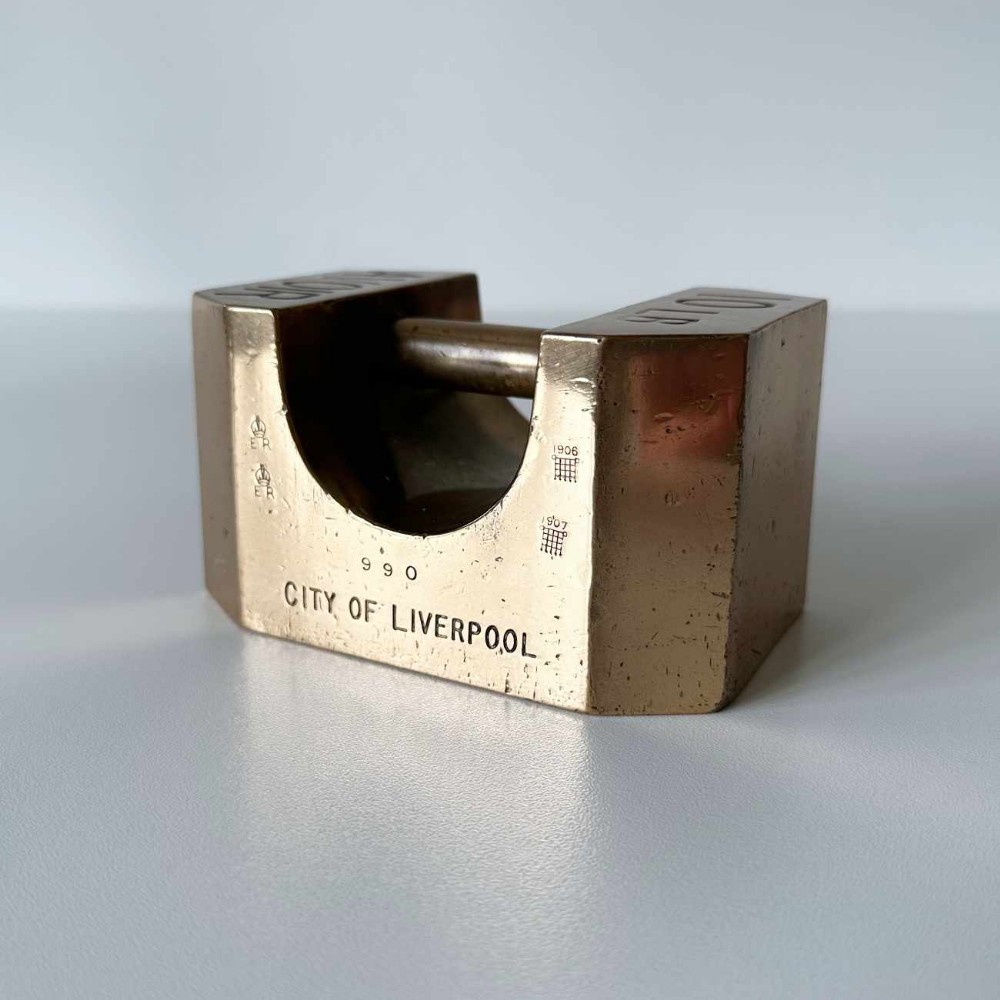
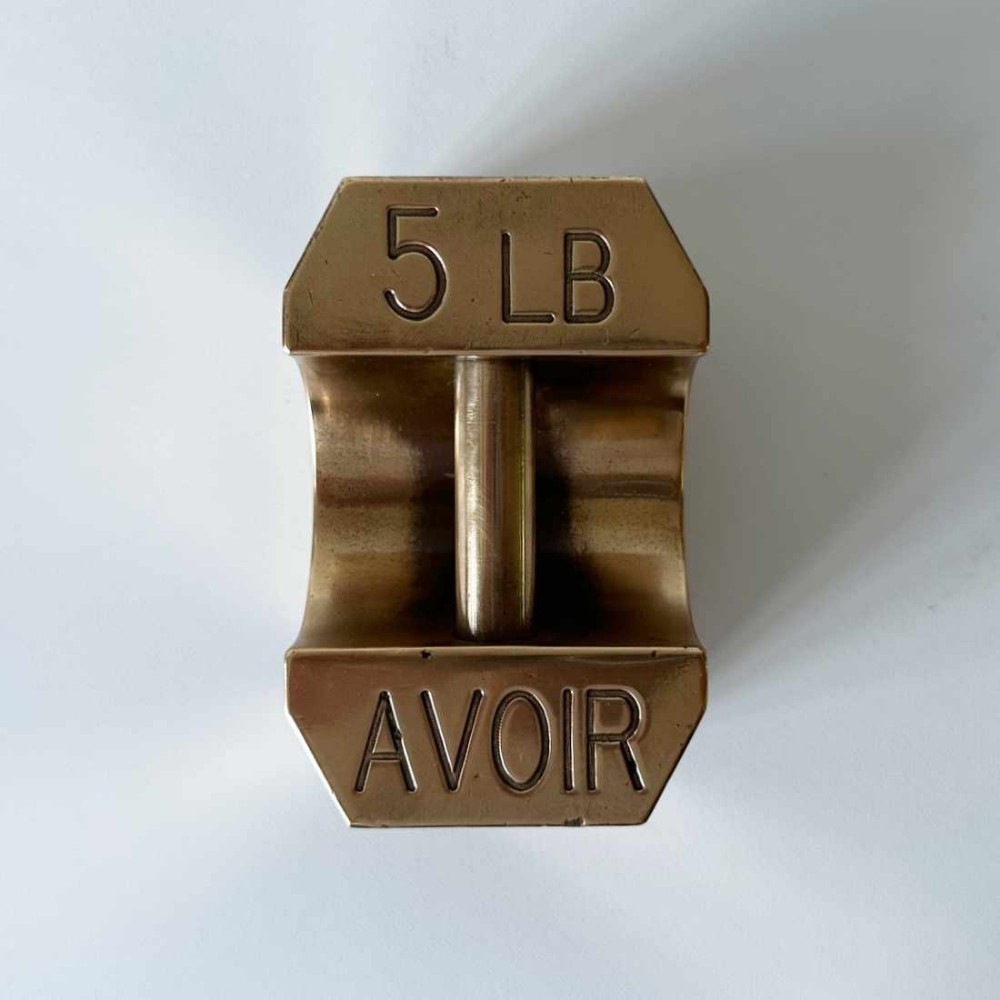
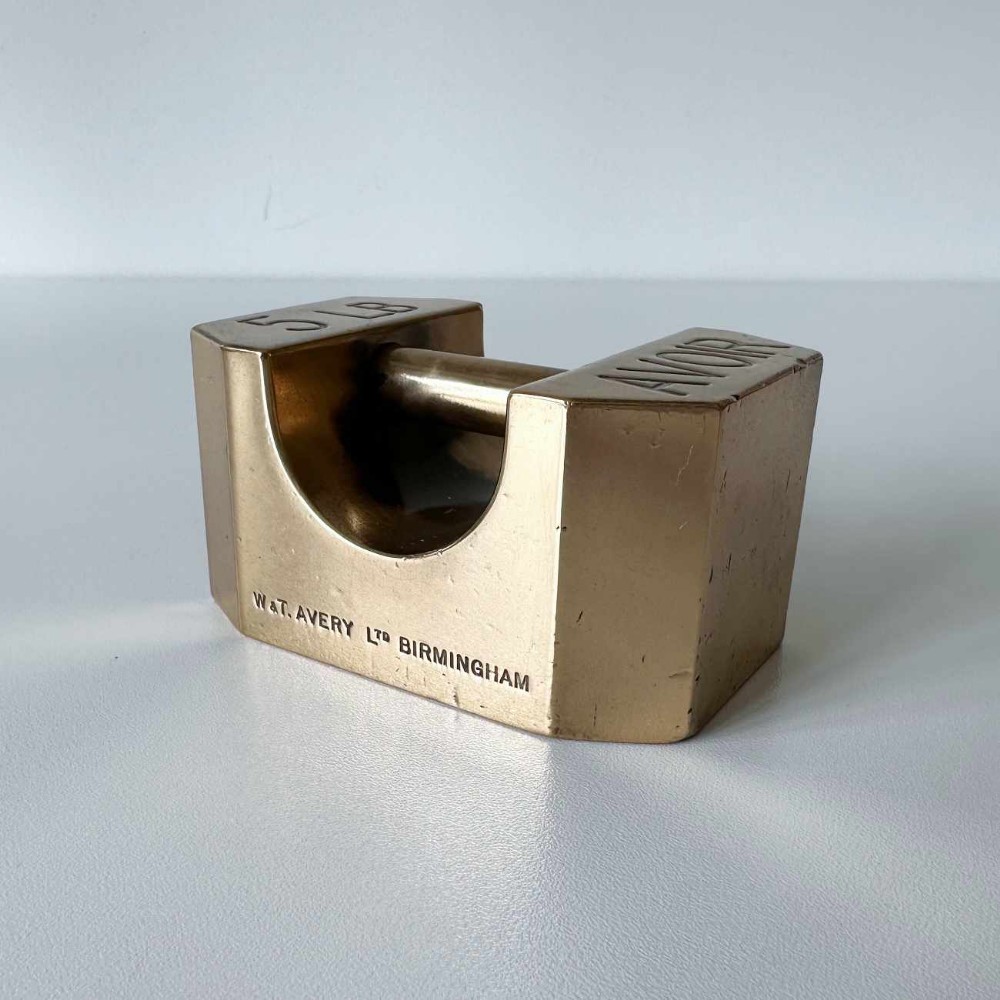
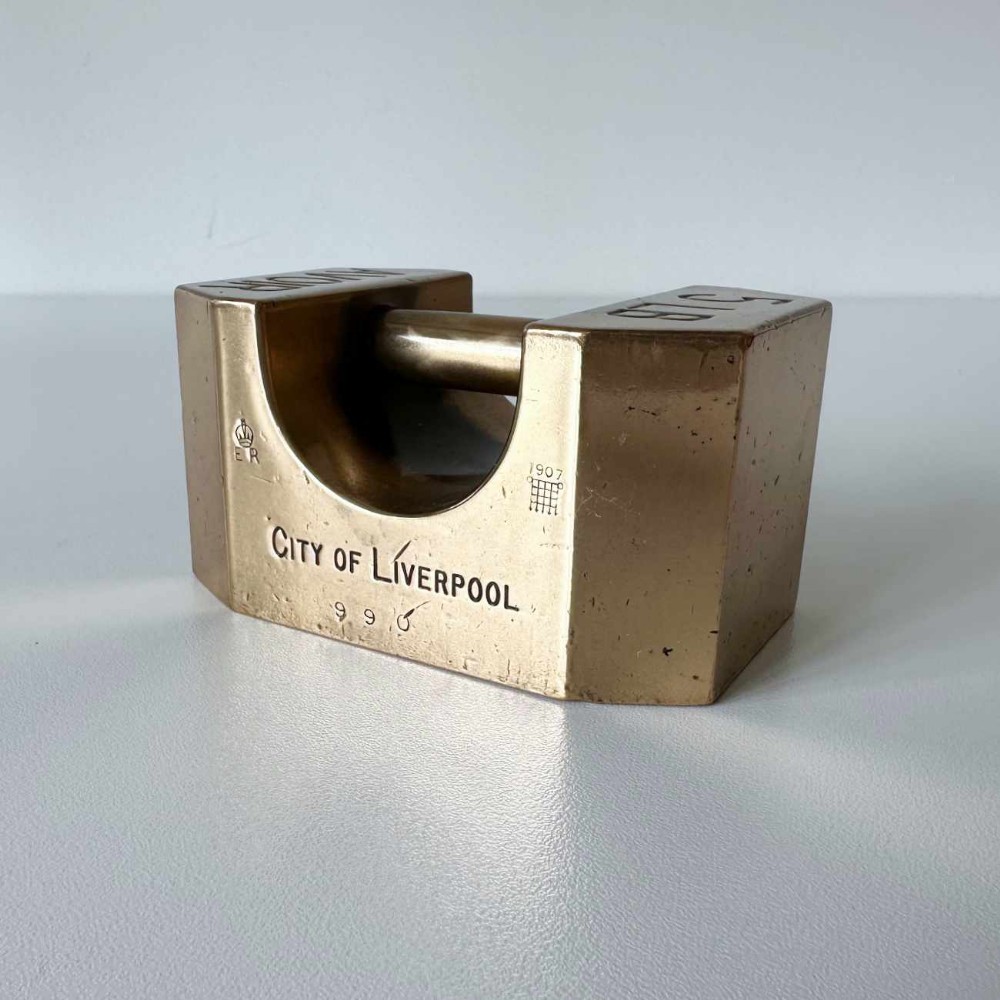
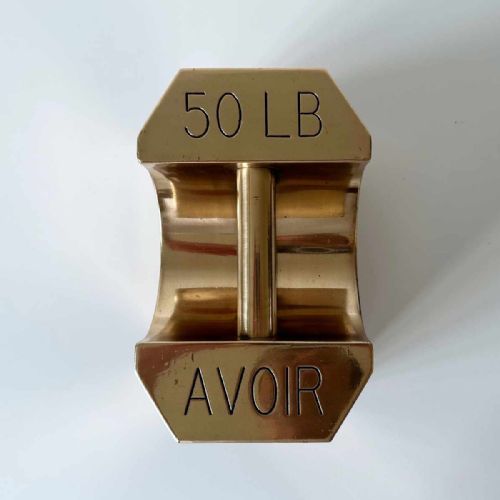
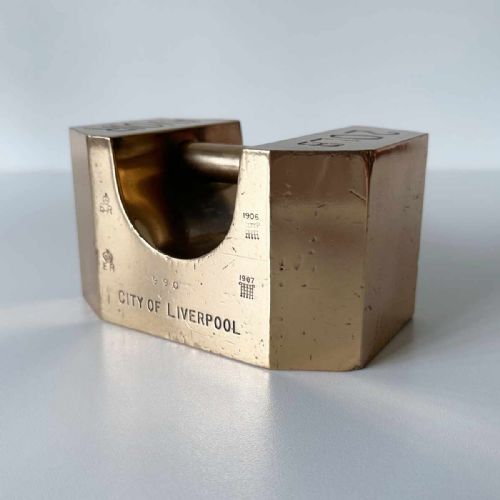
The set includes all county standard Avoir Weights with 50lb, 20lb, 10lb & 5lb all clearly engraved to the top face and with the Avoir unit of measurement engraved below. Each weight has the manufacturer's name of W&T Avery Ltd, Birmingham to one side, with the other reserved for the indenture mark of 990 and City of Liverpool for whom they were made.
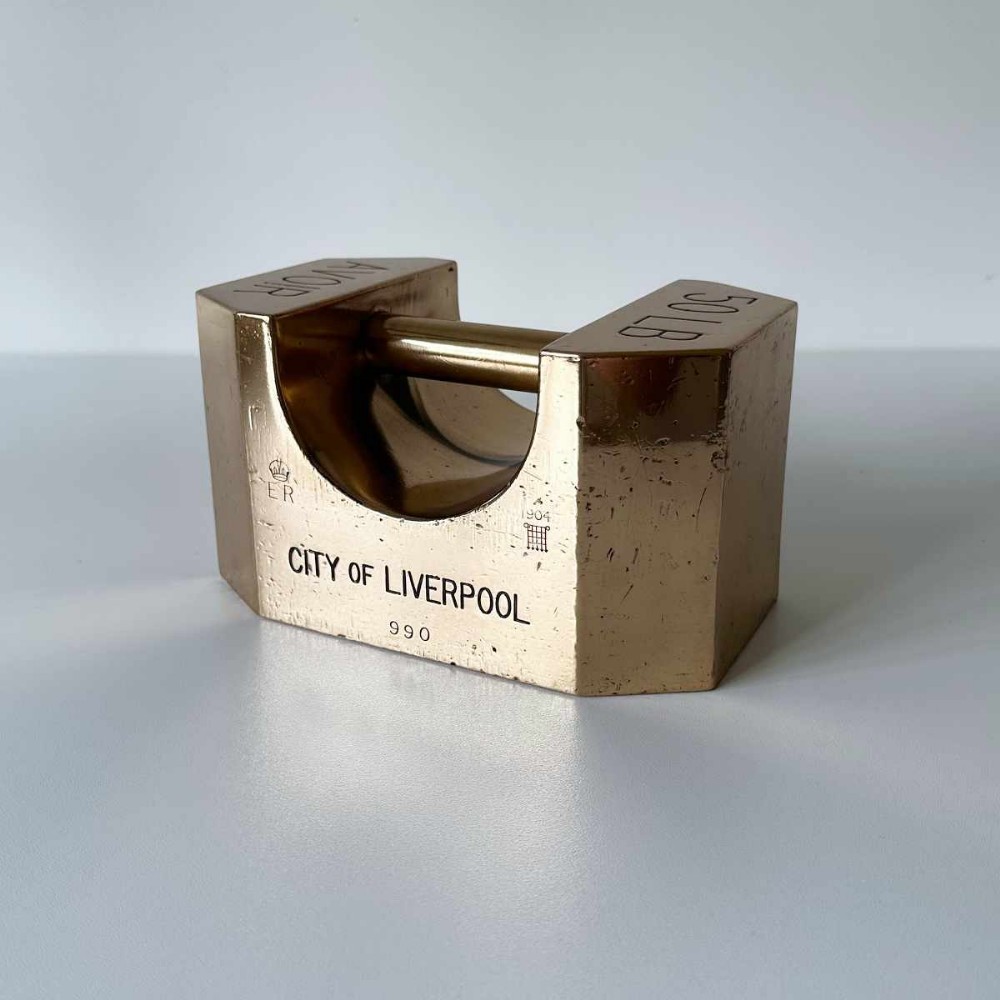
Every weight is marked with the crown over ER cipher to signify the monarch (Edward VII) who reigned from 1901 to 1910 and are marked with Board of Trade portcullis denoting the date in which the weights were last inspected. These vary from 1904 through to 1907.
The lineage of the Avery business can be dated to the early Eighteenth Century to an unrelated scale maker, James Ford who set up a small workshop in Digbeth Birmingham in 1730. The company passed to a William Bridges Barton and by 1782 the business had passed again to a Thomas Beach whose sister Mary married a John Avery.
In 1785, Joseph Balden married Thomas Beach’s niece, Mary Avery and the scale-making business in was eventually sold to him in 1799. Balden died in 1813 passing the business to his son, William although he failed to maintain trade and the business finally passed to his brother in law, William Avery in 1814.
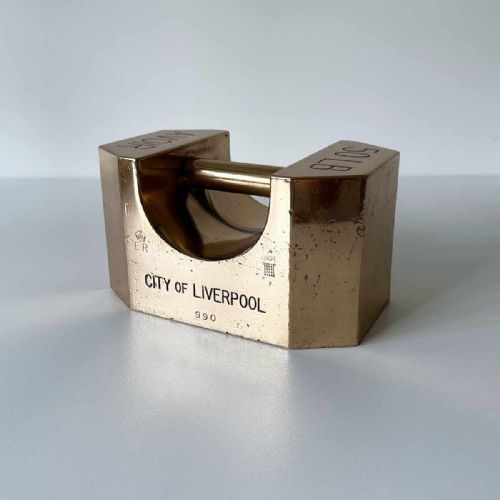
William, a draper and mercer by trade immediately joined forces with his brother Thomas and the business now named W&T Avery once again flourished, however Thomas died just nine years later in 1823 at the age of twenty-six. Despite this tragic setback, William continued to operate the business, keeping his brother’s initials in the company name. William died in 1843 leaving a substantial business to his sons, William Henry and Thomas Avery.
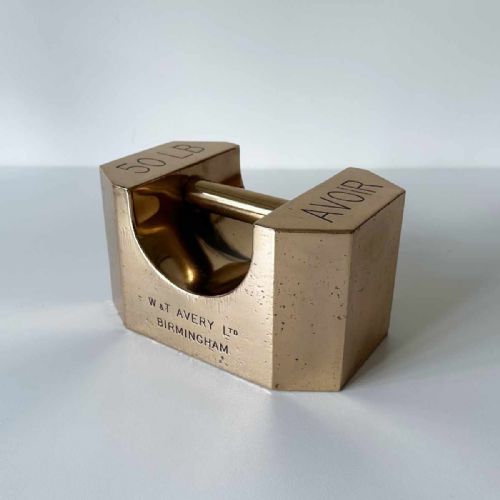
By 1854 the brothers had expanded the company from two premises in Digbeth and Moat Lane in Birmingham to a factory named Atlas Works in West Bromwich employing around 150 men. The sites were organised into differing production lines with the Head Office remaining at the original Digbeth site and the company grew into a national business. In the same year, William’s first son, William Beilby Avery was born and his second son, Henry J Avery arriving in 1861.
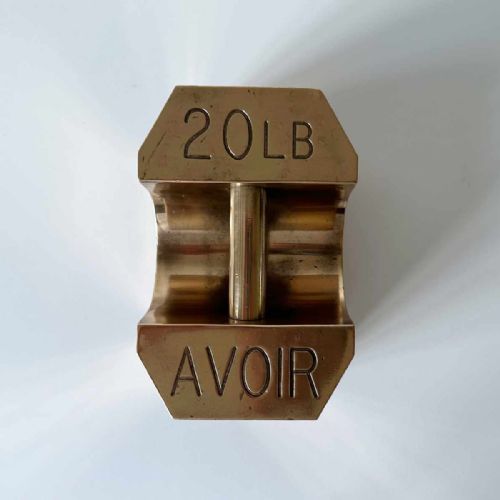
Despite the company’s huge success, Thomas Avery withdrew from the business in 1864, leaving his older brother to continue alone. Thomas concentrated on civic duties becoming an elected councillor for his ward and eventually rose to become mayor in 1868 and again 1881. He died married but without children in 1894, his estate being passed to his brother’s children.
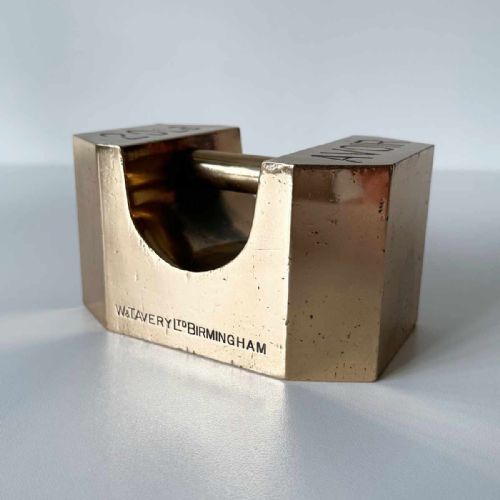
William Henry Avery continued to run the company employing his eldest son William Beilby before his death in 1874. It is unclear why so much time elapsed before William’s sons succeeded to the ownership of the Avery business, perhaps due to their young ages but it wasn’t until 1881 that the business was formalised, leaving the brothers in charge of a company employing up to seven hundred men.
The company continued to grow during the latter part of the Nineteenth Century, and it was eventually incorporated by the family with shares being registered on the London Stock Exchange in 1894. A year later, the company bought the business of James Watts & Co which included the famous Soho Foundry created and made famous by Watts and Matthew Boulton during the Industrial Revolution. It remains the home of Avery to this day.
William Beilby Avery is most famous for leading the company through its global expansion during this period and his brother Henry seems to have had little involvement. William was created a Baronet in 1905 and died in London in 1908, he was also remembered as being one of the fathers of philately and was a life Governor of Birmingham University.

Despite the World Wars, Avery continued to expand through the Twe

Physical Dimensions
Height
12cm (4.72")
Width
22cm (8.66")
Depth
14cm (5.51")
Declaration

Jason Clarke Antiques has dated these Edwardian Brass Standard Weights to the 1900s.

Reference Numbers
Sellingantiques Reference
SA1211601
Description
For sale, an Edwardian set of Avoir Imperial Standard Weights for The City of Liverpool by W&T Avery.
The set includes all county standard Avoir Weights with 50lb, 20lb, 10lb & 5lb all clearly engraved to the top face and with the Avoir unit of measurement engraved below.
Jason Clarke Antiques

Each weight has the manufacturer's name of W&T Avery Ltd, Birmingham to one side, with the other reserved for the indenture mark of 990 and City of Liverpool for whom they were made.

fig 1. A set of four graduated Edwardian brass avoirdupois standard weights displaying engraved weight values ranging from five to fifty pounds.
fig 1. Edwardian Set of Avoir Standard Weights for the City of Liverpool by W&t Avery

Every weight is marked with the crown over ER cipher to signify the monarch (Edward VII) who reigned from 1901 to 1910 and are marked with Board of Trade portcullis denoting the date in which the weights were last inspected. These vary from 1904 through to 1907.

fig 2. A set of four graduated Edwardian brass avoirdupois standard weights displaying engraved weight values ranging from five to fifty pounds.
fig 2. Edwardian Set of Avoir Standard Weights for the City of Liverpool by W&t Avery

The lineage of the Avery business can be dated to the early Eighteenth Century to an unrelated scale maker, James Ford who set up a small workshop in Digbeth Birmingham in 1730. The company passed to a William Bridges Barton and by 1782 the business had passed again to a Thomas Beach whose sister Mary married a John Avery.

fig 3. A set of four graduated Edwardian brass avoirdupois standard weights displaying engraved weight values ranging from five to fifty pounds.
fig 3. Edwardian Set of Avoir Standard Weights for the City of Liverpool by W&t Avery

In 1785, Joseph Balden married Thomas Beach’s niece, Mary Avery and the scale-making business in was eventually sold to him in 1799. Balden died in 1813 passing the business to his son, William although he failed to maintain trade and the business finally passed to his brother in law, William Avery in 1814.

fig 4. A set of four graduated Edwardian brass avoirdupois standard weights displaying engraved weight values ranging from five to fifty pounds.
fig 4. Edwardian Set of Avoir Standard Weights for the City of Liverpool by W&t Avery

William, a draper and mercer by trade immediately joined forces with his brother Thomas and the business now named W&T Avery once again flourished, however Thomas died just nine years later in 1823 at the age of twenty-six. Despite this tragic setback, William continued to operate the business, keeping his brother’s initials in the company name. William died in 1843 leaving a substantial business to his sons, William Henry and Thomas Avery.

fig 5. A set of four graduated Edwardian brass avoirdupois standard weights displaying engraved weight values ranging from five to fifty pounds.
fig 5. Edwardian Set of Avoir Standard Weights for the City of Liverpool by W&t Avery

By 1854 the brothers had expanded the company from two premises in Digbeth and Moat Lane in Birmingham to a factory named Atlas Works in West Bromwich employing around 150 men. The sites were organised into differing production lines with the Head Office remaining at the original Digbeth site and the company grew into a national business. In the same year, William’s first son, William Beilby Avery was born and his second son, Henry J Avery arriving in 1861.

fig 6. A set of four graduated Edwardian brass avoirdupois standard weights displaying engraved weight values ranging from five to fifty pounds.
fig 6. Edwardian Set of Avoir Standard Weights for the City of Liverpool by W&t Avery

Despite the company’s huge success, Thomas Avery withdrew from the business in 1864, leaving his older brother to continue alone. Thomas concentrated on civic duties becoming an elected councillor for his ward and eventually rose to become mayor in 1868 and again 1881. He died married but without children in 1894, his estate being passed to his brother’s children.

fig 7. A set of four graduated Edwardian brass avoirdupois standard weights displaying engraved weight values ranging from five to fifty pounds.
fig 7. Edwardian Set of Avoir Standard Weights for the City of Liverpool by W&t Avery

William Henry Avery continued to run the company employing his eldest son William Beilby before his death in 1874. It is unclear why so much time elapsed before William’s sons succeeded to the ownership of the Avery business, perhaps due to their young ages but it wasn’t until 1881 that the business was formalised, leaving the brothers in charge of a company employing up to seven hundred men.

fig 8. A set of four graduated Edwardian brass avoirdupois standard weights displaying engraved weight values ranging from five to fifty pounds.
fig 8. Edwardian Set of Avoir Standard Weights for the City of Liverpool by W&t Avery

The company continued to grow during the latter part of the Nineteenth Century, and it was eventually incorporated by the family with shares being registered on the London Stock Exchange in 1894. A year later, the company bought the business of James Watts & Co which included the famous Soho Foundry created and made famous by Watts and Matthew Boulton during the Industrial Revolution. It remains the home of Avery to this day.

fig 9. A set of four graduated Edwardian brass avoirdupois standard weights displaying engraved weight values ranging from five to fifty pounds.
fig 9. Edwardian Set of Avoir Standard Weights for the City of Liverpool by W&t Avery

William Beilby Avery is most famous for leading the company through its global expansion during this period and his brother Henry seems to have had little involvement. William was created a Baronet in 1905 and died in London in 1908, he was also remembered as being one of the fathers of philately and was a life Governor of Birmingham University.

Despite the World Wars, Avery continued to expand through the Twe

Height
12cm (4.72")
Width
22cm (8.66")
Depth
14cm (5.51")
Date of Manufacture

Jason Clarke Antiques has dated these Edwardian Brass Standard Weights to the 1900s.

Reference Numbers
Sellingantiques Ref
SA1211601
Jason Clarke Antiques
Sellingantiques verified Since Jul 2015
Dealer Profile

You can view the stock and full dealer information on the Jason Clarke Antiques Profile Page
PDF SHARE
SAVE
A set of four graduated Edwardian brass avoirdupois standard weights displaying engraved weight values ranging from five to fifty pounds.
1 / 15
Archive I A set of four graduated Edwardian brass avoirdupois standard weights displaying engraved weight values ranging from five to fifty pounds.

Edwardian Set of Avoir Standard Weights for the City of Liverpool by W&t Avery
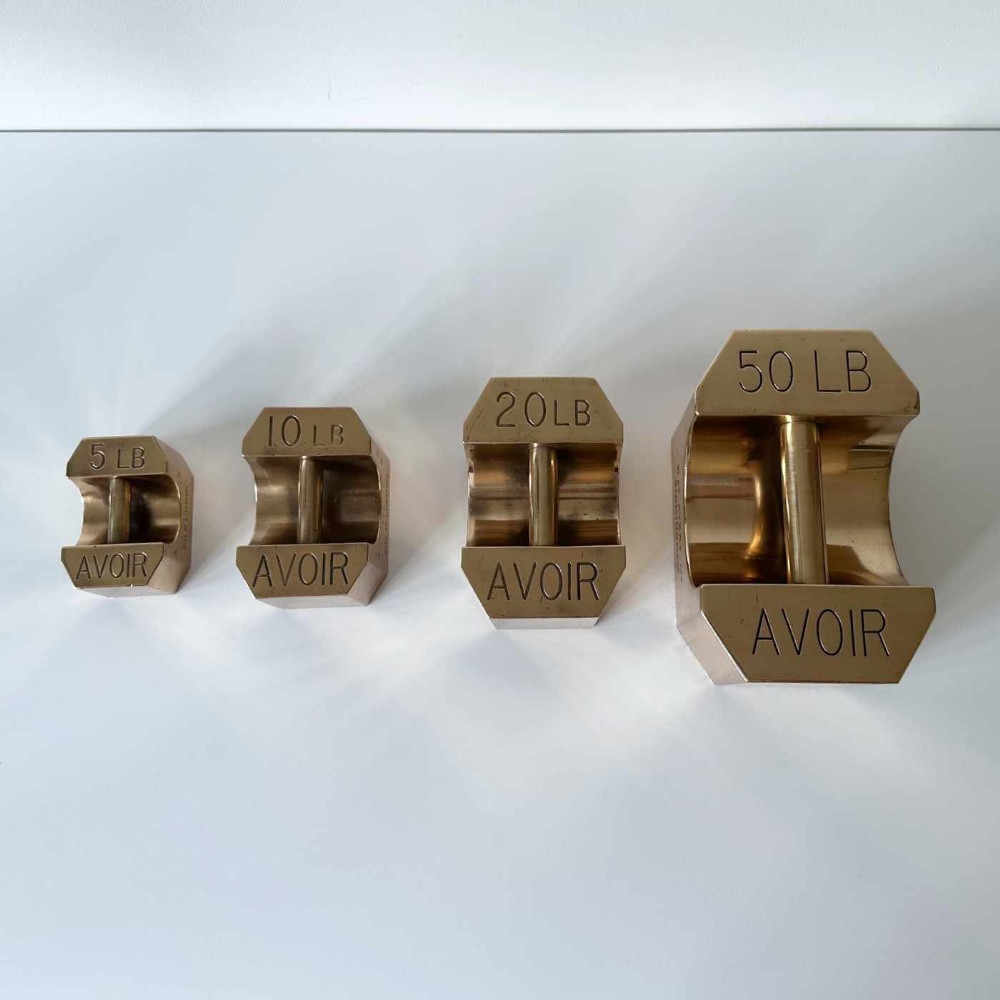
Archive II A set of four graduated Edwardian brass avoirdupois standard weights displaying engraved weight values ranging from five to fifty pounds. View II
Archive III A set of four graduated Edwardian brass avoirdupois standard weights displaying engraved weight values ranging from five to fifty pounds. View III
Archive IV A set of four graduated Edwardian brass avoirdupois standard weights displaying engraved weight values ranging from five to fifty pounds. View IV
Archive V A set of four graduated Edwardian brass avoirdupois standard weights displaying engraved weight values ranging from five to fifty pounds. View V
Archive VI A set of four graduated Edwardian brass avoirdupois standard weights displaying engraved weight values ranging from five to fifty pounds. View VI
Archive VII A set of four graduated Edwardian brass avoirdupois standard weights displaying engraved weight values ranging from five to fifty pounds. View VII
Archive VIII A set of four graduated Edwardian brass avoirdupois standard weights displaying engraved weight values ranging from five to fifty pounds. View VIII
Archive IX A set of four graduated Edwardian brass avoirdupois standard weights displaying engraved weight values ranging from five to fifty pounds. View IX
Archive X A set of four graduated Edwardian brass avoirdupois standard weights displaying engraved weight values ranging from five to fifty pounds. View X
Archive XI A set of four graduated Edwardian brass avoirdupois standard weights displaying engraved weight values ranging from five to fifty pounds. View XI
Archive XII A set of four graduated Edwardian brass avoirdupois standard weights displaying engraved weight values ranging from five to fifty pounds. View XII
Archive XIII A set of four graduated Edwardian brass avoirdupois standard weights displaying engraved weight values ranging from five to fifty pounds. View XIII
Archive XIV A set of four graduated Edwardian brass avoirdupois standard weights displaying engraved weight values ranging from five to fifty pounds. View XIV
Archive XV A set of four graduated Edwardian brass avoirdupois standard weights displaying engraved weight values ranging from five to fifty pounds. View XV
Enlarged Archival View
Telephone 07815 046645
Location
Newbury
Berkshire
United Kingdom
Verified Since Jul 2015
Items For Sale 82
Items Sold 605
Jason Clarke Antiques
Verified Since Jul 2015
View Dealer Info
Location: Newbury, Berkshire, United Kingdom
Verified
Jul 2015
For Sale
82
Sold
605
A set of four graduated Edwardian brass avoirdupois standard weights displaying engraved weight values ranging from five to fifty pounds.
Edwardian Set of Avoir Standard Weights for The City of Liverpool by W&T Avery
Ref: SA1211601
A set of four graduated Edwardian brass avoirdupois standard weights displaying engraved weight values ranging from five to fifty pounds.
Detail View 1
Detail View 2
Detail View 3
Detail View 4
Detail View 5
Detail View 6
Detail View 7
Detail View 8
Detail View 9
Detail View 10
Detail View 11
Detail View 12
Detail View 13
Detail View 14
Archival Detail
Every single antique dealer on our platform is individually approved by our internal team. We verify their professional trade history, ethical standards, and photographic quality to ensure a secure, high-standard buying environment. Upon joining, every dealer agrees to a strict 9-point code of conduct. While issues can occasionally arise, our dealers typically resolve them swiftly and directly with the buyer. In fact, since our founding in 2002, Sellingantiques has only had to step in to help resolve an issue on roughly five occasions—a true testament to the quality of our dealers and their dedication to your happiness.
Our dealers are highly experienced in packing and shipping fragile, high-value antiques. Because you are in direct contact with the dealer, you will be able to easily go through all available shipping and insurance options together to ensure your item arrives safely.
Antiques are the ultimate green purchase. By choosing historical pieces over newly manufactured goods, you completely eliminate the carbon footprint of modern mass production while preserving exceptional, timeless craftsmanship.

Avoirdupois standard weights are officially calibrated metal measures used historically by trade inspectors and municipal authorities to test and verify the accuracy of commercial weighing scales.

Standard weights were predominantly constructed from dense metals such as solid brass, bronze, or cast iron, which allowed for precise machining, stamping, and long-term durability.

Authentic pieces feature stamped weight denominations, maker marks such as W&T Avery, official municipal verification stamps, and period-specific geometric block designs.

These metallic objects function well as sculpted display items on bookshelves, executive desks, or sideboards, offering visual weight and historical character within contemporary spaces.

Dust the surfaces regularly using a dry, soft microfiber cloth, and avoid abrasive polishes or chemical cleaners that could degrade historic stamps and engraved lettering.
items
Add keywords to the filter
Price
£100
£250000
Era
Movements
Material
Origin
Stock Location
Freshness
Online Payments
Categories