23,895  PAGES BROWSED TODAY PAGES TODAY 56  ANTIQUES UPLOADED TODAY NEW ARRIVALS
ID #SA1210077
FOR SALE
£2,800
Email
Save
A 19th Century Mezzaro Dell'albero Vecchio
Textile Antiques
for sale €3,276     $3,556
£2,800
Textile Antiques

Textile Antiques

Sellingantiques Verified Since Jul 2025
View Dealers Stock Page
  • About Us
    Fine european textiles and tapestries of the period spanning the 15th century to the early 20th century.
Id #SA1210077
PDF SHARE
SAVE

A 19th Century Mezzaro Dell'albero Vecchio

19th century
For Sale by Textile Antiques
Description

Circa 1840-1850. Probably Genoese.

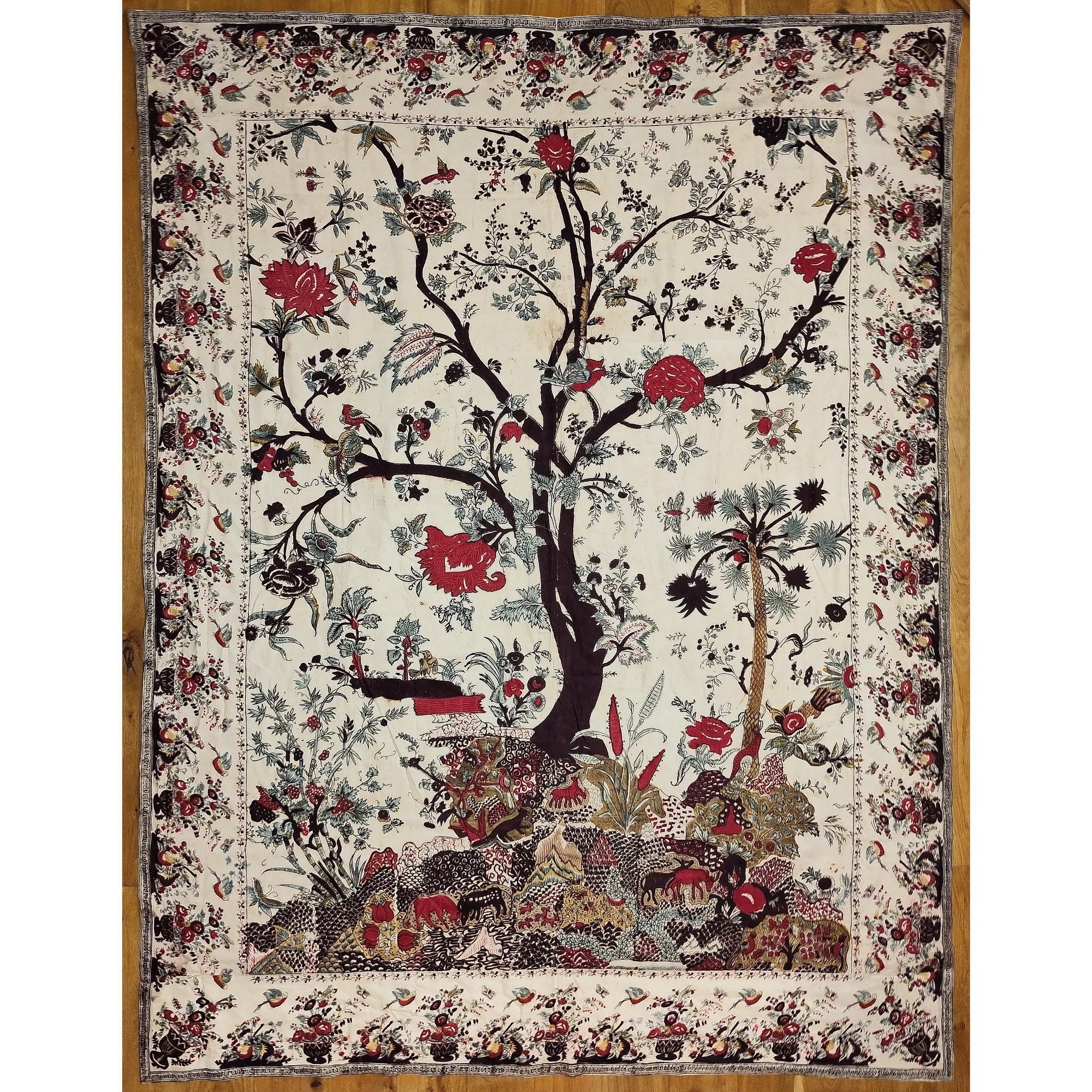
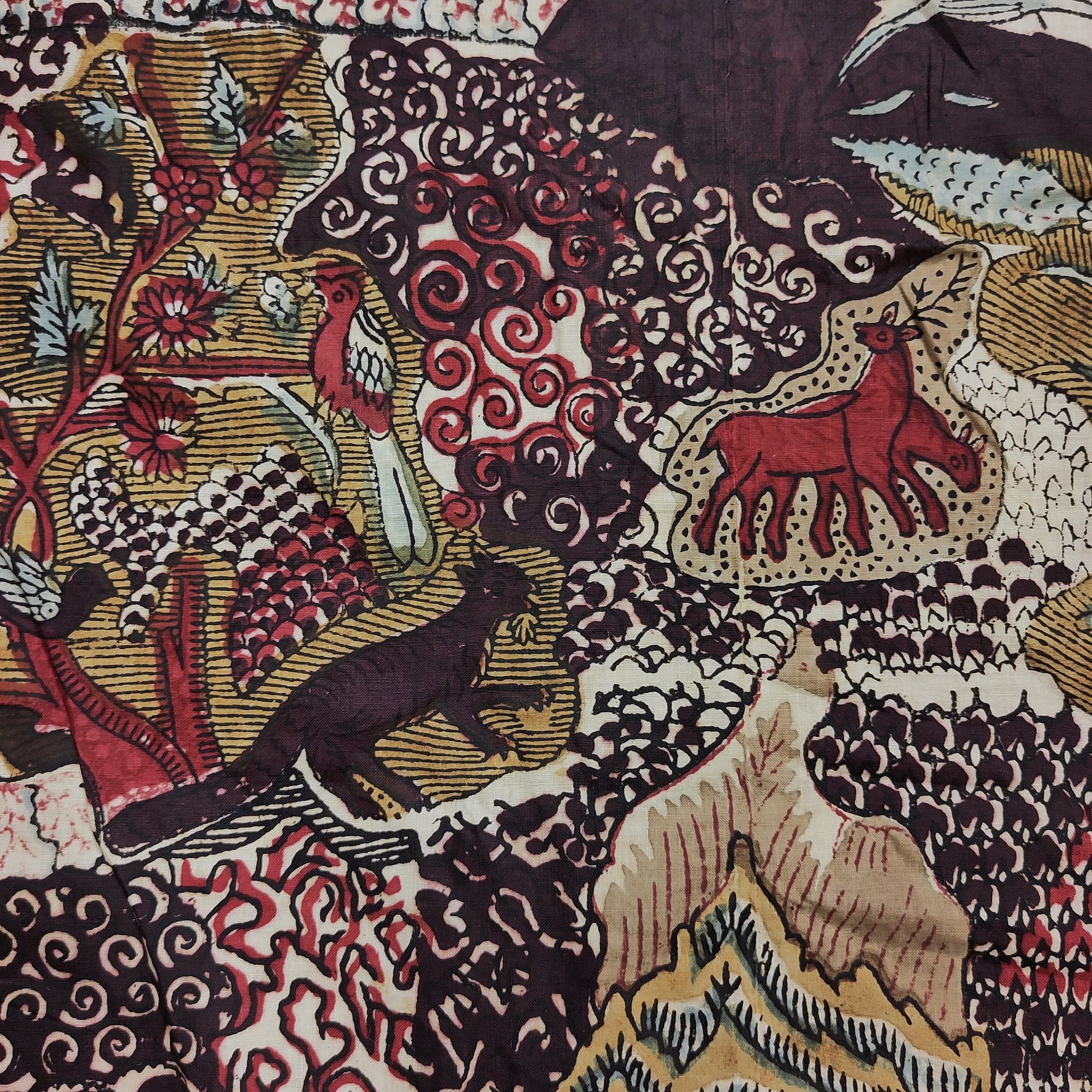
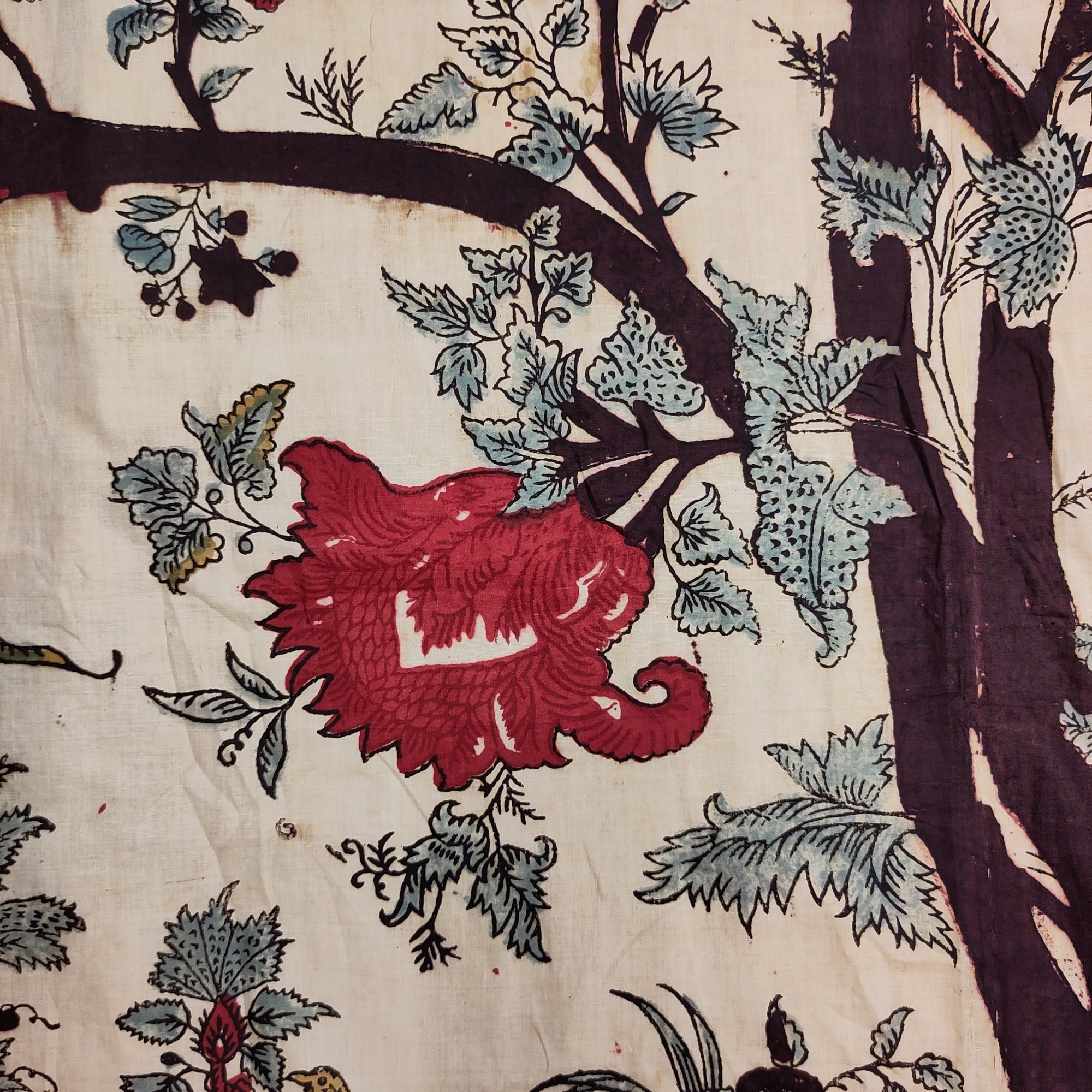
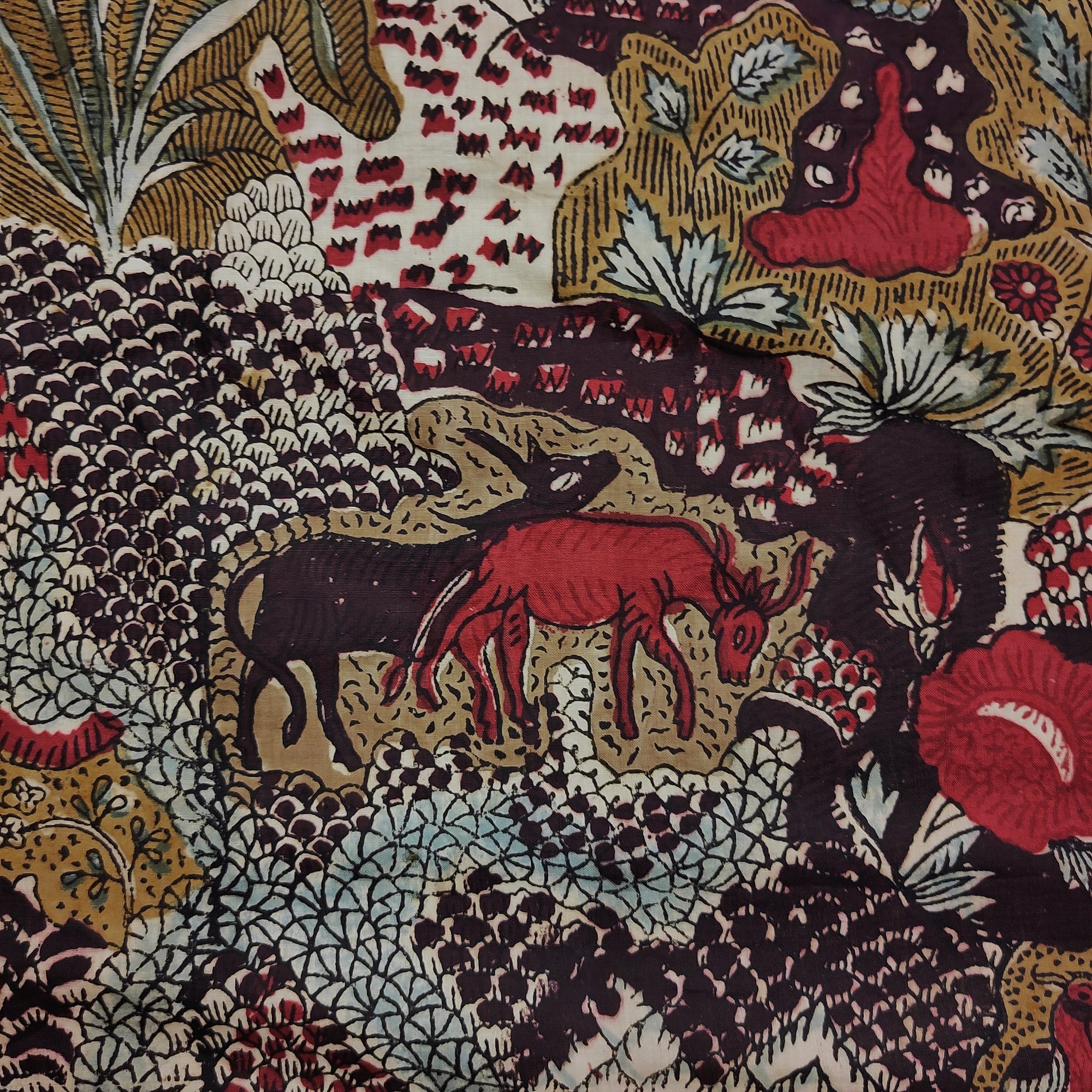
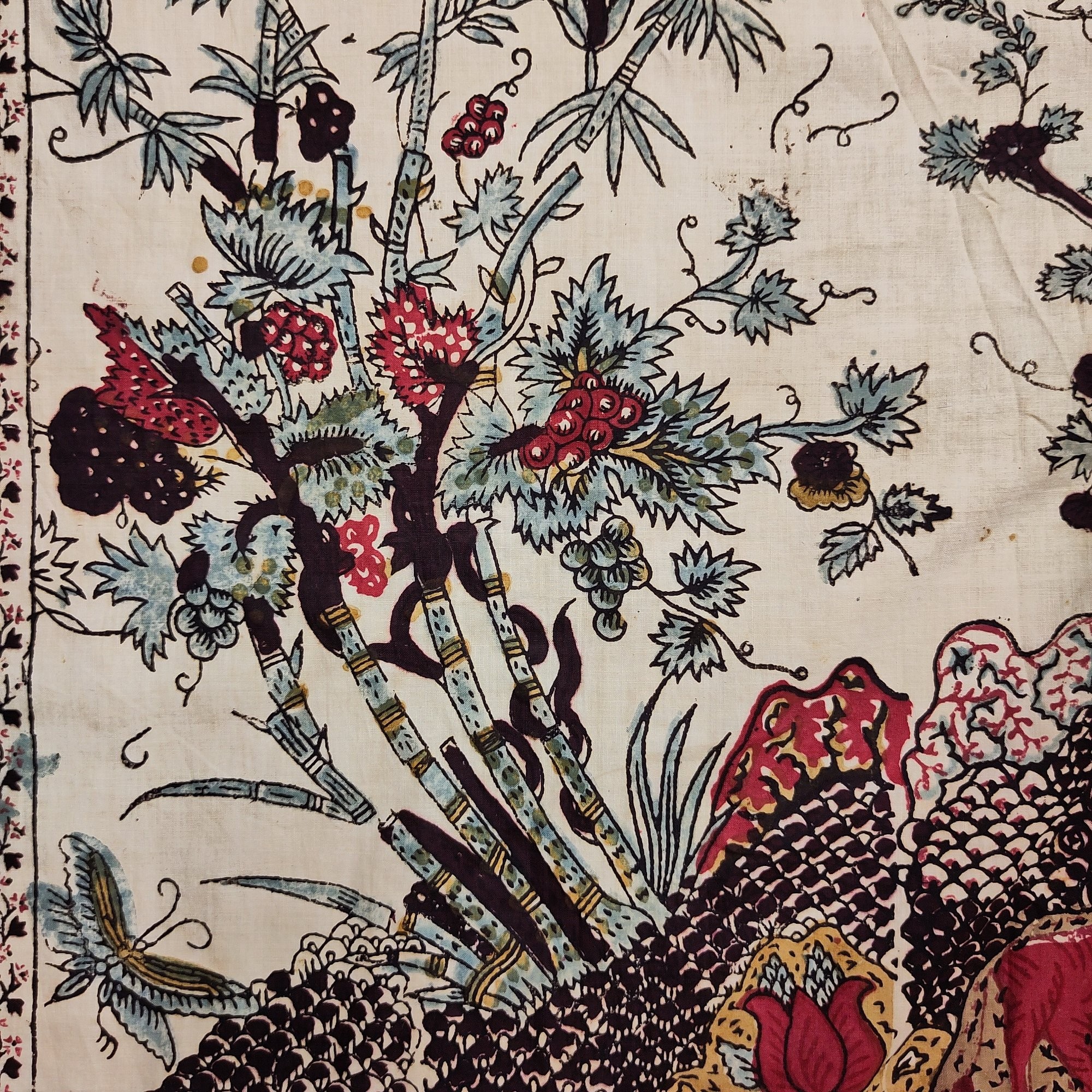
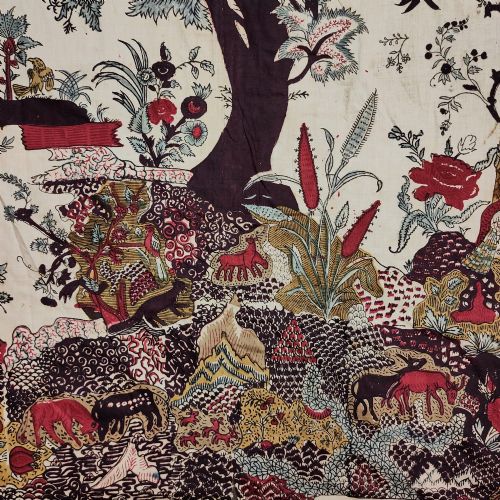
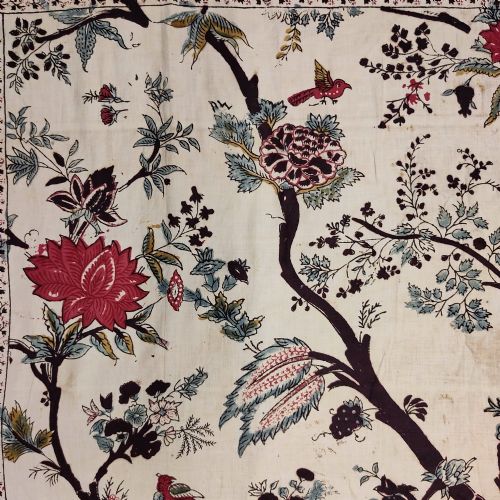
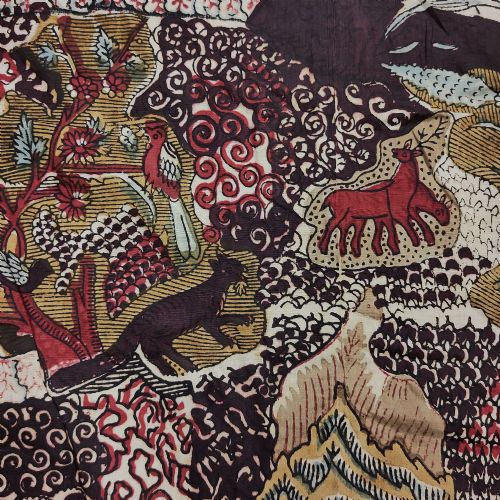
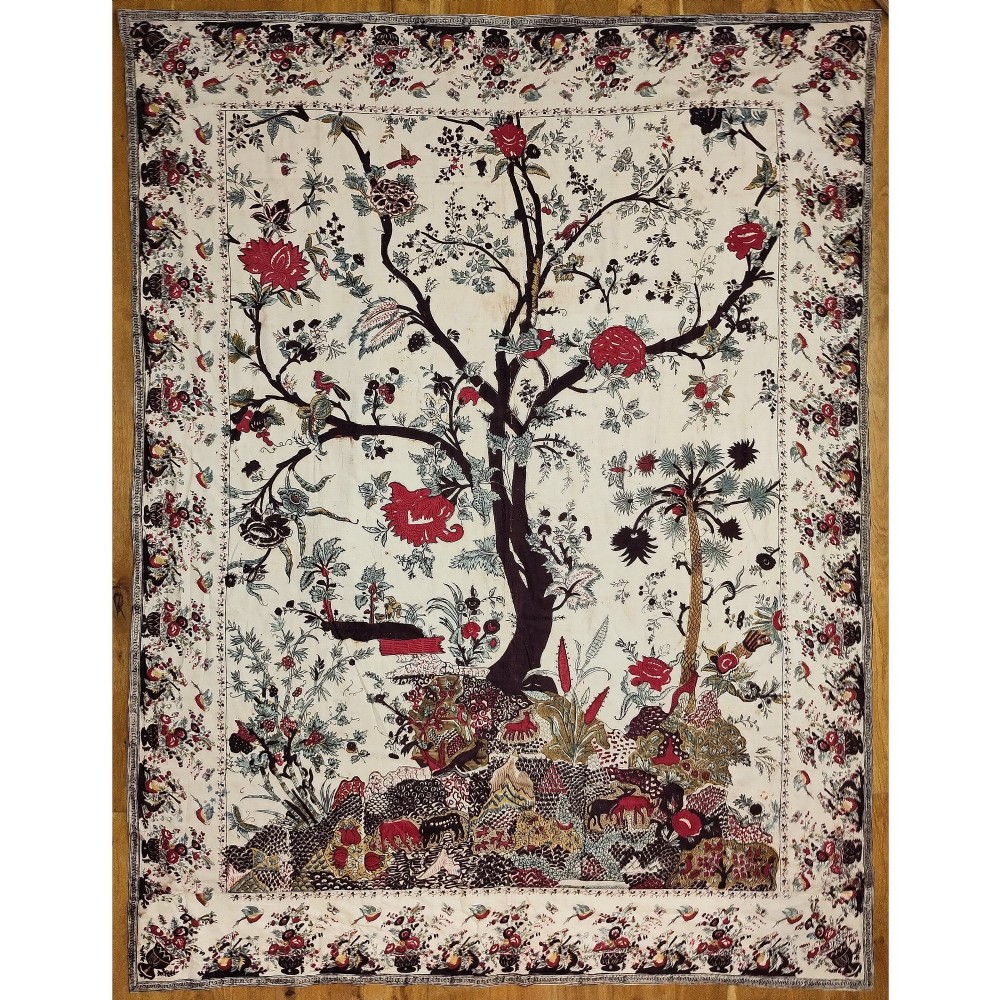
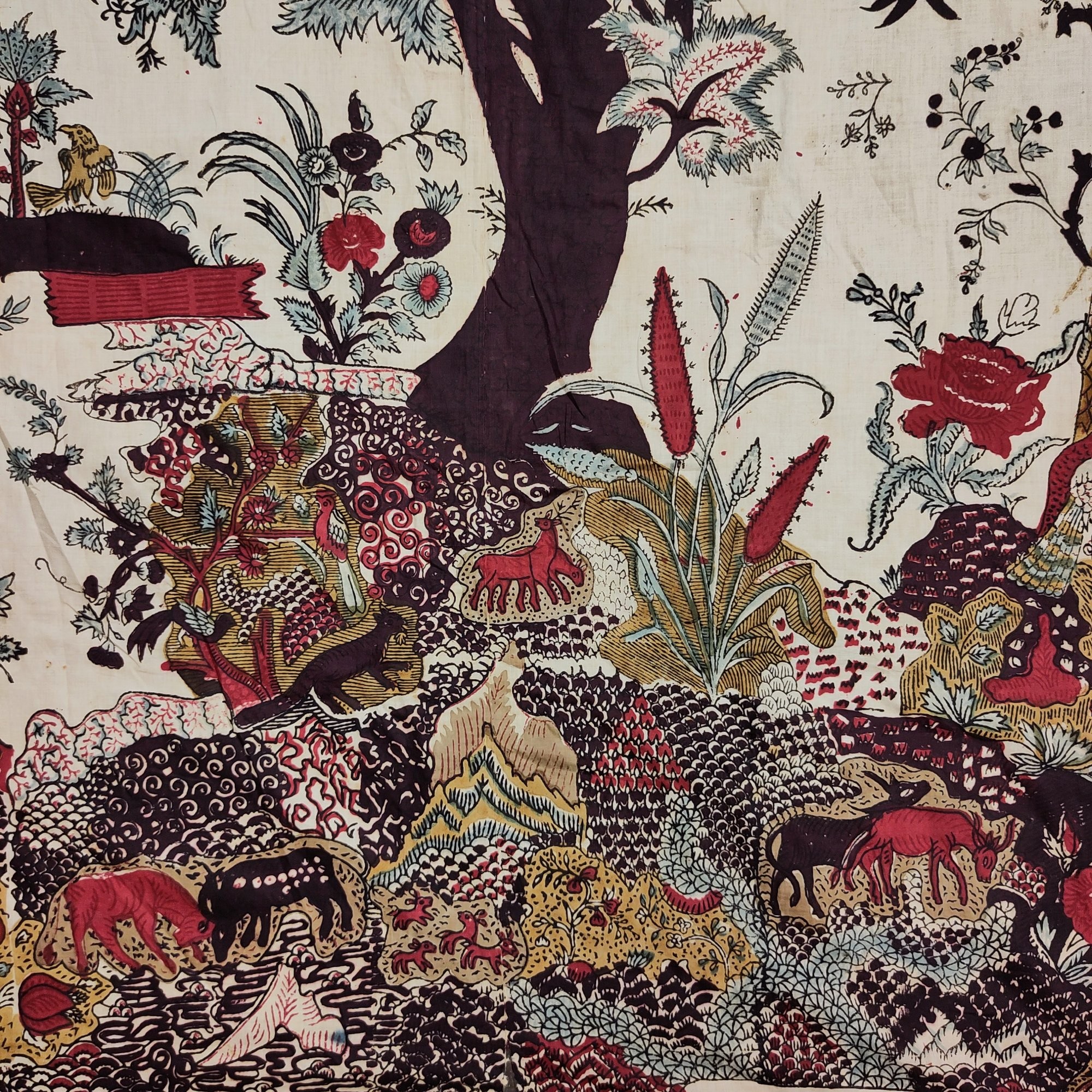
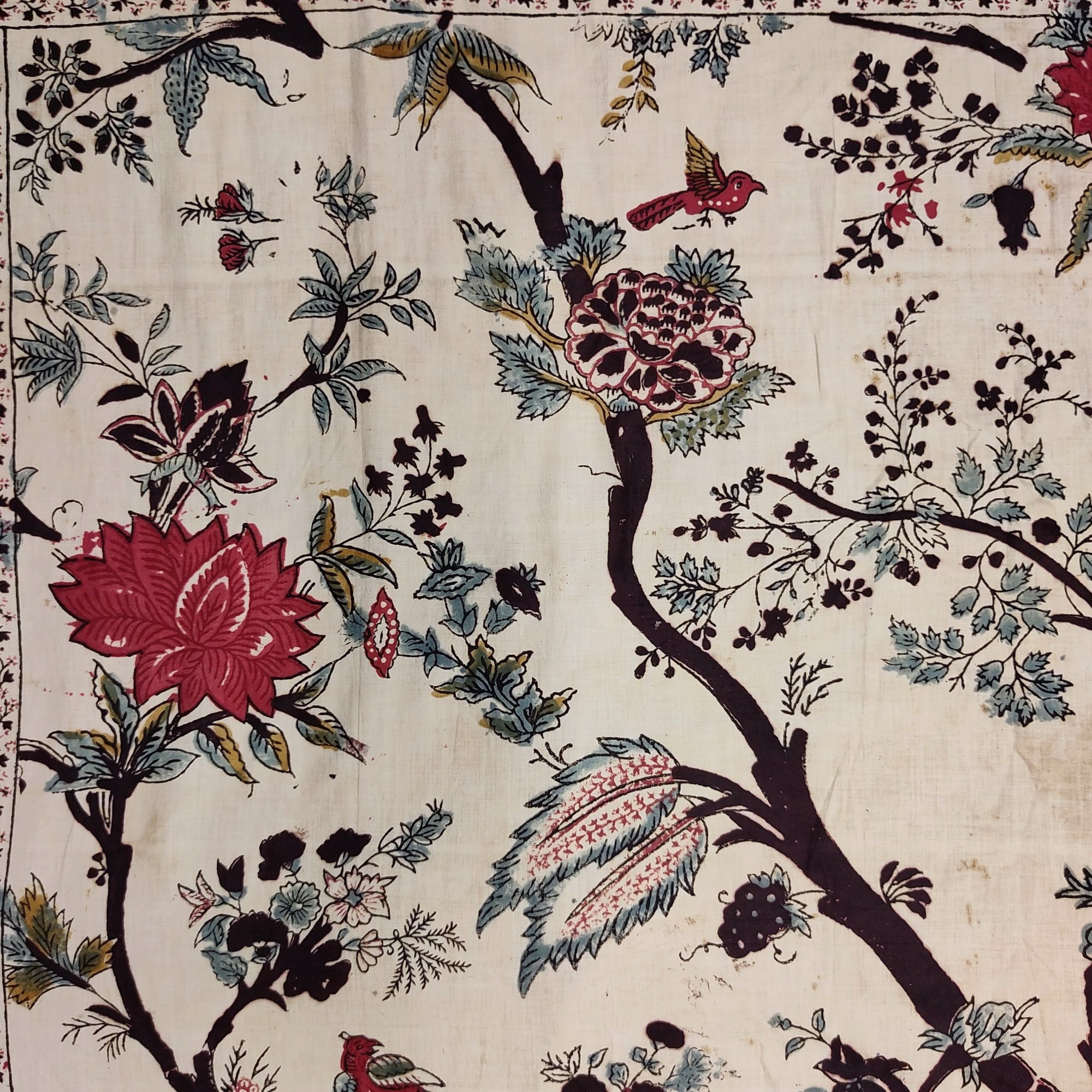
The cotton ground block printed with a tree of life design, the branches heavy with exotic flowers above rising hillocks, and with a variety of animals and birds.

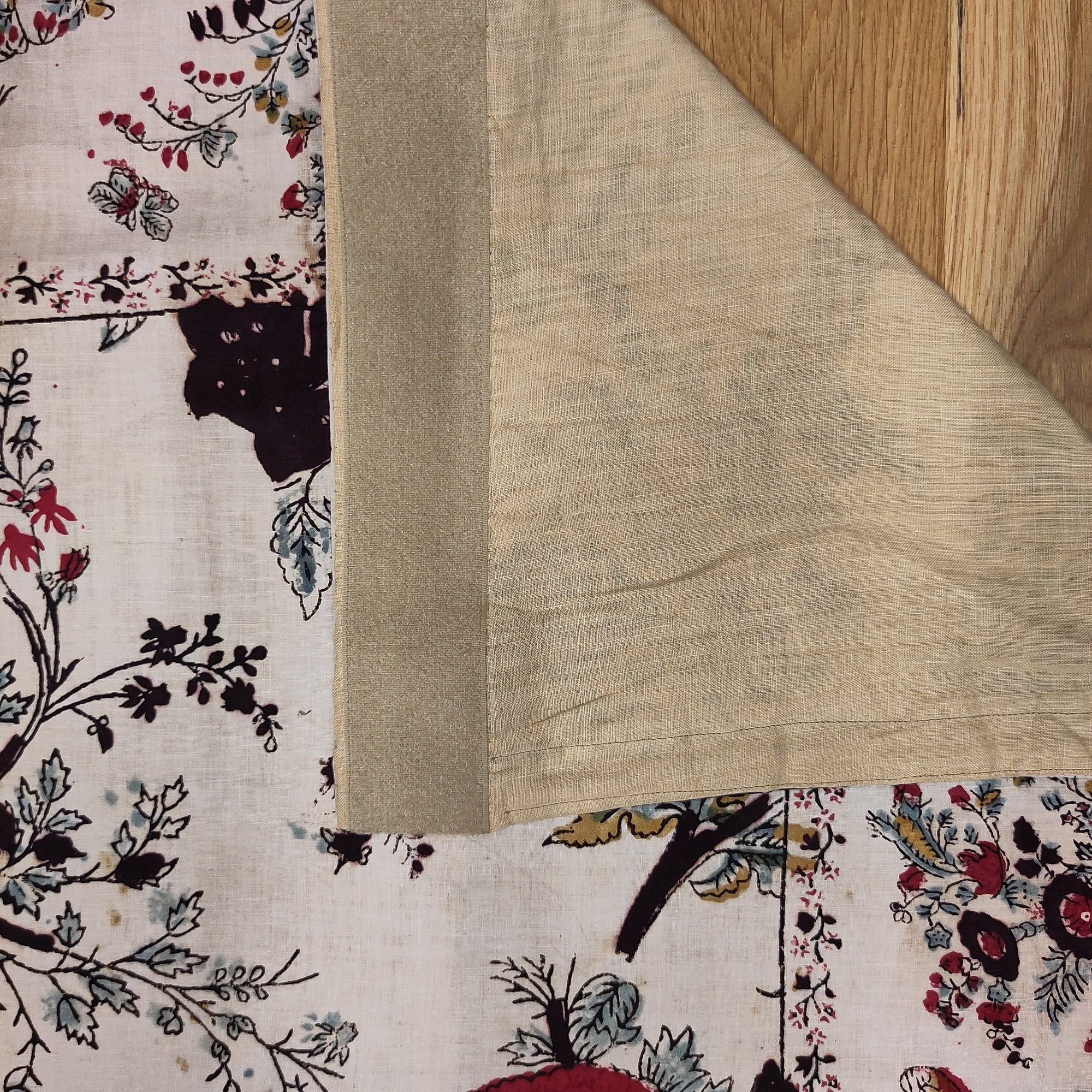
The term mezzaro possibly derives from the Arabic ‘mi’zar’, meaning to cover, and references in 16th century Genoese inventories to a ‘mezaro turchino’ and to ‘meizari due Indiane’ indicate their origin via the thriving oriental commerce of the port. Production of mezzari of the present type had commenced in Genoa by the late 18th century and thrived in the first half of the following century. Although they must have served a variety of purposes, contemporary images show women wearing them as shawls, often attached at the crown of their heads with a silver clasp (a method which had the effect that, in many cases, the cotton is weak or damaged at the centre). They were made to set designs, the majority inspired by Indian palampores and giving prominence to a central flowering tree. The name of each type of mezzaro is taken from a distinguishing feature of the design and, as is the case with several others, the name for this variation, the ‘mezzaro of the old tree’, is known from titled drawings deposited in the Gabinetto dei Disegni e delle Stampe di Palazzo Rosso in Genoa by Eduardo Testori, a descendant of one of the 19th century makers of these textiles. Margharita Belleza Rosina and Marzia Cataldi Gallo, in ‘Cotoni Stampati e Mezzari’, publ. Sagep Editrice, Genova, 1997, write that this arrangement - also known as the ‘mezzaro dell’amore’ because many of the animals at the foot of the tree are in pairs - is the most closely related to the palampores of the preceding century. They cite and illustrate (fig. 12, p. 19) a palampore in the A.E.D.T.A Collection, Paris, to which the layout of the present mezzaro adheres extremely closely; to the extent that even the positioning of butterflies is replicated.
The design was printed throughout the 19th century by all of the main Genoese workshops - those of Michele Speich, the Fratelli Speich, (both in the Cornigliano district of the city) and of Luigi Testori (in Sampierdariena); Rosina & Gallo write that the border used here - a small bird and a butterfly above an urn of flowers and a pile of fruit - is found on many mezzari produced by Testori.
The Speich family had come to Genoa from Switzerland, and some theories hold that this design also originated there (though still having been inspired by palampores) and was imported from Neuchatel. The firm of Bovet et Cie, set up in the first half of the 18th century in that town, is documented in the second decade of the 19th century as producing cloth similar to mezzari, one of which was called ‘l’ancien tronc’, and which may well have been of the same arrangement.
Rosina & Gallo (op. cit.) illustrate several mezzari dell’albero vecchio in a chapter devoted to the design, and an unfinished example in the collection of the V & A, acc. no. CIRC.68-1928, is very similar to this, with the same border details, while another, acc. no. 490-1884, has the design reversed.

Physical Dimensions
Height
237cm (93.31")
Width
180cm (70.87")
Declaration

Textile Antiques has dated this Tree of Life Mezzaro to the 19th Century.

Reference Numbers
Sellingantiques Reference
SA1210077
Dealers Internal Reference
152
Description
Circa 1840-1850. Probably Genoese.
The cotton ground block printed with a tree of life design, the branches heavy with exotic flowers above rising hillocks, and with a variety of animals and birds.
Textile Antiques

The term mezzaro possibly derives from the Arabic ‘mi’zar’, meaning to cover, and references in 16th century Genoese inventories to a ‘mezaro turchino’ and to ‘meizari due Indiane’ indicate their origin via the thriving oriental commerce of the port. Production of mezzari of the present type had commenced in Genoa by the late 18th century and thrived in the first half of the following century. Although they must have served a variety of purposes, contemporary images show women wearing them as shawls, often attached at the crown of their heads with a silver clasp (a method which had the effect that, in many cases, the cotton is weak or damaged at the centre). They were made to set designs, the majority inspired by Indian palampores and giving prominence to a central flowering tree. The name of each type of mezzaro is taken from a distinguishing feature of the design and, as is the case with several others, the name for this variation, the ‘mezzaro of the old tree’, is known from titled drawings deposited in the Gabinetto dei Disegni e delle Stampe di Palazzo Rosso in Genoa by Eduardo Testori, a descendant of one of the 19th century makers of these textiles. Margharita Belleza Rosina and Marzia Cataldi Gallo, in ‘Cotoni Stampati e Mezzari’, publ. Sagep Editrice, Genova, 1997, write that this arrangement - also known as the ‘mezzaro dell’amore’ because many of the animals at the foot of the tree are in pairs - is the most closely related to the palampores of the preceding century. They cite and illustrate (fig. 12, p. 19) a palampore in the A.E.D.T.A Collection, Paris, to which the layout of the present mezzaro adheres extremely closely; to the extent that even the positioning of butterflies is replicated.

fig 1. A rectangular 19th-century white cotton textile featuring a woodblock-printed tree of life design in red, green, and dark brown within an ornate floral border.
fig 1. A 19th Century Mezzaro Dell'albero Vecchio

The design was printed throughout the 19th century by all of the main Genoese workshops - those of Michele Speich, the Fratelli Speich, (both in the Cornigliano district of the city) and of Luigi Testori (in Sampierdariena); Rosina & Gallo write that the border used here - a small bird and a butterfly above an urn of flowers and a pile of fruit - is found on many mezzari produced by Testori.

fig 2. A rectangular 19th-century white cotton textile featuring a woodblock-printed tree of life design in red, green, and dark brown within an ornate floral border.
fig 2. A 19th Century Mezzaro Dell'albero Vecchio

The Speich family had come to Genoa from Switzerland, and some theories hold that this design also originated there (though still having been inspired by palampores) and was imported from Neuchatel. The firm of Bovet et Cie, set up in the first half of the 18th century in that town, is documented in the second decade of the 19th century as producing cloth similar to mezzari, one of which was called ‘l’ancien tronc’, and which may well have been of the same arrangement.

fig 3. A rectangular 19th-century white cotton textile featuring a woodblock-printed tree of life design in red, green, and dark brown within an ornate floral border.
fig 3. A 19th Century Mezzaro Dell'albero Vecchio

Rosina & Gallo (op. cit.) illustrate several mezzari dell’albero vecchio in a chapter devoted to the design, and an unfinished example in the collection of the V & A, acc. no. CIRC.68-1928, is very similar to this, with the same border details, while another, acc. no. 490-1884, has the design reversed.

Height
237cm (93.31")
Width
180cm (70.87")
Date of Manufacture

Textile Antiques has dated this Tree of Life Mezzaro to the 19th Century.

Reference Numbers
Sellingantiques Ref
SA1210077
Dealers Internal Ref
152
Textile Antiques
Textile Antiques
Sellingantiques verified Since Jul 2025

Fine european textiles and tapestries of the period spanning the 15th century to the early 20th century.

Dealer Profile

You can view the stock and full dealer information on the Textile Antiques Profile Page
PDF SHARE
SAVE
A rectangular 19th-century white cotton textile featuring a woodblock-printed tree of life design in red, green, and dark brown within an ornate floral border.
1 / 8
Archive I A rectangular 19th-century white cotton textile featuring a woodblock-printed tree of life design in red, green, and dark brown within an ornate floral border.

A 19th century mezzaro dell'albero vecchio
Archive II A rectangular 19th-century white cotton textile featuring a woodblock-printed tree of life design in red, green, and dark brown within an ornate floral border. View II
Archive III A rectangular 19th-century white cotton textile featuring a woodblock-printed tree of life design in red, green, and dark brown within an ornate floral border. View III
Archive IV A rectangular 19th-century white cotton textile featuring a woodblock-printed tree of life design in red, green, and dark brown within an ornate floral border. View IV
Archive V A rectangular 19th-century white cotton textile featuring a woodblock-printed tree of life design in red, green, and dark brown within an ornate floral border. View V
Archive VI A rectangular 19th-century white cotton textile featuring a woodblock-printed tree of life design in red, green, and dark brown within an ornate floral border. View VI
Archive VII A rectangular 19th-century white cotton textile featuring a woodblock-printed tree of life design in red, green, and dark brown within an ornate floral border. View VII
Archive VIII A rectangular 19th-century white cotton textile featuring a woodblock-printed tree of life design in red, green, and dark brown within an ornate floral border. View VIII
Enlarged Archival View
Telephone 01279 816 869
Location
Stansted Mountfitchet
Essex
United Kingdom
Verified Since Jul 2025
Items For Sale 47
Items Sold 10
Textile Antiques
Textile Antiques
Verified Since Jul 2025
View Dealer Info
Location: Stansted Mountfitchet, Essex, United Kingdom
Verified
Jul 2025
For Sale
47
Sold
10
A rectangular 19th-century white cotton textile featuring a woodblock-printed tree of life design in red, green, and dark brown within an ornate floral border.
A 19th century mezzaro dell'albero vecchio
Ref: SA1210077
A rectangular 19th-century white cotton textile featuring a woodblock-printed tree of life design in red, green, and dark brown within an ornate floral border.
Detail View 1
Detail View 2
Detail View 3
Detail View 4
Detail View 5
Detail View 6
Detail View 7
Archival Detail
Every single antique dealer on our platform is individually approved by our internal team. We verify their professional trade history, ethical standards, and photographic quality to ensure a secure, high-standard buying environment. Upon joining, every dealer agrees to a strict 9-point code of conduct. While issues can occasionally arise, our dealers typically resolve them swiftly and directly with the buyer. In fact, since our founding in 2002, Sellingantiques has only had to step in to help resolve an issue on roughly five occasions—a true testament to the quality of our dealers and their dedication to your happiness.
Our dealers are highly experienced in packing and shipping fragile, high-value antiques. Because you are in direct contact with the dealer, you will be able to easily go through all available shipping and insurance options together to ensure your item arrives safely.
Antiques are the ultimate green purchase. By choosing historical pieces over newly manufactured goods, you completely eliminate the carbon footprint of modern mass production while preserving exceptional, timeless craftsmanship.

A mezzaro is a traditional woodblock-printed cotton textile originating from Genoa, Italy, typically featuring the albero vecchio or tree of life motif inspired by Indian chintz designs popular across Europe during the 18th and 19th centuries.

These textiles were produced using fine woven cotton cloth and decorated through woodblock printing techniques using natural vegetable dyes, resulting in complex repeating floral borders and central tree designs.

Authentic 19th-century examples display characteristic block-print registration marks, natural dye tone variation, hemmed outer edges, and traditional Genoese compositions showing a central tree rising from a mound.

A mezzaro can be mounted and framed as a central wall art piece, draped across a sofa back, or utilised as a decorative bed coverlet to add historic pattern to a room.

Keep antique cotton textiles away from direct sunlight and high humidity, avoid chemical cleaning treatments, and consult a textile conservator for archival mounting or cleaning.
items
Add keywords to the filter
Price
£100
£250000
Era
Movements
Material
Origin
Stock Location
Freshness
Online Payments
Categories