38,544  PAGES BROWSED TODAY PAGES TODAY 98  ANTIQUES UPLOADED TODAY NEW ARRIVALS
ID #SA1208006
SOLD
Email
Save
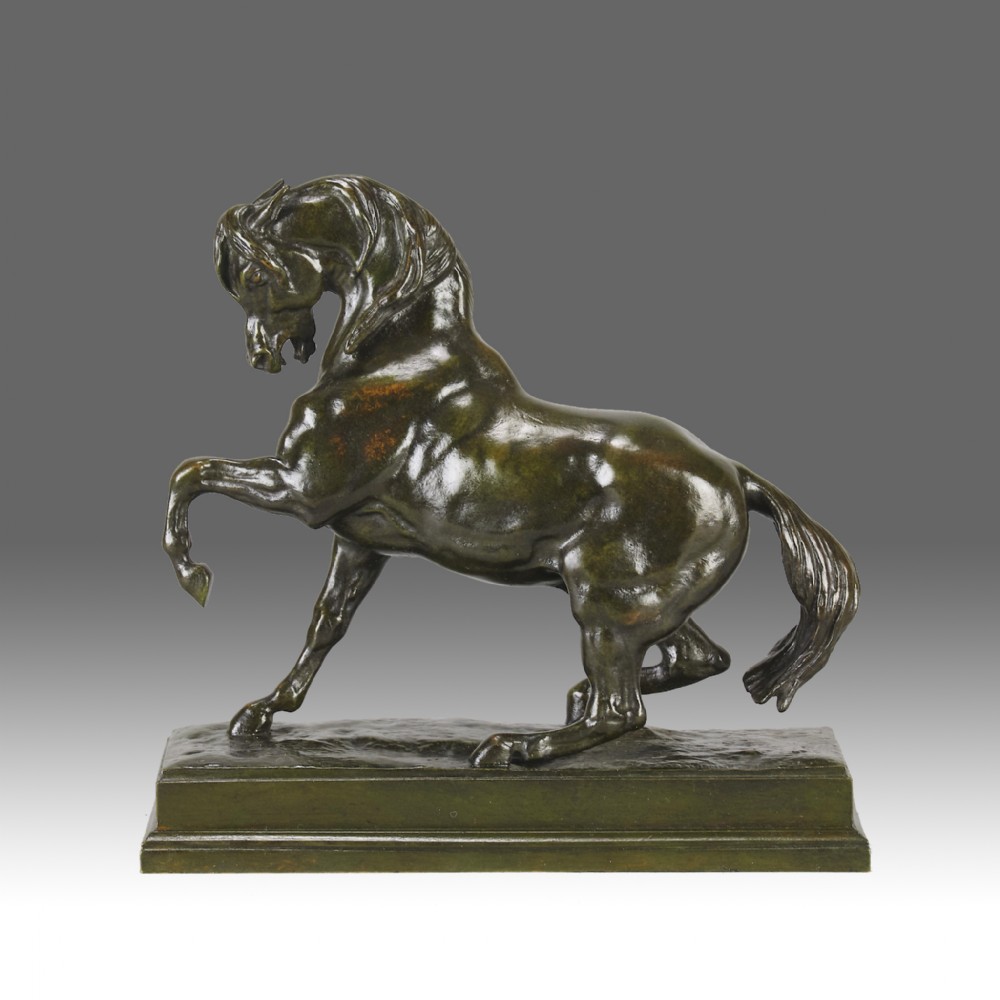
Mid 19th Century Animalier Bronze "Cheval Turc" by Antoine Louis Barye
Hickmet Fine Arts
sold SA1208006
Sorry, but this item has been sold.
Hickmet Fine Arts

Hickmet Fine Arts

Sellingantiques Verified Since Apr 2012
View Dealers Stock Page
  • About Us
    Established in 1936, hickmet fine arts is an international family run antiques business
  • Trade Associations
    Hickmet Fine Arts is a registered member of LAPADA  BADA  CINOA
Id #SA1208006
PDF SHARE
SAVE

Mid 19th Century Animalier Bronze "Cheval Turc" by Antoine Louis Barye

19th century
Description

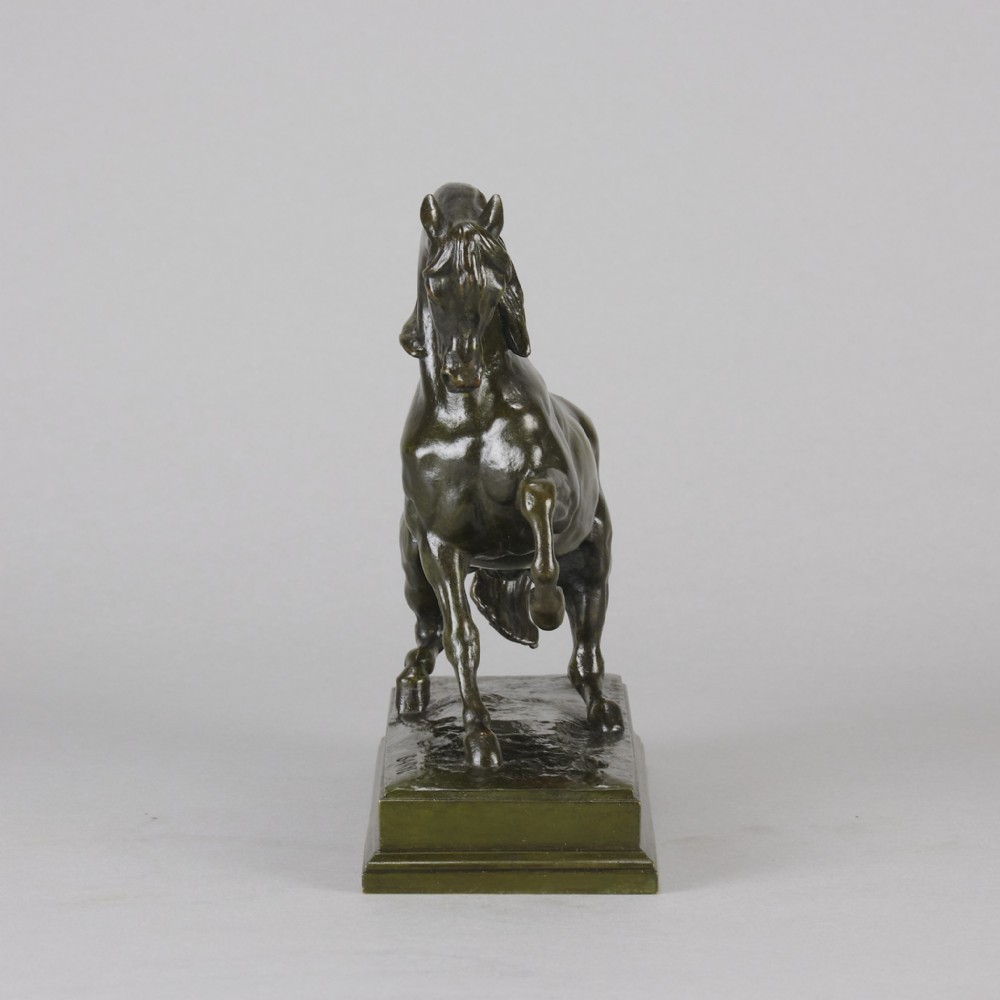
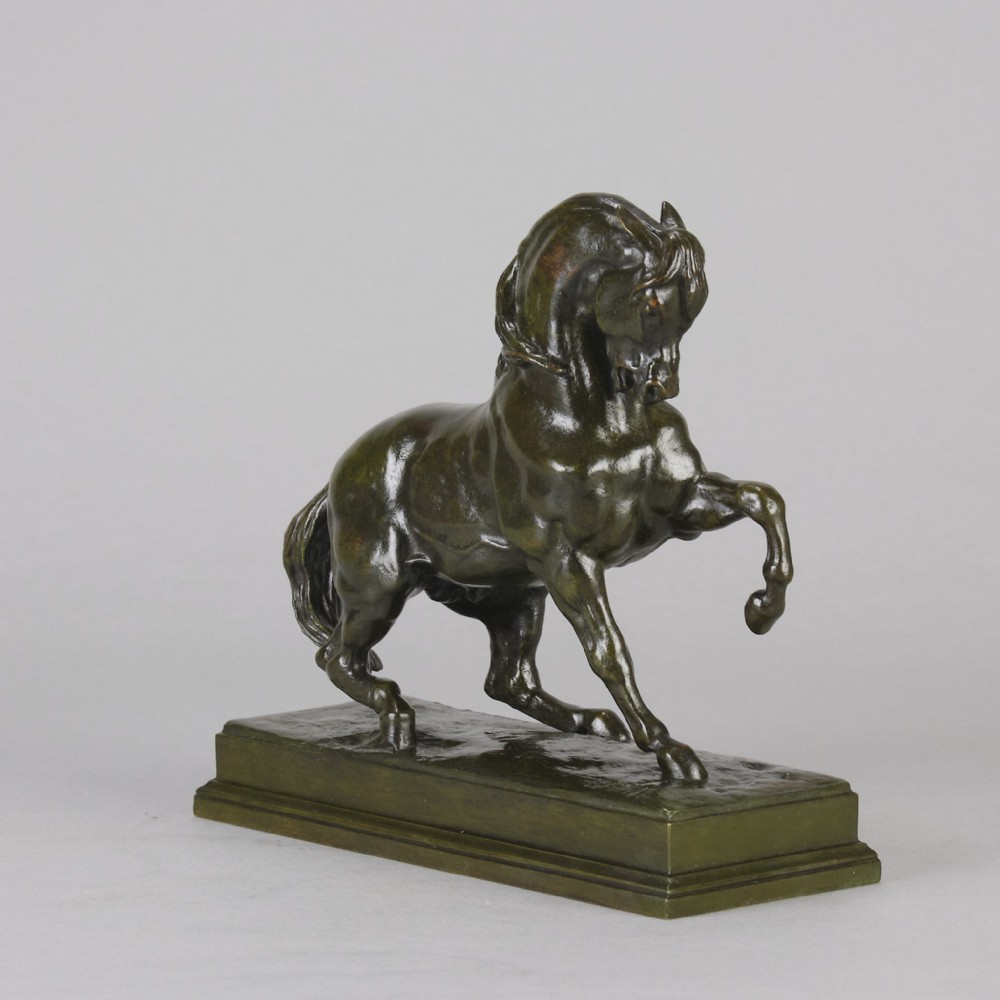
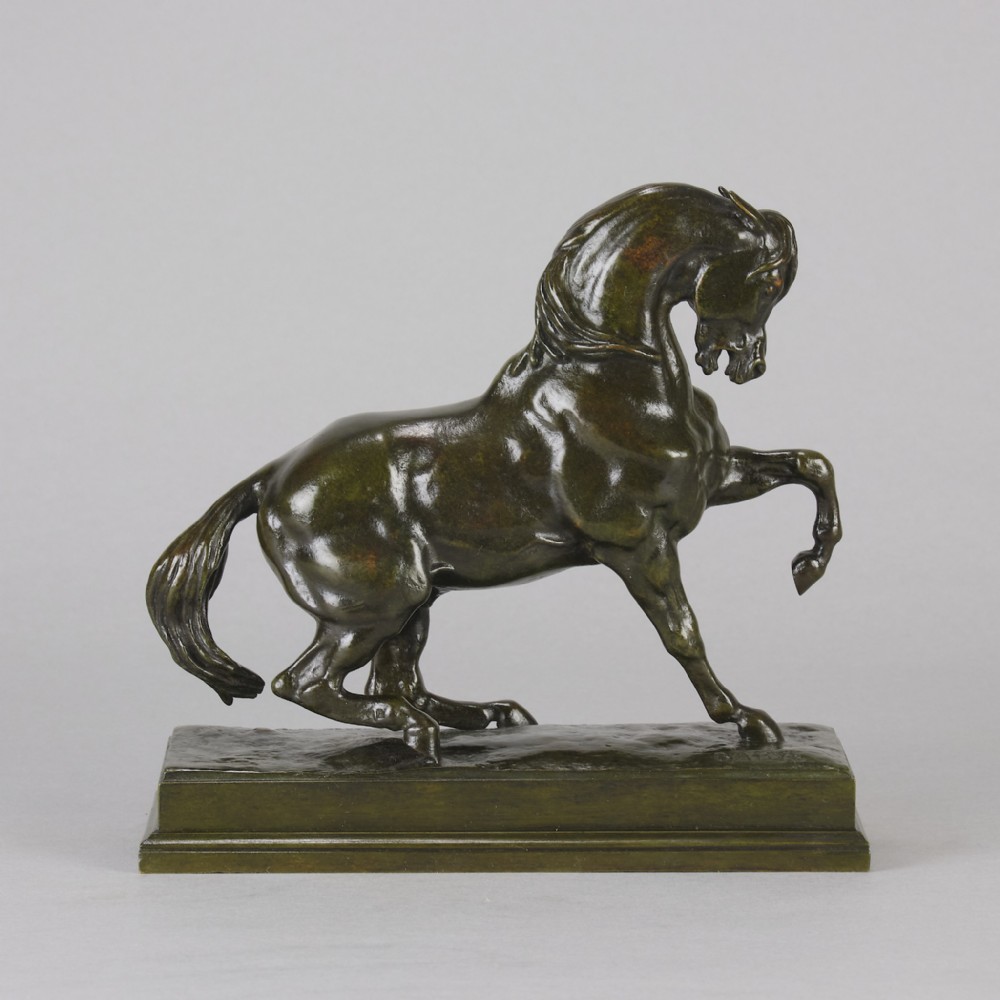
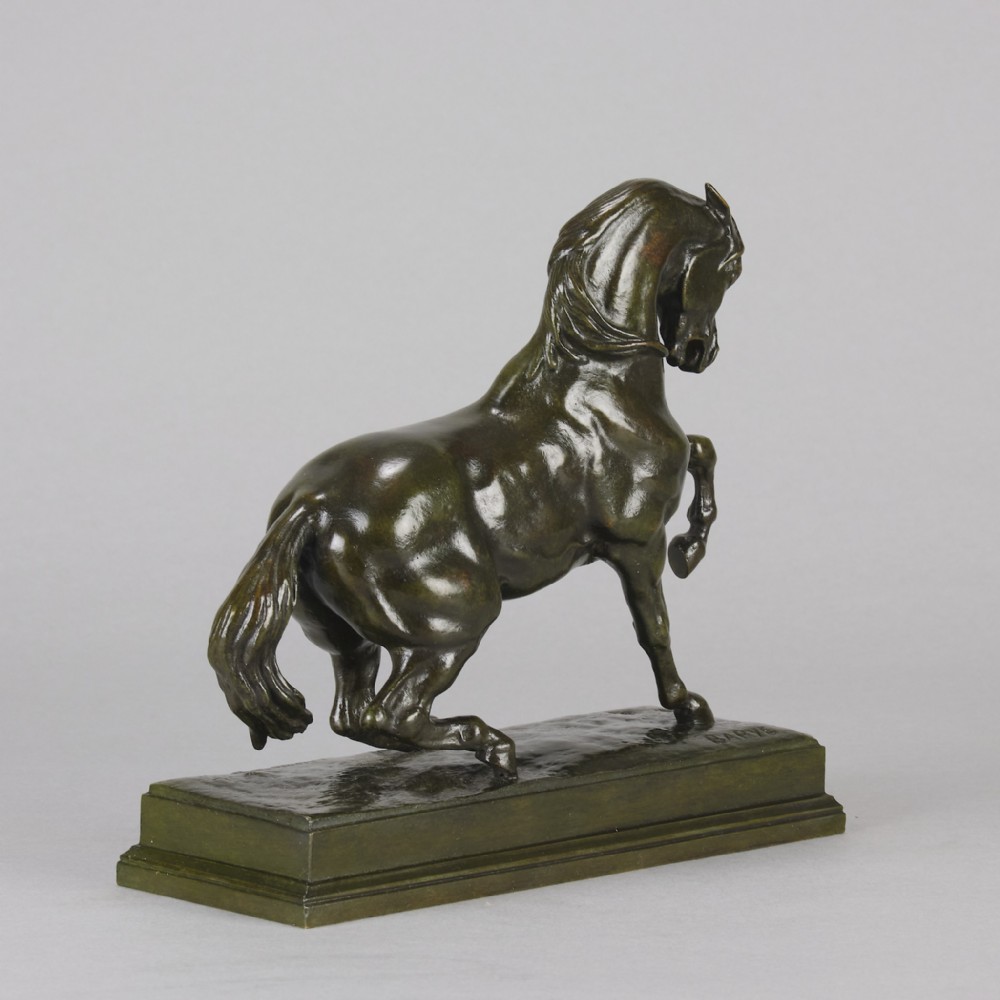
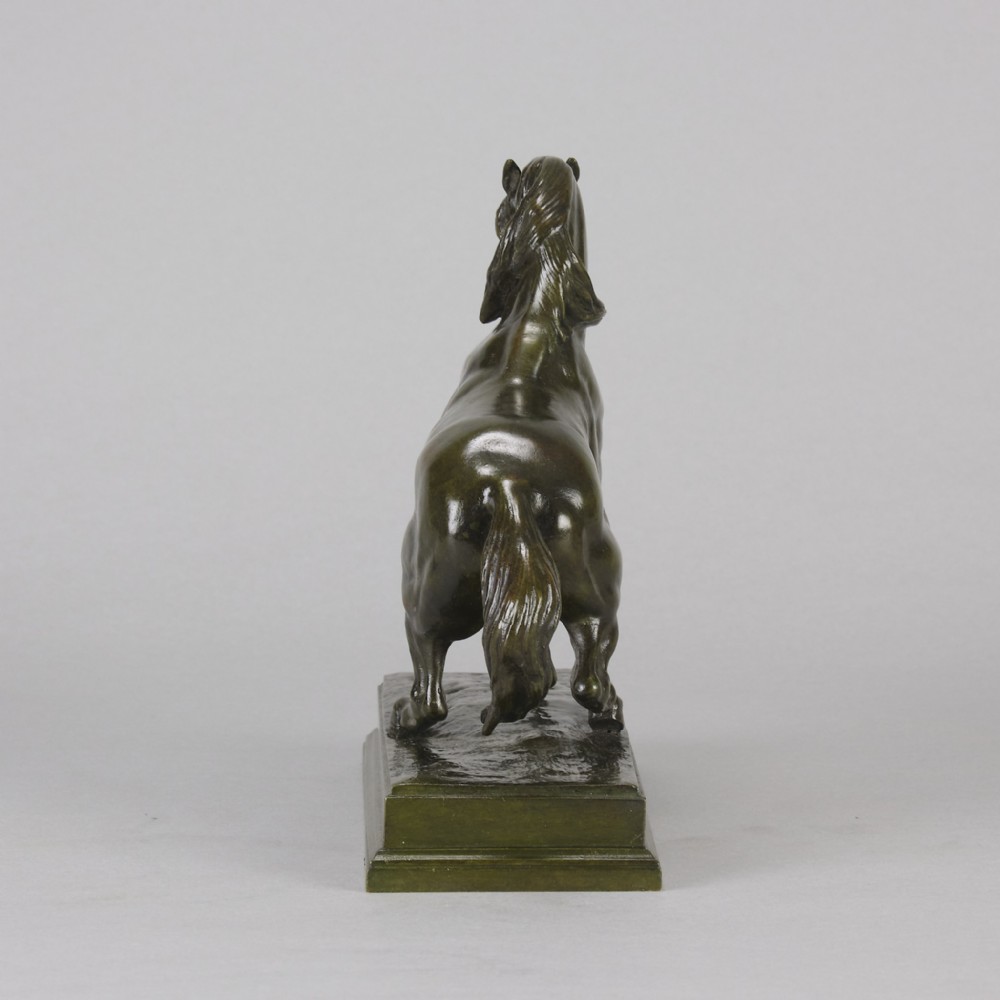
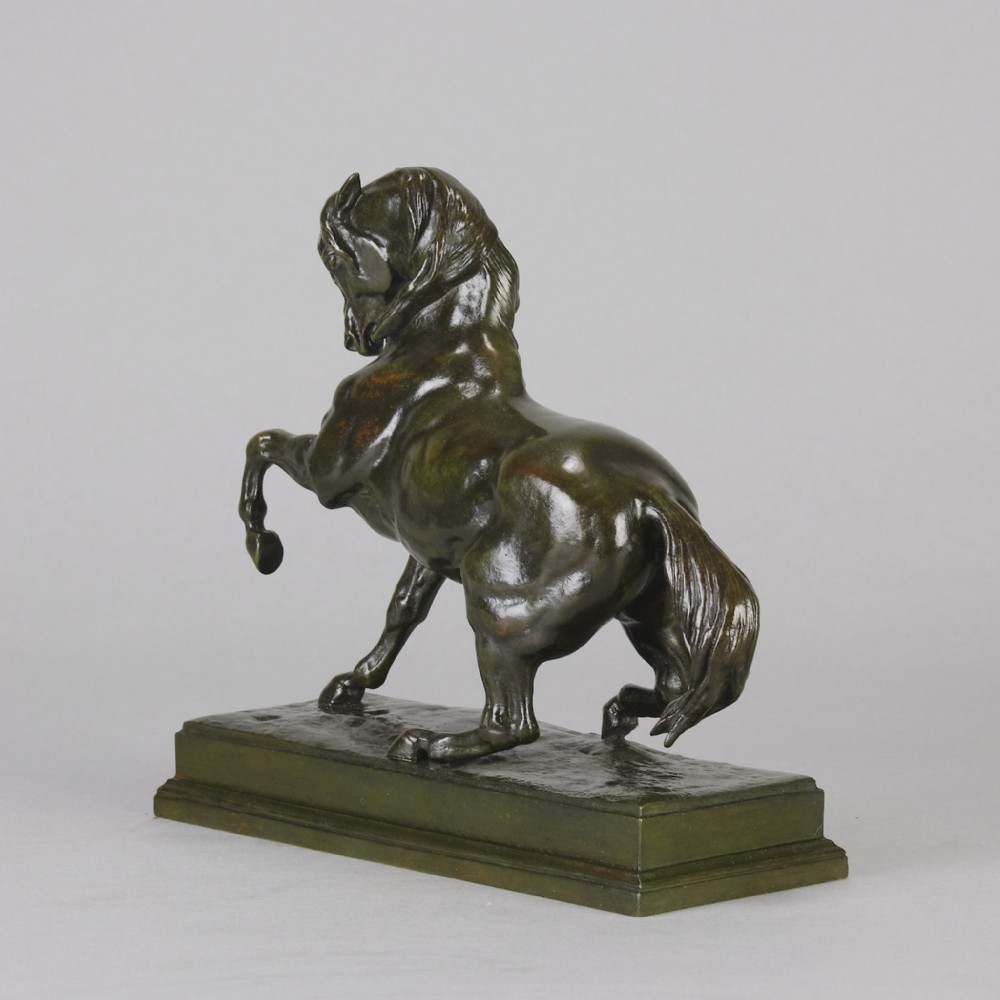
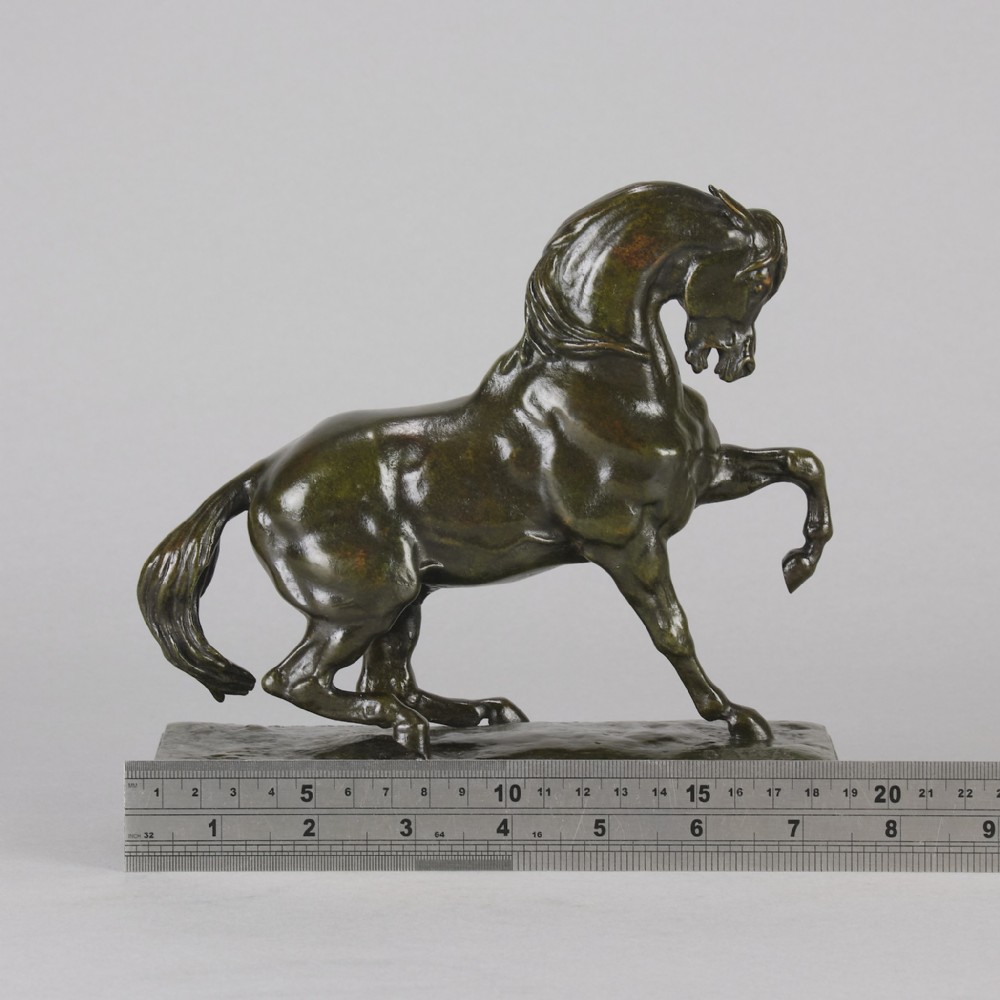
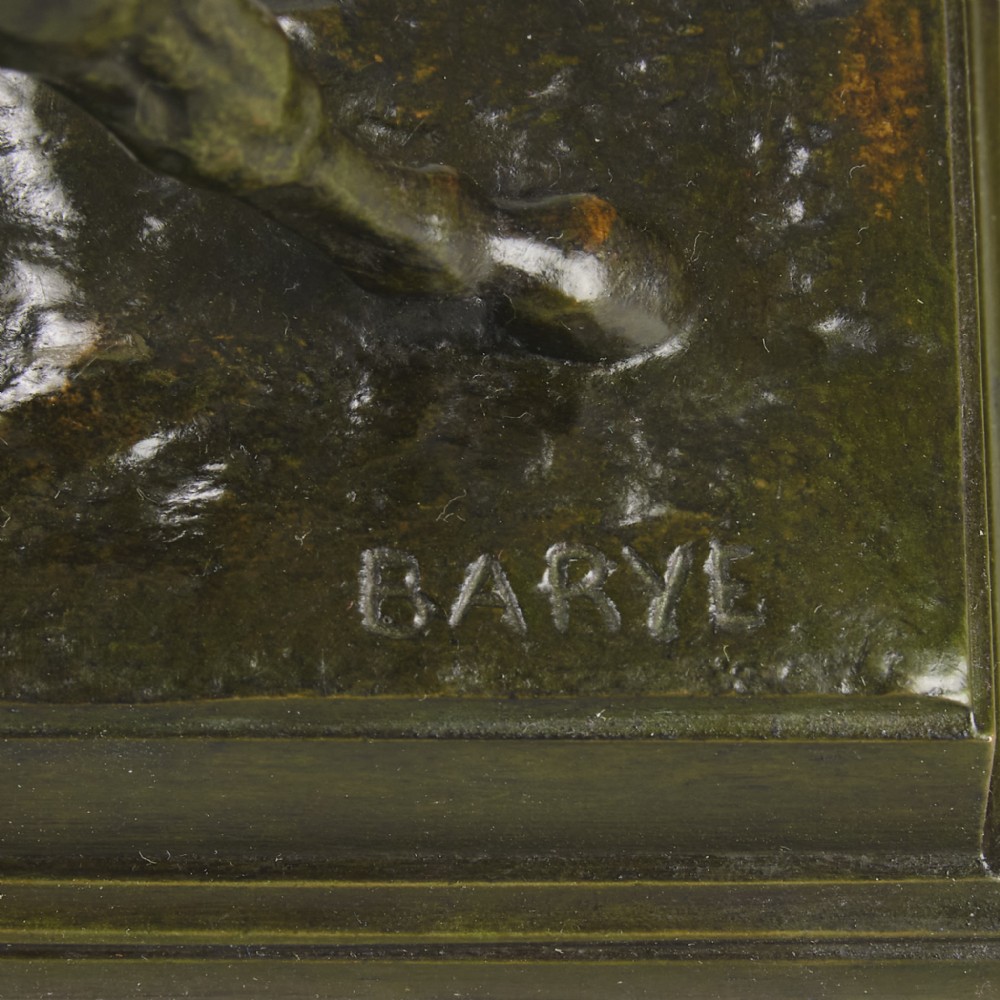
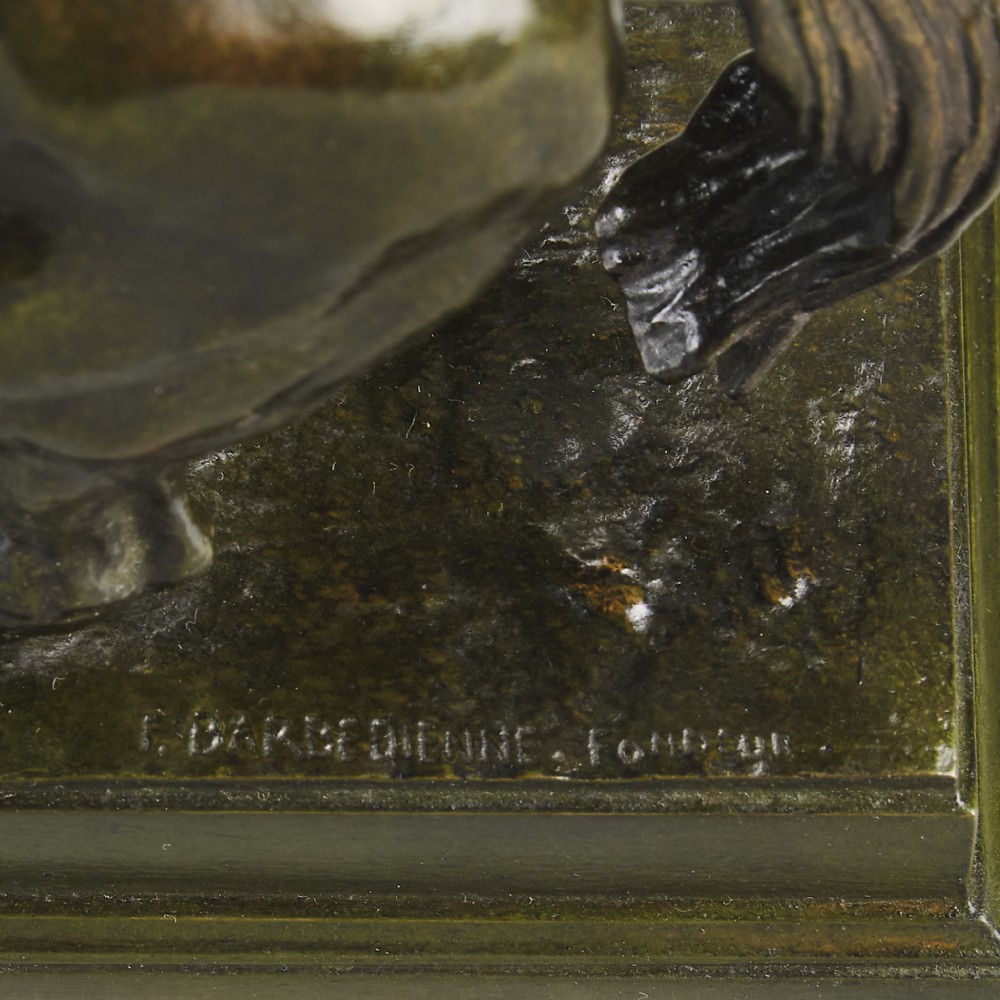
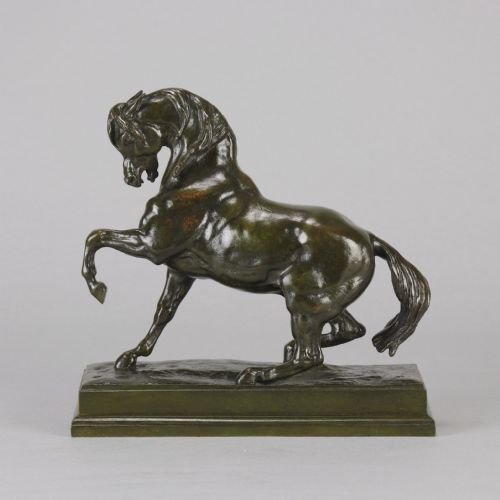
Magnificent mid 19th Century French bronze study of a majestic Arab stallion with left foreleg raised, the surface with awonderful rich variegated autumnal, green black and orange patination and excellent hand finished surface detail, raised on an oval naturalistic base with integral stepped plinth, signed Baryeand with the F Barbedienne foundry mark

ADDITIONAL INFORMATION

Height: 18 cm

Width: 19 cm

Depth: 7 cm

Condition: Excellent Original Condition

Circa: 1870

Materials: Bronze

Foundry: F Barbedienne Paris

Book Ref BARYE Catalogue by Alain Richarme

Page no. 182

SKU: 9589

ABOUT

Cheval Turc

The Cheval Turc bronze by Antoine-Louis Barye reflects the sculptor’s mastery of animal form combined with a subtle Orientalist influence. Known primarily for his naturalistic studies, Barye imbued this subject with energy and anatomical precision, depicting a spirited horse with measured power and grace. The composition balances movement and control, characteristic of his finest work and the subject is considered to be the finest equine bronze sculpture of the 19th Century. Casts were produced in Barye's own workshop and also cast on agreed licence by the renowned Parisien foundry of Ferdinand Barbedienne, ensuring the highest quality. Today, the model remains sought after for its elegance, sculptural strength, and importance within the animalier tradition.

Antoine Louis Barye

“The Michelangelo of the Menagerie”

These are the words of Théophile Gautier in praise of Barye’s genius. Throughout his life Barye endeavoured to capture the fundamental nature of the animal kingdom in all its diversity, wild or tame, exotic or familiar, cruel or gentle, bringing to life the roaring, trembling, living beasts.

The son of a goldsmith, apprenticed to a steel engraver at a young age, Barye found himself making moulds for ornaments, acquiring knowledge that he would later build on to produce his exquisitely chased bronzes. When he was called up at seventeen, he joined the army’s topographic brigade where he used clay to model raised relief maps. When the empire fell, Barye briefly studied with the sculptor François-Joseph Bosio, then moved to the studio of painter Antoine-Jean Gros. There he encountered a burgeoning Romanticism that seemed closer to his own aspirations and penchant for drawing, something that would become a major part of his life’s work.

Barye began working for the goldsmith Jacques Henri Faucnnier in 1820 and became a regular visitor at ‘Le Zoo du Jardin des Plantes‘ the National Museum of Natural History and its menagerie in Paris, where he studied the wild animals under the watchful eye of the lion keeper Mr Rousseau. As well as studying live animals, he practised dissection with Eugène Delacroix and noted his observations on his drawings. This gave Barye the impetus to move away from the neoclassical and Renaissance styles where animal subjects were treated as ‘additions’ or ‘supplements’ to art and regarded as inferior, allowing him to single handedly turn the study of ‘Animaliers‘ into one of the most important art forms of the 19th Century.

Barye received his first official acclaim at the 1831 Paris Salon. This recognition encouraged him to open his own studio or ‘atelier’, where he produced an Elephant that would become the Duc d’Orleans family’s first major acquisition. At the 1833 Salon Barye unveiled his emblematic Lion et Serpent, which the French State purchased and had cast as a mo

Physical Dimensions
Height
18cm (7.09")
Width
19cm (7.48")
Depth
7cm (2.76")
Declaration

Hickmet Fine Arts has dated this piece to the 1870s.
Reference Numbers
Sellingantiques Reference
SA1208006
Dealers Internal Reference
9589
Dealers Notes

Please contact us for a shipping quotes.

Viewing can be arranged at our gallery and everything sold by Hickmet Fine Arts comes with a full certificate of Authenticity and Valuation.

If you have enjoyed seeing this item and wish to see more quality pieces please visit our website www.hickmet.com

Description
Magnificent mid 19th Century French bronze study of a majestic Arab stallion with left foreleg raised, the surface with awonderful rich variegated autumnal, green black and orange patination and excellent hand finished surface detail, raised on an oval naturalistic base with integral stepped plinth, signed Baryeand with the F Barbedienne foundry mark
fig 1. Mid 19th Century Animalier Bronze
fig 1. Mid 19th Century Animalier Bronze "Cheval Turc" by Antoine Louis Barye

ADDITIONAL INFORMATION

Height: 18 cm

Width: 19 cm

Depth: 7 cm

Condition: Excellent Original Condition
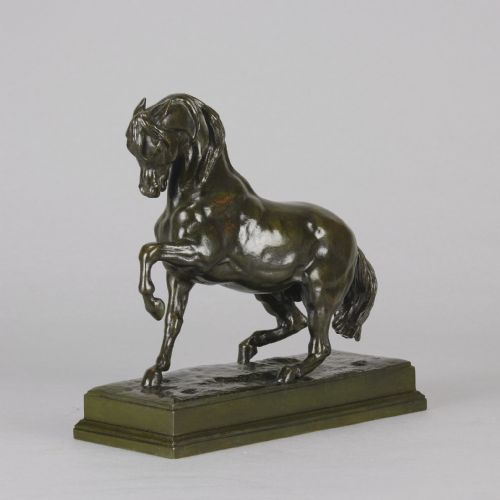
fig 2. Mid 19th Century Animalier Bronze
fig 2. Mid 19th Century Animalier Bronze "Cheval Turc" by Antoine Louis Barye

Circa: 1870

Materials: Bronze

Foundry: F Barbedienne Paris

Book Ref BARYE Catalogue by Alain Richarme
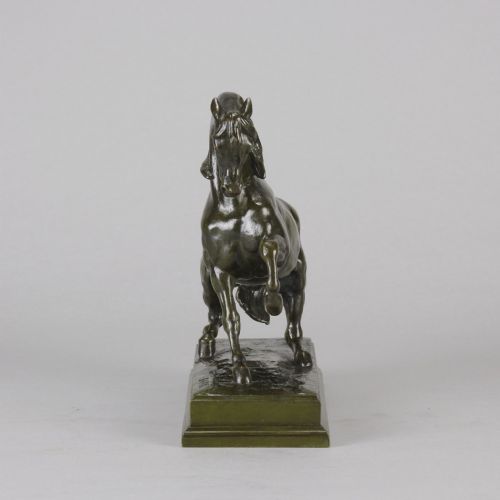
fig 3. Mid 19th Century Animalier Bronze
fig 3. Mid 19th Century Animalier Bronze "Cheval Turc" by Antoine Louis Barye

Page no. 182

SKU: 9589

ABOUT

Cheval Turc

The Cheval Turc bronze by Antoine-Louis Barye reflects the sculptor’s mastery of animal form combined with a subtle Orientalist influence.
Hickmet Fine Arts

Known primarily for his naturalistic studies, Barye imbued this subject with energy and anatomical precision, depicting a spirited horse with measured power and grace. The composition balances movement and control, characteristic of his finest work and the subject is considered to be the finest equine bronze sculpture of the 19th Century. Casts were produced in Barye's own workshop and also cast on agreed licence by the renowned Parisien foundry of Ferdinand Barbedienne, ensuring the highest quality. Today, the model remains sought after for its elegance, sculptural strength, and importance within the animalier tradition.
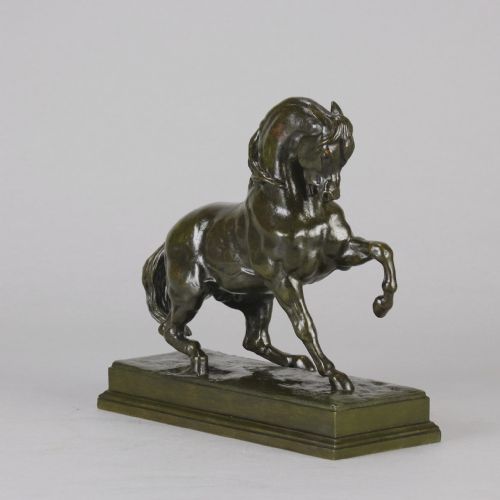
fig 4. Mid 19th Century Animalier Bronze
fig 4. Mid 19th Century Animalier Bronze "Cheval Turc" by Antoine Louis Barye

Antoine Louis Barye

“The Michelangelo of the Menagerie”

These are the words of Théophile Gautier in praise of Barye’s genius. Throughout his life Barye endeavoured to capture the fundamental nature of the animal kingdom in all its diversity, wild or tame, exotic or familiar, cruel or gentle, bringing to life the roaring, trembling, living beasts.
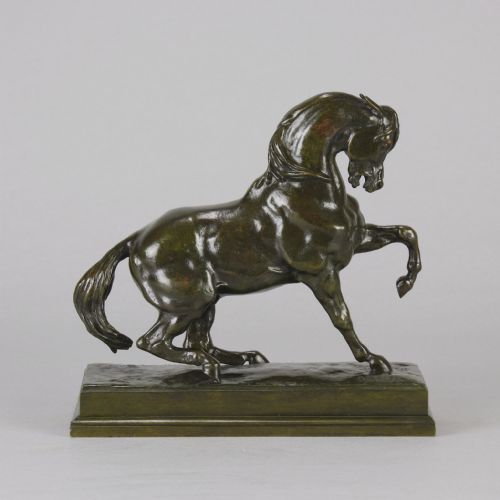
fig 5. Mid 19th Century Animalier Bronze
fig 5. Mid 19th Century Animalier Bronze "Cheval Turc" by Antoine Louis Barye

The son of a goldsmith, apprenticed to a steel engraver at a young age, Barye found himself making moulds for ornaments, acquiring knowledge that he would later build on to produce his exquisitely chased bronzes. When he was called up at seventeen, he joined the army’s topographic brigade where he used clay to model raised relief maps. When the empire fell, Barye briefly studied with the sculptor François-Joseph Bosio, then moved to the studio of painter Antoine-Jean Gros. There he encountered a burgeoning Romanticism that seemed closer to his own aspirations and penchant for drawing, something that would become a major part of his life’s work.
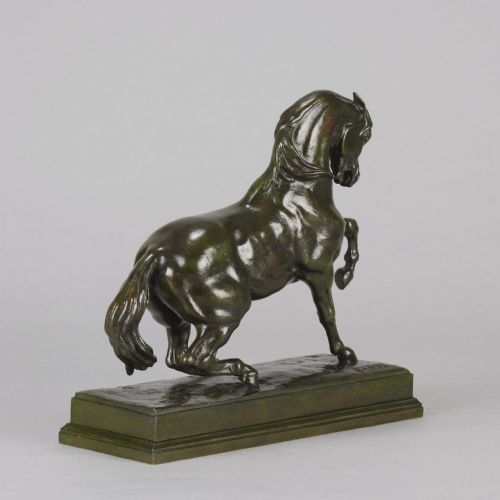
fig 6. Mid 19th Century Animalier Bronze
fig 6. Mid 19th Century Animalier Bronze "Cheval Turc" by Antoine Louis Barye

Barye began working for the goldsmith Jacques Henri Faucnnier in 1820 and became a regular visitor at ‘Le Zoo du Jardin des Plantes‘ the National Museum of Natural History and its menagerie in Paris, where he studied the wild animals under the watchful eye of the lion keeper Mr Rousseau. As well as studying live animals, he practised dissection with Eugène Delacroix and noted his observations on his drawings. This gave Barye the impetus to move away from the neoclassical and Renaissance styles where animal subjects were treated as ‘additions’ or ‘supplements’ to art and regarded as inferior, allowing him to single handedly turn the study of ‘Animaliers‘ into one of the most important art forms of the 19th Century.
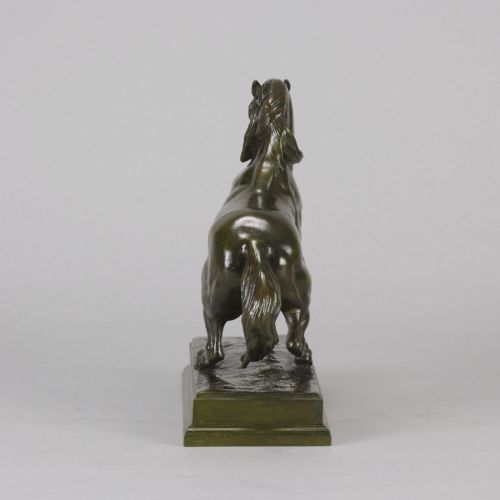
fig 7. Mid 19th Century Animalier Bronze
fig 7. Mid 19th Century Animalier Bronze "Cheval Turc" by Antoine Louis Barye

Barye received his first official acclaim at the 1831 Paris Salon. This recognition encouraged him to open his own studio or ‘atelier’, where he produced an Elephant that would become the Duc d’Orleans family’s first major acquisition. At the 1833 Salon Barye unveiled his emblematic Lion et Serpent, which the French State purchased and had cast as a mo

Height
18cm (7.09")
Width
19cm (7.48")
Depth
7cm (2.76")
Date of Manufacture

Hickmet Fine Arts has dated this piece to the 1870s.

Reference Numbers
Sellingantiques Ref
SA1208006
Dealers Internal Ref
9589
Hickmet Fine Arts
Hickmet Fine Arts
Sellingantiques verified Since Apr 2012

Established in 1936, hickmet fine arts is an international family run antiques business

Dealer Profile

You can view the stock and full dealer information on the Hickmet Fine Arts Profile Page

Trade Associations

Hickmet Fine Arts is a registered member of LAPADA  BADA  CINOA
PDF SHARE
SAVE
Mid 19th Century Animalier Bronze
1 / 12
Archive I Mid 19th Century Animalier Bronze

Mid 19th Century Animalier Bronze "Cheval Turc" by Antoine Louis Barye
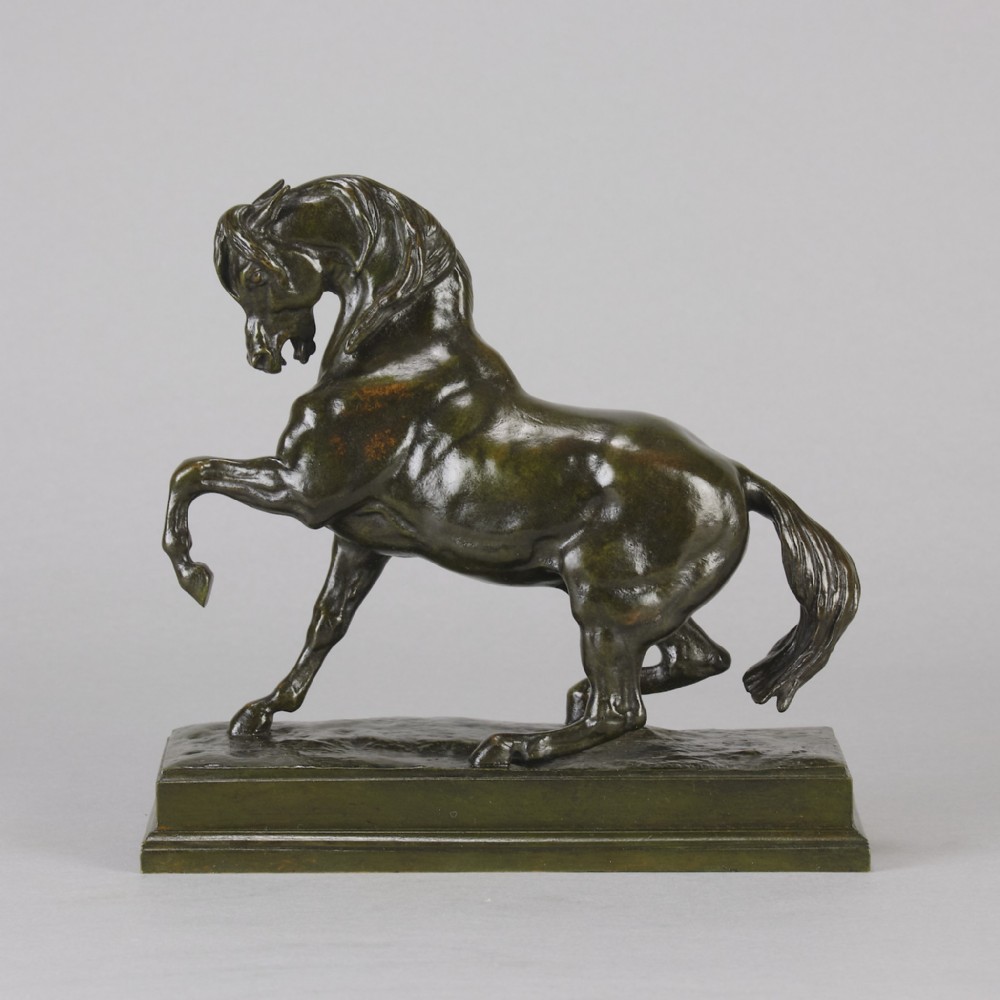
Archive II Mid 19th Century Animalier Bronze
Archive III Mid 19th Century Animalier Bronze
Archive IV Mid 19th Century Animalier Bronze
Archive V Mid 19th Century Animalier Bronze
Archive VI Mid 19th Century Animalier Bronze
Archive VII Mid 19th Century Animalier Bronze
Archive VIII Mid 19th Century Animalier Bronze
Archive IX Mid 19th Century Animalier Bronze
Archive X Mid 19th Century Animalier Bronze
Archive XI Mid 19th Century Animalier Bronze
Archive XII Mid 19th Century Animalier Bronze
Enlarged Archival View
Telephone 07971 850405
Location
Gallery Eighty Five
85 Portobello Road
London
W11 2QB
United Kingdom
Verified Since Apr 2012
Items For Sale 112
Items Sold 6
Hickmet Fine Arts
Hickmet Fine Arts
Verified Since Apr 2012
View Dealer Info
Location: Gallery Eighty Five, 85 Portobello Road, London, W11 2QB, United Kingdom
Verified
Apr 2012
For Sale
112
Sold
6
Mid 19th Century Animalier Bronze
Mid 19th Century Animalier Bronze "Cheval Turc" by Antoine Louis Barye
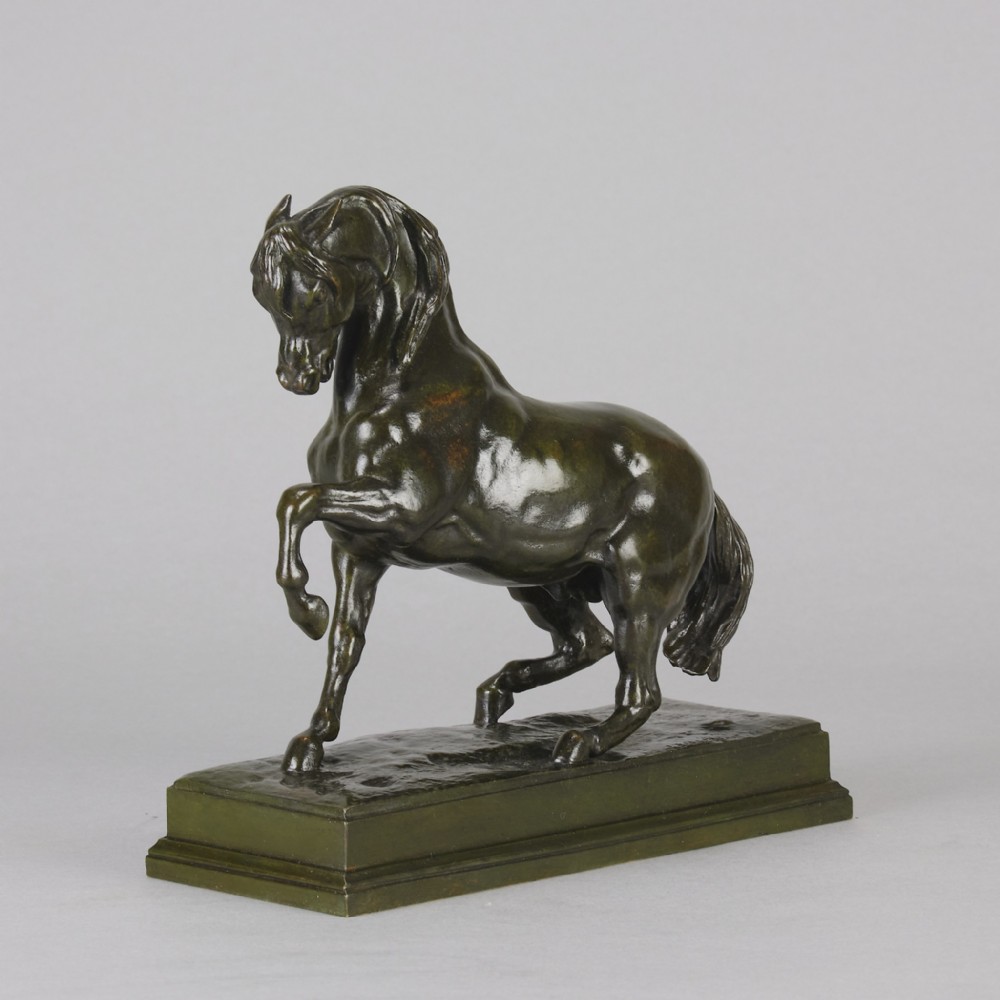
Ref: SA1208006
Mid 19th Century Animalier Bronze
Detail View 1
Detail View 2
Detail View 3
Detail View 4
Detail View 5
Detail View 6
Detail View 7
Detail View 8
Detail View 9
Detail View 10
Detail View 11
Archival Detail
Every single antique dealer on our platform is individually approved by our internal team. We verify their professional trade history, ethical standards, and photographic quality to ensure a secure, high-standard buying environment. Upon joining, every dealer agrees to a strict 9-point code of conduct. While issues can occasionally arise, our dealers typically resolve them swiftly and directly with the buyer. In fact, since our founding in 2002, Sellingantiques has only had to step in to help resolve an issue on roughly five occasions—a true testament to the quality of our dealers and their dedication to your happiness.
Our dealers are highly experienced in packing and shipping fragile, high-value antiques. Because you are in direct contact with the dealer, you will be able to easily go through all available shipping and insurance options together to ensure your item arrives safely.
Antiques are the ultimate green purchase. By choosing historical pieces over newly manufactured goods, you completely eliminate the carbon footprint of modern mass production while preserving exceptional, timeless craftsmanship.
items
Add keywords to the filter
Price
£100
£250000
Era
Movements
Material
Origin
Stock Location
Freshness
Online Payments
Categories