6,332  PAGES BROWSED TODAY PAGES TODAY 0  ANTIQUES UPLOADED TODAY NEW ARRIVALS
ID #SA1195864
FOR SALE
£395
Email Buy
Save
Pair of William & Mary Style Walnut Chairs by Waring & Gillow
Camden Antiques
for sale €462     $502
£395
Camden Antiques

Camden Antiques

Sellingantiques Verified Since Jun 2012
View Dealers Stock Page
Id #SA1195864
PDF SHARE
SAVE

Pair of William & Mary Style Walnut Chairs by Waring & Gillow

1900 - 1920
For Sale by Camden Antiques
Description

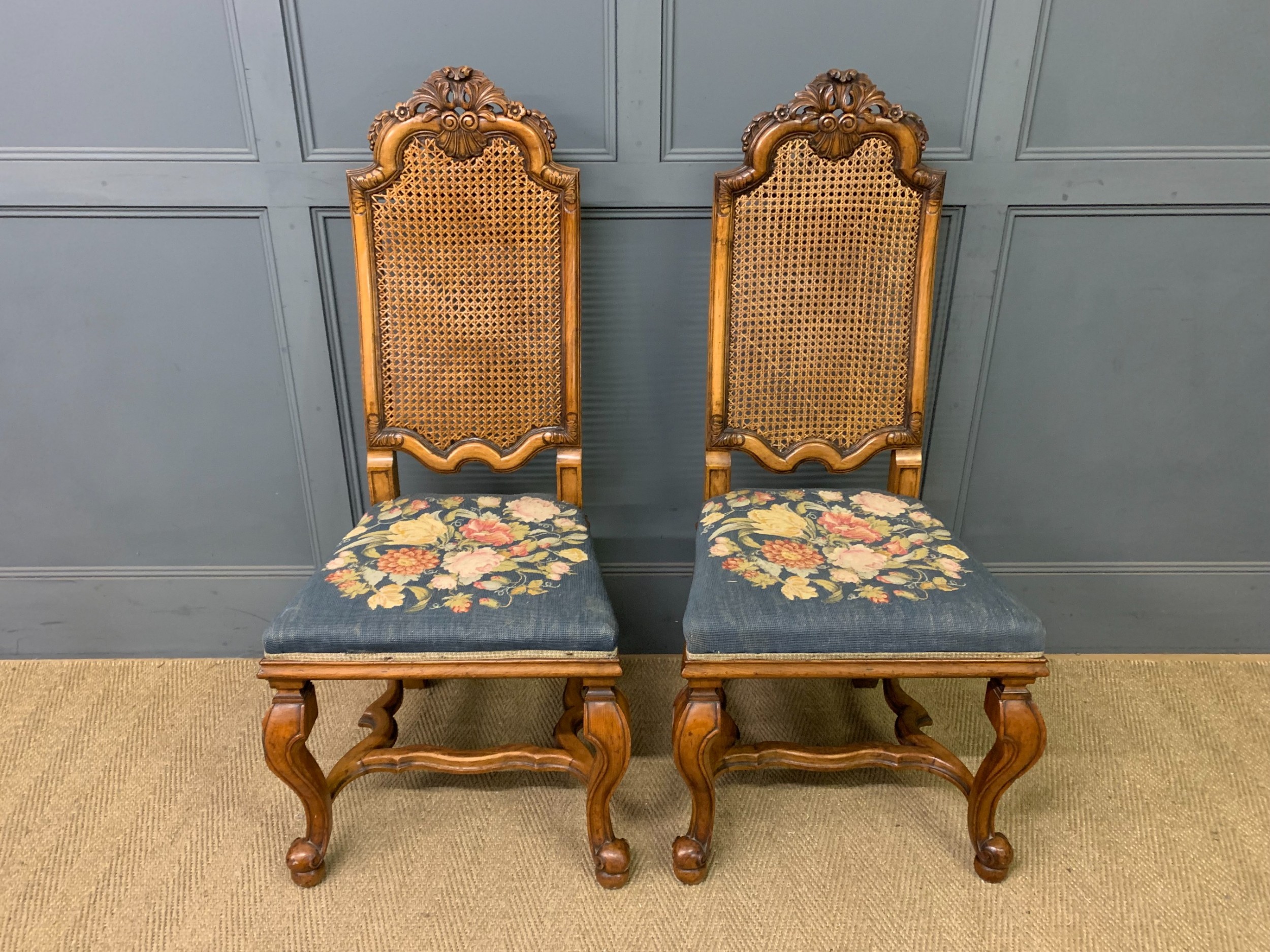
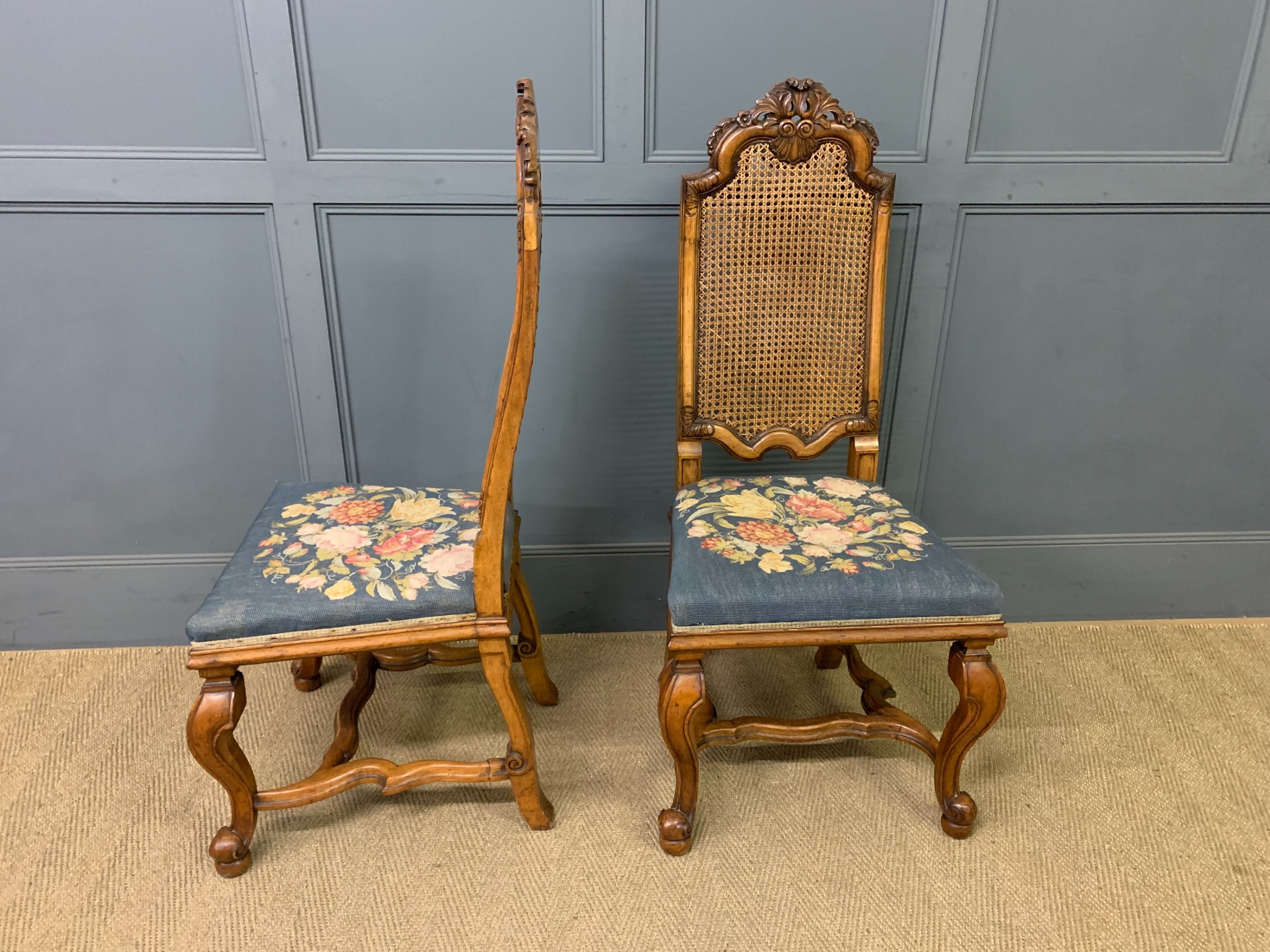
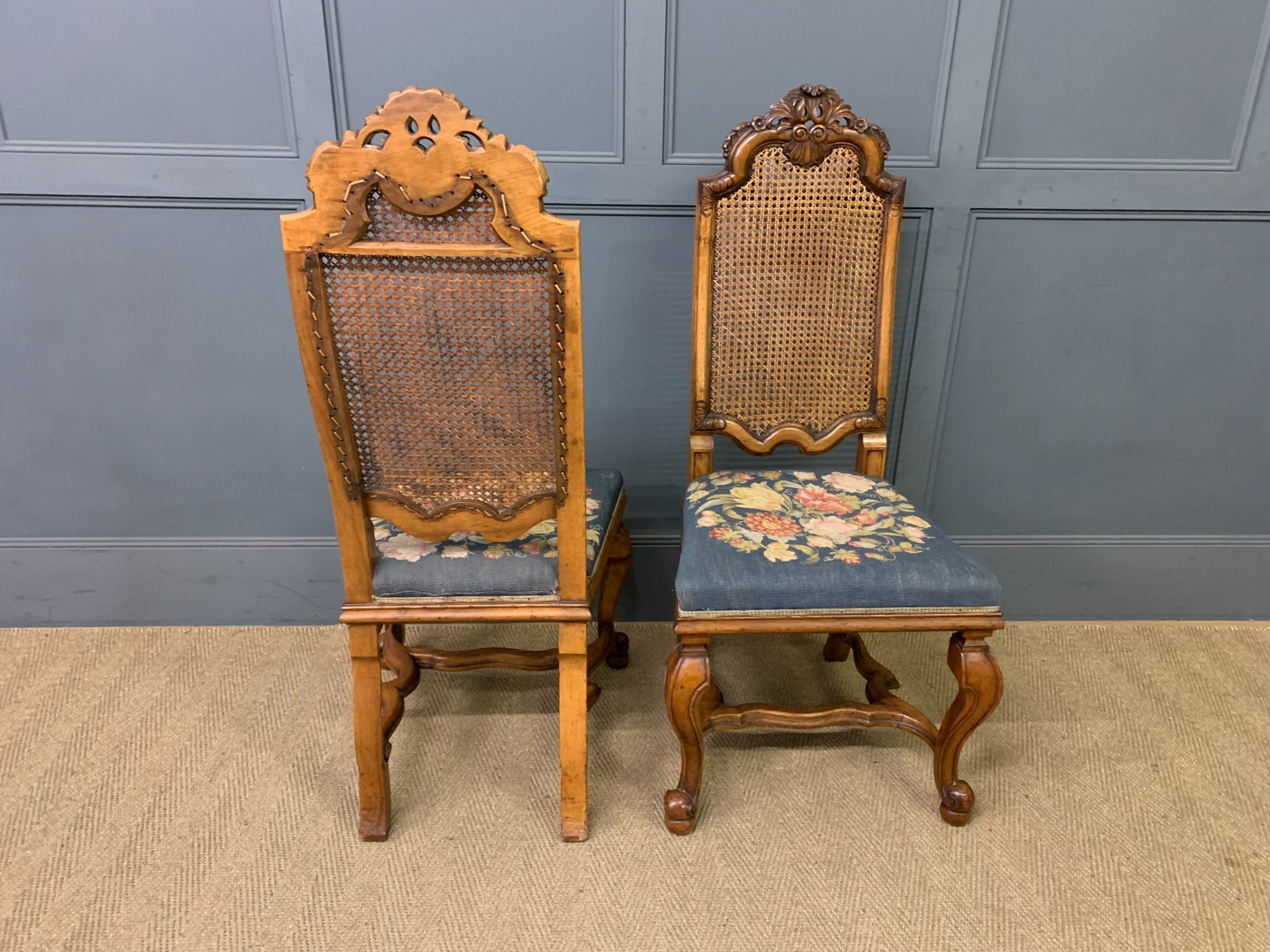
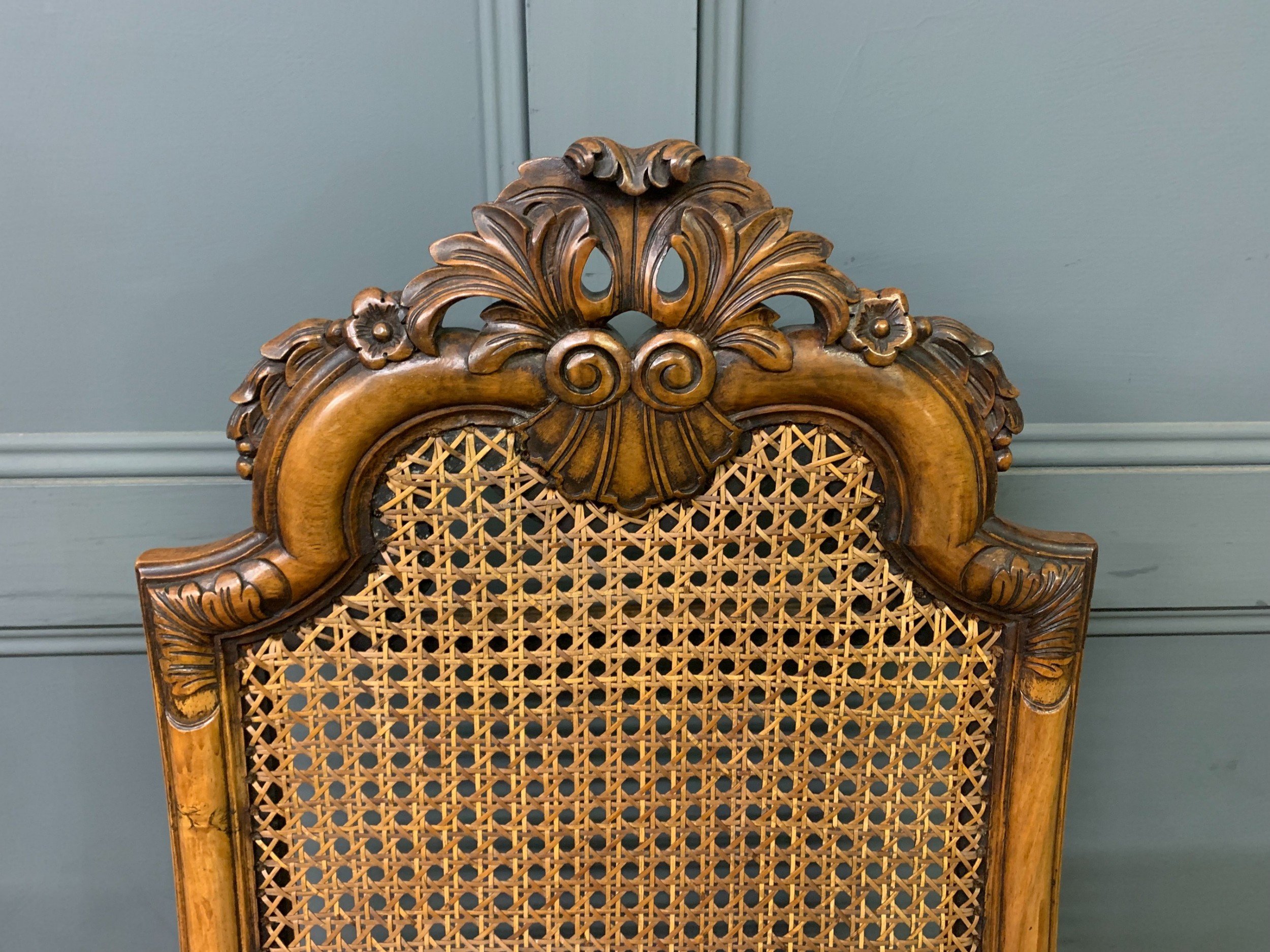
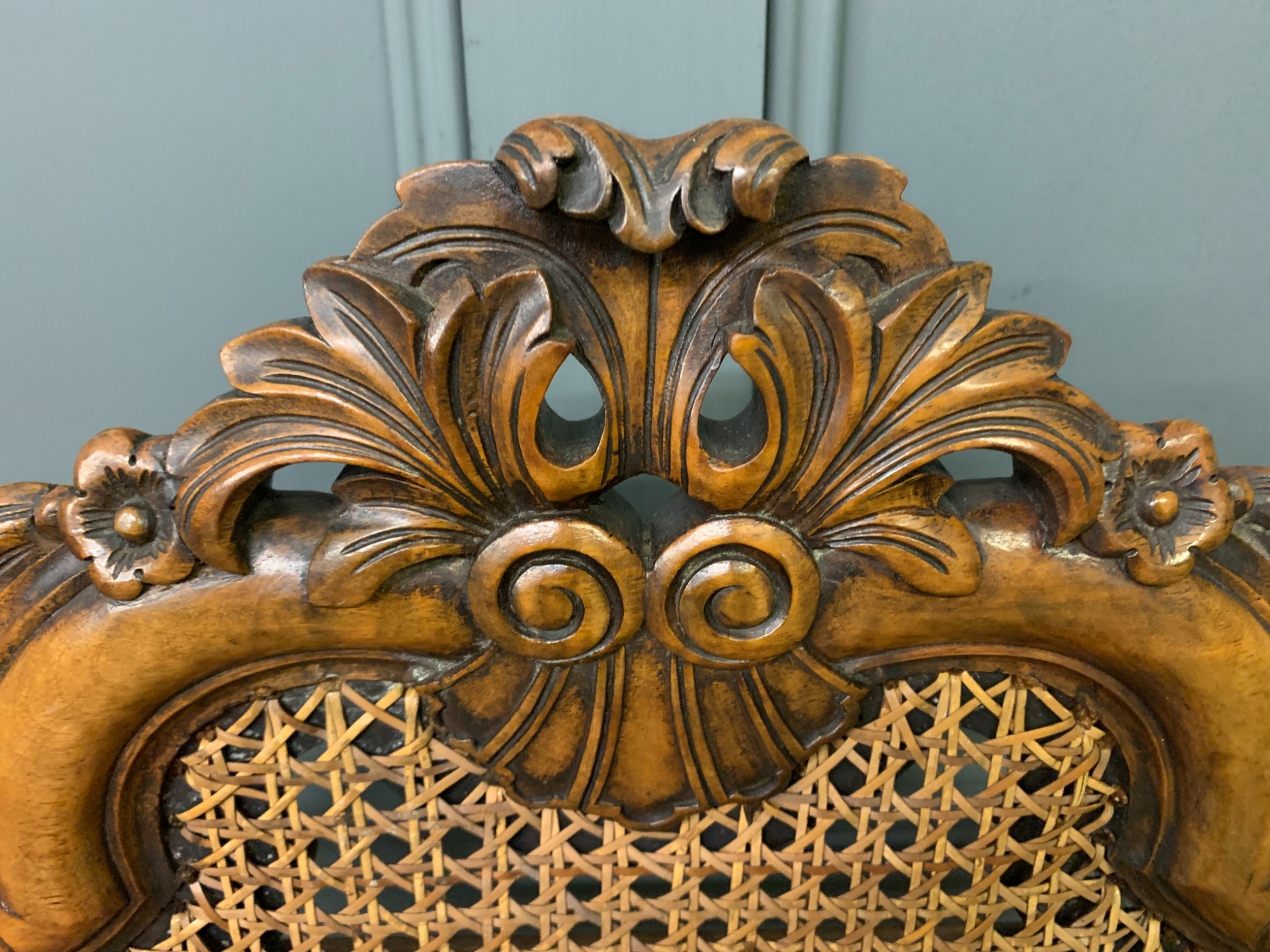
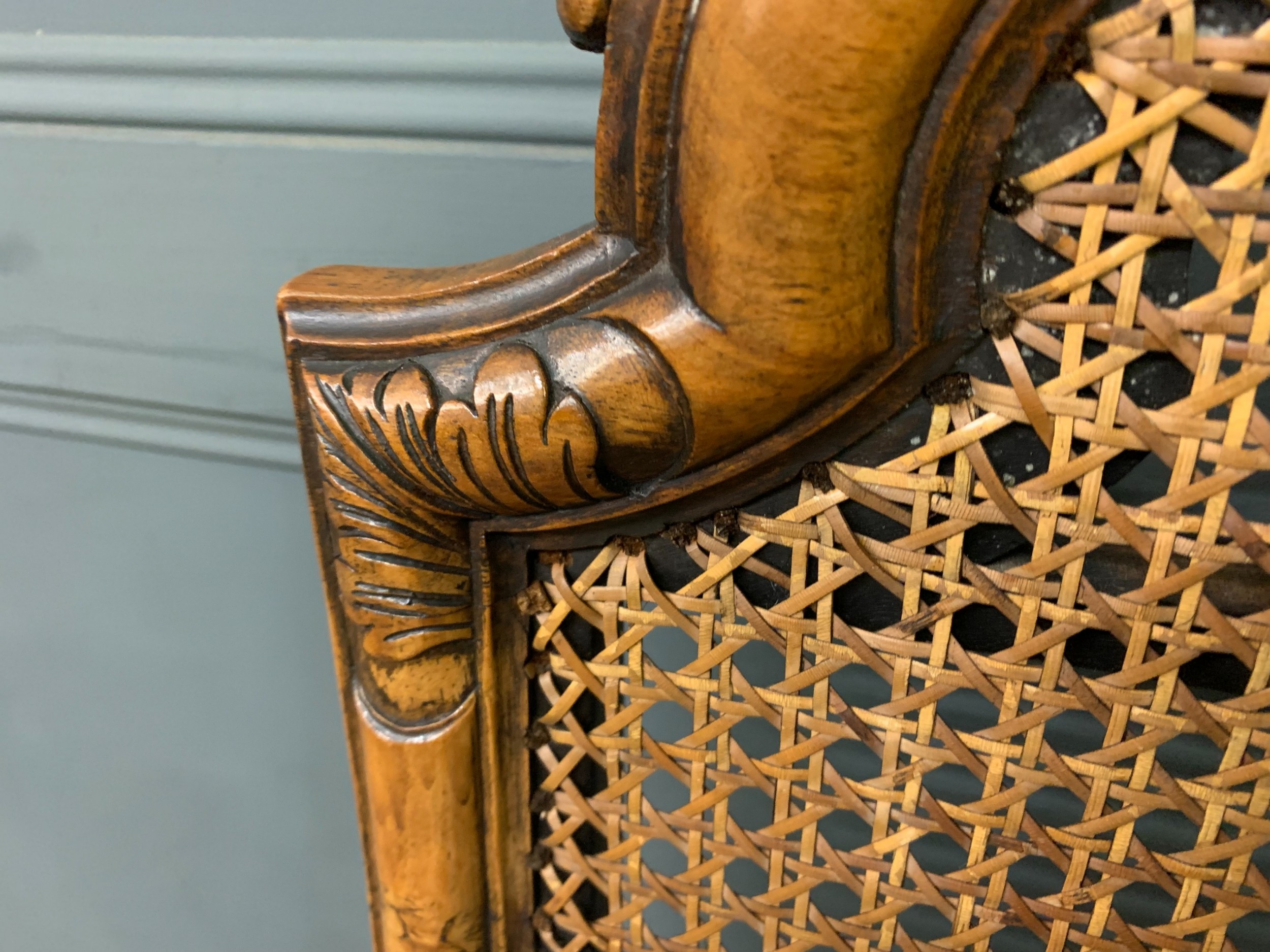
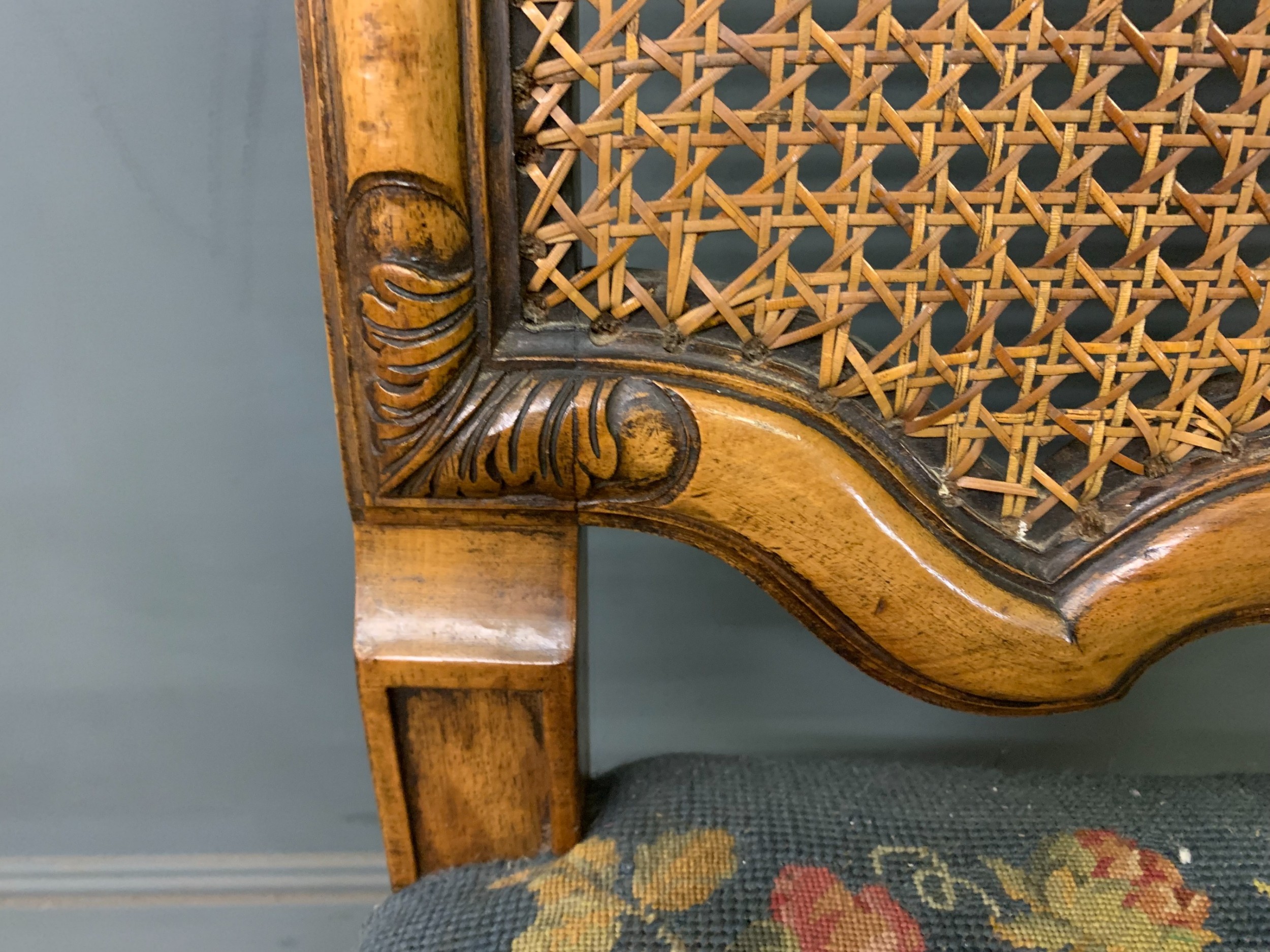
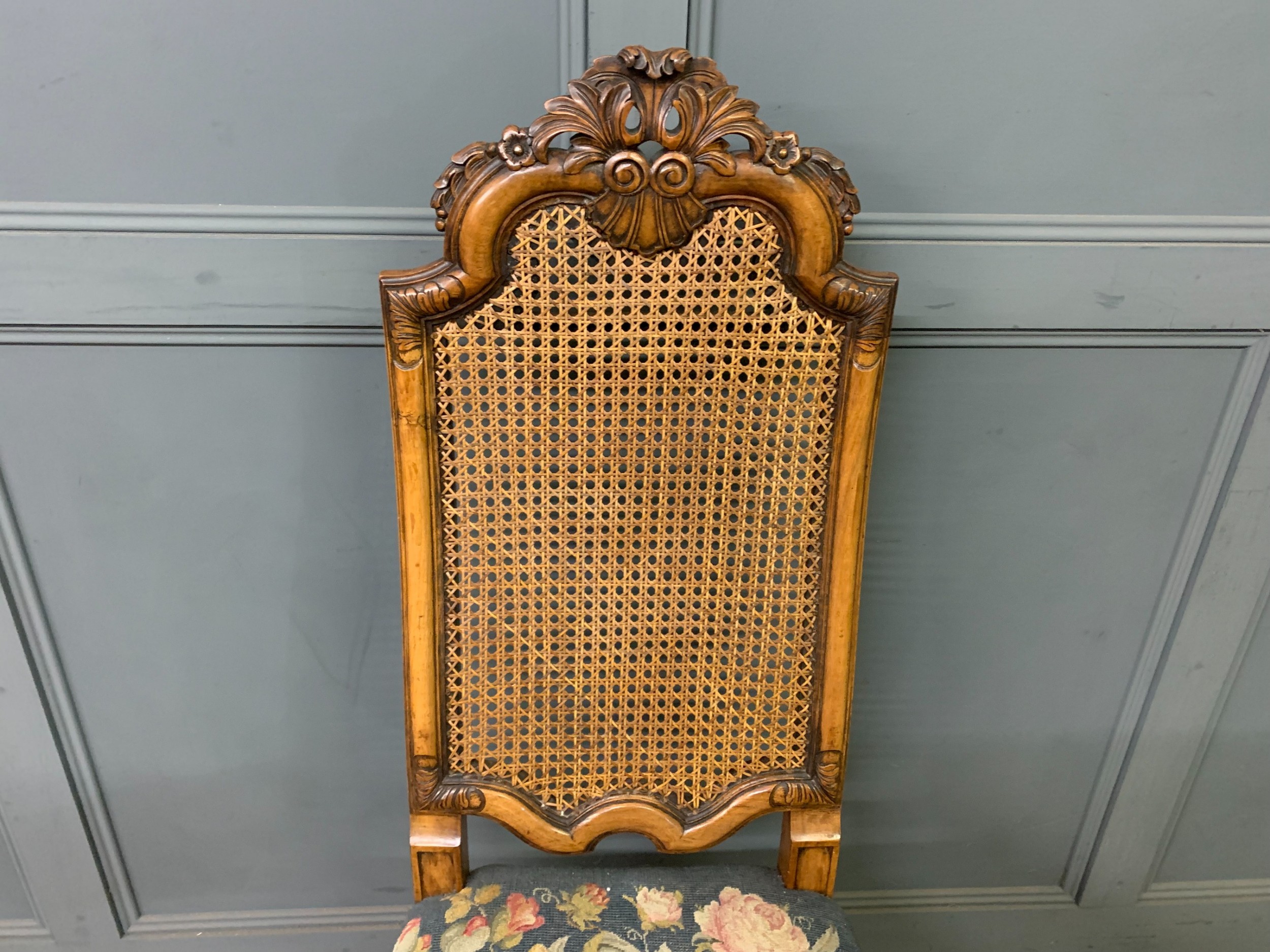
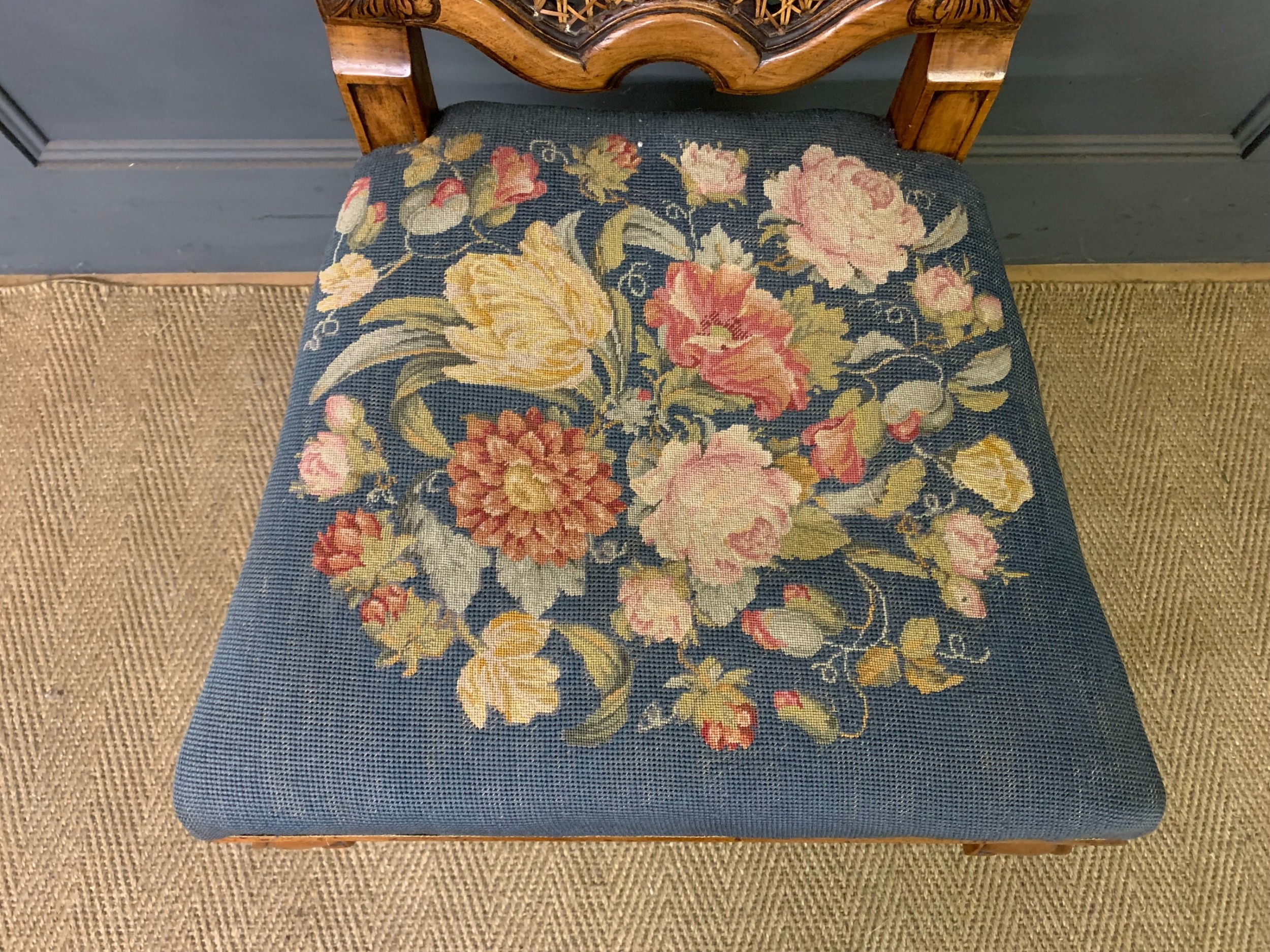
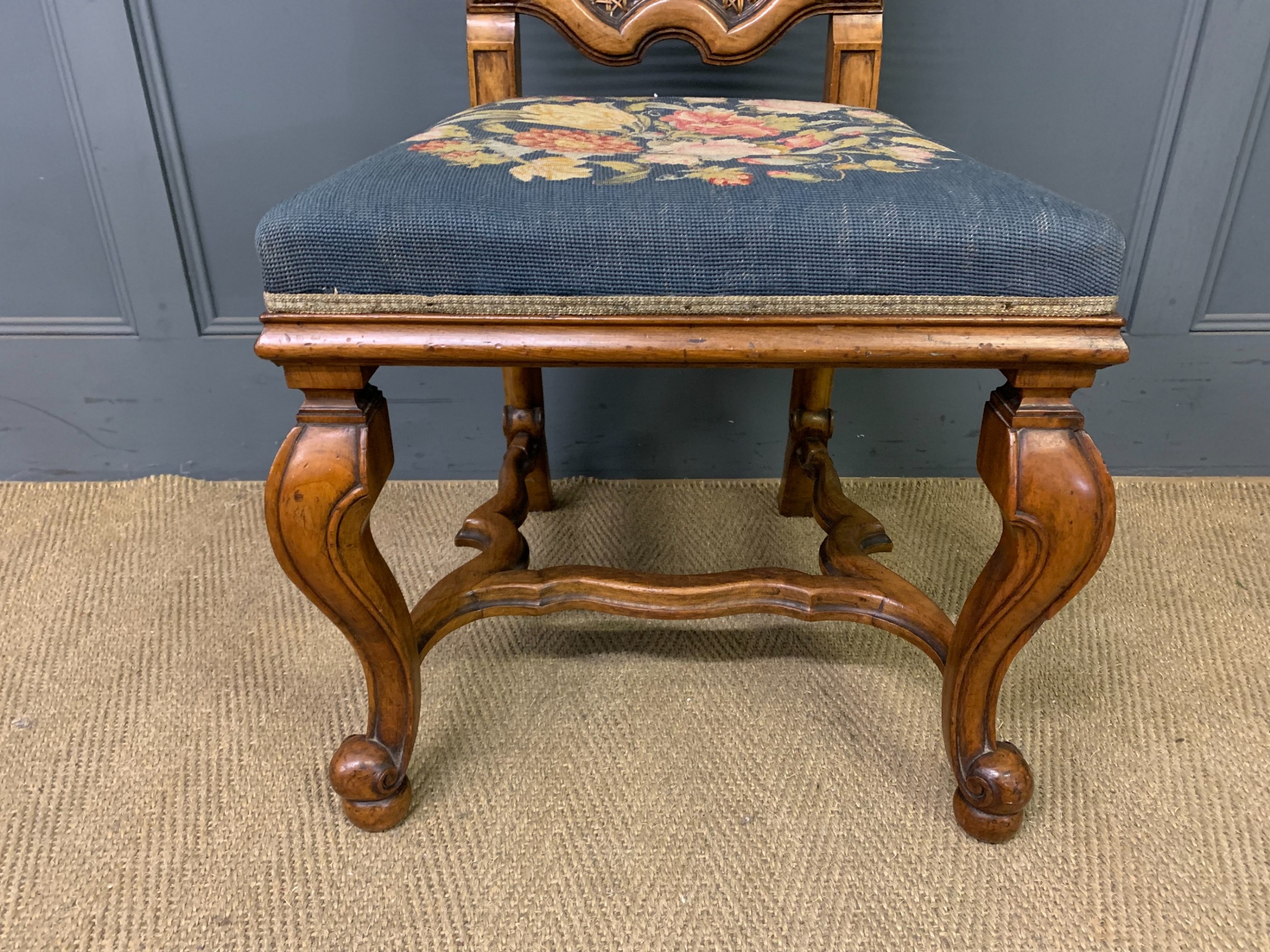
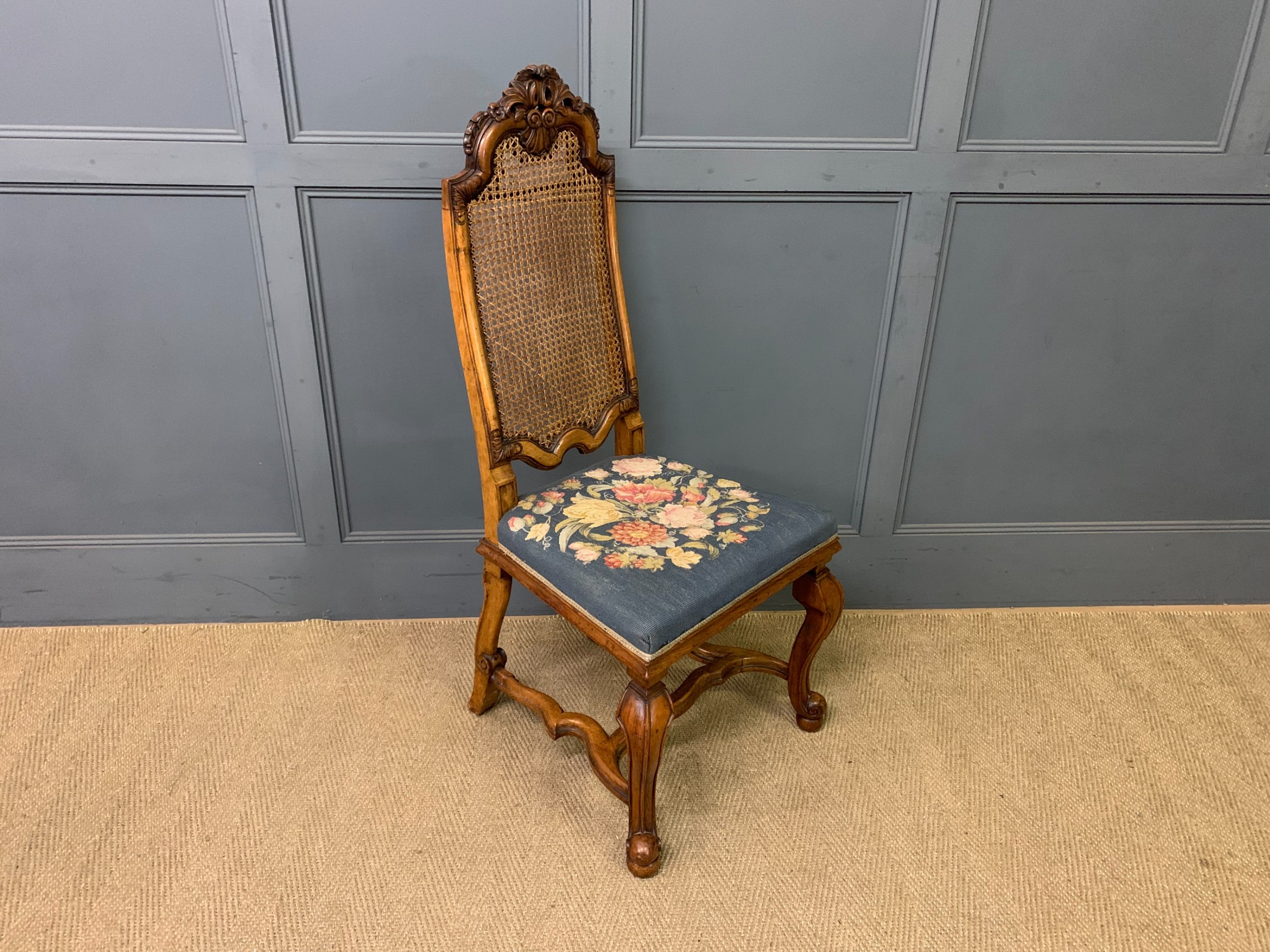
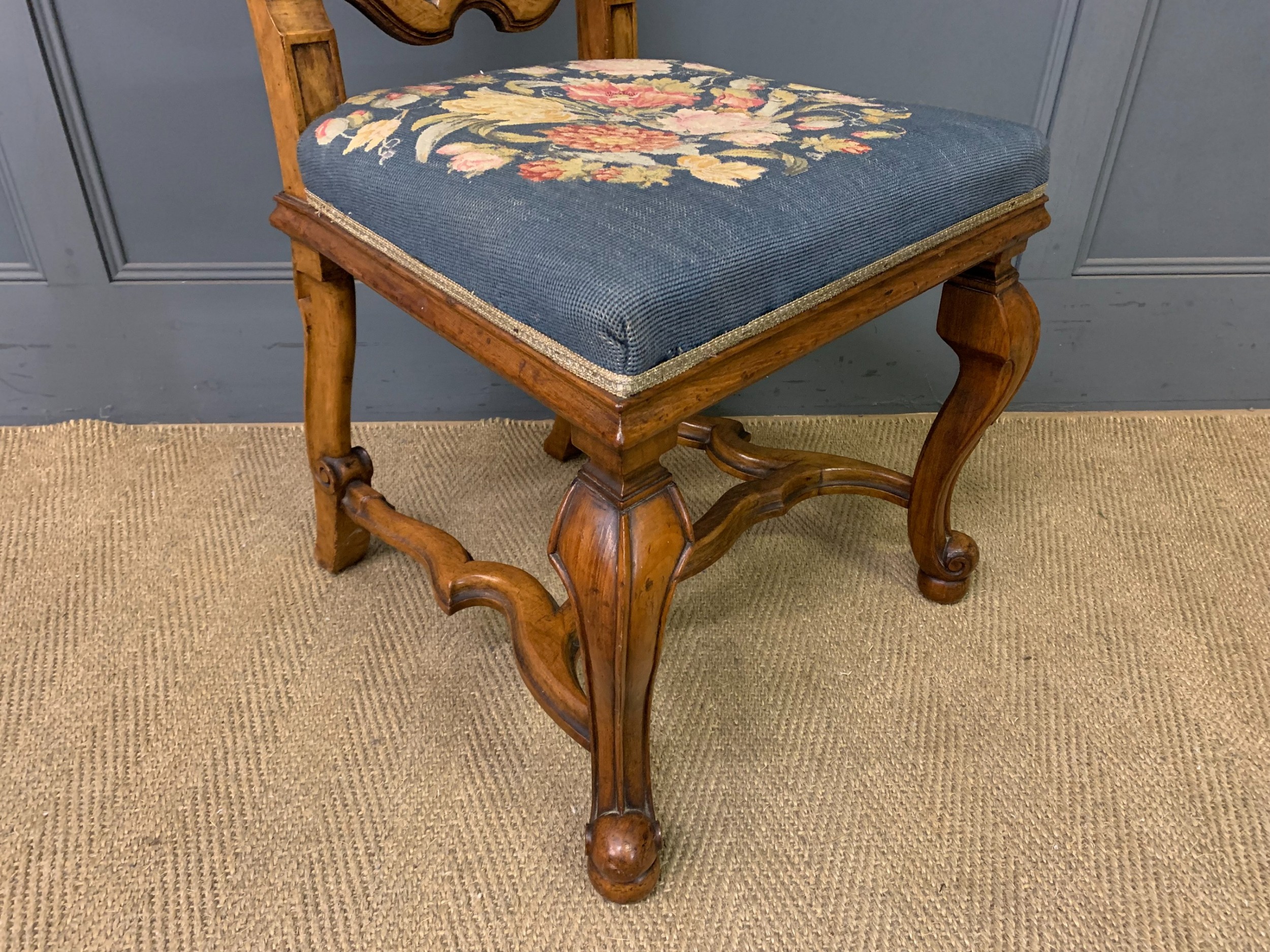
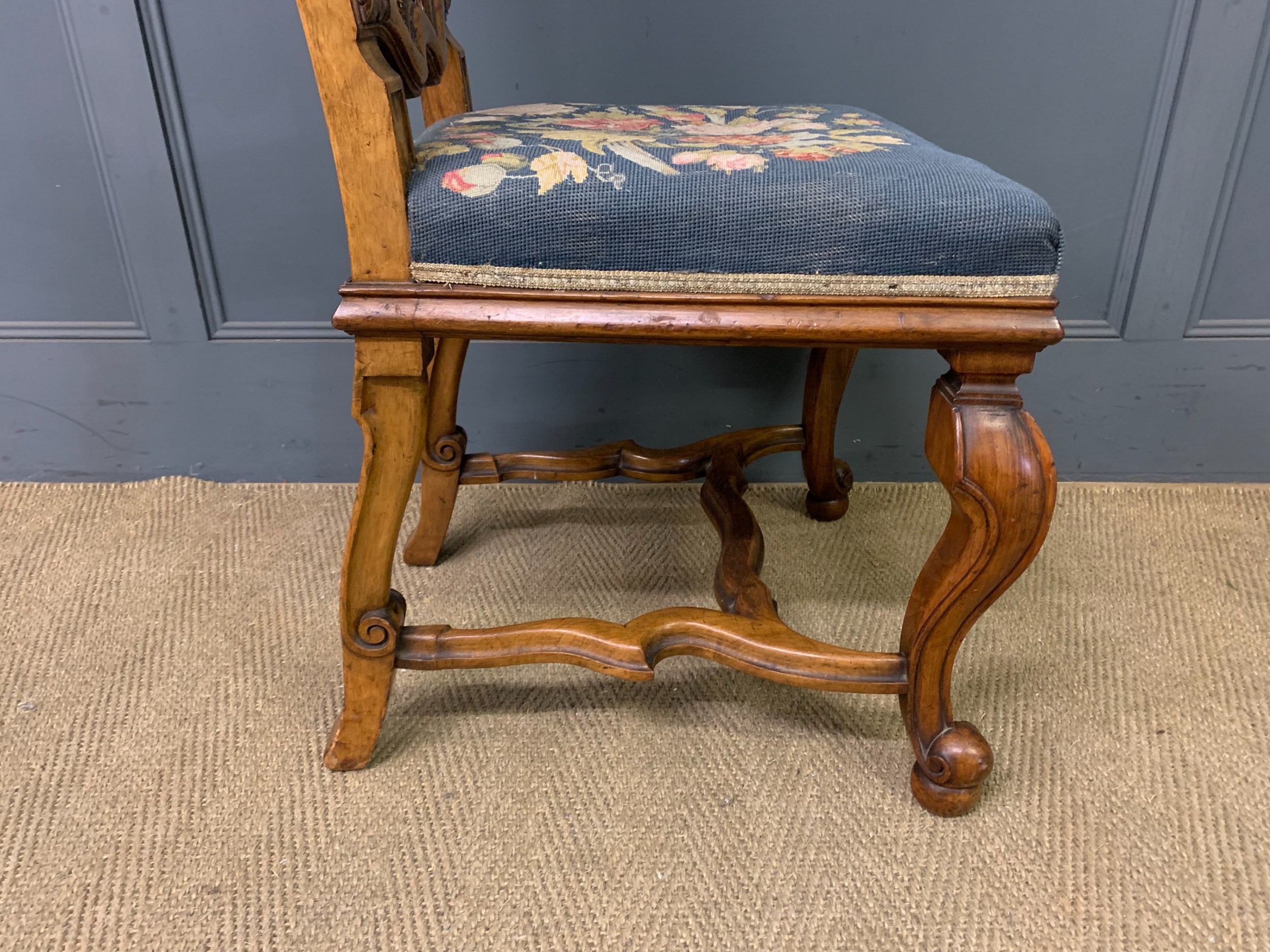
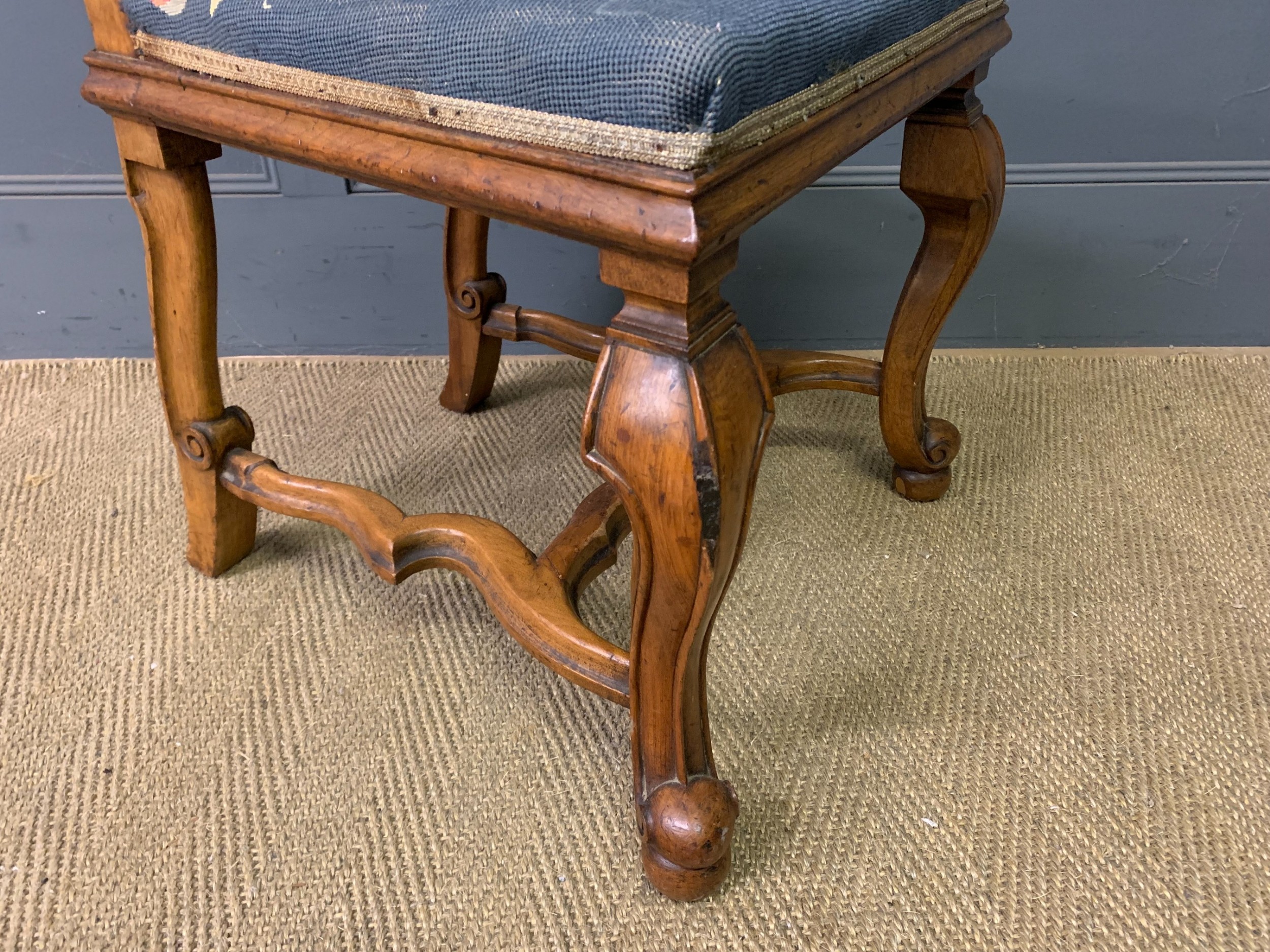
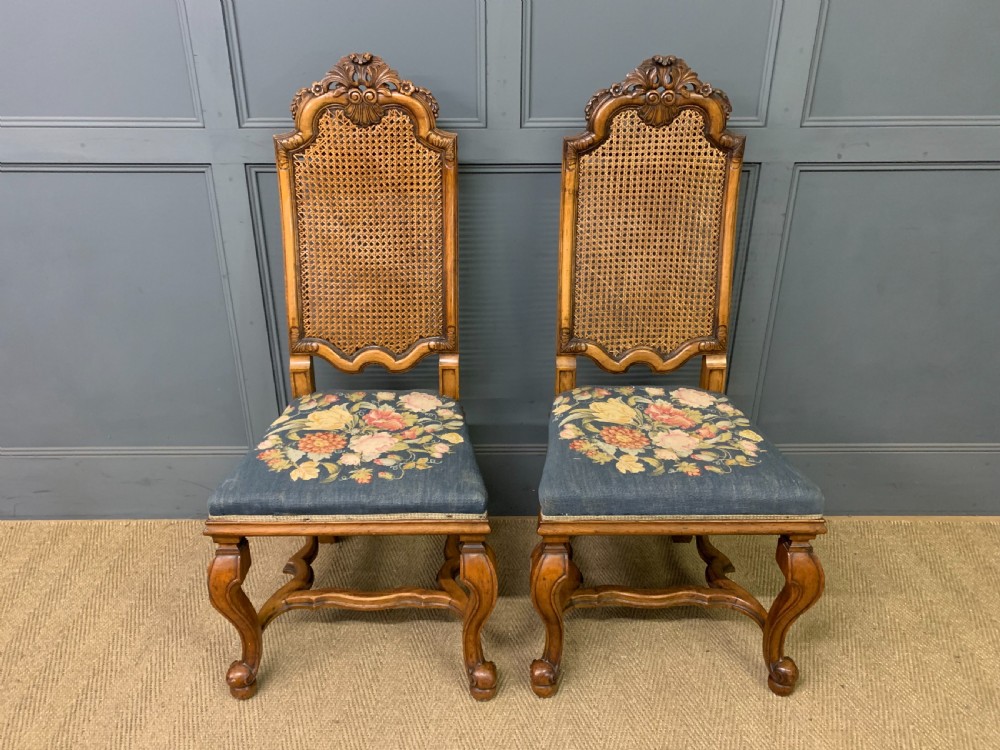
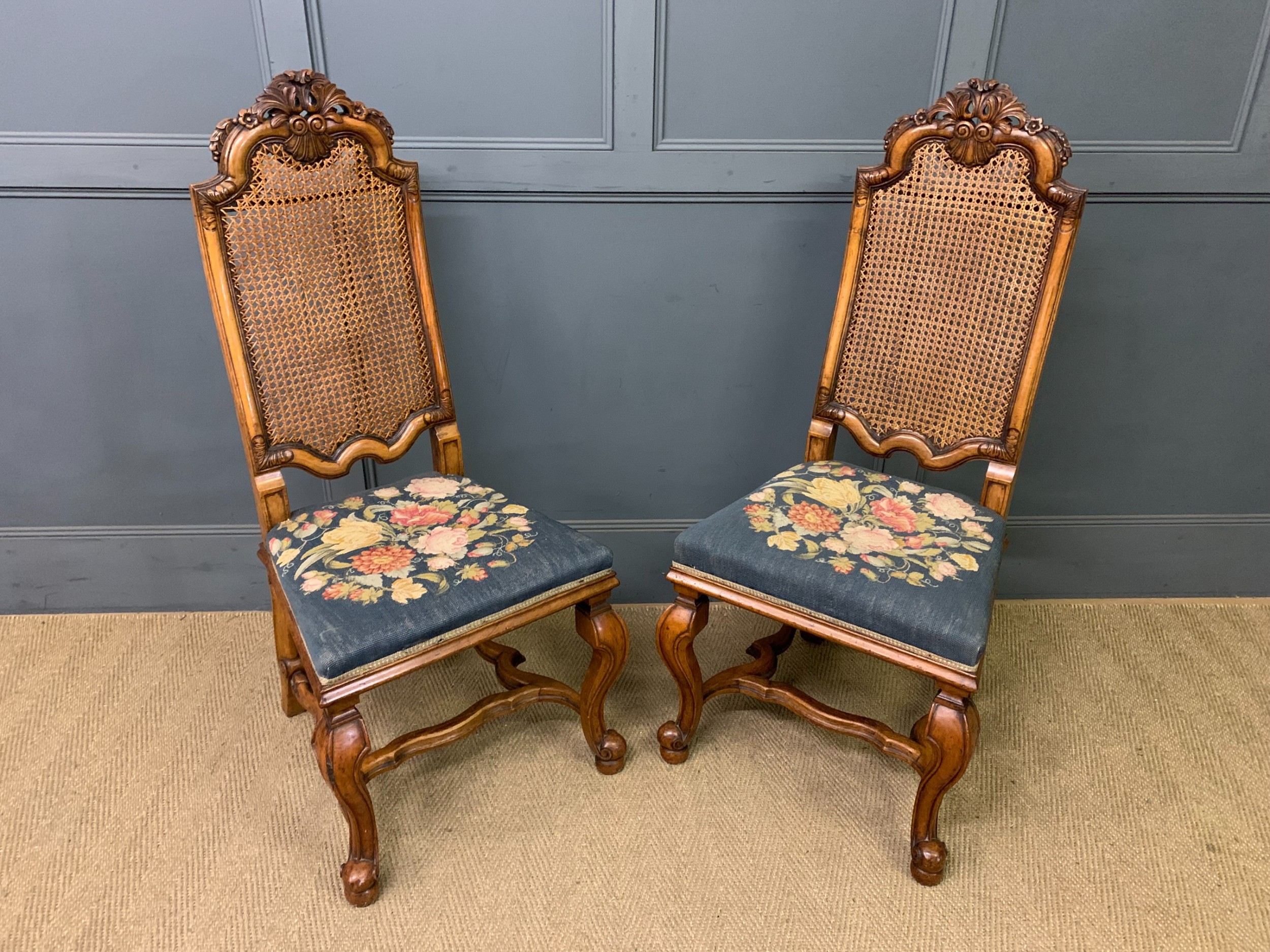
A very good pair of walnut William and Mary style chairs by Waring and Gillow. Of excellent construction in solid walnut and dating to the Edwardian period. With high backs fitted with their original cane work. The upholstered seats with the original needle-point woolwork upholstery. Decorated with carved detailing to the backs and crests. With scrolling cabriole legs united by stretchers. Offered for sale in very good original conditon, with a good colour. Would sit well within a number of different room scenarios within the modern home. One chair with a graze to one knee.

Dimensions:

Width 51cms

Depth 43cms

Overall height 115cms

Seat height 47cms

Waring and Gillow a potted history:

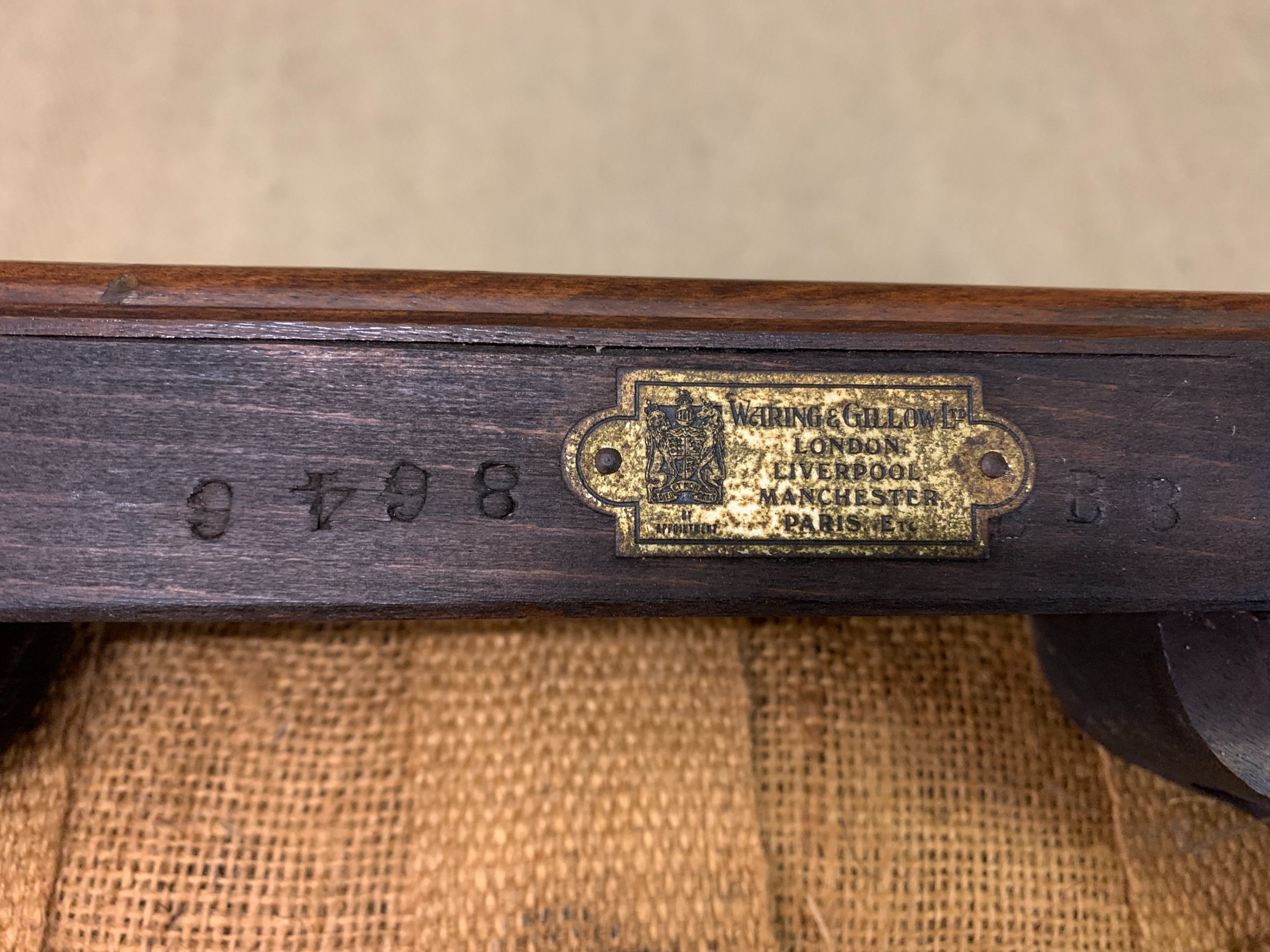
Waring & Gillow is a noted firm of English furniture manufacturers formed in 1897 by the merger of Gillow of Lancaster and Waring of Liverpool.

The firm of Gillow's of Lancaster can be traced back to the luxury furniture and furnishings firm founded by Robert Gillow (1704–72) in 1730. Robert Gillow served an apprenticeship as a joiner. During the 1730s he began to exploit the lucrative West Indies trade exporting mahogany furniture and importing rum and sugar. Following his death in 1772, the business was continued by his two sons, Richard (1734–1811) and Robert (1745–93). In 1764 a London branch of Gillow's was established at 176 Oxford Road, now Oxford Street, by Thomas Gillow and William Taylor. The firm rapidly established a reputation for supplying high-quality furniture to the richest families in the country.

During the final years of the 19th century the company ran into financial difficulty and from 1897 began a loose financial arrangement with Waring of Liverpool, an arrangement legally ratified by the establishment of Waring & Gillow in 1903. Waring's of Liverpool was founded by John Waring, who arrived in the city from Belfast in 1835 and established a wholesale cabinet making business. He was succeeded by his son Samuel James Waring who rapidly expanded the business during the 1880s, furnishing hotels and public buildings throughout Europe. He also founded Waring-White Building Company which built the Liverpool Corn Exchange, Selfridge's department store and the Ritz Hotel. Samuel James's son and namesake Samuel James Waring (1860-1940) continued the family business and was elevated to the peerage as Baron Waring in 1922.

Gillow's had established a reputation for the outfitting of luxury yachts and liners, including the royal yacht Victoria and Albert, liners Lusitania, Heliopolis and Cairo, Queen Mary (1936) and Queen Elizabeth (1940) for Cunard. During the First World War the Lancaster factory was turned over to war production, making ammunition chests for the Navy and propellers for De Havilland DH9 aircraft. They also established a large tent-manufacturing facility of 8,000 workers during WW1 on the now closed former exhibition site at White City (the former Machinery Hall). They also made gas masks and trench covers from this site.During this time it was also at the White City site that the Workers Union first got recognition after a four-day strike mainly by women. The company also manufactured ammunition belts for use with machine guns, nosebags for horses and protective clothing for use during gas attacks.

During World War II the factory produced parts for gliders and the Mosquito aircraft, while kit-bags, tents and camouflage nets were made by the upholstery department.

Physical Dimensions
Height
115cm (45.28")
Width
51cm (20.08")
Depth
43cm (16.93")
Declaration

Camden Antiques has dated these William Mary Walnut Chairs to the 1910s.

Reference Numbers
Sellingantiques Reference
SA1195864
Dealers Internal Reference
18361
Description
A very good pair of walnut William and Mary style chairs by Waring and Gillow. Of excellent construction in solid walnut and dating to the Edwardian period. With high backs fitted with their original cane work. The upholstered seats with the original needle-point woolwork upholstery. Decorated with carved detailing to the backs and crests. With scrolling cabriole legs united by stretchers. Offered for sale in very good original conditon, with a good colour. Would sit well within a number of different room scenarios within the modern home. One chair with a graze to one knee.
fig 1. A pair of carved walnut side chairs with tall woven cane backs, floral tapestry upholstered seats, and scroll legs.
fig 1. Pair of William & Mary Style Walnut Chairs by Waring & Gillow

Dimensions:

Width 51cms

Depth 43cms

Overall height 115cms

Seat height 47cms

Waring and Gillow a potted history:

Waring & Gillow is a noted firm of English furniture manufacturers formed in 1897 by the merger of Gillow of Lancaster and Waring of Liverpool.
Camden Antiques
fig 2. A pair of carved walnut side chairs with tall woven cane backs, floral tapestry upholstered seats, and scroll legs.
fig 2. Pair of William & Mary Style Walnut Chairs by Waring & Gillow

The firm of Gillow's of Lancaster can be traced back to the luxury furniture and furnishings firm founded by Robert Gillow (1704–72) in 1730. Robert Gillow served an apprenticeship as a joiner. During the 1730s he began to exploit the lucrative West Indies trade exporting mahogany furniture and importing rum and sugar. Following his death in 1772, the business was continued by his two sons, Richard (1734–1811) and Robert (1745–93). In 1764 a London branch of Gillow's was established at 176 Oxford Road, now Oxford Street, by Thomas Gillow and William Taylor. The firm rapidly established a reputation for supplying high-quality furniture to the richest families in the country.

fig 3. A pair of carved walnut side chairs with tall woven cane backs, floral tapestry upholstered seats, and scroll legs.
fig 3. Pair of William & Mary Style Walnut Chairs by Waring & Gillow

During the final years of the 19th century the company ran into financial difficulty and from 1897 began a loose financial arrangement with Waring of Liverpool, an arrangement legally ratified by the establishment of Waring & Gillow in 1903. Waring's of Liverpool was founded by John Waring, who arrived in the city from Belfast in 1835 and established a wholesale cabinet making business. He was succeeded by his son Samuel James Waring who rapidly expanded the business during the 1880s, furnishing hotels and public buildings throughout Europe. He also founded Waring-White Building Company which built the Liverpool Corn Exchange, Selfridge's department store and the Ritz Hotel. Samuel James's son and namesake Samuel James Waring (1860-1940) continued the family business and was elevated to the peerage as Baron Waring in 1922.

fig 4. A pair of carved walnut side chairs with tall woven cane backs, floral tapestry upholstered seats, and scroll legs.
fig 4. Pair of William & Mary Style Walnut Chairs by Waring & Gillow

Gillow's had established a reputation for the outfitting of luxury yachts and liners, including the royal yacht Victoria and Albert, liners Lusitania, Heliopolis and Cairo, Queen Mary (1936) and Queen Elizabeth (1940) for Cunard. During the First World War the Lancaster factory was turned over to war production, making ammunition chests for the Navy and propellers for De Havilland DH9 aircraft. They also established a large tent-manufacturing facility of 8,000 workers during WW1 on the now closed former exhibition site at White City (the former Machinery Hall). They also made gas masks and trench covers from this site.During this time it was also at the White City site that the Workers Union first got recognition after a four-day strike mainly by women. The company also manufactured ammunition belts for use with machine guns, nosebags for horses and protective clothing for use during gas attacks.

During World War II the factory produced parts for gliders and the Mosquito aircraft, while kit-bags, tents and camouflage nets were made by the upholstery department.

Height
115cm (45.28")
Width
51cm (20.08")
Depth
43cm (16.93")
Date of Manufacture

Camden Antiques has dated these William Mary Walnut Chairs to the 1910s.
Reference Numbers
Sellingantiques Ref
SA1195864
Dealers Internal Ref
18361
Camden Antiques
Camden Antiques
Sellingantiques verified Since Jun 2012
Dealer Profile

You can view the stock and full dealer information on the Camden Antiques Profile Page
PDF SHARE
SAVE
A pair of carved walnut side chairs with tall woven cane backs, floral tapestry upholstered seats, and scroll legs.
1 / 17
Archive I A pair of carved walnut side chairs with tall woven cane backs, floral tapestry upholstered seats, and scroll legs.

Pair of William & Mary Style Walnut Chairs by Waring & Gillow
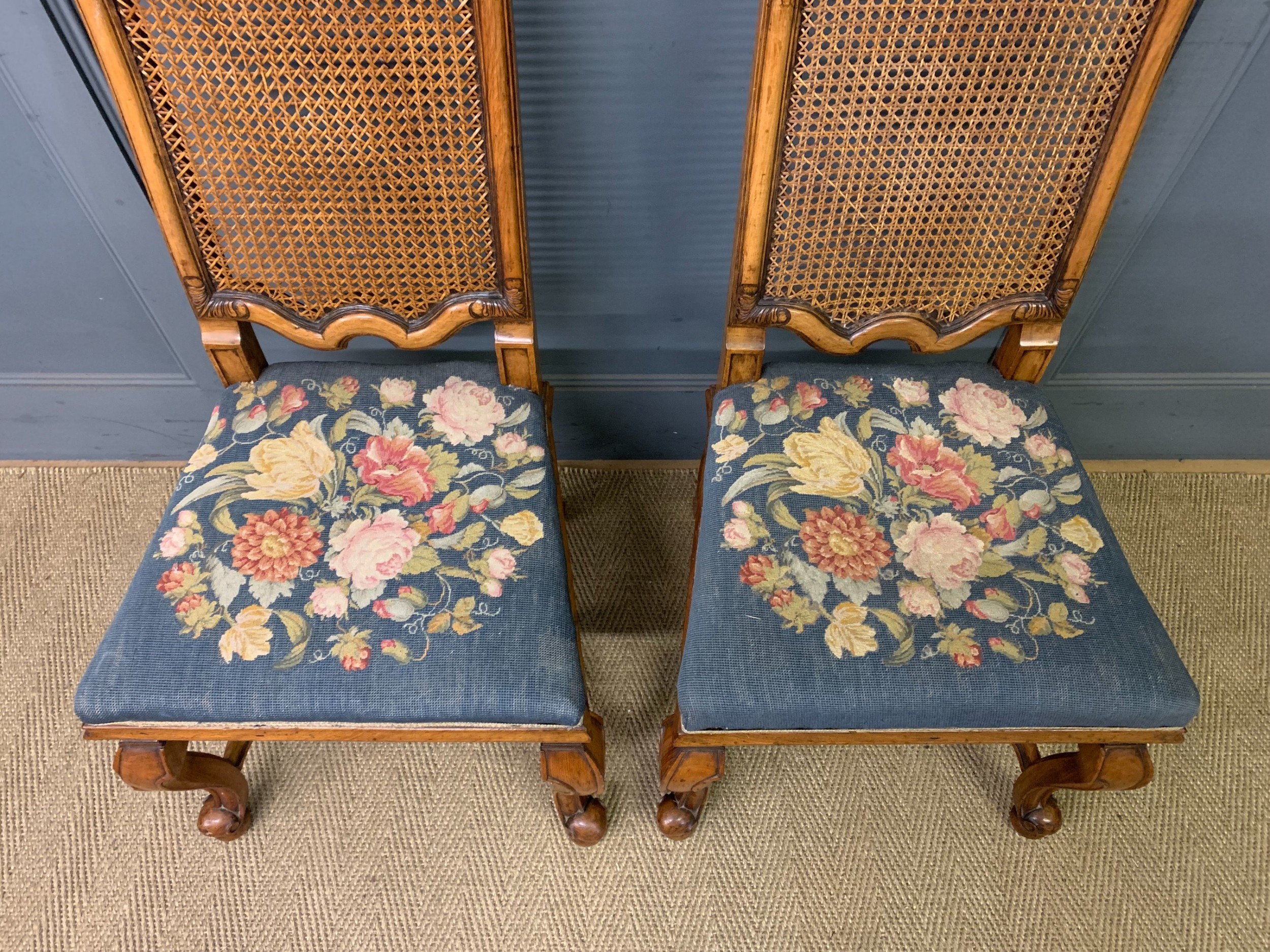
Archive II A pair of carved walnut side chairs with tall woven cane backs, floral tapestry upholstered seats, and scroll legs. View II
Archive III A pair of carved walnut side chairs with tall woven cane backs, floral tapestry upholstered seats, and scroll legs. View III
Archive IV A pair of carved walnut side chairs with tall woven cane backs, floral tapestry upholstered seats, and scroll legs. View IV
Archive V A pair of carved walnut side chairs with tall woven cane backs, floral tapestry upholstered seats, and scroll legs. View V
Archive VI A pair of carved walnut side chairs with tall woven cane backs, floral tapestry upholstered seats, and scroll legs. View VI
Archive VII A pair of carved walnut side chairs with tall woven cane backs, floral tapestry upholstered seats, and scroll legs. View VII
Archive VIII A pair of carved walnut side chairs with tall woven cane backs, floral tapestry upholstered seats, and scroll legs. View VIII
Archive IX A pair of carved walnut side chairs with tall woven cane backs, floral tapestry upholstered seats, and scroll legs. View IX
Archive X A pair of carved walnut side chairs with tall woven cane backs, floral tapestry upholstered seats, and scroll legs. View X
Archive XI A pair of carved walnut side chairs with tall woven cane backs, floral tapestry upholstered seats, and scroll legs. View XI
Archive XII A pair of carved walnut side chairs with tall woven cane backs, floral tapestry upholstered seats, and scroll legs. View XII
Archive XIII A pair of carved walnut side chairs with tall woven cane backs, floral tapestry upholstered seats, and scroll legs. View XIII
Archive XIV A pair of carved walnut side chairs with tall woven cane backs, floral tapestry upholstered seats, and scroll legs. View XIV
Archive XV A pair of carved walnut side chairs with tall woven cane backs, floral tapestry upholstered seats, and scroll legs. View XV
Archive XVI A pair of carved walnut side chairs with tall woven cane backs, floral tapestry upholstered seats, and scroll legs. View XVI
Archive XVII A pair of carved walnut side chairs with tall woven cane backs, floral tapestry upholstered seats, and scroll legs. View XVII
Enlarged Archival View
Telephone 07887 503 904
Location
Units 20 & 19
The Vinery
Poling
West Sussex
BN18 9PY
United Kingdom
Dealer Profile Page sellingantiques.co.uk/camden
Verified Since Jun 2012
Items For Sale 166
Items Sold 2,461
Camden Antiques
Camden Antiques
Verified Since Jun 2012
View Dealer Info
Location: Units 20 & 19, The Vinery, Poling, West Sussex, BN18 9PY, United Kingdom
Verified
Jun 2012
For Sale
166
Sold
2,461
A pair of carved walnut side chairs with tall woven cane backs, floral tapestry upholstered seats, and scroll legs.
Pair of William & Mary Style Walnut Chairs by Waring & Gillow
Ref: SA1195864
A pair of carved walnut side chairs with tall woven cane backs, floral tapestry upholstered seats, and scroll legs.
Detail View 1
Detail View 2
Detail View 3
Detail View 4
Detail View 5
Detail View 6
Detail View 7
Detail View 8
Detail View 9
Detail View 10
Detail View 11
Detail View 12
Detail View 13
Detail View 14
Detail View 15
Detail View 16
Archival Detail
Every single antique dealer on our platform is individually approved by our internal team. We verify their professional trade history, ethical standards, and photographic quality to ensure a secure, high-standard buying environment. Upon joining, every dealer agrees to a strict 9-point code of conduct. While issues can occasionally arise, our dealers typically resolve them swiftly and directly with the buyer. In fact, since our founding in 2002, Sellingantiques has only had to step in to help resolve an issue on roughly five occasions—a true testament to the quality of our dealers and their dedication to your happiness.
Our dealers are highly experienced in packing and shipping fragile, high-value antiques. Because you are in direct contact with the dealer, you will be able to easily go through all available shipping and insurance options together to ensure your item arrives safely.
Antiques are the ultimate green purchase. By choosing historical pieces over newly manufactured goods, you completely eliminate the carbon footprint of modern mass production while preserving exceptional, timeless craftsmanship.

Originating in the late seventeenth century during the joint reign of King William III and Queen Mary II, this style features Dutch and Flemish influences, characterised by tall backs, elaborate carving, turned legs, and the introduction of woven caning and walnut timber.

Walnut was the primary wood during this era, frequently paired with woven cane back inserts, upholstered drop-in or fixed seats, and hand-carved decorative motifs such as cresting scrolls and shell elements.

Key identifying features include tall, narrow backrests with pierced carved crest rails, caned panels, spanish or scroll feet, and decorative serpentine stretchers connecting the legs.

A pair of high-backed walnut chairs functions effectively as accent seating in an entryway, alongside a hallway console table, or flanking a fireplace to provide historical contrast against modern architecture.

Dust carved surfaces regularly using a soft brush, apply a wax polish along the wood grain annually, and keep caned panels away from direct heat sources to prevent dry, brittle cracking.
items
Add keywords to the filter
Price
£100
£250000
Era
Movements
Material
Origin
Stock Location
Freshness
Online Payments
Categories