32,028  PAGES BROWSED TODAY PAGES TODAY 90  ANTIQUES UPLOADED TODAY NEW ARRIVALS
ID #SA1161461
FOR SALE
£4,500
Email
Save
Portrait of Air Vice Marshall Donald Clifford Tyndall Bennett , 1910 –1986 Cb, Cbe & Dso
Artware Fineart
for sale €5,265     $5,715
£4,500

Artware Fineart

Sellingantiques Verified Since Sep 2008
View Dealers Stock Page
Relevant Links
Id #SA1161461
PDF SHARE
SAVE

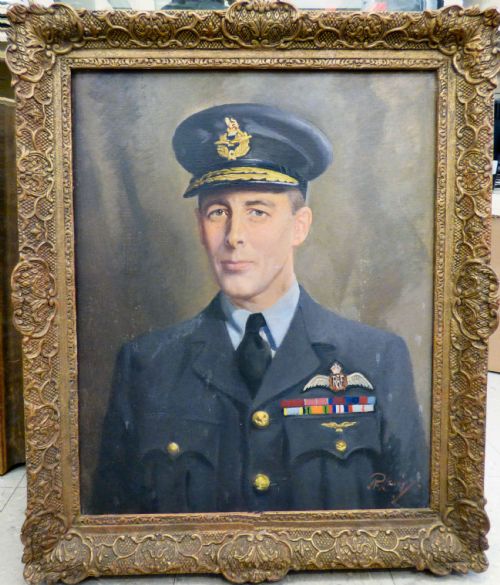
Portrait of Air Vice Marshall Donald Clifford Tyndall Bennett , 1910 –1986 Cb, Cbe & Dso

1920 - 1940
For Sale by Artware Fineart
Description

Reginald Henry Lewis RA 1894–1973

Portrait of Air Vice Marshall Donald Clifford Tyndall Bennett , 1910 –1986 CB, CBE & DSO

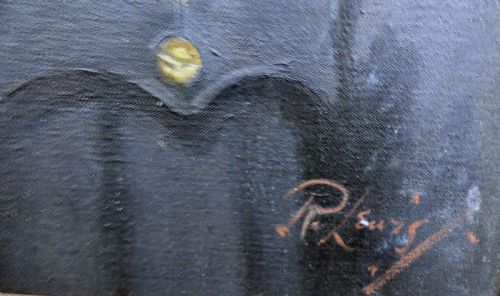
signed " R Lewis"

oil on canvas

58.42 x 48.26 cm

Air Vice Marshal Donald Clifford Tyndall Bennett, CB, CBE, DSO (14 September 1910 – 15 September 1986) was an Australian aviation pioneer and bomber pilot who rose to be the youngest air vice marshal in the Royal Air Force. He led the "Pathfinder Force" (No. 8 Group RAF) from 1942 to the end of the Second World War in 1945. He has been described as "one of the most brilliant technical airmen of his generation: an outstanding pilot, a superb navigator who was also capable of stripping a wireless set or overhauling an engine".

Donald Bennett was born the youngest son of a grazier and business agent in Toowoomba, Queensland. He attended Brisbane Grammar School. After some time working in his father's business, he joined the Royal Australian Air Force in 1930, qualifying at RAAF Point Cook as a pilot on the DH Moth and Westland Wapiti. He transferred to the Royal Air Force a year later. Starting with the flying boats of 210 Squadron, Bennett developed a passion for accurate flying and precise navigation that would never leave him. After a period as an instructor at RAF Calshot, he left the service in 1935 (retaining a reserve commission) to join Imperial Airways. Over the next five years, Bennett specialised in long-distance flights, breaking a number of records and pioneering techniques which would later become commonplace, notably air-to-air refuelling. In 1936 he wrote the first edition of his The complete air navigator: covering the syllabus for the flight navigator's licence (Pitman, London) which he updated several times up to the seventh edition in 1967. In July 1938 he piloted the Mercury part of the Short Mayo Composite flying-boat across the Atlantic; this flight earned him the Oswald Watt Gold Medal for that year.
During 1940 Bennett's long-distance expertise was set to work setting up the Atlantic Ferry Organization tasked with the wartime delivery of thousands of aircraft manufactured in the United States and Canada to the United Kingdom. At that time, a transatlantic flight was a significant event, but the Atlantic Ferry project proved remarkably successful and demonstrated that with suitable training even inexperienced pilots could safely deliver new aircraft across the North Atlantic.
Bennett was recommissioned in 1941 in the Royal Air Force Volunteer Reserve as a squadron leader. His first task was to oversee the formation of the Elementary Air Navigation School, Eastbourne, for the initial training of observers (later navigators). However, he was promoted to wing commander, and appointed to the command of No. 77 Squadron, based at RAF Leeming and flying Whitleys in 4 Group, Bomber Command, on 7 December 1941.
In April 1942, No. 77 Squadron was transferred to Coastal Command and Bennett was given command of No. 10 Squadron (Handley Page Halifax) and shortly afterwards led a raid on the German battleship Tirpitz. Shot down during that raid, he evaded capture and escaped to Sweden, from where he was able to return to Britain; he and his copilot were awarded the Distinguished Service Order (DSO) on 16 June 1942.
In July 1942, Bennett was appointed to command the new Pathfinder Force (PFF), an elite unit tasked with improving RAF Bomber Command's navigation. At this stage of the war, Bomber Command had begun to make night-time raids deep into Germany, but had not yet been able to cause significant damage, largely because only about a quarter of the bomb loads were delivered "on target" — and this at a time when "on target" was defined as within three miles of the aim point.

Pathfinder Force was set up to lead the bomber stream to the target areas and drop markers for the remainder of the force to aim at. Later in the war

Physical Dimensions
Height
58.4cm (22.99")
Width
48.3cm (19.02")
Depth
2cm (0.79")
Declaration

Artware Fineart has dated this Raf Officer Portrait Painting to the 1940s.

Reference Numbers
Sellingantiques Reference
SA1161461
Dealers Internal Reference
5179
Description
Reginald Henry Lewis RA 1894–1973

Portrait of Air Vice Marshall Donald Clifford Tyndall Bennett , 1910 –1986 CB, CBE & DSO

signed " R Lewis"

oil on canvas

58.42 x 48.26 cm

Air Vice Marshal Donald Clifford Tyndall Bennett, CB, CBE, DSO (14 September 1910 – 15 September 1986) was an Australian aviation pioneer and bomber pilot who rose to be the youngest air vice marshal in the Royal Air Force. He led the "Pathfinder Force" (No. 8 Group RAF) from 1942 to the end of the Second World War in 1945. He has been described as "one of the most brilliant technical airmen of his generation: an outstanding pilot, a superb navigator who was also capable of stripping a wireless set or overhauling an engine".

Donald Bennett was born the youngest son of a grazier and business agent in Toowoomba, Queensland. He attended Brisbane Grammar School.

After some time working in his father's business, he joined the Royal Australian Air Force in 1930, qualifying at RAAF Point Cook as a pilot on the DH Moth and Westland Wapiti.
Artware Fineart

He transferred to the Royal Air Force a year later. Starting with the flying boats of 210 Squadron, Bennett developed a passion for accurate flying and precise navigation that would never leave him. After a period as an instructor at RAF Calshot, he left the service in 1935 (retaining a reserve commission) to join Imperial Airways. Over the next five years, Bennett specialised in long-distance flights, breaking a number of records and pioneering techniques which would later become commonplace, notably air-to-air refuelling. In 1936 he wrote the first edition of his The complete air navigator: covering the syllabus for the flight navigator's licence (Pitman, London) which he updated several times up to the seventh edition in 1967. In July 1938 he piloted the Mercury part of the Short Mayo Composite flying-boat across the Atlantic; this flight earned him the Oswald Watt Gold Medal for that year.

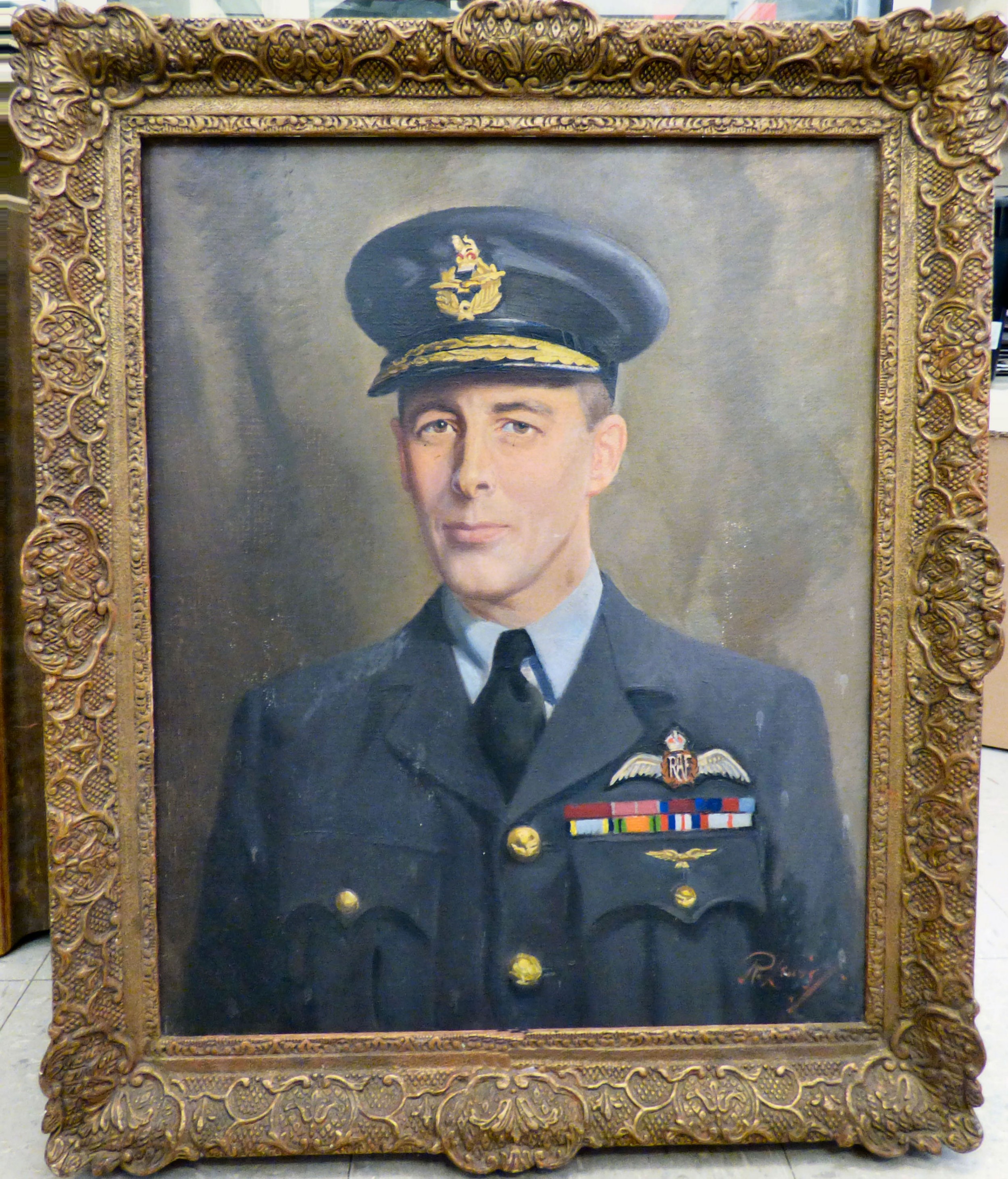
fig 1. An oil portrait depicting Air Vice Marshal Donald Bennett wearing a mid-blue RAF uniform with pilot wings and medals.
fig 1. Portrait of Air Vice Marshall Donald Clifford Tyndall Bennett , 1910 –1986 Cb, Cbe & Dso

During 1940 Bennett's long-distance expertise was set to work setting up the Atlantic Ferry Organization tasked with the wartime delivery of thousands of aircraft manufactured in the United States and Canada to the United Kingdom. At that time, a transatlantic flight was a significant event, but the Atlantic Ferry project proved remarkably successful and demonstrated that with suitable training even inexperienced pilots could safely deliver new aircraft across the North Atlantic.

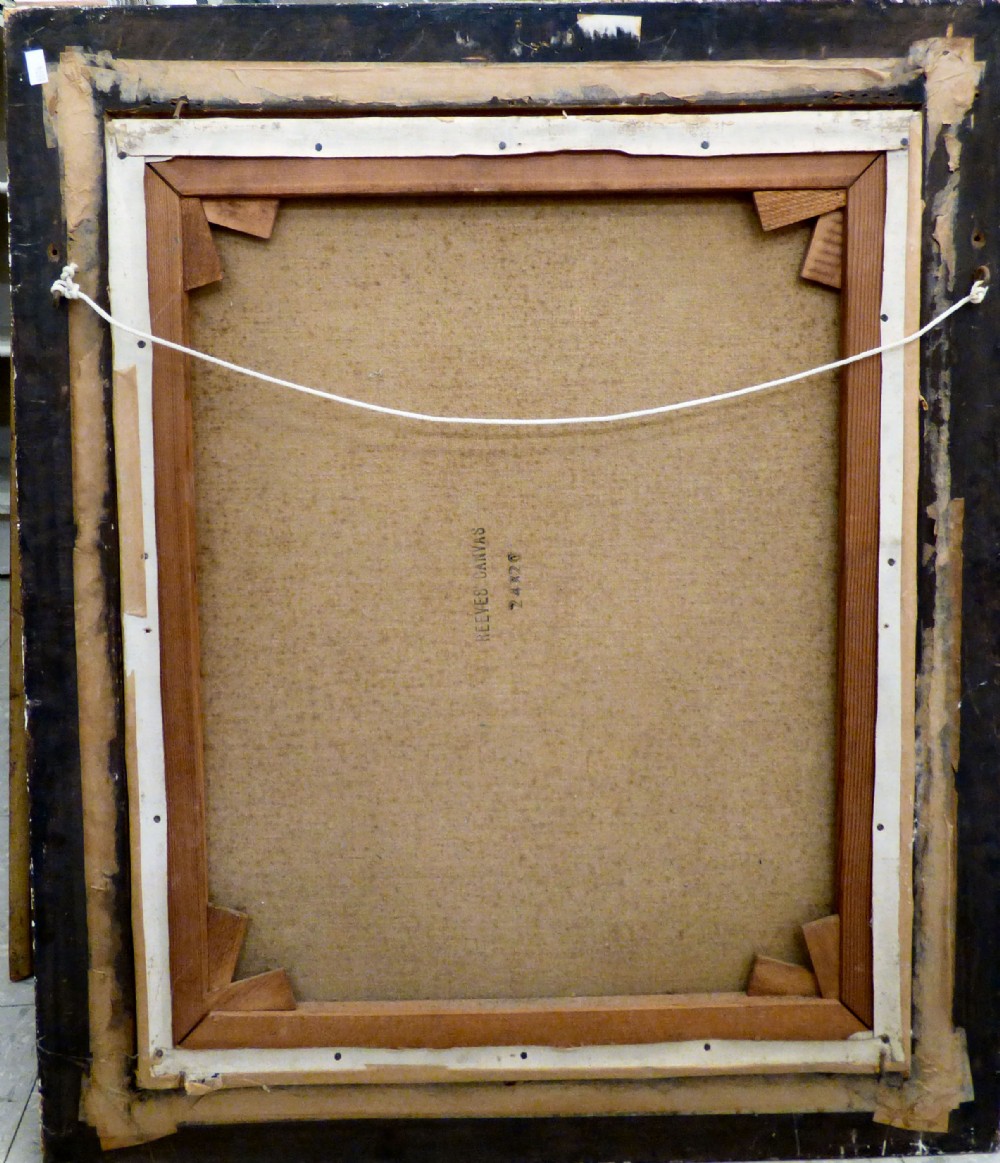
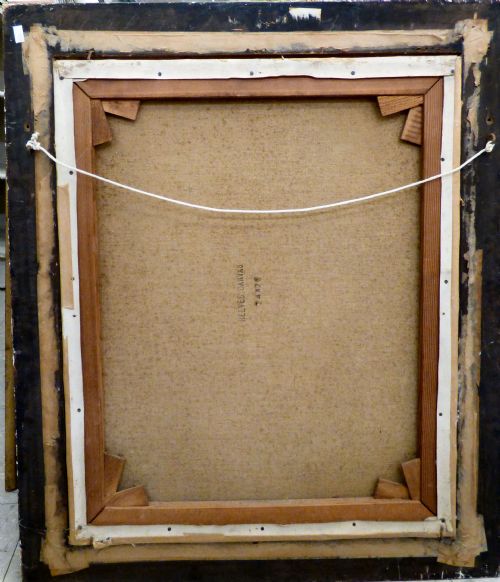
fig 2. An oil portrait depicting Air Vice Marshal Donald Bennett wearing a mid-blue RAF uniform with pilot wings and medals.
fig 2. Portrait of Air Vice Marshall Donald Clifford Tyndall Bennett , 1910 –1986 Cb, Cbe & Dso

Bennett was recommissioned in 1941 in the Royal Air Force Volunteer Reserve as a squadron leader. His first task was to oversee the formation of the Elementary Air Navigation School, Eastbourne, for the initial training of observers (later navigators). However, he was promoted to wing commander, and appointed to the command of No. 77 Squadron, based at RAF Leeming and flying Whitleys in 4 Group, Bomber Command, on 7 December 1941.

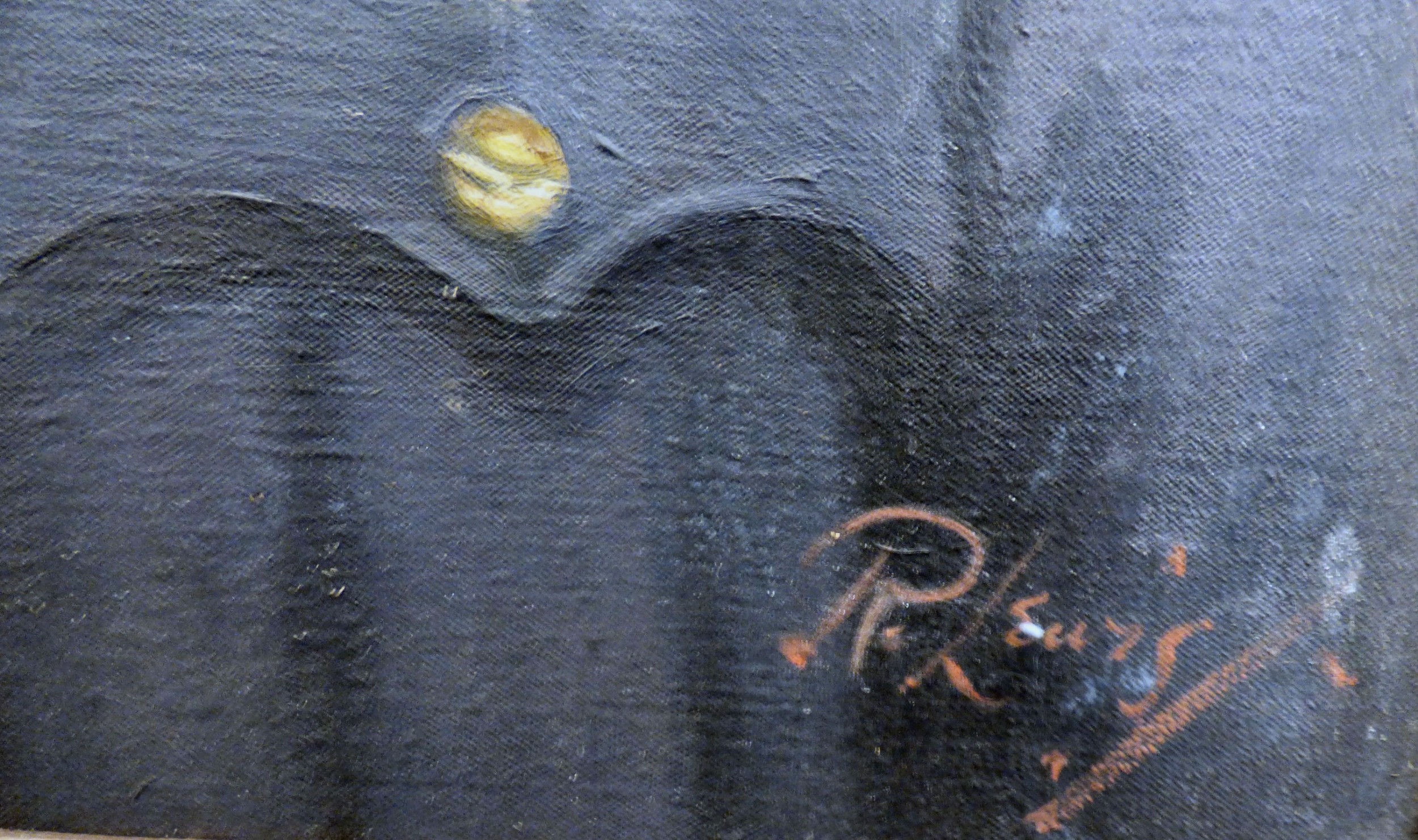
fig 3. An oil portrait depicting Air Vice Marshal Donald Bennett wearing a mid-blue RAF uniform with pilot wings and medals.
fig 3. Portrait of Air Vice Marshall Donald Clifford Tyndall Bennett , 1910 –1986 Cb, Cbe & Dso

In April 1942, No. 77 Squadron was transferred to Coastal Command and Bennett was given command of No. 10 Squadron (Handley Page Halifax) and shortly afterwards led a raid on the German battleship Tirpitz. Shot down during that raid, he evaded capture and escaped to Sweden, from where he was able to return to Britain; he and his copilot were awarded the Distinguished Service Order (DSO) on 16 June 1942.

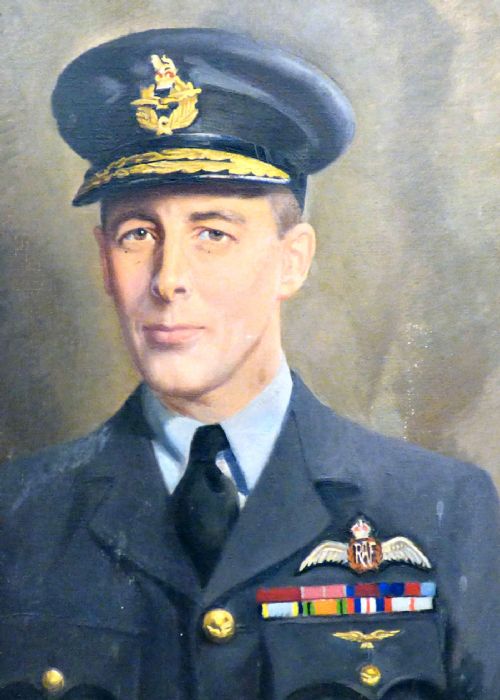
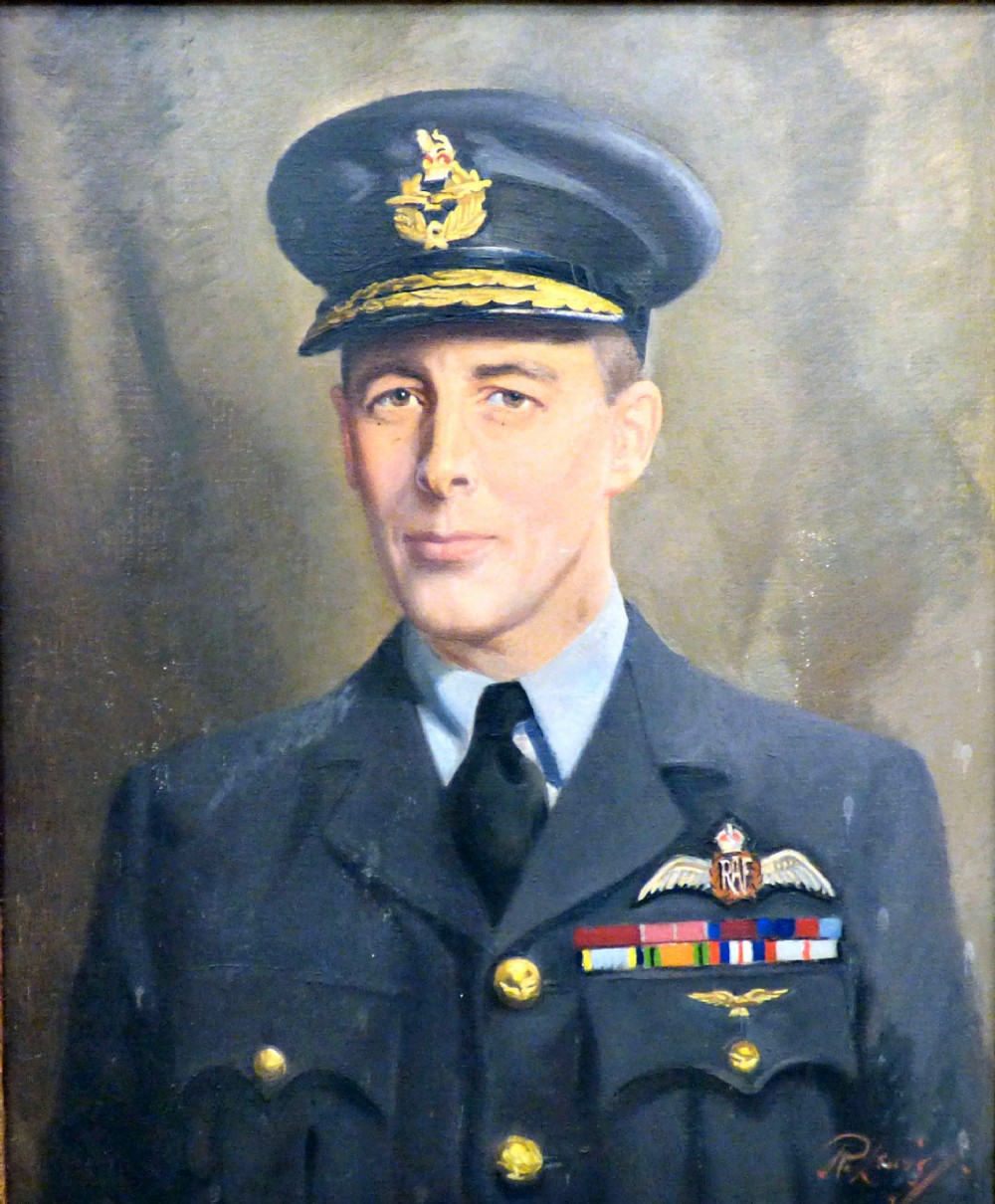
fig 4. An oil portrait depicting Air Vice Marshal Donald Bennett wearing a mid-blue RAF uniform with pilot wings and medals.
fig 4. Portrait of Air Vice Marshall Donald Clifford Tyndall Bennett , 1910 –1986 Cb, Cbe & Dso

In July 1942, Bennett was appointed to command the new Pathfinder Force (PFF), an elite unit tasked with improving RAF Bomber Command's navigation. At this stage of the war, Bomber Command had begun to make night-time raids deep into Germany, but had not yet been able to cause significant damage, largely because only about a quarter of the bomb loads were delivered "on target" — and this at a time when "on target" was defined as within three miles of the aim point.

Pathfinder Force was set up to lead the bomber stream to the target areas and drop markers for the remainder of the force to aim at. Later in the war

Height
58.4cm (22.99")
Width
48.3cm (19.02")
Depth
2cm (0.79")
Date of Manufacture

Artware Fineart has dated this Raf Officer Portrait Painting to the 1940s.

Reference Numbers
Sellingantiques Ref
SA1161461
Dealers Internal Ref
5179
Artware Fineart
Sellingantiques verified Since Sep 2008
Dealer Profile

You can view the stock and full dealer information on the Artware Fineart Profile Page
Relevant Links
PDF SHARE
SAVE
An oil portrait depicting Air Vice Marshal Donald Bennett wearing a mid-blue RAF uniform with pilot wings and medals.
1 / 5
Archive I An oil portrait depicting Air Vice Marshal Donald Bennett wearing a mid-blue RAF uniform with pilot wings and medals.

Portrait of Air Vice Marshall Donald Clifford Tyndall Bennett , 1910 –1986 Cb, Cbe & Dso
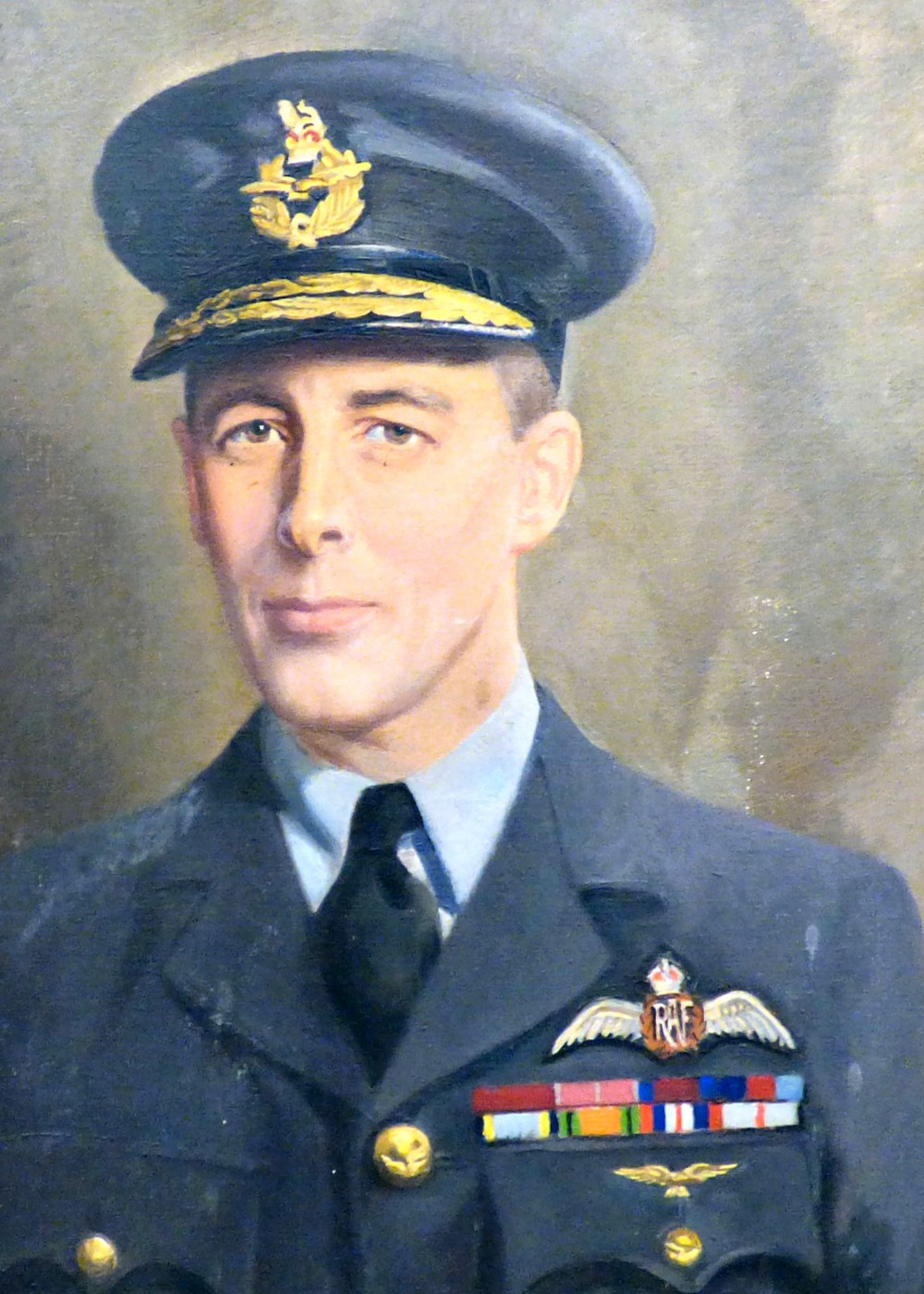
Archive II An oil portrait depicting Air Vice Marshal Donald Bennett wearing a mid-blue RAF uniform with pilot wings and medals. View II
Archive III An oil portrait depicting Air Vice Marshal Donald Bennett wearing a mid-blue RAF uniform with pilot wings and medals. View III
Archive IV An oil portrait depicting Air Vice Marshal Donald Bennett wearing a mid-blue RAF uniform with pilot wings and medals. View IV
Archive V An oil portrait depicting Air Vice Marshal Donald Bennett wearing a mid-blue RAF uniform with pilot wings and medals. View V
Enlarged Archival View
Telephone 07958 699 645
Location
18 La Gare
51 Surrey Row
London
SE1 0BZ
United Kingdom
Verified Since Sep 2008
Items For Sale 243
Items Sold 223
Artware Fineart
Verified Since Sep 2008
View Dealer Info
Location: 18 La Gare , 51 Surrey Row , London , SE1 0BZ , United Kingdom
Verified
Sep 2008
For Sale
243
Sold
223
An oil portrait depicting Air Vice Marshal Donald Bennett wearing a mid-blue RAF uniform with pilot wings and medals.
Portrait of Air Vice Marshall Donald Clifford Tyndall Bennett , 1910 –1986 CB, CBE & DSO
Ref: SA1161461
An oil portrait depicting Air Vice Marshal Donald Bennett wearing a mid-blue RAF uniform with pilot wings and medals.
Detail View 1
Detail View 2
Detail View 3
Detail View 4
Archival Detail
Every single antique dealer on our platform is individually approved by our internal team. We verify their professional trade history, ethical standards, and photographic quality to ensure a secure, high-standard buying environment. Upon joining, every dealer agrees to a strict 9-point code of conduct. While issues can occasionally arise, our dealers typically resolve them swiftly and directly with the buyer. In fact, since our founding in 2002, Sellingantiques has only had to step in to help resolve an issue on roughly five occasions—a true testament to the quality of our dealers and their dedication to your happiness.
Our dealers are highly experienced in packing and shipping fragile, high-value antiques. Because you are in direct contact with the dealer, you will be able to easily go through all available shipping and insurance options together to ensure your item arrives safely.
Antiques are the ultimate green purchase. By choosing historical pieces over newly manufactured goods, you completely eliminate the carbon footprint of modern mass production while preserving exceptional, timeless craftsmanship.

Mid-20th-century British military portraiture typically depicts high-ranking service members in formal uniform, capturing precise regimental details, insignia, and medals. These portraits served both official record-keeping purposes and family commemorations during and after World War II.

Most formal military portraits from this era were executed using oil paints on stretched linen or canvas, though timber board was also utilized. Frame mouldings were traditionally crafted from gilt wood or dark polished hardwoods.

Authentic period portraits feature correct historic uniforms, ribbon bars, and rank insignia consistent with the subjects service record. Look for genuine surface craquelure, period artist signatures, and age-appropriate canvas oxidation on the reverse.

A mid-century military portrait adds structure and historic character when hung against dark blue, green, or charcoal walls in a study or library setting. Combining it with clean-lined modern furniture creates an intriguing dialogue between historic heritage and contemporary design.

Keep oil paintings away from direct sunlight, extreme humidity fluctuations, and direct heat sources. Dust gently with a soft, dry camel-hair brush, and consult a qualified fine art conservator for surface cleaning or varnish restoration.
items
Add keywords to the filter
Price
£100
£250000
Era
Movements
Material
Origin
Stock Location
Freshness
Online Payments
Categories