6,829  PAGES BROWSED TODAY PAGES TODAY 0  ANTIQUES UPLOADED TODAY NEW ARRIVALS
ID #SA1122401
FOR SALE
£4,500
Email
Save
19th Century Scottish Equestrian Oil Painting of a Horse Fair
Antiques Decorative (Sussex)
for sale €5,265     $5,715
£4,500
Antiques Decorative (Sussex)

Antiques Decorative (Sussex)

Sellingantiques Verified Since May 2024
View Dealers Stock Page
  • About Us
    Timeless treasures: elevate your space with decorative art and antiques
Id #SA1122401
PDF SHARE
SAVE

19th Century Scottish Equestrian Oil Painting of a Horse Fair

19th century
Description

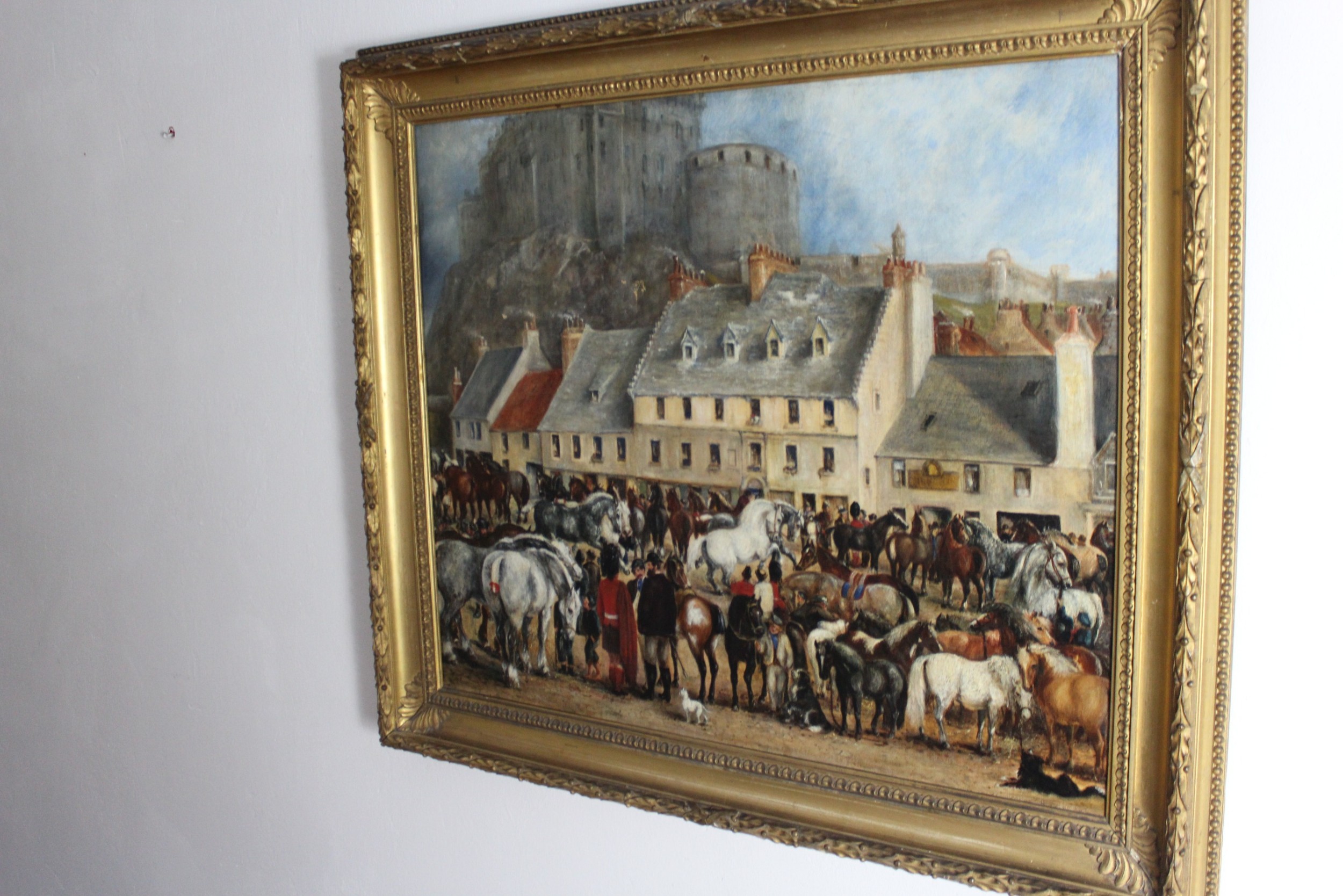
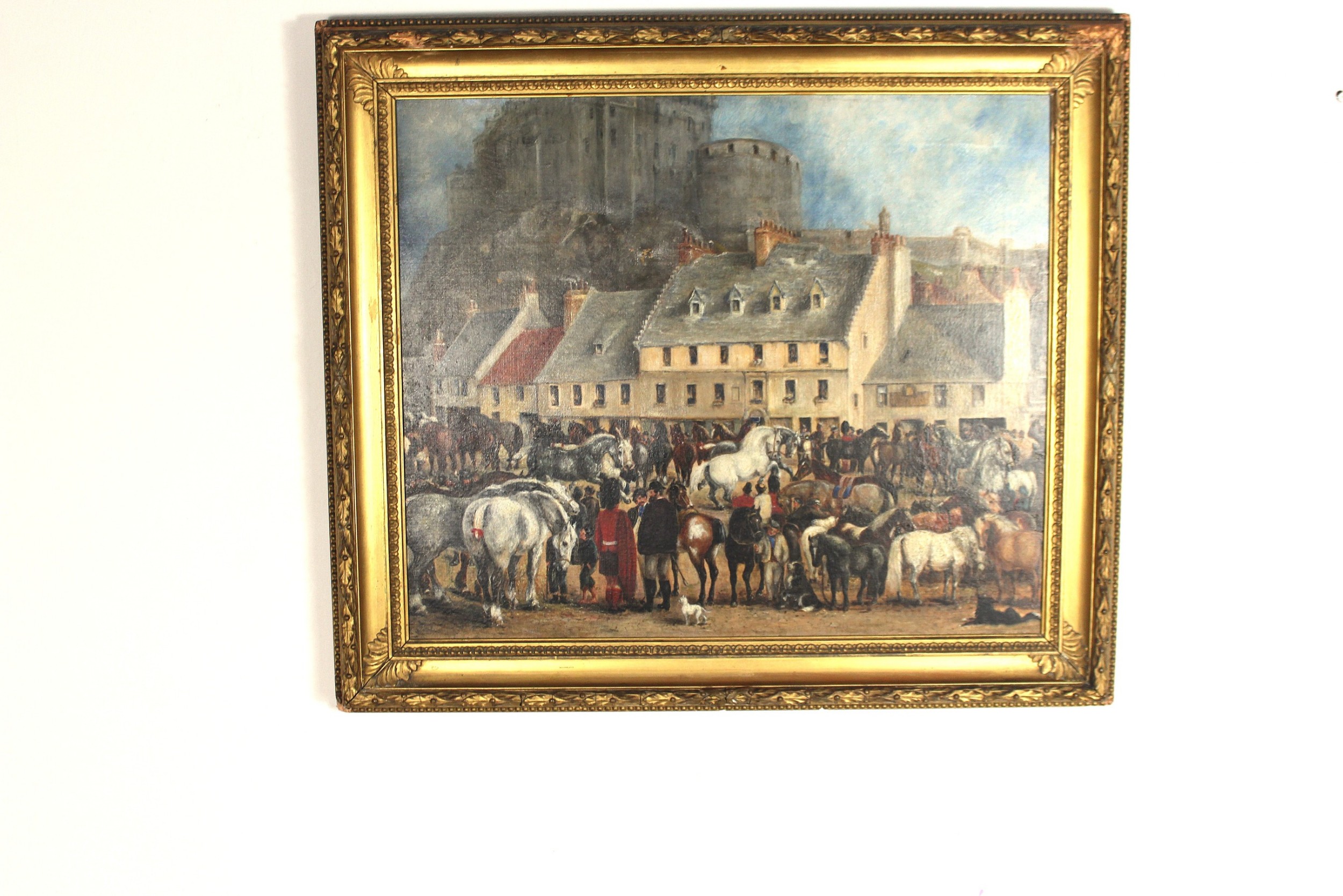
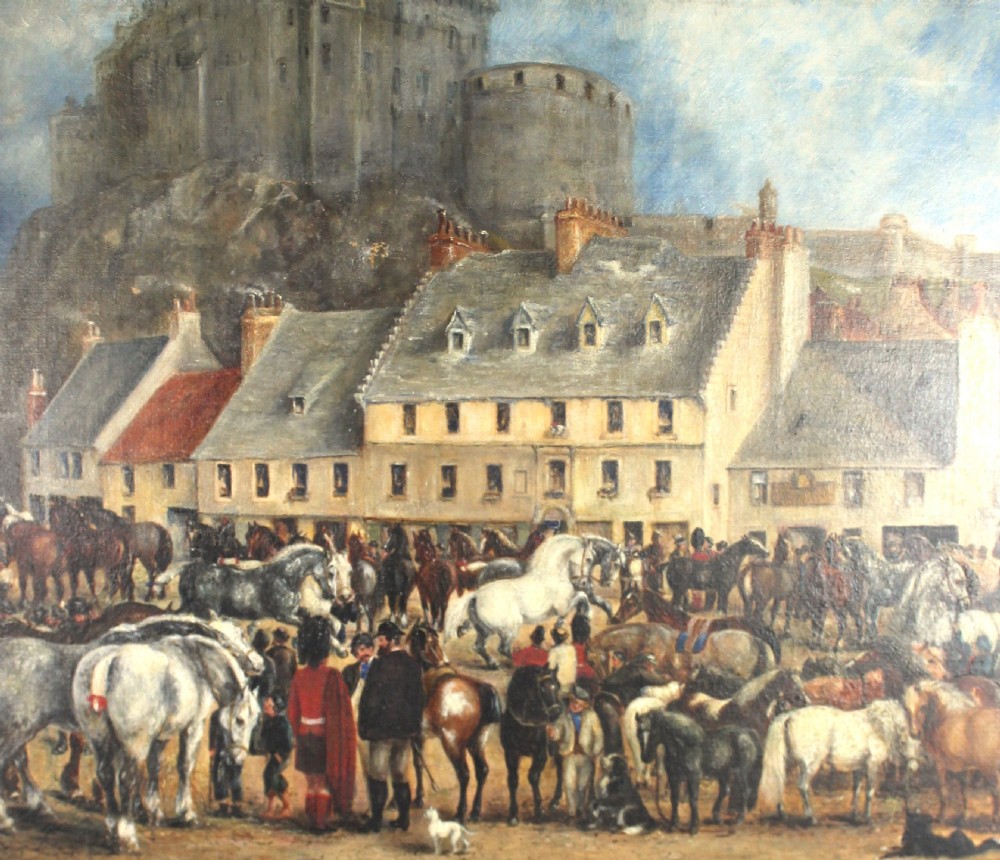
19th-century Horsefair Grassmarket Edinburgh Scotland

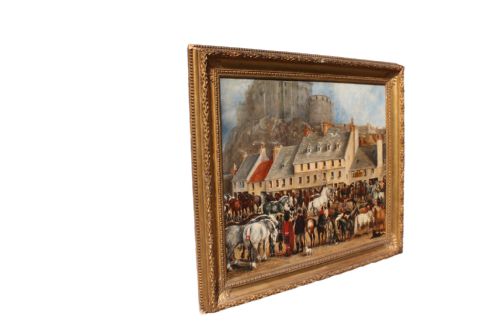
Follower of Rosa Bonheur, a Scottish artist, oil on canvas
19th-Century Horse Fair in Grassmarket, Edinburgh, Scotland: A Historical, Economic, and Artistic Legacy

Styled interiors are for presentation purposes and intended to inspire. Final layout may vary

The 19th-century horse fair in the Grassmarket of Edinburgh, Scotland, stands as a remarkable testament to a bygone era when horses were the lifeblood of urban commerce and social gatherings. This traditional Edinburgh horse fair not only served as a crucial hub for trade and economic exchange but also became an enduring symbol of Scottish cultural heritage. The event’s legacy lives on in art, local traditions, and even in the memorabilia sought after by collectors today. Below is an in-depth exploration of this historic event presented as an ordered list that covers every facet of its significance.
A Follower of Rosa Bonheur and the Artistic Inspiration 1.1 Rosa Bonheur’s Influence on Scottish Art:

The 19th-century horse fair at Grassmarket has long inspired artists, much like the celebrated French painter Rosa Bonheur, known for her lifelike depictions of horses. As a follower of Rosa Bonheur, Scottish artists captured the bustling energy and realism of the event, evoking the spirit of a 19th-century Scottish fair.
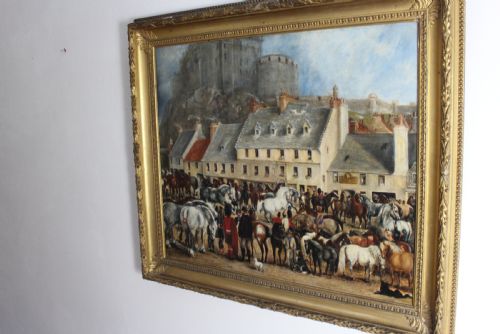
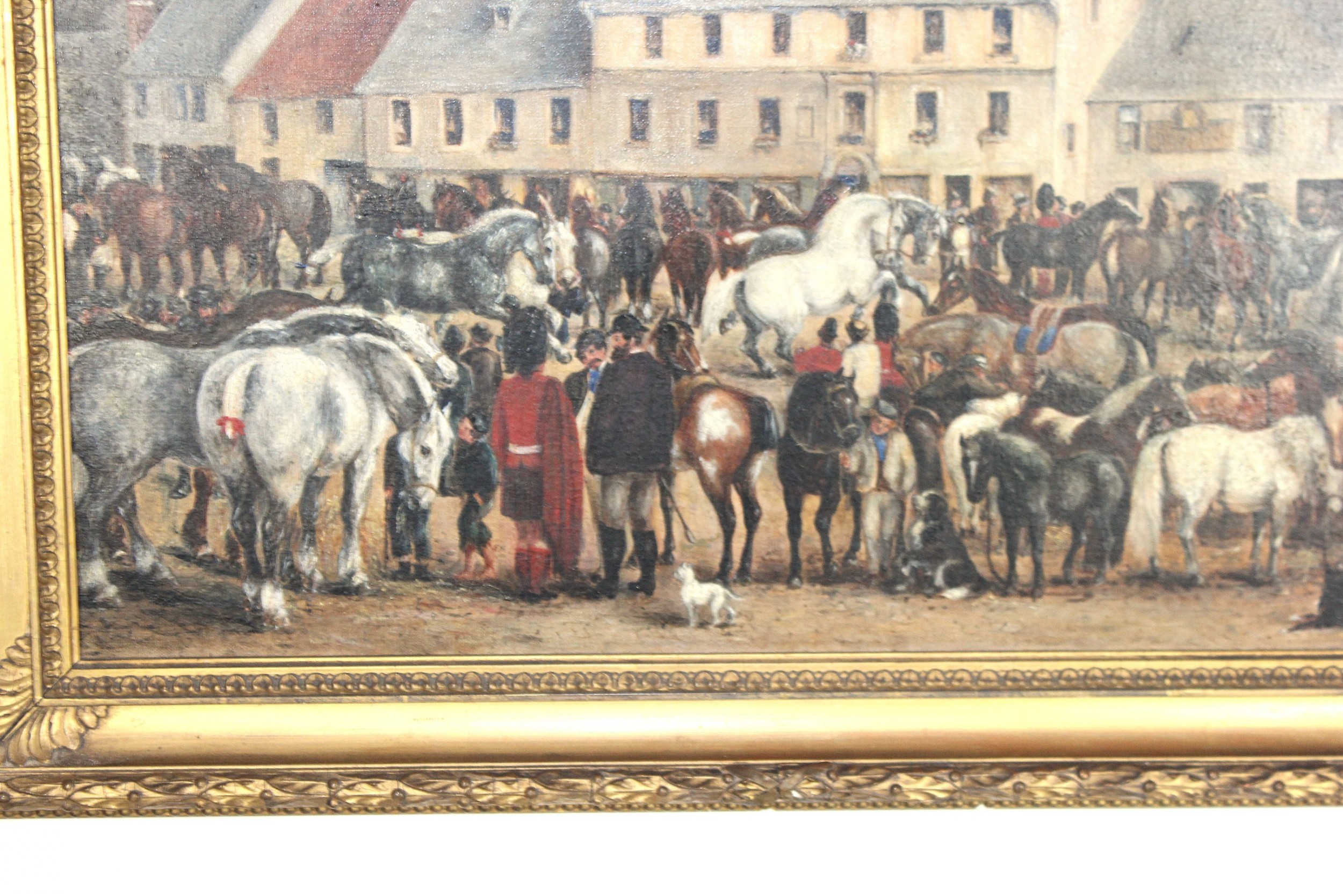
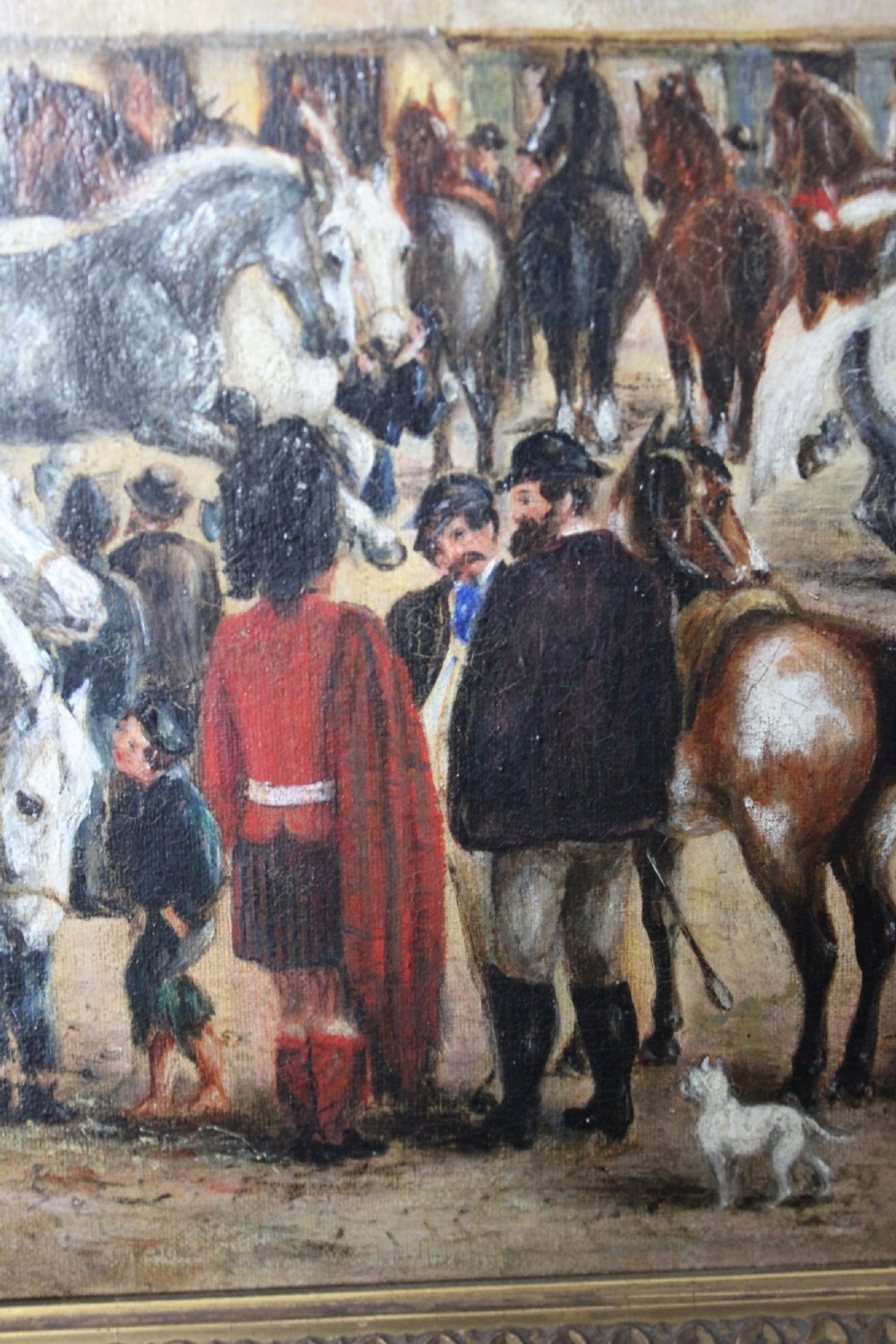
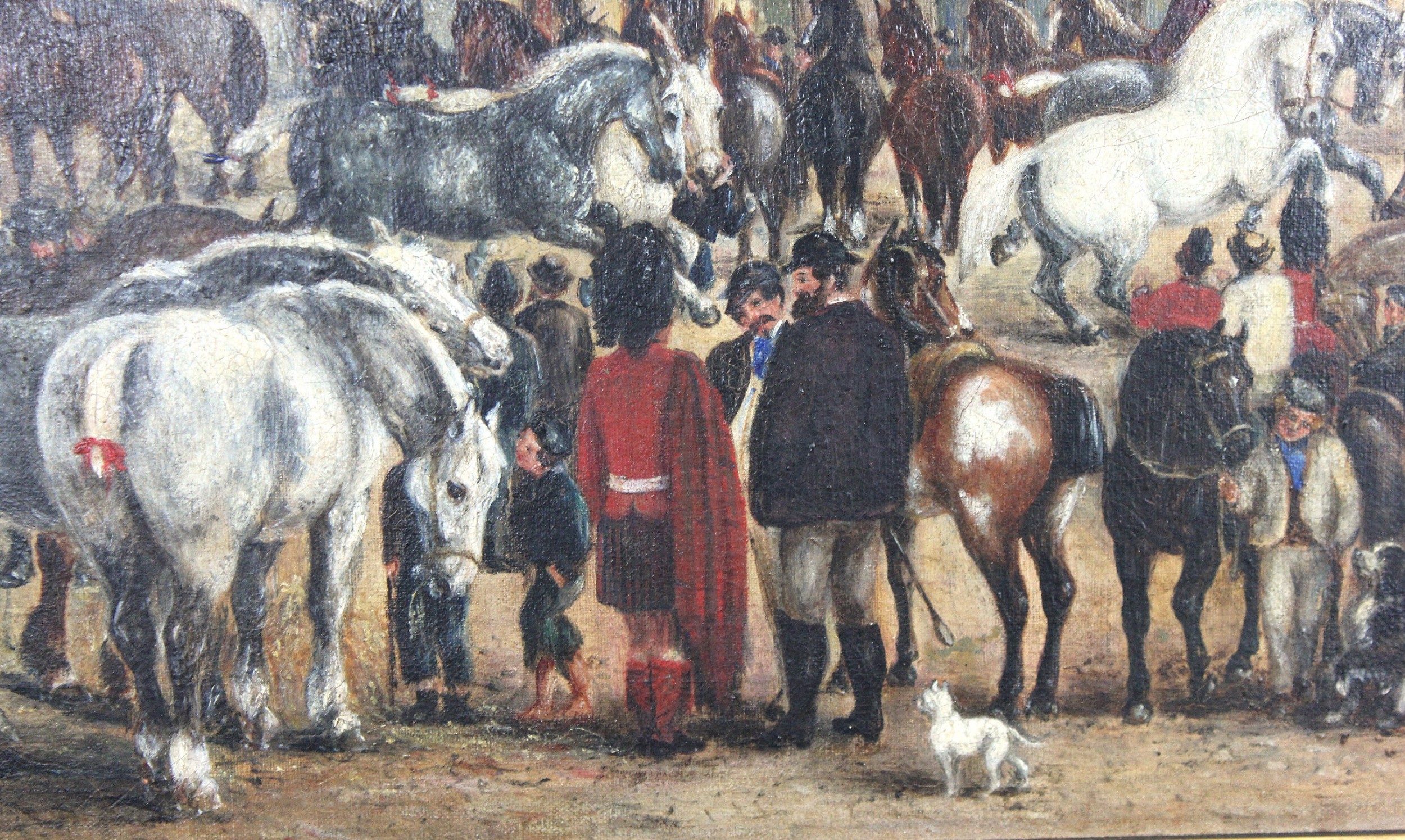
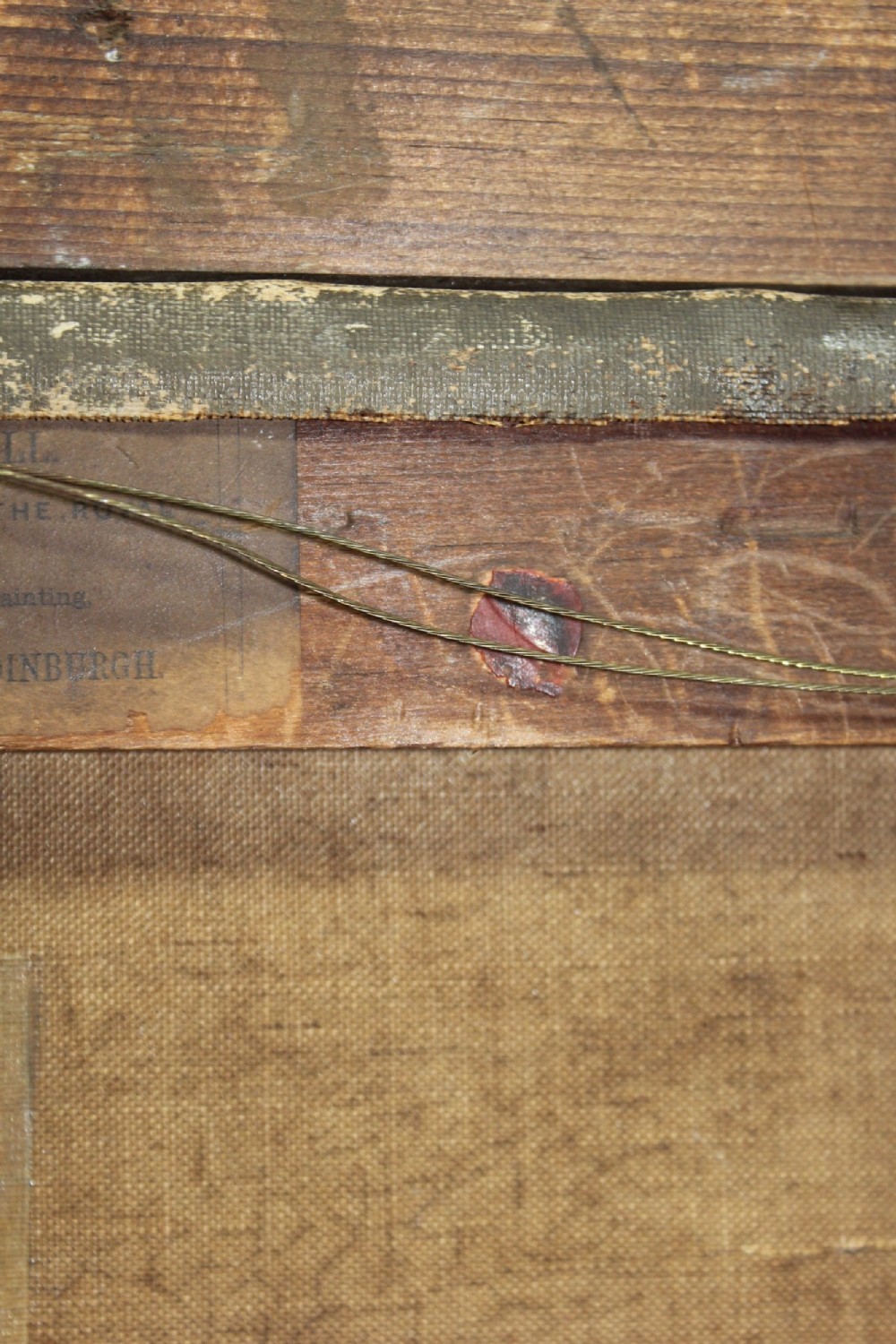
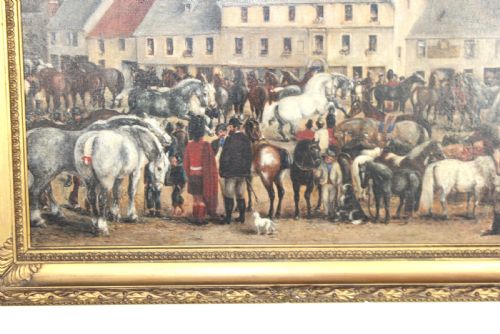
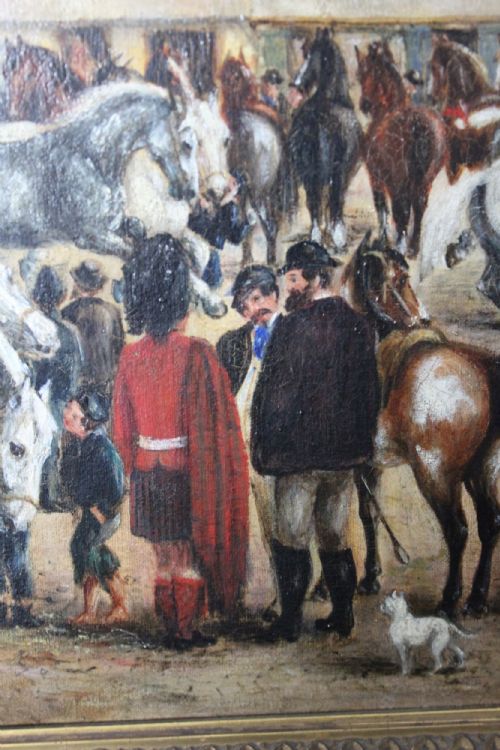
One notable painting, inspired by Bonheur’s techniques, began its tour in February 1856 and traveled from Liverpool to Manchester and Birmingham before reaching Edinburgh. This journey culminated at the ALEXANDER HILL GALLERY, where the painting was admired for its detailed portrayal of horses, dogs, people, and even the Queen’s Guards mingling with the crowd.
1.2 Artistic Composition and Technique:

Composition:

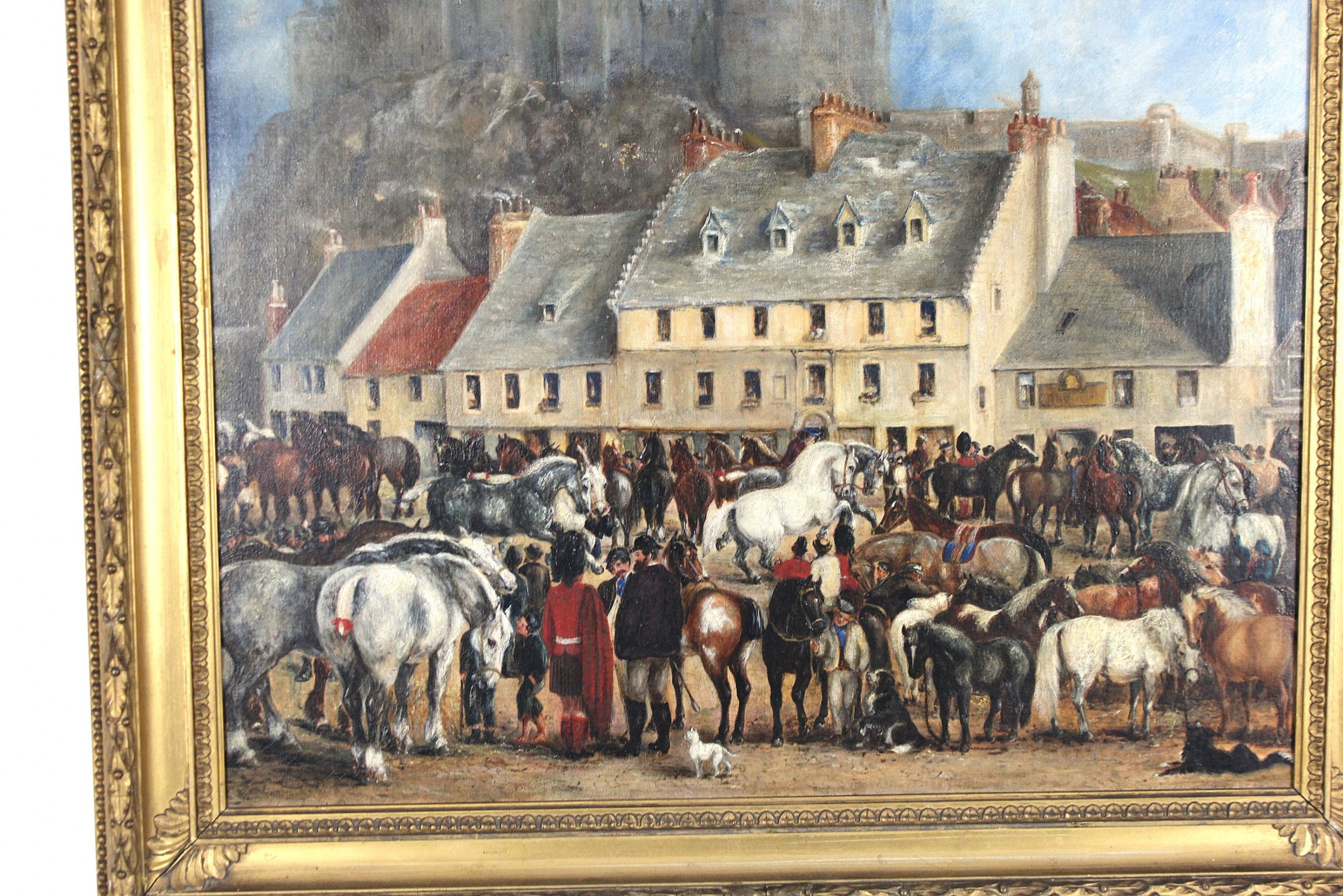
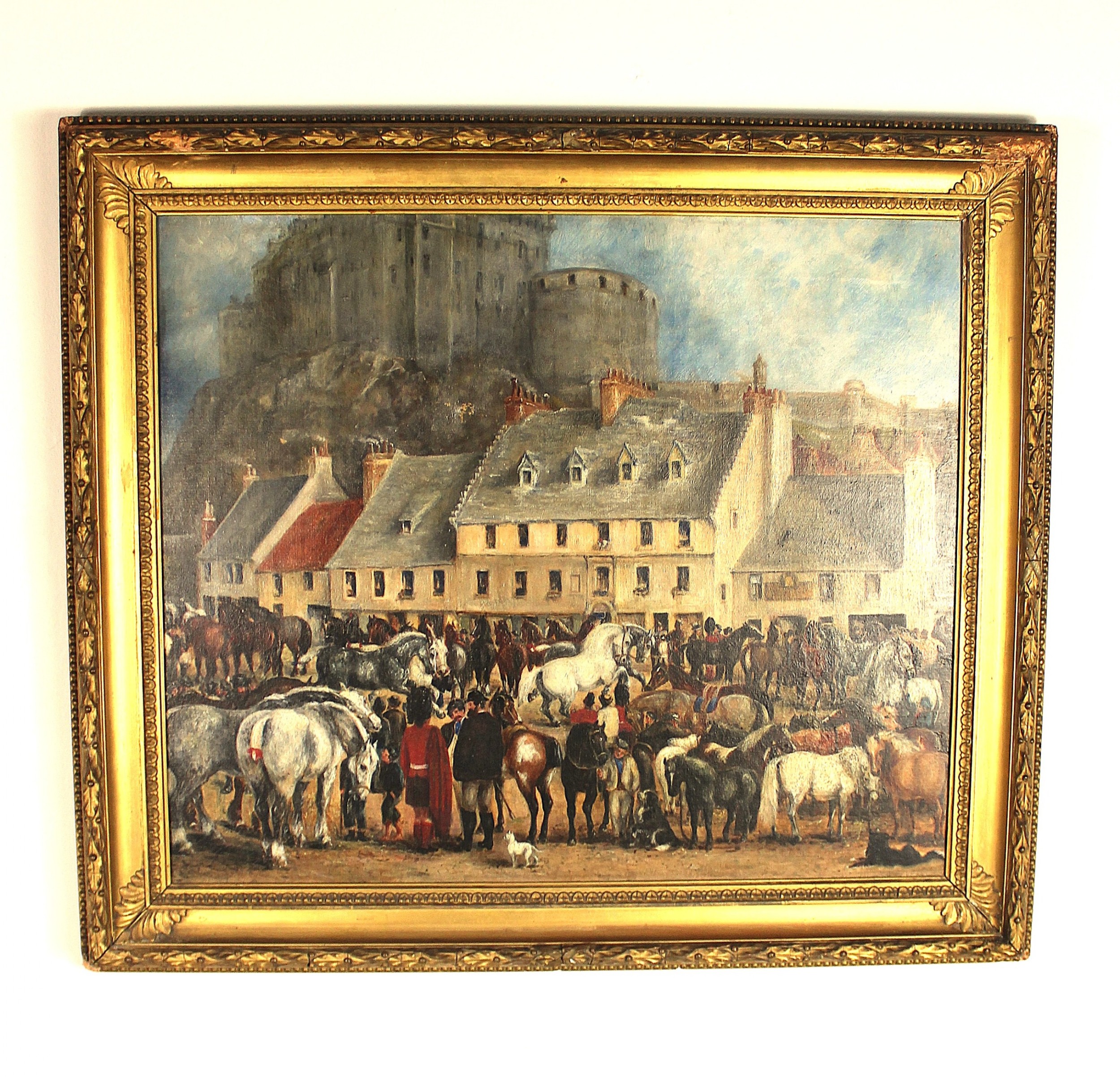
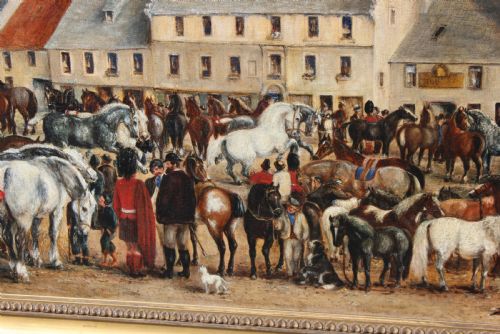
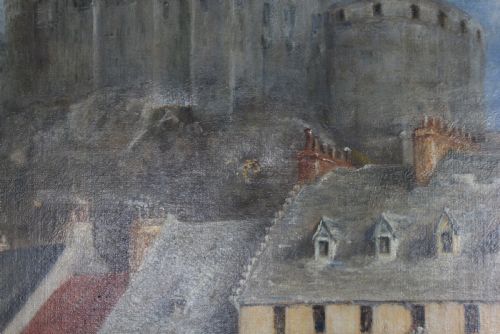
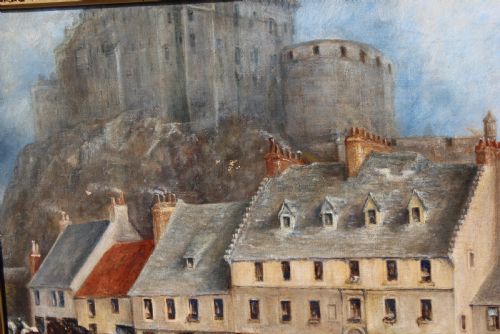
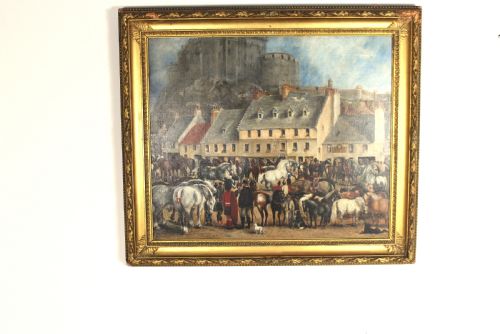
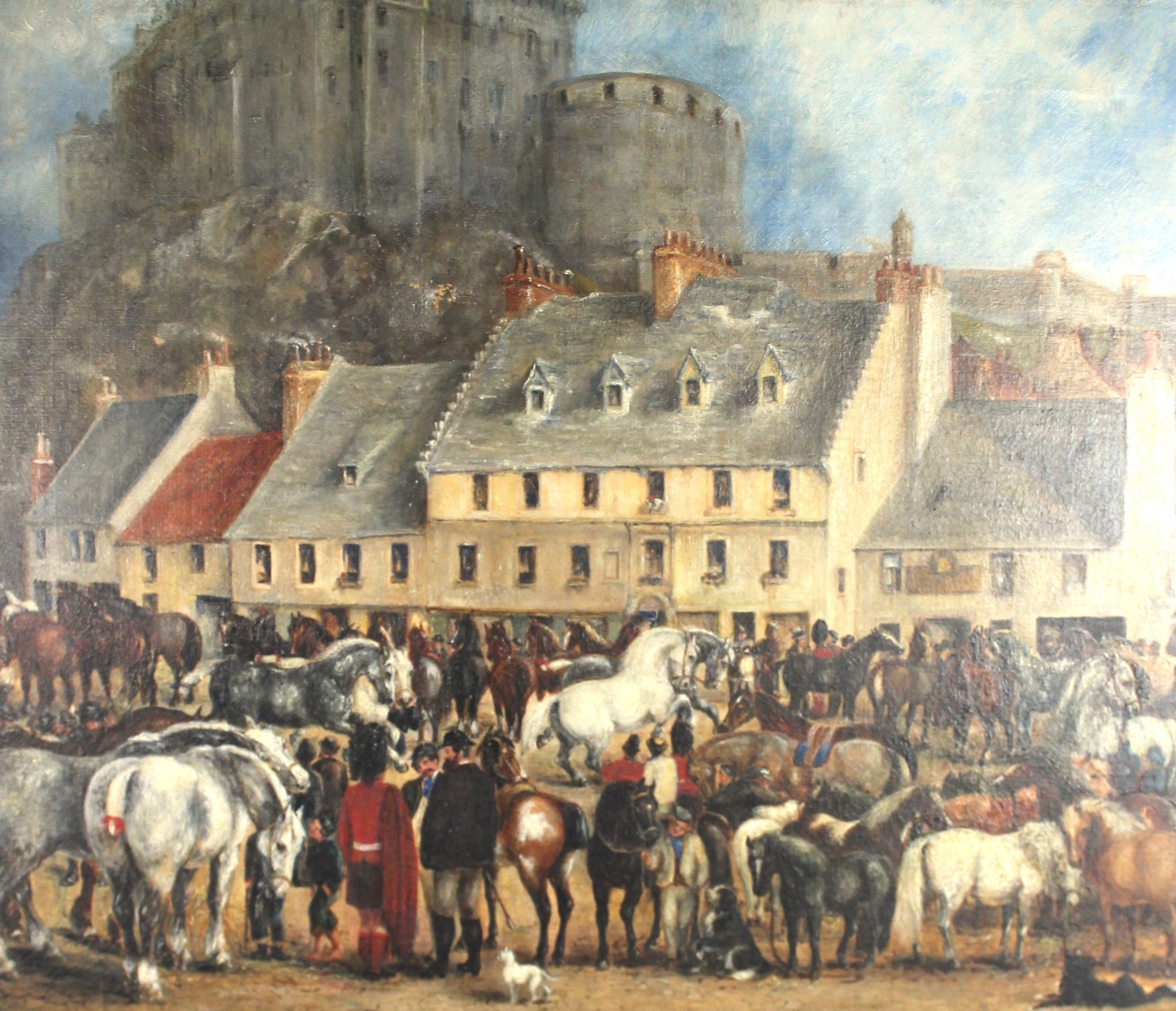
The central focus of the painting is a lively crowd of people and horses that draws the viewer’s eye to the heart of the scene. The background, featuring Edinburgh Castle and traditional houses, creates depth and frames the bustling marketplace perfectly.
Use of Color:

Dominated by earth tones, the painting conveys a natural and realistic feel, while vibrant pops of red in clothing and rooftops provide contrast and balance. This artistic choice reflects the authentic vibrancy of the historic horse fair.
Brushwork:

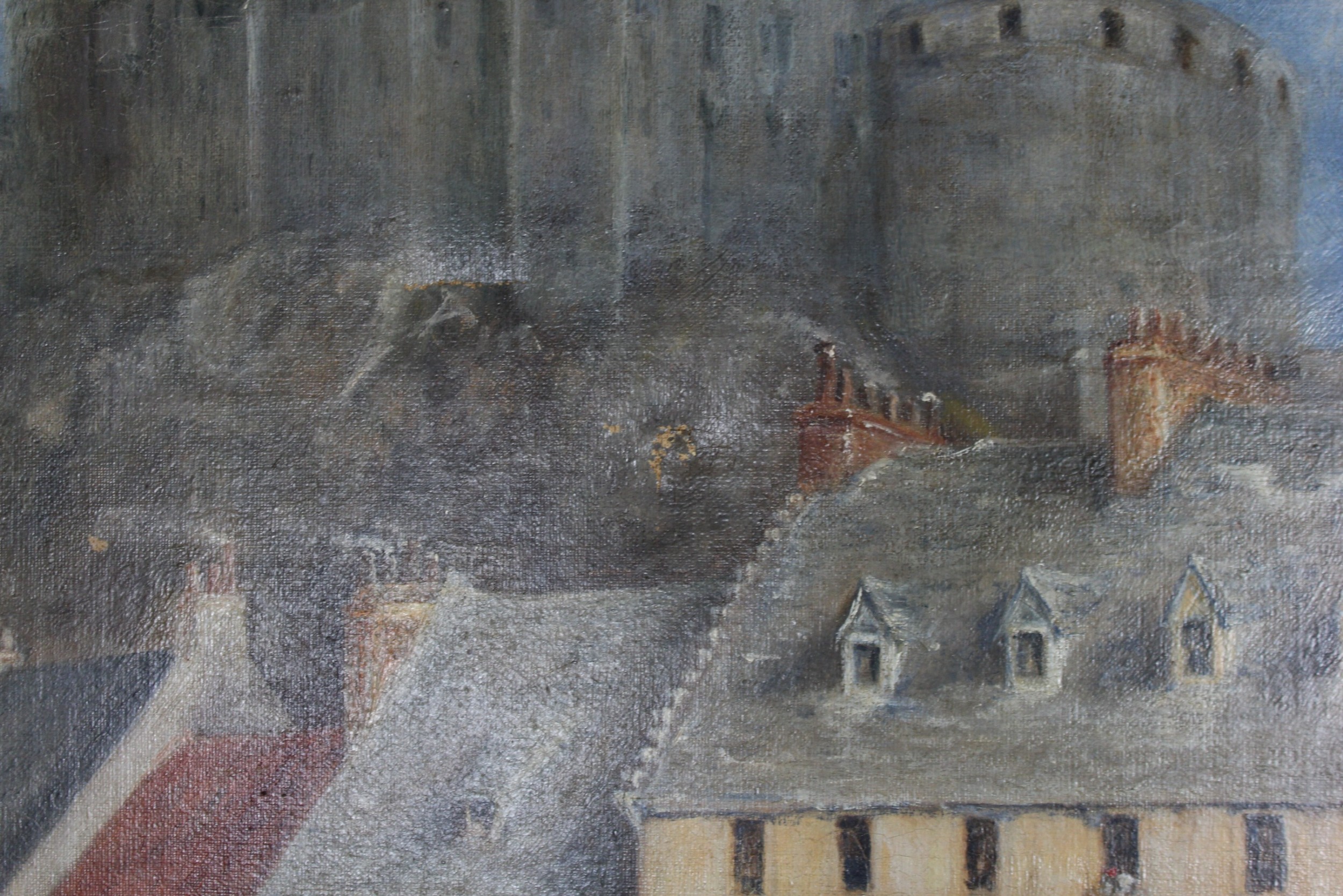
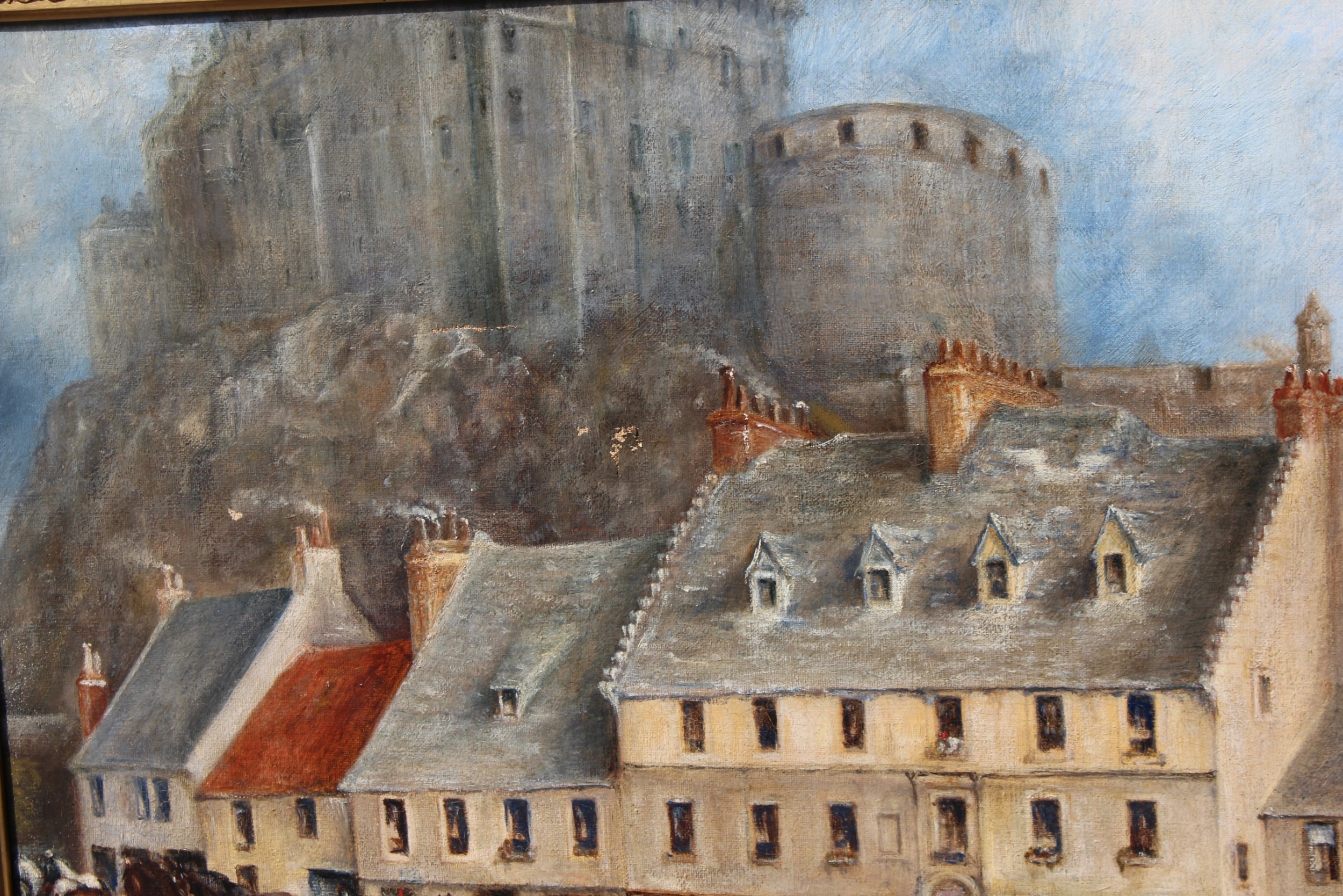
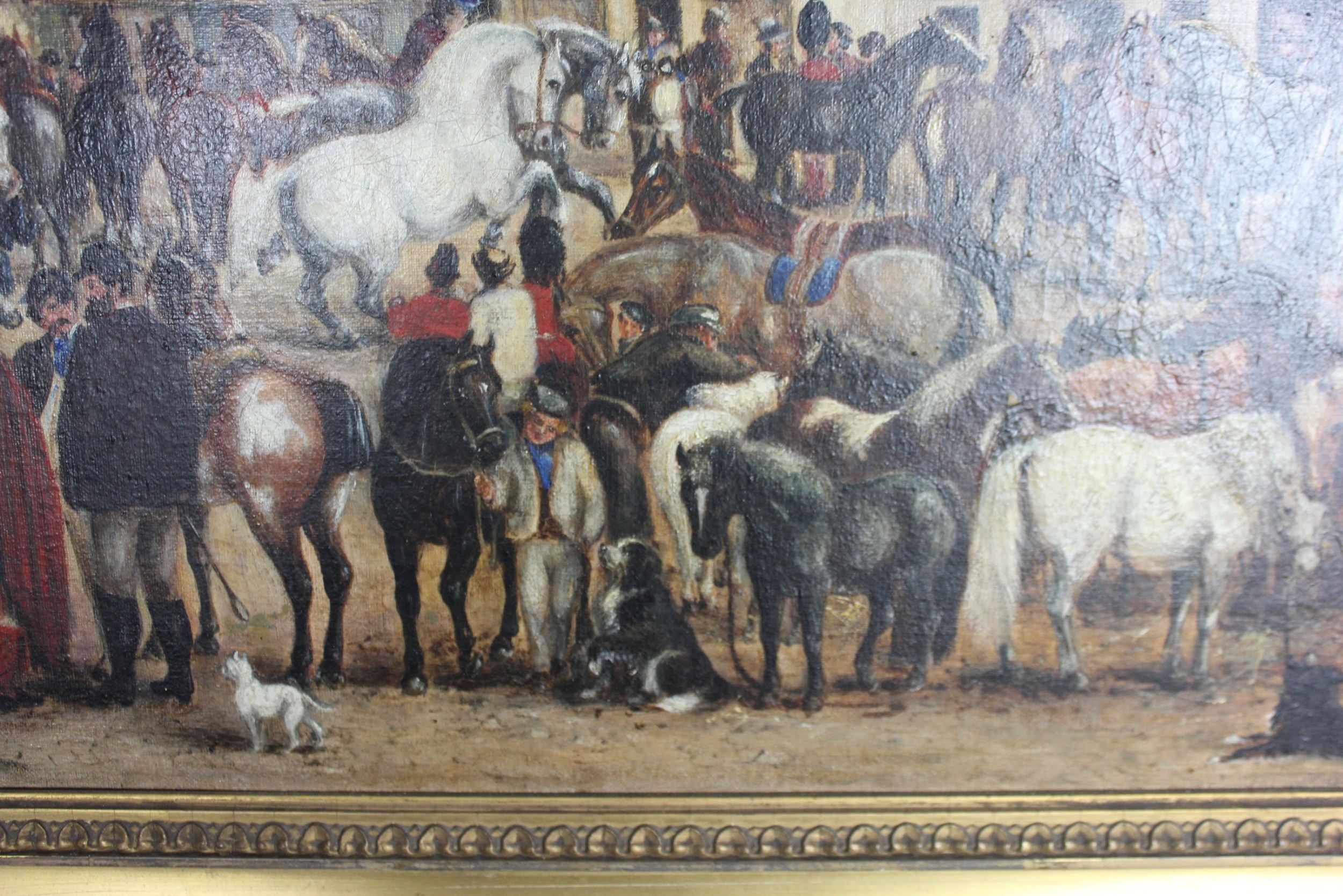
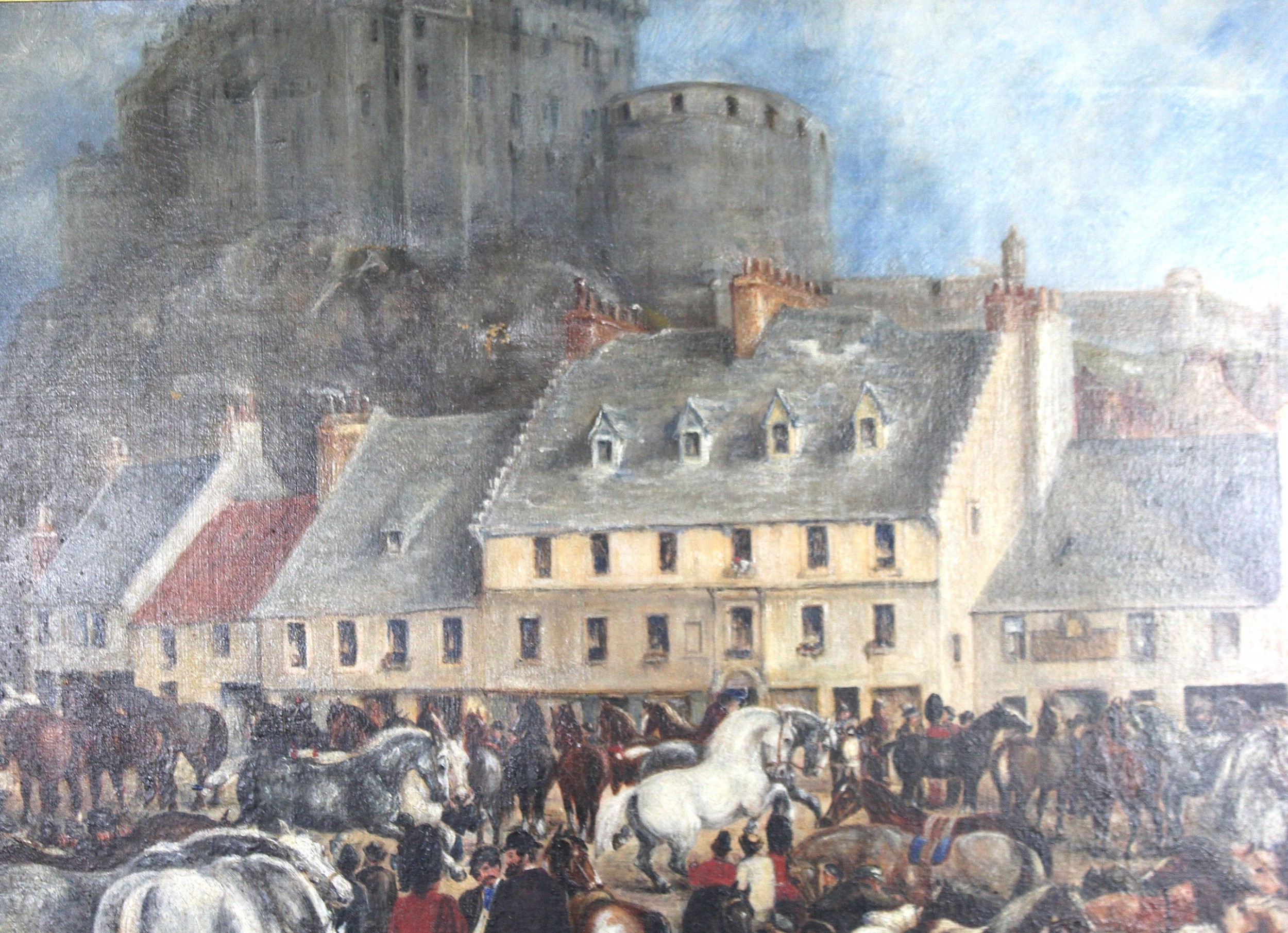
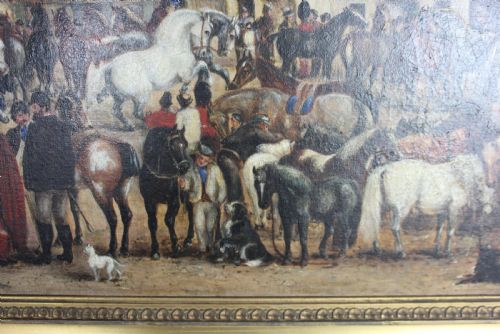
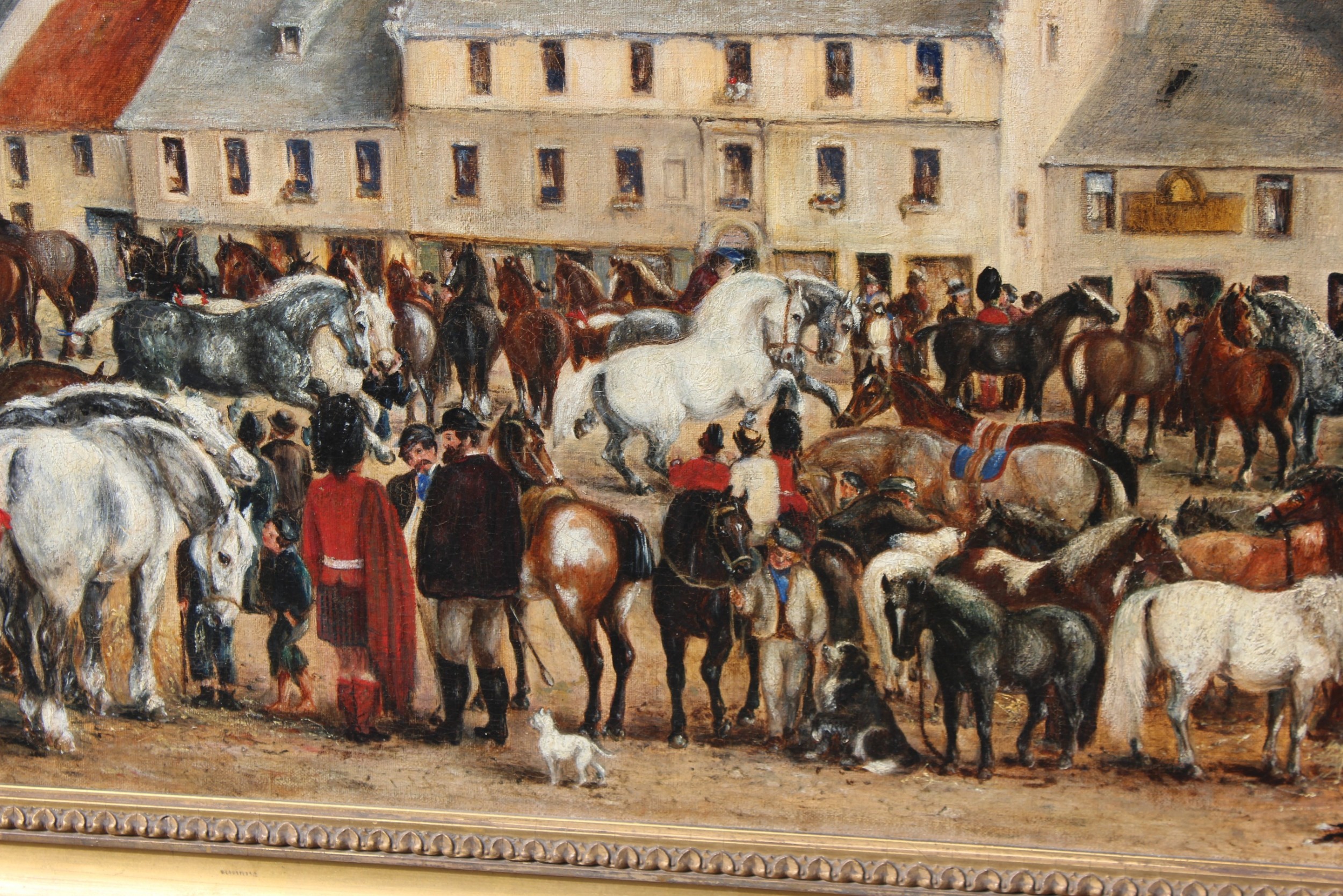
Detailed brushwork brings the horses and people to life, showcasing the artist’s meticulous attention to realism. In contrast, the more atmospheric and impressionistic treatment of the sky and castle effectively separates the background from the busy foreground.
Perspective and Depth:

Skillful use of perspective is evident, as houses and the castle recede into the background, enhancing the overall sense of space. The arrangement of figures creates a dynamic representation of crowd dynamics, characteristic of a traditional Edinburgh horse fair.
Economic Significance: The Role of the 19th-Century Edinburgh Horse Fair2.1 A Hub of Trade and Commerce:

Marketplace Dynamics:

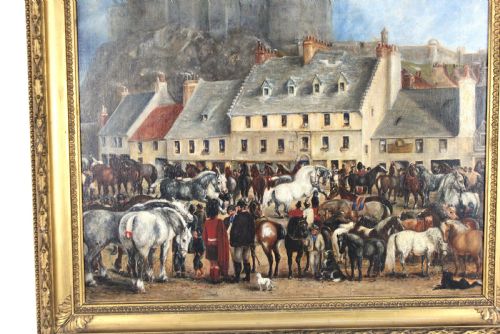
In 19th-century Edinburgh, horses were indispensable for transportation and labour, making them a major commodity in the bustling Grassmarket. This Edinburgh historic horse market was strategically located beneath the shadow of Edinburgh Castle, which provided a dramatic backdrop and an ideal setting for commerce.
Local and Regional Trade:

Farmers, traders, and buyers converged on the fair to buy and sell horses prized for their strength, speed, and utility. The event was instrumental in fueling local commerce and stimulating broader economic activities in the city.
2.2 Economic Impact on Local Communities:

Diverse Equestrian Breeds:

The fair showcased horses of various breeds, each meeting the different needs of the era. This diversity underpinned the fair’s role as a dynamic marketplace where innovation and tradition merged.

A Model for Economic Interaction:

The lively exchange of goods and spirited negotiations among participants made the event a prototype for economic exchange.

UK

Physical Dimensions
Height
65cm (25.59")
Width
80cm (31.50")
Declaration

Antiques Decorative (Sussex) has dated this Scottish Equestrian Oil Painting to the 1870s.

Reference Numbers
Sellingantiques Reference
SA1122401
Dealers Notes

Shipping Options Delivery Time Price

Furniture Shipping UK Delivery in 1-2 weeks £75

Paintings UK, £35

Paintings rest of world please contact for a quote

EU Furniture delivery Contact us for a quote delivery within 4 weeks

*International delivery buyers are responsible for import charges and local taxes*

**Worldwide delivery Contact us for a quote**

For payments don't hesitate to get in touch with us for Visa/credit/bank transfer.

Description
19th-century Horsefair Grassmarket Edinburgh Scotland

Follower of Rosa Bonheur, a Scottish artist, oil on canvas

19th-Century Horse Fair in Grassmarket, Edinburgh, Scotland: A Historical, Economic, and Artistic Legacy.
Antiques Decorative (Sussex)
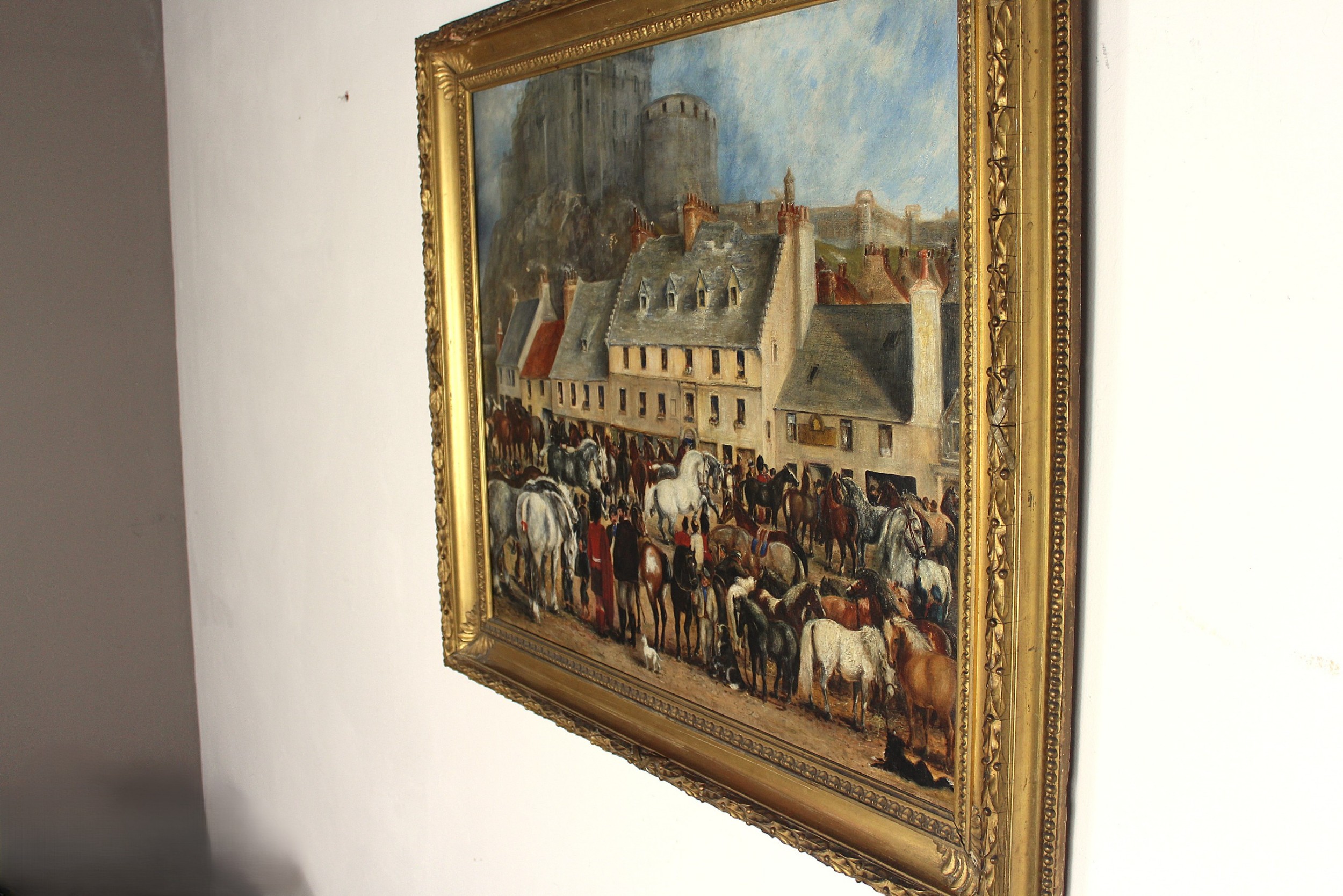
fig 1. A nineteenth-century oil painting depicting a busy Scottish horse fair set before town buildings and a hilltop stone castle.
fig 1. 19th Century Scottish Equestrian Oil Painting of a Horse Fair

Styled interiors are for presentation purposes and intended to inspire. Final layout may vary

The 19th-century horse fair in the Grassmarket of Edinburgh, Scotland, stands as a remarkable testament to a bygone era when horses were the lifeblood of urban commerce and social gatherings. This traditional Edinburgh horse fair not only served as a crucial hub for trade and economic exchange but also became an enduring symbol of Scottish cultural heritage. The event’s legacy lives on in art, local traditions, and even in the memorabilia sought after by collectors today. Below is an in-depth exploration of this historic event presented as an ordered list that covers every facet of its significance.

fig 2. A nineteenth-century oil painting depicting a busy Scottish horse fair set before town buildings and a hilltop stone castle.
fig 2. 19th Century Scottish Equestrian Oil Painting of a Horse Fair

A Follower of Rosa Bonheur and the Artistic Inspiration 1.1 Rosa Bonheur’s Influence on Scottish Art:

The 19th-century horse fair at Grassmarket has long inspired artists, much like the celebrated French painter Rosa Bonheur, known for her lifelike depictions of horses. As a follower of Rosa Bonheur, Scottish artists captured the bustling energy and realism of the event, evoking the spirit of a 19th-century Scottish fair.

fig 3. A nineteenth-century oil painting depicting a busy Scottish horse fair set before town buildings and a hilltop stone castle.
fig 3. 19th Century Scottish Equestrian Oil Painting of a Horse Fair

One notable painting, inspired by Bonheur’s techniques, began its tour in February 1856 and traveled from Liverpool to Manchester and Birmingham before reaching Edinburgh. This journey culminated at the ALEXANDER HILL GALLERY, where the painting was admired for its detailed portrayal of horses, dogs, people, and even the Queen’s Guards mingling with the crowd.

fig 4. A nineteenth-century oil painting depicting a busy Scottish horse fair set before town buildings and a hilltop stone castle.
fig 4. 19th Century Scottish Equestrian Oil Painting of a Horse Fair

1.2 Artistic Composition and Technique:

Composition:

The central focus of the painting is a lively crowd of people and horses that draws the viewer’s eye to the heart of the scene. The background, featuring Edinburgh Castle and traditional houses, creates depth and frames the bustling marketplace perfectly.

fig 5. A nineteenth-century oil painting depicting a busy Scottish horse fair set before town buildings and a hilltop stone castle.
fig 5. 19th Century Scottish Equestrian Oil Painting of a Horse Fair

Use of Color:

Dominated by earth tones, the painting conveys a natural and realistic feel, while vibrant pops of red in clothing and rooftops provide contrast and balance. This artistic choice reflects the authentic vibrancy of the historic horse fair.

fig 6. A nineteenth-century oil painting depicting a busy Scottish horse fair set before town buildings and a hilltop stone castle.
fig 6. 19th Century Scottish Equestrian Oil Painting of a Horse Fair

Brushwork:

Detailed brushwork brings the horses and people to life, showcasing the artist’s meticulous attention to realism. In contrast, the more atmospheric and impressionistic treatment of the sky and castle effectively separates the background from the busy foreground.

fig 7. A nineteenth-century oil painting depicting a busy Scottish horse fair set before town buildings and a hilltop stone castle.
fig 7. 19th Century Scottish Equestrian Oil Painting of a Horse Fair

Perspective and Depth:

Skillful use of perspective is evident, as houses and the castle recede into the background, enhancing the overall sense of space. The arrangement of figures creates a dynamic representation of crowd dynamics, characteristic of a traditional Edinburgh horse fair.

fig 8. A nineteenth-century oil painting depicting a busy Scottish horse fair set before town buildings and a hilltop stone castle.
fig 8. 19th Century Scottish Equestrian Oil Painting of a Horse Fair

Economic Significance: The Role of the 19th-Century Edinburgh Horse Fair2.1 A Hub of Trade and Commerce:

Marketplace Dynamics:

In 19th-century Edinburgh, horses were indispensable for transportation and labour, making them a major commodity in the bustling Grassmarket. This Edinburgh historic horse market was strategically located beneath the shadow of Edinburgh Castle, which provided a dramatic backdrop and an ideal setting for commerce.

fig 9. A nineteenth-century oil painting depicting a busy Scottish horse fair set before town buildings and a hilltop stone castle.
fig 9. 19th Century Scottish Equestrian Oil Painting of a Horse Fair

Local and Regional Trade:

Farmers, traders, and buyers converged on the fair to buy and sell horses prized for their strength, speed, and utility. The event was instrumental in fueling local commerce and stimulating broader economic activities in the city.

fig 10. A nineteenth-century oil painting depicting a busy Scottish horse fair set before town buildings and a hilltop stone castle.
fig 10. 19th Century Scottish Equestrian Oil Painting of a Horse Fair

2.2 Economic Impact on Local Communities:

Diverse Equestrian Breeds:

The fair showcased horses of various breeds, each meeting the different needs of the era. This diversity underpinned the fair’s role as a dynamic marketplace where innovation and tradition merged.

A Model for Economic Interaction:

The lively exchange of goods and spirited negotiations among participants made the event a prototype for economic exchange.

UK

Height
65cm (25.59")
Width
80cm (31.50")
Date of Manufacture

Antiques Decorative (Sussex) has dated this Scottish Equestrian Oil Painting to the 1870s.

Reference Numbers
Sellingantiques Ref
SA1122401
Antiques Decorative (Sussex)
Sellingantiques verified Since May 2024

Timeless treasures: elevate your space with decorative art and antiques

Dealer Profile

You can view the stock and full dealer information on the Antiques Decorative (Sussex) Profile Page
PDF SHARE
SAVE
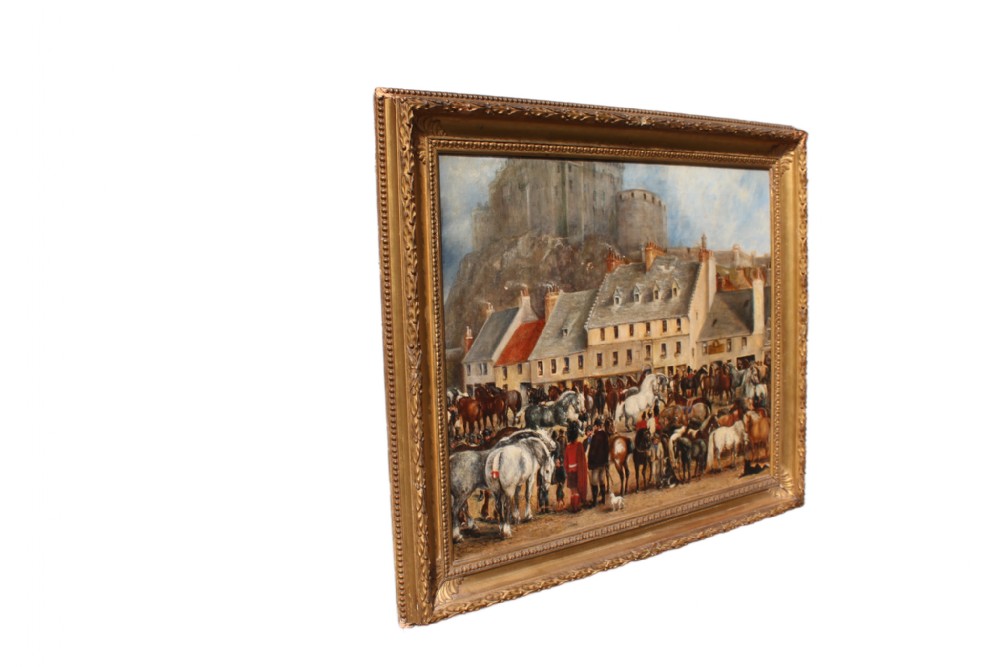
A nineteenth-century oil painting depicting a busy Scottish horse fair set before town buildings and a hilltop stone castle.
1 / 17
Archive I A nineteenth-century oil painting depicting a busy Scottish horse fair set before town buildings and a hilltop stone castle.

19th Century Scottish Equestrian Oil Painting of a Horse Fair
Archive II A nineteenth-century oil painting depicting a busy Scottish horse fair set before town buildings and a hilltop stone castle. View II
Archive III A nineteenth-century oil painting depicting a busy Scottish horse fair set before town buildings and a hilltop stone castle. View III
Archive IV A nineteenth-century oil painting depicting a busy Scottish horse fair set before town buildings and a hilltop stone castle. View IV
Archive V A nineteenth-century oil painting depicting a busy Scottish horse fair set before town buildings and a hilltop stone castle. View V
Archive VI A nineteenth-century oil painting depicting a busy Scottish horse fair set before town buildings and a hilltop stone castle. View VI
Archive VII A nineteenth-century oil painting depicting a busy Scottish horse fair set before town buildings and a hilltop stone castle. View VII
Archive VIII A nineteenth-century oil painting depicting a busy Scottish horse fair set before town buildings and a hilltop stone castle. View VIII
Archive IX A nineteenth-century oil painting depicting a busy Scottish horse fair set before town buildings and a hilltop stone castle. View IX
Archive X A nineteenth-century oil painting depicting a busy Scottish horse fair set before town buildings and a hilltop stone castle. View X
Archive XI A nineteenth-century oil painting depicting a busy Scottish horse fair set before town buildings and a hilltop stone castle. View XI
Archive XII A nineteenth-century oil painting depicting a busy Scottish horse fair set before town buildings and a hilltop stone castle. View XII
Archive XIII A nineteenth-century oil painting depicting a busy Scottish horse fair set before town buildings and a hilltop stone castle. View XIII
Archive XIV A nineteenth-century oil painting depicting a busy Scottish horse fair set before town buildings and a hilltop stone castle. View XIV
Archive XV A nineteenth-century oil painting depicting a busy Scottish horse fair set before town buildings and a hilltop stone castle. View XV
Archive XVI A nineteenth-century oil painting depicting a busy Scottish horse fair set before town buildings and a hilltop stone castle. View XVI
Archive XVII A nineteenth-century oil painting depicting a busy Scottish horse fair set before town buildings and a hilltop stone castle. View XVII
Enlarged Archival View
Telephone 07565 761917
Location
East Sussex
United Kingdom

By appointment only.
Verified Since May 2024
Items For Sale 59
Items Sold 38
Antiques Decorative (Sussex)
Verified Since May 2024
View Dealer Info
Location: East Sussex, United Kingdom, , By appointment only.
Verified
May 2024
For Sale
59
Sold
38
A nineteenth-century oil painting depicting a busy Scottish horse fair set before town buildings and a hilltop stone castle.
19th Century Scottish Equestrian Oil Painting of a Horse Fair
Ref: SA1122401
A nineteenth-century oil painting depicting a busy Scottish horse fair set before town buildings and a hilltop stone castle.
Detail View 1
Detail View 2
Detail View 3
Detail View 4
Detail View 5
Detail View 6
Detail View 7
Detail View 8
Detail View 9
Detail View 10
Detail View 11
Detail View 15
Detail View 16
Detail View 17
Detail View 19
Detail View 20
Archival Detail
Every single antique dealer on our platform is individually approved by our internal team. We verify their professional trade history, ethical standards, and photographic quality to ensure a secure, high-standard buying environment. Upon joining, every dealer agrees to a strict 9-point code of conduct. While issues can occasionally arise, our dealers typically resolve them swiftly and directly with the buyer. In fact, since our founding in 2002, Sellingantiques has only had to step in to help resolve an issue on roughly five occasions—a true testament to the quality of our dealers and their dedication to your happiness.
Our dealers are highly experienced in packing and shipping fragile, high-value antiques. Because you are in direct contact with the dealer, you will be able to easily go through all available shipping and insurance options together to ensure your item arrives safely.
Antiques are the ultimate green purchase. By choosing historical pieces over newly manufactured goods, you completely eliminate the carbon footprint of modern mass production while preserving exceptional, timeless craftsmanship.

Nineteenth-century Scottish equestrian art typically depicts livestock markets, working horses, and rural gatherings set against recognisable Scottish landscapes or urban castle backdrop compositions.

Artists of this era primarily painted with oil pigments bound in linseed oil, applied onto stretched linen or cotton canvas and frequently mounted within carved wooden frames.

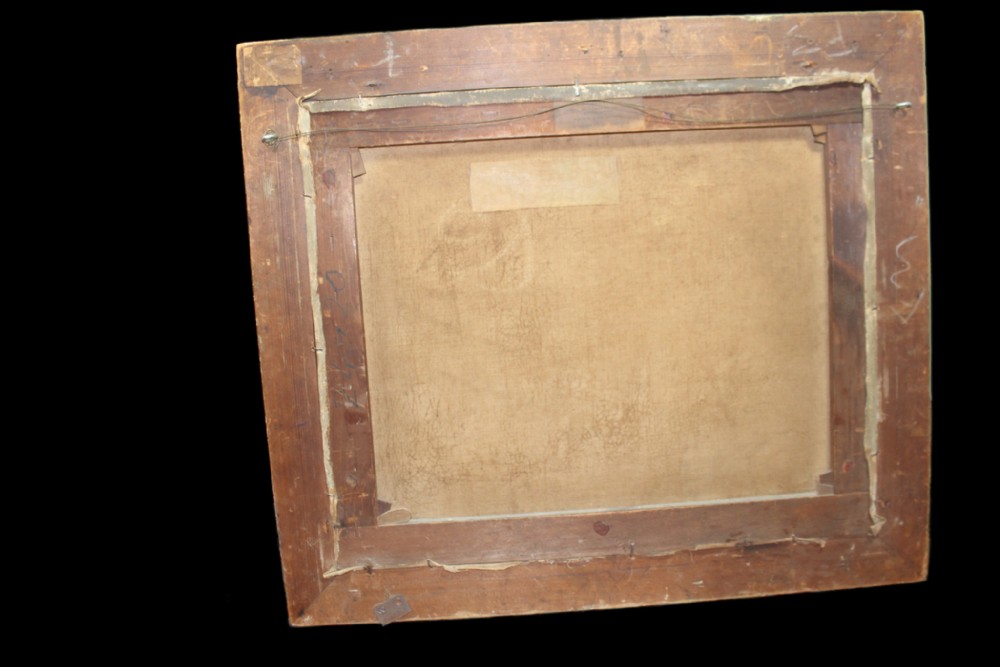
Authentic works from this period often display natural craquelure across the paint surface, historic canvas tensioning keys, period frame construction, and age-appropriate oxidisation on the reverse.

Hang the painting above a dark wood sideboard or fireplace mantel in a library, study, or dining room to create a traditional focal point that grounds contemporary furnishings.

Keep the artwork away from direct sunlight, extreme humidity, and heat sources, dusting gently with a soft dry brush rather than liquid cleaners.
items
Add keywords to the filter
Price
£100
£250000
Era
Movements
Material
Origin
Stock Location
Freshness
Online Payments
Categories