23,603  PAGES BROWSED TODAY PAGES TODAY 57  ANTIQUES UPLOADED TODAY NEW ARRIVALS
ID #SA1107007
SOLD
Email
Save
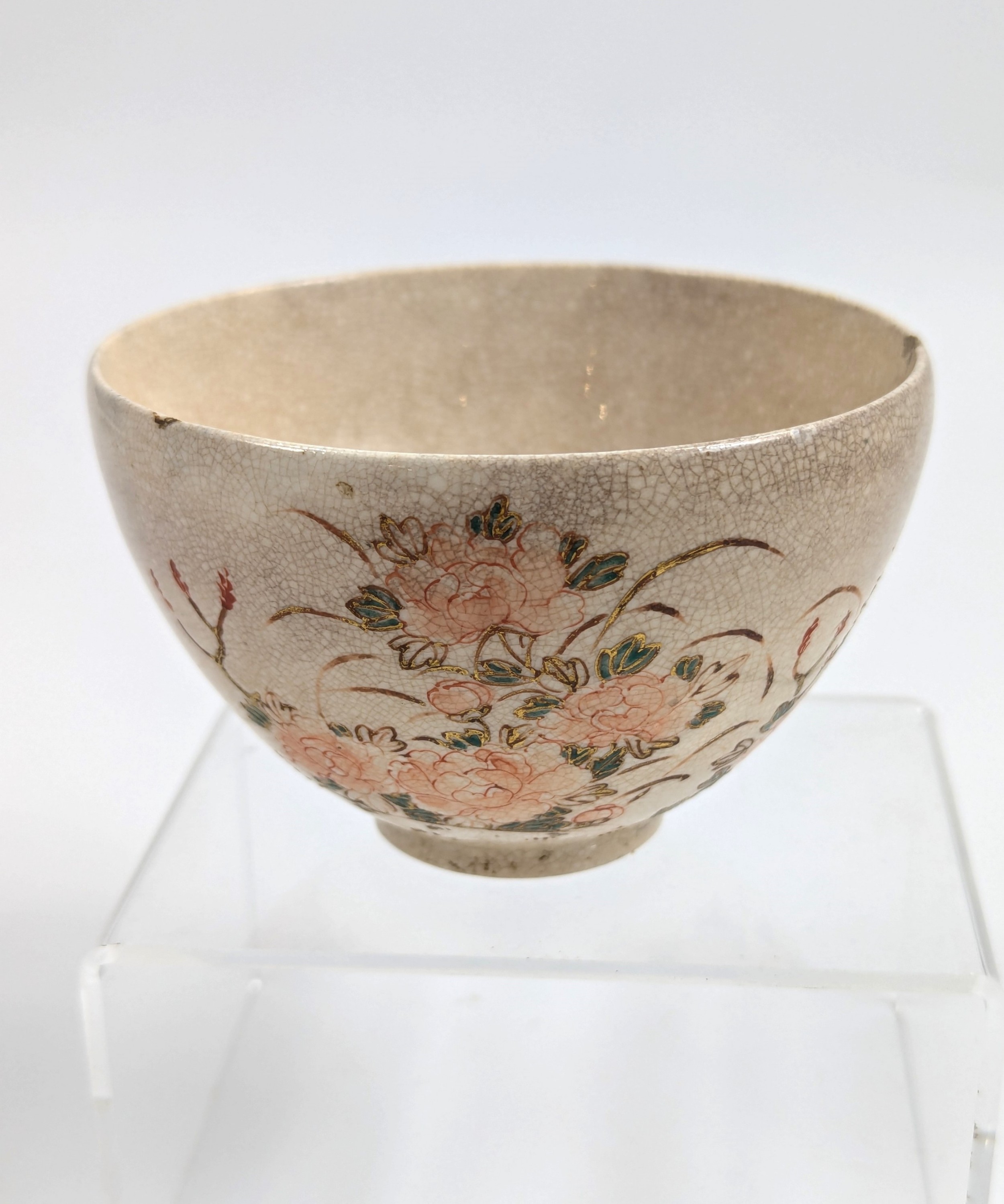
Japanese Tea Bowl (Chawan), Ninsei Kyo-ware Style, Late Edo Period (1800–1849)
Gillers Antiques Ltd
sold SA1107007
Sorry, but this item has been sold.
Gillers Antiques Ltd

Gillers Antiques Ltd

Sellingantiques Verified Since Mar 2023
View Dealers Stock Page
Id #SA1107007
PDF SHARE
SAVE

Japanese Tea Bowl (Chawan), Ninsei Kyo-ware Style, Late Edo Period (1800–1849)

19th century
Description

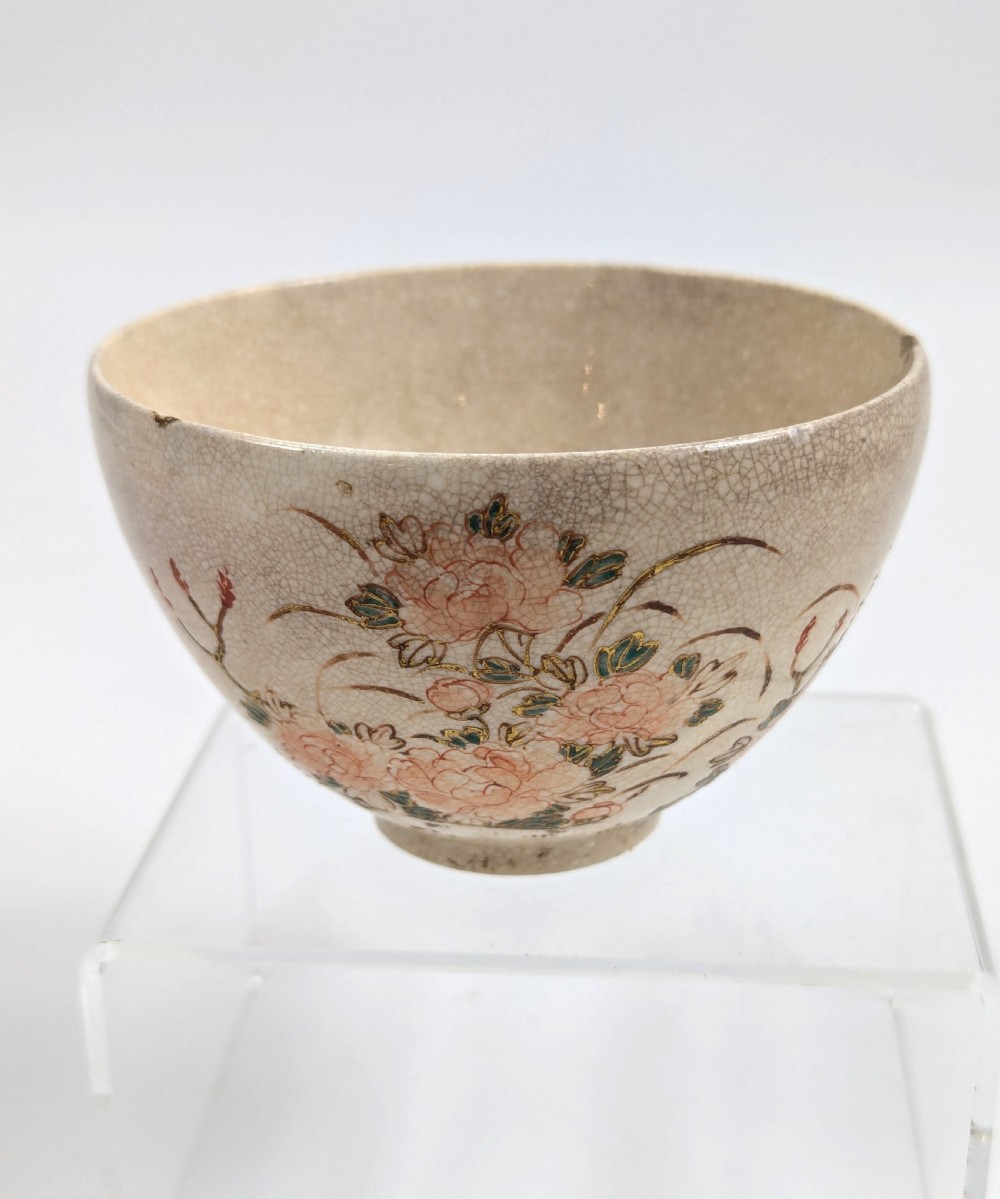
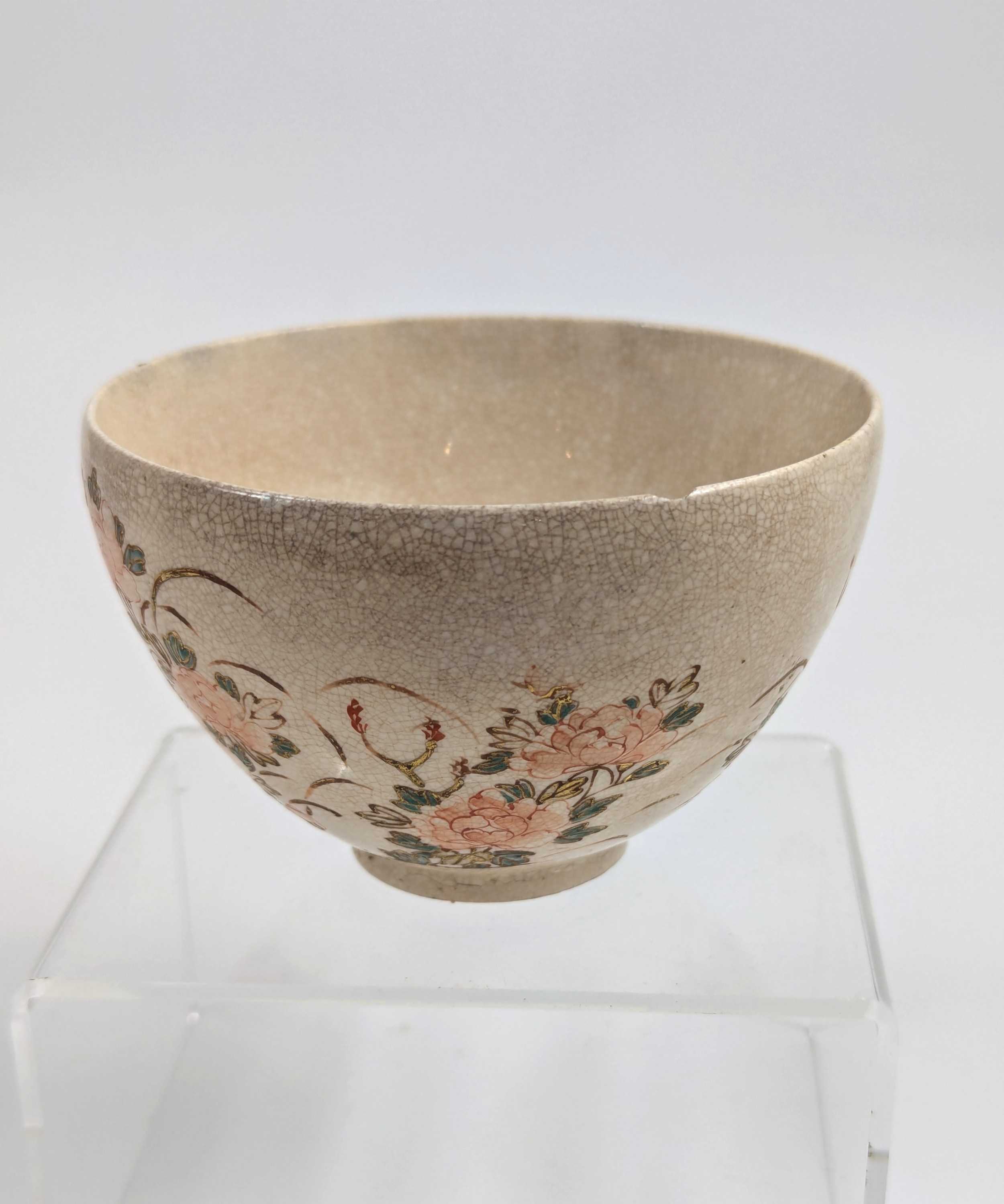
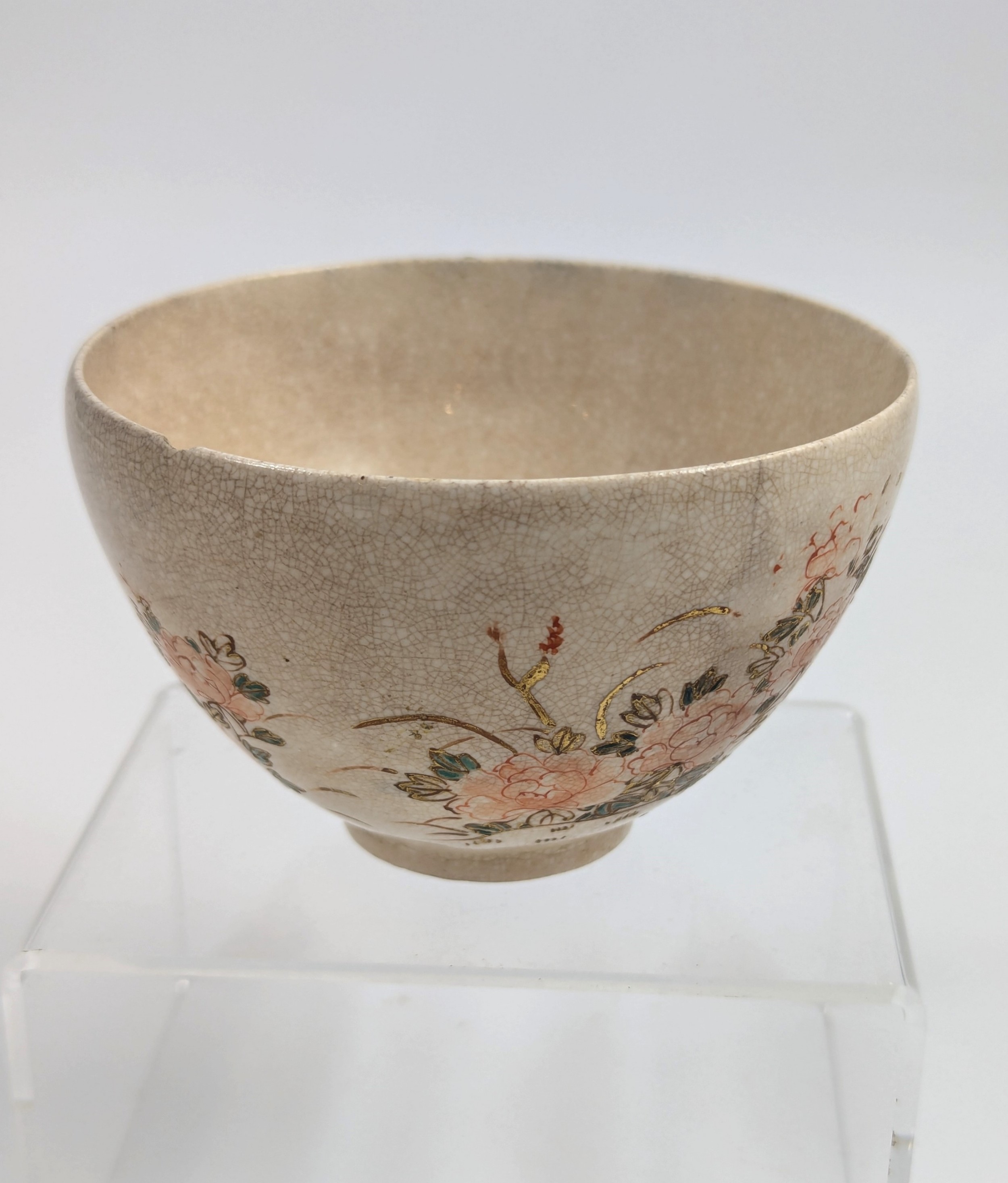
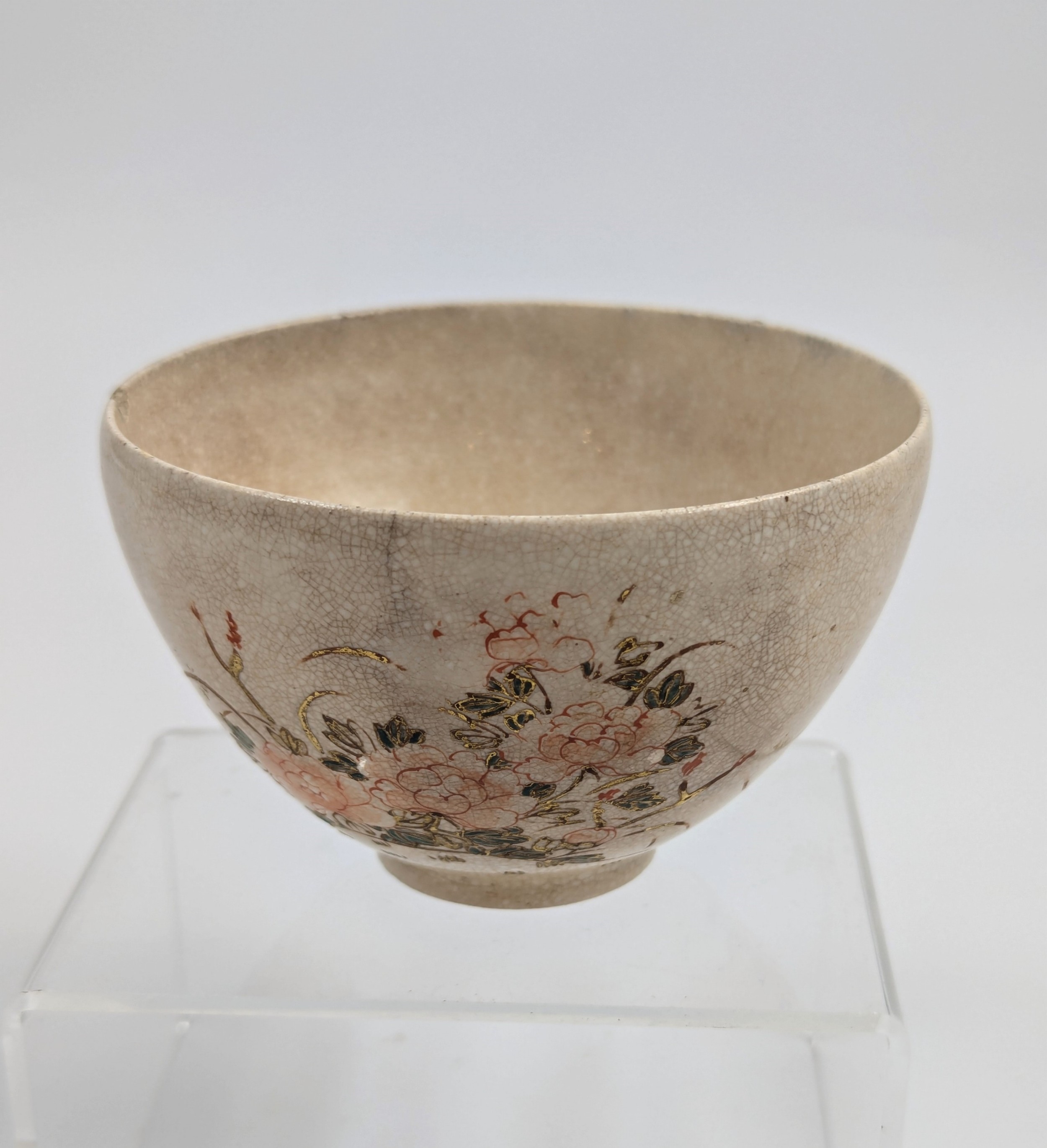
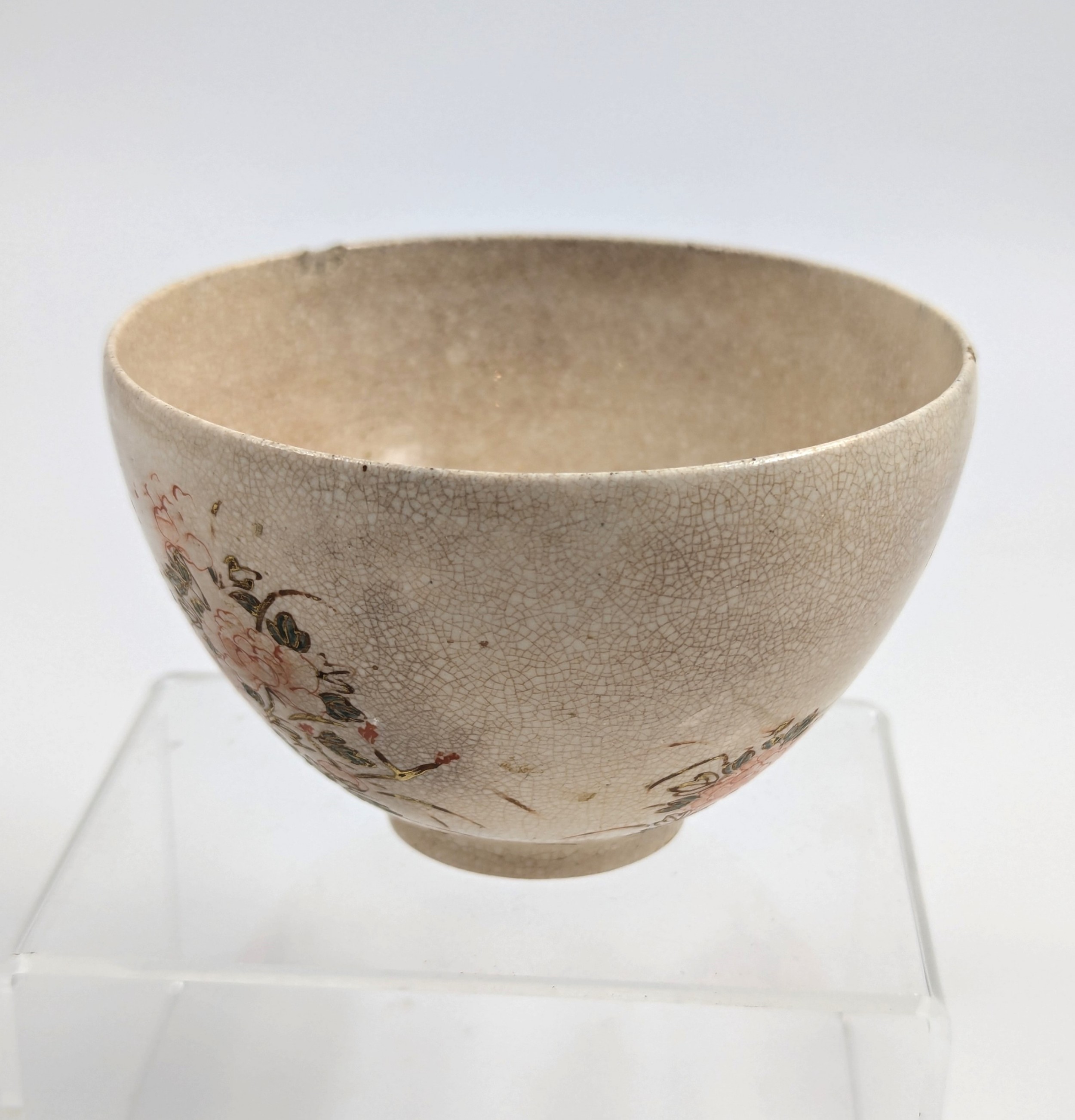
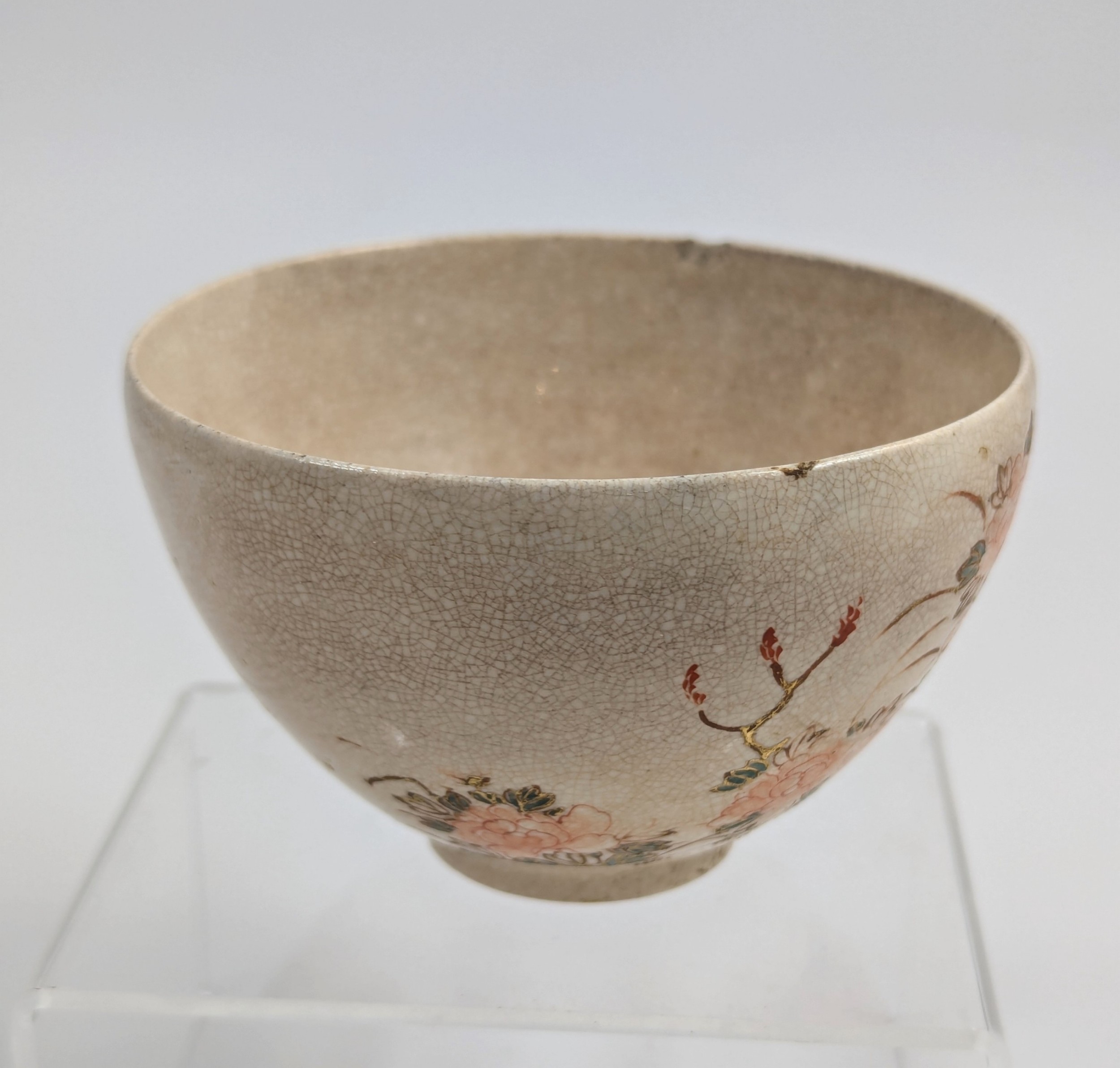
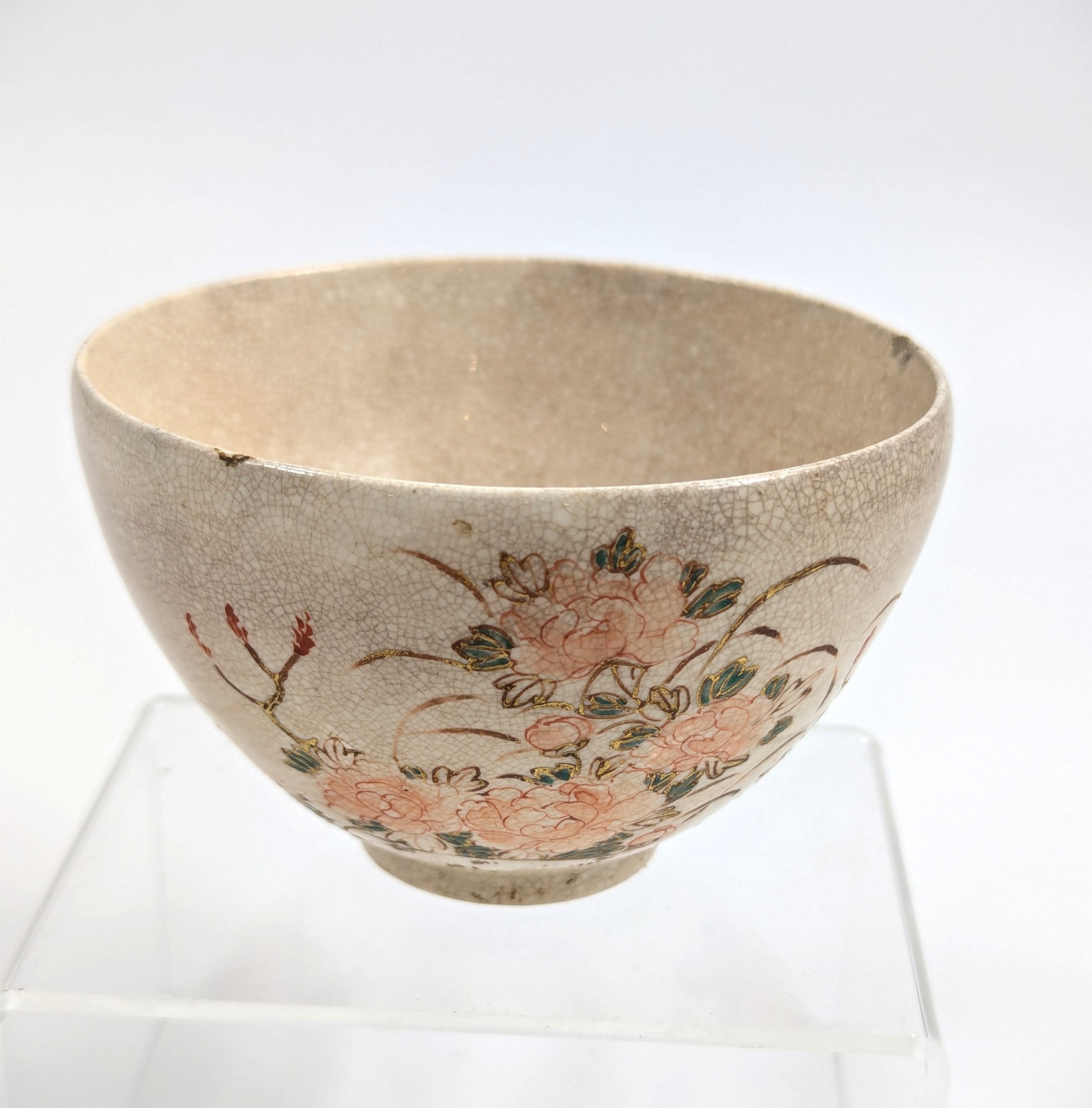
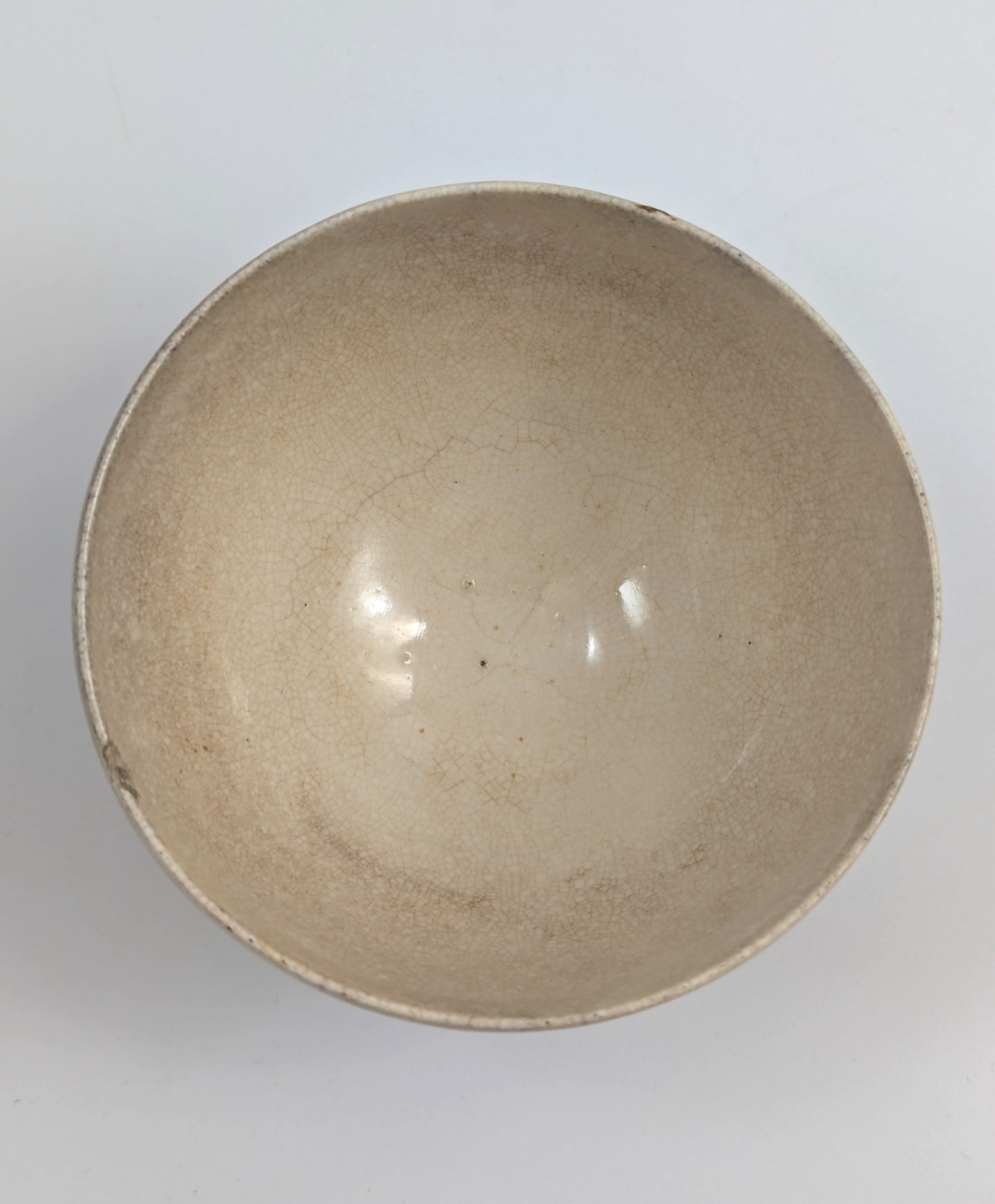
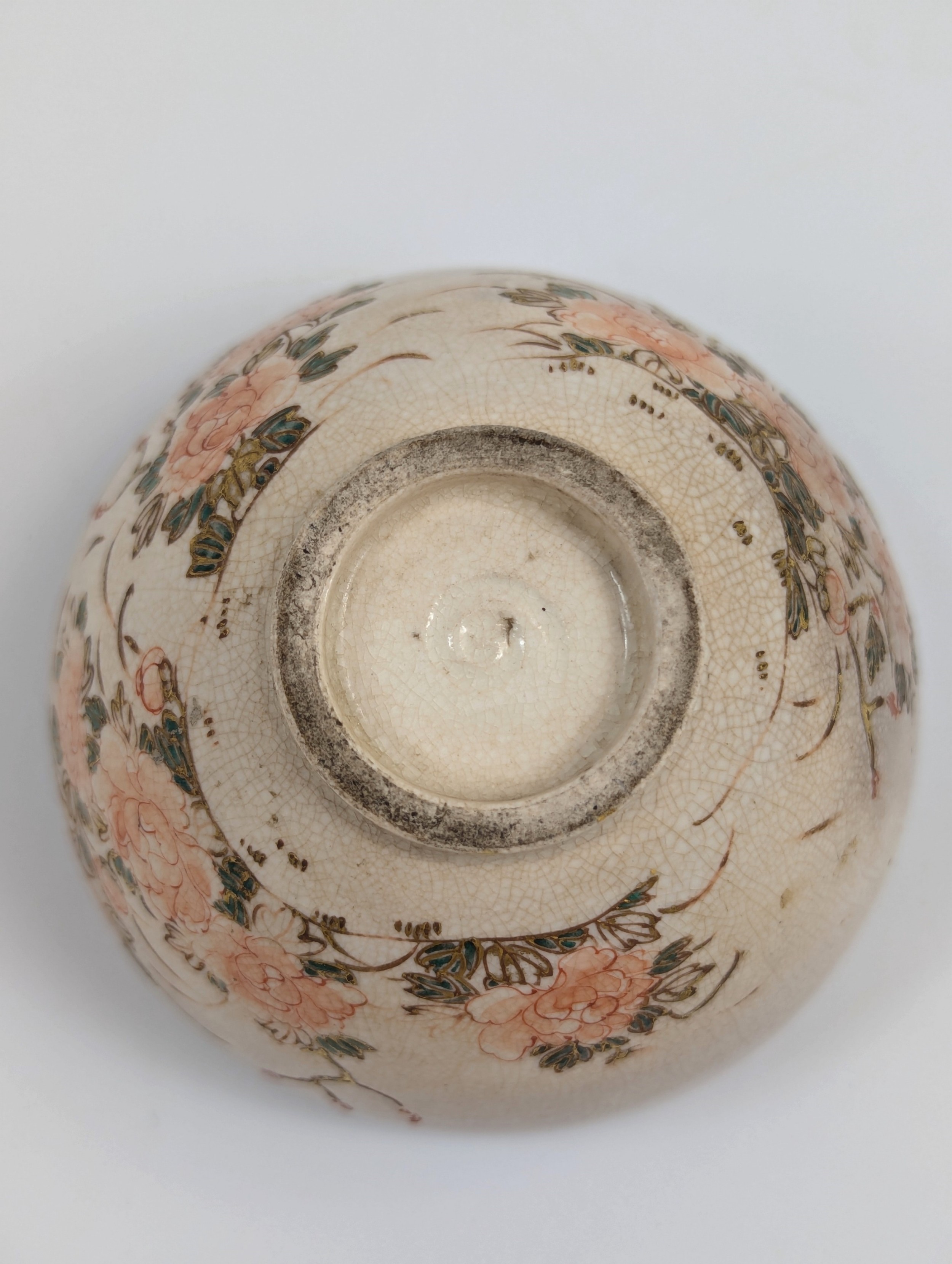
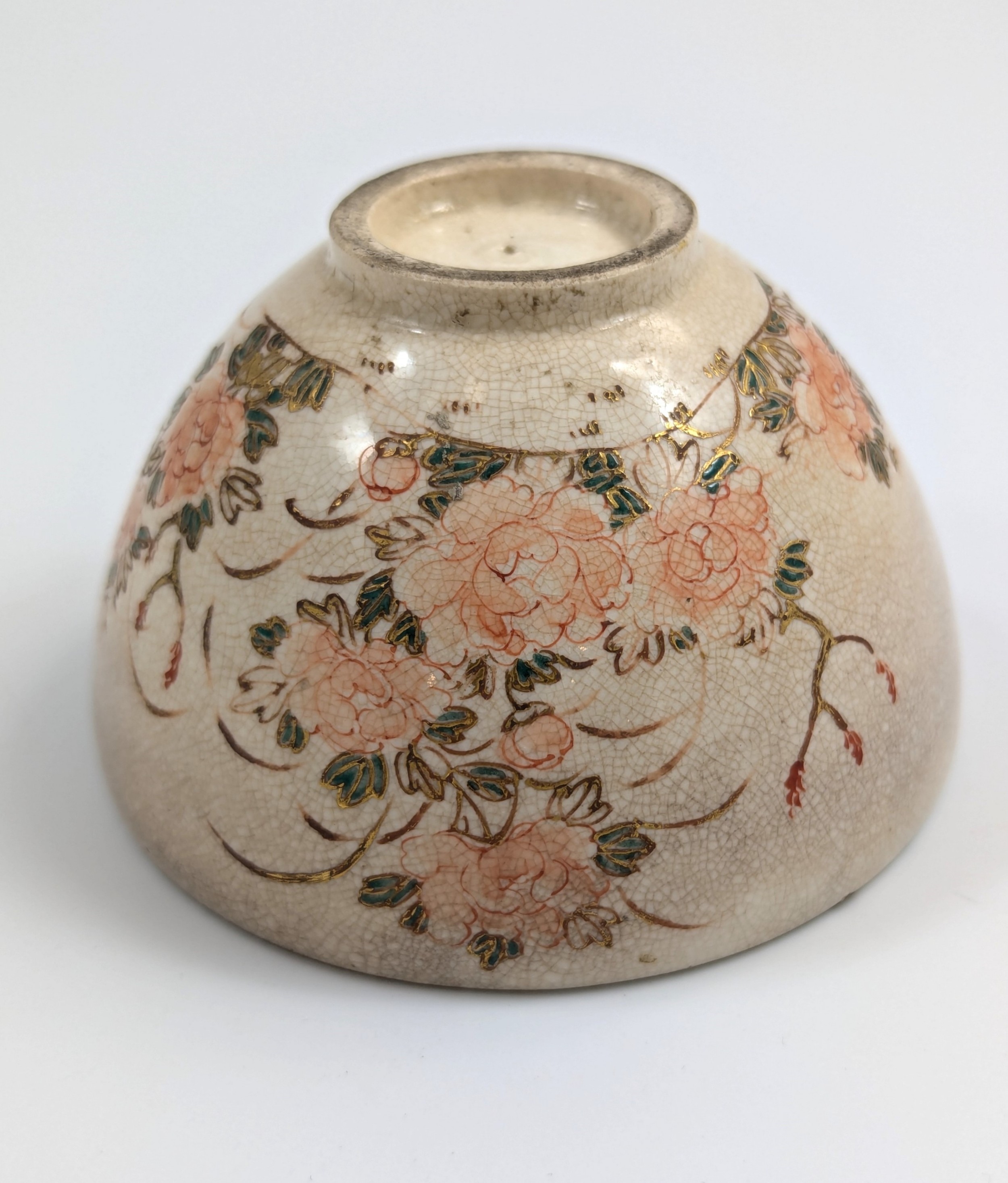
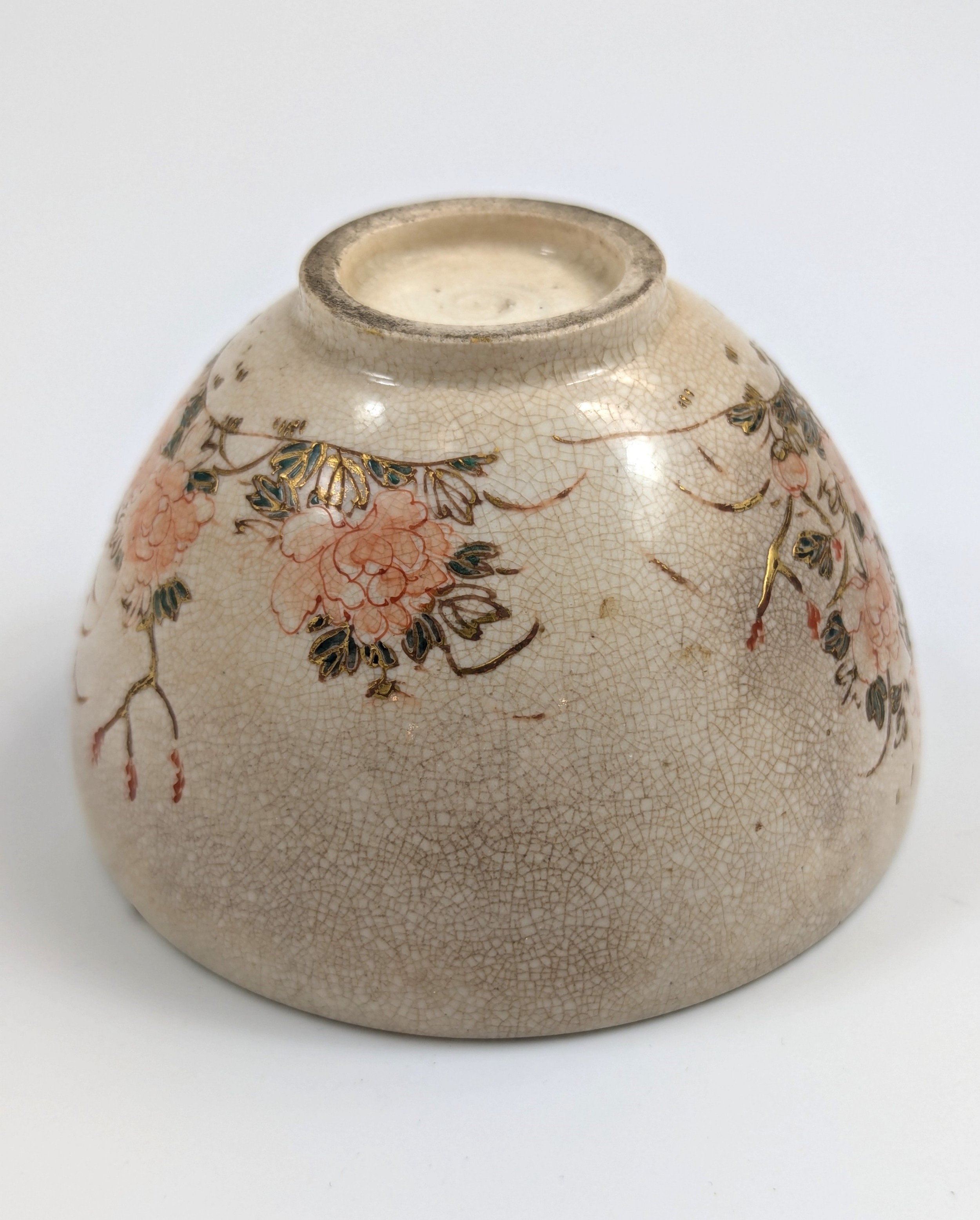
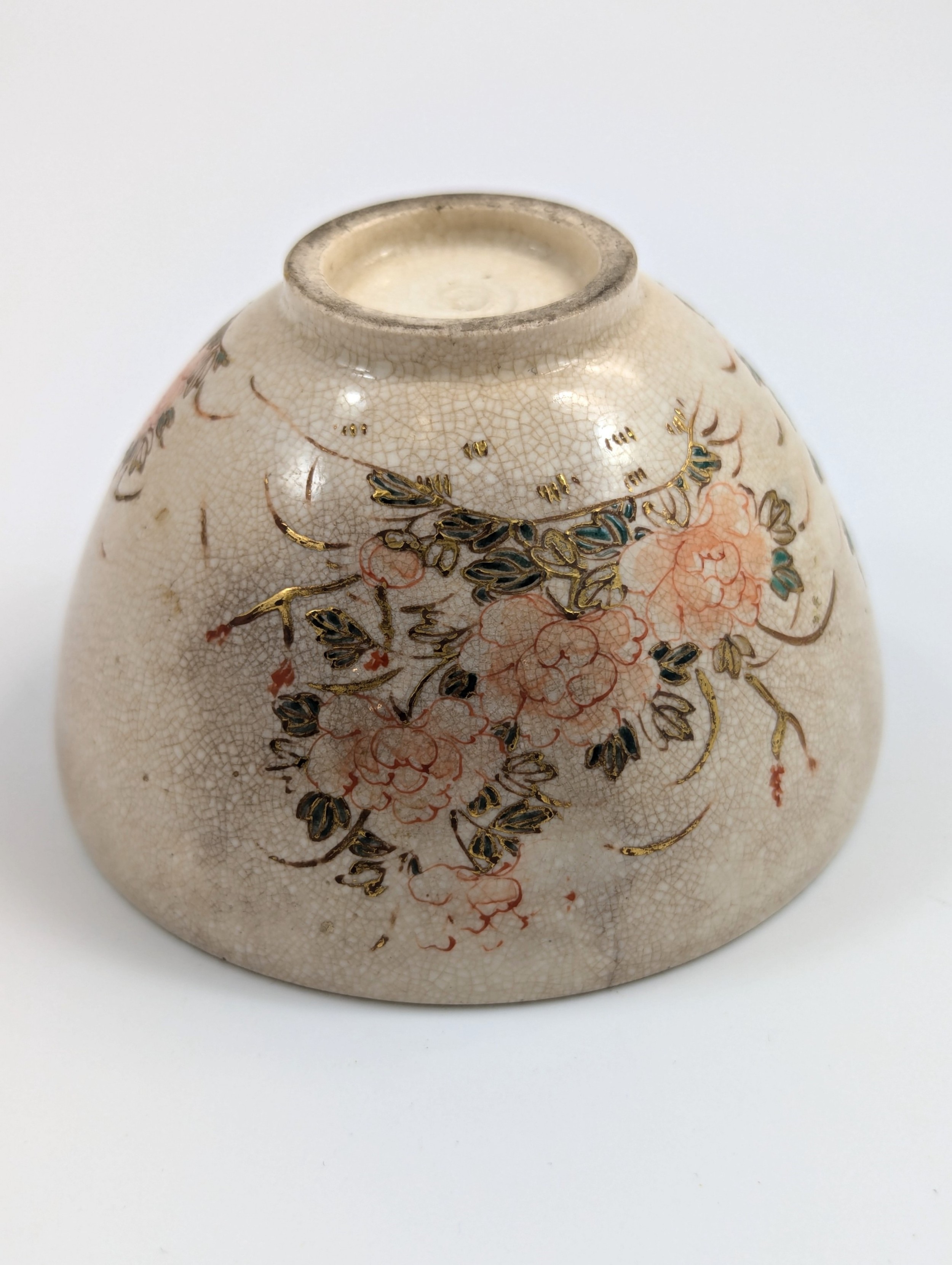
A Japanese antique earthenware tea ceremony bowl (Chawan) in the style of Nonomura Ninsei, created during the Edo period. The bowl is hand-painted with a summer flower pattern and gilded elements over a glazed body. Enamel cracking (known as "mesh") is characteristic of this type of ceramic.

A Japanese tea bowl is called a Chawan, and the earliest examples in Japan were imported from China between the 13th and 16th centuries. Over time, as the Japanese tea ceremony developed into a distinct cultural form, locally made Japanese pottery and porcelain grew in prestige. By the Edo period, bowls were often produced in Japan and came in a variety of shapes and sizes.
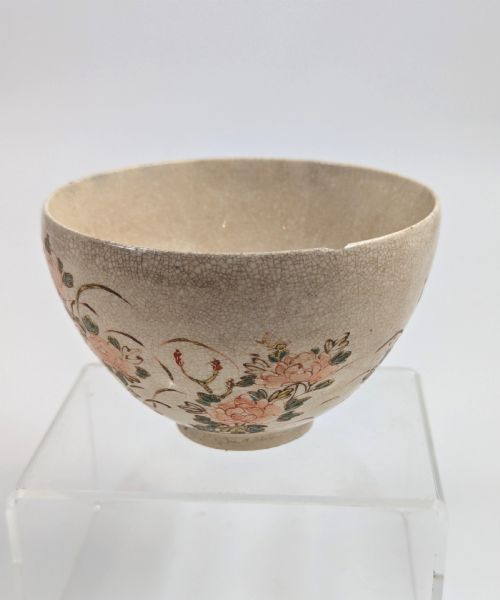
This piece is associated with Kyo-ware, a style pioneered by Nonomura Ninsei (1648–1690), who worked in Kyoto. His work marks a turning point in the history of Kyoto ware. In 1647, Ninsei built a kiln near the Ninnaji Temple in Omuro, northwest Kyoto. He achieved great success in creating tea ware. Unlike painted styles that used iron pigments under a transparent glaze, his overglaze decoration involved applying enamel over the glaze, which allowed for more colorful and detailed designs. Ninsei is credited with developing this style, which became known as the Ninsei Kyo-ware style. His bowls are celebrated for their elegant and often vibrant designs, featuring intricate depictions of nature, such as flowers, landscapes, and birds.
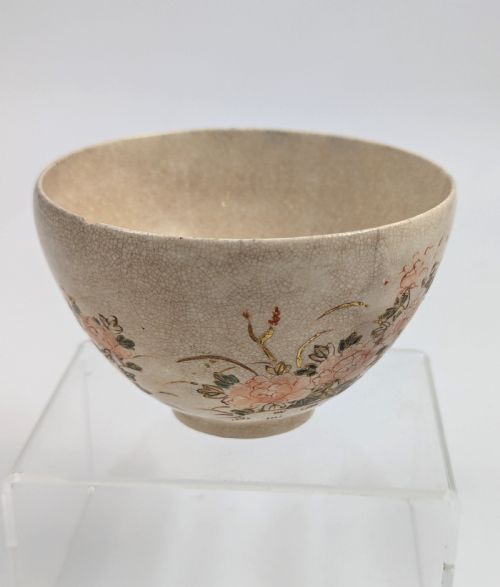
The influence of Ninsei’s Kyo-ware is still evident in modern Kyoto ceramics, where artisans continue to use colorful glazes and detailed patterns inspired by his legacy. Kyoto remains one of Japan’s primary centers for high-quality pottery and porcelain. Authentic Ninsei Kyo-ware bowls are considered highly collectible due to their historical significance, beauty, and craftsmanship, often appearing in museum collections and commanding high prices at auction.
Dimensions:

Height: 7 cm

Top diameter: 10.3 cm

Base diameter: 4 cm

Weight: 185 grams

Condition:

Two chips on the upper rim, barely visible from the outside

Small hairline crack on the rim

Cracking of the enamel ("mesh") is characteristic of this type of ceramic
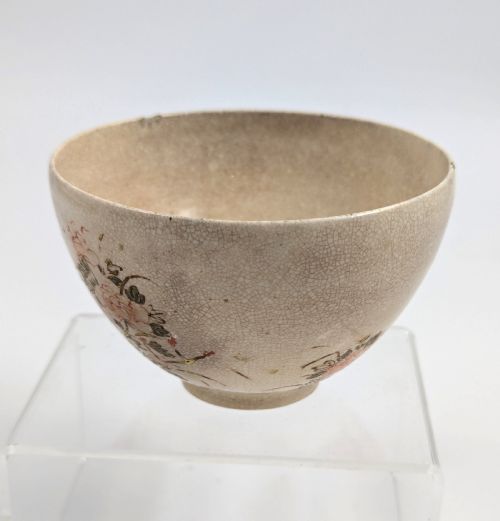
Small losses of paint and gilding, consistent with age

Please carefully examine the accompanying photographs, as they form an integral part of this description. The item will be shipped with full tracking and insurance. Note that shipping costs include labor, packaging, and postage.

Declaration

Gillers Antiques Ltd has dated this piece to the 19th Century.

Reference Numbers
Sellingantiques Reference
SA1107007
Description
A Japanese antique earthenware tea ceremony bowl (Chawan) in the style of Nonomura Ninsei, created during the Edo period. The bowl is hand-painted with a summer flower pattern and gilded elements over a glazed body. Enamel cracking (known as "mesh") is characteristic of this type of ceramic.
A Japanese tea bowl is called a Chawan, and the earliest examples in Japan were imported from China between the 13th and 16th centuries.
Gillers Antiques Ltd

Over time, as the Japanese tea ceremony developed into a distinct cultural form, locally made Japanese pottery and porcelain grew in prestige. By the Edo period, bowls were often produced in Japan and came in a variety of shapes and sizes.

fig 1. Japanese Tea Bowl (Chawan), Ninsei Kyo-ware Style, Late Edo Period (1800–1849)

This piece is associated with Kyo-ware, a style pioneered by Nonomura Ninsei (1648–1690), who worked in Kyoto. His work marks a turning point in the history of Kyoto ware. In 1647, Ninsei built a kiln near the Ninnaji Temple in Omuro, northwest Kyoto. He achieved great success in creating tea ware. Unlike painted styles that used iron pigments under a transparent glaze, his overglaze decoration involved applying enamel over the glaze, which allowed for more colorful and detailed designs. Ninsei is credited with developing this style, which became known as the Ninsei Kyo-ware style. His bowls are celebrated for their elegant and often vibrant designs, featuring intricate depictions of nature, such as flowers, landscapes, and birds.

fig 2. Japanese Tea Bowl (Chawan), Ninsei Kyo-ware Style, Late Edo Period (1800–1849)

The influence of Ninsei’s Kyo-ware is still evident in modern Kyoto ceramics, where artisans continue to use colorful glazes and detailed patterns inspired by his legacy. Kyoto remains one of Japan’s primary centers for high-quality pottery and porcelain. Authentic Ninsei Kyo-ware bowls are considered highly collectible due to their historical significance, beauty, and craftsmanship, often appearing in museum collections and commanding high prices at auction.

fig 3. Japanese Tea Bowl (Chawan), Ninsei Kyo-ware Style, Late Edo Period (1800–1849)

Dimensions:

Height: 7 cm

Top diameter: 10.3 cm

Base diameter: 4 cm

Weight: 185 grams

Condition:

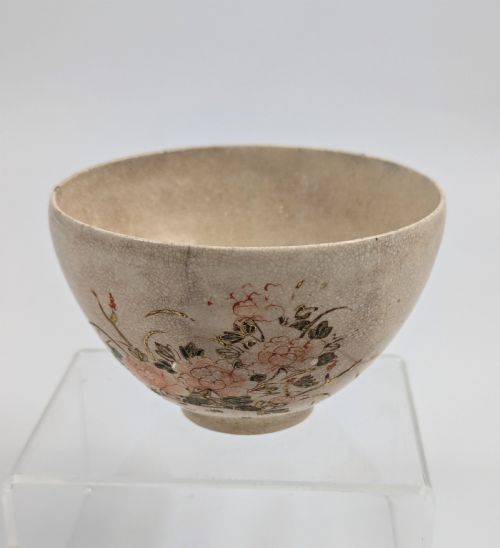
Two chips on the upper rim, barely visible from the outside

Small hairline crack on the rim

Cracking of the enamel ("mesh") is characteristic of this type of ceramic

fig 4. Japanese Tea Bowl (Chawan), Ninsei Kyo-ware Style, Late Edo Period (1800–1849)

Small losses of paint and gilding, consistent with age

Please carefully examine the accompanying photographs, as they form an integral part of this description. The item will be shipped with full tracking and insurance. Note that shipping costs include labor, packaging, and postage.

Date of Manufacture

Gillers Antiques Ltd has dated this piece to the 19th Century.

Reference Numbers
Sellingantiques Ref
SA1107007
Gillers Antiques Ltd
Sellingantiques verified Since Mar 2023
Dealer Profile

You can view the stock and full dealer information on the Gillers Antiques Ltd Profile Page
PDF SHARE
SAVE
Japanese Tea Bowl (Chawan), Ninsei Kyo-ware Style, Late Edo Period (1800–1849)
1 / 12
Archive I Japanese Tea Bowl (Chawan), Ninsei Kyo-ware Style, Late Edo Period (1800–1849)
Japanese Tea Bowl (Chawan), Ninsei Kyo-ware Style, Late Edo Period (1800–1849)
Archive II Japanese Tea Bowl (Chawan), Ninsei Kyo-ware Style, Late Edo Period (1800–1849) View II
Archive III Japanese Tea Bowl (Chawan), Ninsei Kyo-ware Style, Late Edo Period (1800–1849) View III
Archive IV Japanese Tea Bowl (Chawan), Ninsei Kyo-ware Style, Late Edo Period (1800–1849) View IV
Archive V Japanese Tea Bowl (Chawan), Ninsei Kyo-ware Style, Late Edo Period (1800–1849) View V
Archive VI Japanese Tea Bowl (Chawan), Ninsei Kyo-ware Style, Late Edo Period (1800–1849) View VI
Archive VII Japanese Tea Bowl (Chawan), Ninsei Kyo-ware Style, Late Edo Period (1800–1849) View VII
Archive VIII Japanese Tea Bowl (Chawan), Ninsei Kyo-ware Style, Late Edo Period (1800–1849) View VIII
Archive IX Japanese Tea Bowl (Chawan), Ninsei Kyo-ware Style, Late Edo Period (1800–1849) View IX
Archive X Japanese Tea Bowl (Chawan), Ninsei Kyo-ware Style, Late Edo Period (1800–1849) View X
Archive XI Japanese Tea Bowl (Chawan), Ninsei Kyo-ware Style, Late Edo Period (1800–1849) View XI
Archive XII Japanese Tea Bowl (Chawan), Ninsei Kyo-ware Style, Late Edo Period (1800–1849) View XII
Enlarged Archival View
Telephone 07738 009924
Location
Buckland House
Buntingford
Hertfordshire
SG9 0PY
United Kingdom
Verified Since Mar 2023
Items For Sale 401
Items Sold 564
Gillers Antiques Ltd
Verified Since Mar 2023
View Dealer Info
Location: Buckland House, Buntingford, Hertfordshire, SG9 0PY, United Kingdom
Verified
Mar 2023
For Sale
401
Sold
564
Japanese Tea Bowl (Chawan), Ninsei Kyo-ware Style, Late Edo Period (1800–1849)
Ref: SA1107007
Japanese Tea Bowl (Chawan), Ninsei Kyo-ware Style, Late Edo Period (1800–1849)
Detail View 1
Detail View 2
Detail View 3
Detail View 4
Detail View 5
Detail View 6
Detail View 7
Detail View 8
Detail View 9
Detail View 10
Detail View 11
Archival Detail
Every single antique dealer on our platform is individually approved by our internal team. We verify their professional trade history, ethical standards, and photographic quality to ensure a secure, high-standard buying environment. Upon joining, every dealer agrees to a strict 9-point code of conduct. While issues can occasionally arise, our dealers typically resolve them swiftly and directly with the buyer. In fact, since our founding in 2002, Sellingantiques has only had to step in to help resolve an issue on roughly five occasions—a true testament to the quality of our dealers and their dedication to your happiness.
Our dealers are highly experienced in packing and shipping fragile, high-value antiques. Because you are in direct contact with the dealer, you will be able to easily go through all available shipping and insurance options together to ensure your item arrives safely.
Antiques are the ultimate green purchase. By choosing historical pieces over newly manufactured goods, you completely eliminate the carbon footprint of modern mass production while preserving exceptional, timeless craftsmanship.
items
Add keywords to the filter
Price
£100
£250000
Era
Movements
Material
Origin
Stock Location
Freshness
Online Payments
Categories