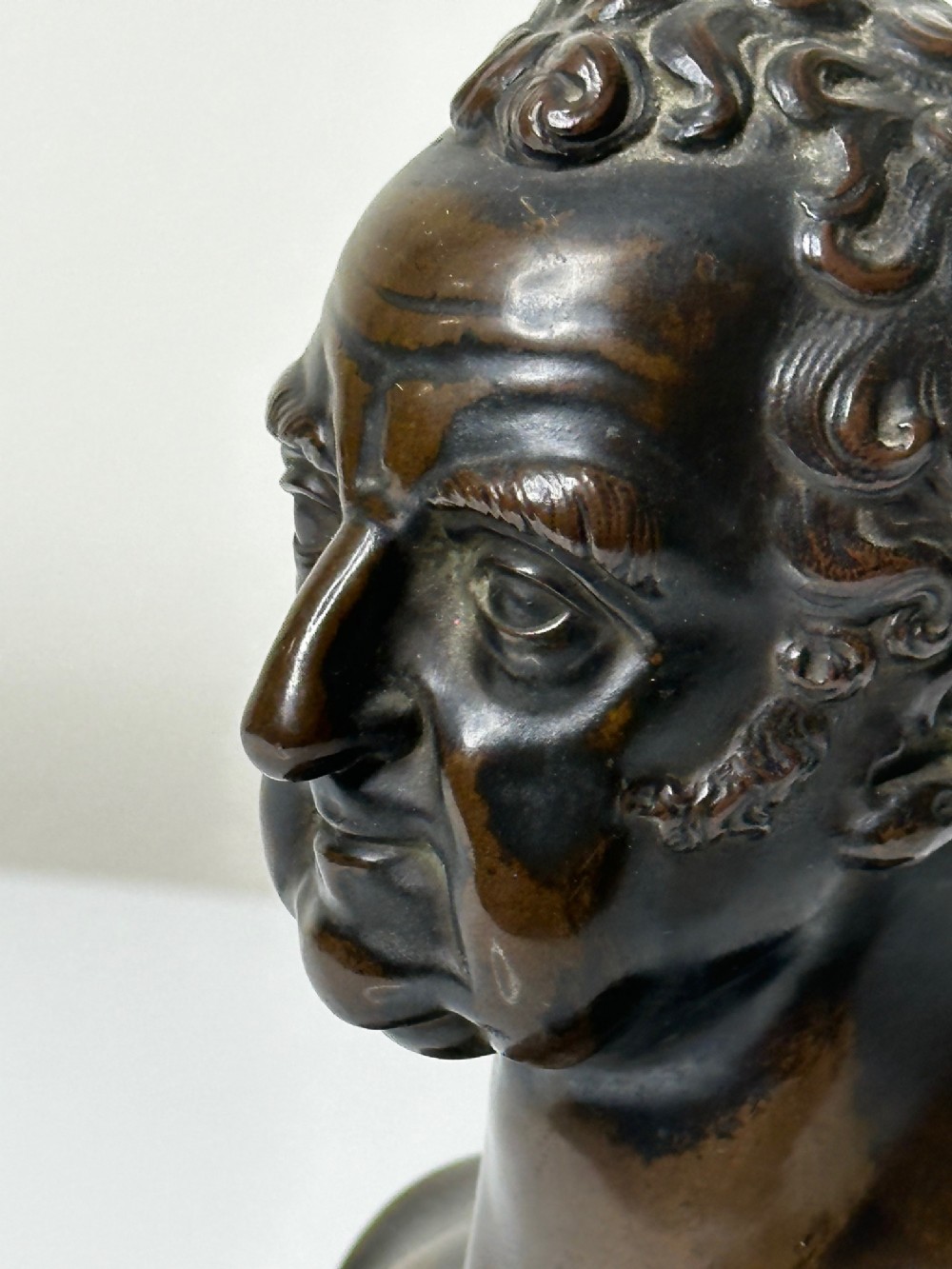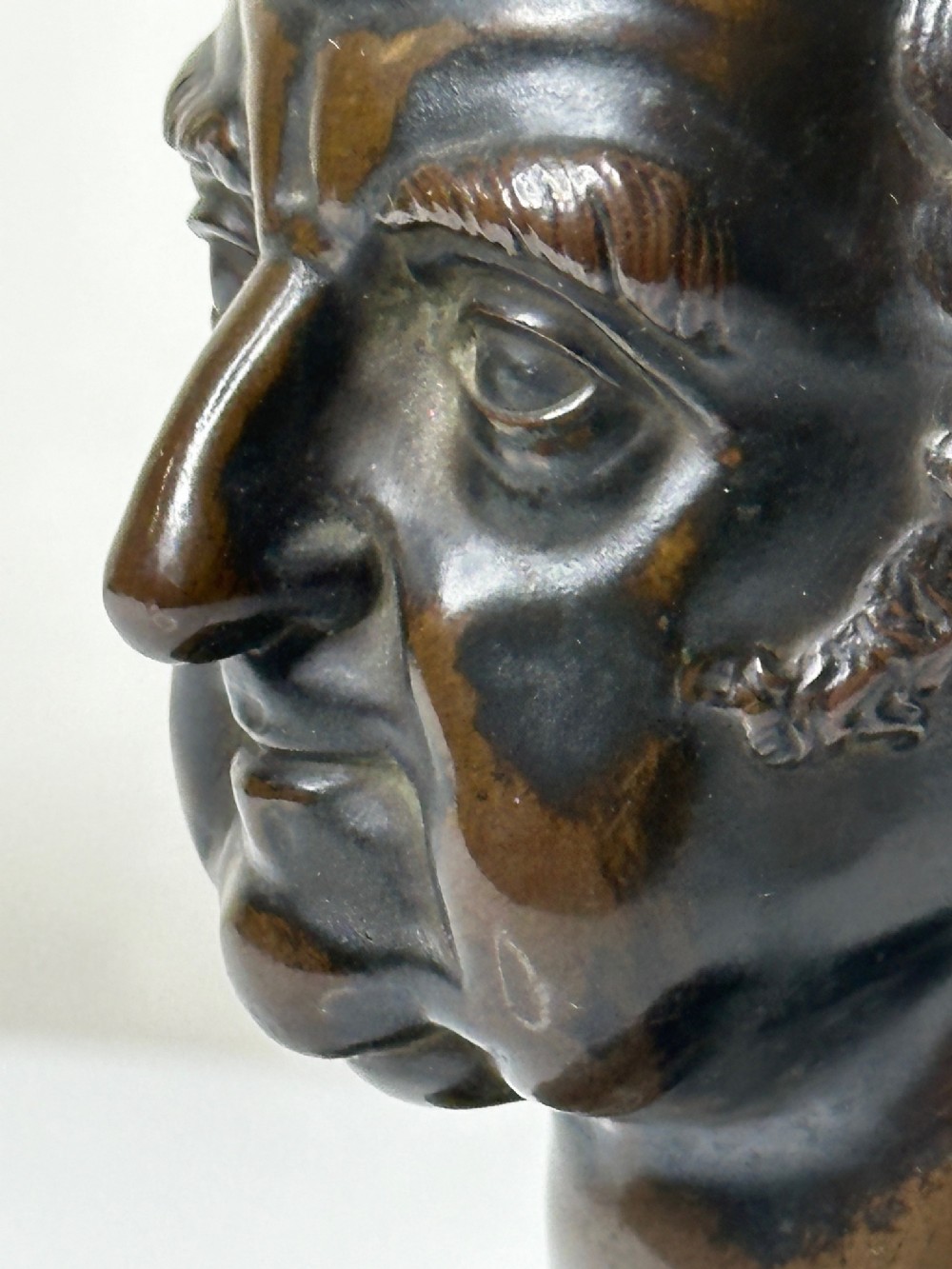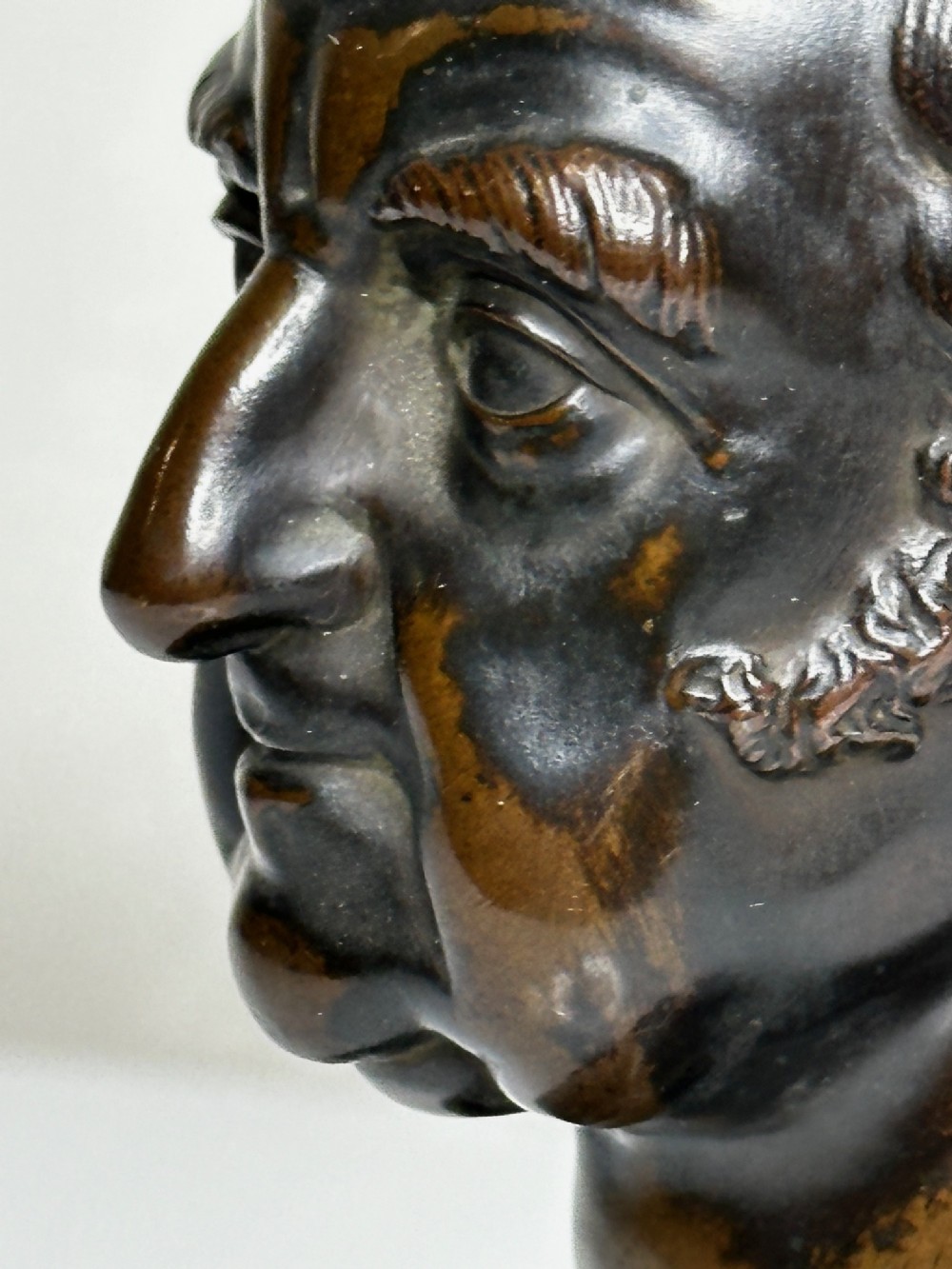
Cheshire Antiques Consultant Ltd has dated this piece to the Regency era.
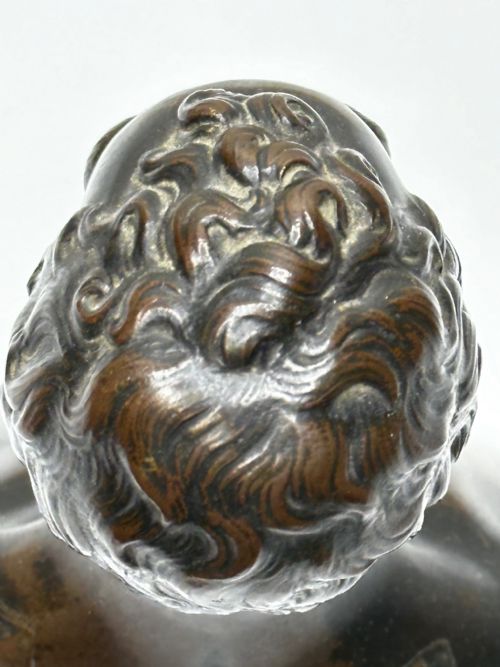
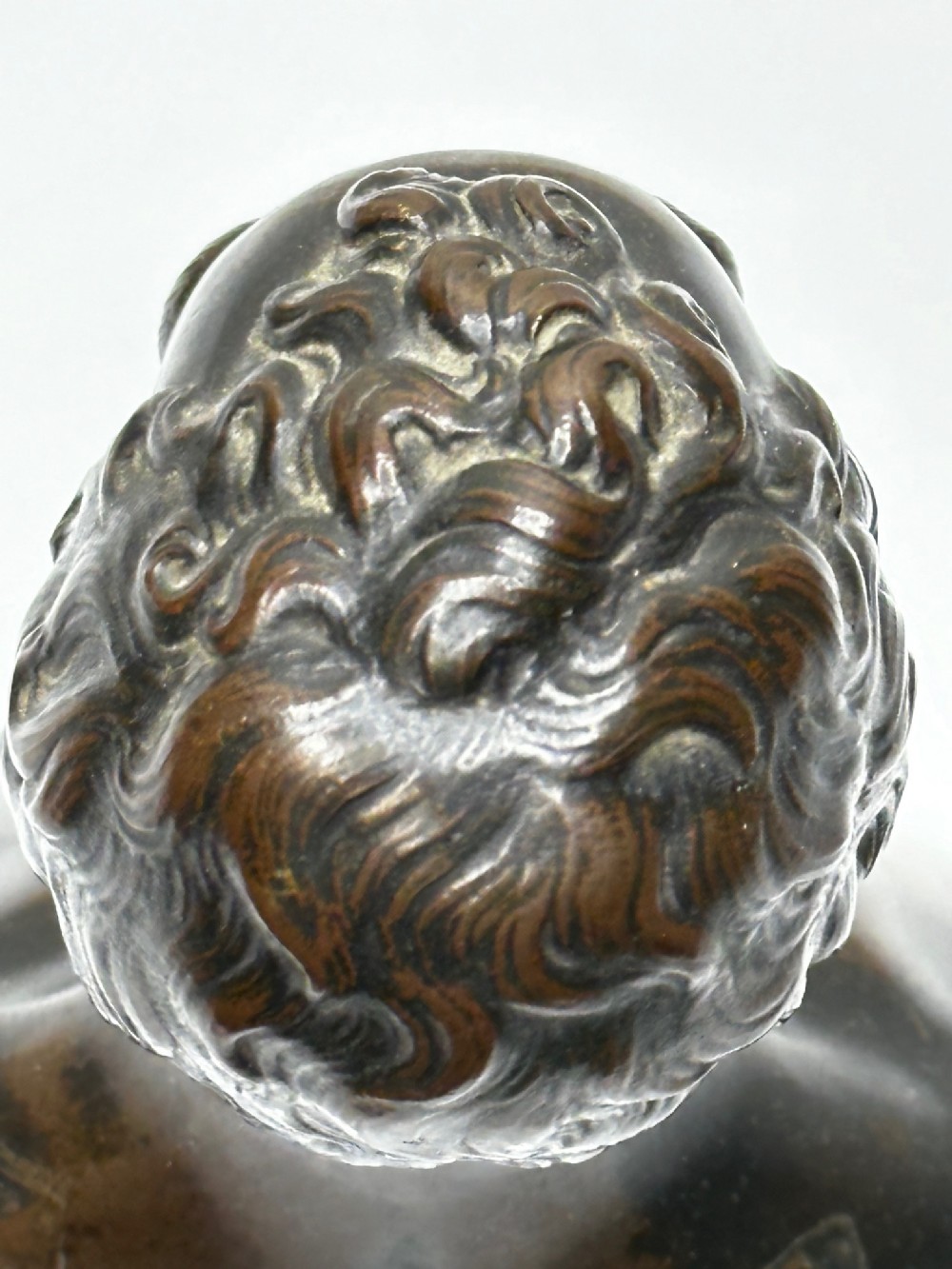
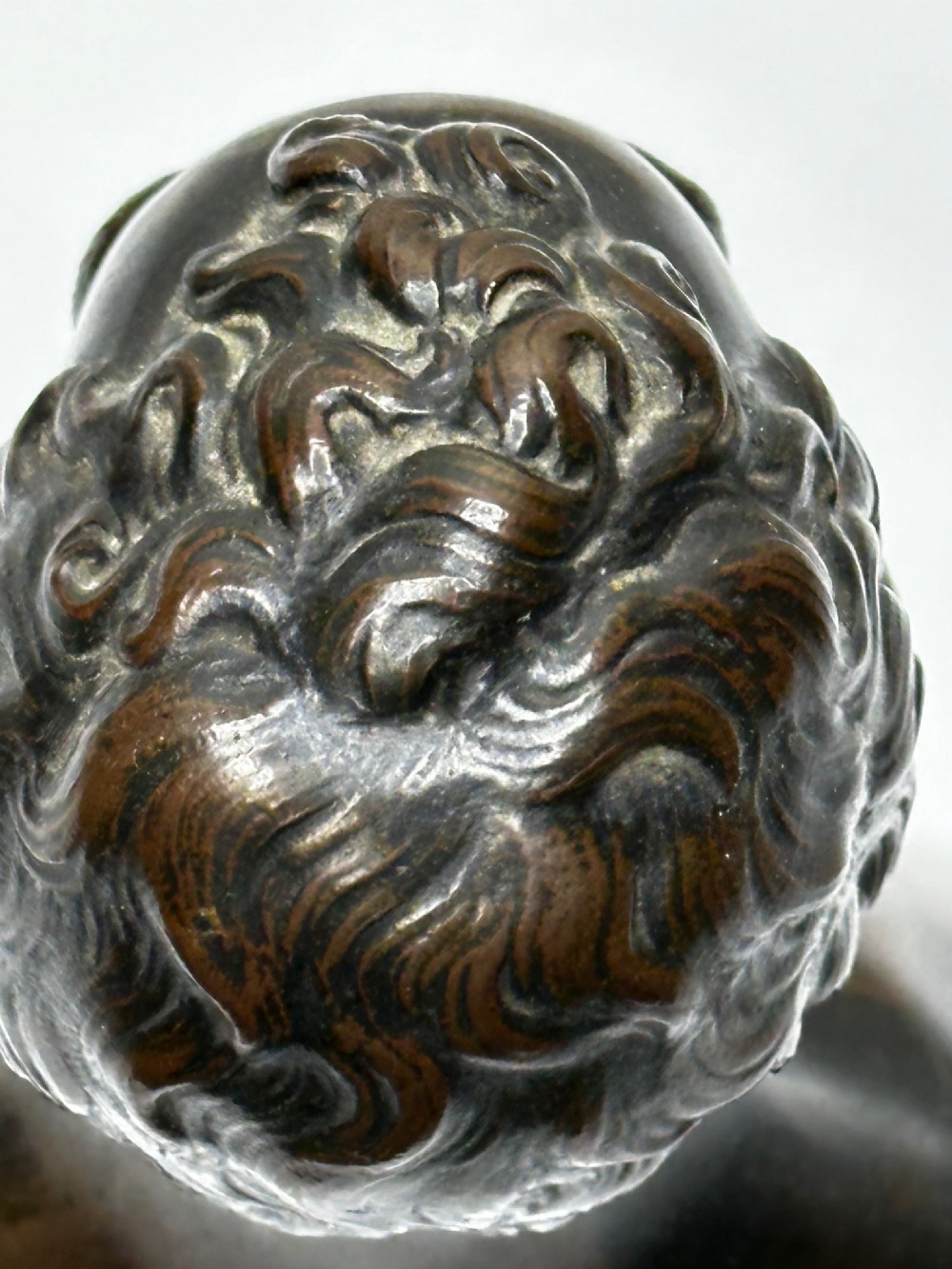
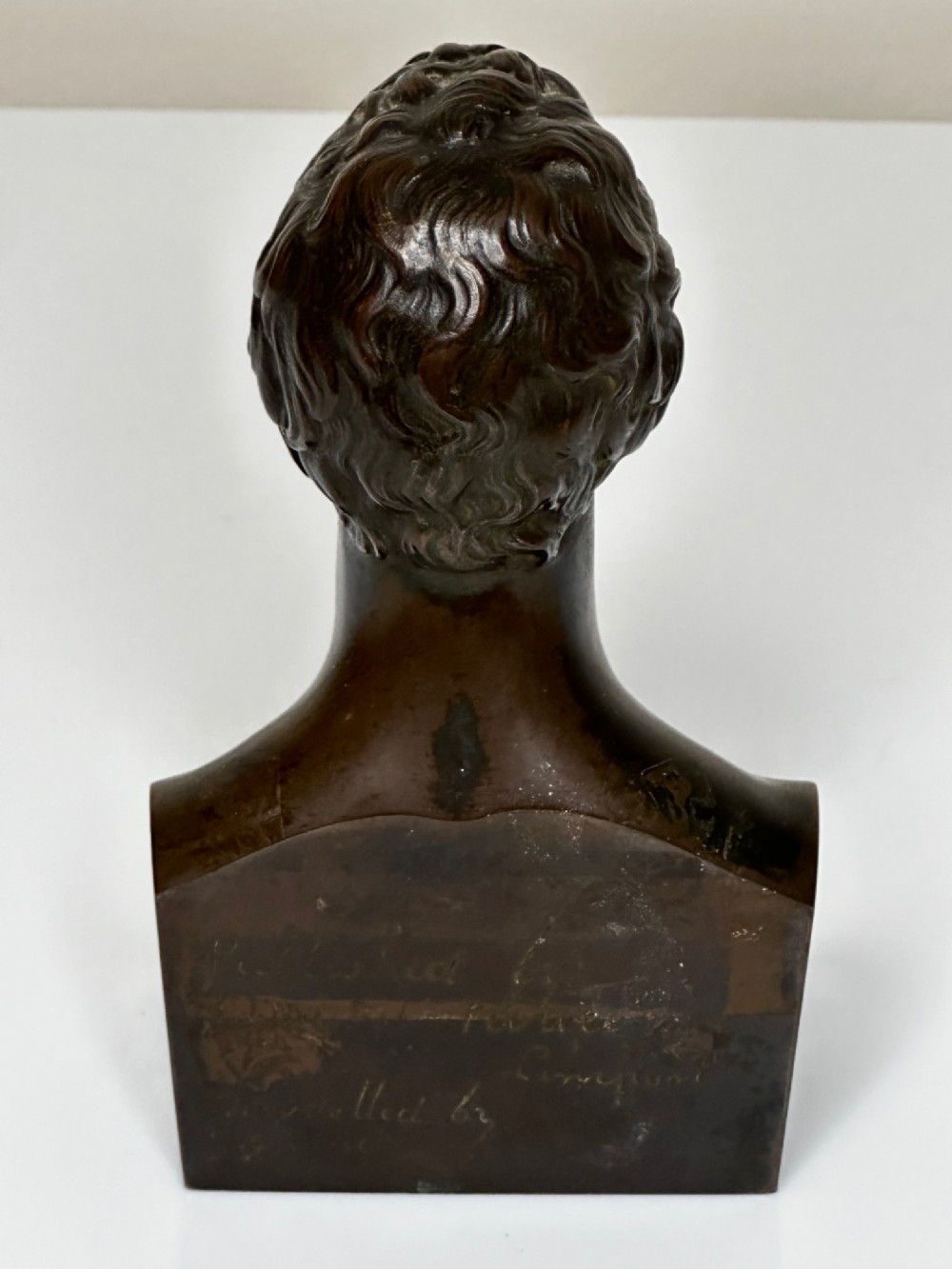
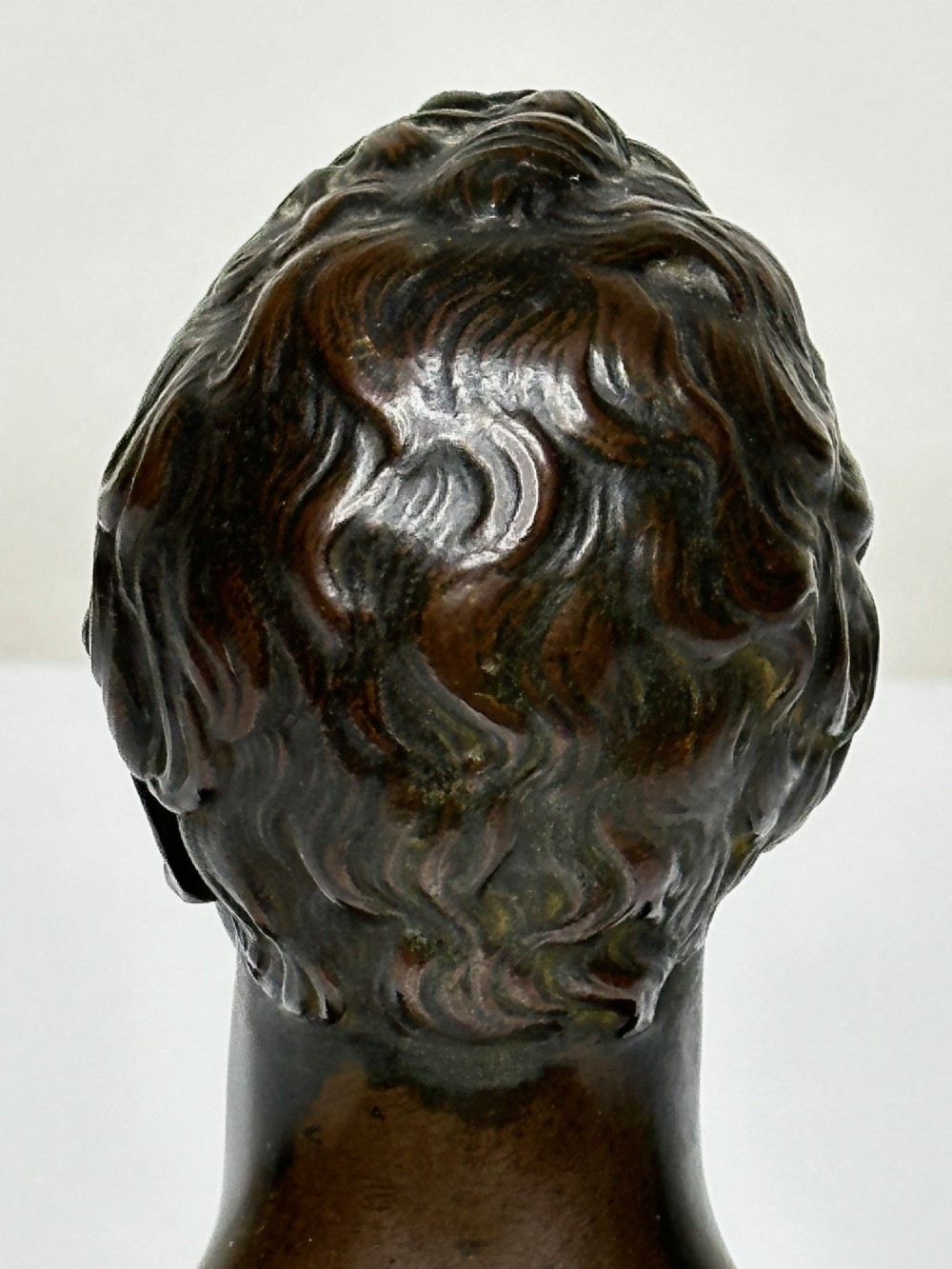
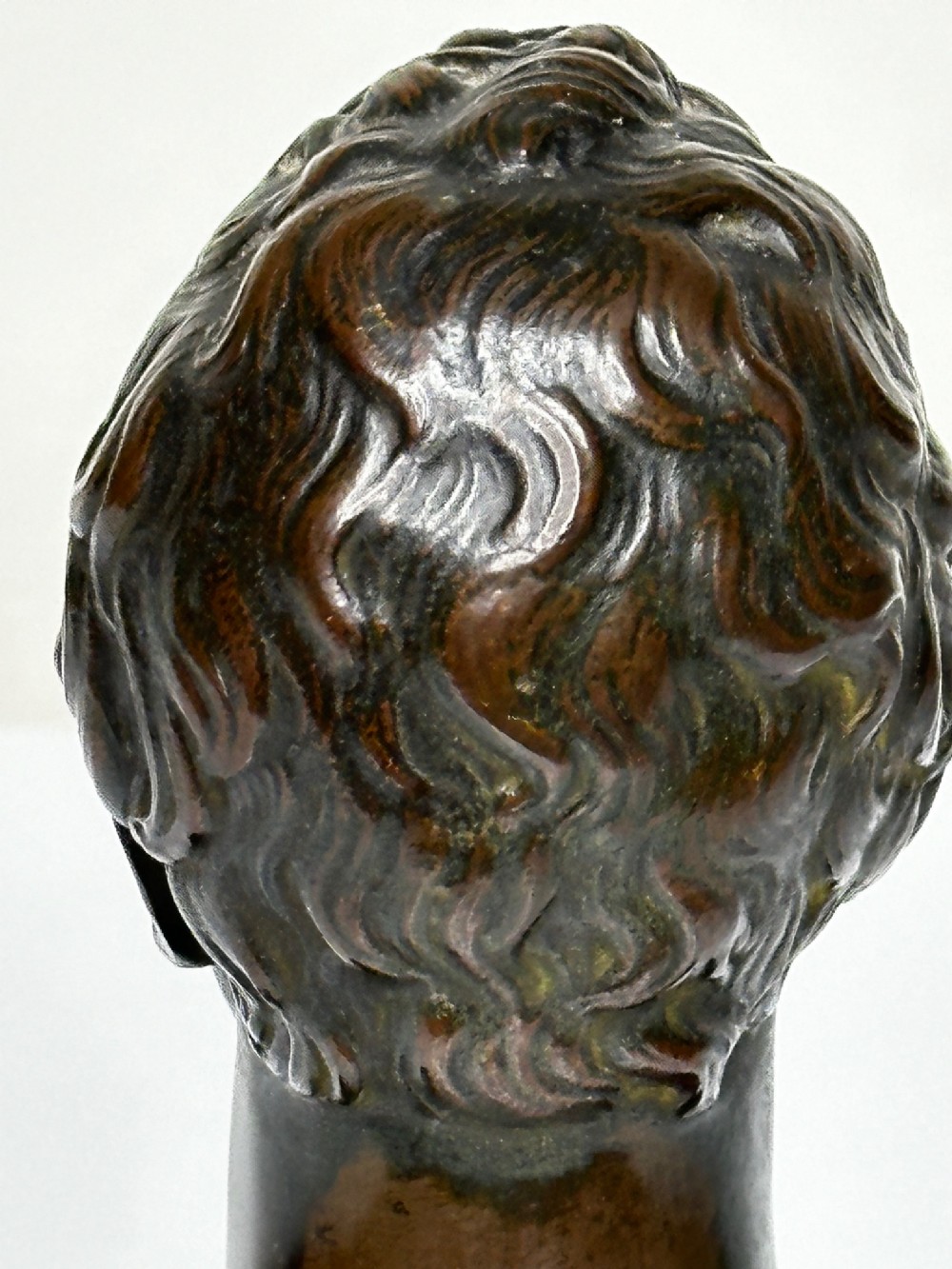
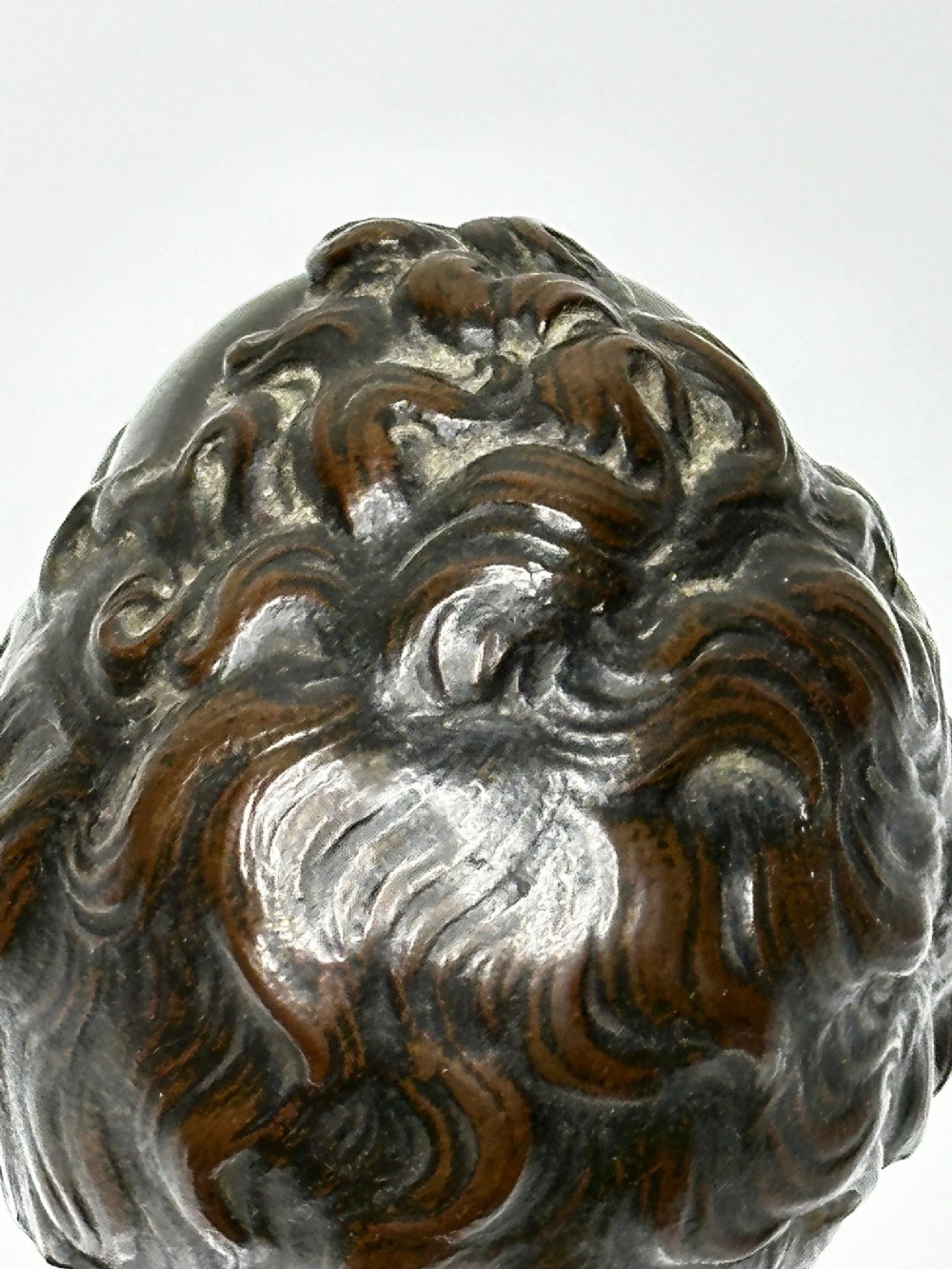
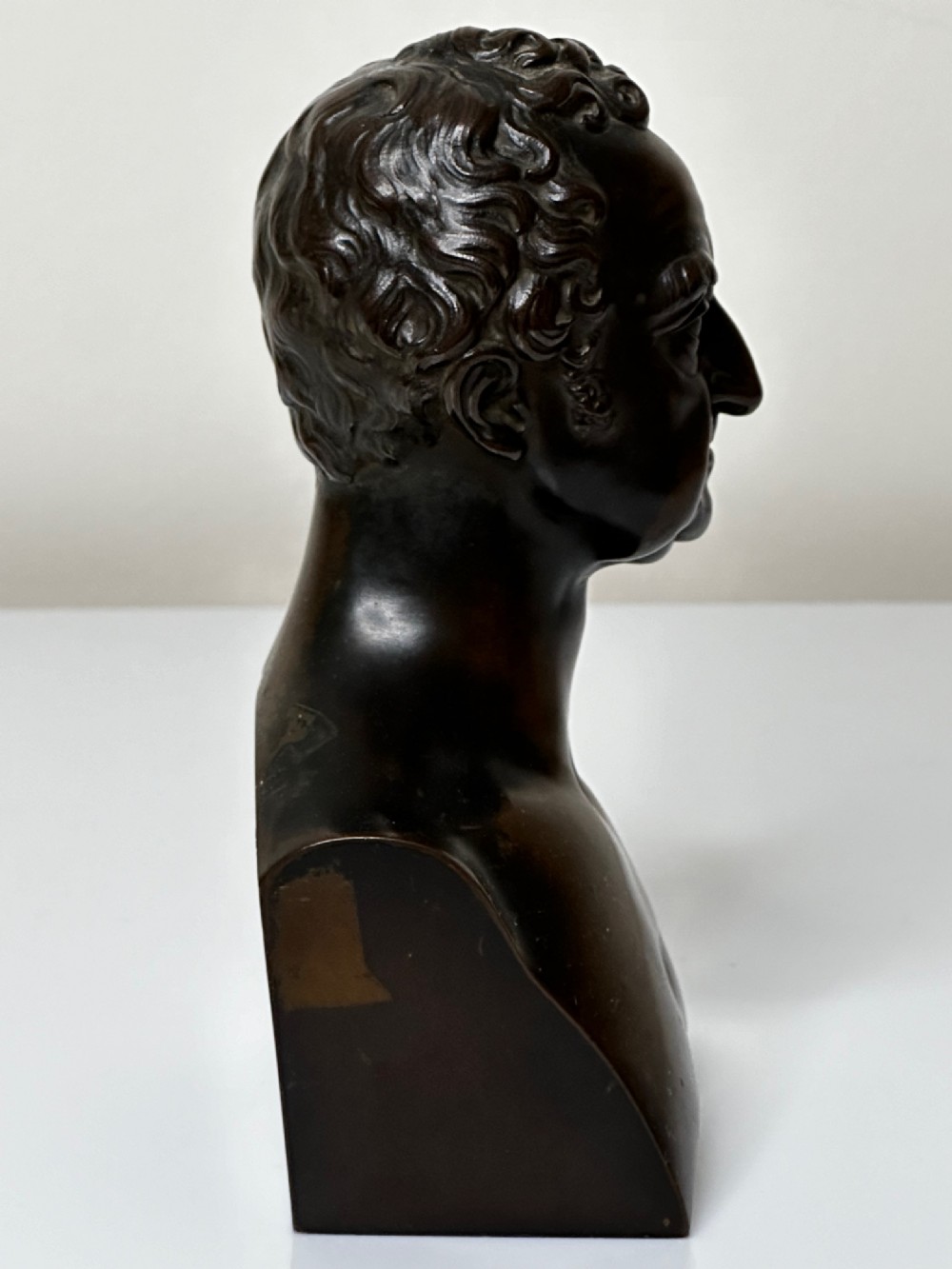
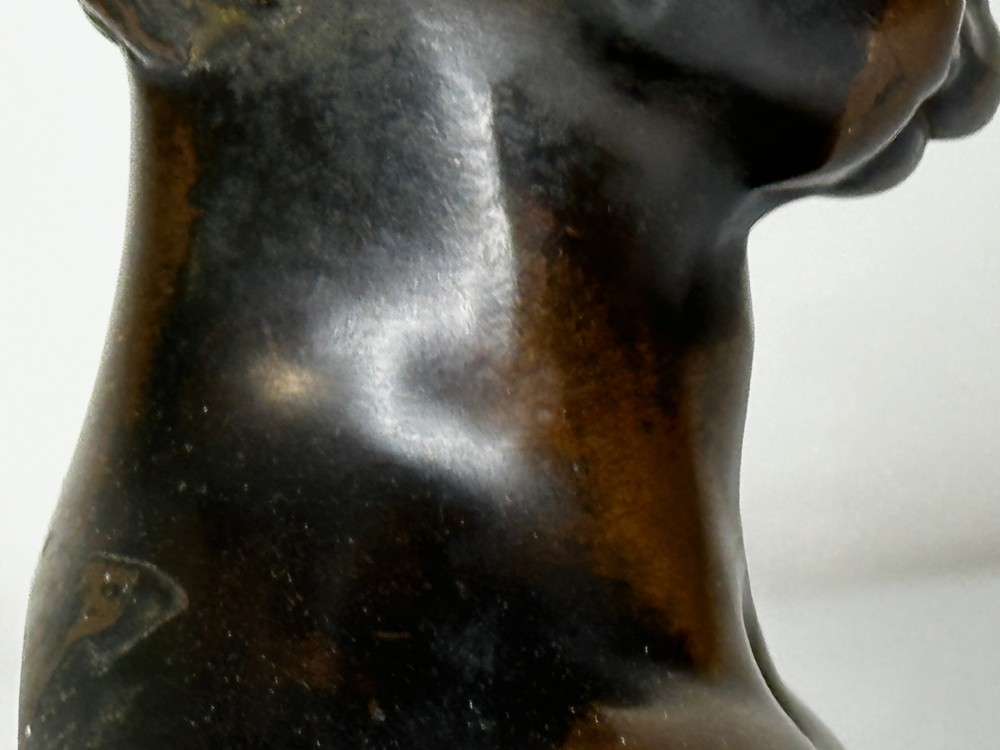
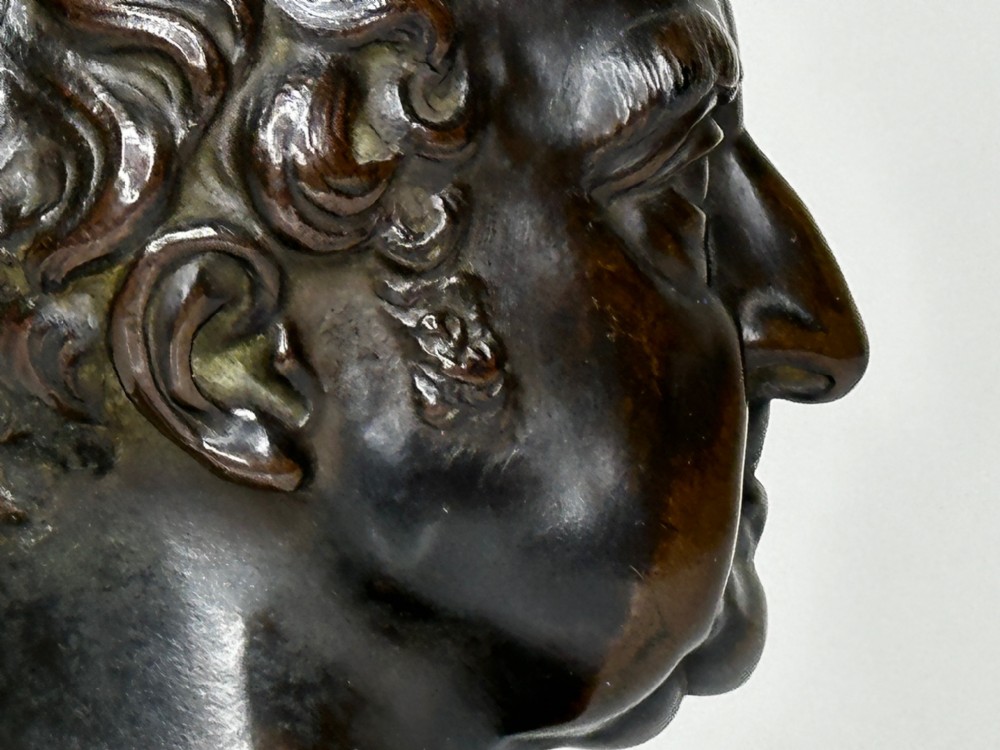
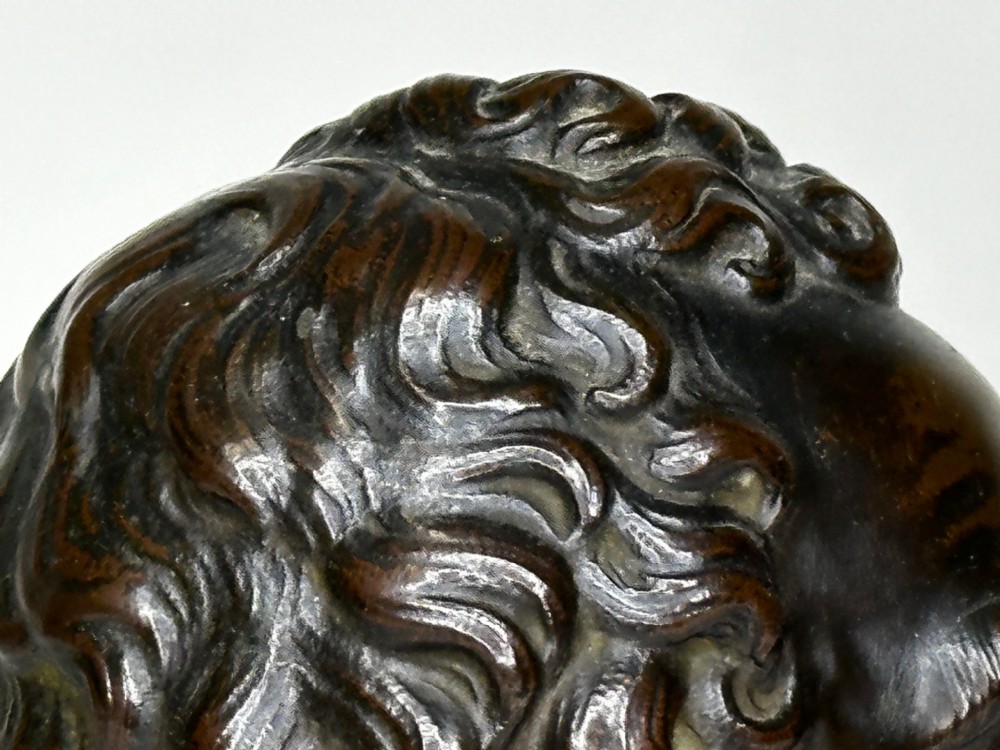
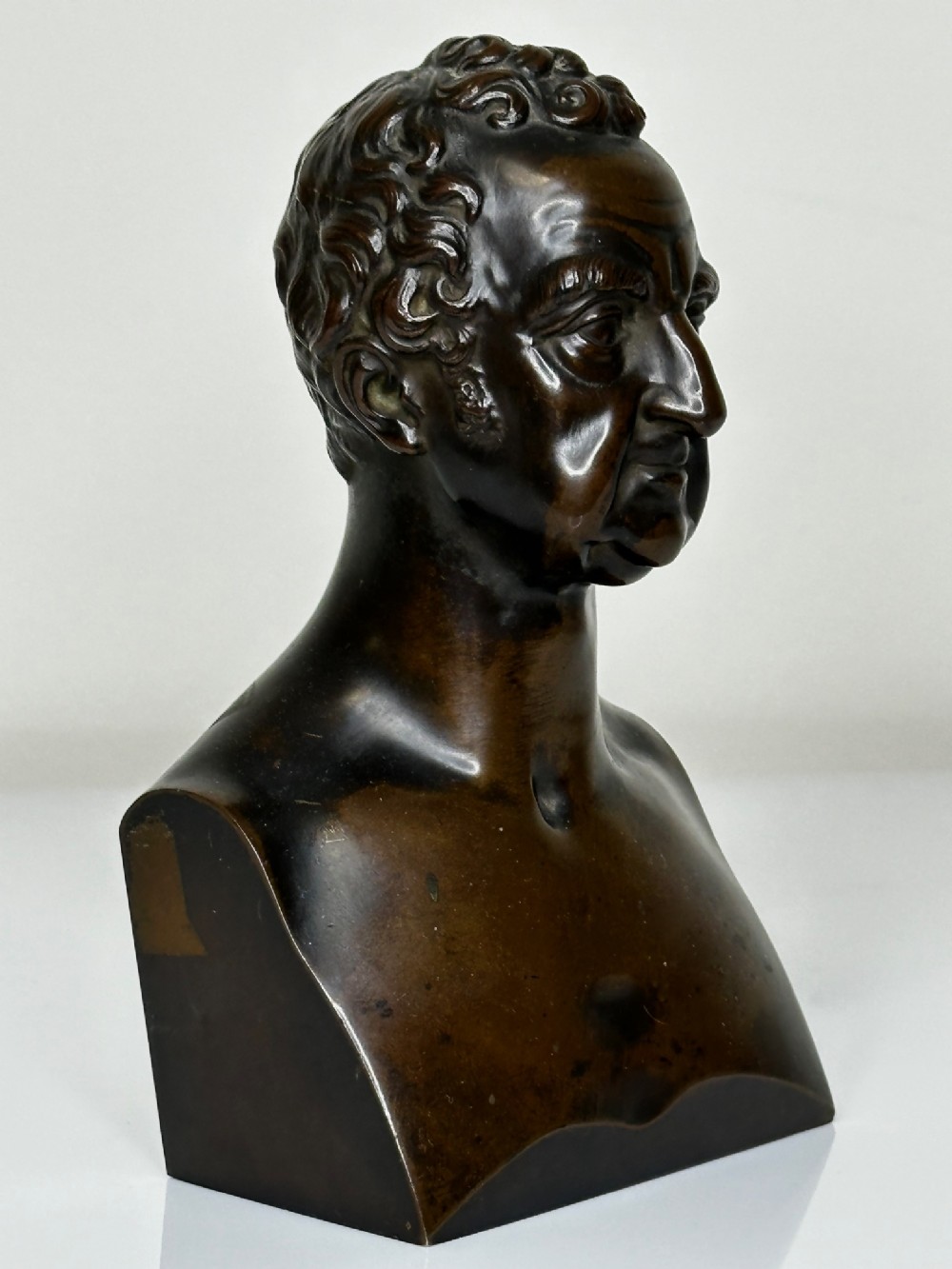
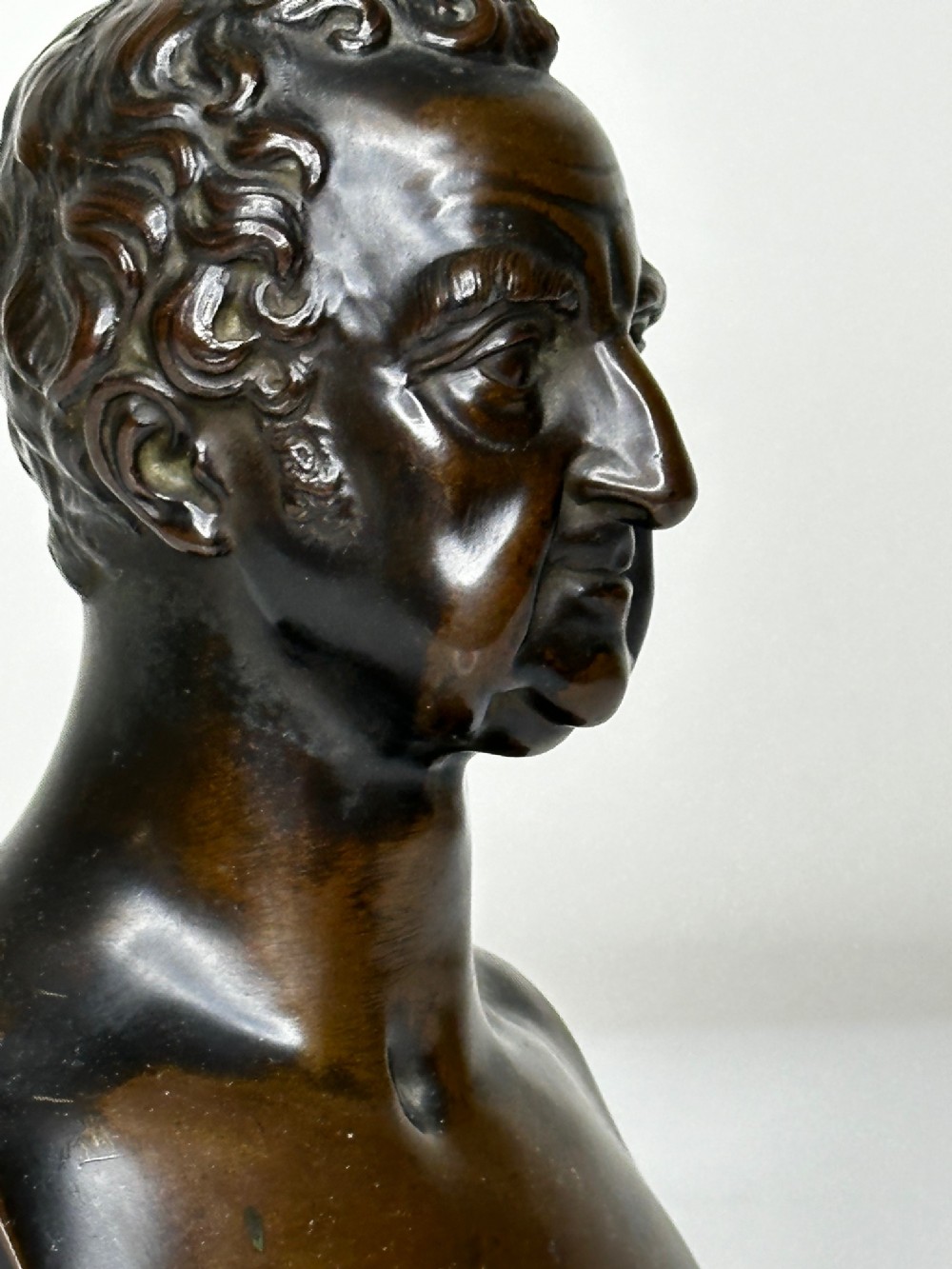
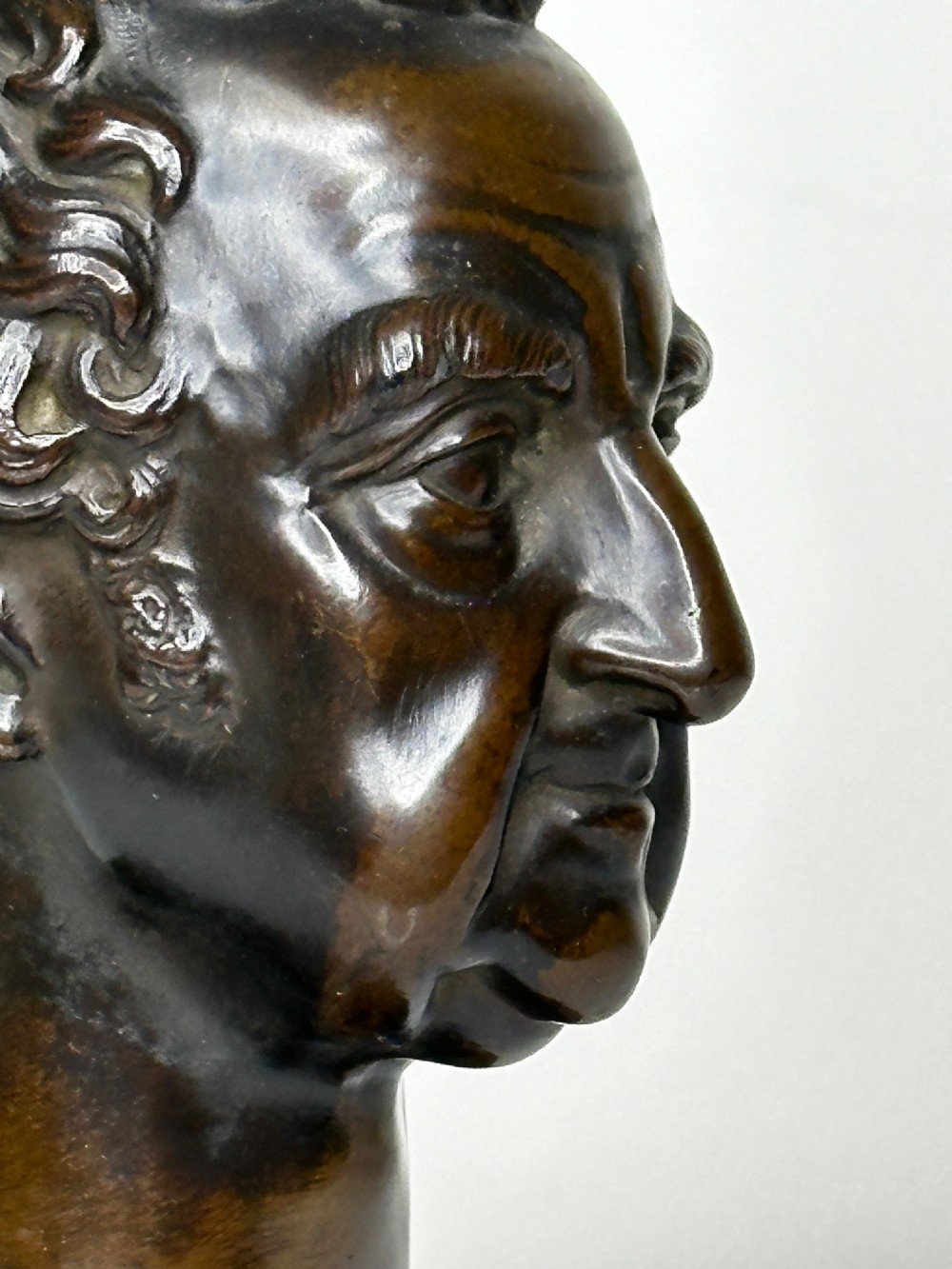
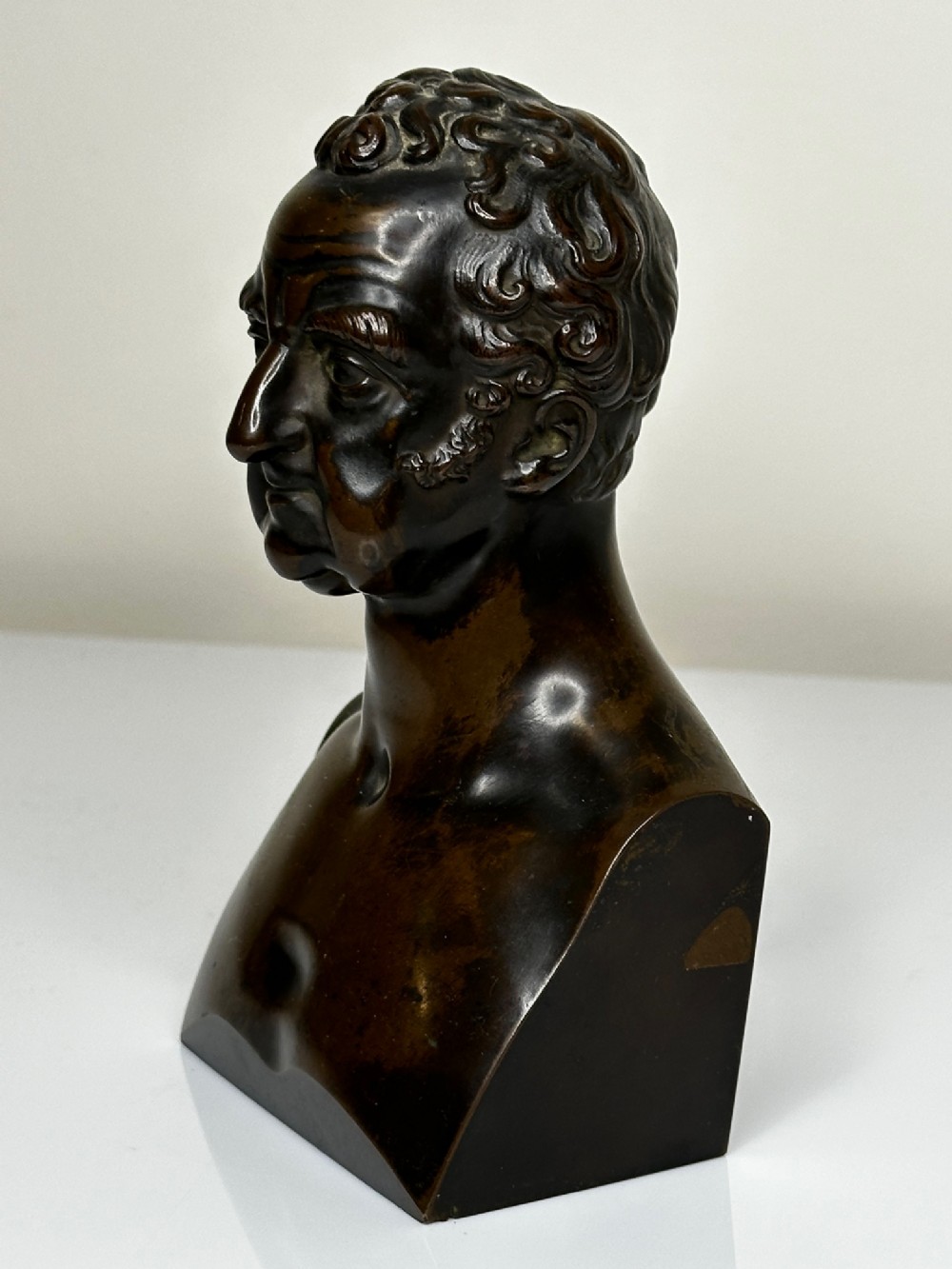
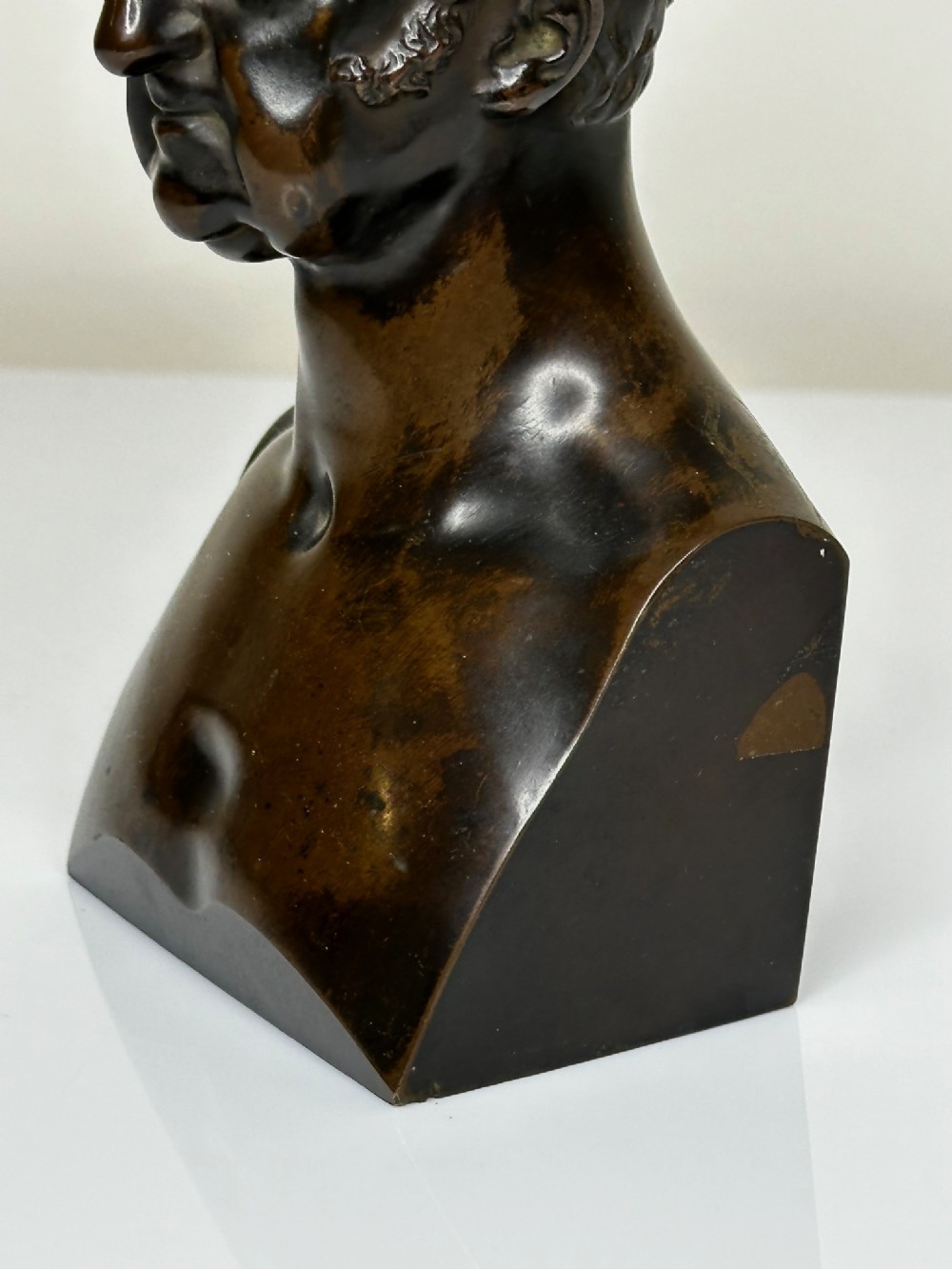
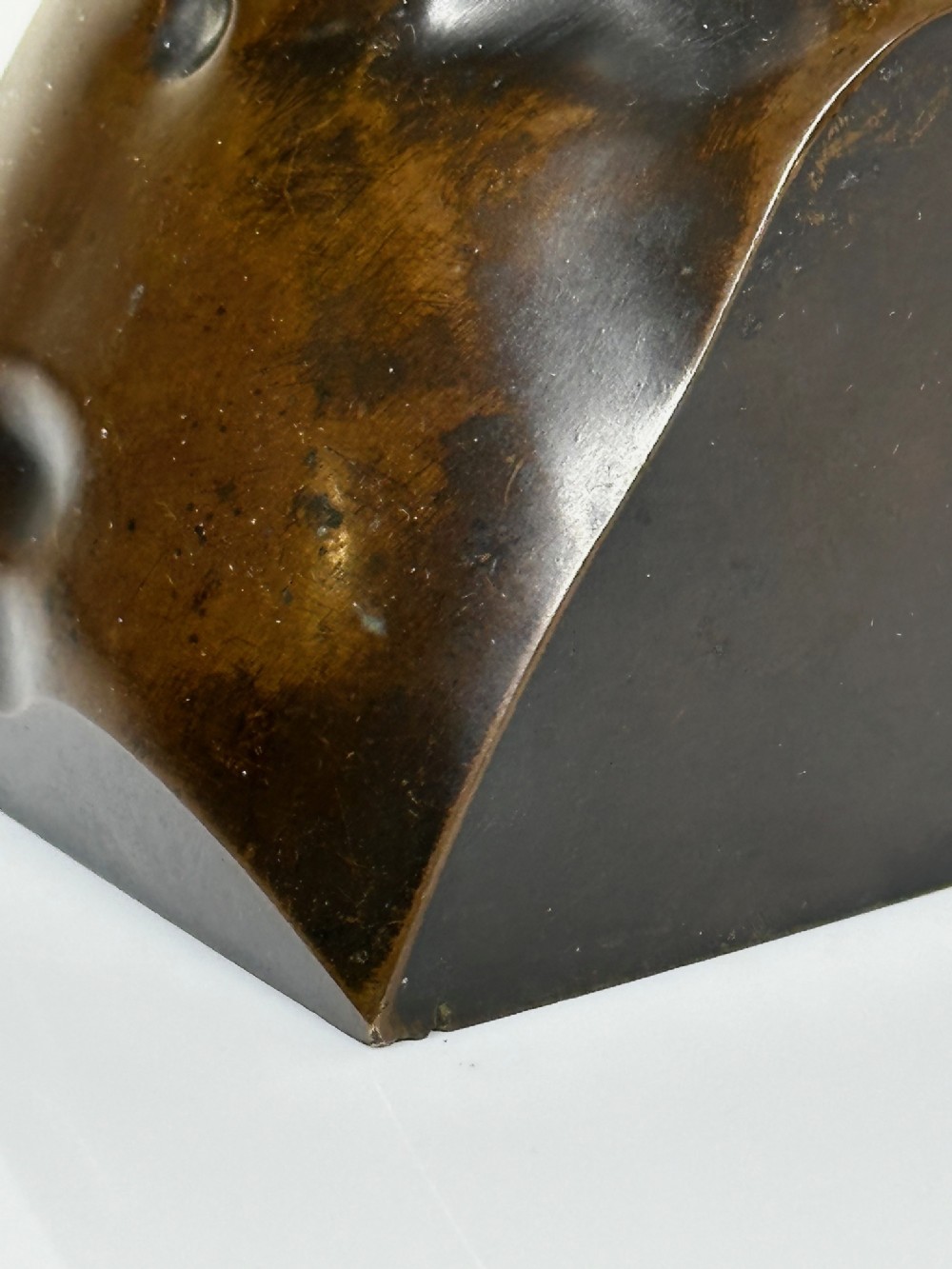
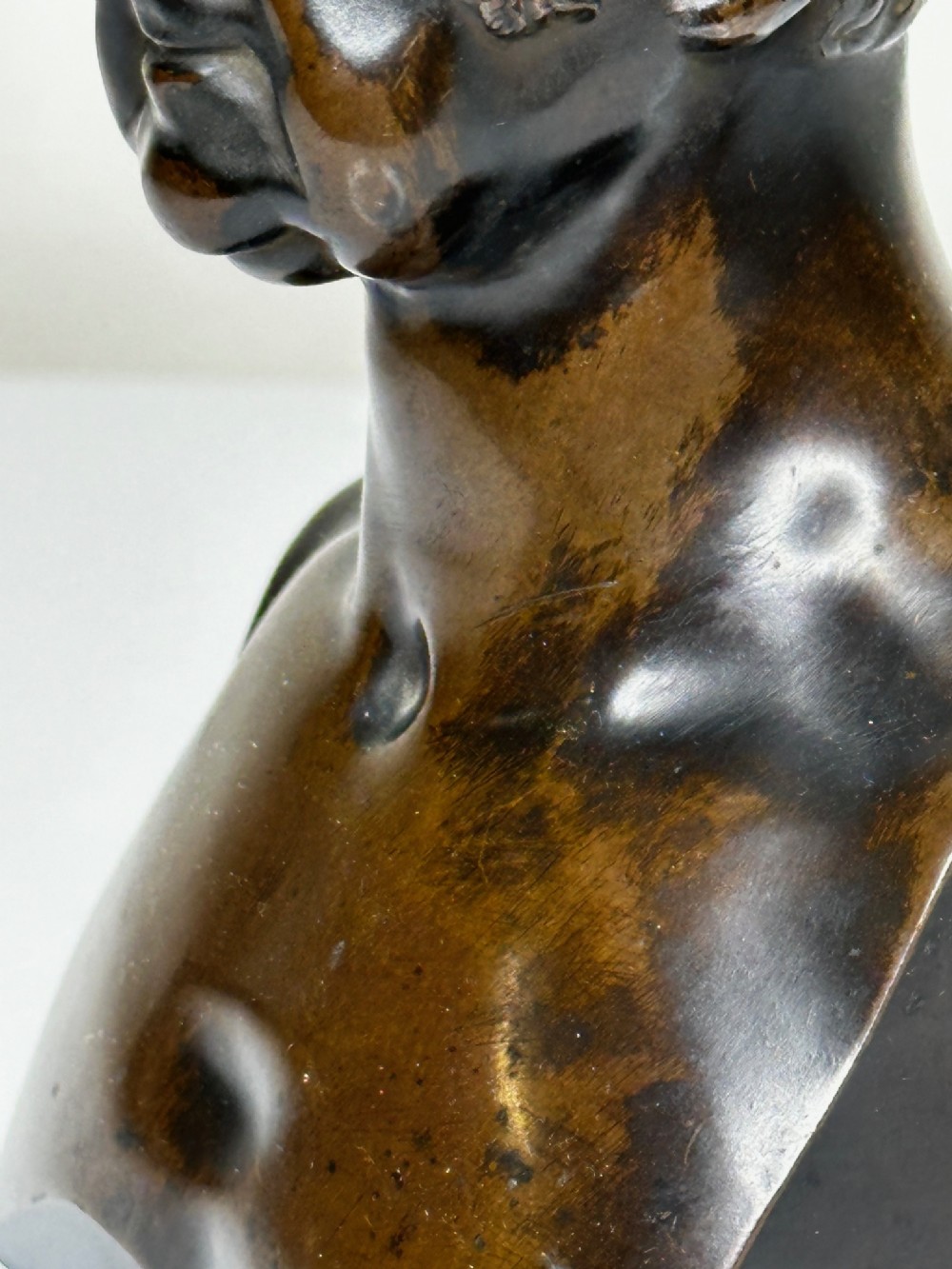
Subject known person William Roscoe shown in front profile, quarter length view, having such a fabulous patina which you will love & cherish, also having such crisp surface detail.
A rather nice display size being 15 cm high and 6.3 cm in depth.
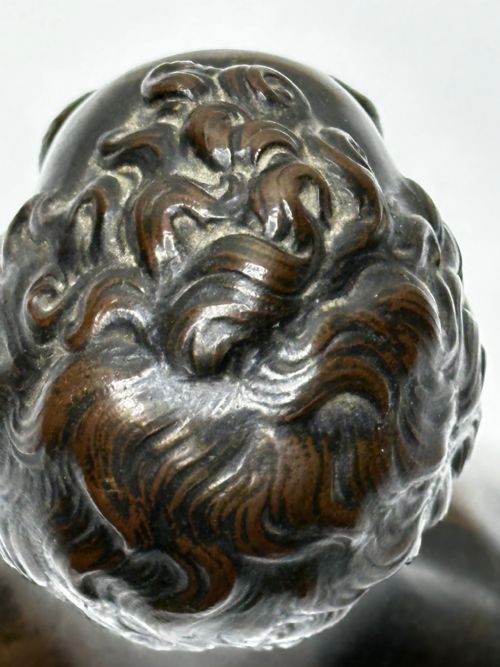
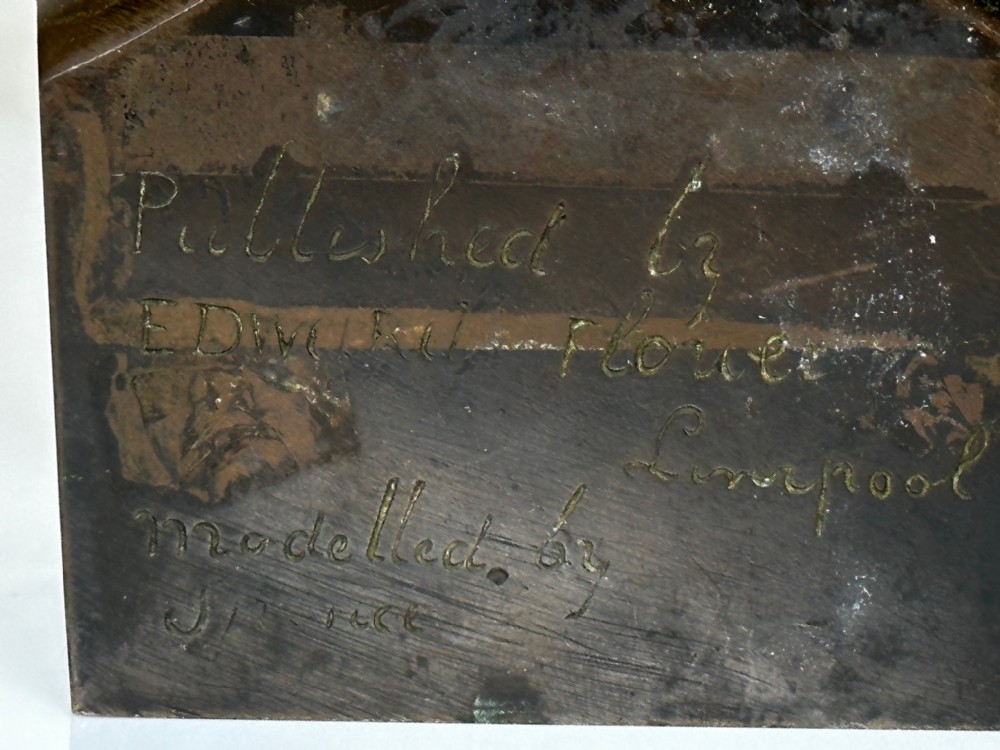
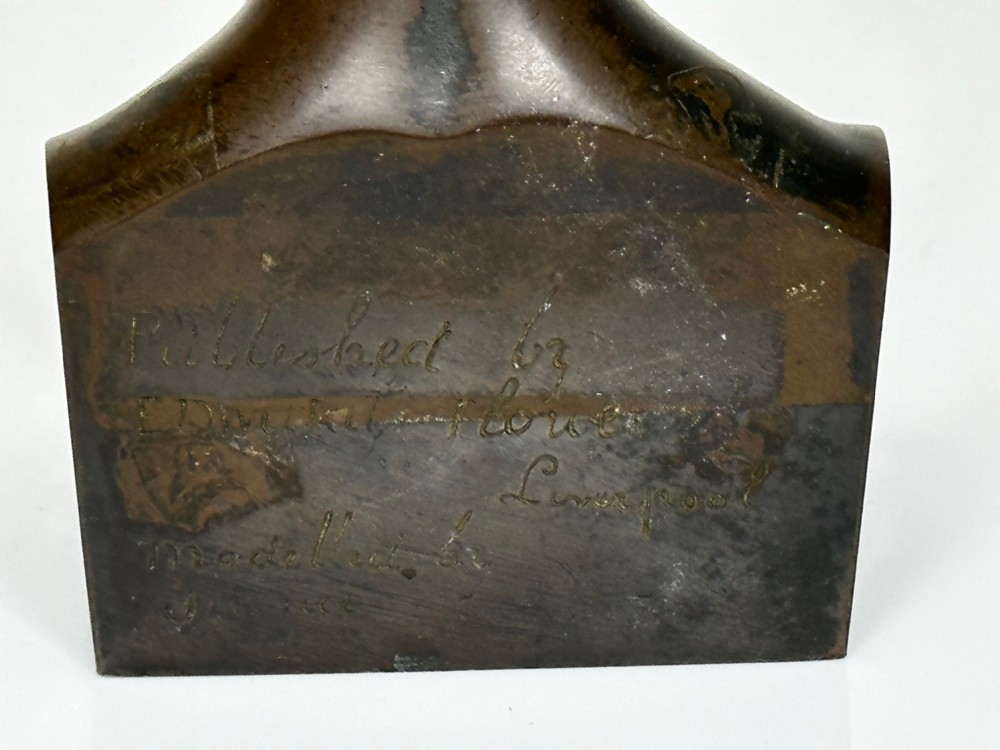
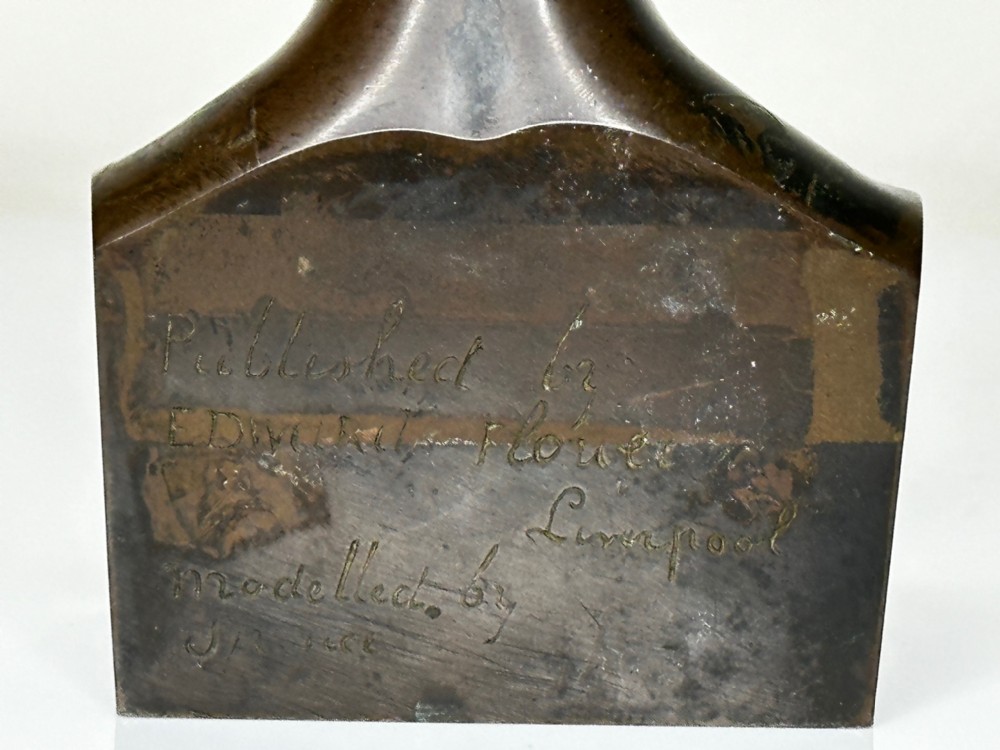
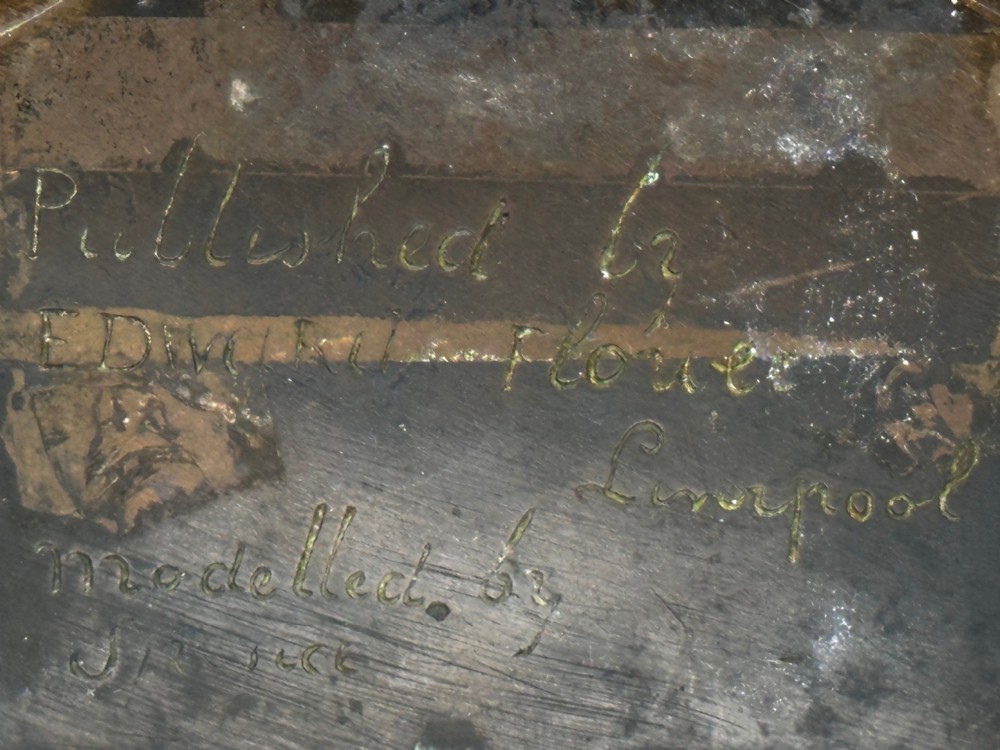
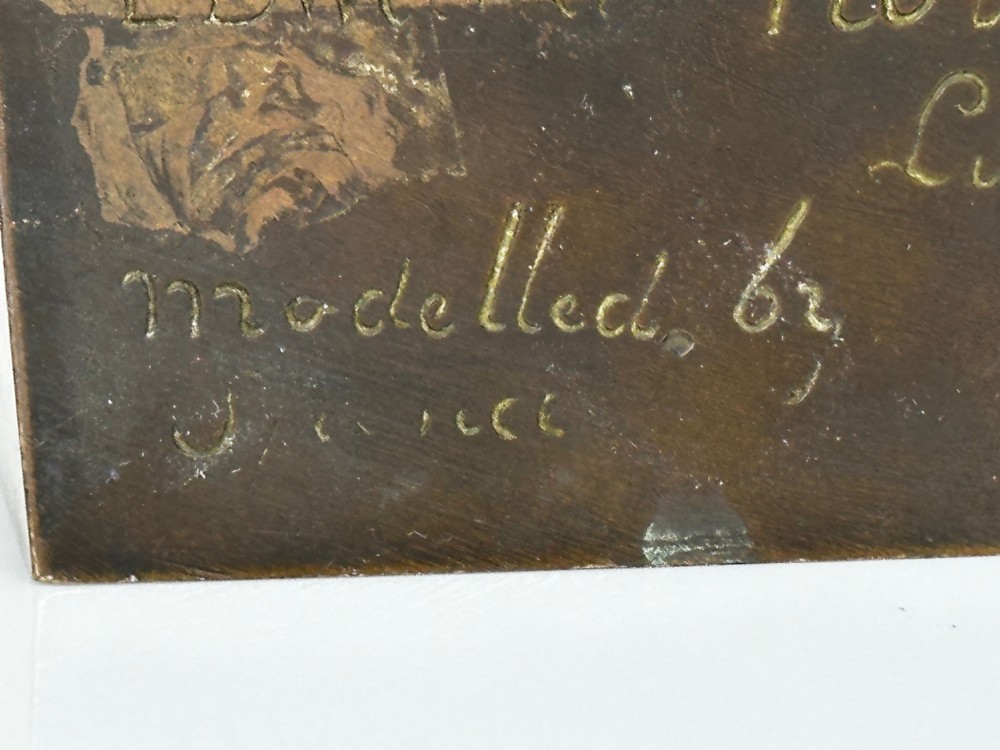
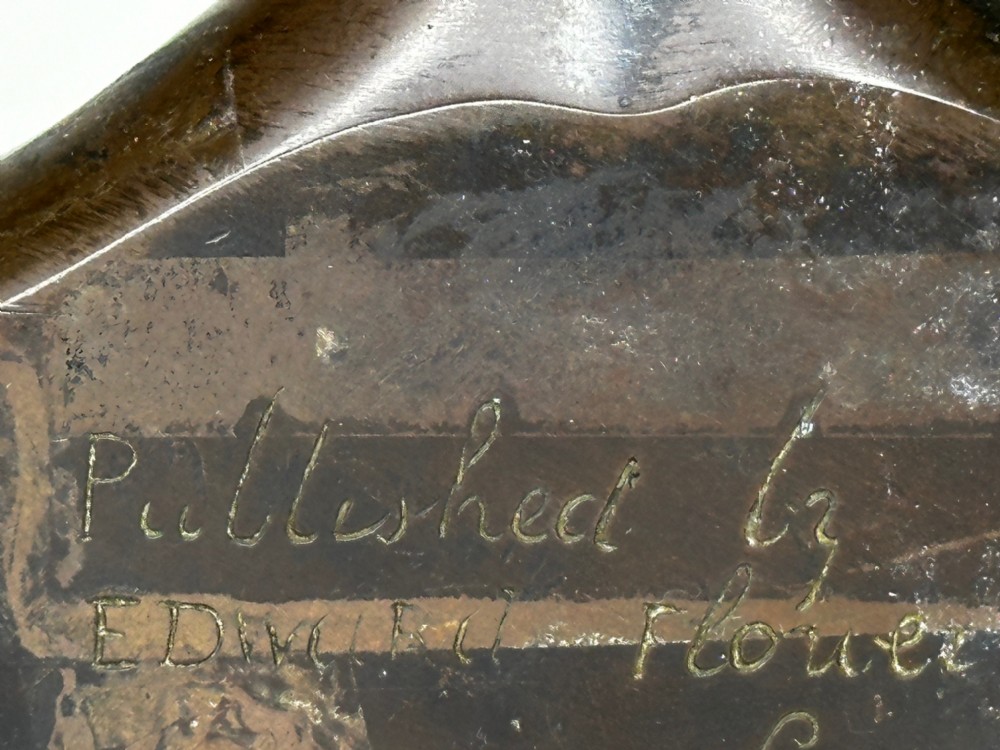
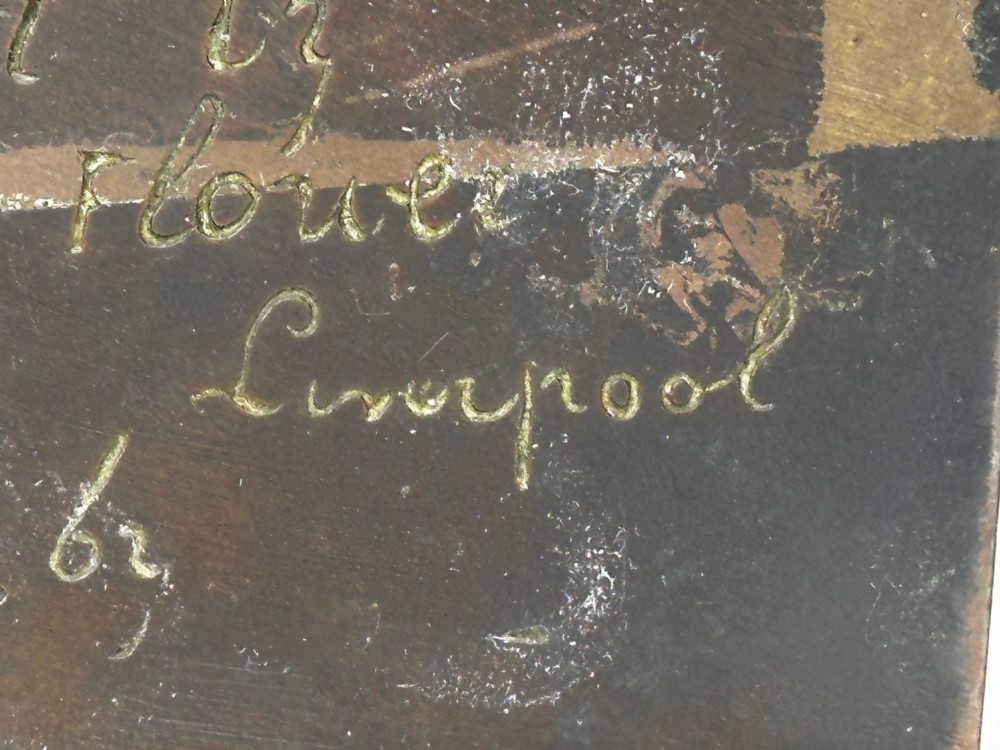
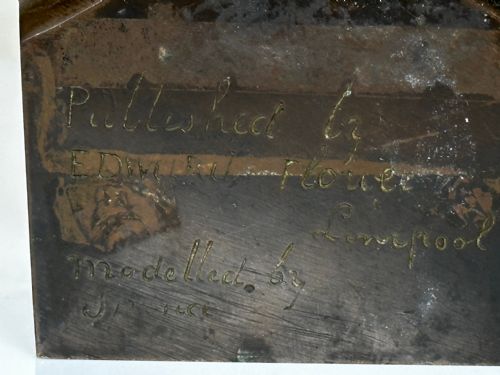
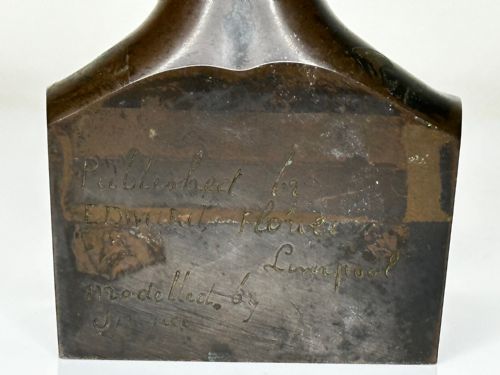
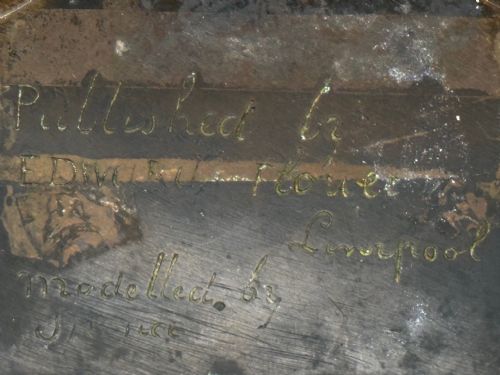
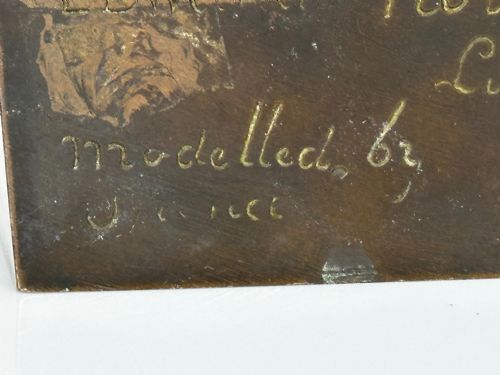
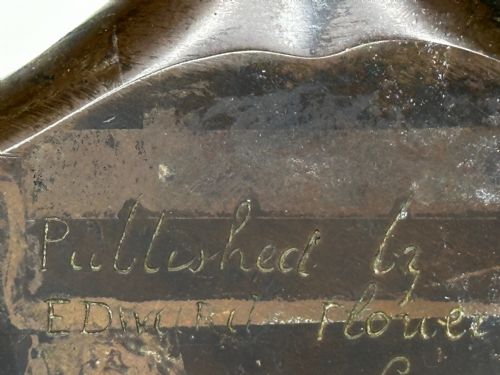
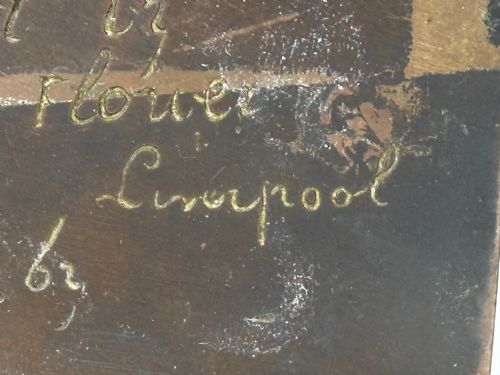
Signed on the back with inscription published by Edward Flower, Liverpool and modelled by Spence'.
Here we jave a rather fine rare example as his bust is almost identical to a small marble bust that is held in the collection of the National Portrait Gallery, London (NPG 4147), this sculpture model is believed to be a reduced size version of the bust that was exhibited by the sculptor Spence at the Liverpool Academy in 1813. Only half a dozen where ever issued at around the end of the Regency era 1820.
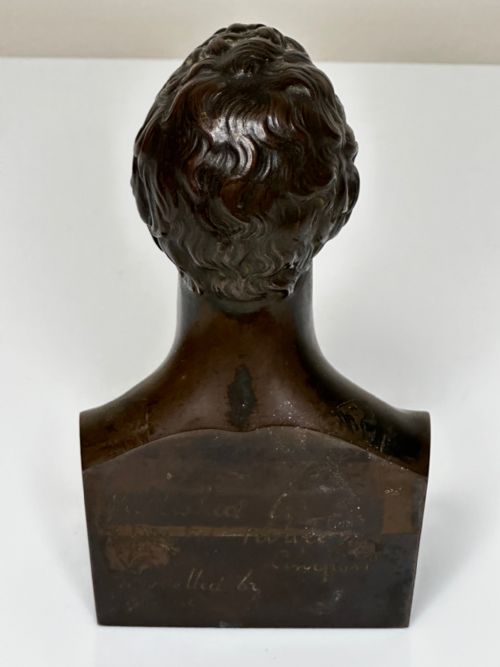
Made from the finest cast bronze.
Origin from Britain.
Circa early 19th century Regency era.
Provenance from a high end auction in the Shires with label underneath also older label inside the sculpture.
Highly desirable sought after by collectors.
Perfect to suit and home interior design theme.
By the known British listed sculptor He was born in Chester in 1793 and showed artistic talent at an early age. He was sent to Liverpool to study drawing and carving under a Mr Pether. In Liverpool he met and befriended John Gibson who was working nearby at Samuel Francey's yard and got Spence a job in this yard. Spence went into partnership with Francey in 1819.
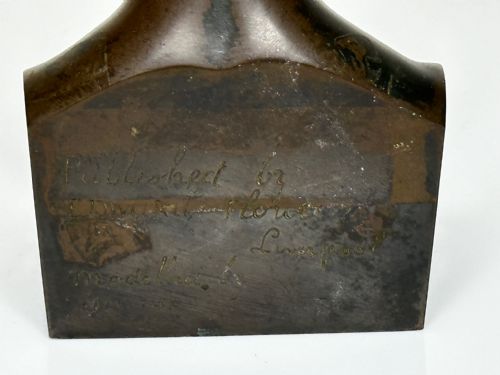
He exhibited at the Royal Academy from 1821 to 1844 bearing inscription to reverse 'published by Edward Flower, Liverpool and modelled by Spence'.
He was given the post of Professor of Drawing at Liverpool Academy of Arts. He died in Liverpool in 1849.
William Roscoe (8 March 1753 – 30 June 1831) a known Liverpudlian he was a lawyer, banker, abolitionist MP also a public man who promoted his city's cultural development as well as being an author & scholar, he alos loved to collect art. He is best known as one of England's first abolitionists, and as the author of the poem for children The Butterfly's Ball, and the Grasshopper's Feast. In his day he was also respected as a historian and art collector, as well as a botanist and miscellaneous writer.
His early life he was born in Liverpool, where his father, a market gardener, kept a public house called the Bowling Green at Mount Pleasant. Roscoe left school at the age of twelve, having learned all that his schoolmaster could teach. He assisted his father in the work of the garden, but spent his leisure time on reading and study. Later, he wrote:
This mode of life gave health and vigour to my body, and amusement and instruction to my mind; and to this day I well remember the delicious sleep which succeeded my labours, from which I was again called at an early hour. If I were now asked whom I consider to be the happiest of the human race, I should answer, those who cultivate the earth by their own hands.
At fifteen he began to look for a suitable career. A month's trial of bookselling was unsuccessful, and in 1769 he was articled to a solicitor. Although a diligent student of law, he continued to read the classics, and made the acquaintance with the language and literature of Italy which was to dominate his life.
In 1774, he went into business as a lawyer, and in 1781 married Jane, second daughter of William Griffies, a Liverpool tradesman; they had seven sons and three daughters. Roscoe had the courage to denounce the trans-Atlantic slave trade in his native town, where, at that time, a significant amount of the wealth came from slavery. Roscoe was a prominent Unitarian. His outspokenness against the slave trade meant that abolitionism
Cheshire Antiques Consultant Ltd has dated this piece to the Regency era.
Source the historic in 17th, 18th, 19th & 20th century fine arts, painting, sculptures & collectibles
You can view the stock and full dealer information on the Cheshire Antiques Consultant Ltd Profile Page
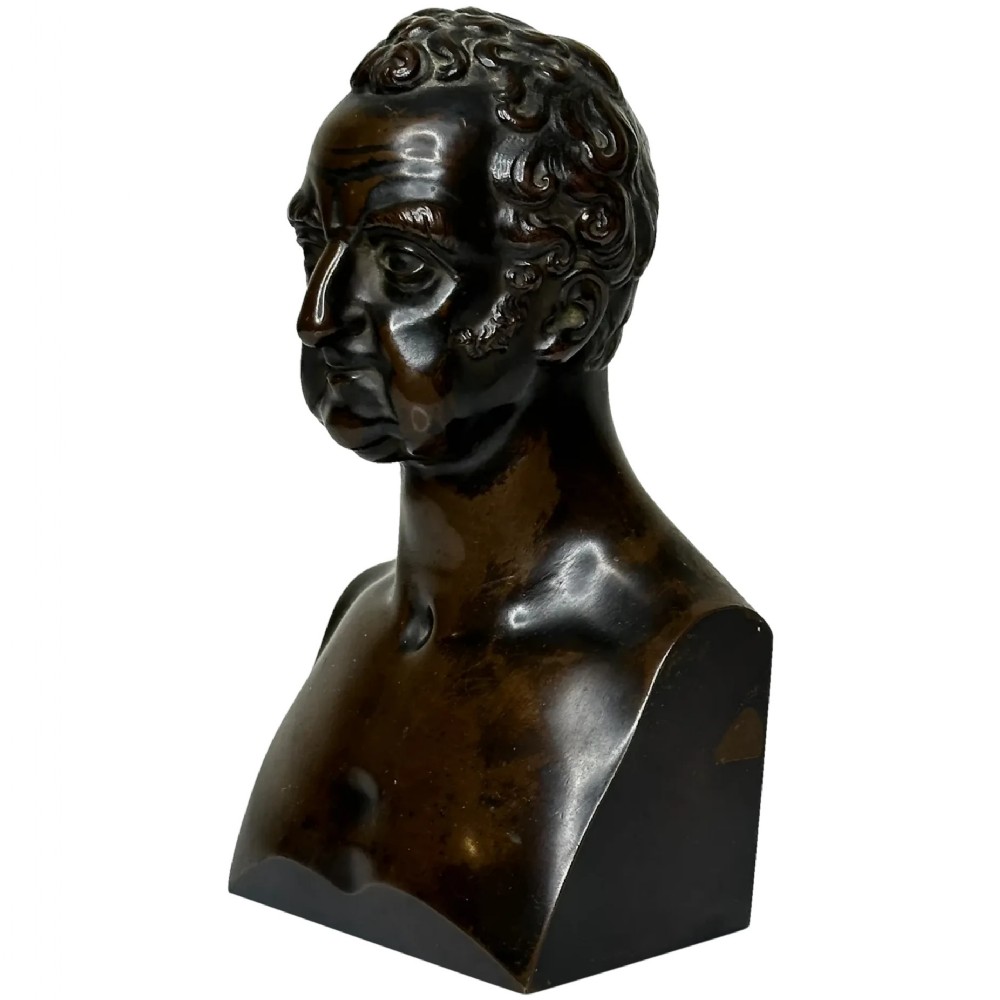
Bronze Sculpture Bust of William Roscoe by William Spence