30,367  PAGES BROWSED TODAY PAGES TODAY 66  ANTIQUES UPLOADED TODAY NEW ARRIVALS
Sort Order
Items Per Page
ID #SA1032071
SOLD
Email
Save
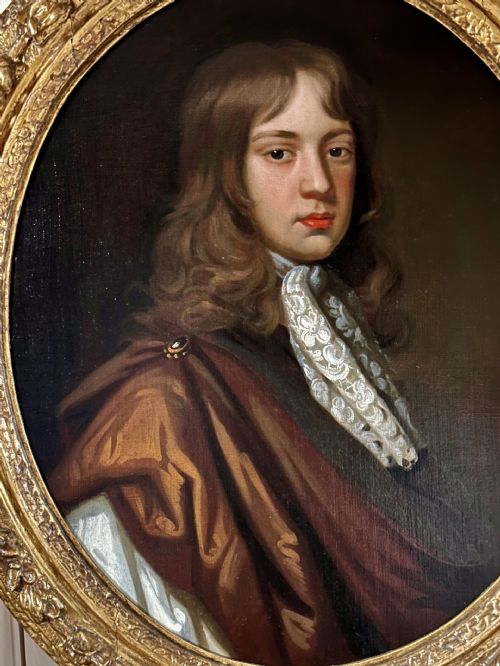
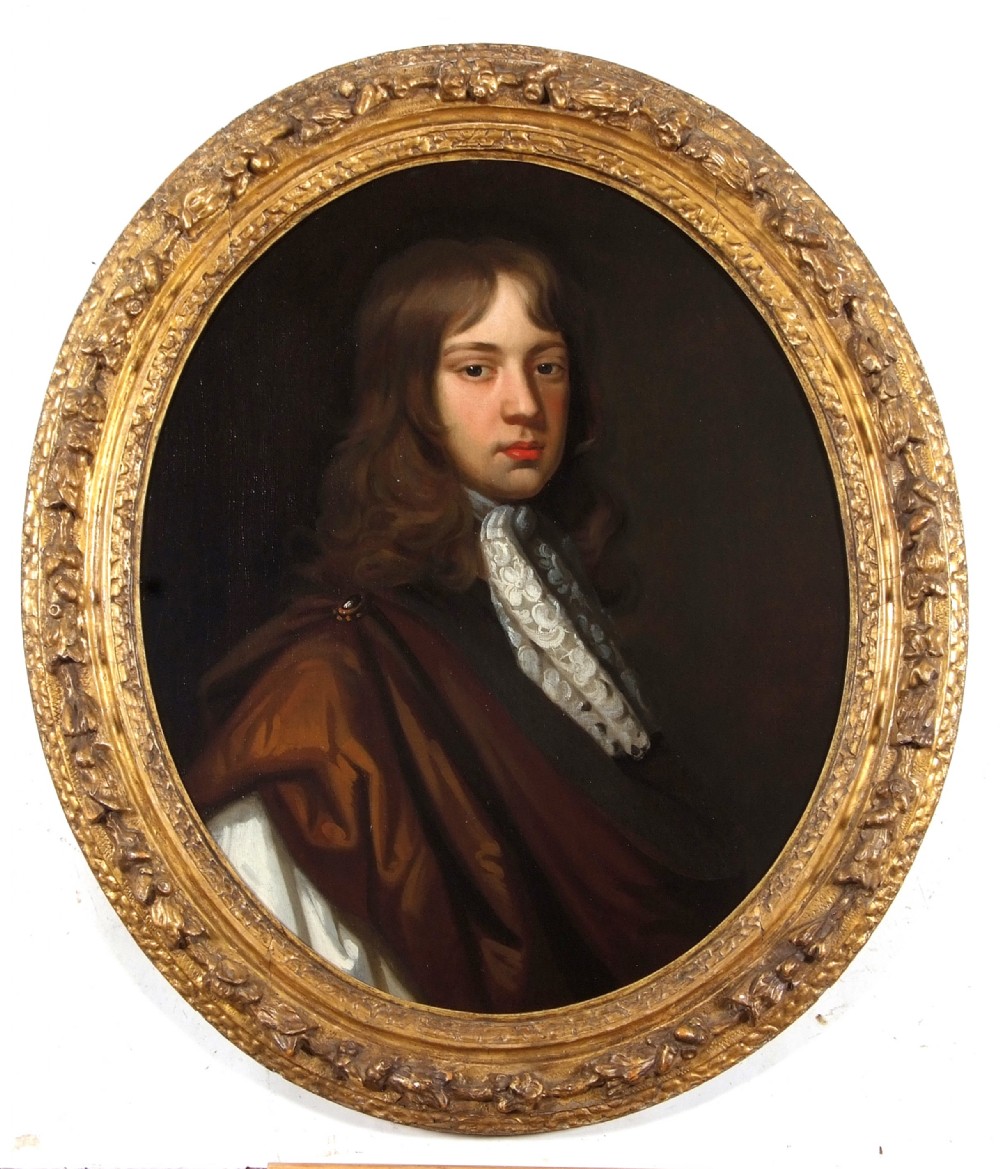
William Levinz C1690; Circle of Sir Godfrey Kneller.
Roy Precious - Antiques & Fine Art
sold SA1032071
Sorry, but this item has been sold.
Roy Precious - Antiques & Fine Art

Roy Precious - Antiques & Fine Art

Sellingantiques Verified Since Mar 2003
View Dealers Stock Page
  • About Us
    Roy and nadine precious: specialists in portraiture from the 16th to the 20th century. Established in 1972.
Id #SA1032071
PDF SHARE
SAVE

William Levinz C1690; Circle of Sir Godfrey Kneller.

17th century
Description

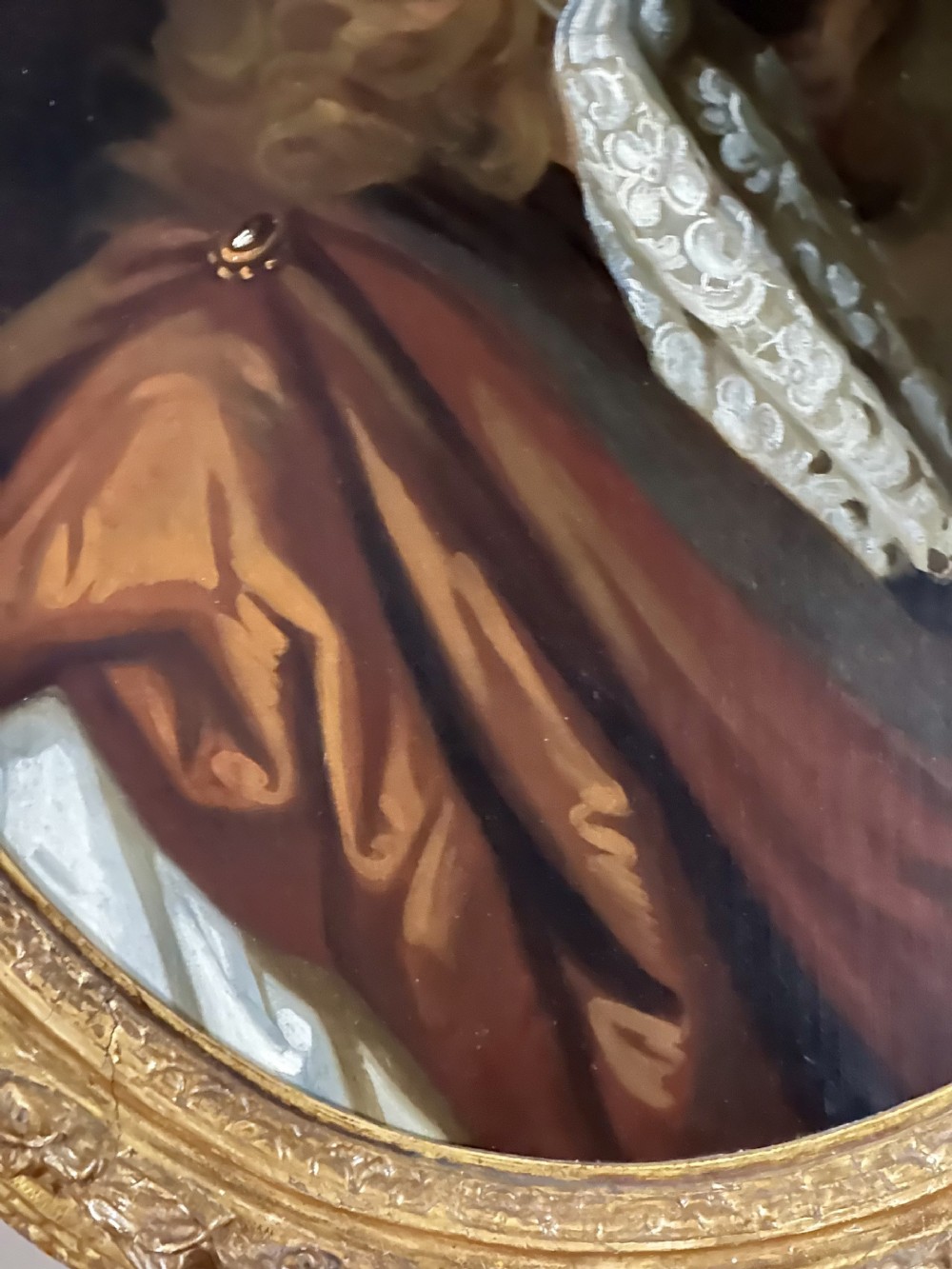
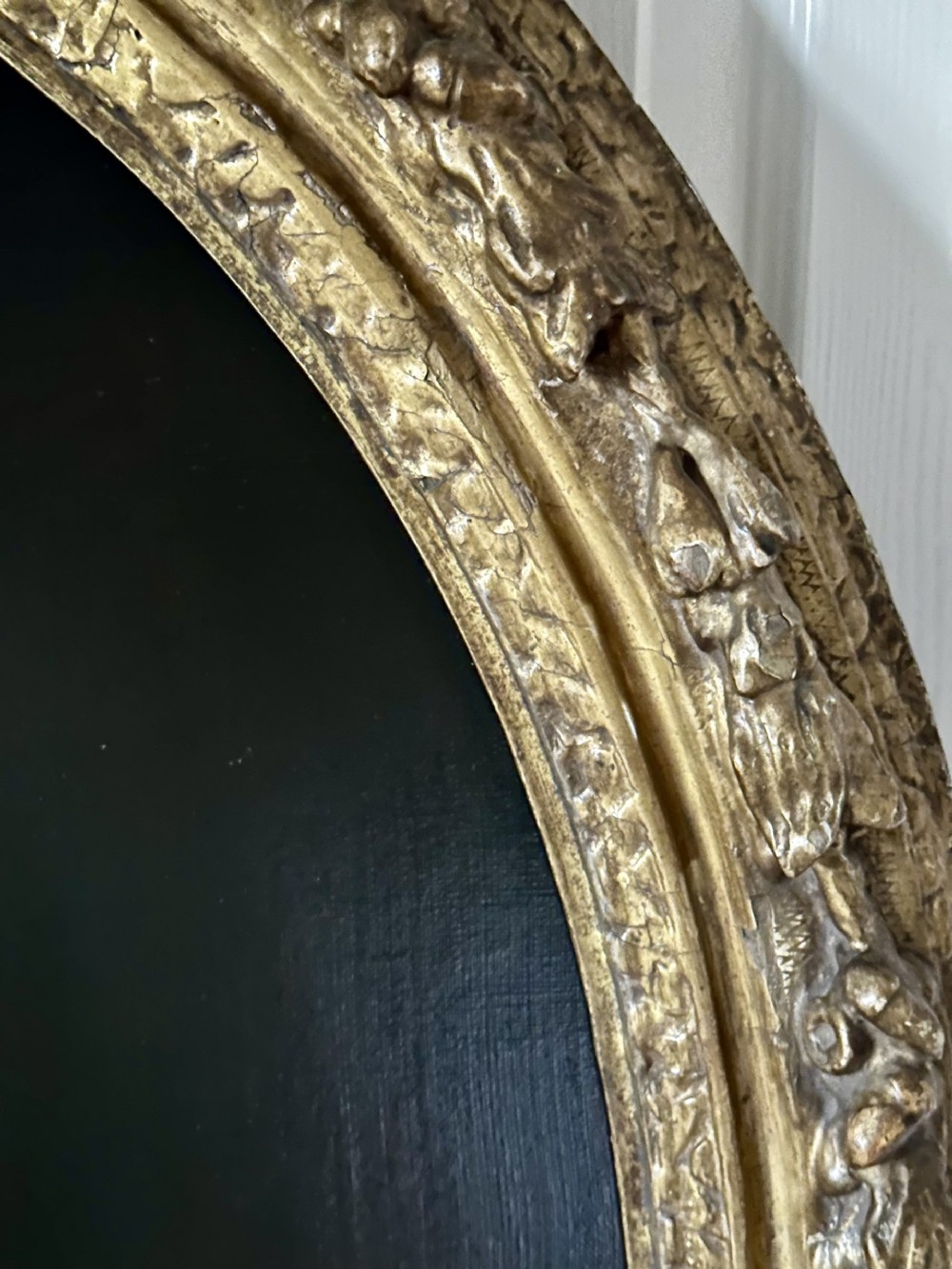
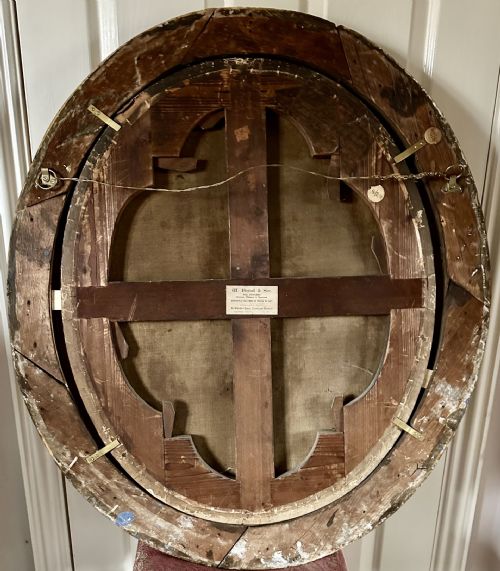
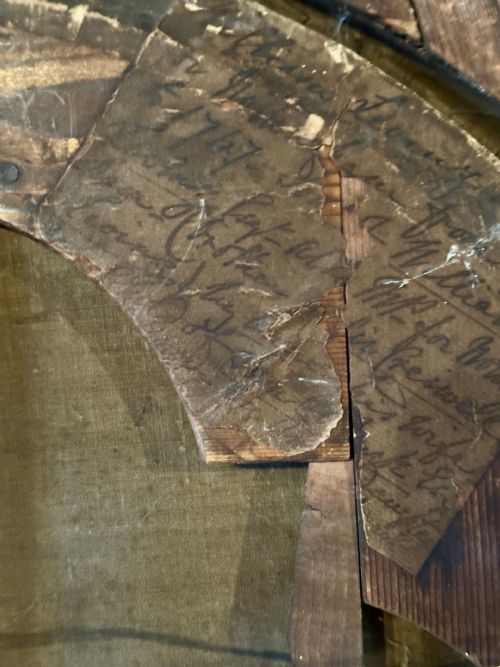
Oil on canvas in the fine carved and giltwood original frame. VERSO old labels and a wax Collection seal.

WILLIAM LEVINZ (c. 1671–1747) of Grove Hall and Bilby, Nottinghamshire was a British lawyer and Tory politician who sat in the English and British House of Commons between 1702 and 1734. He fought a duel with an opposing Whig agent.
Levinz was the eldest son of Sir Creswell Levinz of Evenley, Northamptonshire, a prominent lawyer, and his wife Elizabeth Livesay, daughter of William Livesay of Lancashire. His uncle William Levinz was professor of Greek at Oxford, and another uncle Baptist Levinz was Bishop of Sodor and Man. He was admitted at Gray's Inn in 1681 and matriculated at St John's College, Oxford, where his uncle William Levinz was president, on 26 August 1688, aged 17.
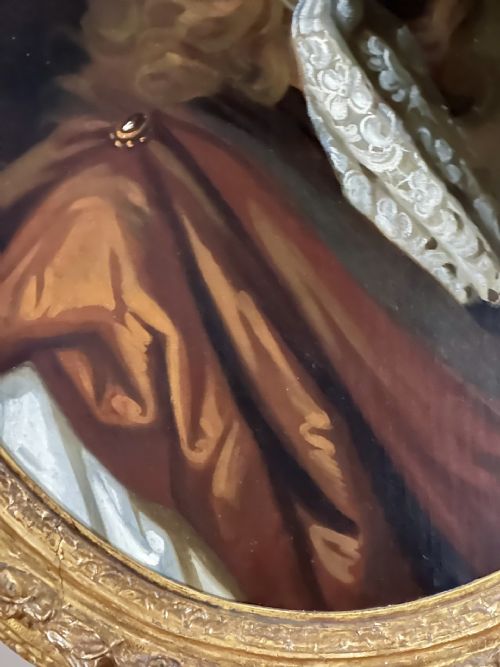
In 1689, he transferred to Inner Temple and in 1693 he was called to the bar. He married Ann Buck, daughter of Samuel Buck of Gray's Inn on 4 June 1693. He succeeded his father in 1701 to his estates. one of which carried with it an electoral interest at Retford.
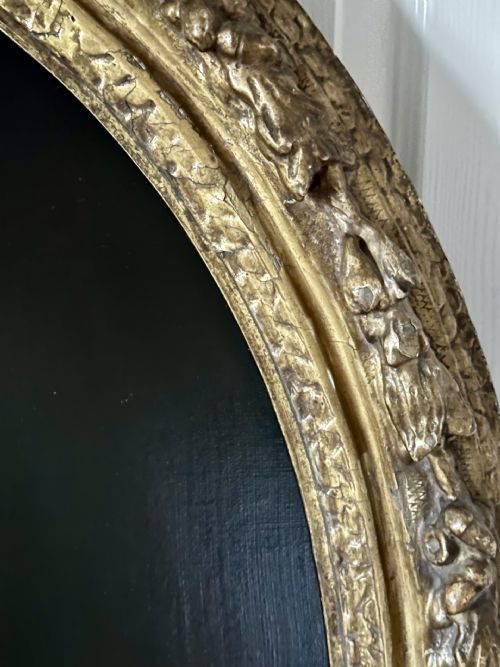
Levinz became one of the leaders of the Tories in Nottinghamshire. He stood as a Tory for East Retford at the second general election of 1701 but was defeated and his petition was dismissed. At the 1702 English general election he was defeated again but this time his petition prevailed and he was returned as Member of Parliament for East Retford on 28 November 1702. At the 1705 English general election, he was returned again for East Retford, but was unseated on petition on 17 January 1706. He was High Sheriff of Nottinghamshire for the year 1707 to 1708. He was returned again as MP for East Retford at the 1708 British general election. He fought a duel on 14 January 1709 with William Jessop, legal adviser and election manager to John Holles, 1st Duke of Newcastle, in which Jessop was wounded.
At the 1710 British general election he stood for Nottinghamshire where he was successfully returned. He was busy again in Parliament and was listed as a ‘worthy patriot’. In 1712 he was elected a Commissioner to inquire into crown grants. He presented an address from Nottinghamshire in favour of the peace in August 1712, and he voted against the French commerce bill on 18 June 1713. At the 1713 British general election he was returned unopposed for Nottinghamshire. He supported the government but demonstrated his Hanoverian loyalty when it was said in August 1715 that he was ‘as zealous to put the laws in execution against Roman Catholics as anybody’.
Levinz was returned unopposed at the 1715 British general election. He contributed £100 towards the cost of raising a Nottinghamshire regiment in the 1715 Jacobite rebellion. He was defeated in a close contest at the 1722 British general election of which he wrote ‘the methods of menaces and promises have been so extravagant and the corruption so open and avowed’. He was returned for one of the vacancies and a Whig candidate for the other at the by-election on 30 May 1732. Levinz’ son William came of age in 1734 and at the 1734 Levinz made an agreement with the Whigs so that his son was returned at Nottinghamshire in his place.

Levinz died in May 1747 leaving a son and two daughters.

SIR GODFREY KNELLER (1646-1723) was the most distinguished painter of baroque portraits in England.

Born in Lubeck, he trained with Bol and Rembrandt, coming to London in 1676.

By 1679 he had painted the King and remained the most famous and successful portrait painter in England until his death.

In 1688 he was made Principal Painter to the King and was knighted in 1692 and a made a baronet in 1715.

Those who emulated his fashionable style were many, his influence was great.

PROVENANCE: Starston Hall, Starston, Norfolk.

Physical Dimensions
Height
84cm (33.07")
Width
74cm (29.13")
Depth
6cm (2.36")
Declaration

Roy Precious - Antiques & Fine Art has dated this piece to the 17th Century.

Reference Numbers
Sellingantiques Reference
SA1032071
Dealers Internal Reference
9319
Description
Oil on canvas in the fine carved and giltwood original frame. VERSO old labels and a wax Collection seal.

WILLIAM LEVINZ (c.

1671–1747) of Grove Hall and Bilby, Nottinghamshire was a British lawyer and Tory politician who sat in the English and British House of Commons between 1702 and 1734.
Roy Precious - Antiques & Fine Art

He fought a duel with an opposing Whig agent.

fig 1. William Levinz c1690; Circle of Sir Godfrey Kneller.
fig 1. William Levinz C1690; Circle of Sir Godfrey Kneller.

Levinz was the eldest son of Sir Creswell Levinz of Evenley, Northamptonshire, a prominent lawyer, and his wife Elizabeth Livesay, daughter of William Livesay of Lancashire. His uncle William Levinz was professor of Greek at Oxford, and another uncle Baptist Levinz was Bishop of Sodor and Man. He was admitted at Gray's Inn in 1681 and matriculated at St John's College, Oxford, where his uncle William Levinz was president, on 26 August 1688, aged 17.

fig 2. William Levinz c1690; Circle of Sir Godfrey Kneller.
fig 2. William Levinz C1690; Circle of Sir Godfrey Kneller.

In 1689, he transferred to Inner Temple and in 1693 he was called to the bar. He married Ann Buck, daughter of Samuel Buck of Gray's Inn on 4 June 1693. He succeeded his father in 1701 to his estates. one of which carried with it an electoral interest at Retford.

fig 3. William Levinz c1690; Circle of Sir Godfrey Kneller.
fig 3. William Levinz C1690; Circle of Sir Godfrey Kneller.

Levinz became one of the leaders of the Tories in Nottinghamshire. He stood as a Tory for East Retford at the second general election of 1701 but was defeated and his petition was dismissed. At the 1702 English general election he was defeated again but this time his petition prevailed and he was returned as Member of Parliament for East Retford on 28 November 1702. At the 1705 English general election, he was returned again for East Retford, but was unseated on petition on 17 January 1706. He was High Sheriff of Nottinghamshire for the year 1707 to 1708. He was returned again as MP for East Retford at the 1708 British general election. He fought a duel on 14 January 1709 with William Jessop, legal adviser and election manager to John Holles, 1st Duke of Newcastle, in which Jessop was wounded.

fig 4. William Levinz c1690; Circle of Sir Godfrey Kneller.
fig 4. William Levinz C1690; Circle of Sir Godfrey Kneller.

At the 1710 British general election he stood for Nottinghamshire where he was successfully returned. He was busy again in Parliament and was listed as a ‘worthy patriot’. In 1712 he was elected a Commissioner to inquire into crown grants. He presented an address from Nottinghamshire in favour of the peace in August 1712, and he voted against the French commerce bill on 18 June 1713. At the 1713 British general election he was returned unopposed for Nottinghamshire. He supported the government but demonstrated his Hanoverian loyalty when it was said in August 1715 that he was ‘as zealous to put the laws in execution against Roman Catholics as anybody’.

fig 5. William Levinz c1690; Circle of Sir Godfrey Kneller.
fig 5. William Levinz C1690; Circle of Sir Godfrey Kneller.

Levinz was returned unopposed at the 1715 British general election. He contributed £100 towards the cost of raising a Nottinghamshire regiment in the 1715 Jacobite rebellion. He was defeated in a close contest at the 1722 British general election of which he wrote ‘the methods of menaces and promises have been so extravagant and the corruption so open and avowed’. He was returned for one of the vacancies and a Whig candidate for the other at the by-election on 30 May 1732. Levinz’ son William came of age in 1734 and at the 1734 Levinz made an agreement with the Whigs so that his son was returned at Nottinghamshire in his place.

Levinz died in May 1747 leaving a son and two daughters.

SIR GODFREY KNELLER (1646-1723) was the most distinguished painter of baroque portraits in England.

Born in Lubeck, he trained with Bol and Rembrandt, coming to London in 1676.

By 1679 he had painted the King and remained the most famous and successful portrait painter in England until his death.

In 1688 he was made Principal Painter to the King and was knighted in 1692 and a made a baronet in 1715.

Those who emulated his fashionable style were many, his influence was great.

PROVENANCE: Starston Hall, Starston, Norfolk.

Height
84cm (33.07")
Width
74cm (29.13")
Depth
6cm (2.36")
Date of Manufacture

Roy Precious - Antiques & Fine Art has dated this piece to the 17th Century.

Reference Numbers
Sellingantiques Ref
SA1032071
Dealers Internal Ref
9319
Roy Precious - Antiques & Fine Art
Sellingantiques verified Since Mar 2003

Roy and nadine precious: specialists in portraiture from the 16th to the 20th century. Established in 1972.

Dealer Profile

You can view the stock and full dealer information on the Roy Precious - Antiques & Fine Art Profile Page
PDF SHARE
SAVE
William Levinz c1690; Circle of Sir Godfrey Kneller.
1 / 6
Archive I William Levinz c1690; Circle of Sir Godfrey Kneller.

William Levinz C1690; Circle of Sir Godfrey Kneller.
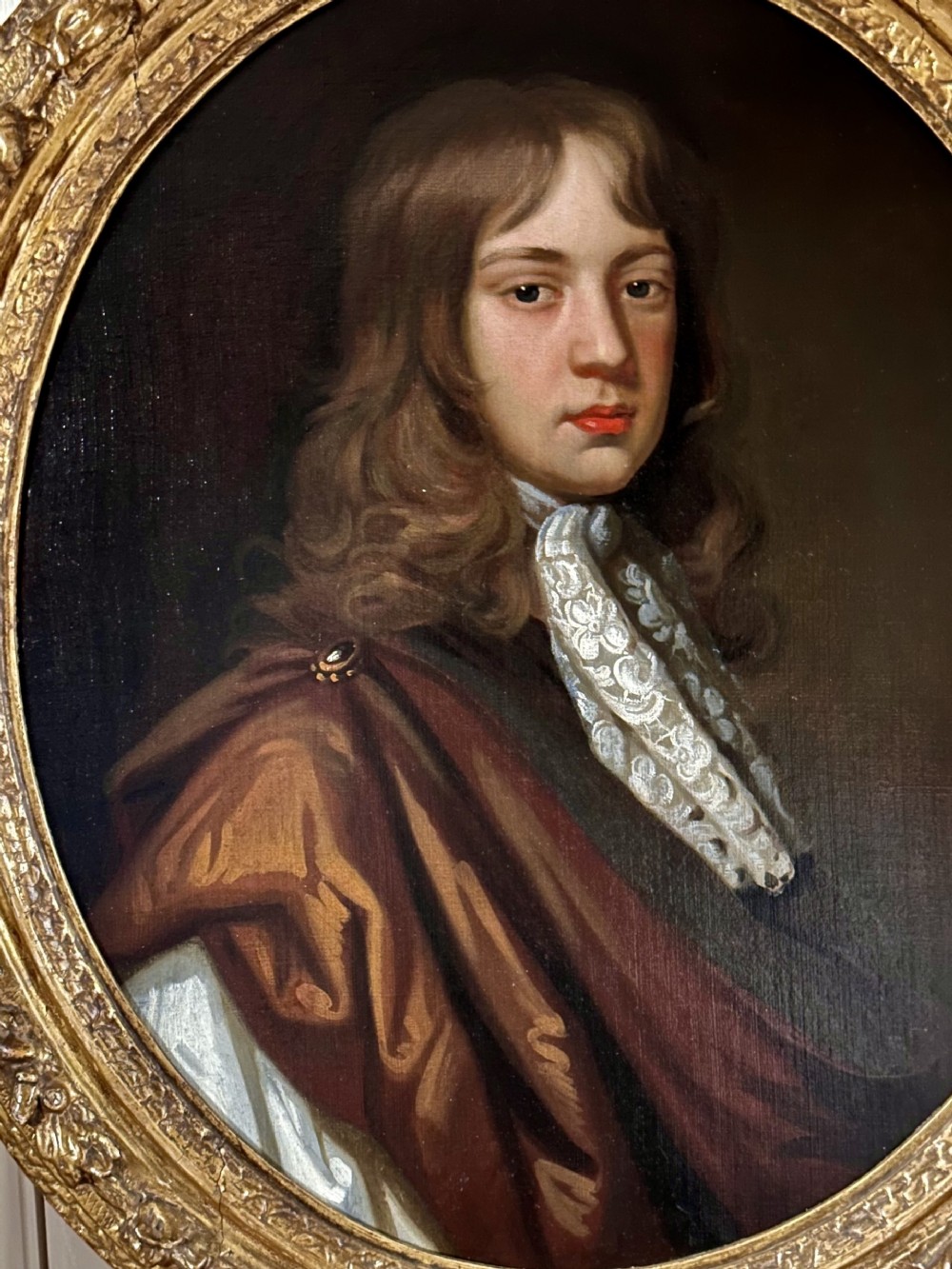
Archive II William Levinz c1690; Circle of Sir Godfrey Kneller. View II
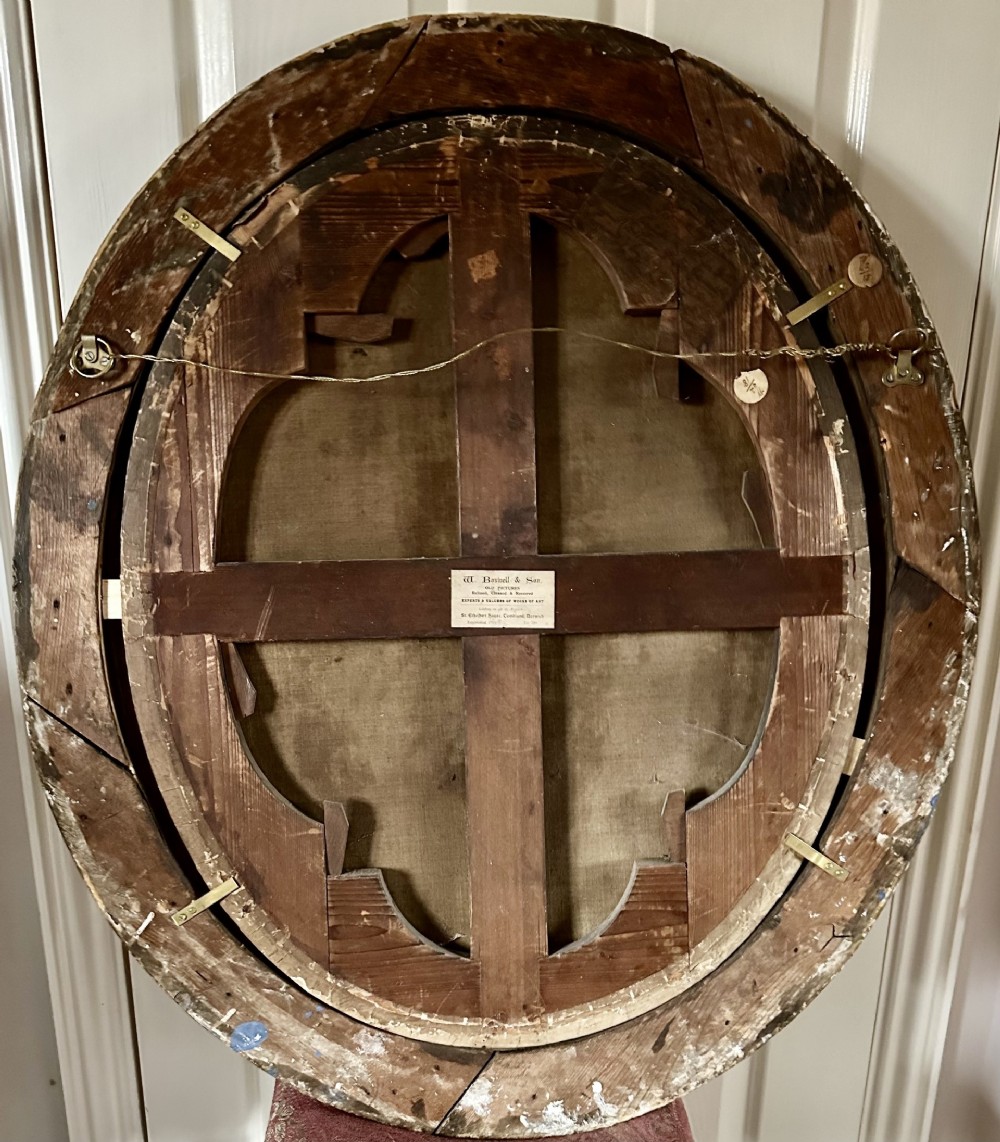
Archive III William Levinz c1690; Circle of Sir Godfrey Kneller. View III
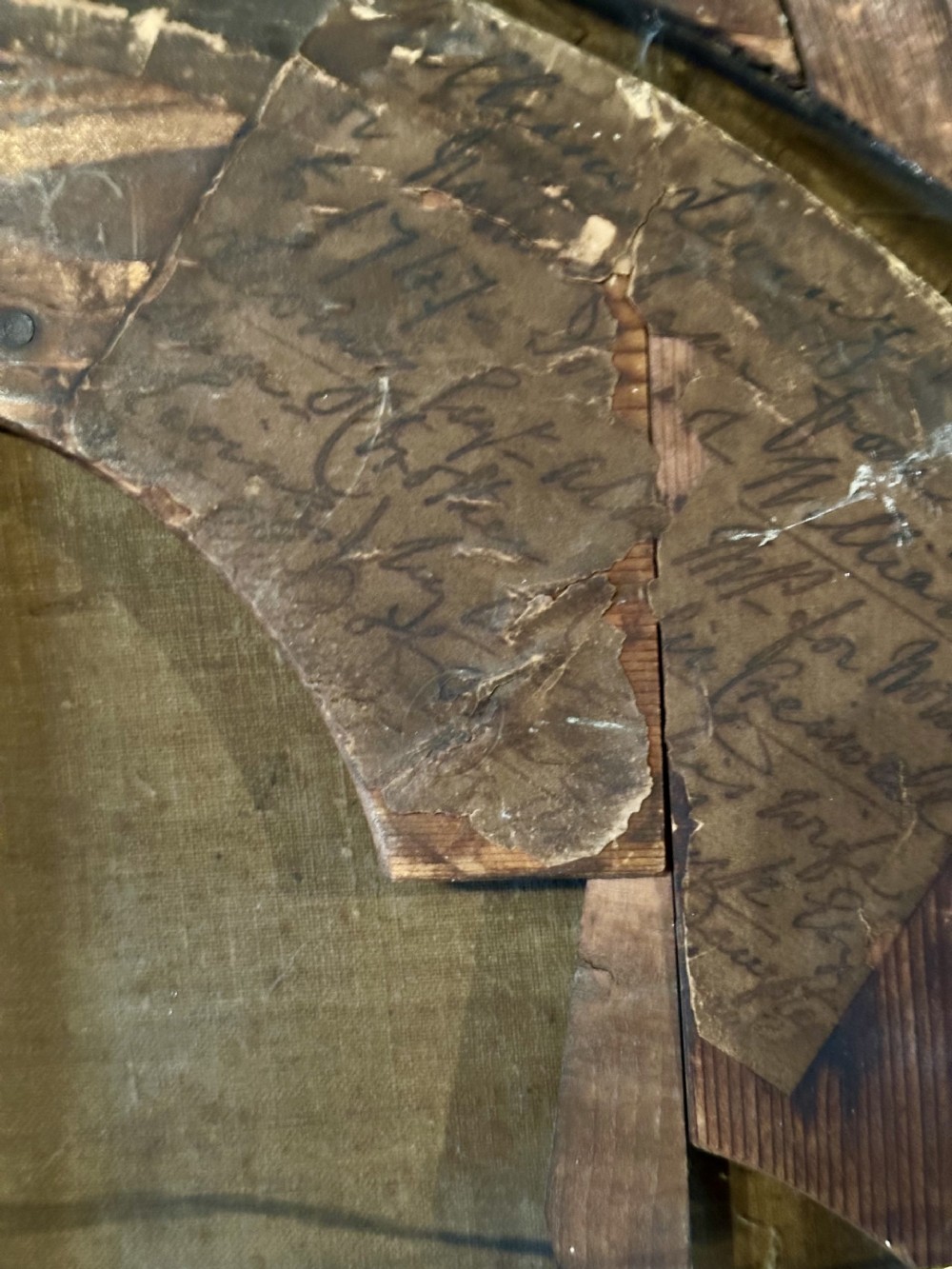
Archive IV William Levinz c1690; Circle of Sir Godfrey Kneller. View IV
Archive V William Levinz c1690; Circle of Sir Godfrey Kneller. View V
Archive VI William Levinz c1690; Circle of Sir Godfrey Kneller. View VI
Enlarged Archival View
Location
Wiltshire
United Kingdom
Dealer Profile Page sellingantiques.co.uk/rp
Verified Since Mar 2003
Items For Sale 95
Items Sold 679
Roy Precious - Antiques & Fine Art
Verified Since Mar 2003
View Dealer Info
Location: Wiltshire, United Kingdom
Verified
Mar 2003
For Sale
95
Sold
679
William Levinz c1690; Circle of Sir Godfrey Kneller.
Ref: SA1032071
William Levinz c1690; Circle of Sir Godfrey Kneller.
Detail View 1
Detail View 2
Detail View 3
Detail View 4
Detail View 5
Archival Detail
Every single antique dealer on our platform is individually approved by our internal team. We verify their professional trade history, ethical standards, and photographic quality to ensure a secure, high-standard buying environment. Upon joining, every dealer agrees to a strict 9-point code of conduct. While issues can occasionally arise, our dealers typically resolve them swiftly and directly with the buyer. In fact, since our founding in 2002, Sellingantiques has only had to step in to help resolve an issue on roughly five occasions—a true testament to the quality of our dealers and their dedication to your happiness.
Our dealers are highly experienced in packing and shipping fragile, high-value antiques. Because you are in direct contact with the dealer, you will be able to easily go through all available shipping and insurance options together to ensure your item arrives safely.
Antiques are the ultimate green purchase. By choosing historical pieces over newly manufactured goods, you completely eliminate the carbon footprint of modern mass production while preserving exceptional, timeless craftsmanship.
items
Add keywords to the filter
Price
£100
£250000
Era
Movements
Material
Origin
Stock Location
Freshness
Online Payments
Categories