Regent Antiques has dated this piece to the 1800s.
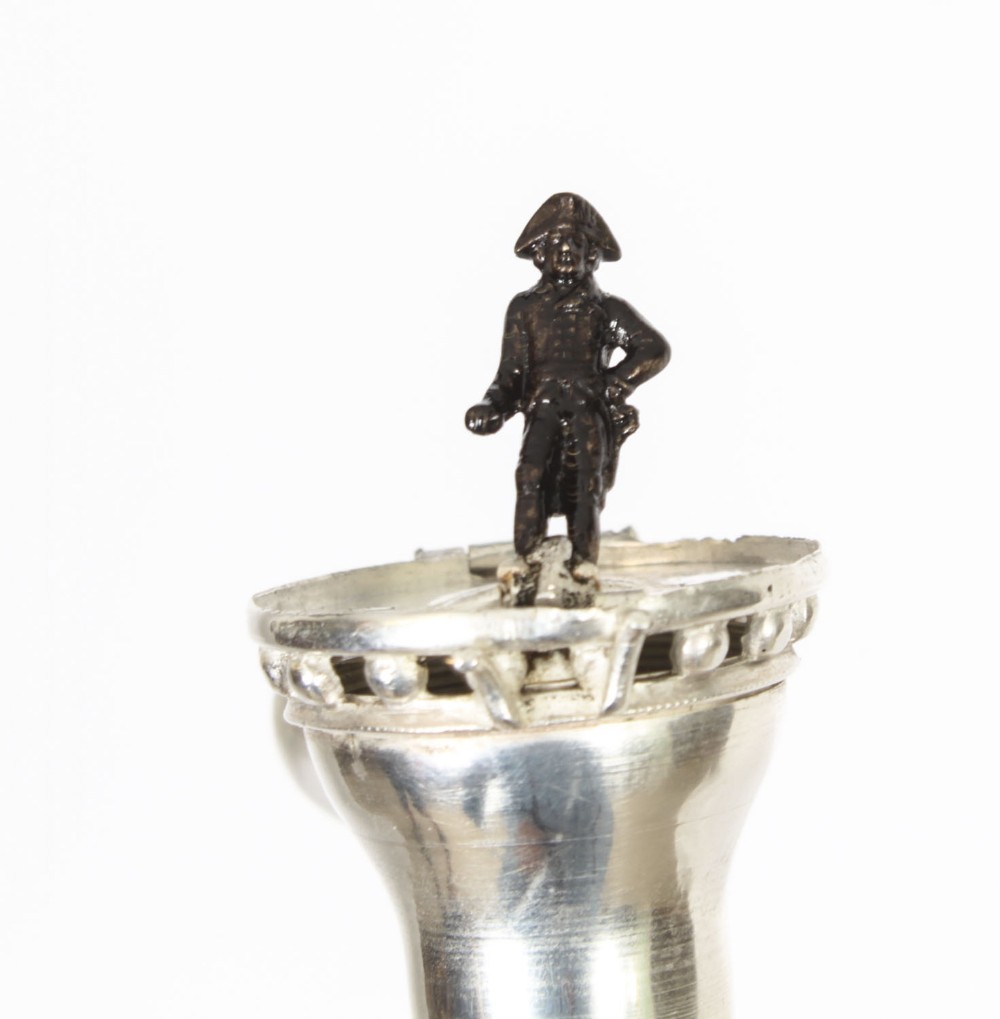
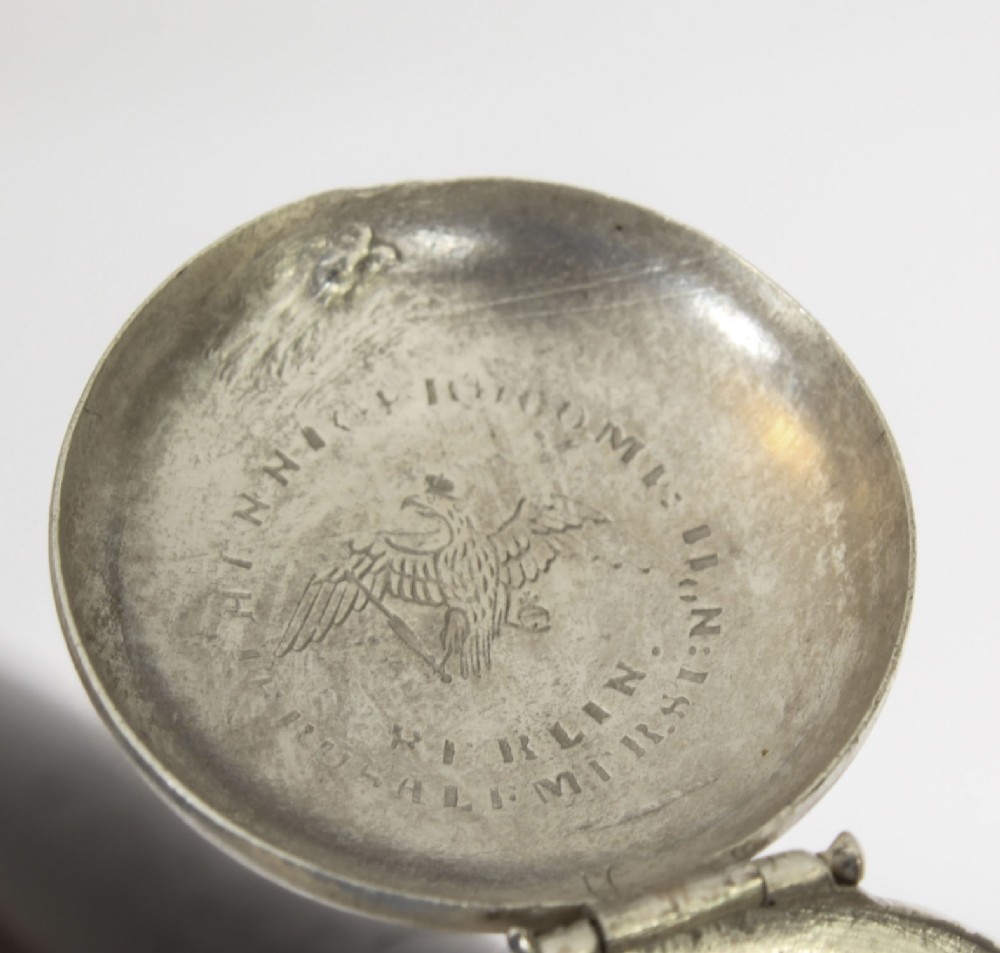
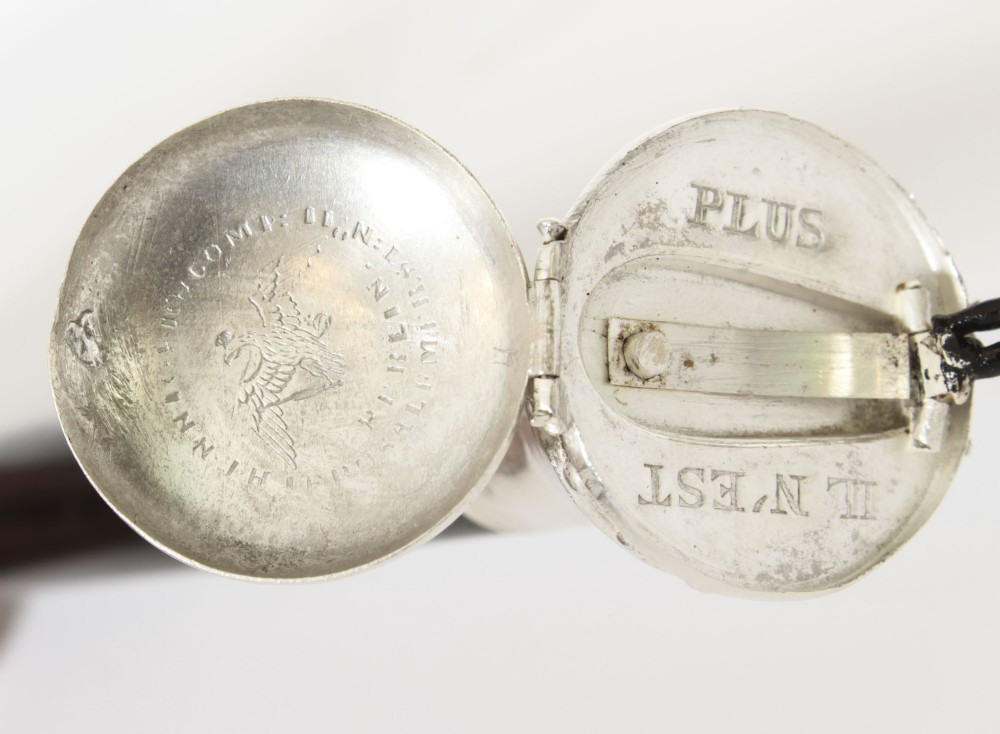
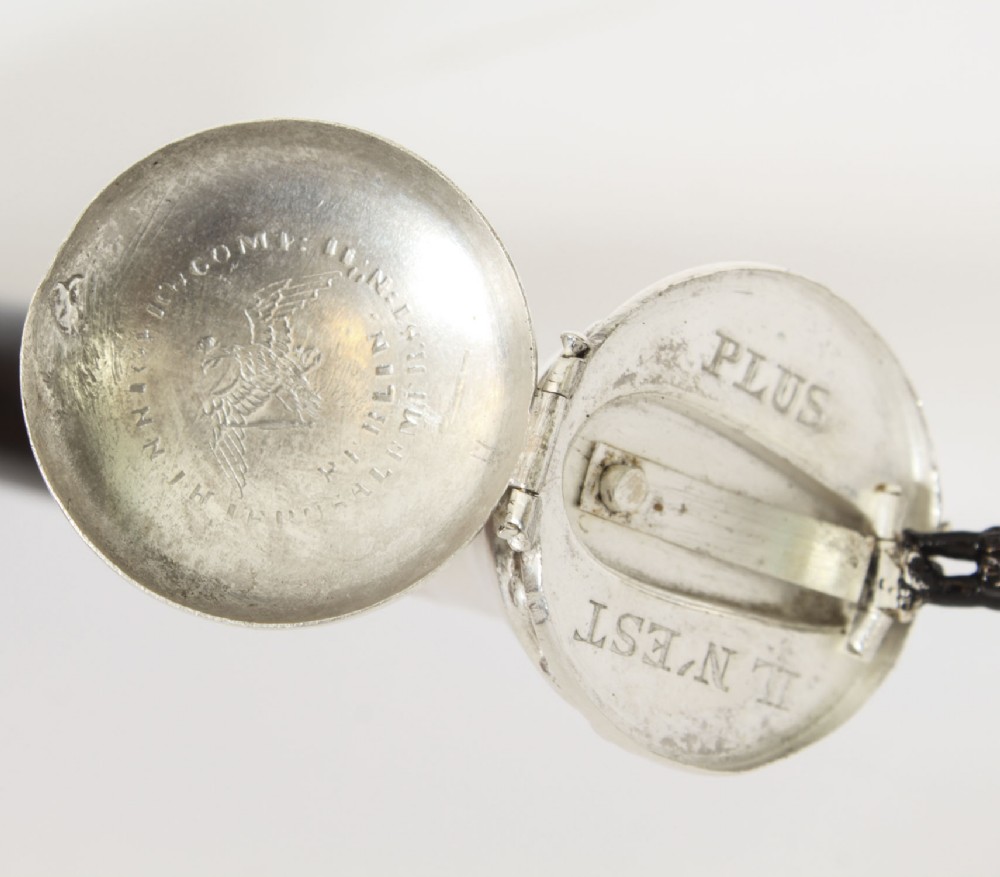
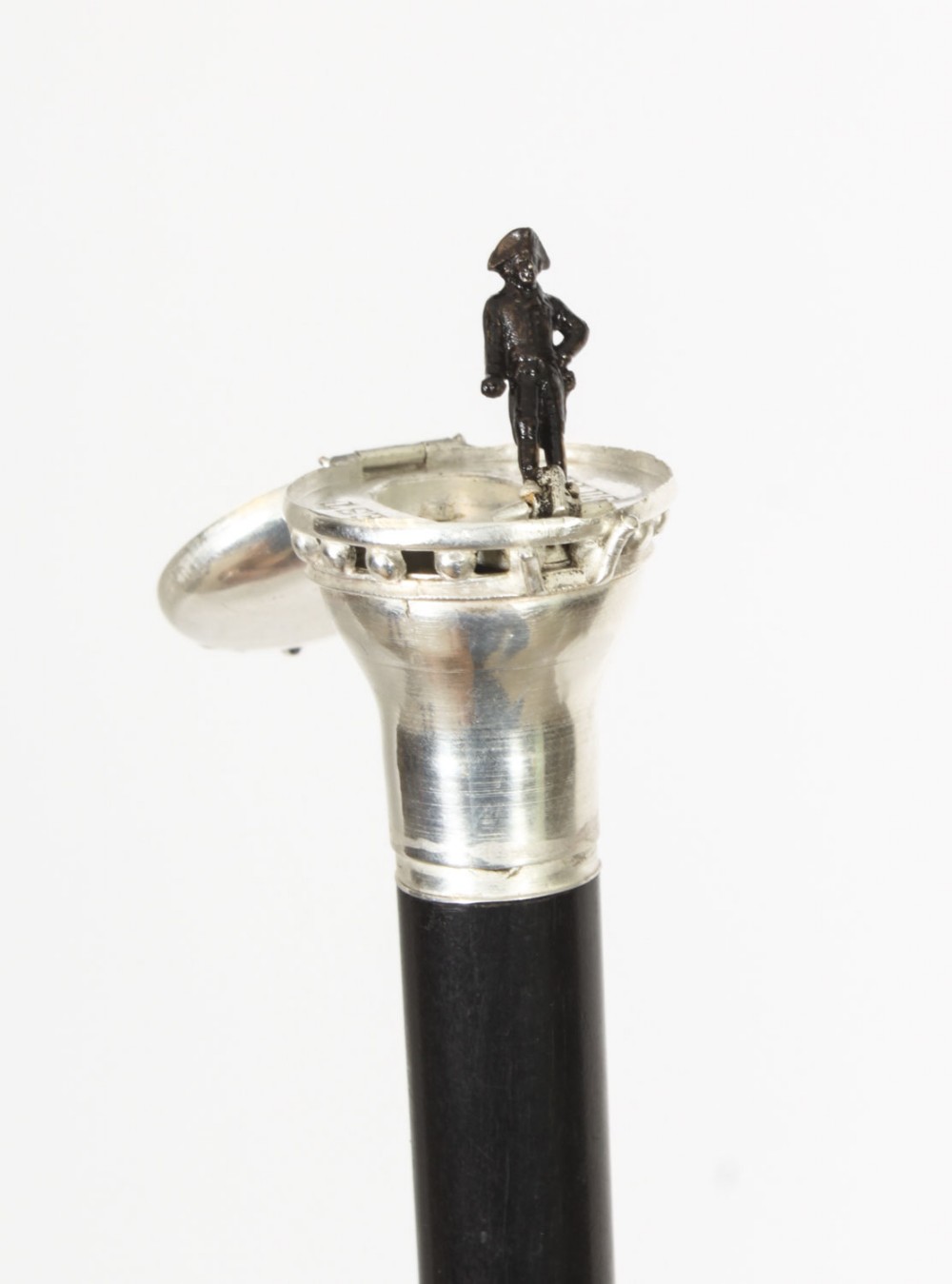
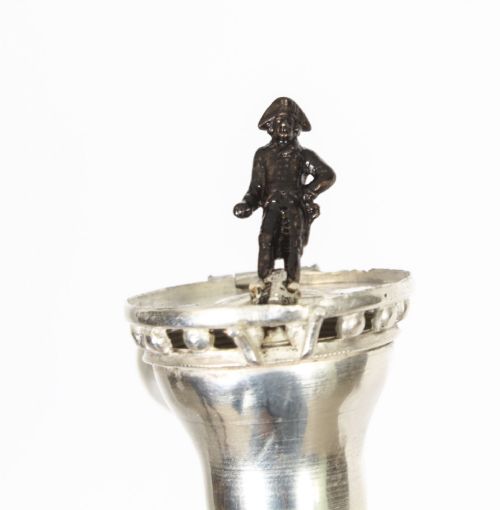
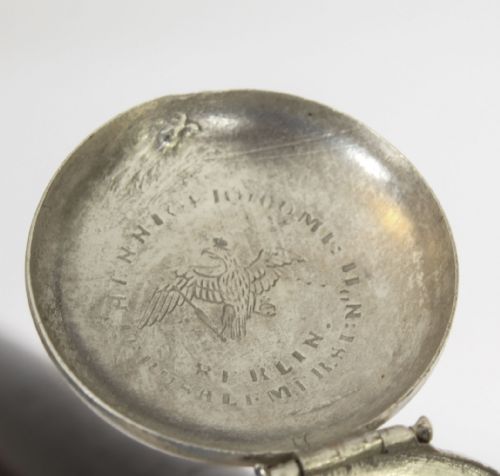
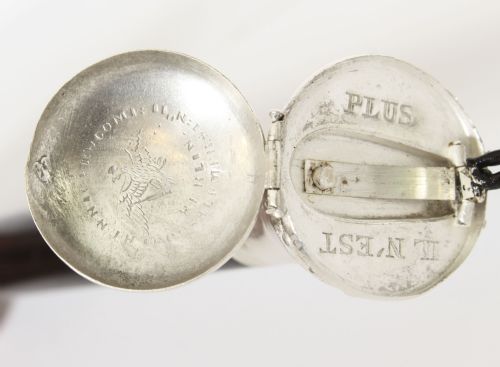
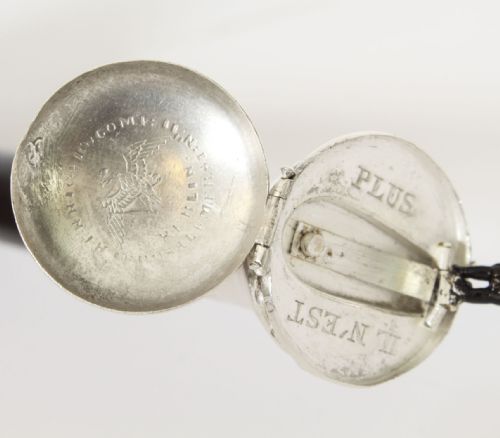
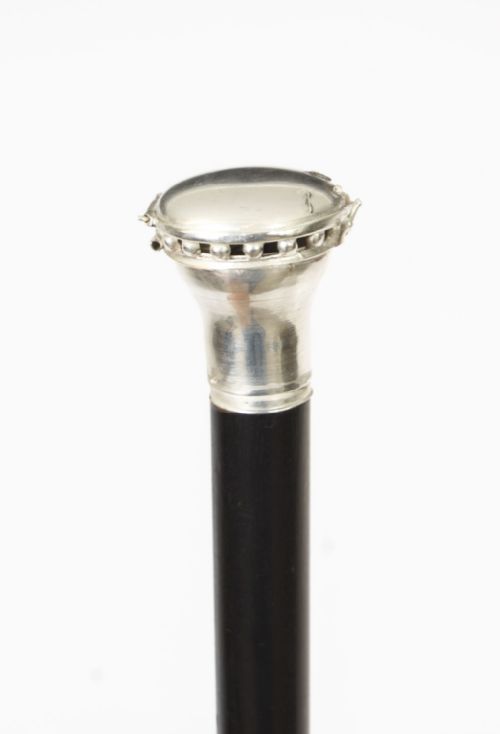
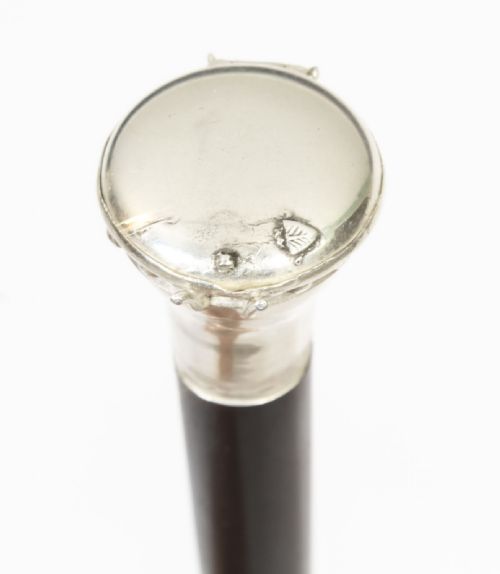
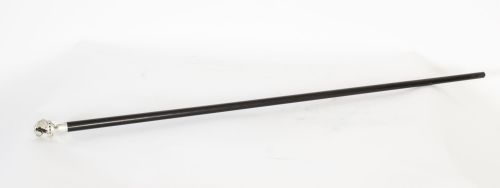
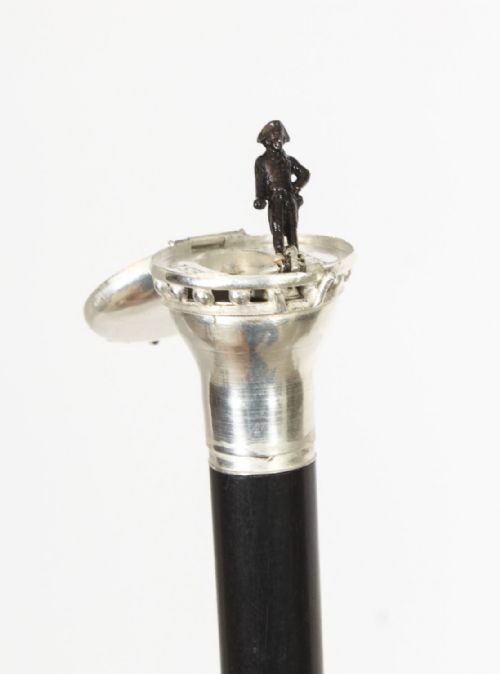
This novelty walking stick reflecting the Napoleonic Wars and the Cult of Napoleon Bonaparte, the pommel features a hinged cover enclosing a sprung mechanism revealing Napoleon rising from his coffin, dressed in full military uniform and in iconic pose, inscribed "Il N’est Plus" (He is no longer), with a hardwood cane.
Add an extravagant element to your daily life with this wonderful walking cane.
Condition:
In excellent condition, please see photos for confirmation.
Dimensions in cm:
Height 86 x Width 35 x Depth 35
Dimensions in inches:
Height 2 foot, 10 inches x Width 1 foot, 2 inches x Depth 1 foot, 2 inches
Walking Stick
used by many people to facilitate balancing while walking. Walking sticks come in many shapes and sizes, and can be sought by collectors.
Around the 17th or 18th century, a stout rigid stick took over from the sword as an essential part of the European gentleman's wardrobe, used primarily as a walking stick. In addition to its value as a decorative accessory, it also continued to fulfill some of the function of the sword as a weapon. The standard cane was rattan with a rounded metal grip. There were very often made of malacca (rattan stems) and showed the patina of age.

Types of walking sticks:
Ashplant — an Irish walking stick made from the ash tree
Devil's walking stick — made from Hercules plant
Shooting stick — it can fold out into a single-legged seat
Supplejack — made from a tropical American vine, also serves as a cane
Penang lawyer — made from Licuala. After the bark was removed with only a piece of glass, the stick was straightened by fire and polished. The fictional Dr. Mortimer owned one of these in The Hound of the Baskervilles
Makila (or makhila) — Basque walking stick or Staff, usually made from medlar wood. It often features a gold or silver foot and handle, which may conceal a steel blade. The Makila's elaborate engravings are actually carved into the living wood, then allowed to heal before harvesting.
Kebbie — a rough Scottish walking stick, similar to an Irish shillelagh, with a hooked head
Whangee — Asian, made of bamboo, also a riding crop. Such a stick was owned by Charlie Chaplin's character The Tramp
Malacca — Malay stick made of rattan palms
Pike Staff — pointed at the end for slippery surfaces
Waddy — Australian Aboriginal walking stick or war club, about one metre in length, sometimes with a stone head affixed with string and beeswax.
Ziegenhainer:— Knotty German stick, made from European Cornel, also used as a melee weapon by a duellist's second. The spiral groove caused by a parasitic vine was often imitated by its maker if not present
Our reference: A3366
Regent Antiques has dated this piece to the 1800s.
We specialise in english and continental furniture, silver, porcelain and decorative items.
You can view the stock and full dealer information on the Regent Antiques Profile Page
Regent Antiques is a registered member of LAPADA CINOA

Antique Napoleon Bonaparte Silver Walking Stick Cane C1840 19th Century